Facing Time
About artwork
Provenance
Tech info
About
Japanese avant-garde filmmaker Adachi Masao, in the 1960s–70s, proposed the “theory of landscape” (*fūkeiron*) as a method of critiquing reality (“capitalism”) through saturated representation. In his representative work *A.K.A. Serial Killer*, the trajectory by which an ordinary man came to the rupture of serial murder is depicted by presenting the landscapes of the world he had lived in. By stitching together the many places he passed through, from the remote countryside of Abashiri in northern Japan to the center of Tokyo, what was reproduced was the violence of the world upon which we stand. (Adachi noted that in following those landscapes, he was struck by how all the places he experienced looked the same.)

Could this methodology also be applied to the deaths and losses we have experienced? If art requires new representation in order to perform “critique,” and if new representation is also needed to perceive the social character of “death” today, then can the act of tracing the lives of the departed and the memories of the bereaved—pursuing those landscapes—be a way of recognizing the world?

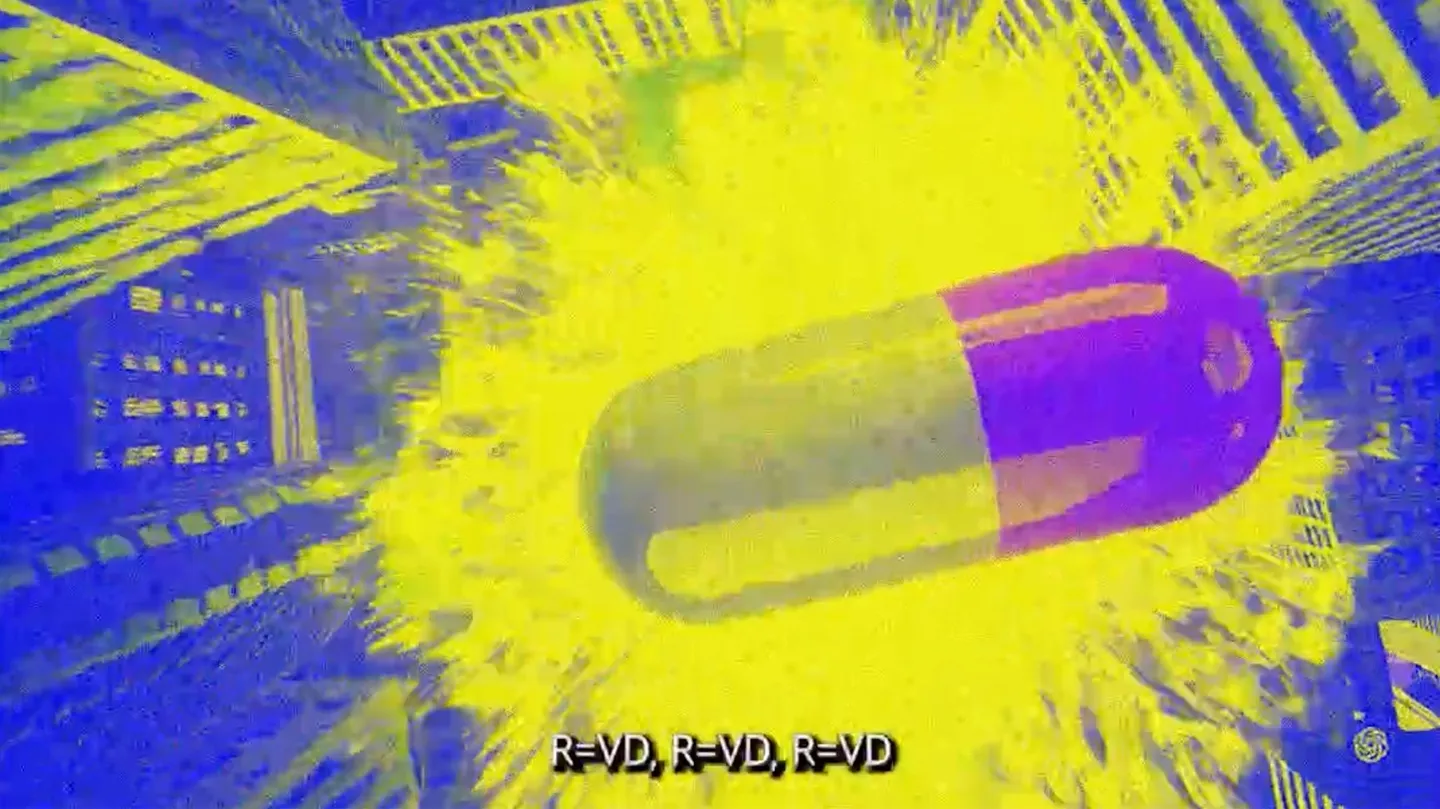
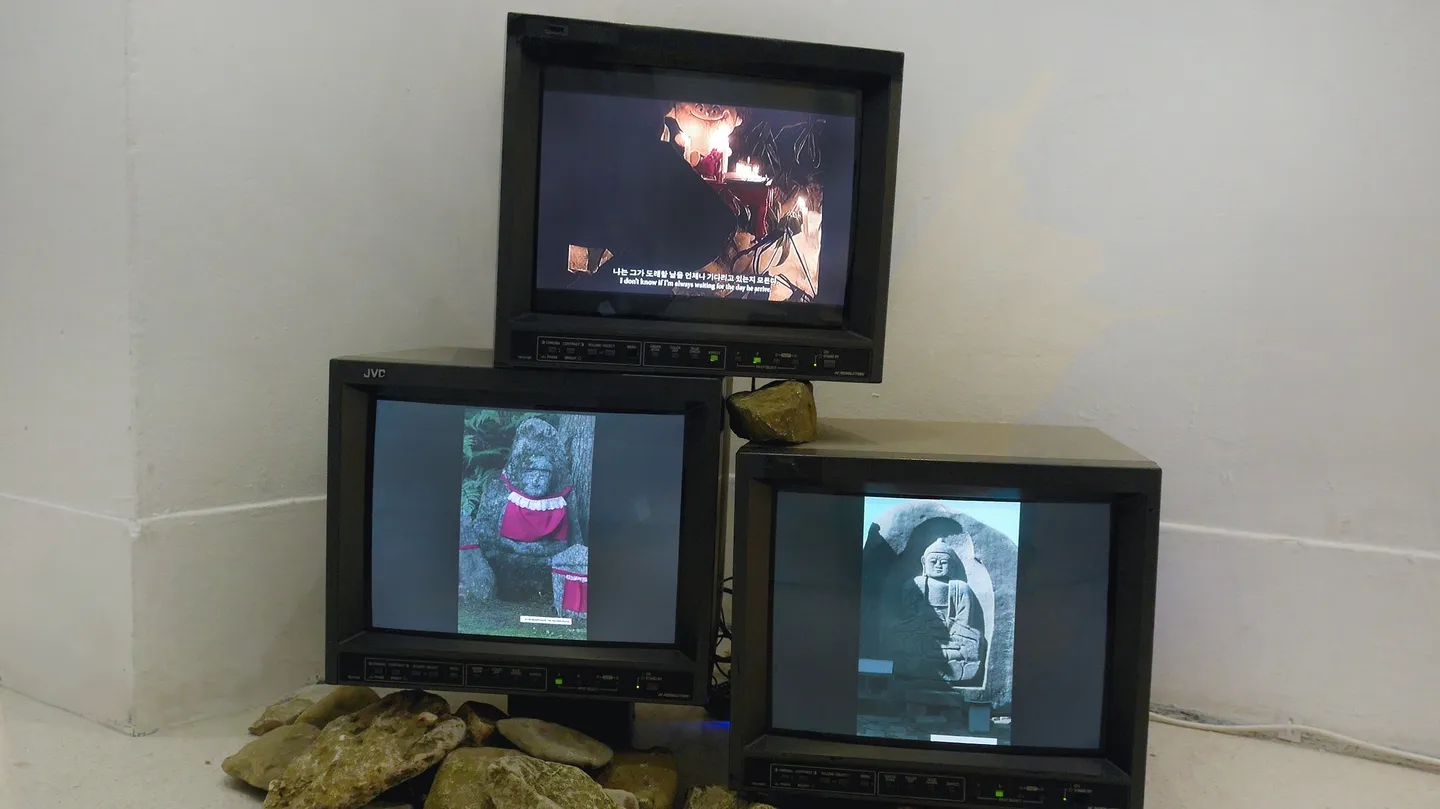
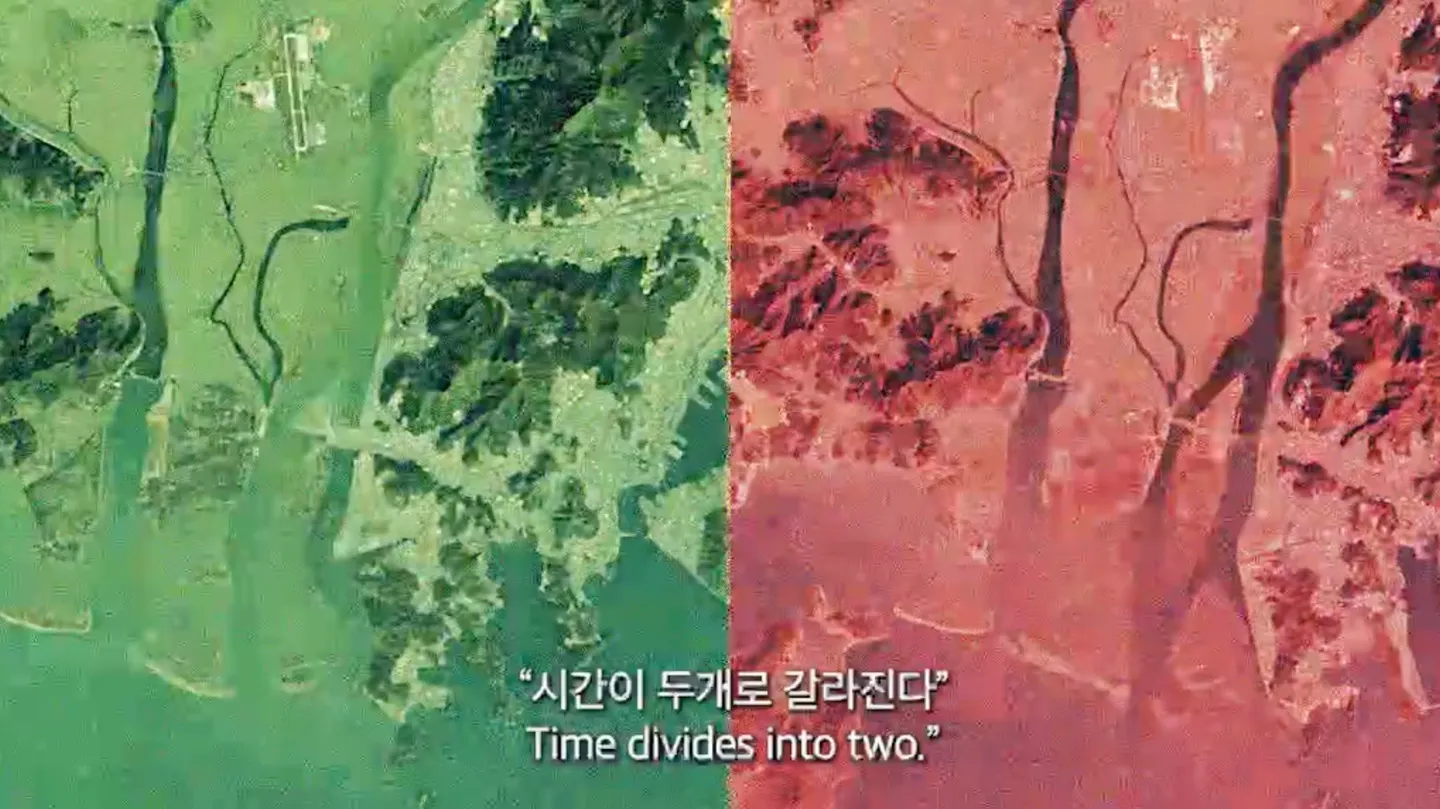
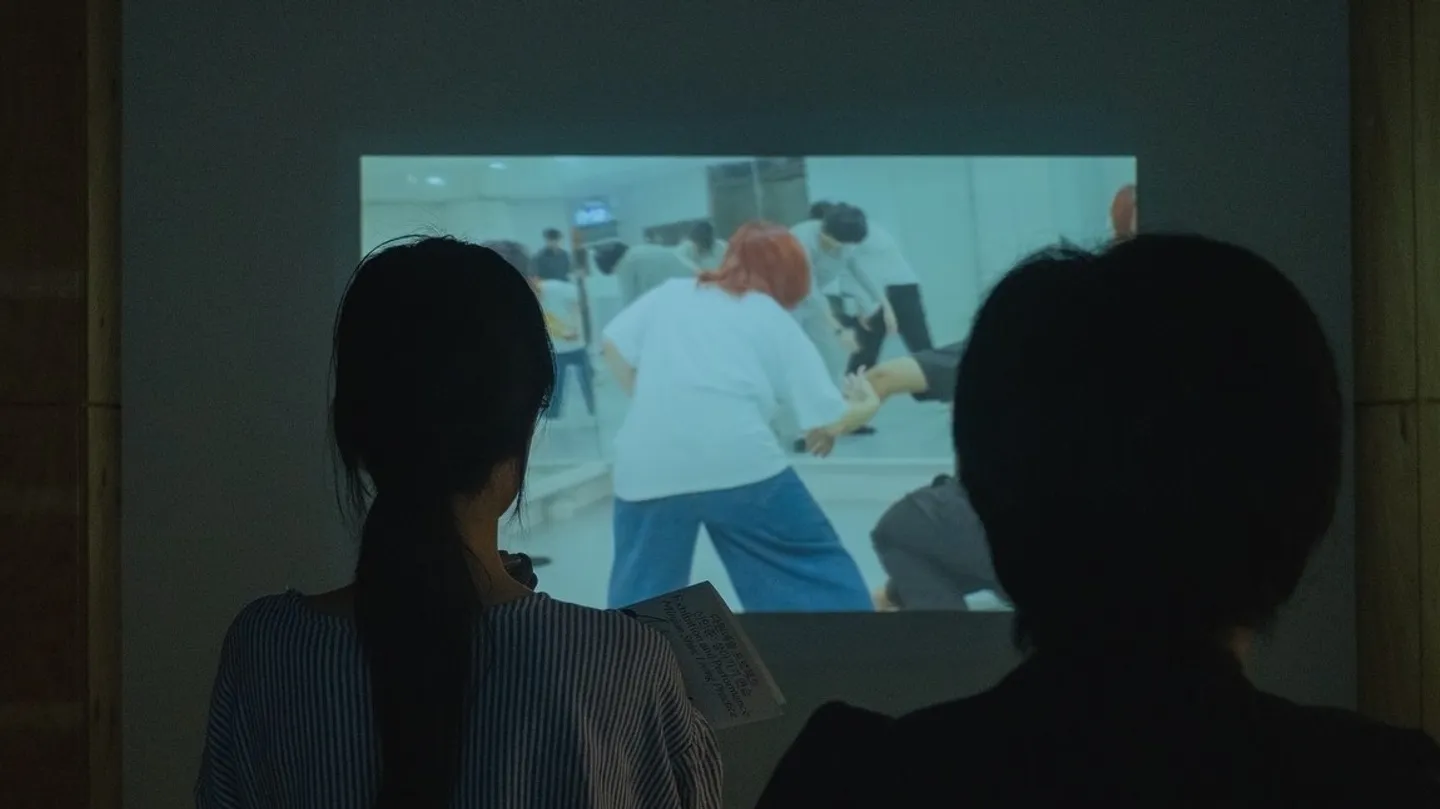
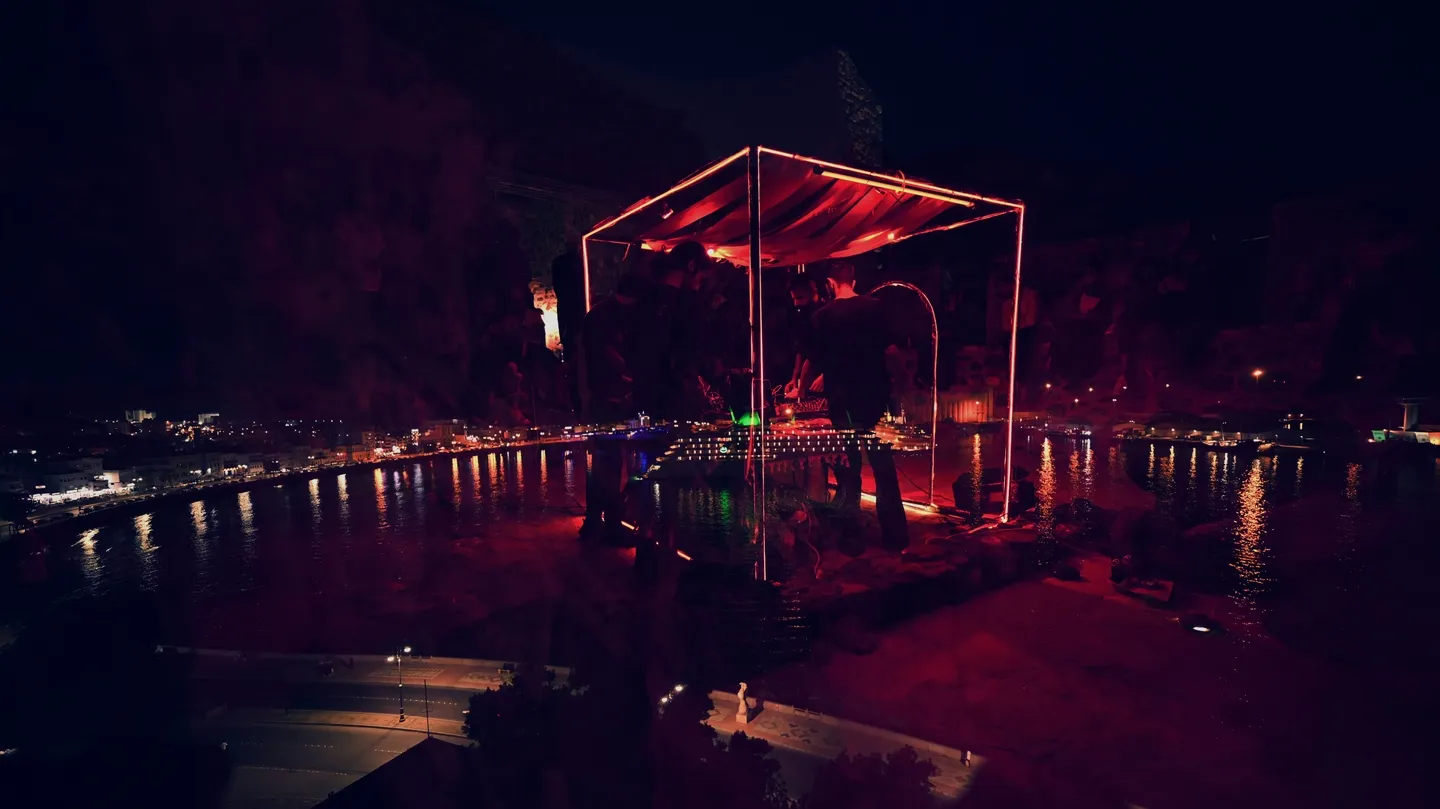
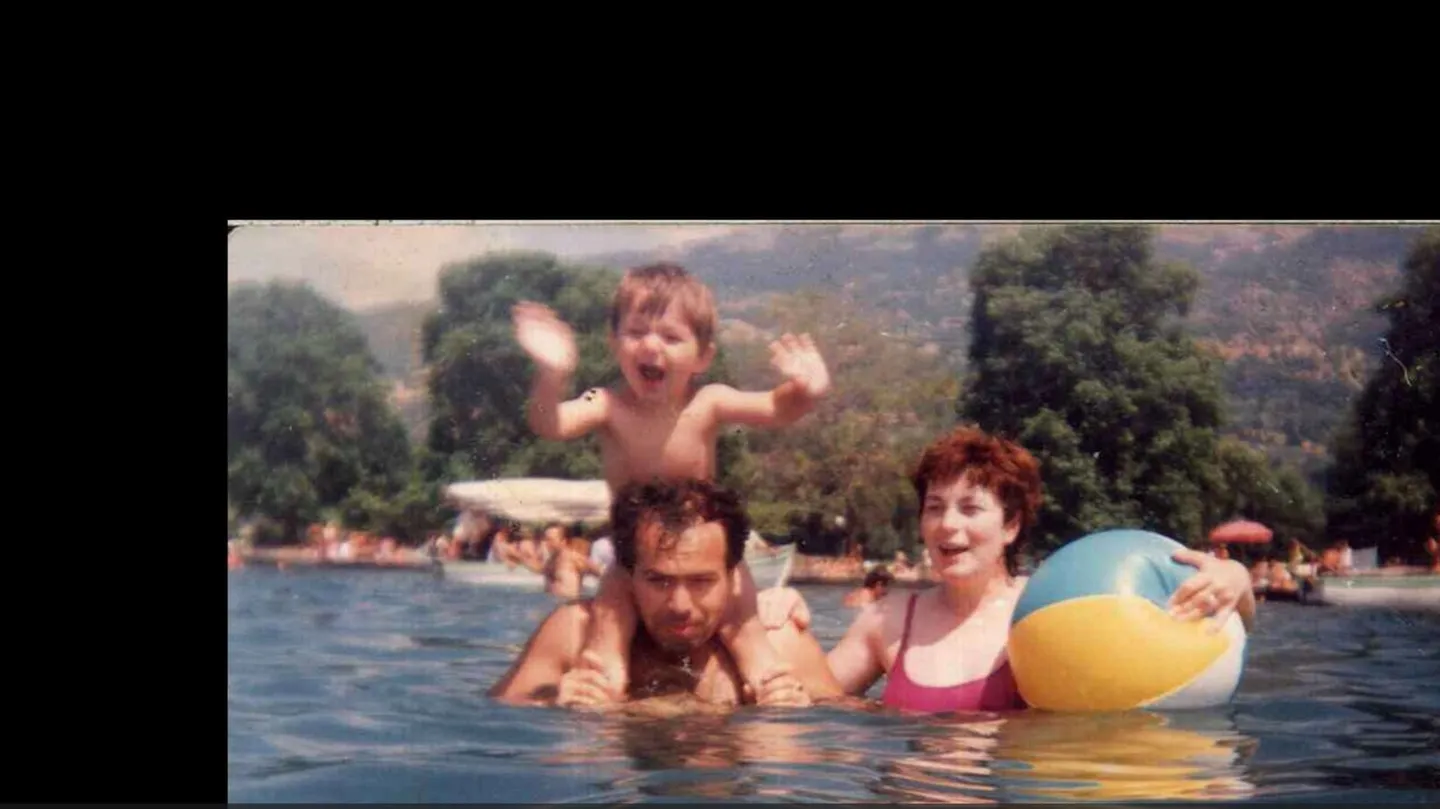
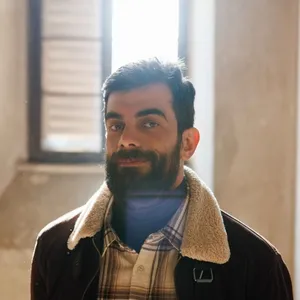
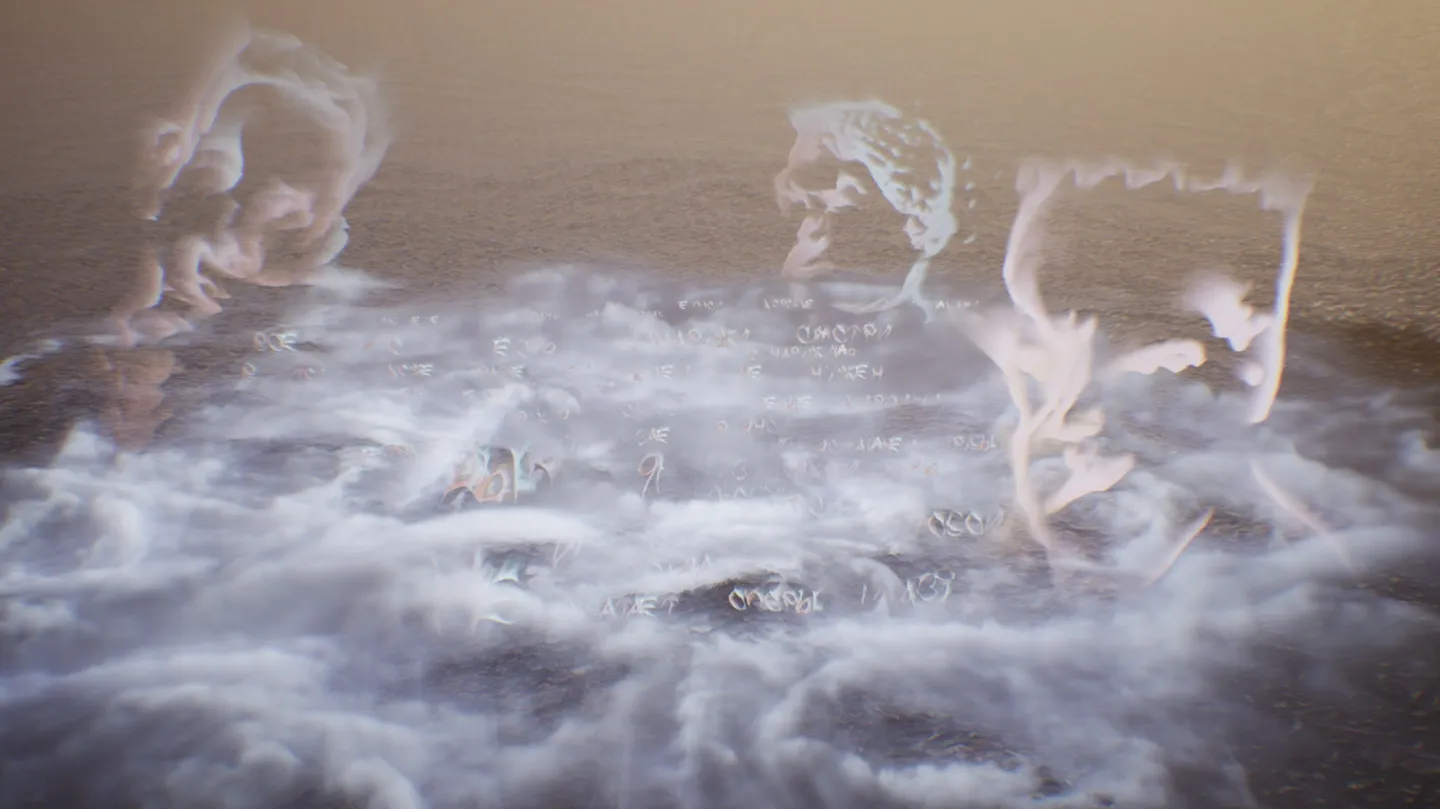
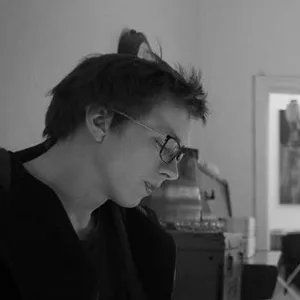
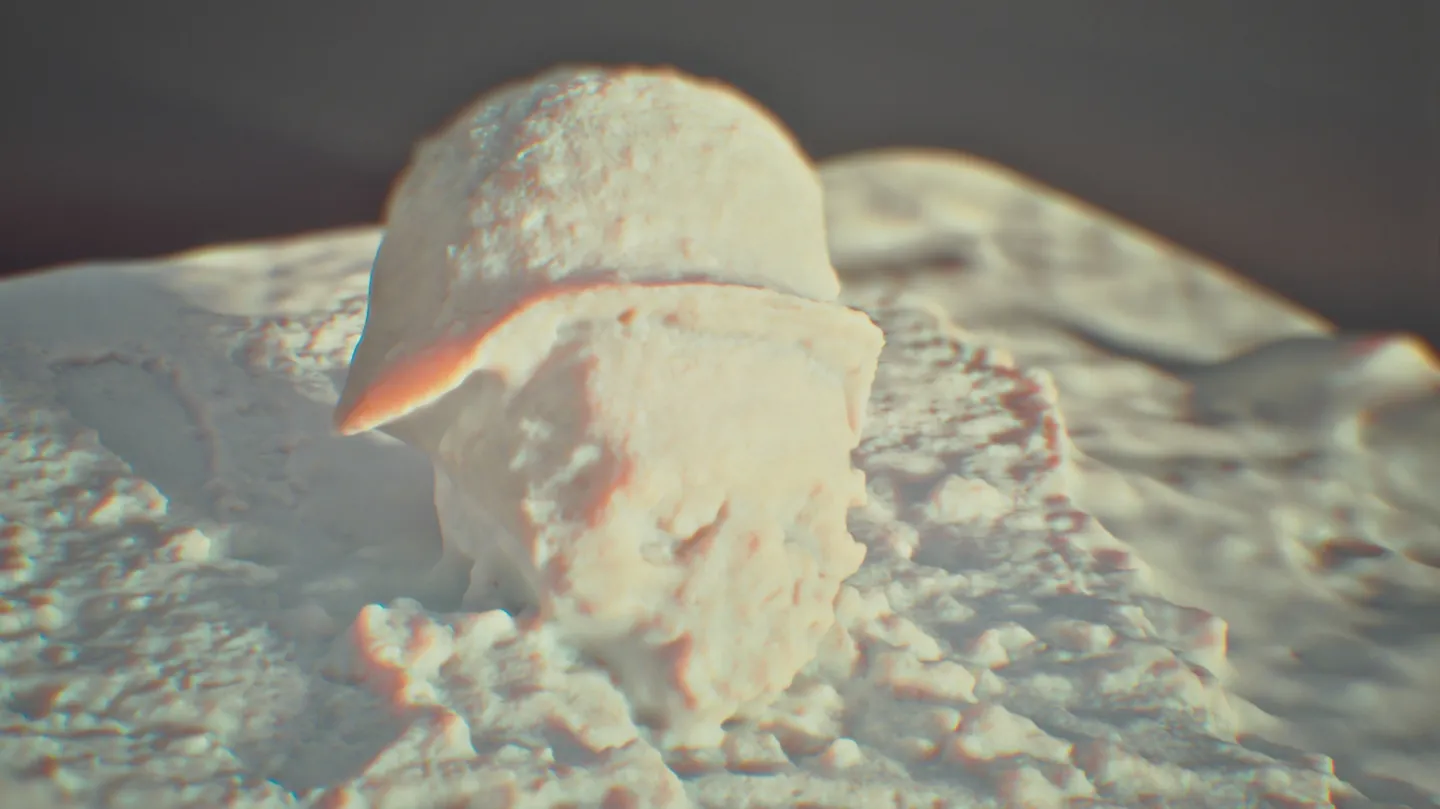
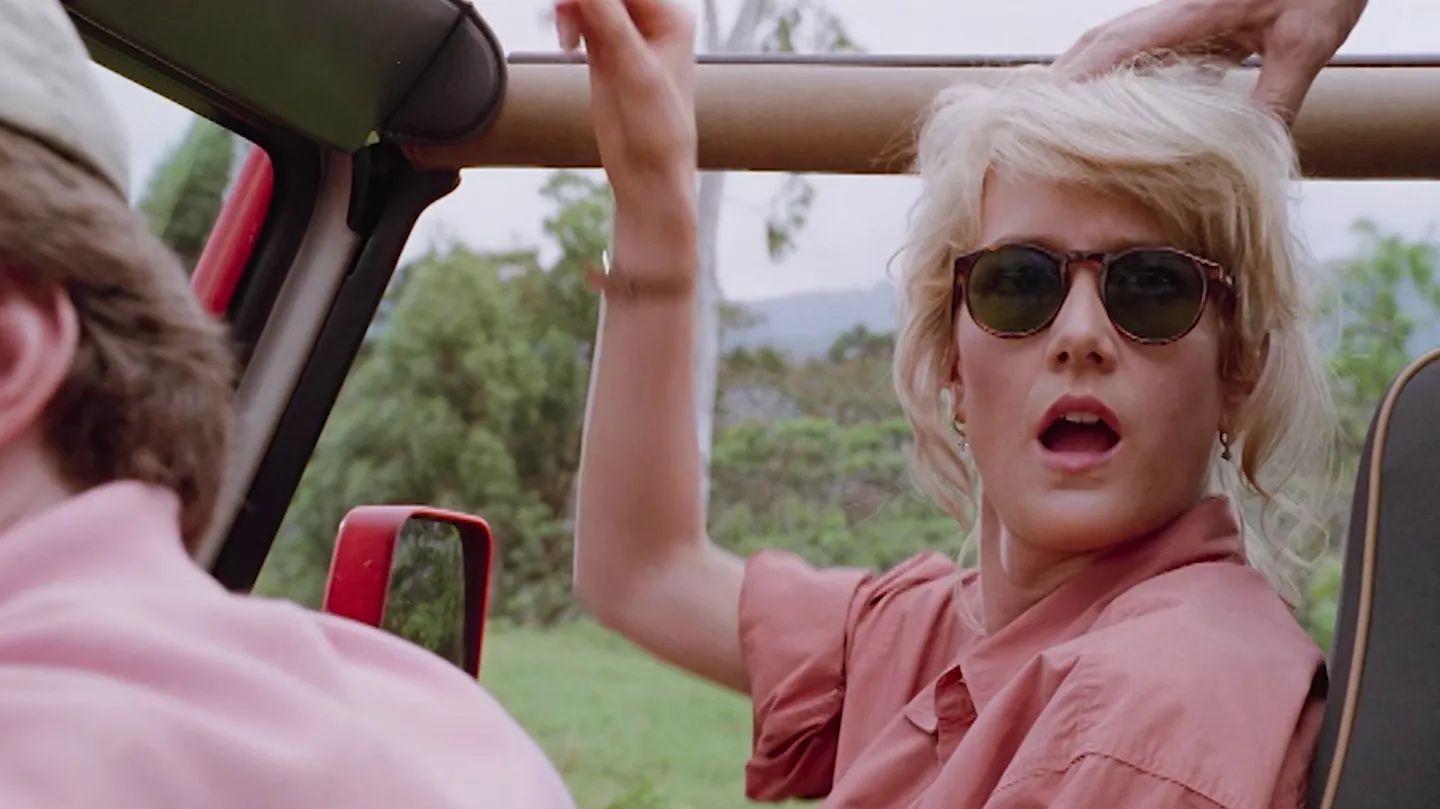
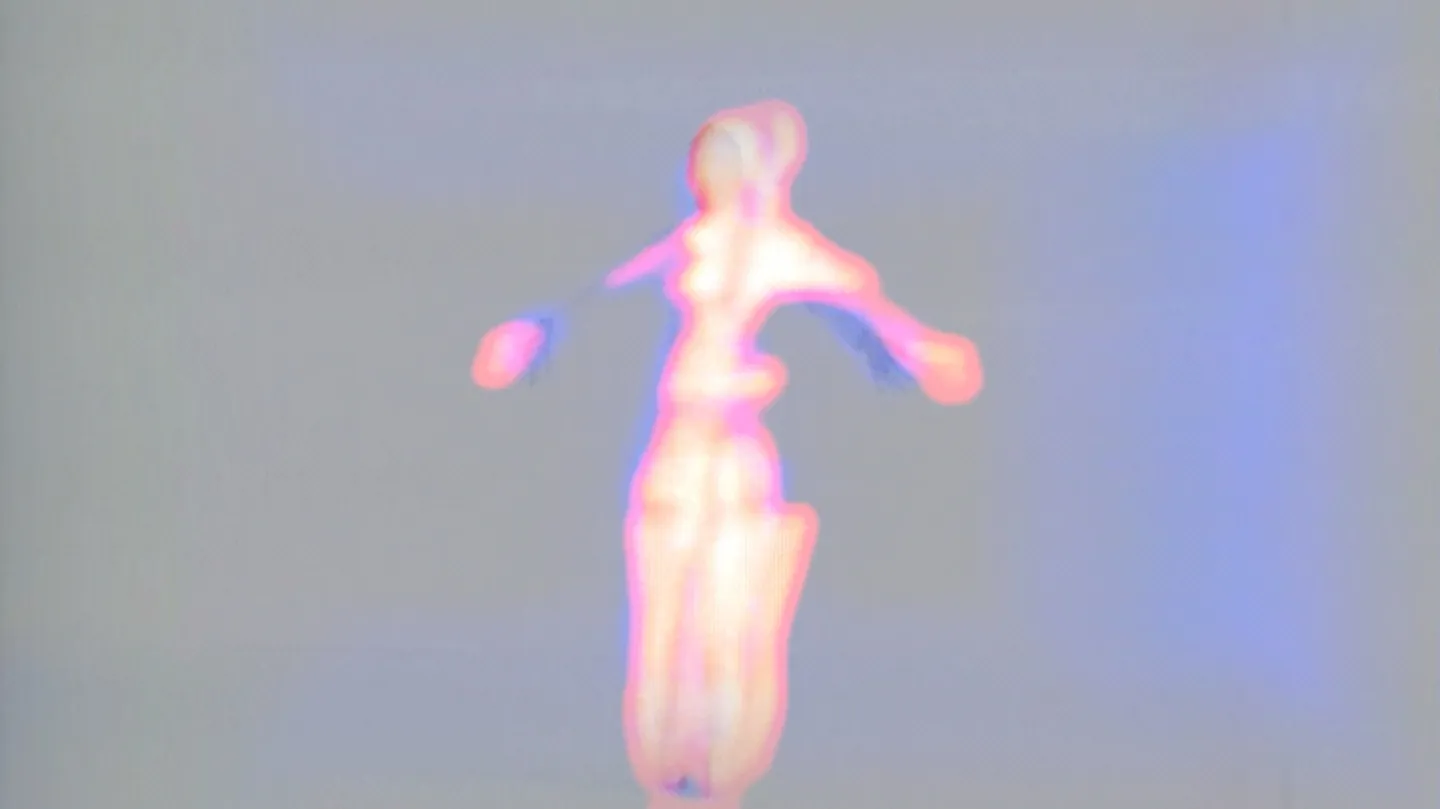
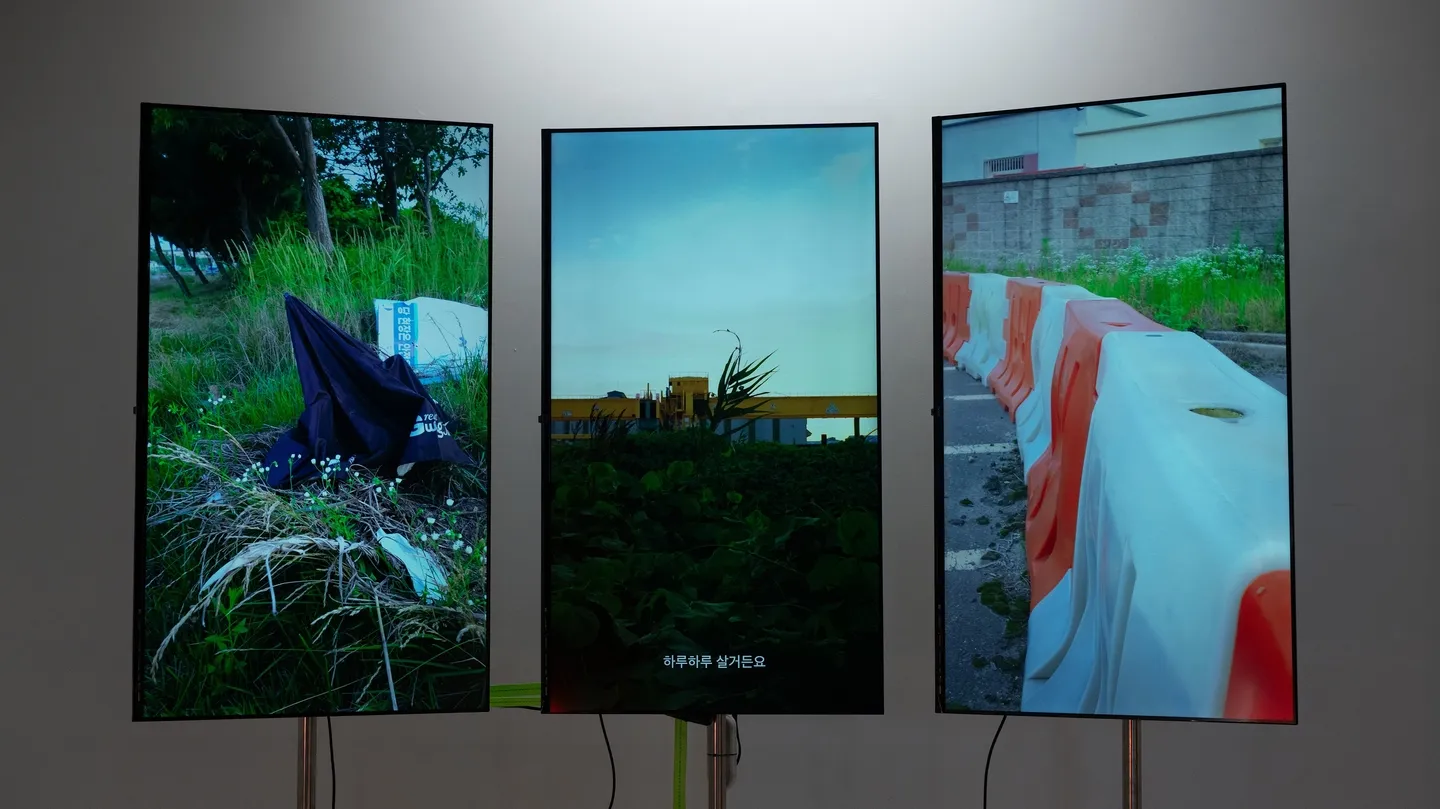
*Facing Time* begins from this premise. After interviewing the four performers/practitioners about their memories with deceased family members, I visited the places where the departed once lived and looked, capturing those landscapes. Alongside the video, the voices and texts of the interviews reveal another world—the one where the performers now stand in the wake of loss. Image and language, at times resonant and at times resistant, weave together the departed, the performers, and ultimately the world we live in.
Authors
Tags