Astvats
About artwork
Provenance
Tech info
About
Astvats
2025
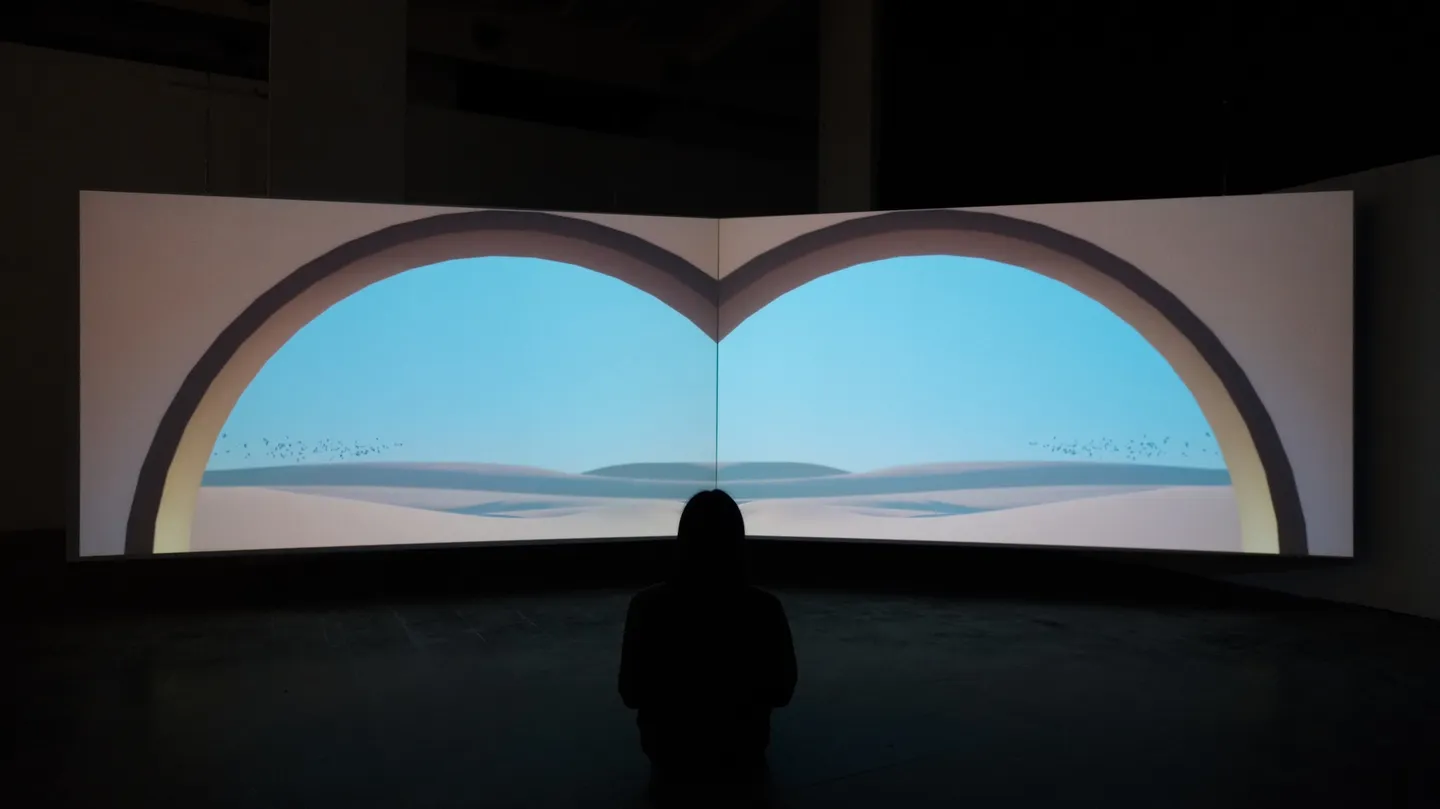
Single-channel Video, Generative AI, Medieval Manuscripts, 4K, Color, Stereo, 12’20”


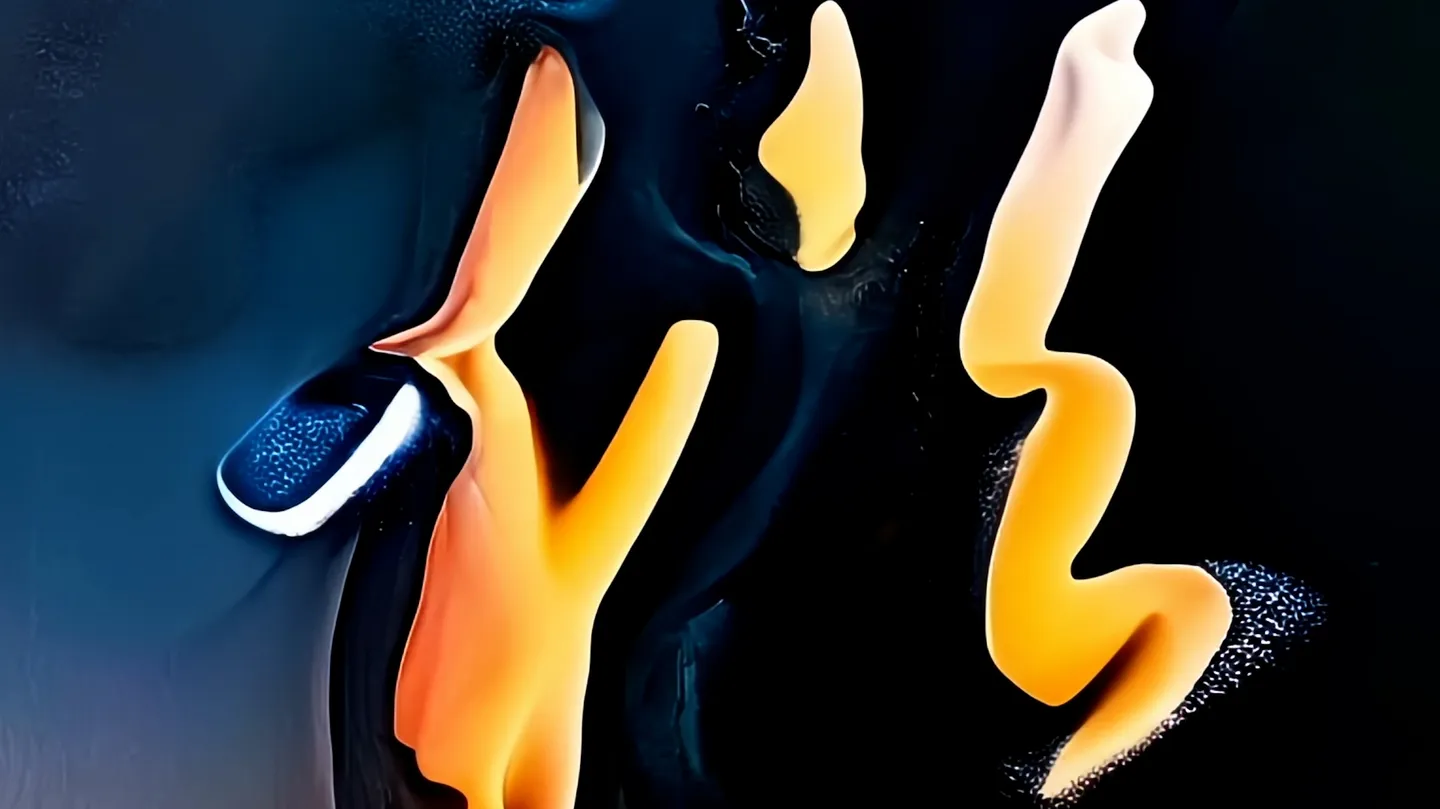
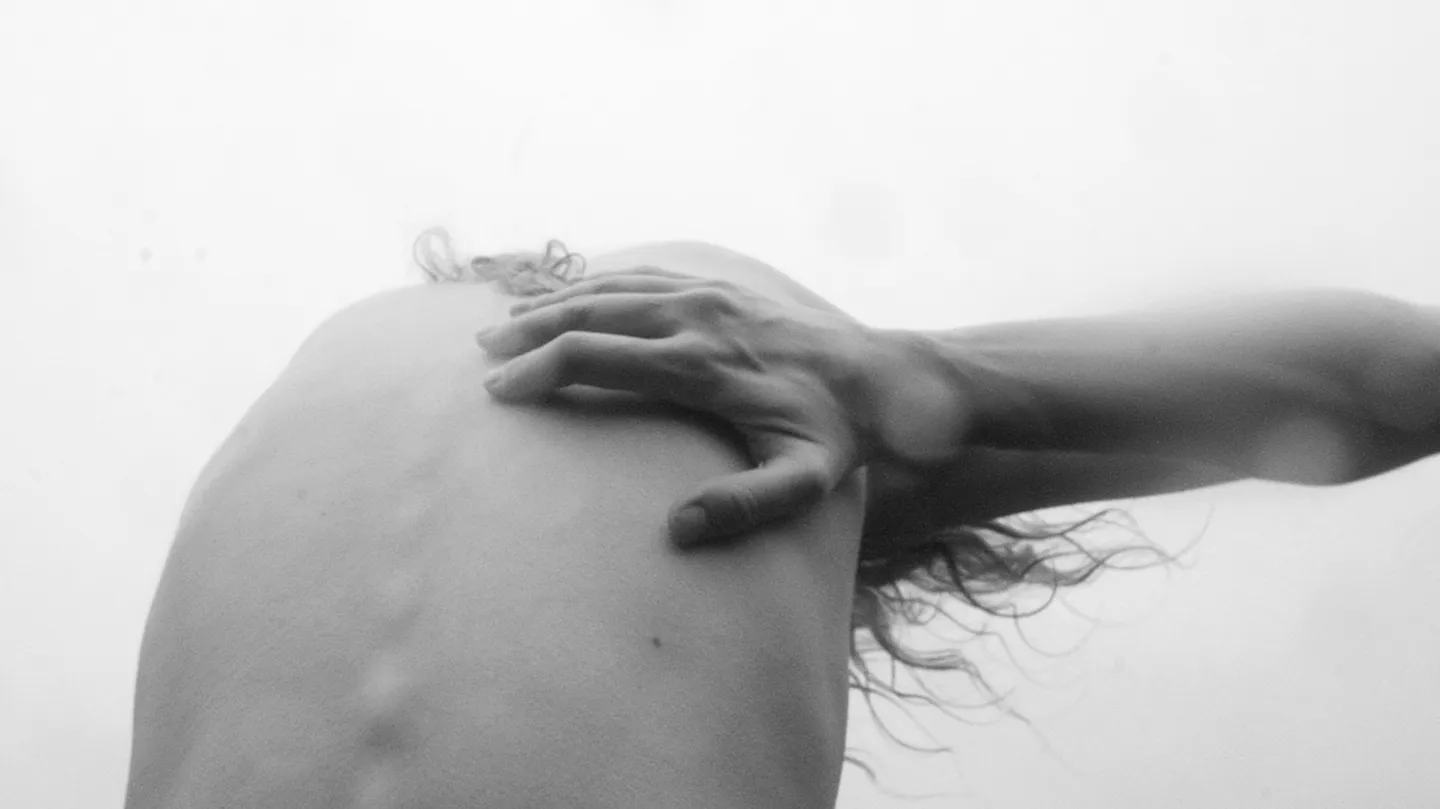
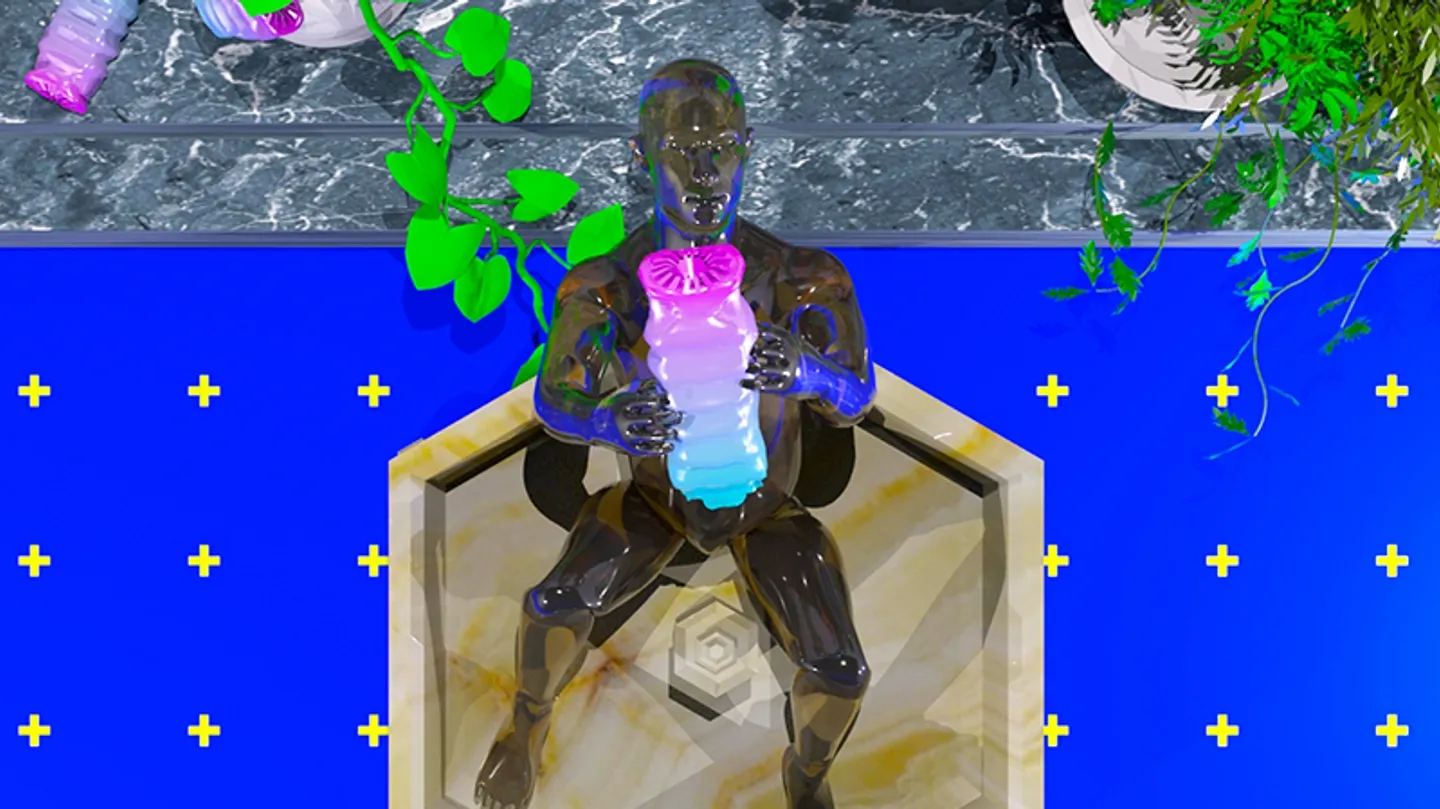
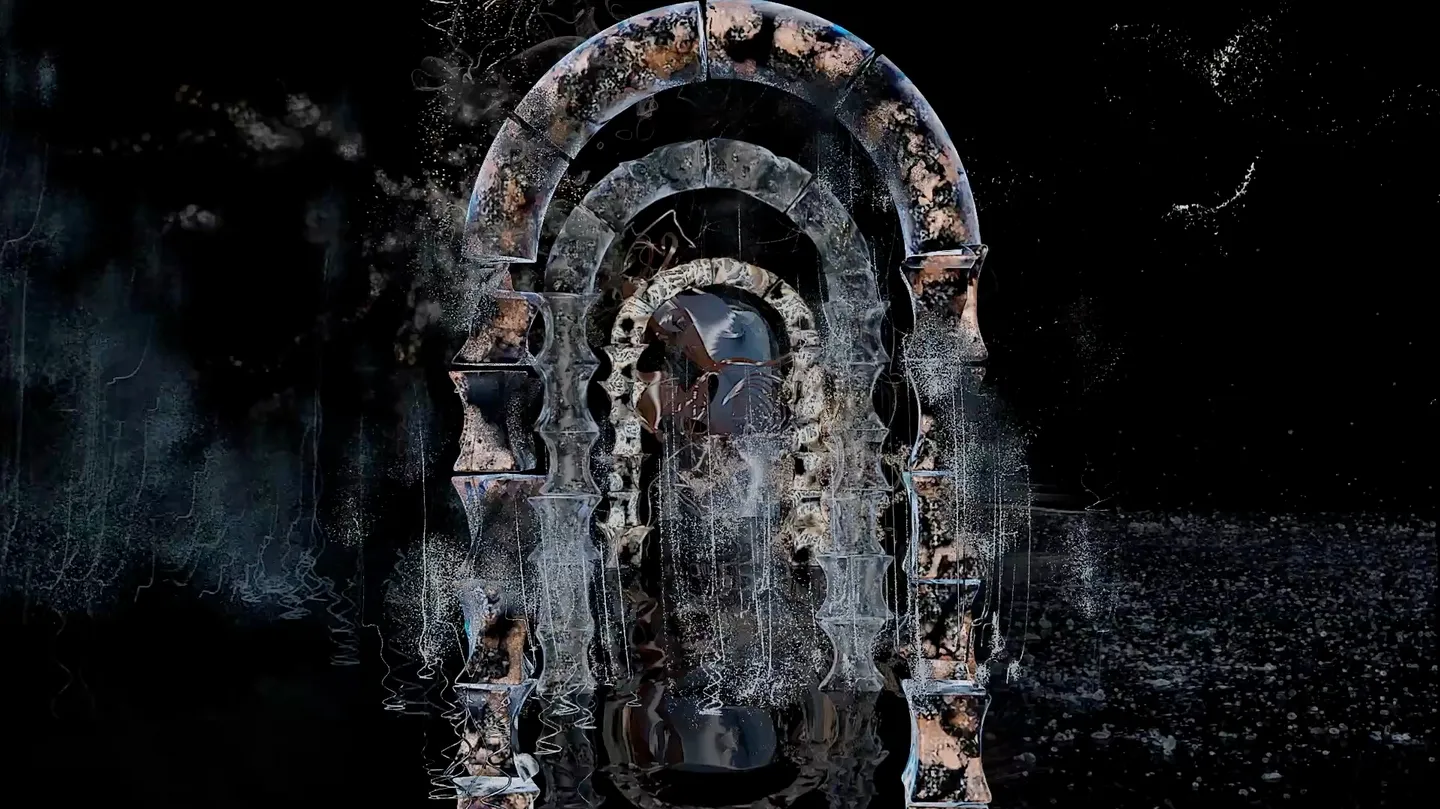
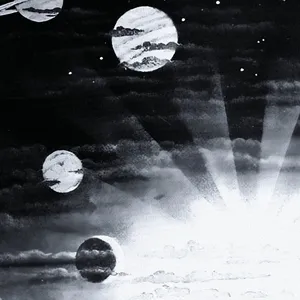
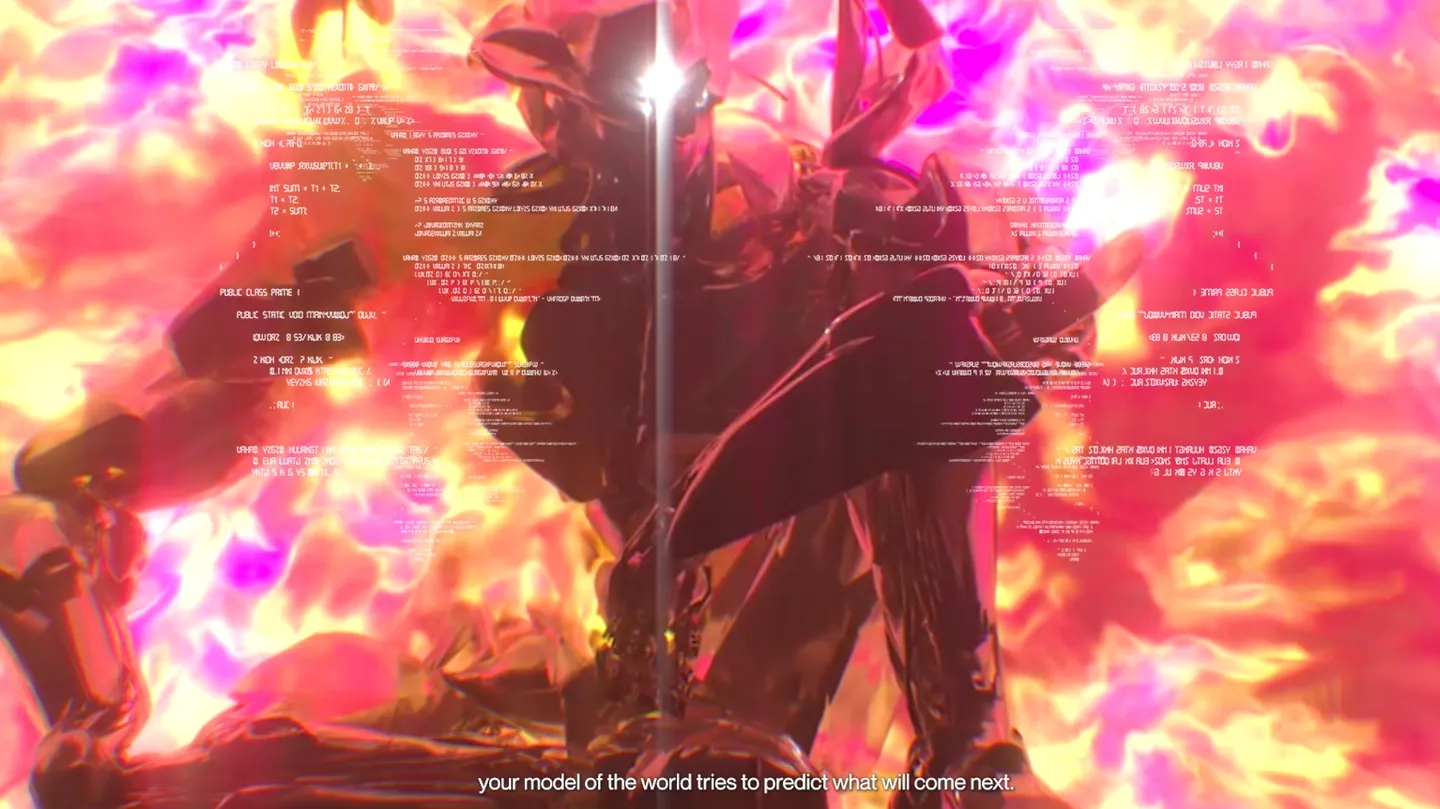
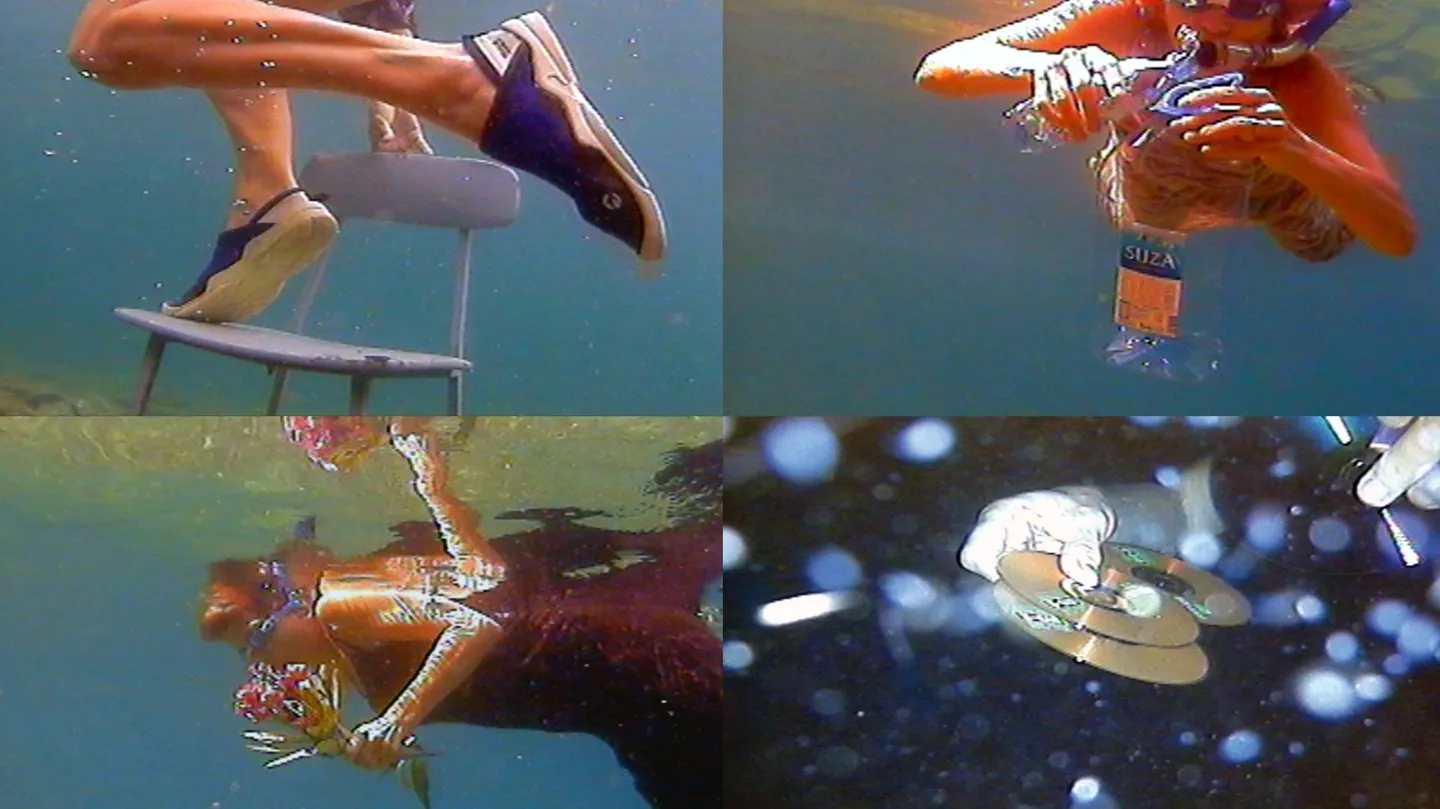
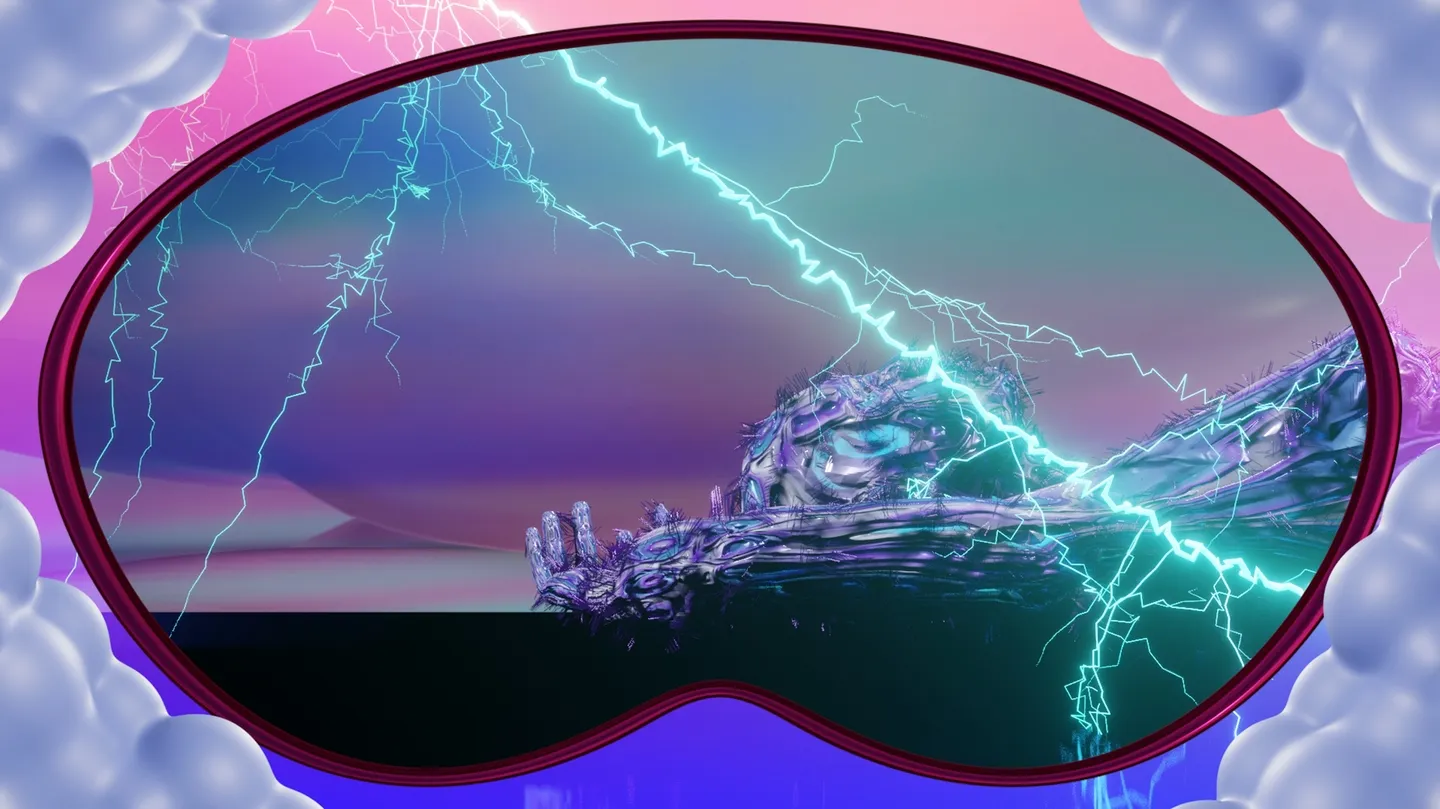
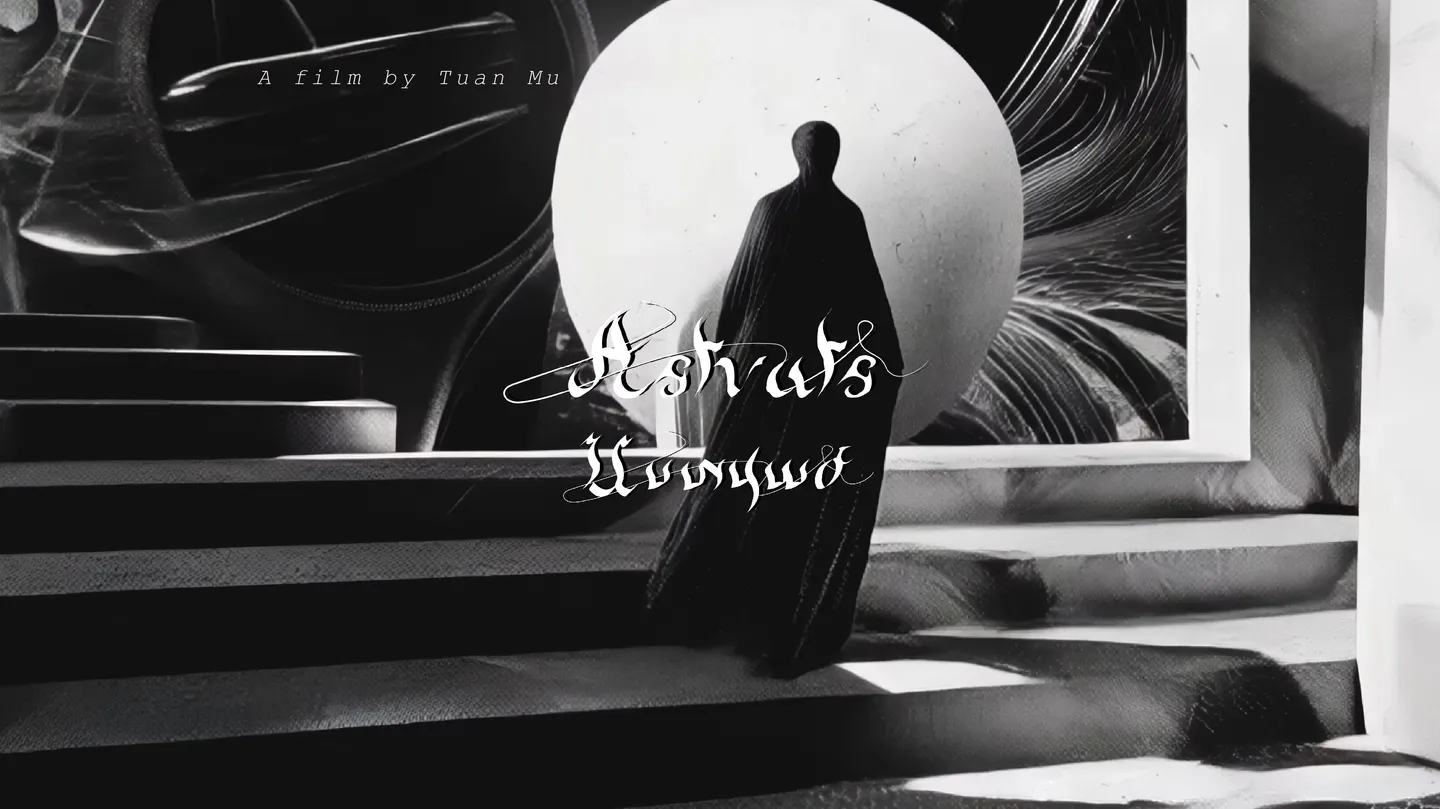
Astvats is a video artwork that combines generative Artificial Intelligence (AI), on-site video footage, and medieval manuscripts. Based on the collections of the Matenadaran (Mesrop Mashtots Institute of Ancient Manuscripts), the artwork employs generative AI to reinterpret the medieval manuscripts of the Old Testament and the Gospels, and to invent a myth about the language of artificial intelligence.

The artwork presents the process through which AI constructs language as a metaphor for the “theft” of human words. Against this backdrop, the relationship between large language models and human languages is exposed as a paradox: on the one hand, the results generated by AI can only be obtained by disassembling or imitating existing texts; on the other hand, it can through this very process create forms of languages that surpass human comprehension and control. Here, ‘stealing words’ and ‘creating words’ become twin concepts, virtually inseparable.

The story begins with two children from the Tower of Babel. Stealing and imitating the other’s words in an attempt to create a language of their own, their actions disturb the stability of language. Across the blurred linguistic landscape of large language models, they chase one another, circling ever closer. From the chaos of language, a war erupts. Bodies fallen on the battlefield weave the words of a new script, difficult to decode, harder still to parse: a Bird Script (Trchnakir / Թռչնագիր) suspended between “alphabet”, “algorithm” and “living organism”. The Bird Script here is not a fabrication, but a distinctive ornamental script found in medieval Armenian manuscripts. In the traditional sense, bird shapes were used to transform writing into spiritual forms, and were most often found in religious classics. In Astvats, the once motionless decorative letters are transformed by generative AI into ever-shifting textures resembling scriptures and neural networks interlaced, still carrying a residue of the divine as they manifest the stochastic oscillations of the algorithm. This particular script becomes the metaphor for the instability of language: “In the age of artificial intelligence, language no longer solely belongs to humans, but instead enters a 'blurred language ecology', somewhere between the organic and the technological”. As the story closes, the narrator places the viewer in front of a manuscript of Genesis. From there, the myths of artificial intelligence and of humankind unfold in succession, forming the loop of an eternal return.

Astvats, the title of the artwork, derives from the Armenian word for “God” (Աստված) and evokes the origins of Armenian script and its deep ties to religion. The Armenian alphabet was created in the 5th century AD, by the theologian Mesrop Mashtots, for the purpose of translating the Bible into Armenian. By referencing the history of Armenian in relation to AI’s systems of language generation, Astvats reveals the following: within the algorithms of large language models, language is endlessly reassembled and reproduced, and its claims to ownership and sanctity perhaps no longer exclusively human.

Astvats does not seek to create a myth “ex nihilo”. Rather, in weaving together faith, folktales, the history of writing, and large language models, it reproduces myths by moving from “the existing to the many”. Ultimately, the artwork poses the question: once language and writing are no longer exclusive to human beings, how should we approach co-authoring new myths with artificial intelligence? This concern speaks to how language is being redistributed across technology, culture, religion and power, and how this will, in turn, define humankind’s understanding of its relationship with artificial intelligence.


Creative Team
Director | Tuan Mu
Story | Yang Yu-Chiao
Screen Play | Tuan Mu, Yang Yu-Chiao
Generative AI Visual Design | Wu Yan-Lin
Photographer | Anton Khlabov
Editor | Tuan Mu
Colorist | Tuan Mu
Typographer | Wu Yan-Lin
Composer | Hayk Karoyi
Armenian Voiceover | Tereza Davtyan
Sound Recording | Hybrid Music Lab
Sound Mixer | Chen Lin-Shuang
Chinese-English Script Translation | Wang Aymei
English–Armenian Script Translation | Siranush Kostanyan
Special Thanks | Nareh Petrossian, Sona Arsenyan, Tereza Davtyan

Based on a Traditional Armenian Folktale. The story was originally collected by Yervand Lalayan (Երվանդ Լալայան) in 1912 from the storyteller Gevorg Gevorgyan (Գևորգ Գևորգյան)

Manuscript Materials and Images Courtesy of Mesrop Mashtots Institute of Ancient Manuscripts
Authors
Tags