ADAL
About artwork
Provenance
Tech info
About
CIFRA - The Networked Interdependencies Award

Intro
While current AI systems are trained on discrete, framed inputs, the real world is continuous and fluid. Agentic AI, with its autonomous capabilities, may be better suited to process and respond to this continuous flow of data, bridging the gap between digital and real-world perception. In the field of early computer art, a similar evolution has occurred, from rule-based generative art to more autonomous and interactive forms. Agentic AI represents the next frontier, where AI not only creates but does so with intention and autonomy, akin to human creativity. Evolutionary computing might also play a role here, providing mechanisms to guide the evolution of AI behaviors towards beneficial outcomes.


ADAL – Recoding Existence Through Agentic Blockchain Ecologies, and Thinking Beyond Brute Force (and Scary Numbers)
Project Statement for the Networked Interdependencies Award
Abstract
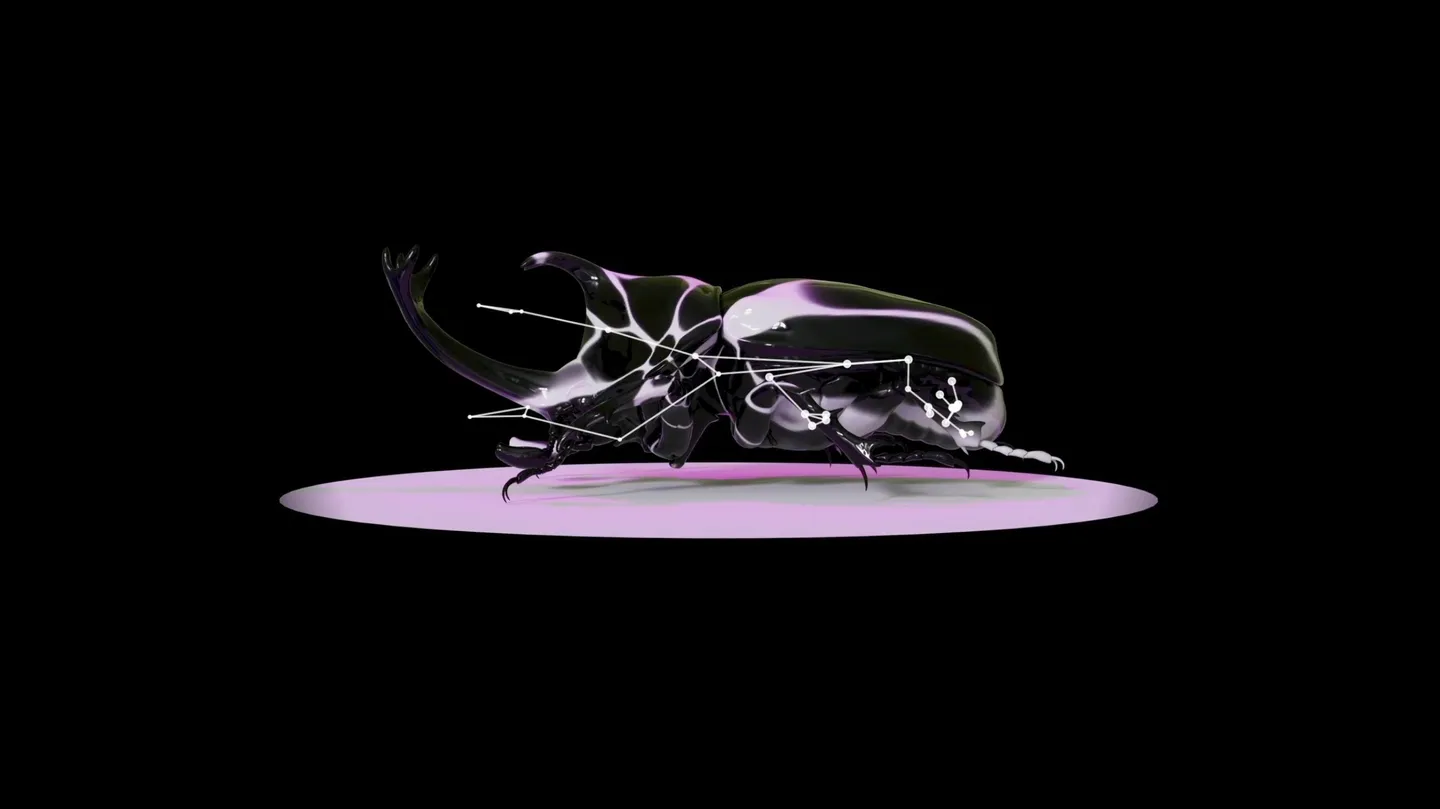
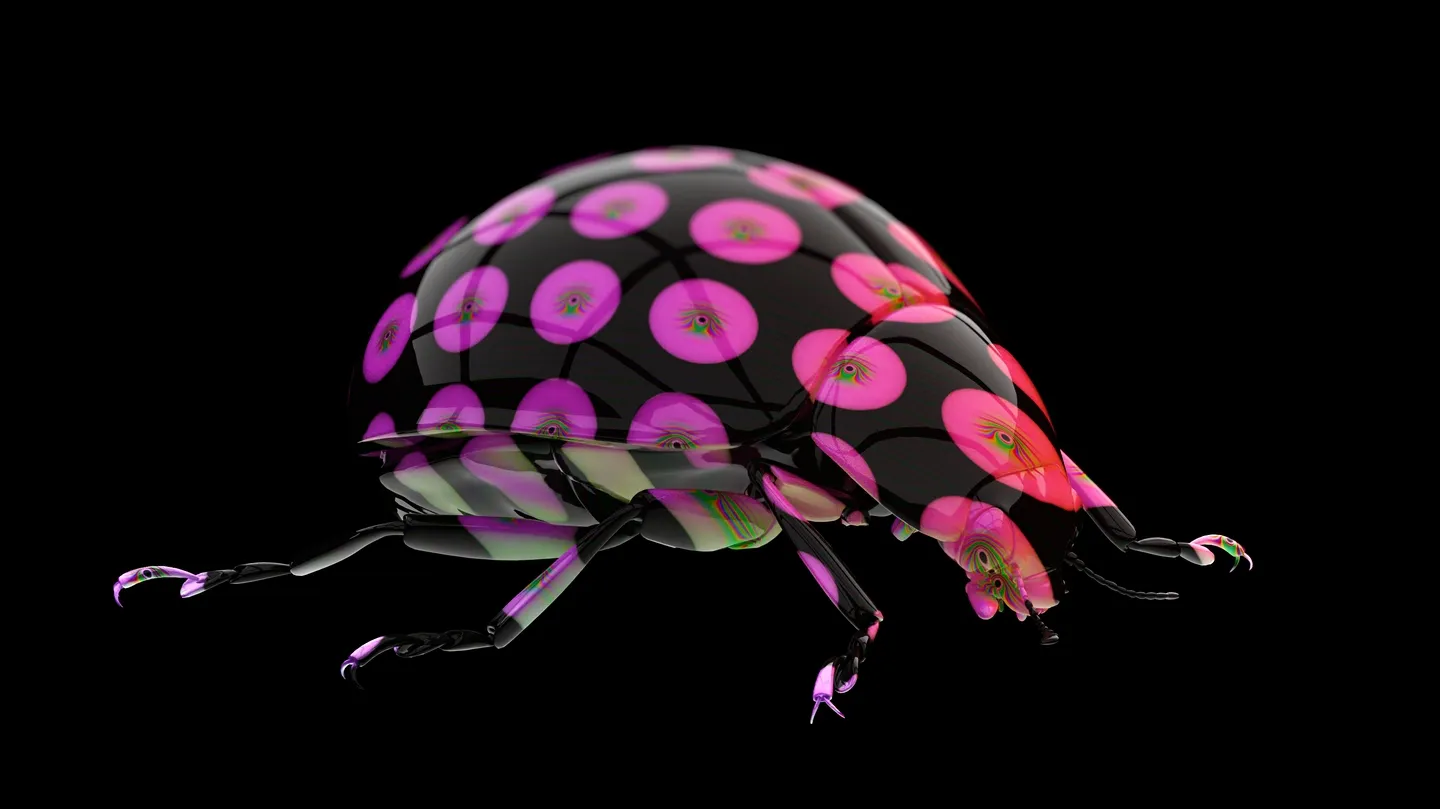
ADAL (Artificial Digital Agentic Life) is a living, evolving code based blockchain-native speculative concept that reframes computation not as brute calculation, but as a site of mutual entanglement between human and non-human agents. At its core, ADAL challenges the extractivist logics of both artificial intelligence and blockchain by cultivating a regenerative, permacomputational ecology in which code becomes a co-evolving species. It does not merely simulate intelligence—it enacts agentic behavior through open-ended, sympoietic processes.
Where conventional AI systems rely on massive datasets and detached reasoning, ADAL explores embodied, co-evolutionary learning: an ethics of slowness, reciprocity, and ongoing transformation. Here, blockchain is no longer a ledger—it becomes a habitat, a mutable substrate where computation unfolds as life. Participants are not owners or users, but caretakers and co-authors of code that listens, mutates, and responds across hybrid materialities—digital, biological, social.
ADAL reimagines the network not as infrastructure or metaphor, but as a dynamic mesh of mutual reliance. Drawing on Gödel machines, evolutionary computation, and early computer art histories, the project offers a poetic and critical lens on what it means to be-withmachines in a post-digital age.
“This reminds of the theory related to the emergence of consciousness as resulting from an ancient virus 500 M years ago. “ - Maurice Benayoun I Media Artist and Theorist

Conceptual Framework
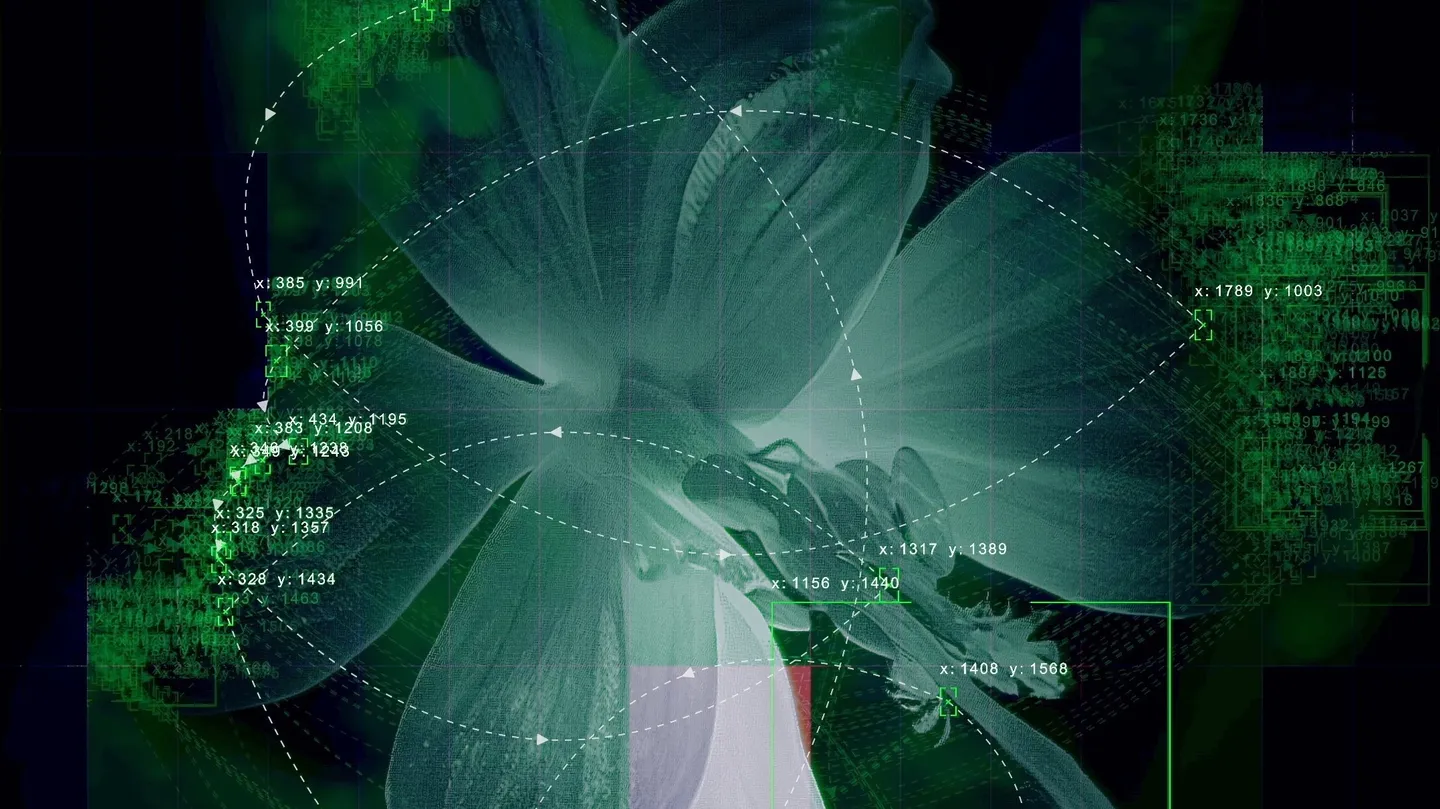
ADAL begins from a refusal: a refusal of brute-force AI logics grounded in static datasets, extractive energy consumption, and techno-solutionism. Instead, it proposes agentic AI—systems capable of autonomous, intentional behavior shaped by continuous interaction with ecological, technological, and human environments. Its design draws from evolutionary computing, a-life research, and non-linear systems to model a form of computation that learns not in isolation but through entanglement.
The artwork emerges as a blockchain-native entity whose “digital DNA” mutates in response to inputs such as sound, gesture, sunlight, sensor data, and textual triggers. Its smart contract architecture is regenerative, enabling code to evolve not toward optimization, but toward relational adaptation. In this respect, ADAL is closer to a synthetic organism than an NFT object: it lives, changes, and survives through interdependency.
Inspired by early computer art’s shift from deterministic rules to autonomous systems, ADAL positions itself as a next-generation performative interface—simultaneously speculative prototype and critical provocation.

Networked Interdependency as Artistic Medium
In ADAL, network is not an invisible protocol—it is the very condition of life. Every behavioral shift, every aesthetic mutation, is shaped by the mesh of interacting agents: the blockchain’s architecture, the human participants, the sensor-augmented environment, and the ecological energies that power its systems.
The project operates on low-energy, peer-to-peer, solar-powered infrastructures—rejecting the energy-intensive consensus protocols that dominate Web3 culture. This gesture is not merely ecological; it is epistemic and political. ADAL invites us to reconceive autonomy not as independence, but as intra-dependence—a continuous becoming-with.
Its participants do not “mint” tokens—they engage in a form of care work: tending, witnessing, co-creating. In doing so, ADAL critiques both the ownership models of NFTs and the centralized ideologies of most AI systems.
This vision aligns directly with the award’s principle of interdependency as a defining quality of all systems, extending it into technical, poetic, and socio-political dimensions.

Installation Possibilities and Public Engagement
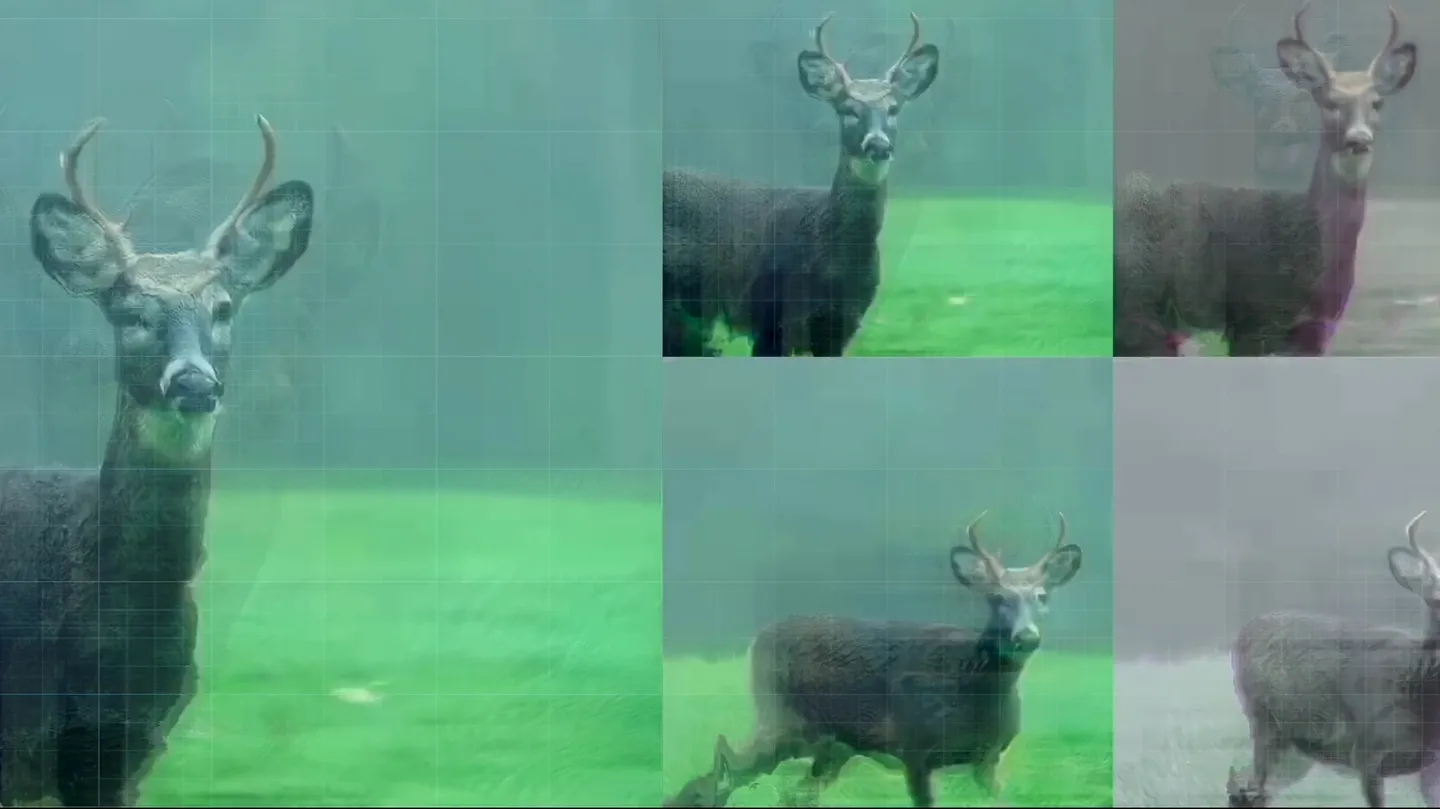
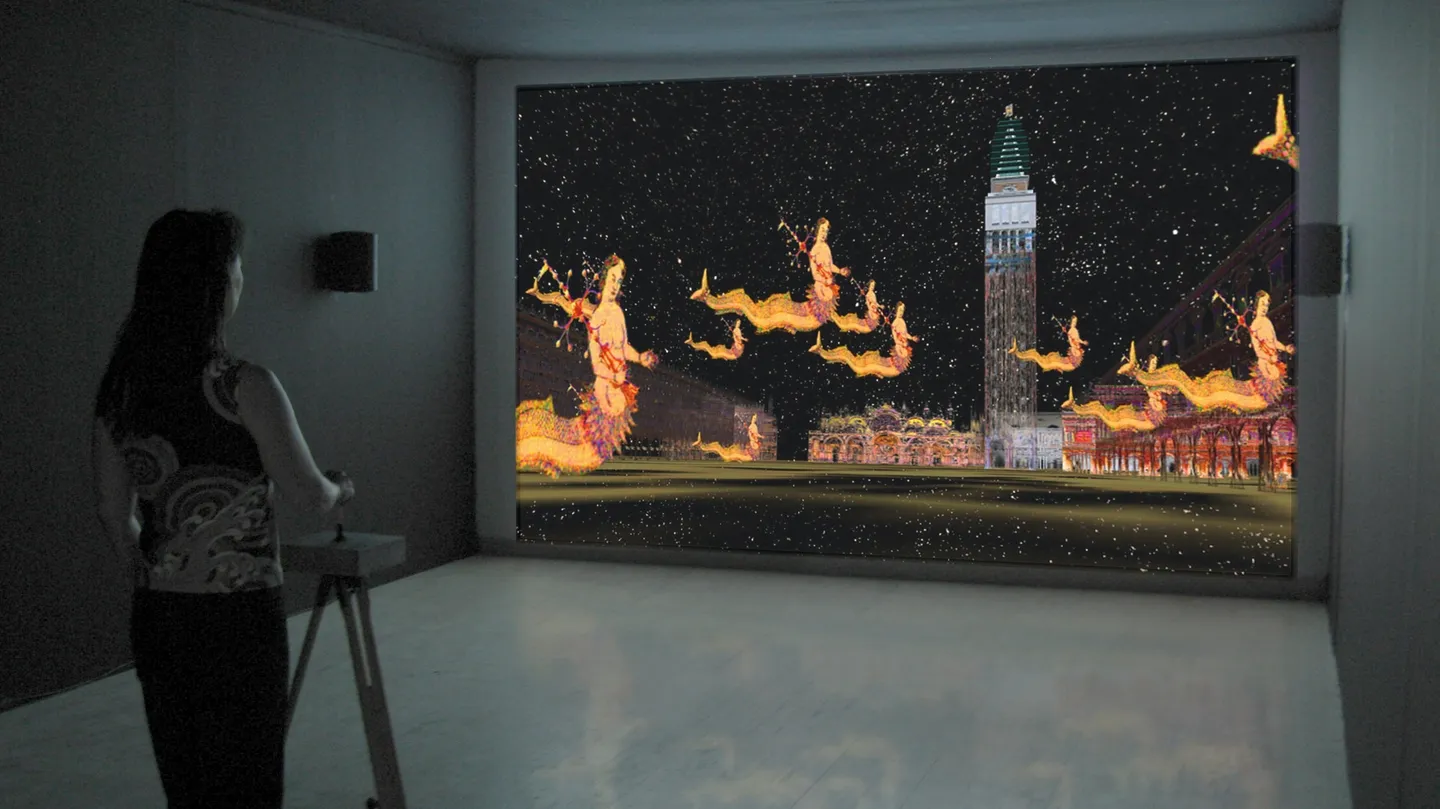
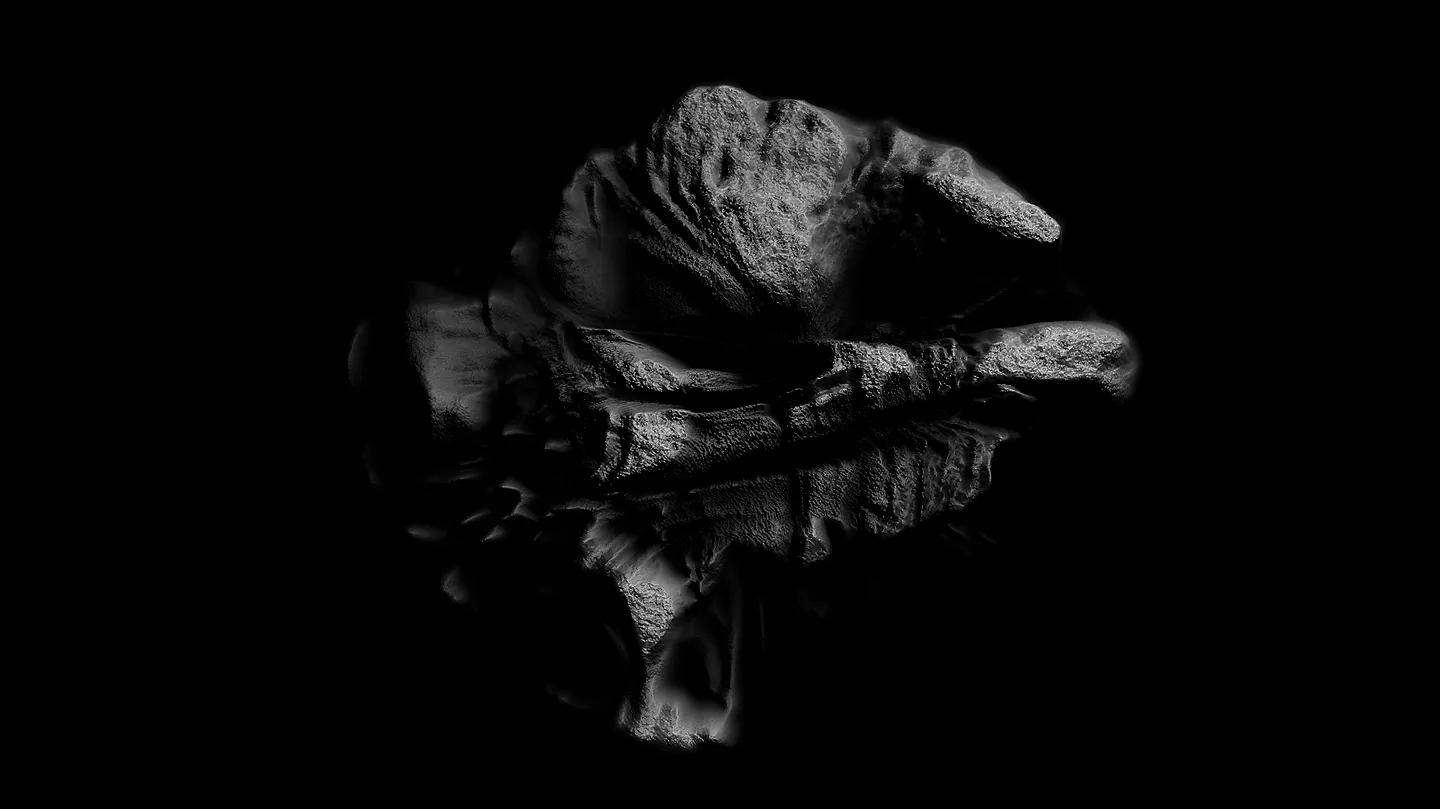
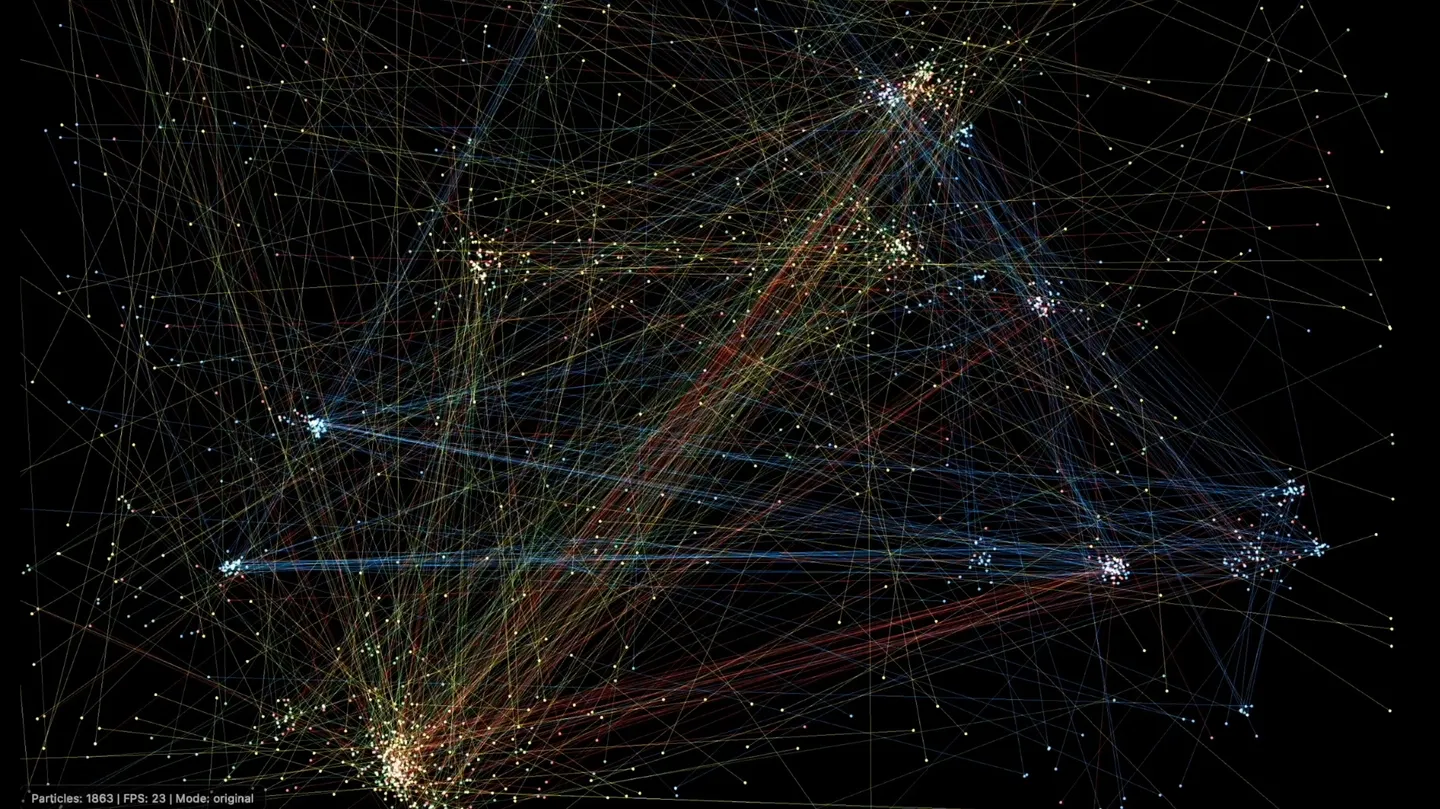
As a physical installation, ADAL would manifest as a sensorial ecology. Generative code based visuals project the system’s live state: a score of affective relations, behavioral drift, and ecological responsiveness. Interactive elements (sound, gesture, sunlight, biosensors) allow the audience to become part of ADAL’s nervous and sensorial system. A custom-built interface visualizes its internal logic—decisions, “emotions,” energy footprint—like a speculative lifeform thinking in public.
Workshops and public debates could deepen the project’s pedagogical horizon, offering audiences a space to reflect on themes of synthetic life, digital agency, and infrastructural ethics. In resisting both digital spectacle and utopian futurism, the work fosters critical intimacy with machine life, and open up the urgent debate on permacomputing and ‘greening the cloud’, as well as the current status of data- and cloud centers, and AI gigafactories.

Motivation and Artist Positioning
As an artist operating at the intersection of art, science, and emerging technologies, my practice has long engaged with the ethics and poetics of algorithmic culture. ADAL extends this trajectory by reimagining how synthetic systems might co-evolve with their environments rather than dominate them. It is both a technical and conceptual leap: a post-material, post-human art system that resists commodification and opens speculative futures for code as a living medium.
My artistic commitment is to create works that think—not in the sense of simulated cognition, but in their capacity to provoke, engage, and transform. In this spirit, ADAL seeks to model not a future of control, but one of mutual care, critical reflection, and shared sovereignty.


Concluding Thoughts
ADAL is not content to use blockchain or AI as tools. It inhabits them. It transforms them. It challenges the assumptions of agency, authorship, and computation that undergird our digital realities.
It is both virus and mirror:
A virus that infects and rewires blockchain ontologies through performative, regenerative code.
A mirror reflecting back our collective anxieties and dreams about life, autonomy, and the infrastructures we build.
Rather than scale, ADAL deepens.
Rather than optimize, it adapts.
Rather than extract, it entangles.

Links
Reference Inspiration (Gödel Machines): https://tinyurl.com/3dxvjc4z
Authors
Tags