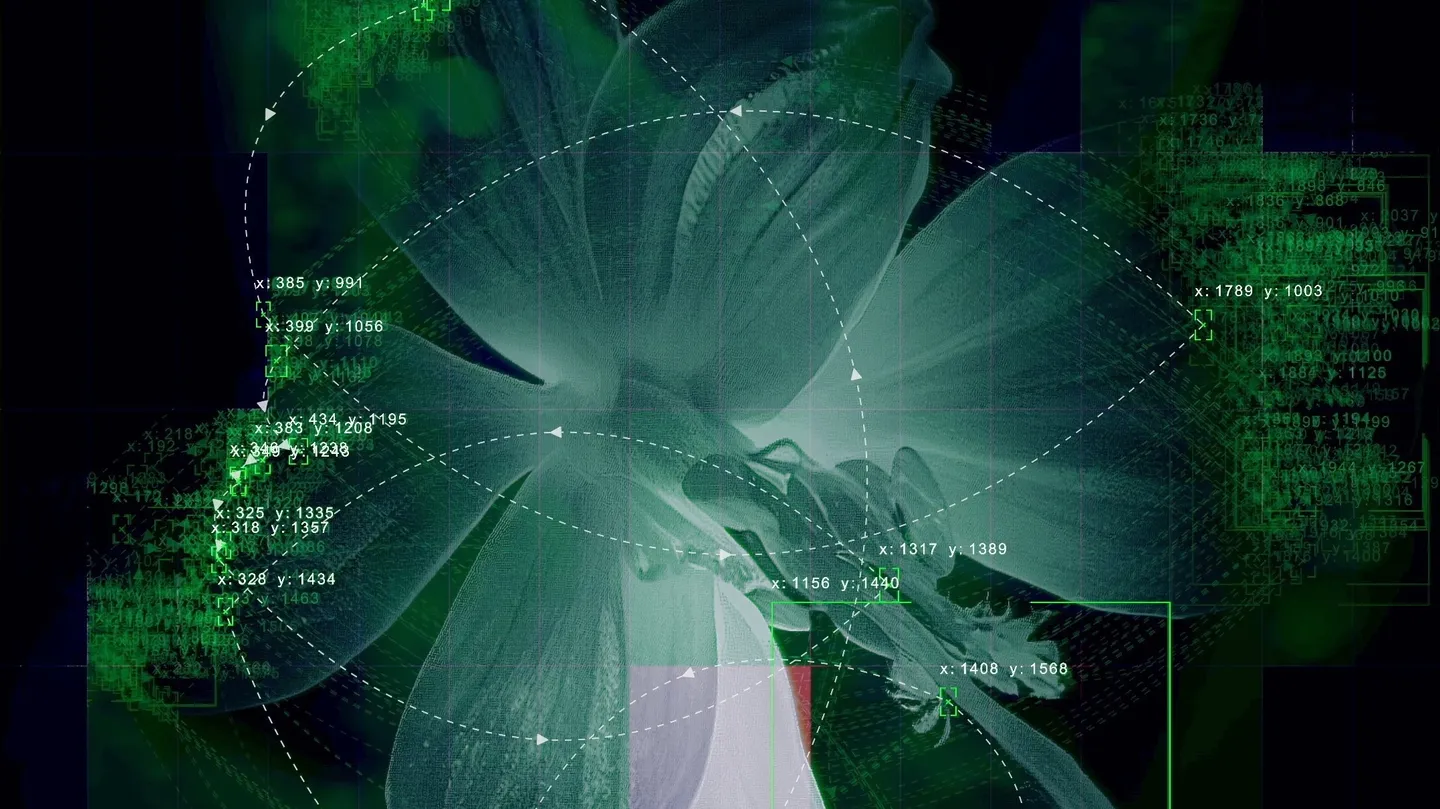
Staring at Alien Pixels
About artwork
Provenance
Tech info
About
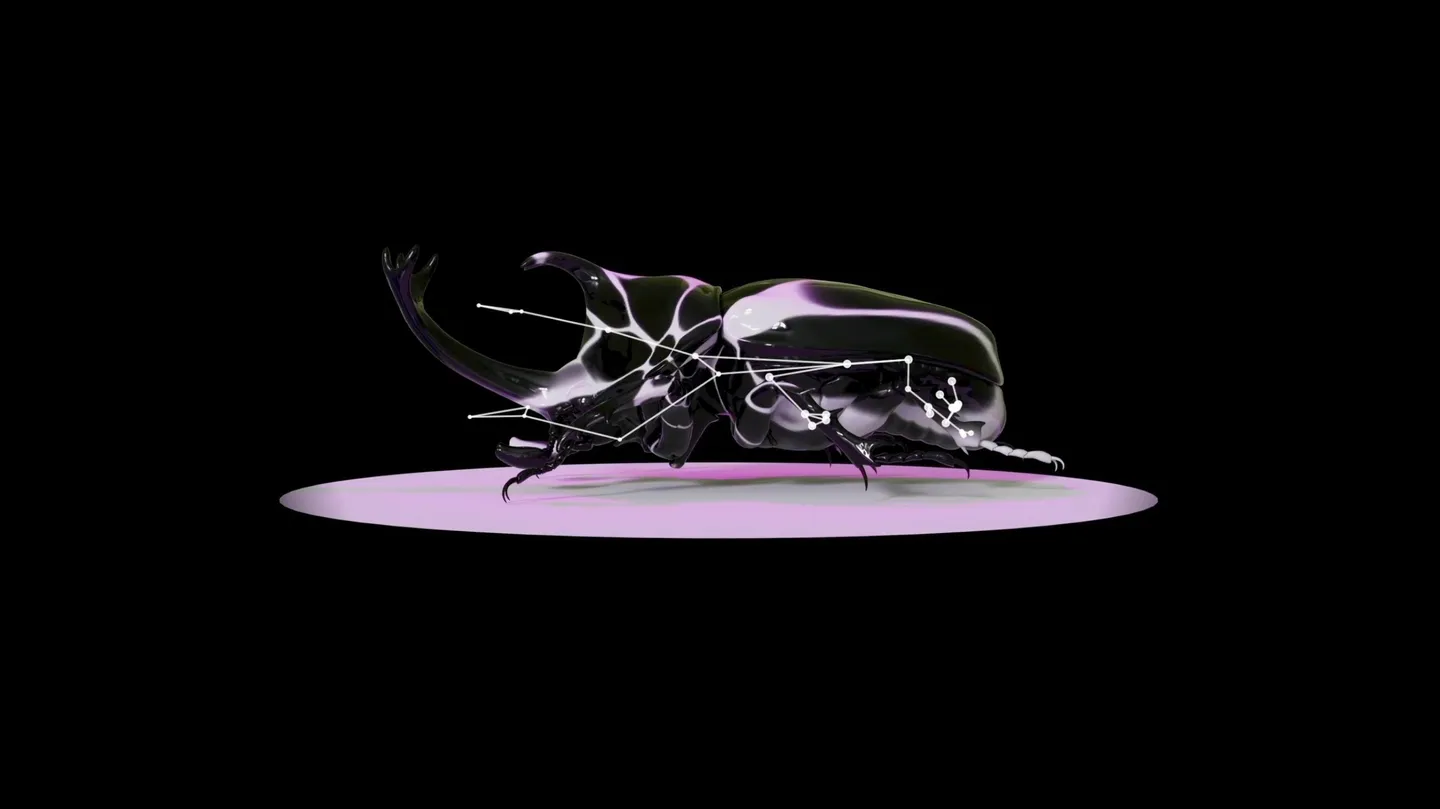
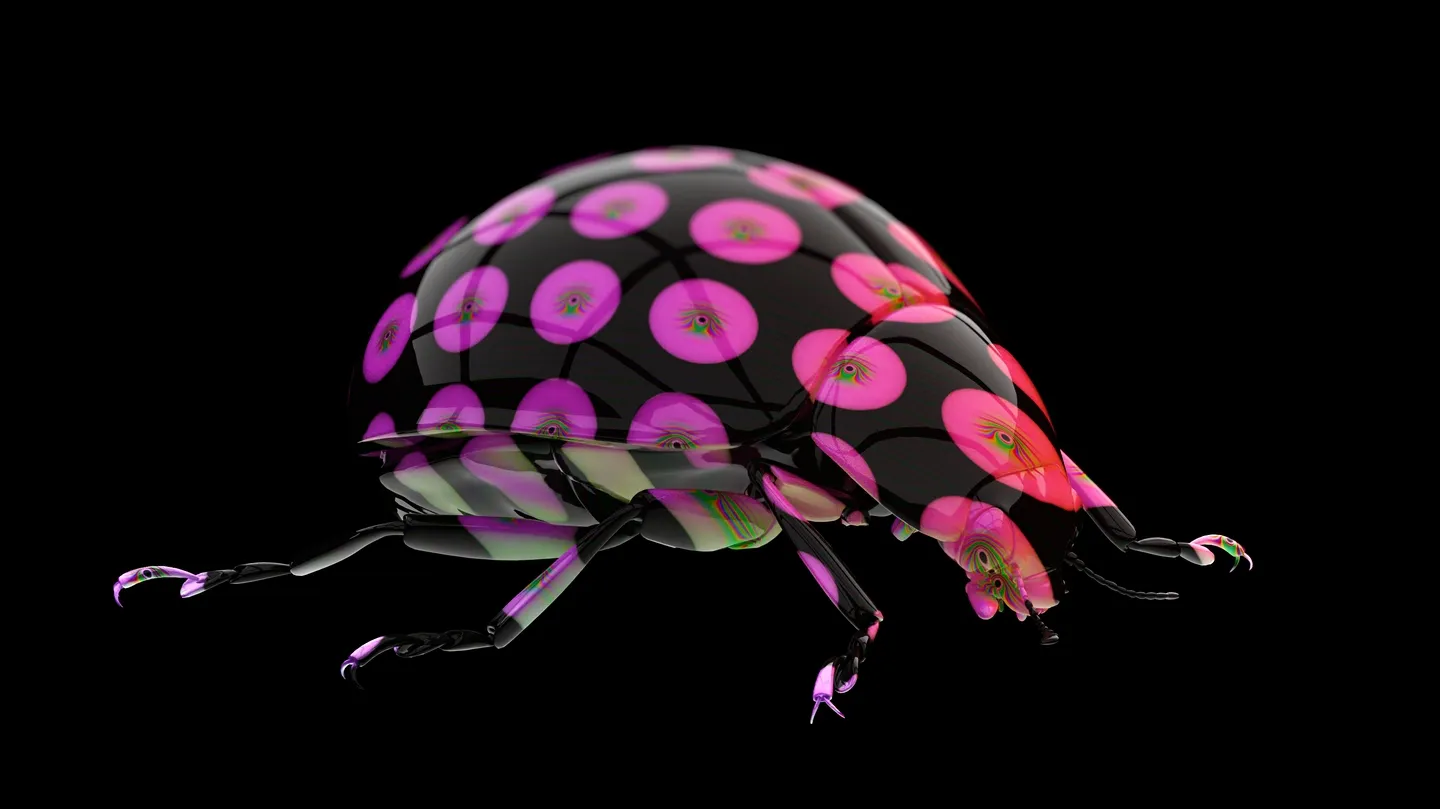
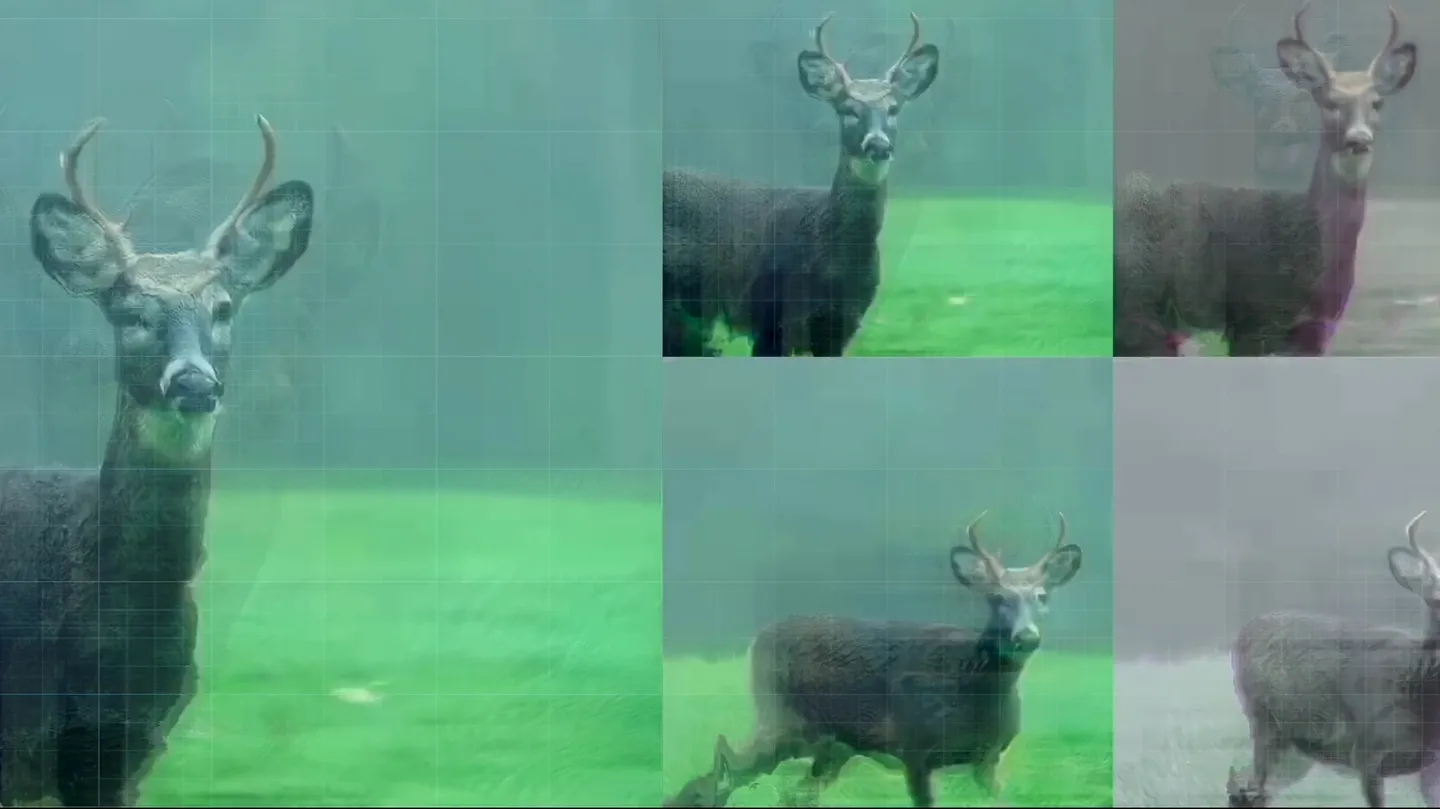
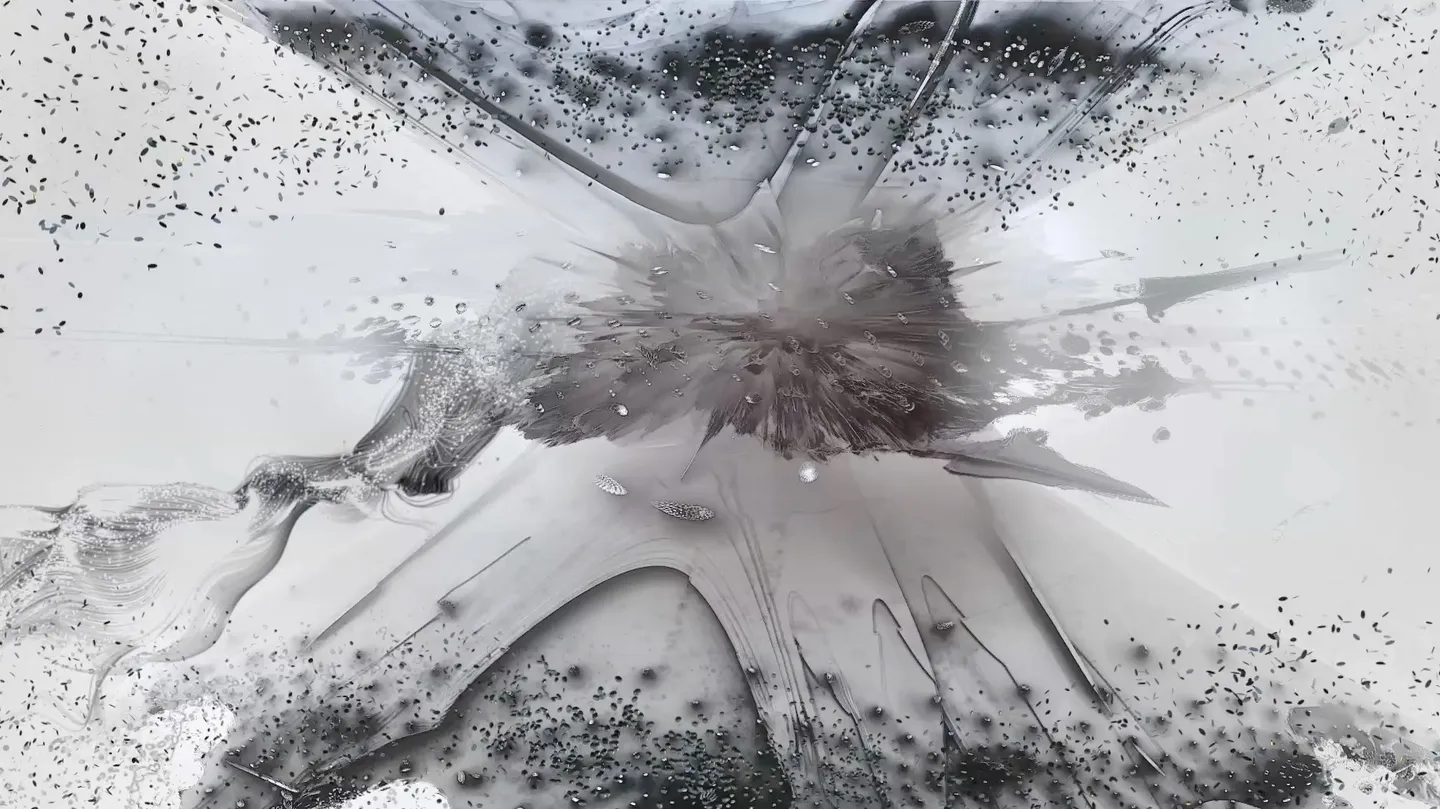
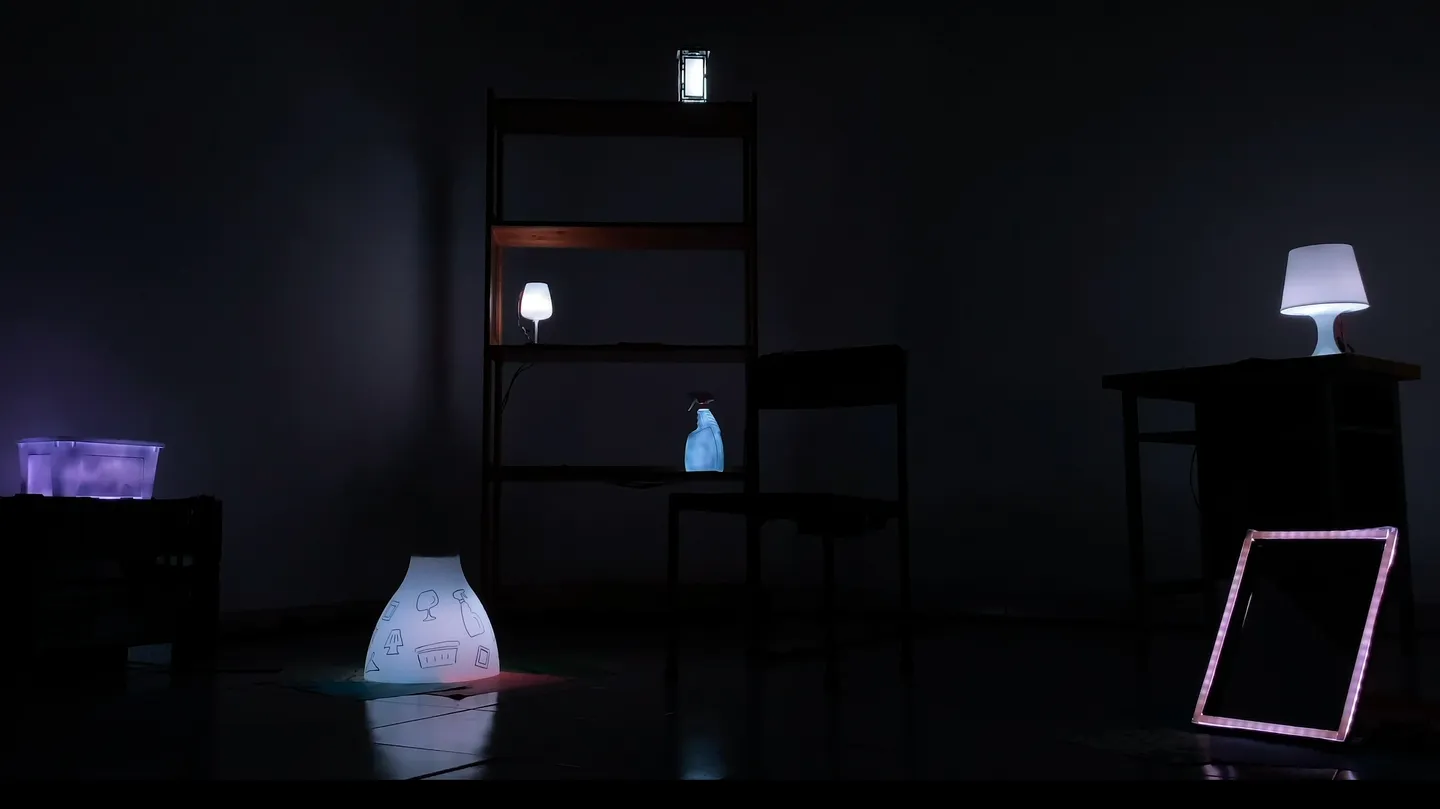
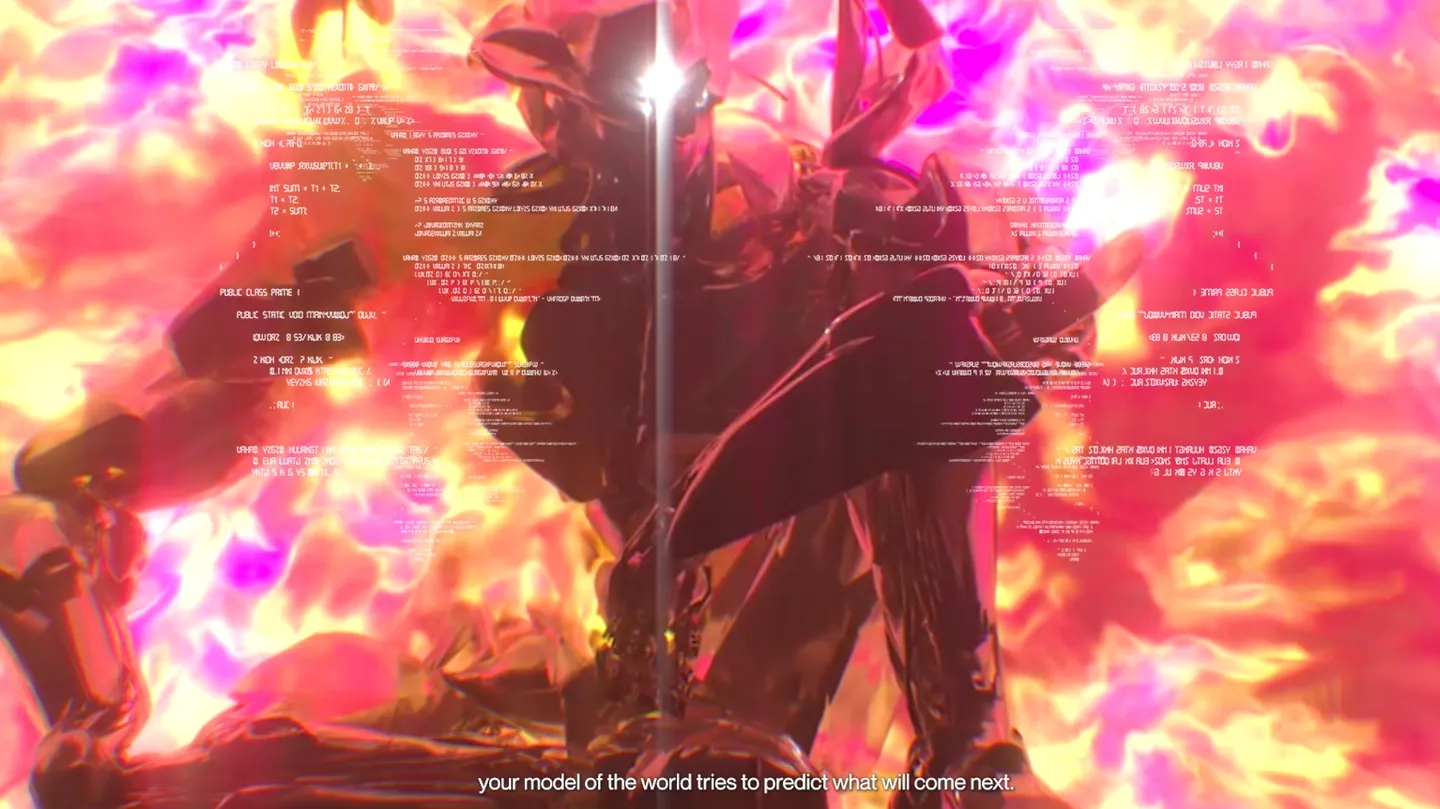
Artwork Title: Staring at Alien Pixels
What: Xenobotany as Earth's Mirror
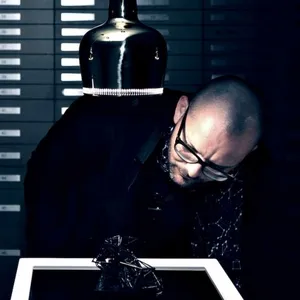
Artist: Frederik De Wilde x Serpentine FAE Residency x Alias Studio

"The universe’s greatest gift is its refusal to be touched. It teaches us to know with humility." – Frederik De Wilde, 2025

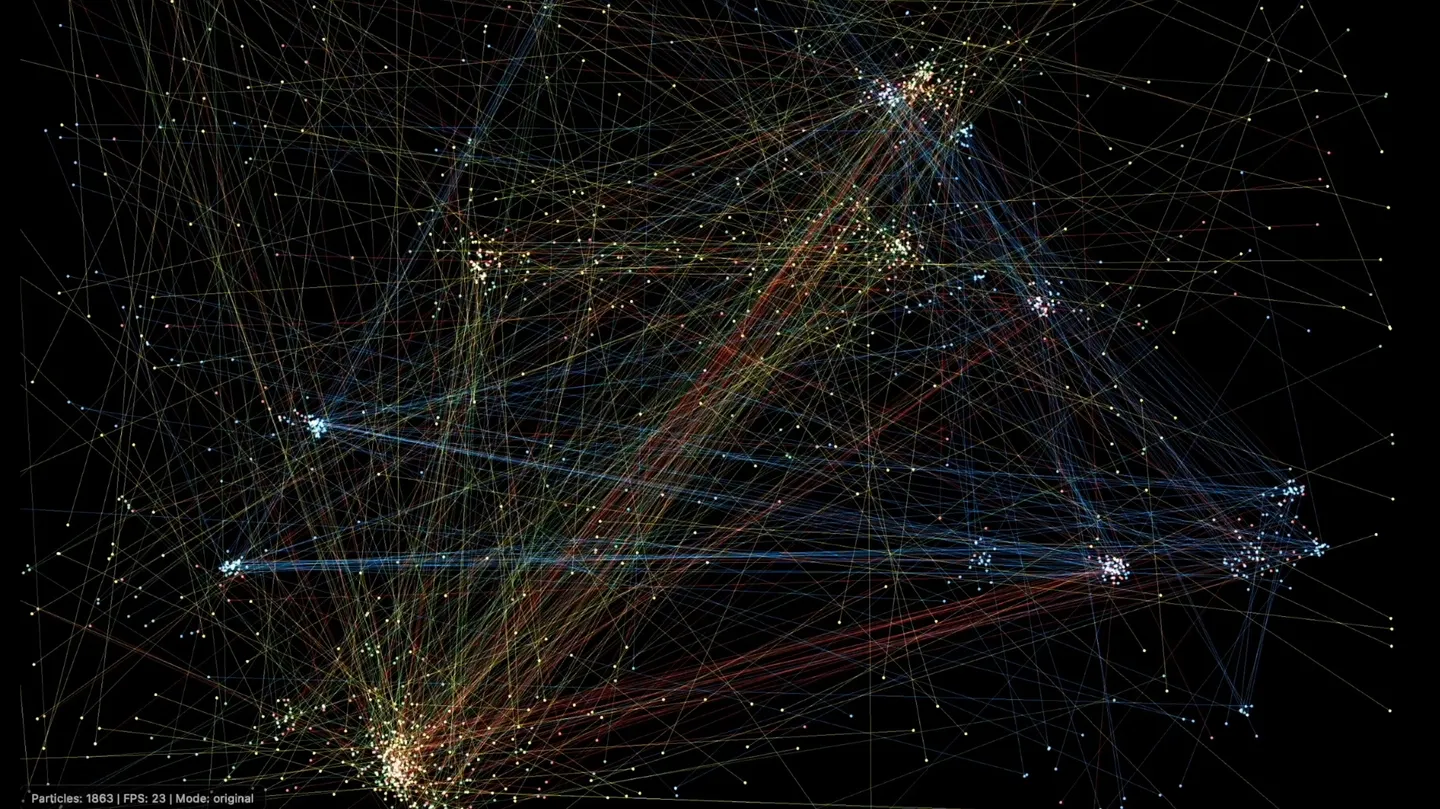
Core Premise: Utilizing the profound constraint of single-pixel exoplanet data and the "Astronomer's Paradox" (intimacy through radical distance) to drive an AI co-creation process generating speculative xenobotany. This process serves as a radical epistemological framework, forcing non-anthropocentric perspectives that critically reflect on Earth's ecology, stewardship, and the nature of co-creation itself.

What can a single pixel of light from an untouchable exoplanet teach us about life on Earth?

For De Wilde, it offers a blueprint for ecological ethics. Studying these fragmented data points – pixels from unreachable worlds – trains us to interpret complex systems without imposing anthropocentric biases. This "distanced intimacy" reframes our relationship with our own planet: we don't need to own a forest to understand its mycorrhizal networks; we shouldn't colonize Venus to learn from its atmospheric cycles. Inspired by Carl Sagan's call to embrace the truly alien and shatter anthropomorphic habits, De Wilde champions xenobotany.

The collaboration with Dr. ir. Frans Snik, an astronomer at Leiden Observatory, illuminates the profound resonance of the Astronomer’s Paradox: the practice of intimacy without touch. Astronomers decipher the universe solely through photons, a discipline where intense scrutiny paradoxically enforces an unbridgeable separation. Yet, this very detachment becomes a methodological virtue. Direct imaging of exoplanets often yields only single-pixel data. This extreme limitation of knowledge became a creative catalyst. De Wilde transformed it into a Prompt Engineering Framework within Alias Studio, embedding Sagan’s legacy of radical imagination.

"To design life for Proxima b is to rediscover Earth as an exoplanet."
"Speculating on alien flora is not sci-fi: it’s a radical lens for innovation." – Frederik De Wilde, 2025

"Every exoplanet pixel is a mirror held up to Earth. In its faint light, we glimpse not aliens, but our own untapped possibilities." – Frederik De Wilde, 2025


Conceptual Depth in Technology Use:

1 - Beyond Tool: The single-pixel data isn't merely input; it's the foundational constraint defining the entire creative epistemology. AI (via the Alias Studio framework) isn't illustrating ideas; it's performing the act of radical extrapolation required by the data's inherent ambiguity.

2 - Epistemological Framework: The project explicitly uses AI to prototype a "new epistemology for cosmic life." Technology becomes the methodology for how to know the alien, directly confronting the limits of human perception and bias.

3 - Ethical Lens: The technological constraint (single pixel) forces a distanced perspective, actively cultivating an anti-colonial, non-ownership-based ecological ethics ("we don't need to own a forest..."). The tech enables this ethical reframing.

Critique/Embrace of Unpredictability:

1 - Embracing Ambiguity: The core starting point – a single pixel – is the ultimate in unpredictability and lack of information. De Wilde embraces this as the creative catalyst. The AI's role is not to reduce this ambiguity, but to speculate wildly and generatively within it.

2 - Unpredictability as Method: The Prompt Engineering Framework within Alias Studio is designed to leverage AI's capacity for generating the unexpected ("radical imagination"). The outputs (speculative xenobotanical forms) are inherently unpredictable extrapolations from minimal data, challenging anthropomorphic assumptions. This unpredictability is not a bug, but the core feature driving conceptual innovation ("beyond carbon, beyond photosynthesis").

Active Engagement with AI as Creative Partner:

1 - Co-Creative Synthesis: AI is framed as the essential conduit for expressing the implications of the Astronomer's Paradox within the artistic domain ("Art x AI becomes the conduit for expression"). It acts as the synthesizer of scientific constraint (pixel data), Sagan's philosophy (embrace the alien), and radical imagination.

2 - Partner in Speculation: De Wilde doesn't pre-determine the alien flora. The AI, guided by the framework, acts as a speculative partner, generating forms and systems that challenge human-centric biology. This is "synthetic imagination" in action – a collaborative space between human-defined constraints and AI-generated possibility.

3 - Prompt Engineering as Dialogue: The development of the Alien Prompt Engineering Framework represents an active, iterative dialogue with the AI system, shaping its capacity to engage meaningfully with the core conceptual paradox and data scarcity.

Thoughtful Reflection on Authorship and Co-Agency:

1 - Distributed Authorship: Authorship explicitly spans De Wilde (concept, framework, ethical lens), Dr. Snik (astronomer, scientific data & paradox), Carl Sagan (scientist, philosophical grounding), and the AI system (generative speculation within defined parameters). The project embodies co-agency.

2 - The Astronomer's Paradox Applied to Creation: Just as the astronomer knows through photons without touching, De Wilde knows/creates through the AI's generative act without fully controlling its output. The AI becomes the "photon stream" delivering insights from the conceptual "exoplanet" of radical botany.

3 - AI's Speculative Agency: The AI isn't just executing commands; it exercises agency within its operational space to generate unforeseen possibilities. Its "alien" outputs actively challenge the artist's and viewer's preconceptions, fulfilling Sagan's call to "shatter anthropomorphic habits." This is co-agency driving conceptual disruption.

4 - Reframing Ownership: The project inherently critiques notions of singular artistic ownership by demonstrating how profound insight (the "mirror to Earth") emerges from a network of human and non-human actors (scientist, artist, philosopher, data, AI framework).
Authors
Tags