AI BEETLE_ML/THERMAL
About artwork
Provenance
Tech info
About
AI BEETLE_ML/THERMAL

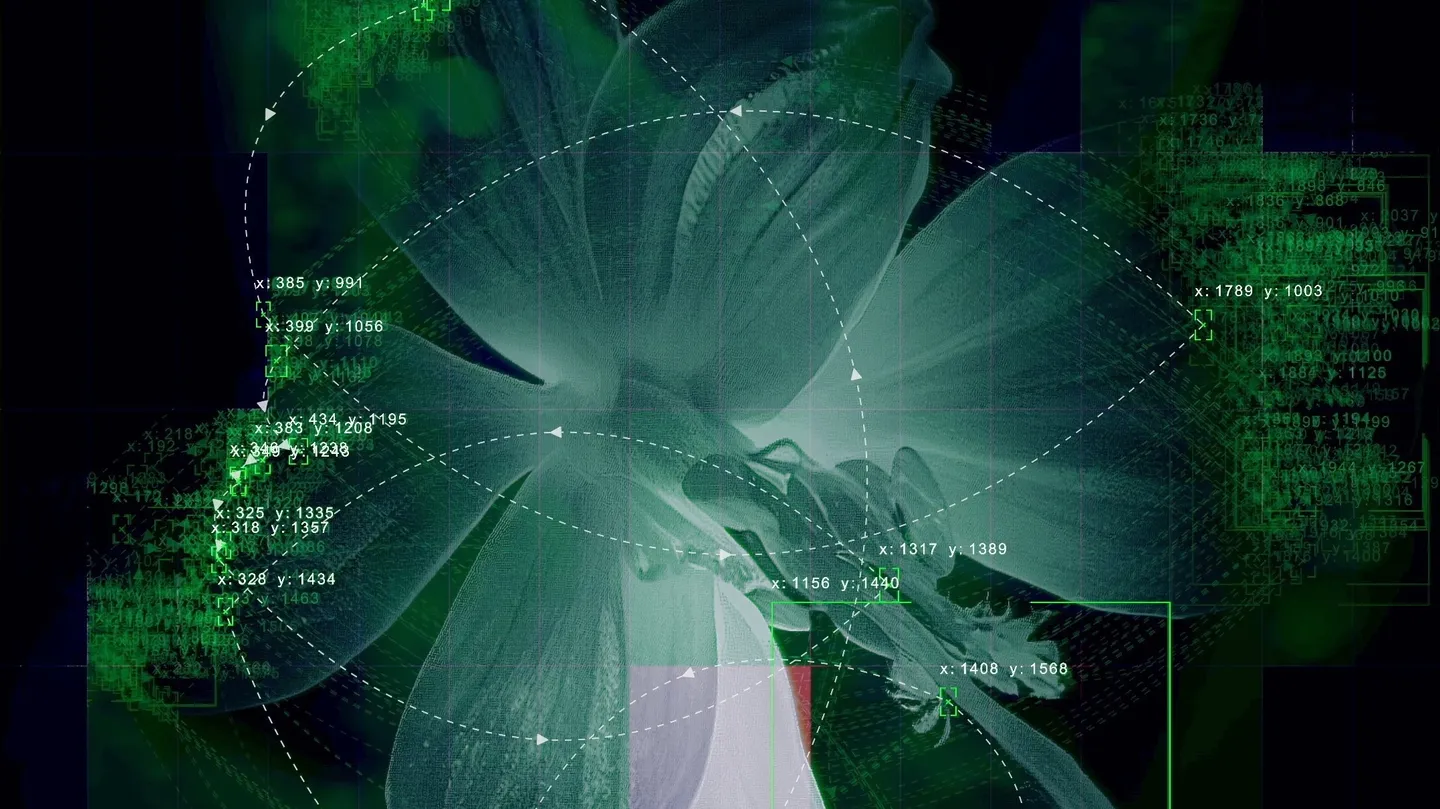
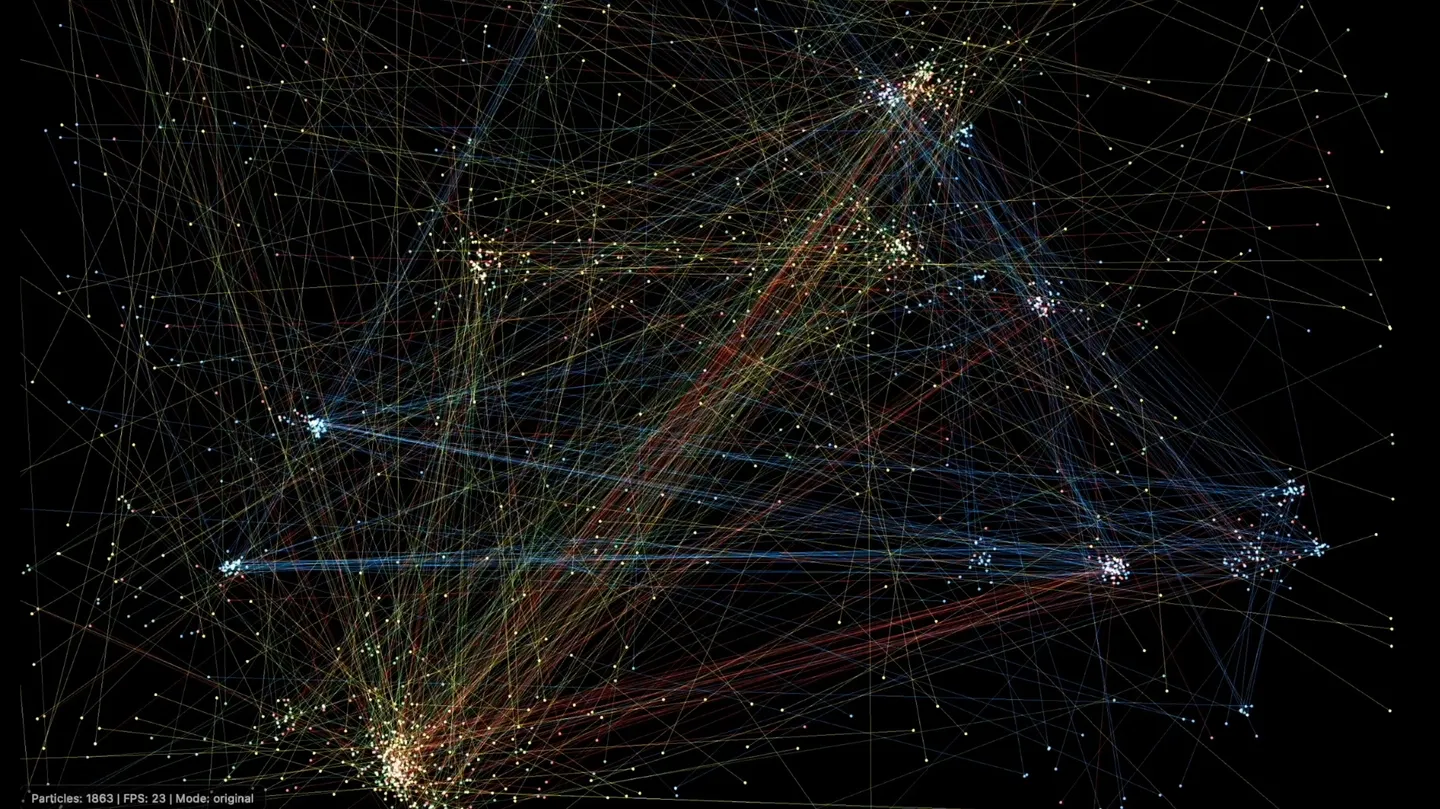
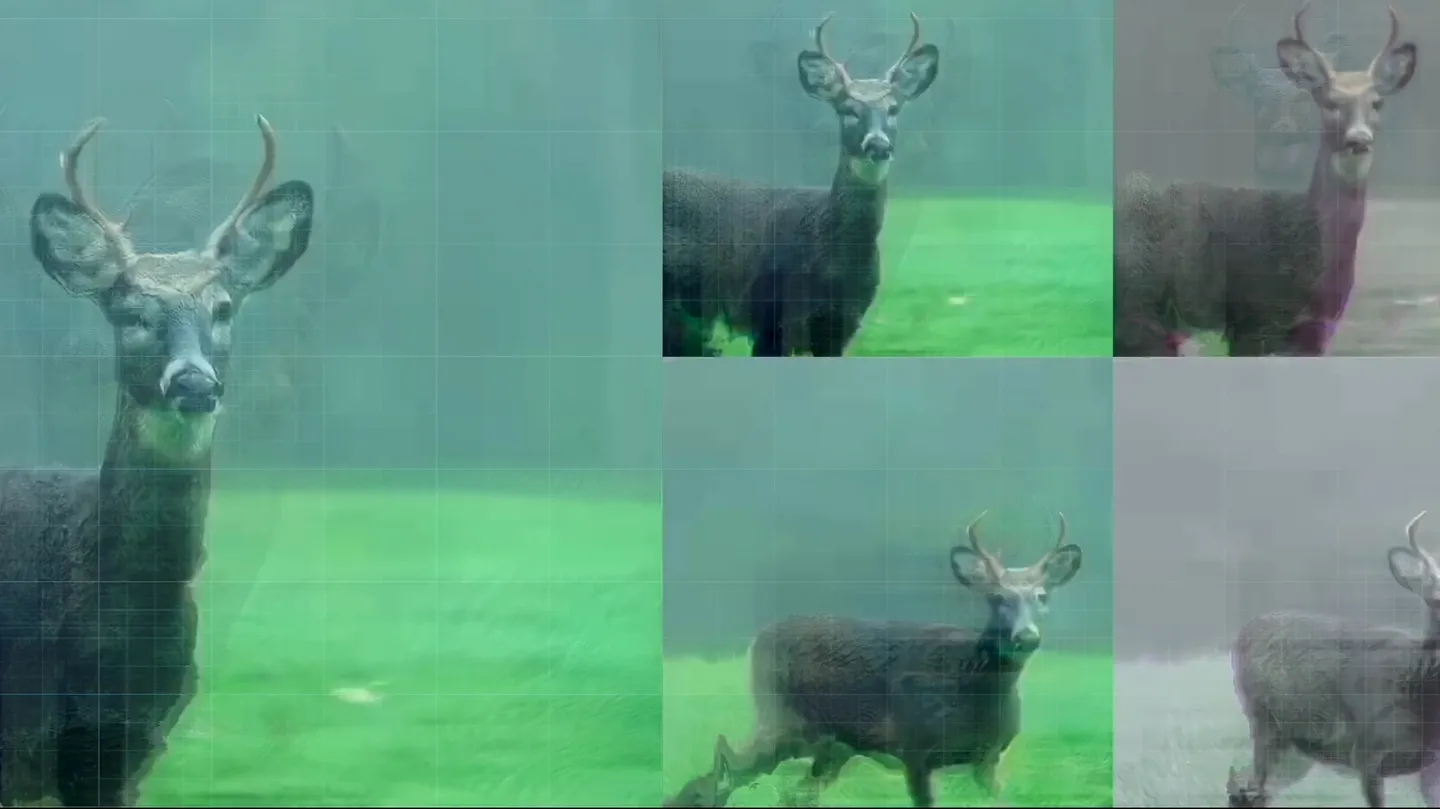
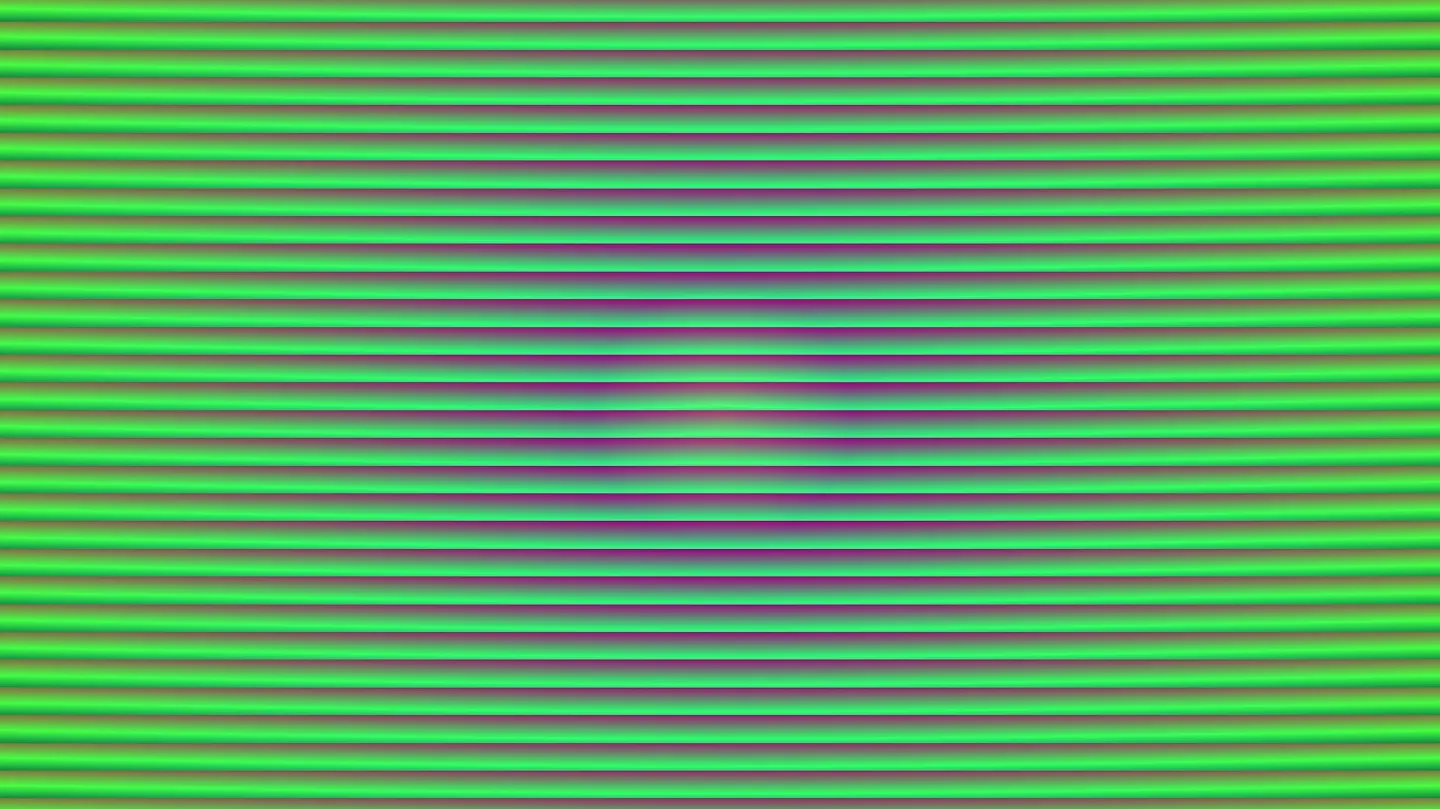
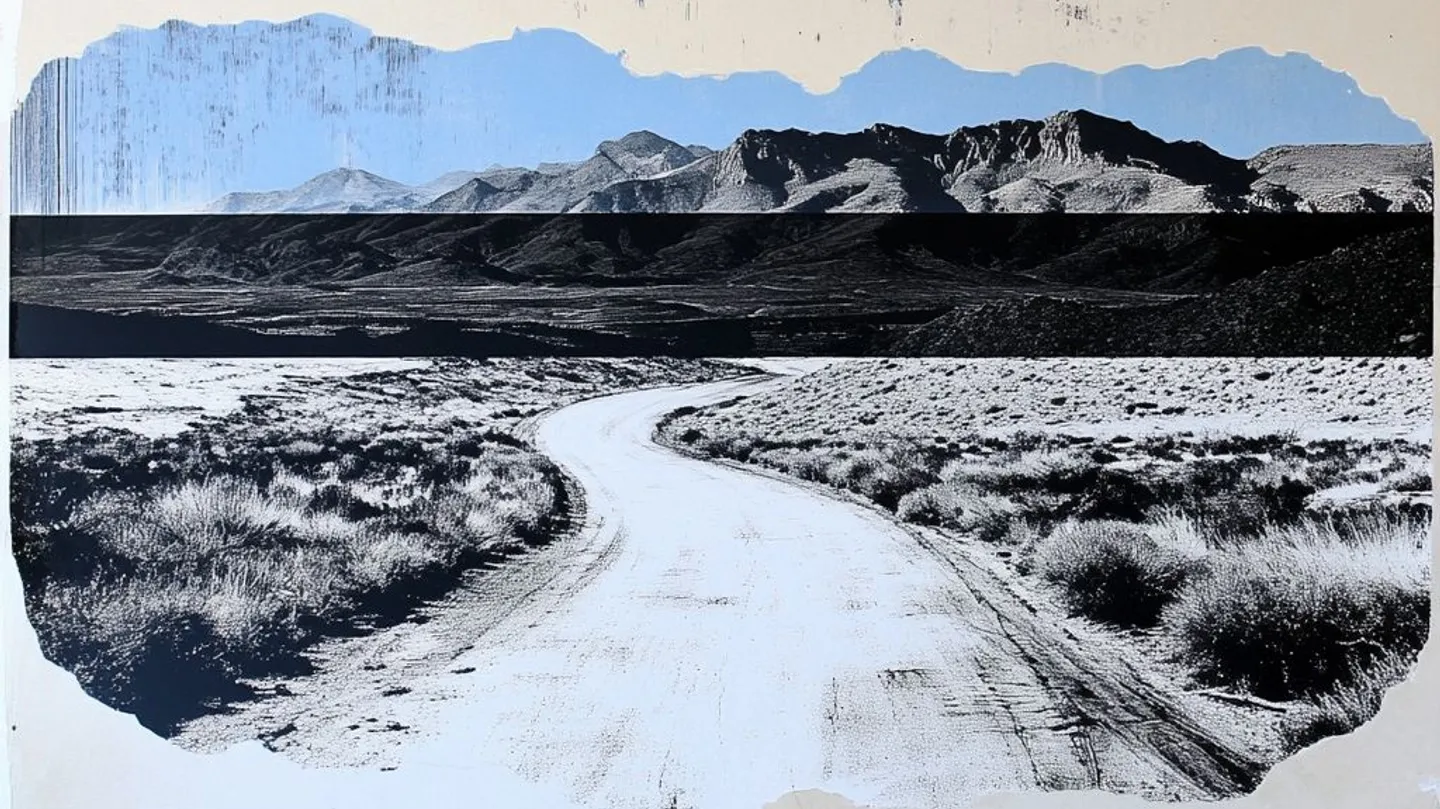
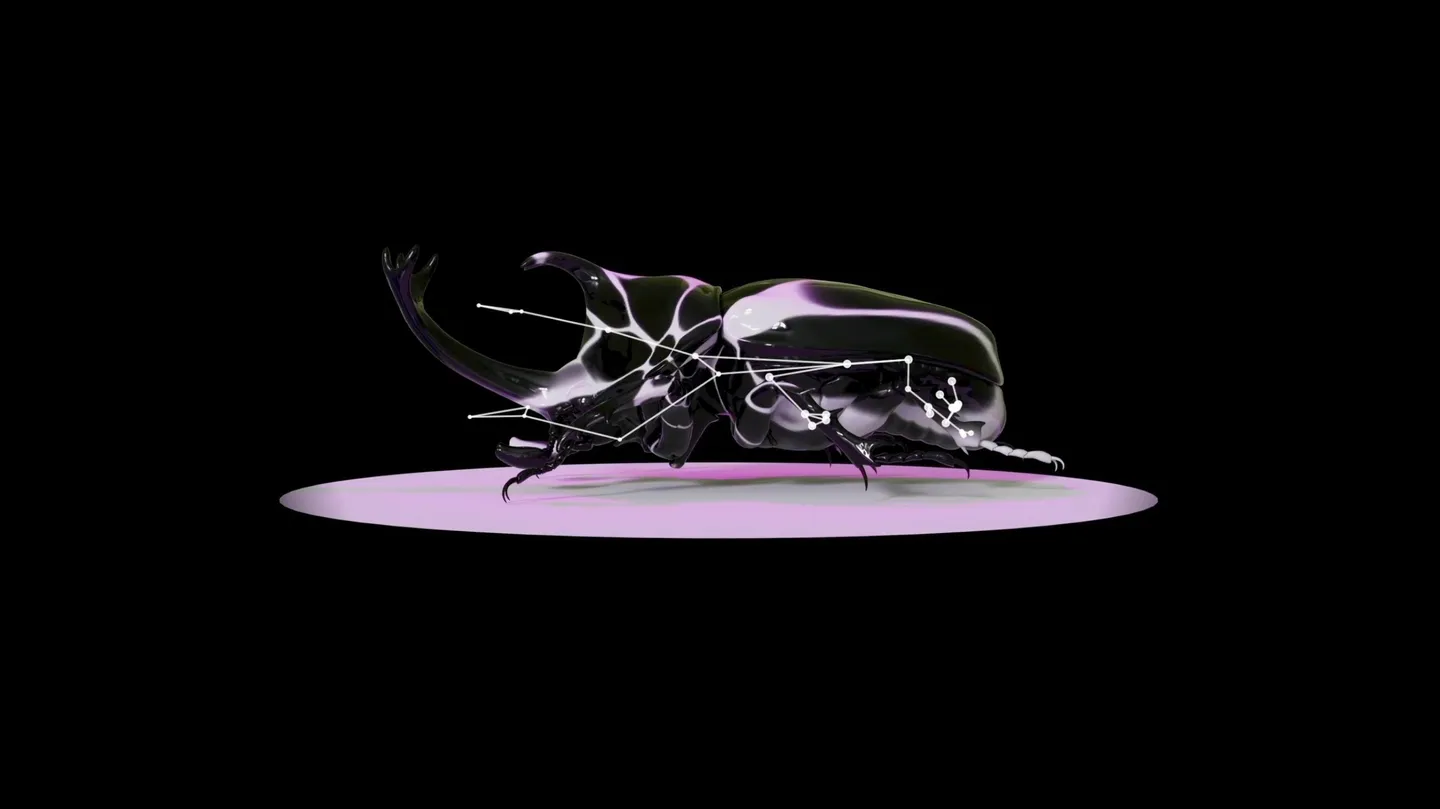
AI BEETLE is a long-term speculative, and pioneering, art research project that began in 2016 in collaboration with Professor Jeff Clune at the Artificial Intelligence Lab of the University of Wyoming. As an early exemplar of co-agency between artist and machine, the project interrogates the limits and logics of vision systems by deploying Convolutional Neural Nets (CNNs) -a special case of Deep Neural Nets (DNNs)- and evolutionary algorithms not to refine recognition, but to subvert it. If camouflage was once a military art of concealment, AI Beetle proposes a new post-digital razzle-dazzle — a form of counter-vision — that confuses machine learning classifiers and disrupts metadata taxonomies.

“My aim,” says De Wilde, “is to develop a contemporary version of Razzle Dazzle, a camouflage technique dating back to World War I, which misleads any AI powered machine (e.g. drones) by messing up their labelling and metadata systems.”

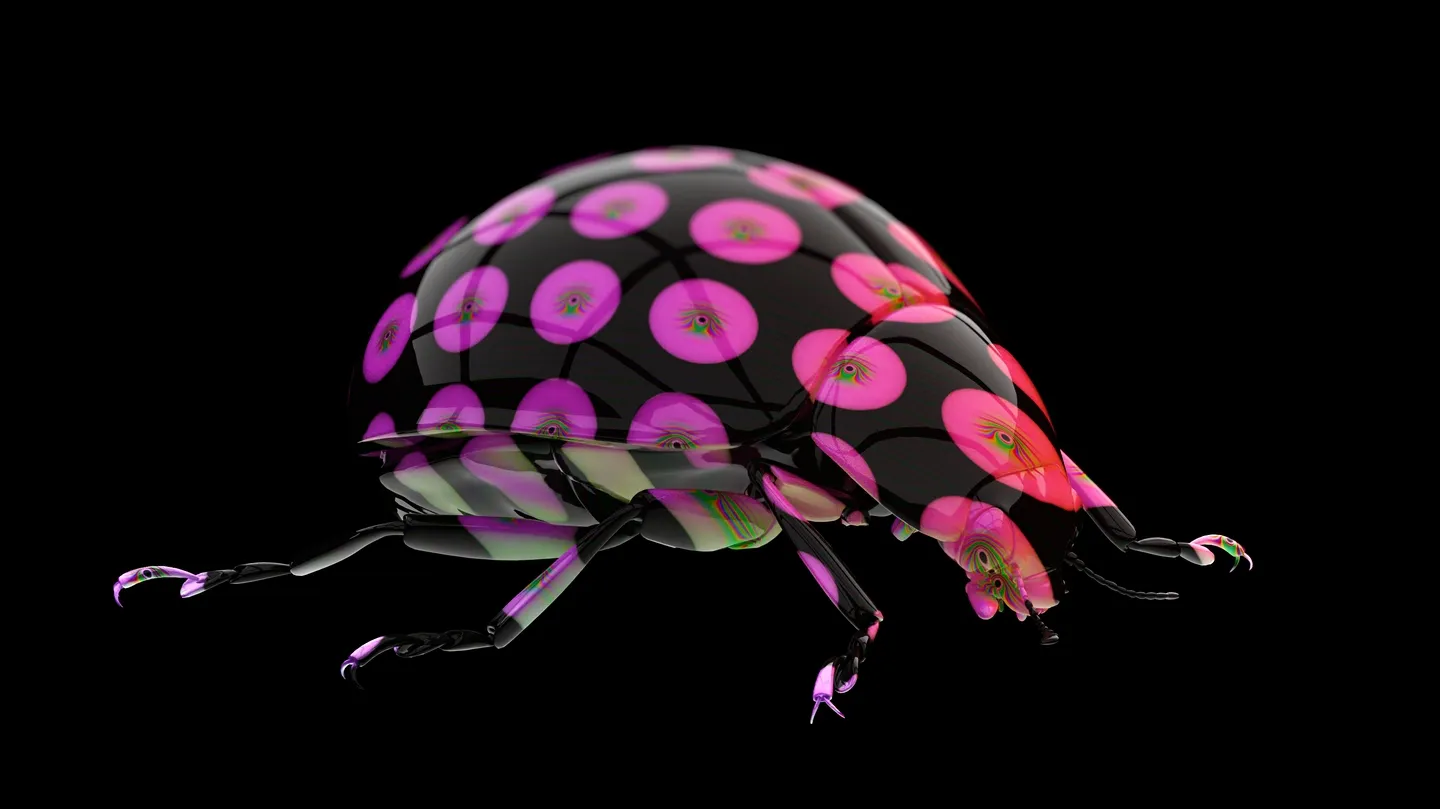
At the core of the project lies a paradox: patterns generated by AI, using adversarial and evolutionary computation, are precisely those which deceive other AI systems. The beetles, sculptural forms adorned with custom algorithmically evolved patterns, remain visible to human observers but invisible — or mislabelled — by AI-driven computer vision. An AI Beetle may be interpreted as a butterfly, umbrella, or unclassified noise. This misrecognition is not a bug but a feature: a critique of surveillance culture and algorithmic epistemologies. It is art that sees by making invisible.

De Wilde’s AI Beetle are a visual manifestation of this epistemological fragility. “It demonstrates how artificial intelligence and deep neural networks are easily fooled—a dystopian reality when you realise that, for example, the military is already using them. The question is: how much confidence do we have in ourselves and the technologies we develop?” De Wilde asks.

In 2014, former CIA and NSA director Michael Hayden declared: “We kill people based on metadata and machine learning algorithms.” Revelations from Edward Snowden’s leaked documents—such as the NSA’s SKYNET program—suggest many of those targeted may have been innocent. De Wilde’s project directly confronts this algorithmic violence. His work is not merely critical but epistemic: it seeks to unsee, mislabel, mislead—strategies that make visible the invisible logics governing contemporary power.

As French critic and curator Dominique Moulon writes in ART PRESS, “Artificial intelligence is used here against itself, reinforcing our ability to look at what a machine cannot see.” This tension — between synthetic visibility and computational blindness — is precisely what animates AI Beetle as a speculative site of agency.

Art and Military - Tactics and Strategies
Historically, Razzle Dazzle emerged from both military strategy and artistic experimentation. While credited to marine artist Norman Wilkinson, its aesthetic resonated with Cubist and early Modernist painters like Picasso, who famously claimed: “Yes it is we who made it, that is Cubism.” Artists such as l René Magritte similarly explored the interface of perception, reality, and illusion. In La trahison des images (This is not a pipe), Magritte exposed the slippage between signifier and signified—an inquiry mirrored by De Wilde’s adversarial illusions. Just as Magritte forces us to question what we see and how we name it, AI Beetle forces machine vision into a similar rupture.

Contemporary dazzle strategies are deployed to mask prototype vehicles in automotive testing — During the 2015 Formula 1 testing period, the Red Bull RB-11 car was painted in a scheme intended to confound rival teams’ ability to analyse its aerodynamics —  or to evade facial recognition systems, such as Adam Harvey’s anti-surveillance makeup and occlusion techniques. Activist fleets like Sea Shepherd have repurposed dazzle camouflage to resist detection and tracking.

Authorship
Beyond camouflage, AI Beetle probes fundamental questions of authorship and technological co-creation. When the artist hacks the algorithm to confuse itself, when the output is the result of iterative adversarial training, who or what is the author? De Wilde provocatively stages this ambiguity: is authorship still tethered to the human? Or does it now unfold in a hybrid ecology of cognition, where algorithmic systems are not just tools but unpredictable collaborators? This question becomes urgent in the context of intellectual property law. If creative algorithms generate unique patterns, should they (or their developers) be granted authorship? And if not, what does this reveal about our anthropocentric assumptions encoded in legal and cultural frameworks? AI Beetle acts as a heuristic device — less an object than a proposition — asking whether non-human co-authors can or should share agency, rights, or recognition in an AI-mediated future.

Evolutionary Biology
The speculative reach of AI Beetle extends into biotechnology, evolutionary biology, and the ethics of synthetic design. If artificial intelligence can evolve deceptive patterns for surface ornamentation, can it equally be deployed to generate novel protein structures or design new genomic expressions through tools like CRISPR? In this context, De Wilde’s beetle becomes a symbolic chimera: a fusion of nature and technology, of aesthetics and bio-politics. It offers a model of "post-camouflage" — not to blend in with nature, but to intervene in systems of classification and perception. AI Beetle does not claim resolution. It is a practice of speculative resistance, not didacticism. It invites viewers and systems alike to misread, to stumble, to second-guess. It exemplifies a form of artistic agency rooted in ambiguity — a critical co-creation that embraces the unpredictability of its tools. In doing so, it aligns precisely with the ethos of The Speculative Agency Award: to imagine new futures by misusing, misunderstanding, breaking, and perhaps even befriending our machines.

Conclusion
In essence, AI Beetle is a speculative act of techno-poetics, distort classification, and question the politics of perception and formal AI. AI not as obedient servant, nor seamless tool, but as unpredictable collaborator. A co-creator that misfires, misbehaves, and in doing so opens new avenues of thought, resistance, and radical imagination.
Authors
Tags