What Is a Face?
About artwork
Provenance
Tech info
About
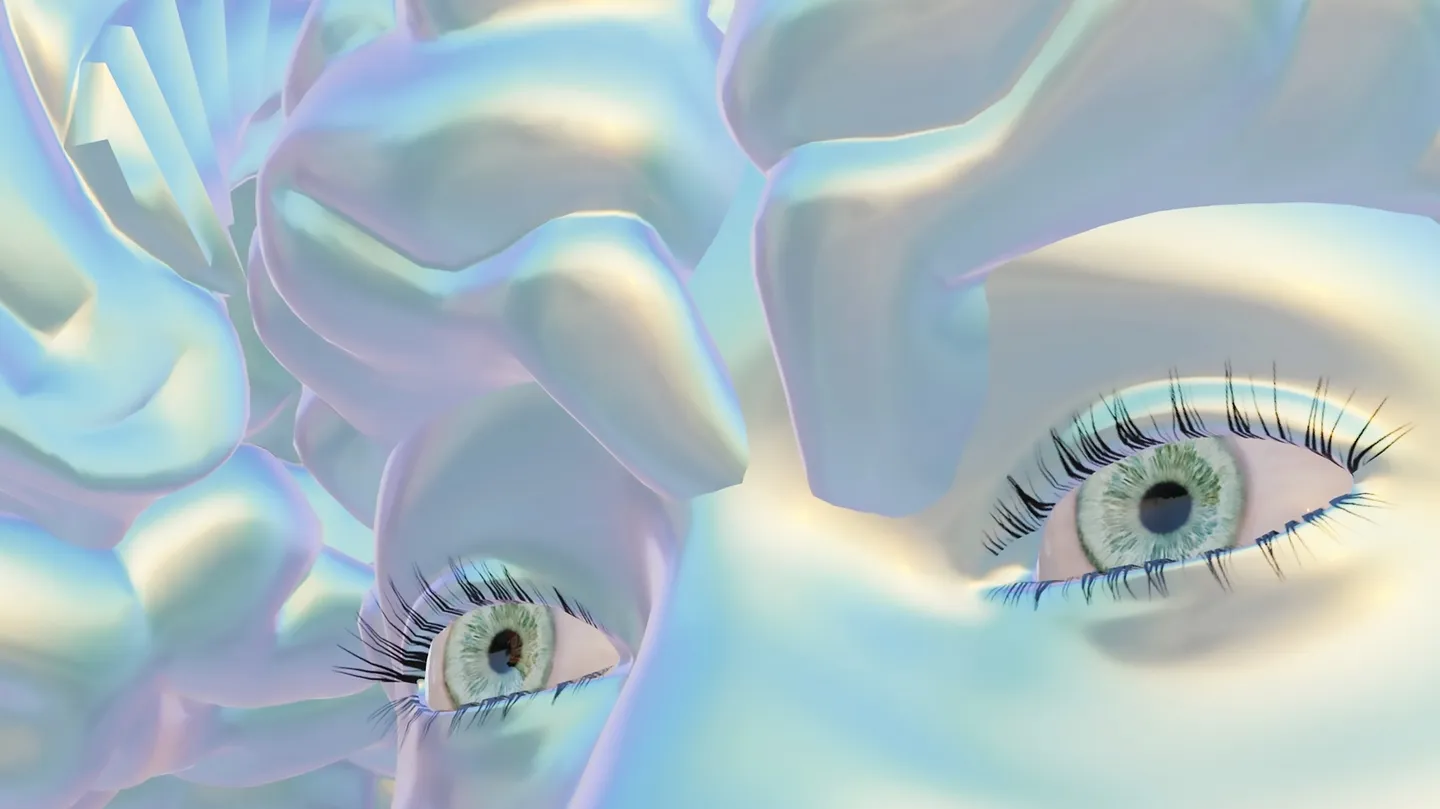
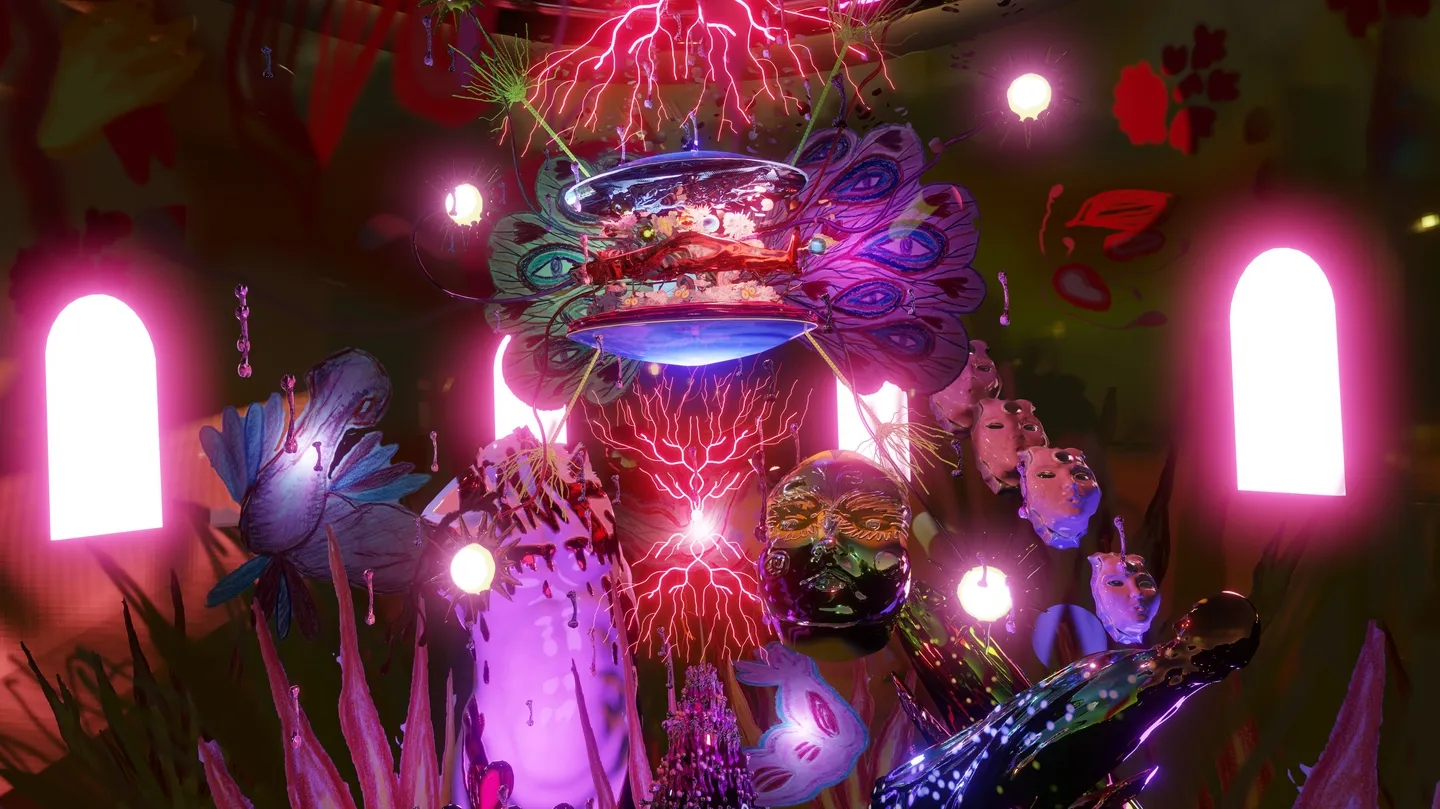
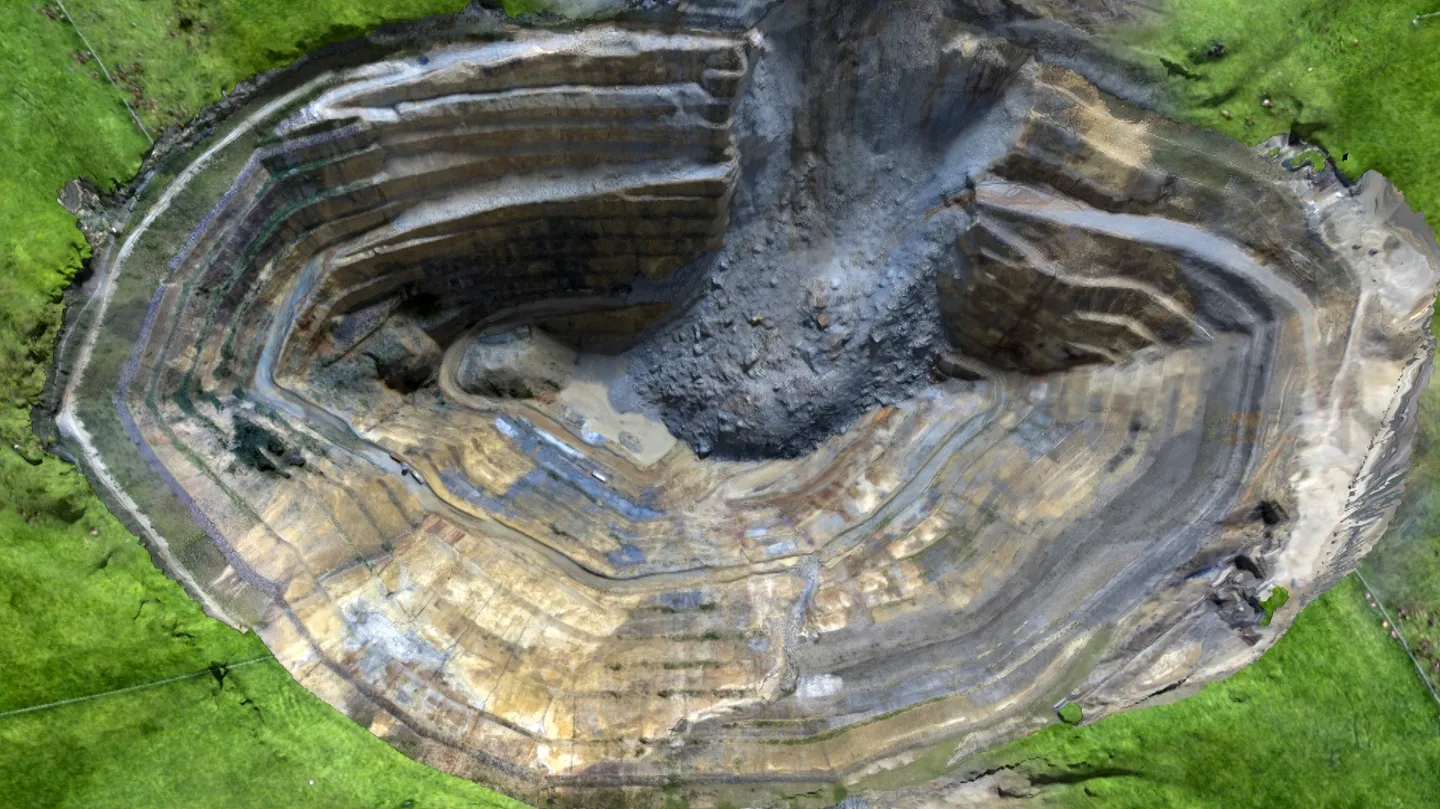
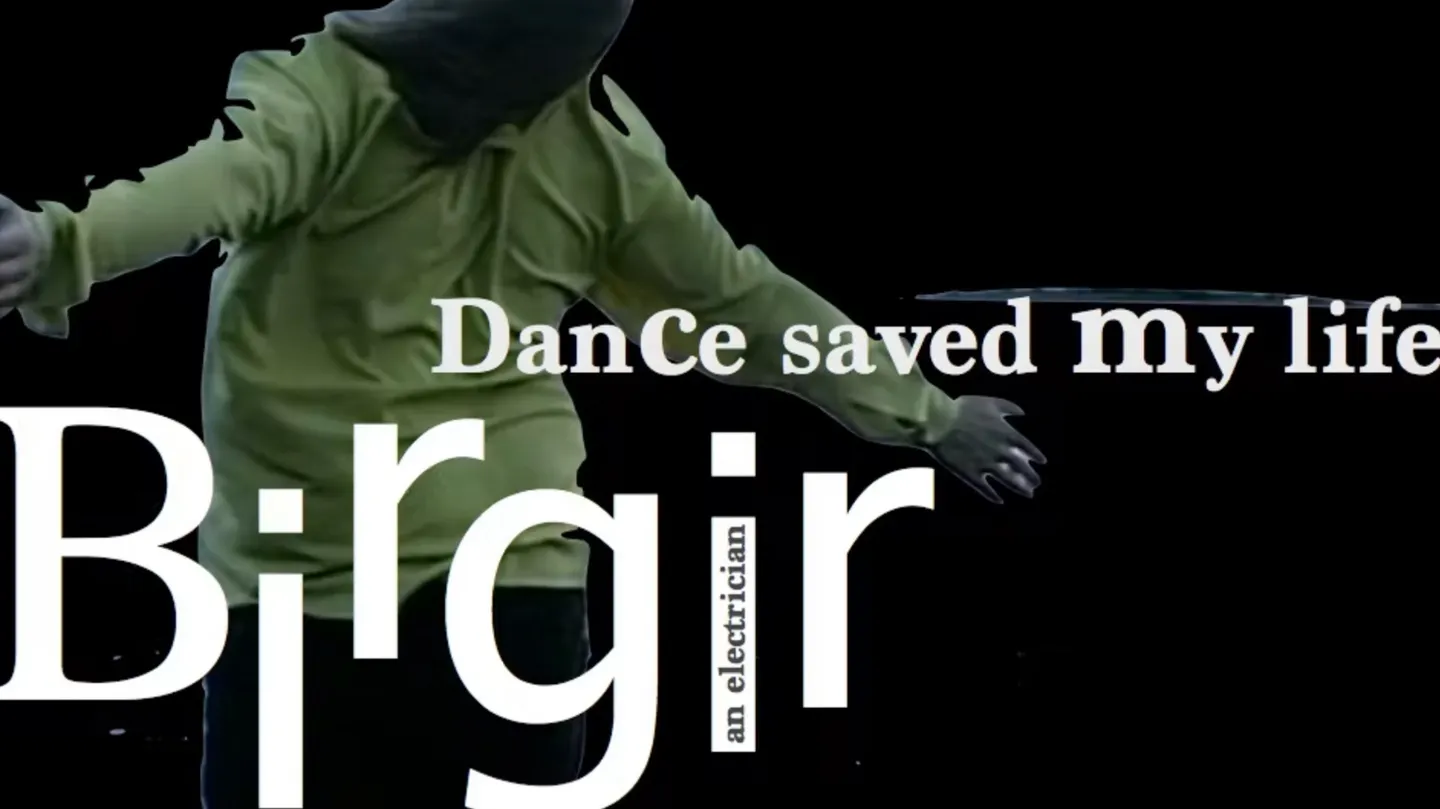
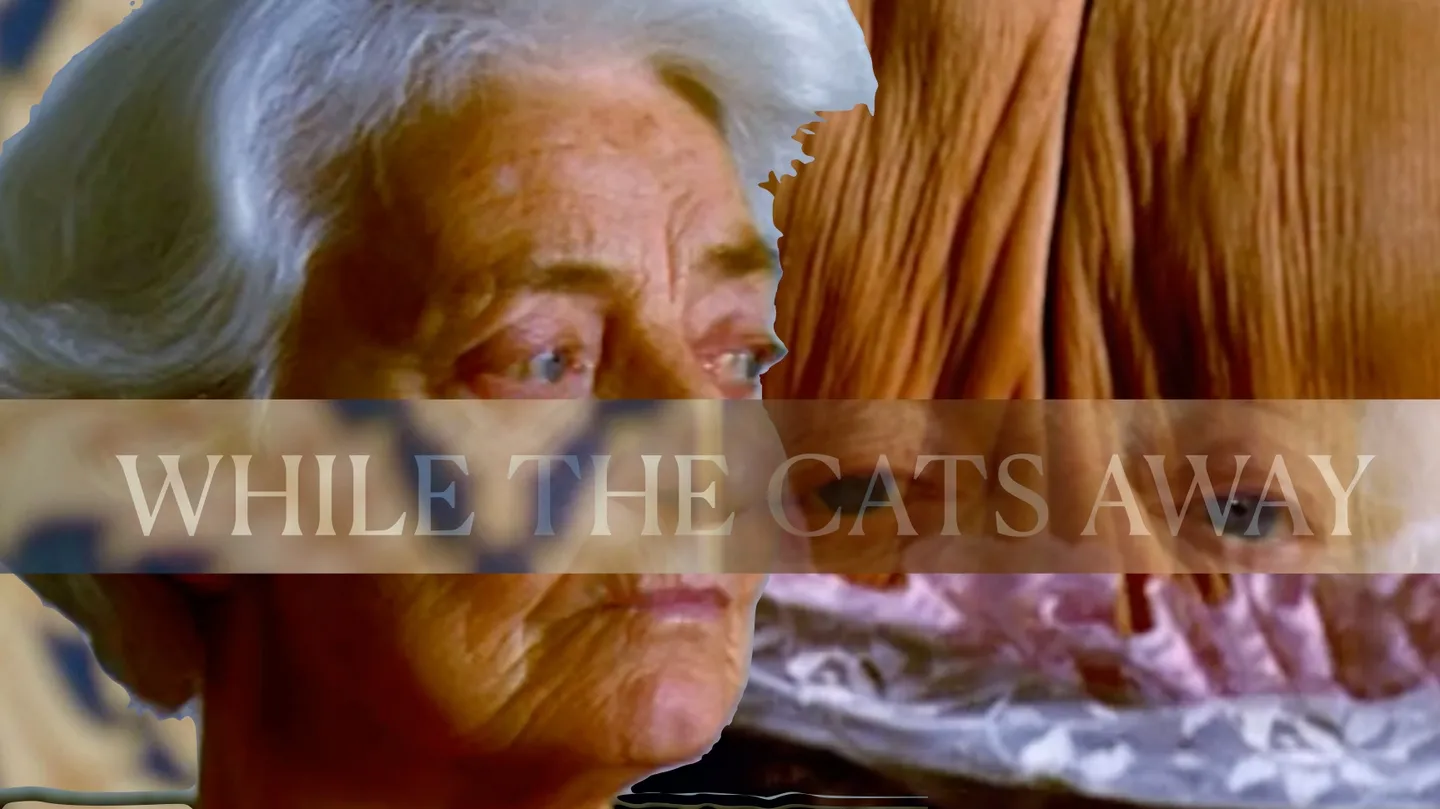
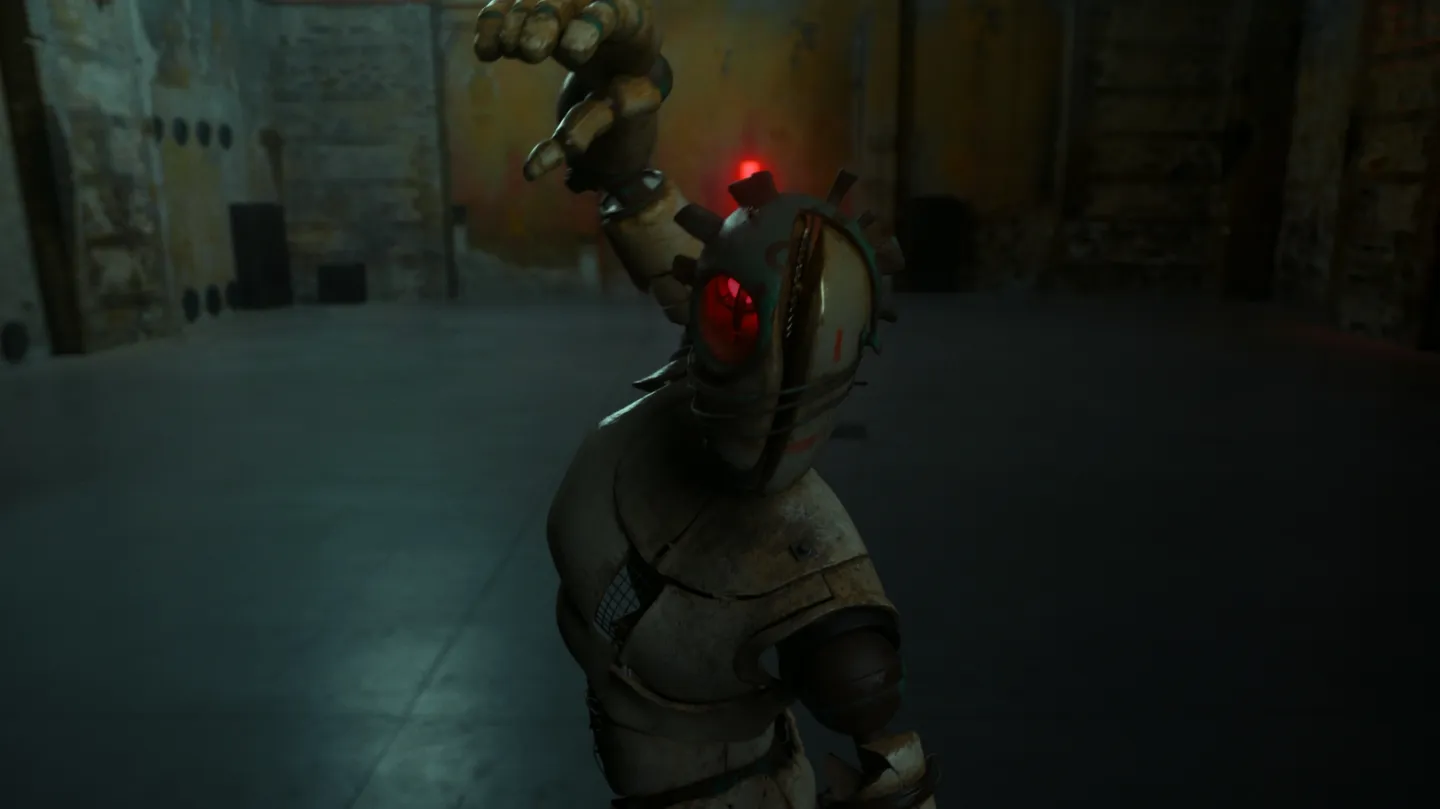
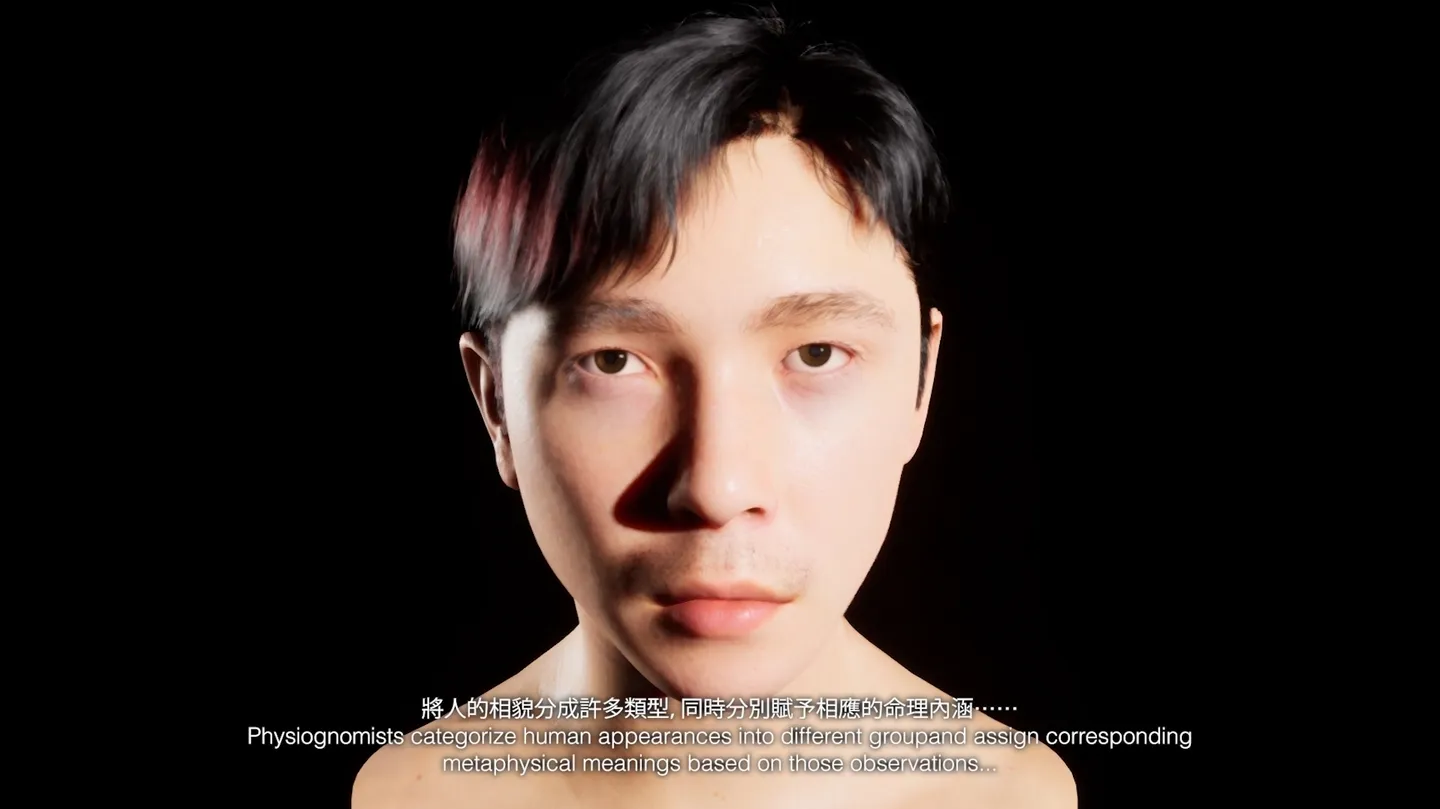
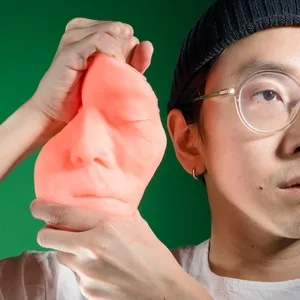
What is a Face?’ is the question this video work explores. In the age of pervasive facial recognition algorithms and Tiktok filters, the question is anything but apolitical. The answer to this deceptively easy question is ultimately complicated and depends on the observer and the apparatus through which they observe. A child, with a crayon, sees a face as a solar head and draws a circle with two eyes, a nose and a mouth. A 19th-century French police officer, with a camera pointing towards suspects, might say facial features predict criminality. A writer, holding a picture of his deceased mother, might look deeply into the image, searching for her ‘truth’. A face reader, riffing off of literature of Chinese Physiognomy, might insist that the face is an indicator of personality traits and fortune. A Tiktok engineer working on face filters already decided people want their cheeks slimmer and their jawbones more pronounced. A facial recognition software, trained by machine learning, deconstructs the faces as pixel patterns of different shades and features. GANs researchers might answer that to the deep neural networks, a face, or rather the digital image of a face, is a high dimensional data point, the pattern used to generate other faces computationally. Countless answers all point towards a fact: a face is much more than what is physically there. Each answer is representative of a knowledge system. Especially when a face is seen through technology, whether analogue or digital, faces become an interface for predictions.
Authors
Tags