Dots + Holes
About artwork
Provenance
Tech info
About
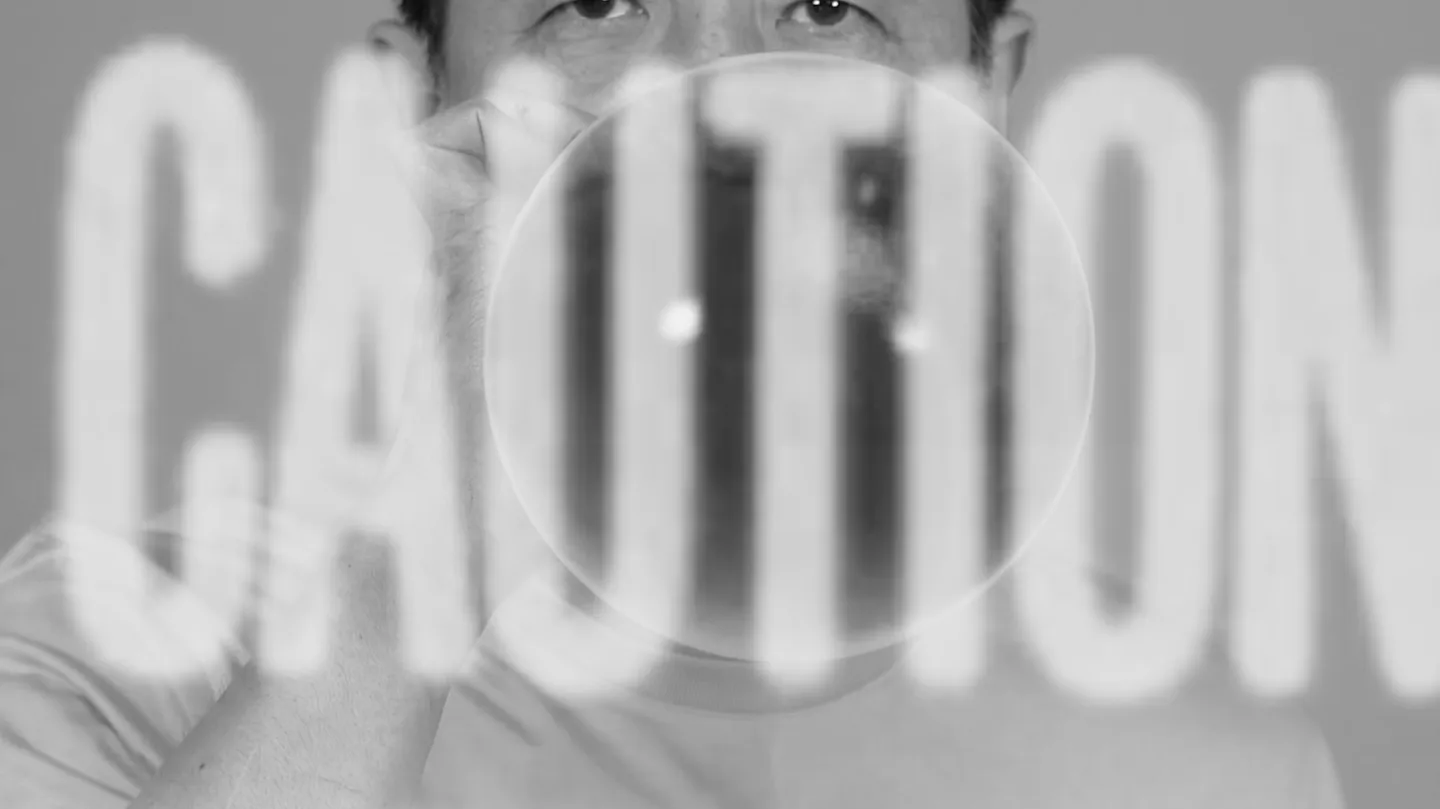
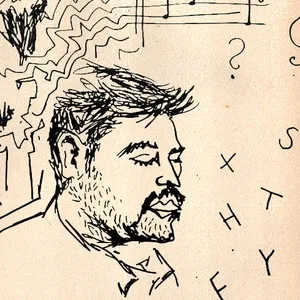
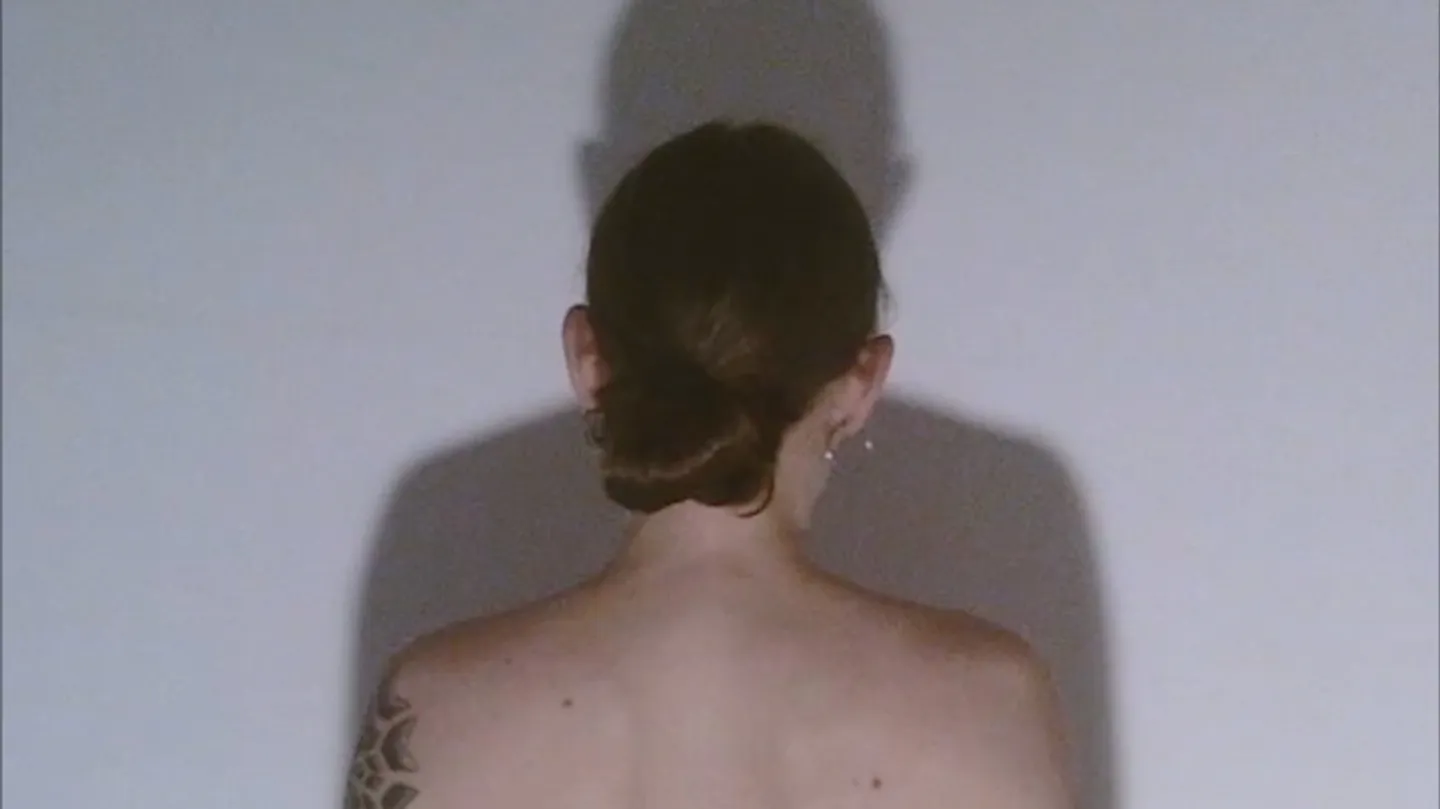
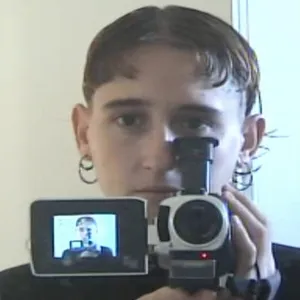
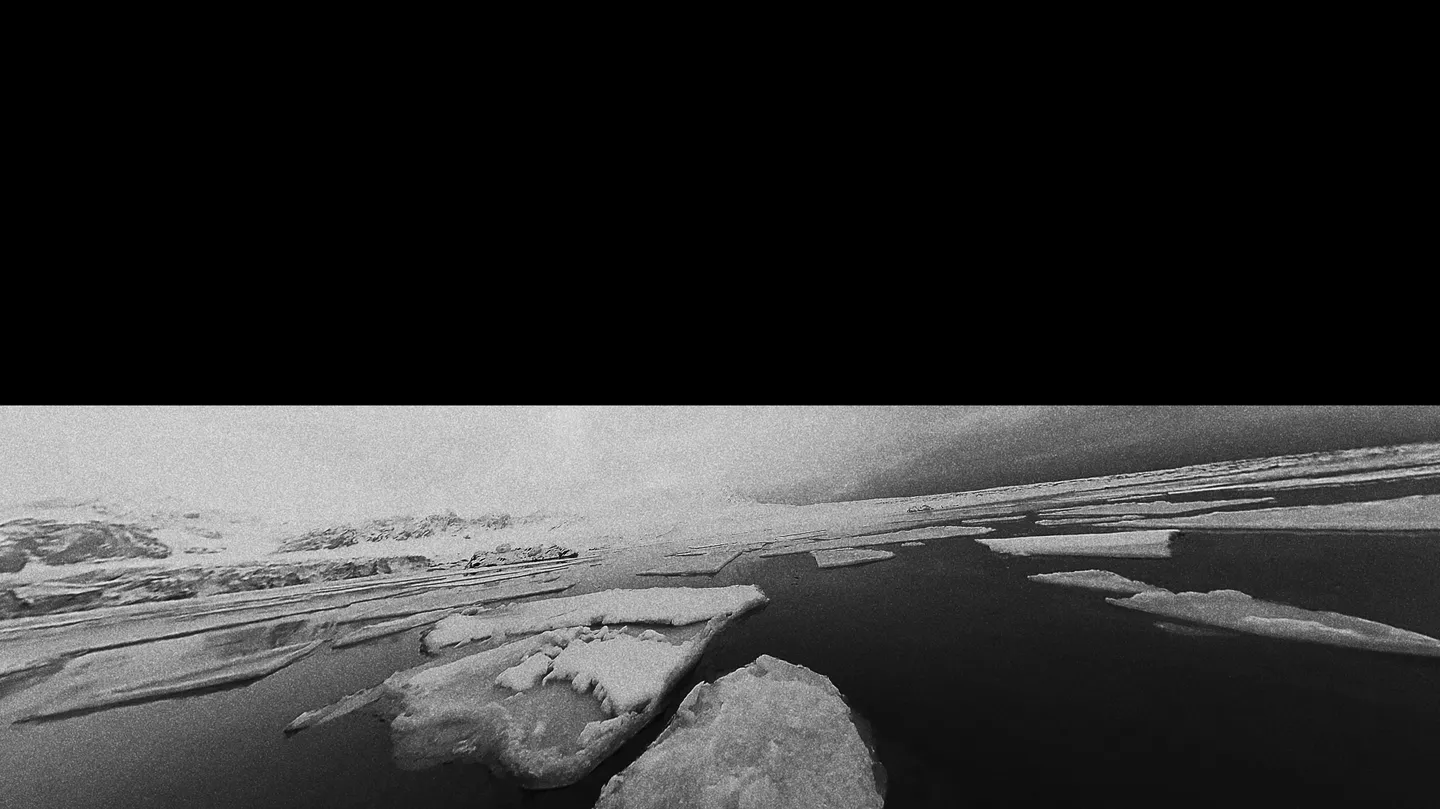
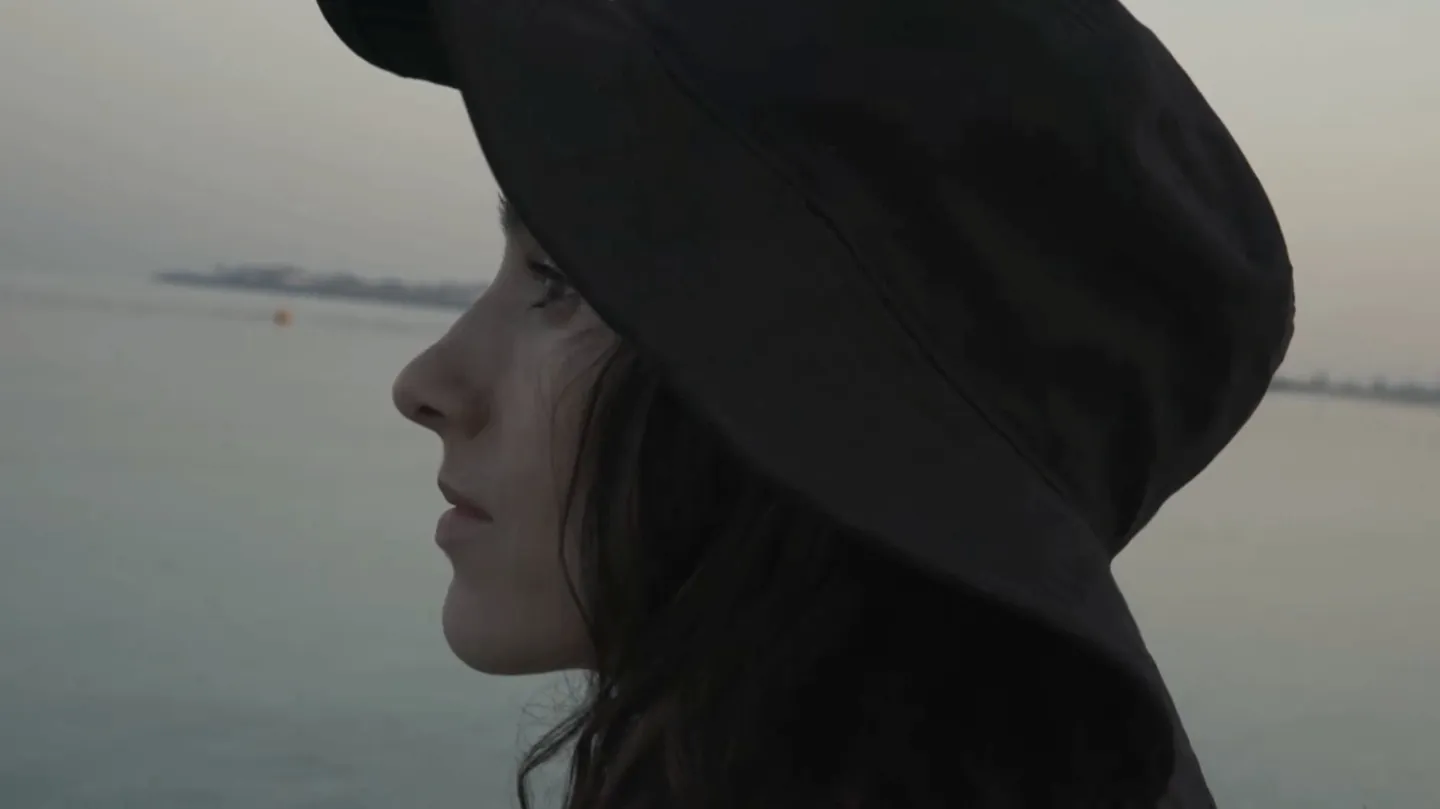
A short film that is somewhat an anti-self-portrait. The film creates a conceptual framework that moves away from the ego of the "selfie" and toward the atmospheric "othering" of the body. Since the focus is on the disconnect and the space between the mirror and the surface, the film can become a study of refraction rather than only reflections in distorted surfaces. In a public space (museum) I simply used the existing light and surrounding physical objects (mirrors). The self is no longer a monolith; it is a collection of echoes, a ghosting of the physical form. Though the artist appears on film, he is continually moving out of the frame, presenting the absence of the subject (or a memory of someone who was in the room). Score by Fabio Orsi.

This short film functions as an anti-self-portrait at sixty, serving as a cinematic investigation into the anatomy of erasure. It proposes a conceptual departure from the modern ego—the static, curated "selfie"—and migrates toward an atmospheric "othering" of the physical body. Rather than a declaration of being, the film is an observation of un-becoming.

By shifting the lens toward the disconnection of liminal space existing between the mirror and the surface, the study evolves into an exploration of refraction over reflection. Here, identity is not mirrored; it is bent, scattered, and redistributed through distorted surfaces. Utilizing only the ambient light and objets d'art of a public museum, the environment becomes a collaborator in the artist’s own vanishing.

The self is no longer treated as a monolith. Instead, it is reimagined as a collection of echoes—a rhythmic ghosting of the physical form where the subject is in a state of perpetual exit. As the artist moves continually out of the frame, the film captures not a portrait, but the active absence of the subject. It remains as a residual memory of a body that once occupied the room, leaving the viewer to inhabit the hollows left behind.
Authors
Tags