Ocular (see-sick)
About artwork
Provenance
Tech info
About
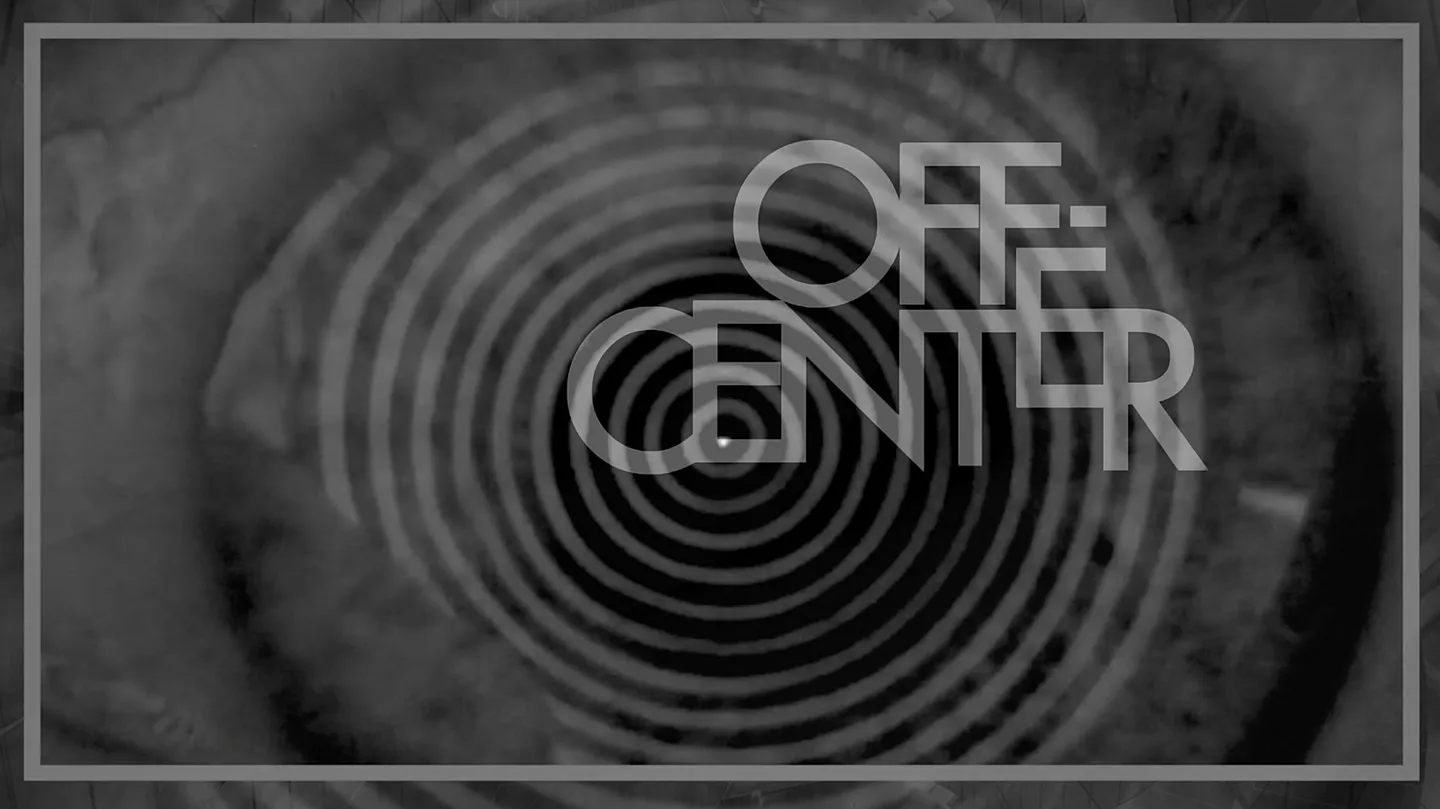
The film thrives within a sharp tension between the microscopic anatomy of the human eye and the infinite expanse of the ocean, effectively blurring the lines between biology and geography. By magnifying the eye until the lashes resemble beach grass and the iris transforms into a topographical map of craters and currents, the visual narrative rejects the sterile, stabilized perfection of contemporary digital art. Here, the eye is not just an organ of sight, but a liminal threshold—the ancient "window to the soul" re-imagined as a fragile porthole facing an encroaching tide.

This "maker’s eye" creates a meta-narrative where the creator watches their creation, yet the sheer largess of the sea threatens to swallow the observer whole. The eye becomes a vessel of the internal spirit, straining to maintain its light against the drowning weight of the world. The "unsteady" handheld camera adopts the breathing, flawed perspective of a witness struggling to find their footing; it is the visual manifestation of a soul in flux, turning the act of looking into a mystery that resists being categorized.

Complementing this visual instability, Steve Brand’s deep-atmosphere score functions as the film’s subconscious, bridging the gap between the internal psyche and the external abyss. The soundscape mimics the visceral hum of blood rushing in the ears—the very rhythm of life—and the low-frequency vibration of the deep sea, providing a "soul" for the isolated eye in a space where identity has been erased. In an era of surveillance and micro-content, this slow, ambient voyage serves as an act of creative rebellion. It presents a haunting invitation to "keep looking," forcing a confrontation with the disconnect between the self and its reflection, ultimately transforming a singular gaze into a profound site of both spiritual intimacy and cosmic voyeurism.

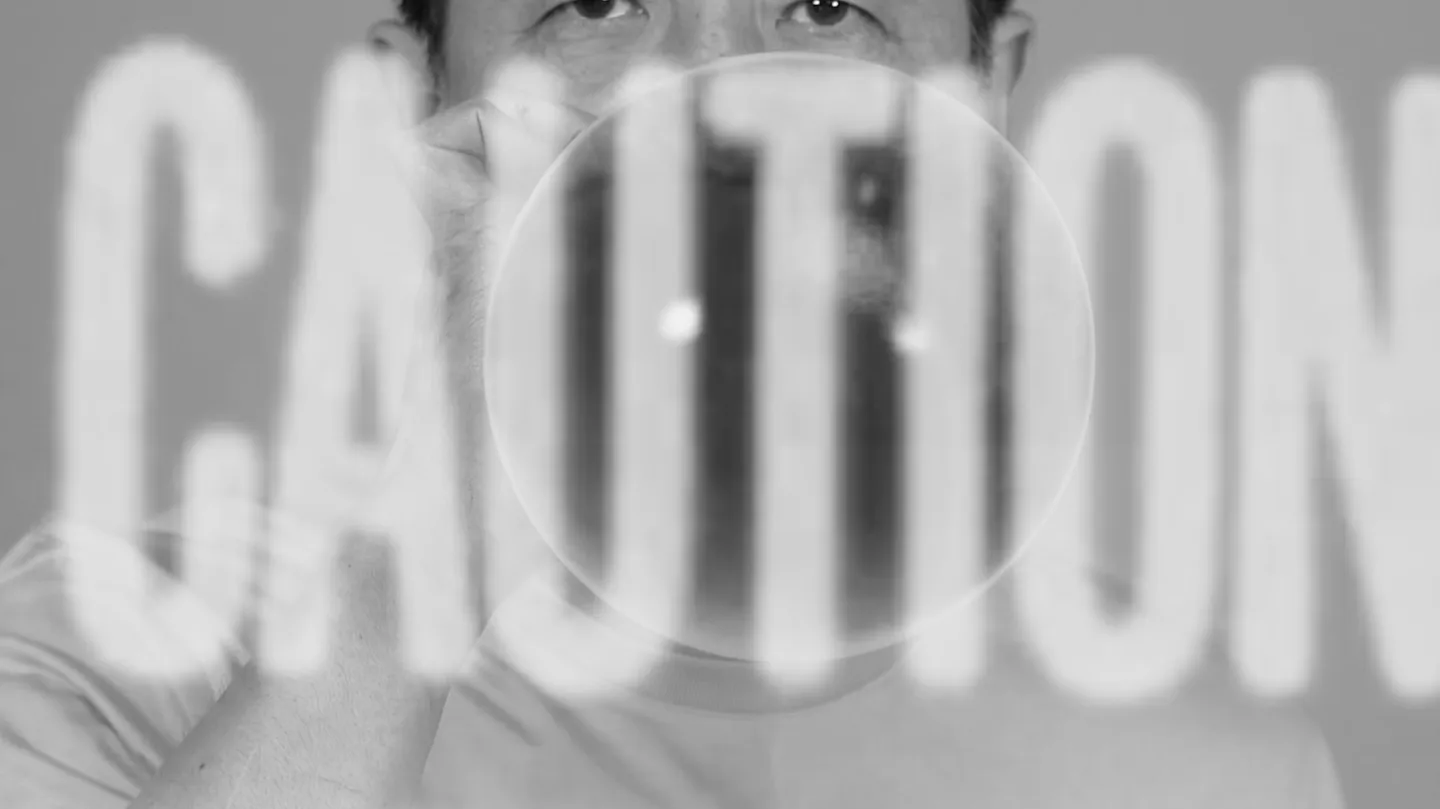
While the eyes are traditionally the "windows to the soul," modern life has turned the gaze into something fraught with tension—a social taboo or a data point for surveillance. Ocular (see-sick) is a black-and-white vignette that explores the lost art of human connection in a selfie-obsessed, device-affixed century. By isolating a singular eye against an unsteady, ambient voyage on the ocean, the film creates a jarring fusion of microscopic intimacy and oceanic largess. This isolated gaze invites assumptions of fear, judgment, and the ever-present "Big Brother," challenging the viewer to confront the discomfort of being watched. In a world where we are often oblivious to the gaze of others, the film serves as a spectral reminder of our shared, yet drifting, humanity. No matter where you look, someone—or something—may be looking back. Keep looking...
Authors
Tags