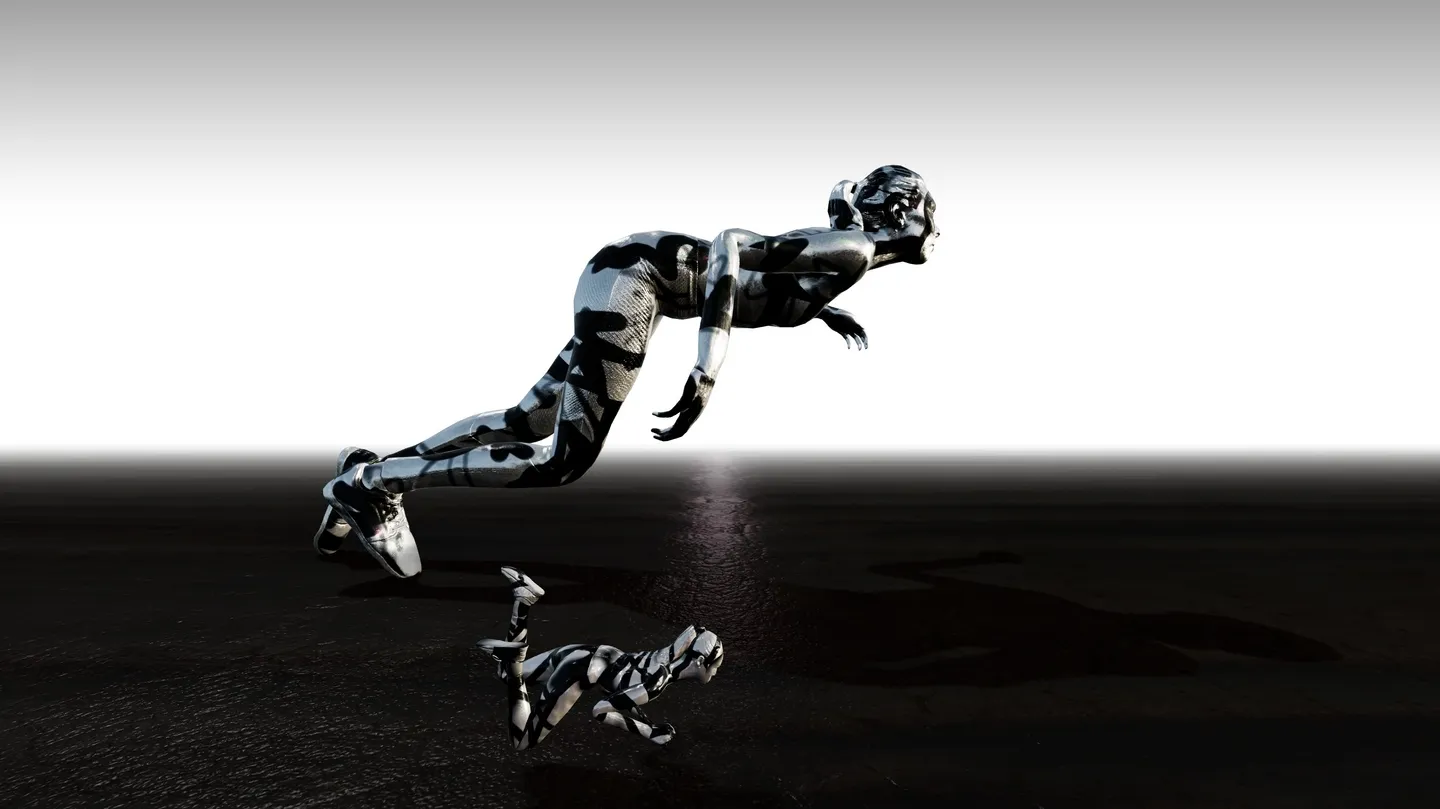
Half Cheetah
About artwork
Provenance
Tech info
About
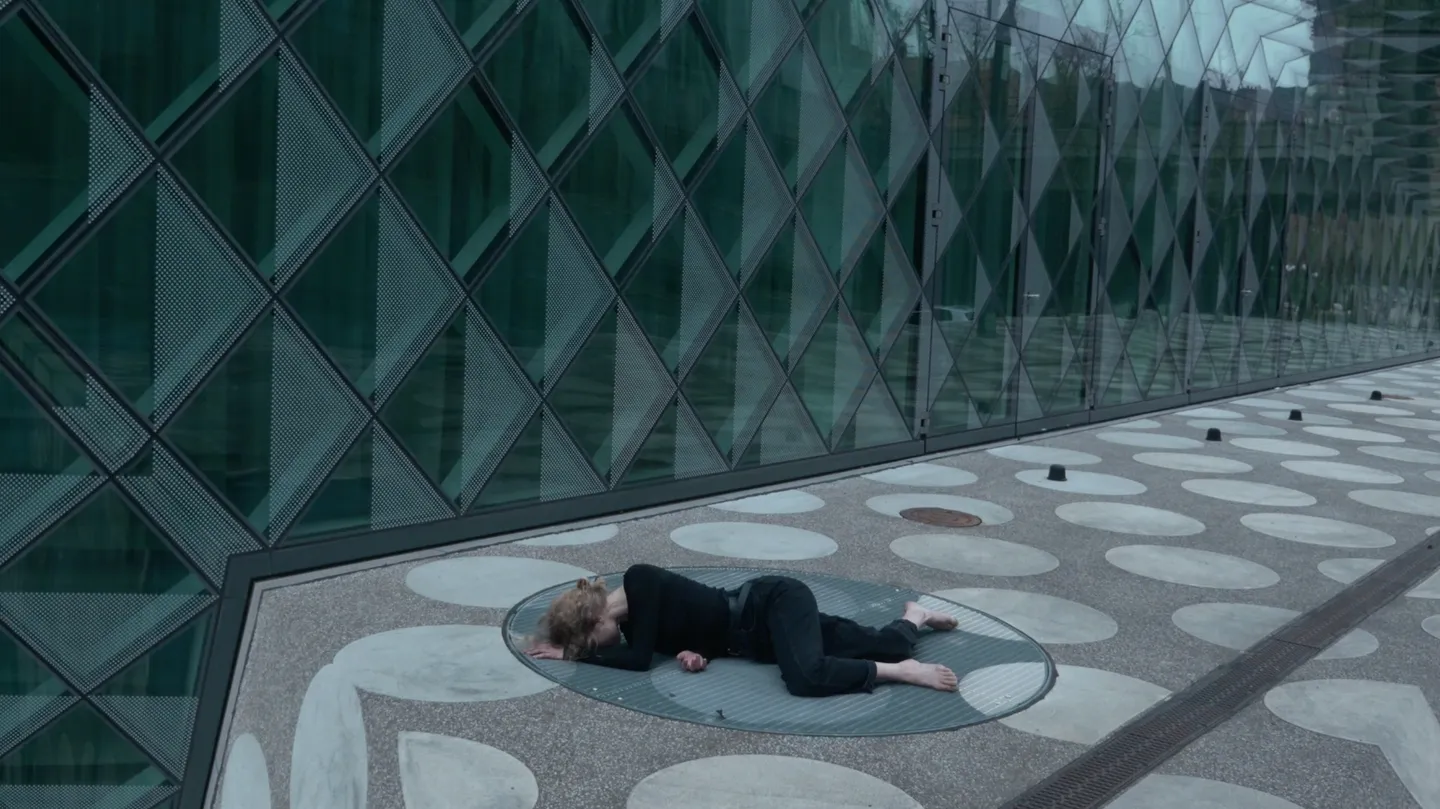
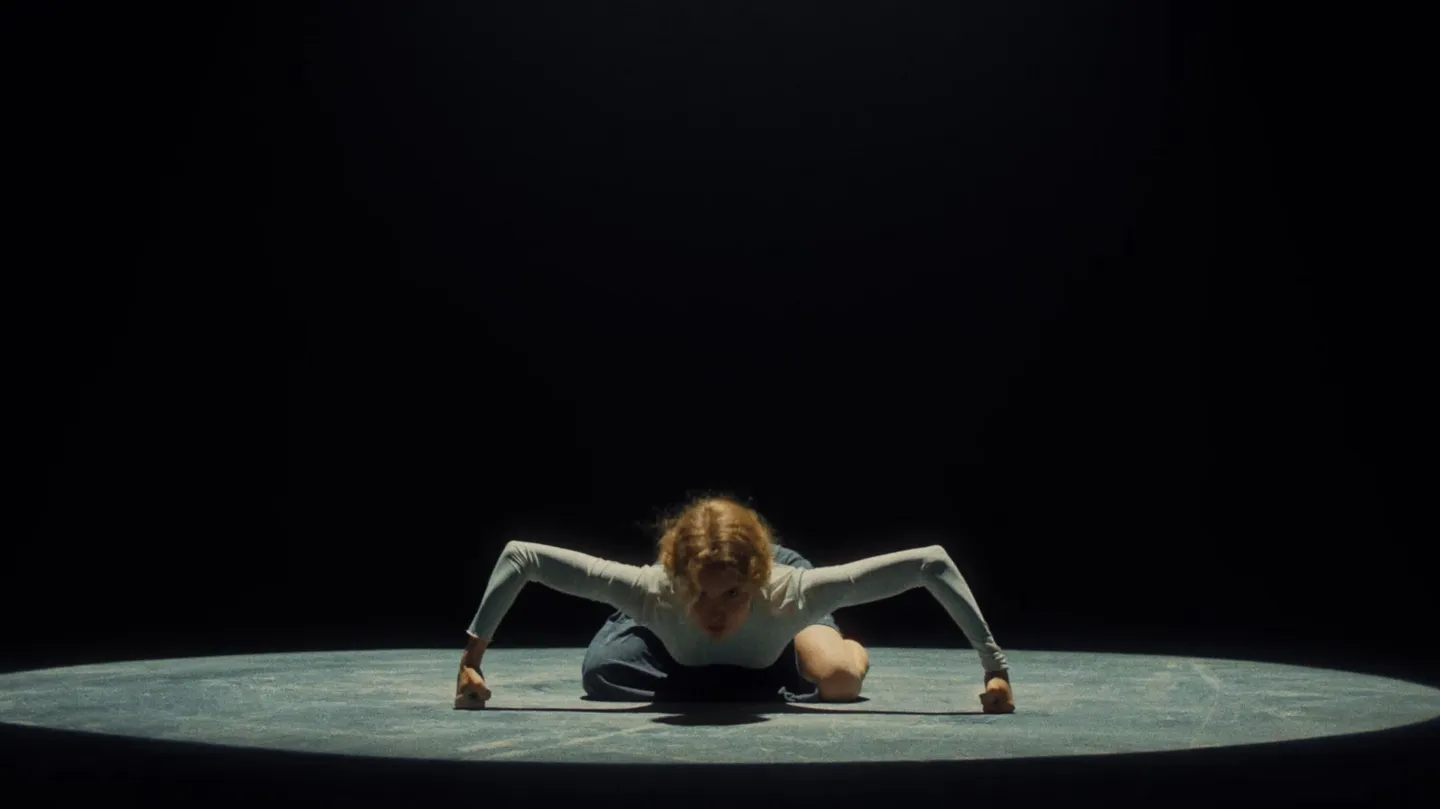
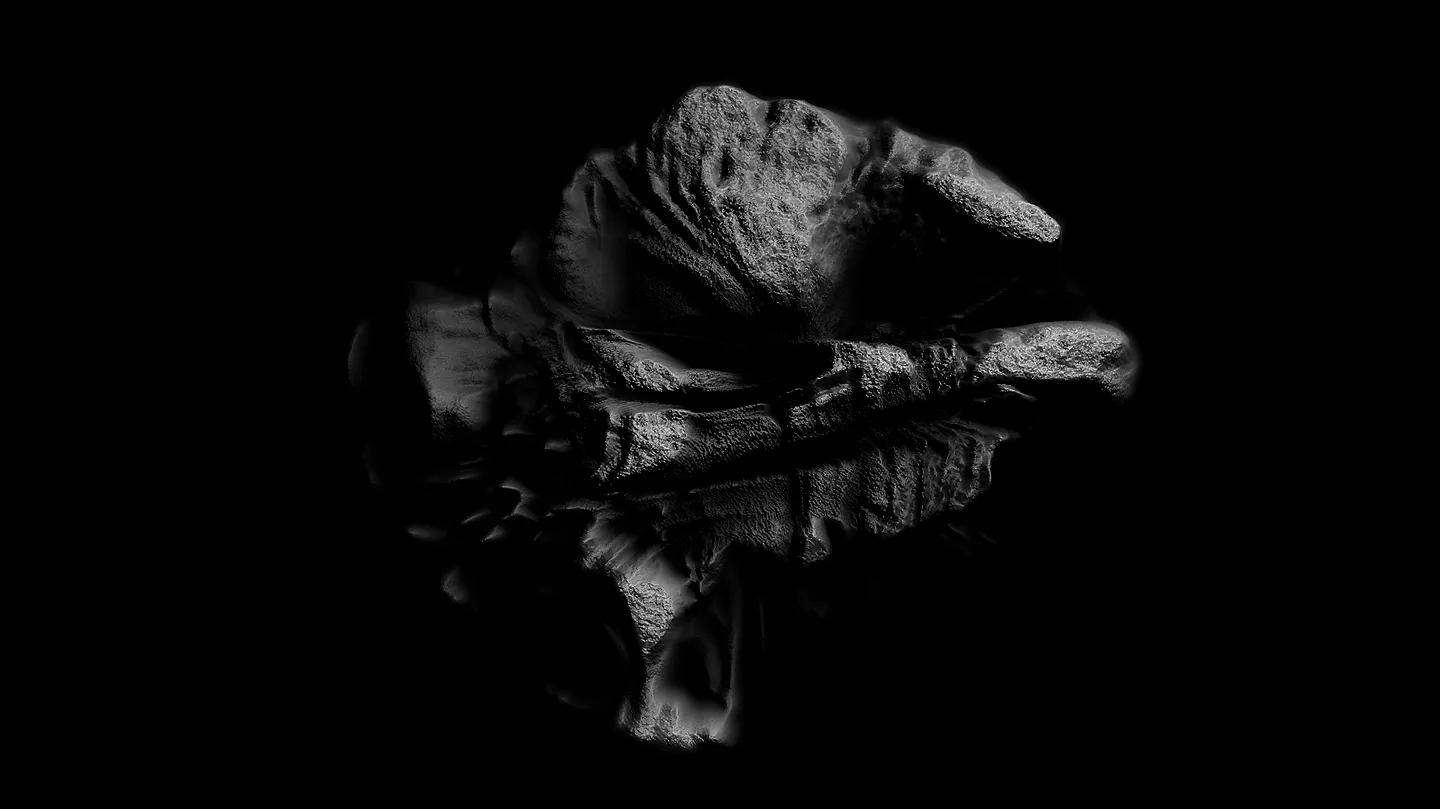
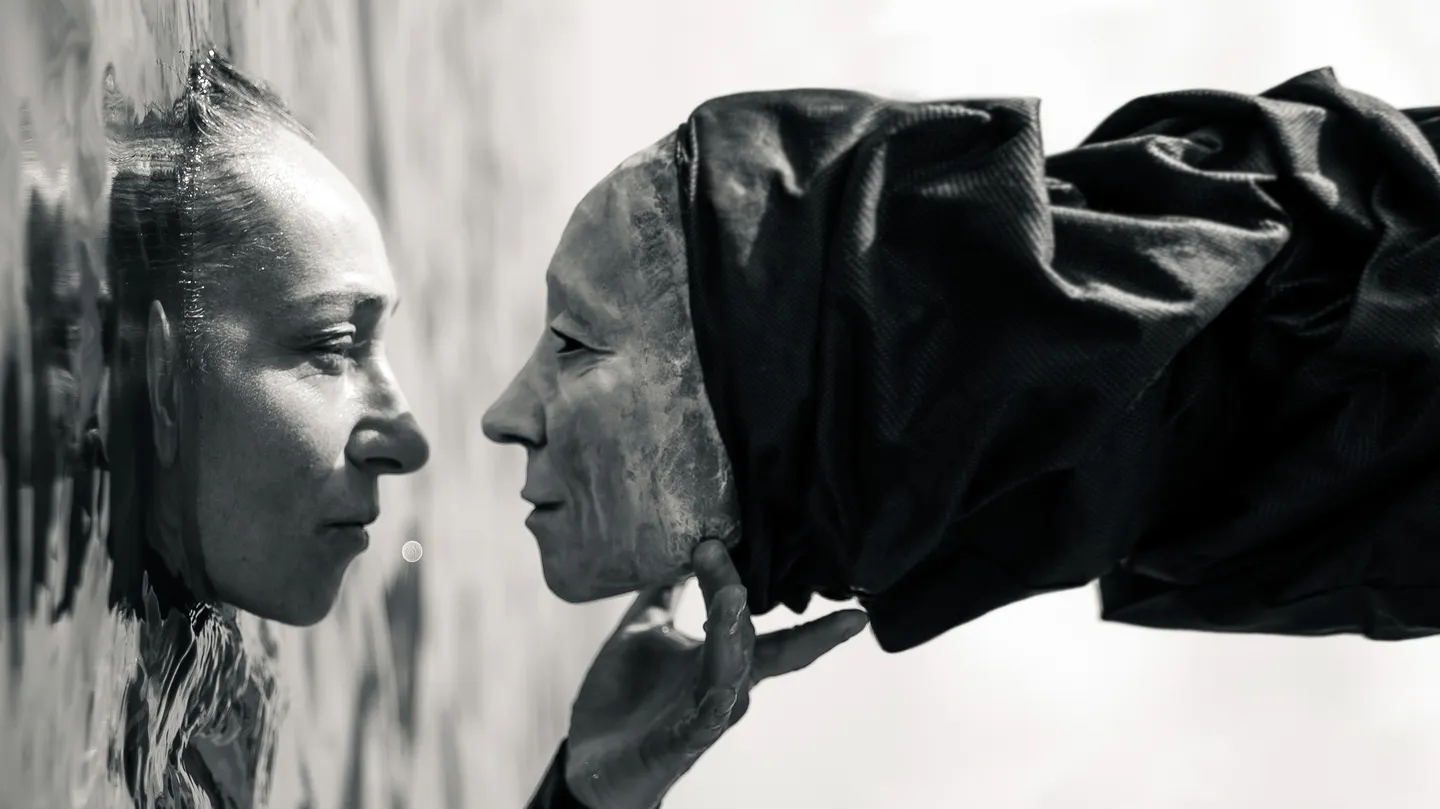
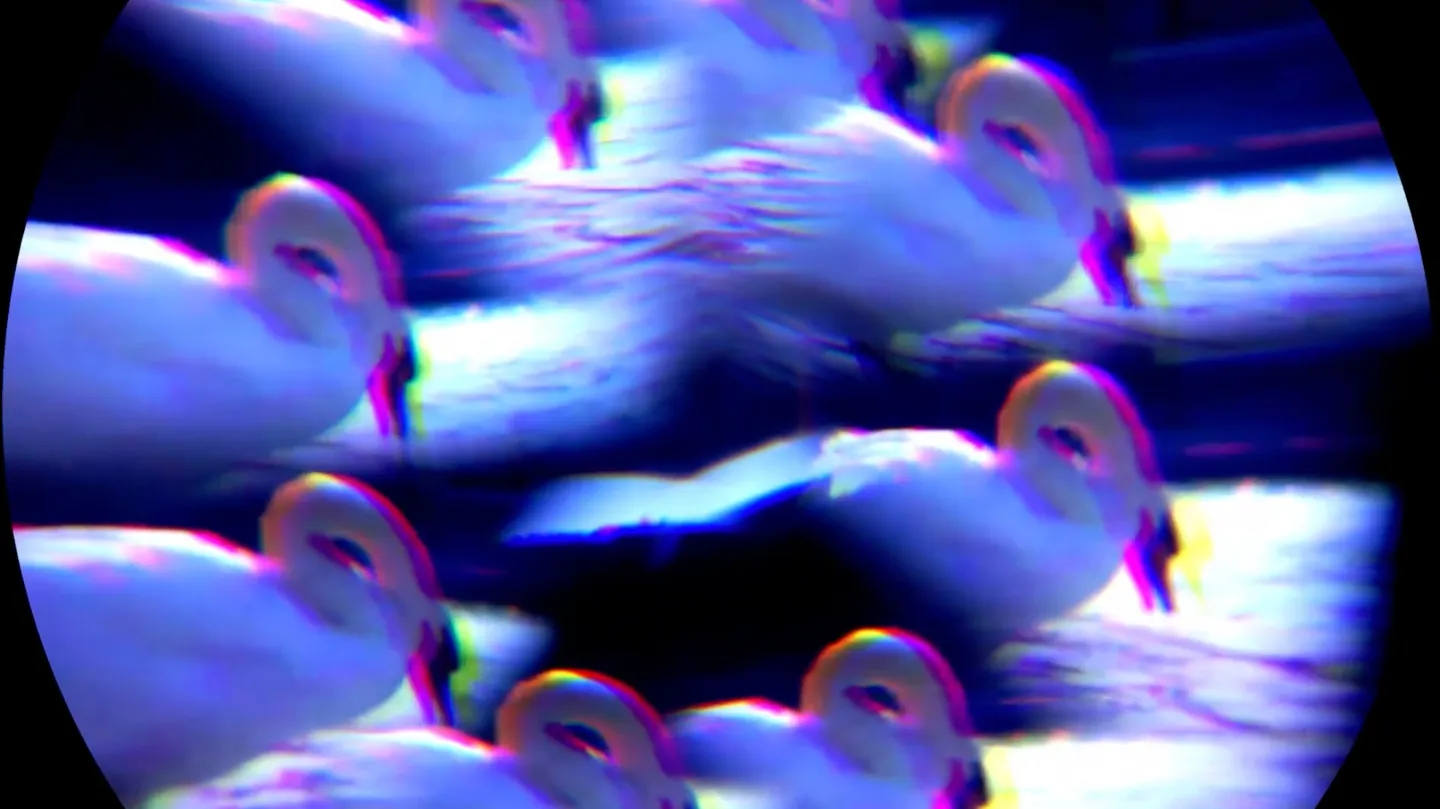
A Reinforcement Learning AI agent learns to inhabit and move a quadruped body. The performance optimisation process takes several days and includes millions of steps, as the model progresses from incapability to competence. These behaviours are then transferred onto 3D scans of real people, which are ‘re-skinned’ with metal, stone and other materials. Finally, a second RL agent analyses the behavioural performance and re-orders movement in real-time according to abstract aesthetic goals. This results in the breakdown of performance - instead a disjointed and sometimes impossible sequence of body motion appears. A live deconstruction of goal-seeking at once relatable and alienating. The real-time dynamic artworks can run in perpetuity.

The technical process by which a Reinforcement Learning agent learns to use a body is analogous in some ways to our own physical development. The agent is given a body - in virtual space - and its goal is to learn how to move efficiently and effectively from scratch. It starts off helpless and become proficient over time. By transferring these AI virtual quadruped behaviours onto 3D scans of real people’s bodies, some common patterns in performance maximisation between human and software bodies are made visible in one combined form.

By applying a second RL model to reorganise motion towards abstract aesthetic goals, any linear progression of performance is broken down in real-time. In its place a problematic flow of body behaviours are played out, sometimes competent, sometimes not. The artworks present a live and dynamic deconstruction (and abstraction) of progression, development and ability.
Authors
Tags