Synthetic Memories
About artwork
Provenance
Tech info
About
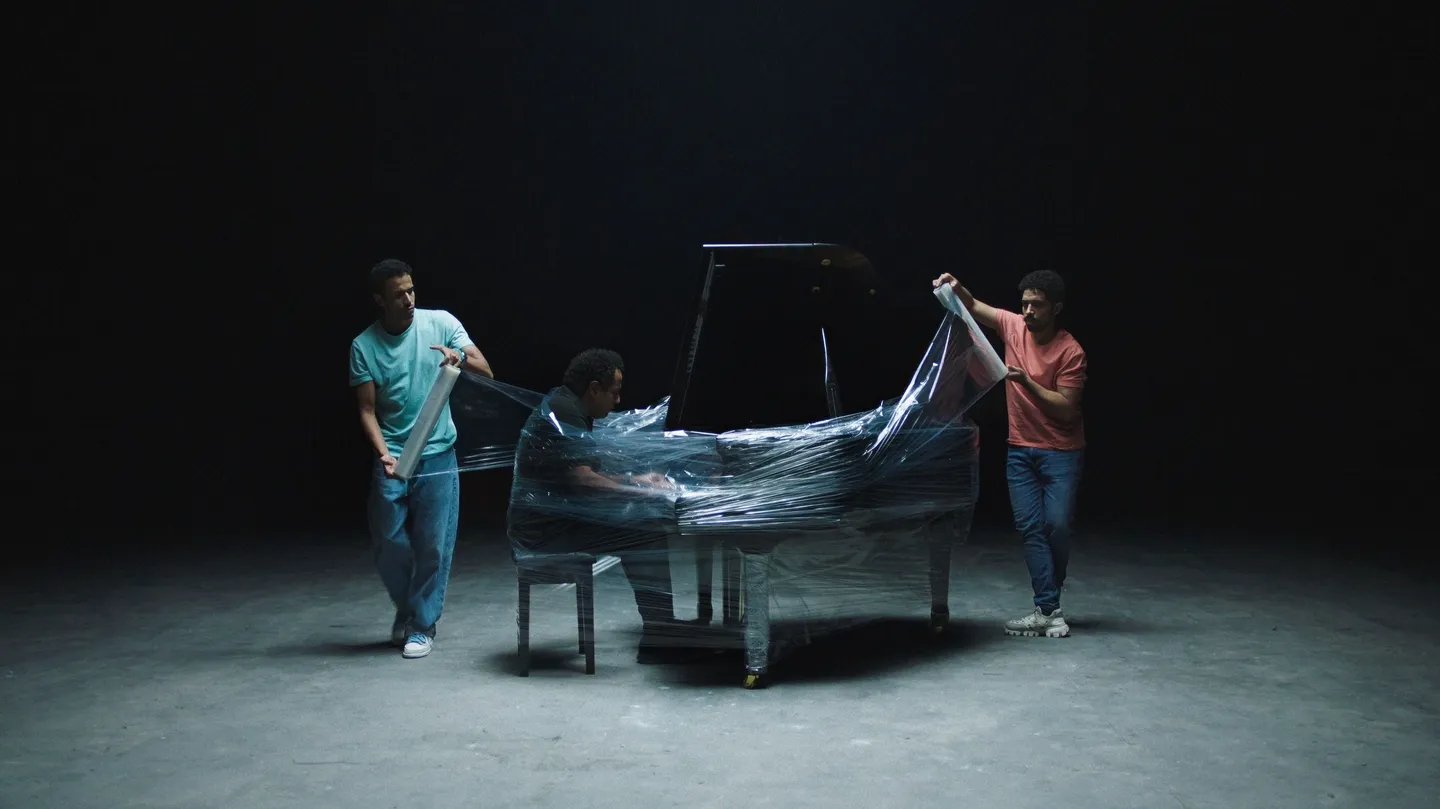
Synthetic Memories is a heritage preservation initiative that recreates and preserves personal memories at risk of being lost or never visually documented. It converts spoken and written descriptions into visual images using generative AI, helping individuals—especially those experiencing memory loss due to ageing, displacement, or neurological diseases—reconnect with their past and maintain identity.

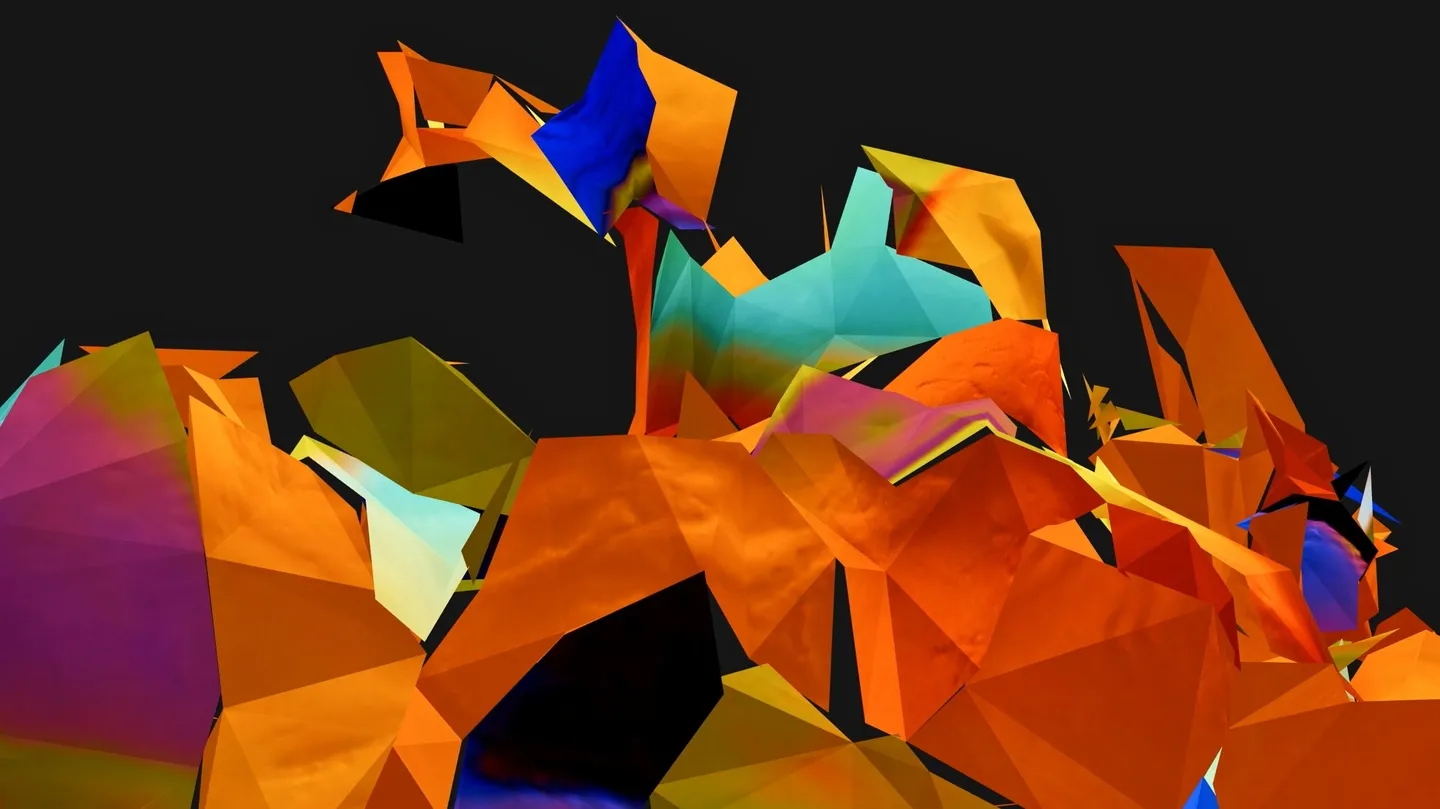
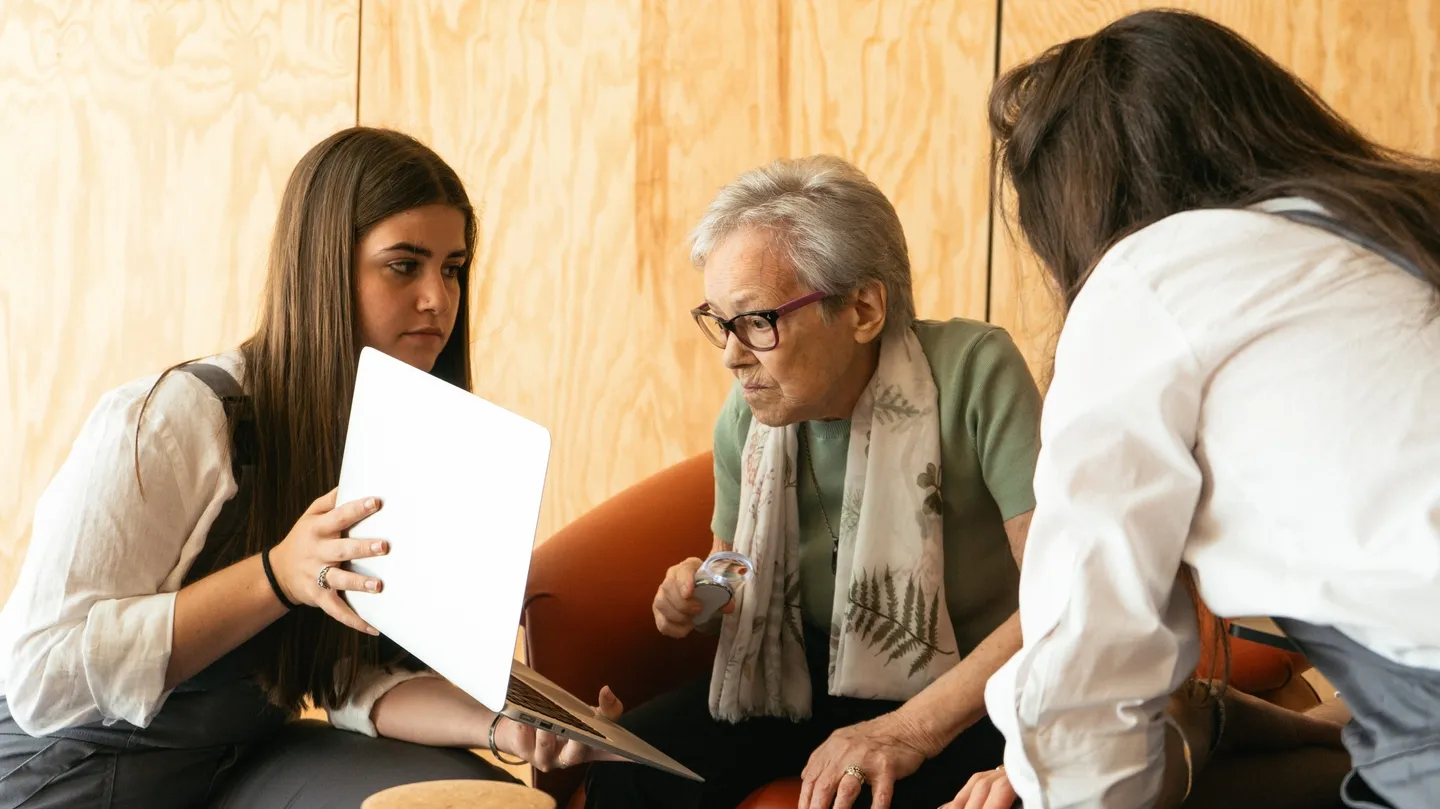
Through guided sessions involving an interviewer, the individual, and an AI prompter, participants describe memories which are transformed into AI-generated visual representations. These are refined collaboratively to ensure they accurately reflect the memory, resulting in a tangible printed and digital 'Memory Vector'. The intentionally blurred, dream-like aesthetic of the images mirrors the fluid and interpretive nature of human memory itself. This process supports individuals affected by displacement or conflict, offers reminiscence therapy for early-stage dementia, aids in mental health recovery, and helps preserve cultural and architectural heritage.

The project, started by Barcelona-based collective Domestic Data Streamers and sits at the intersection of art, technology, cognitive psychology, and social innovation. It fosters intergenerational and cross-cultural dialogue while addressing ethical considerations such as informed consent, GDPR data protection, and proactively mitigating AI biases by fine-tuning models with diverse, culturally relevant datasets. It serves as a prototype for the public sector, health institutions, and cultural organizations to engage with subjective memory preservation.

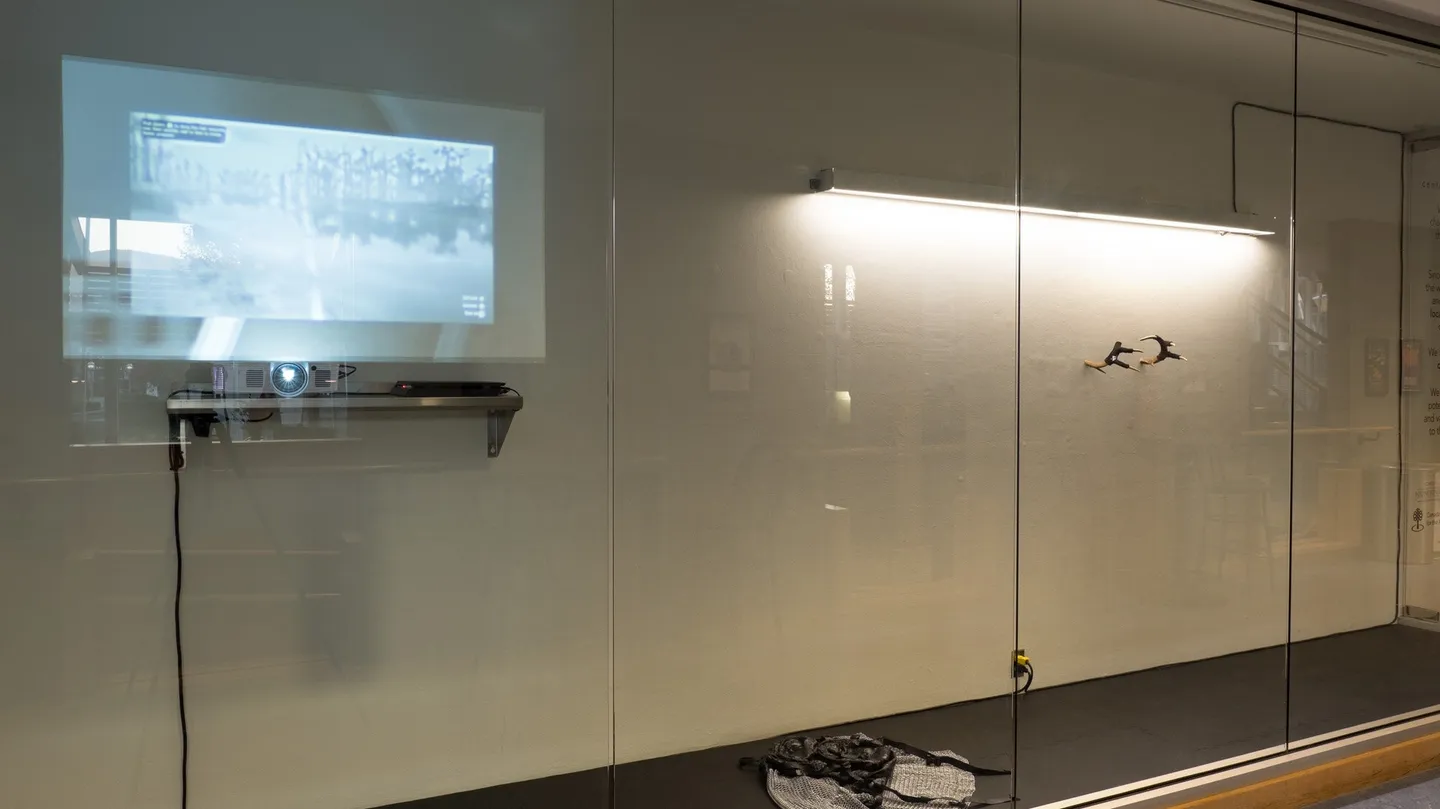
Launched as pilot research in 2022 by Domestic Data Streamers, a Barcelona-based collective, it expanded significantly with the Citizens' Office of Synthetic Memories at the Design Hub Barcelona (DHub) from May to July 2024. This free public service functioned as a prototype for new municipal services. It enabled visitors to generate and contribute personal stories to the city's intangible cultural archive, with 245 visual memories reconstructed. The exhibition merged art and scientific dissemination, showcasing AI’s role in memory reconstruction and welcoming 10,905 visitors.

The initiative continues expanding through scientific research, artistic collaborations, and human rights advocacy. It works with institutions like the University of Toronto and University of British Columbia on reminiscence therapy research for dementia, and with Emirates Health Services and Al Amal Hospital (UAE) on similar pilot programs. Early experiments were conducted in Barcelona Nursing Homes. Other academic partners include the University of Southern California (AI in media literacy), Elisava School of Design & Engineering of Barcelona (community engagement impact), Polytechnic University of Catalonia (accessibility tools), and the School of Visual Arts of New York (ethical boundaries).

It explores new forms of memory storytelling and supports migrant communities, such as the chapter at Casa do Povo in São Paulo focusing on displacement and urban change, by reconstructing memories that can serve as advocacy tools. The project aims to preserve cultural, natural, and architectural heritage and foster intergenerational dialogue, involving both older and younger generations, thereby reducing loneliness and bridging the digital gap. Collective sharing through exhibitions, murals, or documentaries amplifies the impact of these reconstructed memories.
Authors
Tags