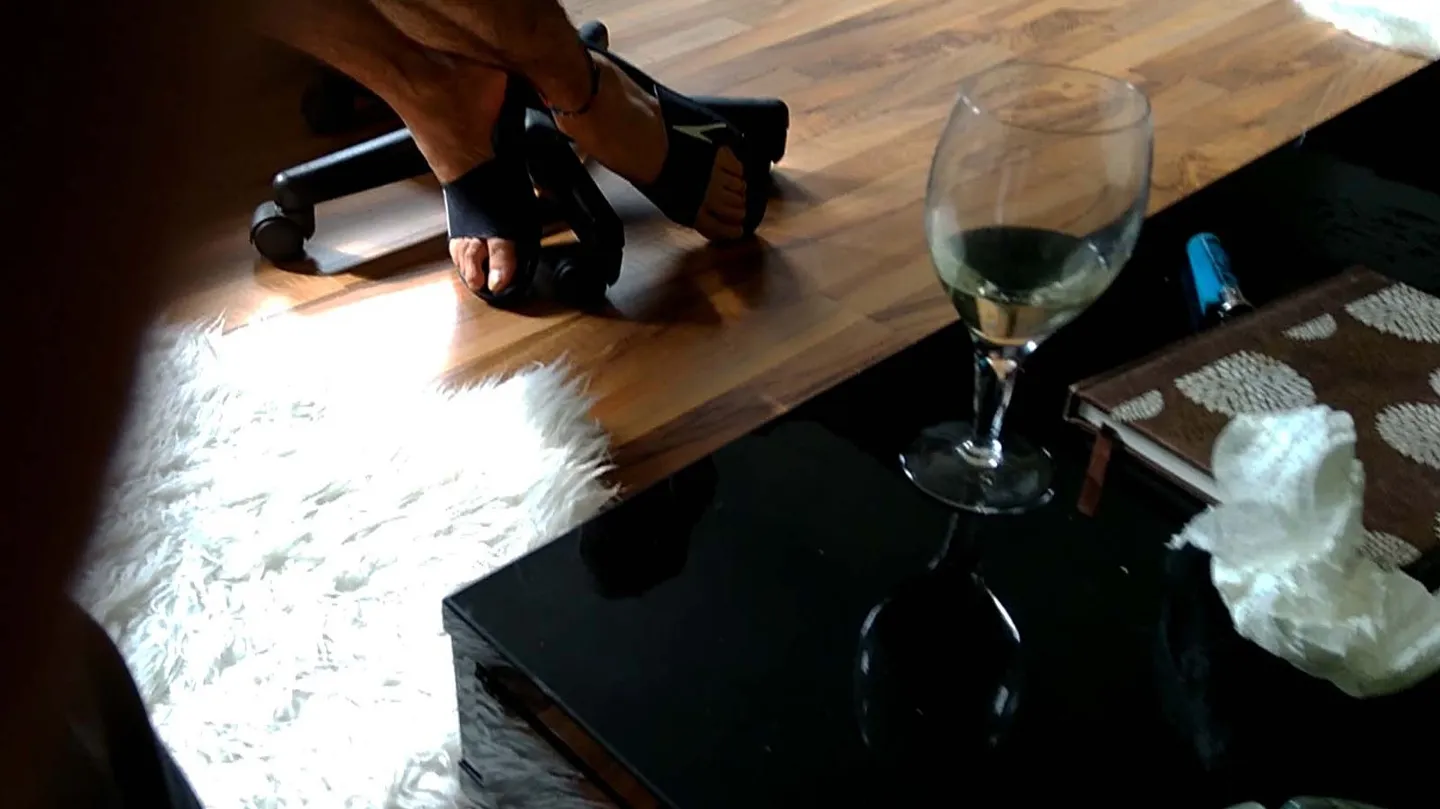
Countryless And Queer (a trailer)
About artwork
Provenance
Tech info
About
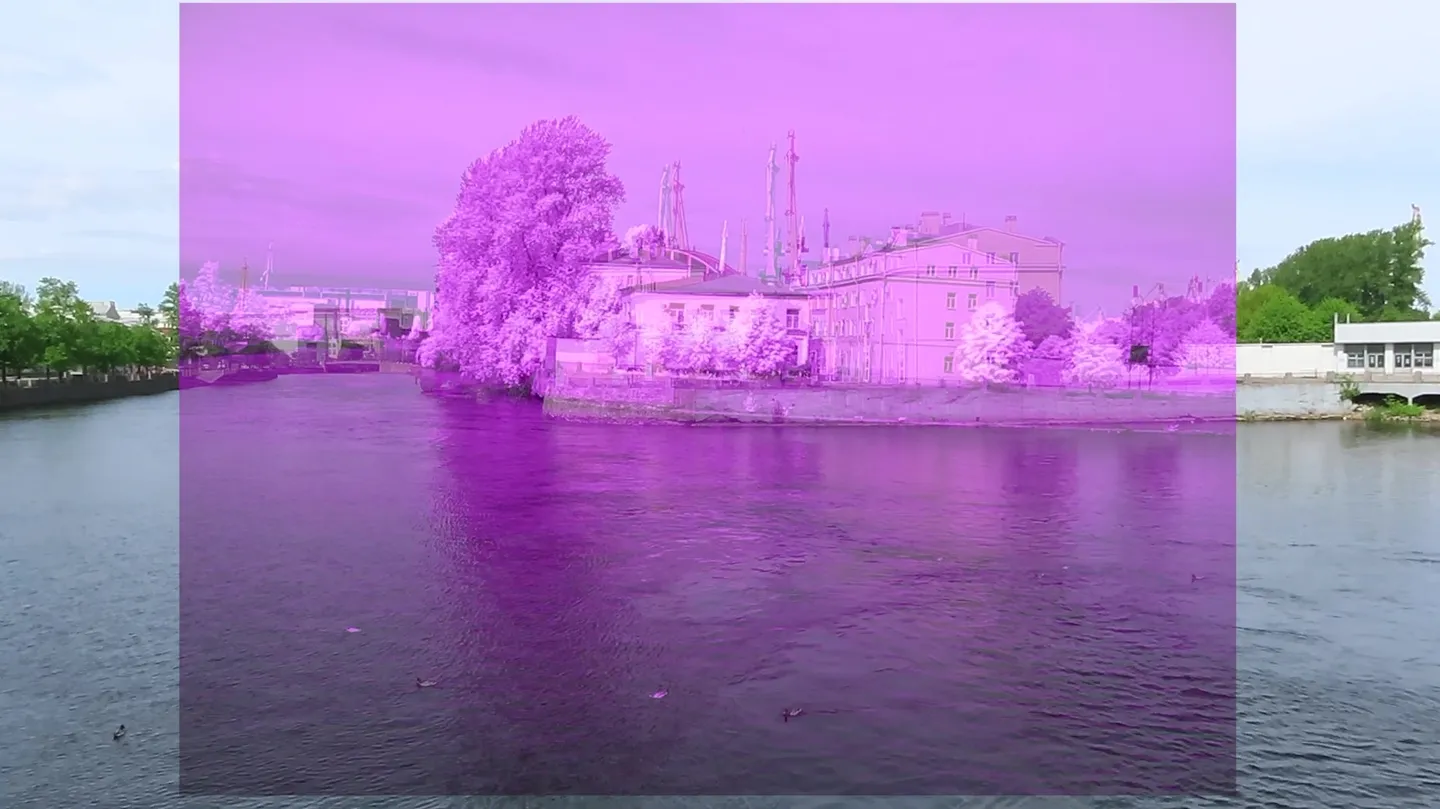
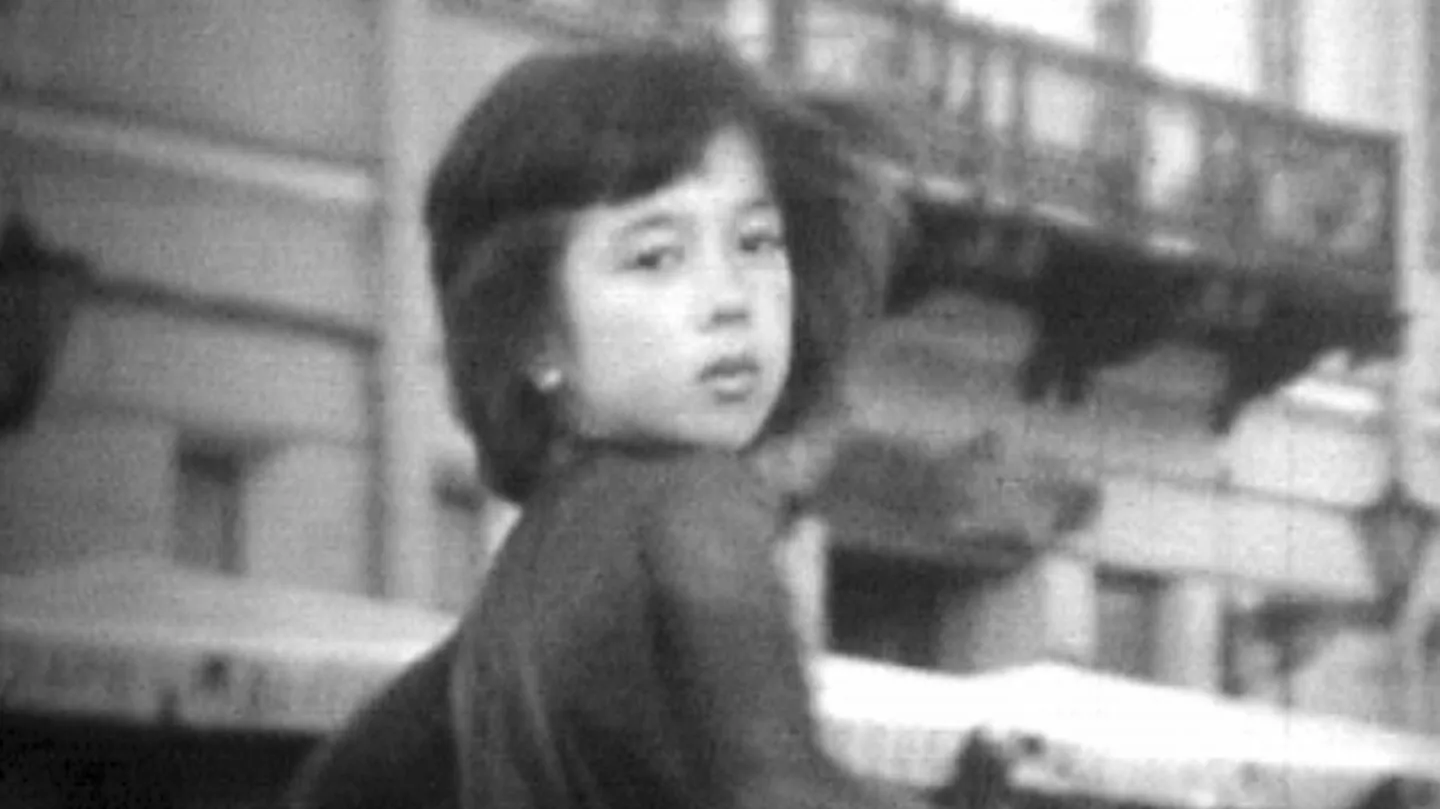
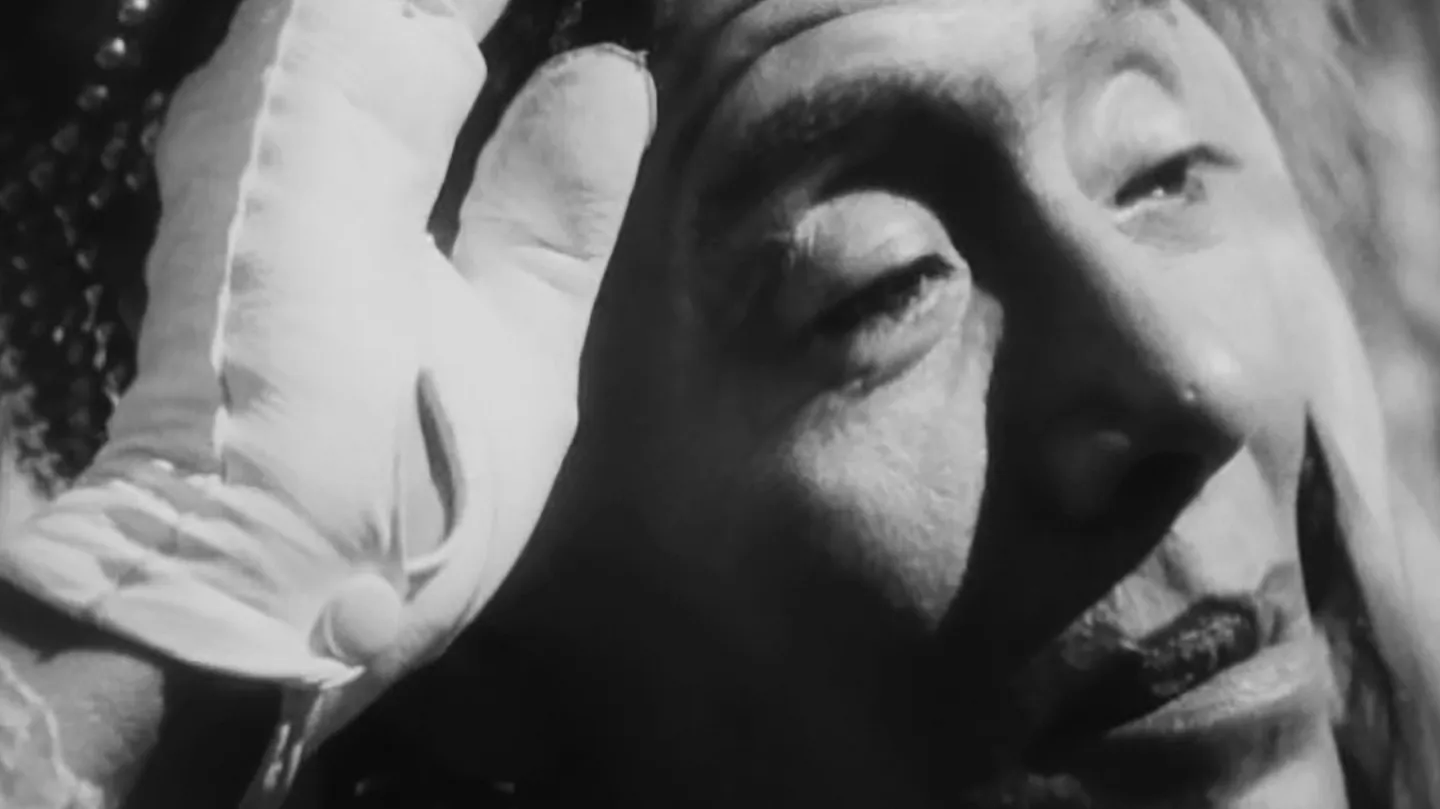
"Countryless And Queer" by Masha Godovannaya, 77 min., HD video and 16 mm film on video, color & b/w, sound, 2020, Austria.

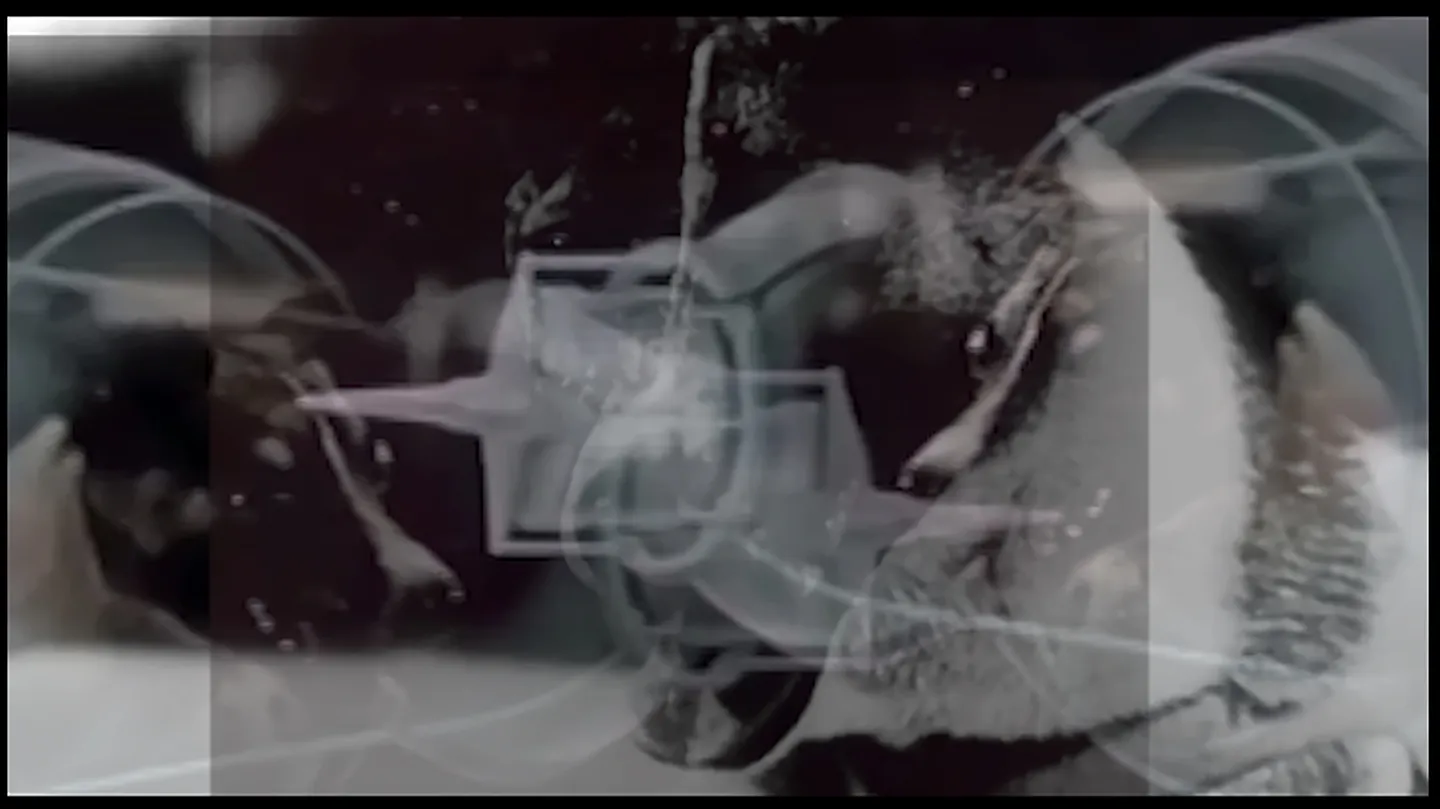
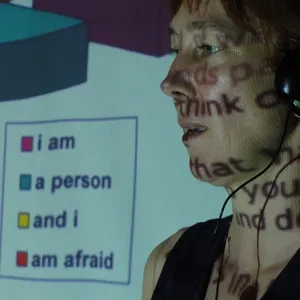
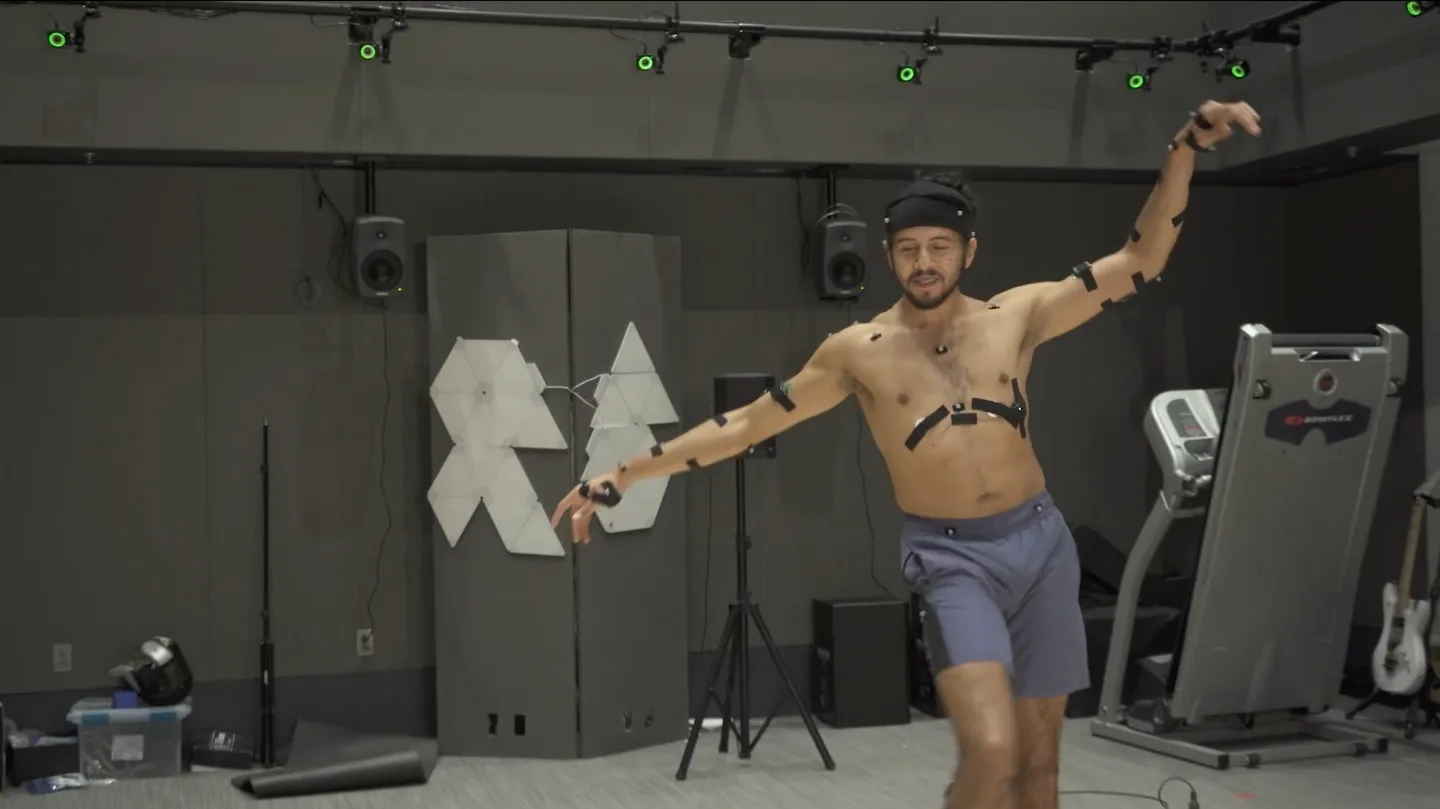
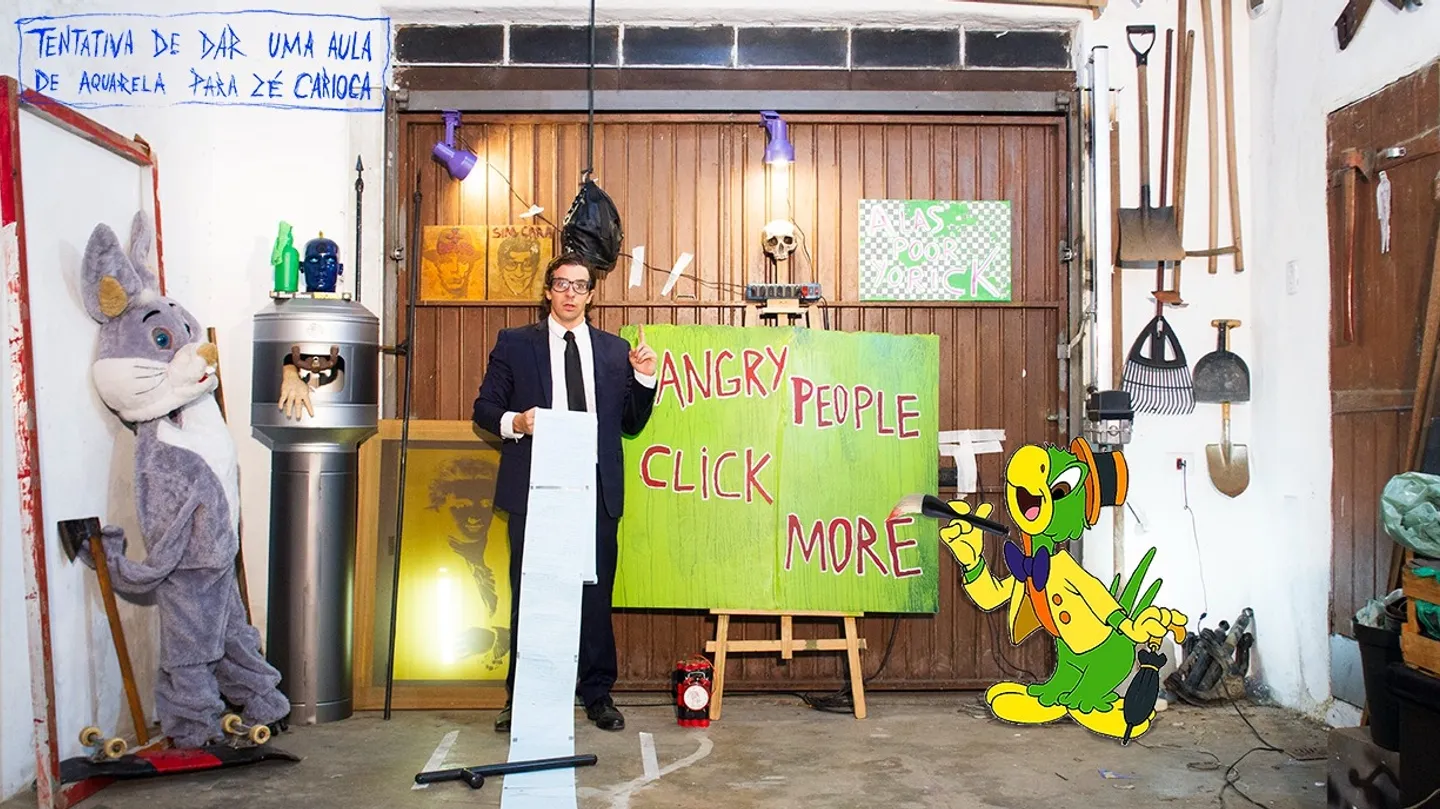
The feature-length experimental documentary “Countryless and Queer ” captures traces of queer existence and intimate arrangements lived by non-privileged queers who navigate their experiences of migration in the city of Vienna. The film unfolds narratives of five queer migrants from contexts outside of the Global North which have been marked by gender violence, homophobia, economic instability, and social misbalance. Beyond narratives of damage, marginality is lived through and treated in the film as a space for emancipation and resistance  – full of humor and joy, dignity and erotic, emancipation and struggle.
“Countryless and Queer” is a vibrant filmic essay which is built on a collectively gathered affective queer archive of complex, ambivalent and vivid poetic life narratives - from/for/together with the queer people (including the filmmaker’s own): their/our gendered, sexualized and racialized experiences of migration and labor, relations to the city and society, strategies of integration and escape, sense of belonging and isolation, feeling at peace and of despairs. Taking an aspiration and grounding itself in a DIY experimental film tradition, qualitative sociological methods and [queer] autoethnography, the film addresses questions of queer relatedness, mutuality of being, opacity/visibility, practices of survival, solidarity, and support.
The film is not exclusively about queer migration but about non-privileged migration in a broader sense: how mechanisms of exclusion work; which discriminatory practices are activated toward people marked as “others”, “aliens”, “refugees”, “non-humans”; how they fight for their dignity, and in which ways they keep in contact with the spaces that are colored with strong emotional, personal and intimate memories. Importantly, how they maintain the connection with their places of origin which, actually, never release them although pushed them away, rejected and expelled violently.  Thus, the film’s form and style reflect a process of queer diasporic relationality and becoming. The film itself is turned into a place for practicing queer communities, kinships, and intimacies, which lies beyond national contexts.
The feature-length art documentary “Countryless and Queer” welcomes narratives and experiences from migrant queers to be heard: write/visualize queer his*her*their*-stories – in, by, and for queer people from the margins.
Authors
Tags