Resistance ( Lithuania - Lebanon )
About artwork
Provenance
Tech info
About
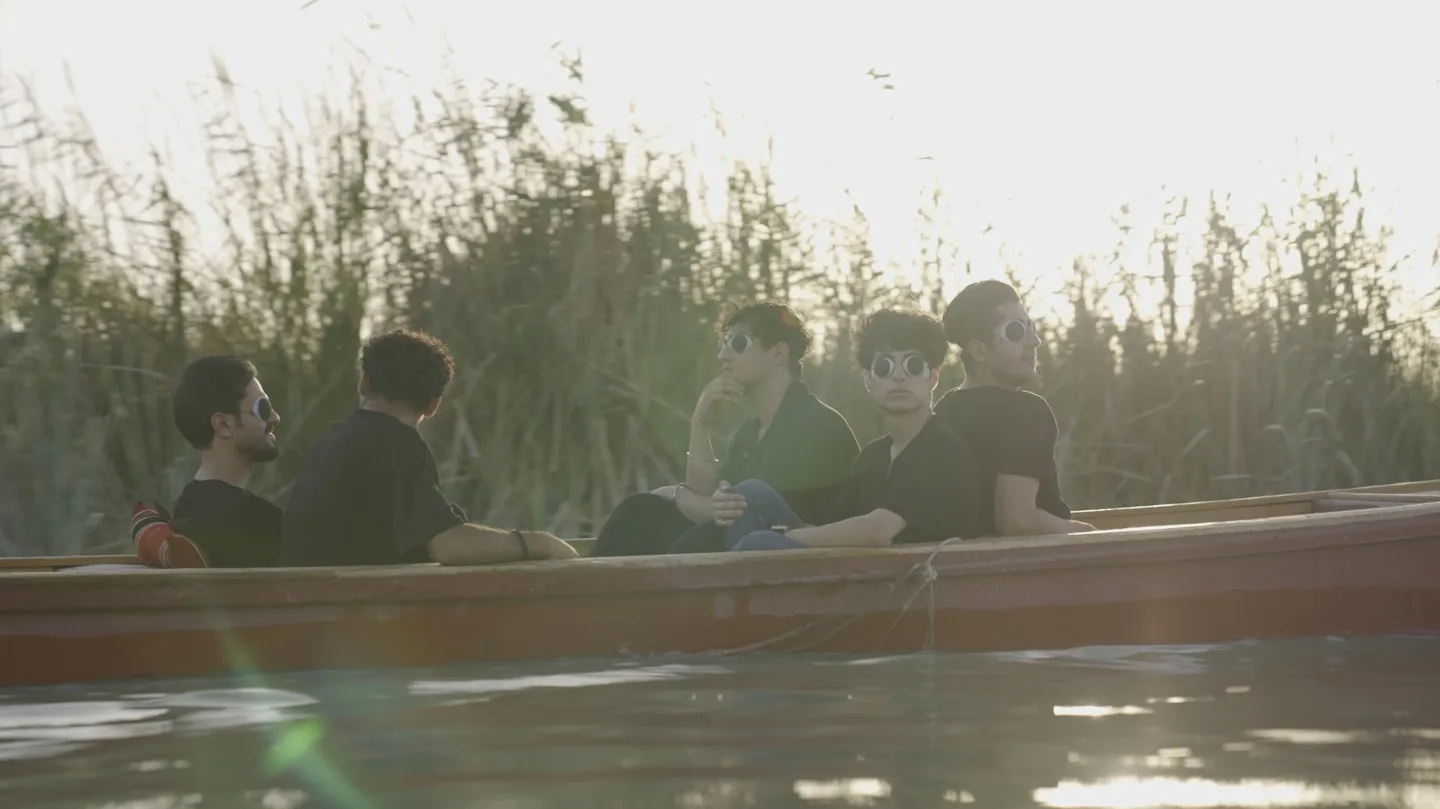
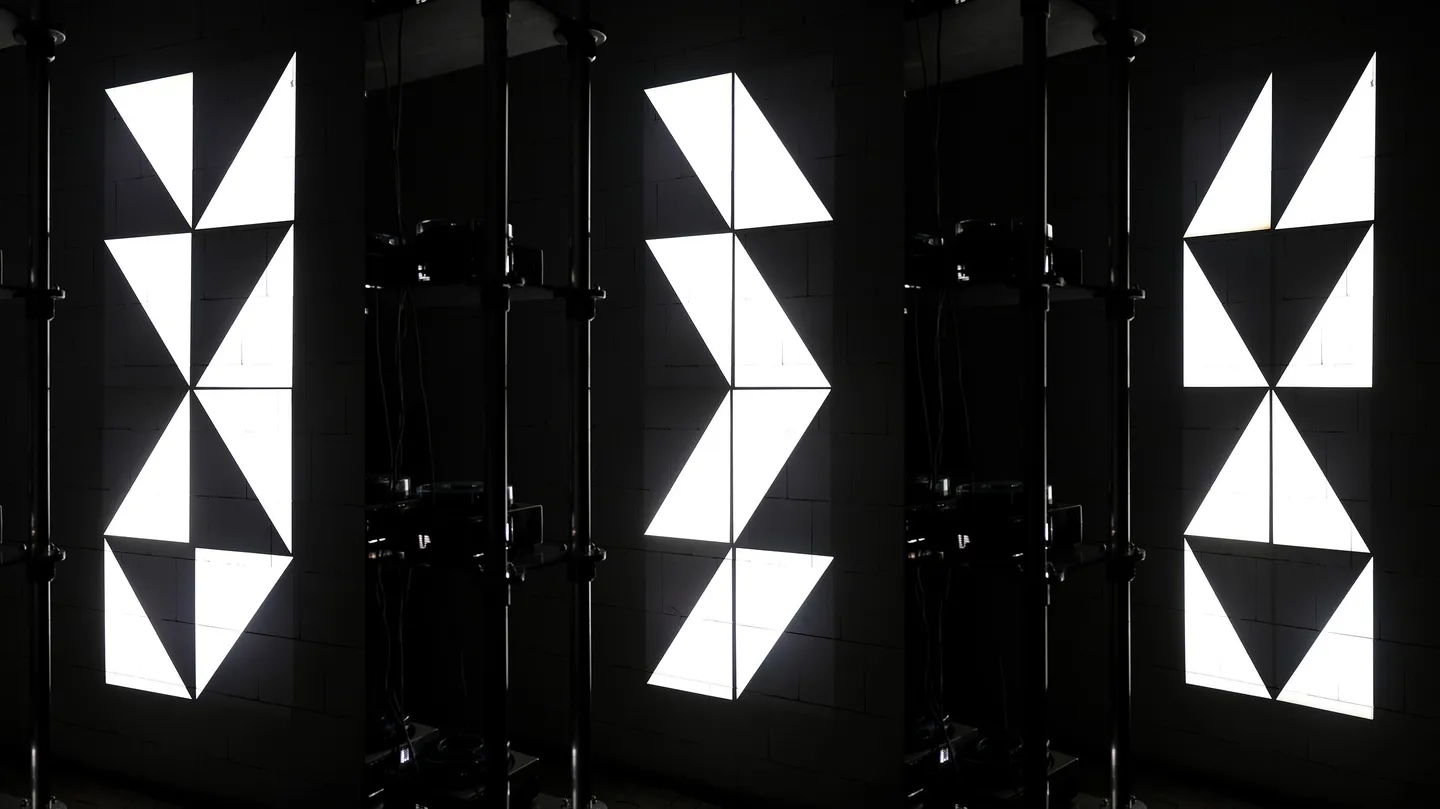
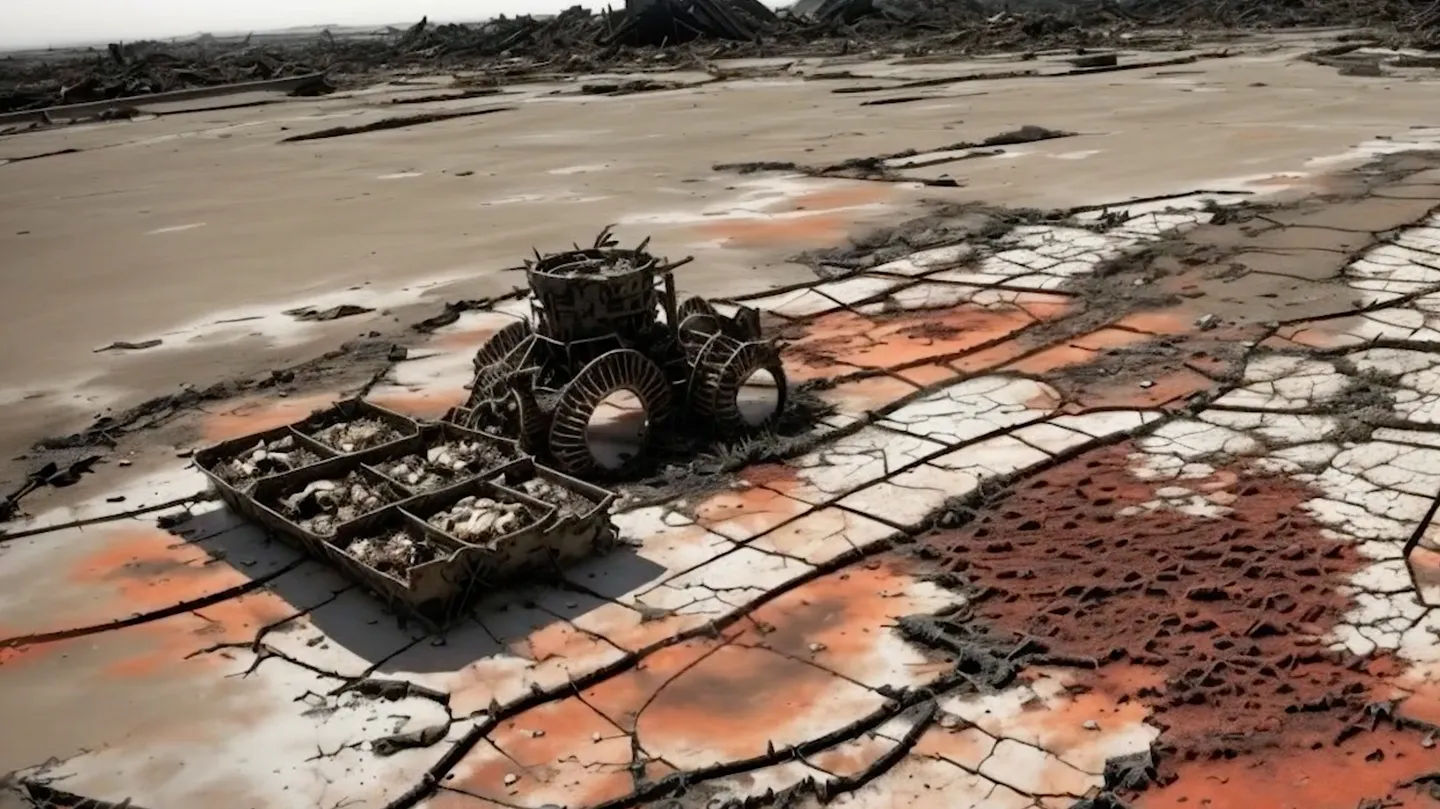
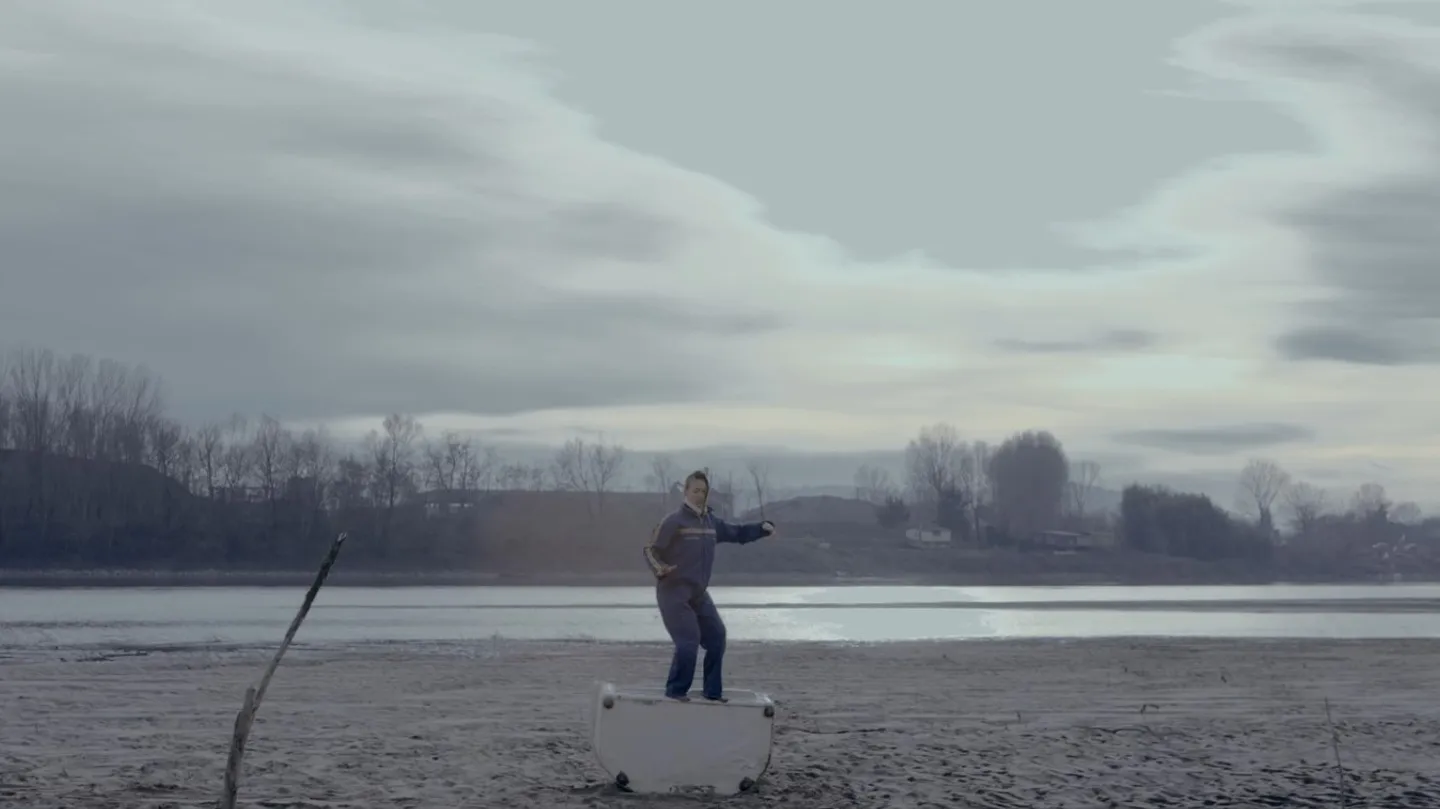
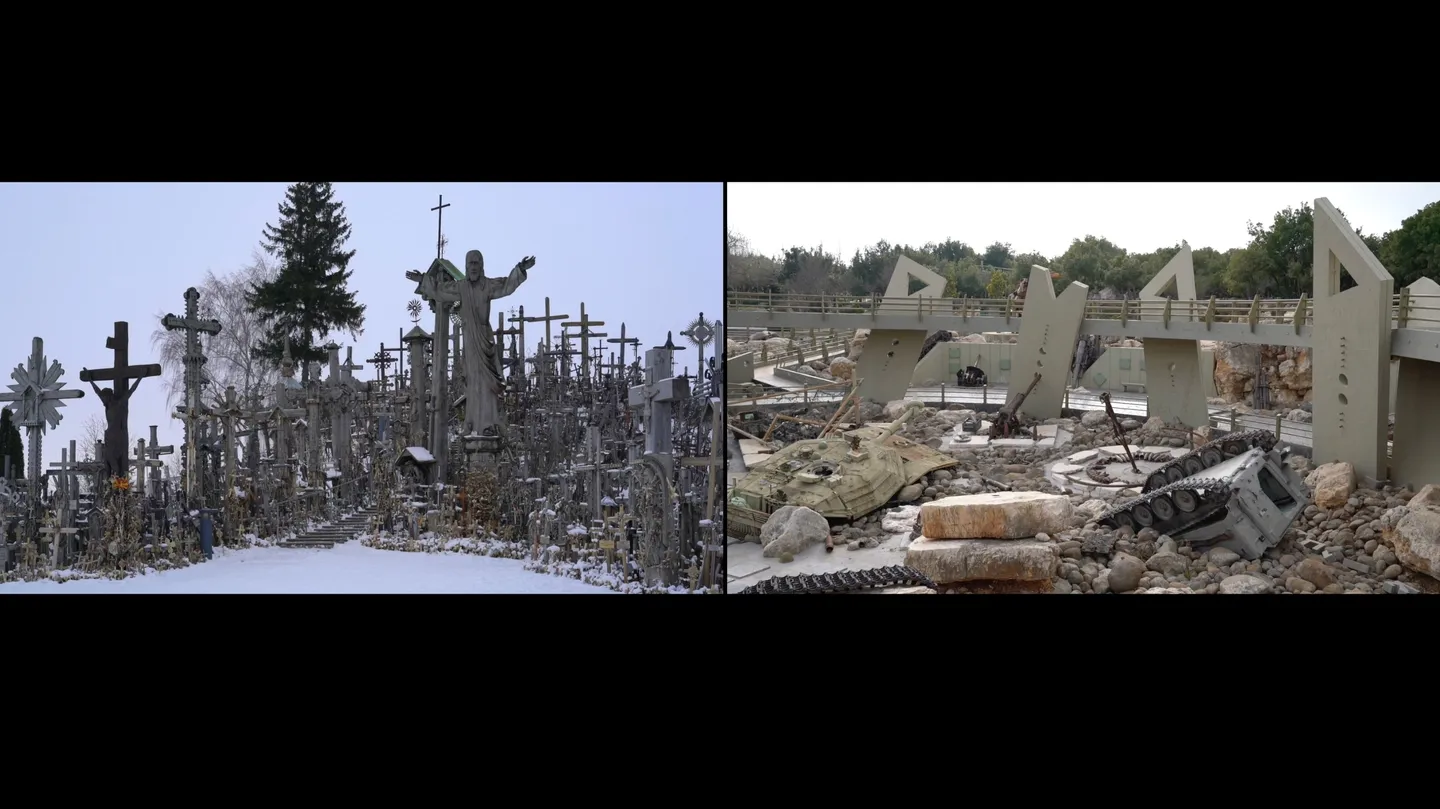
Resistance brings together two distant geographies — Lithuania and Lebanon — through a shared question: how does a territory preserve the memory of the violence it has endured when narratives fade, contradict one another, or become impossible to transmit?

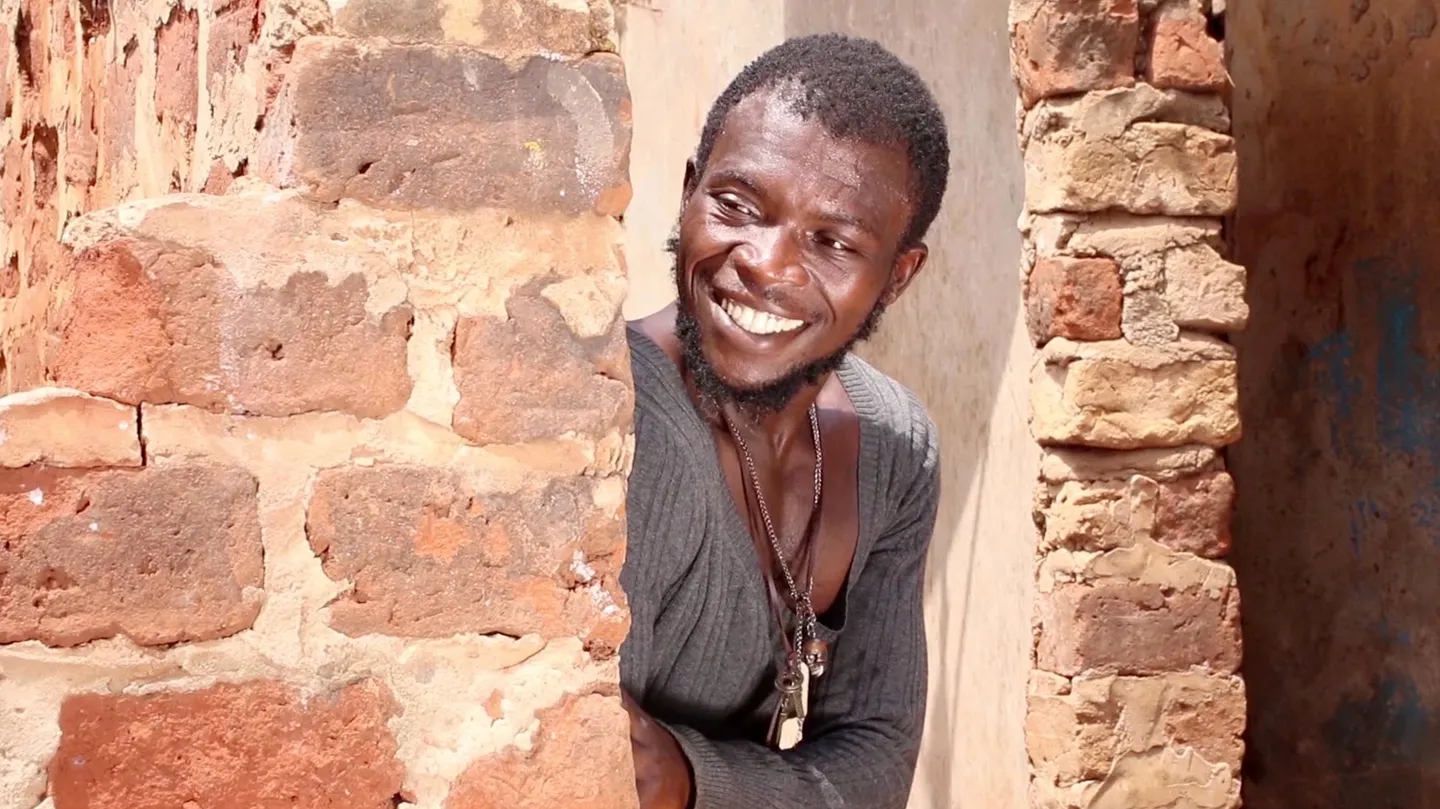
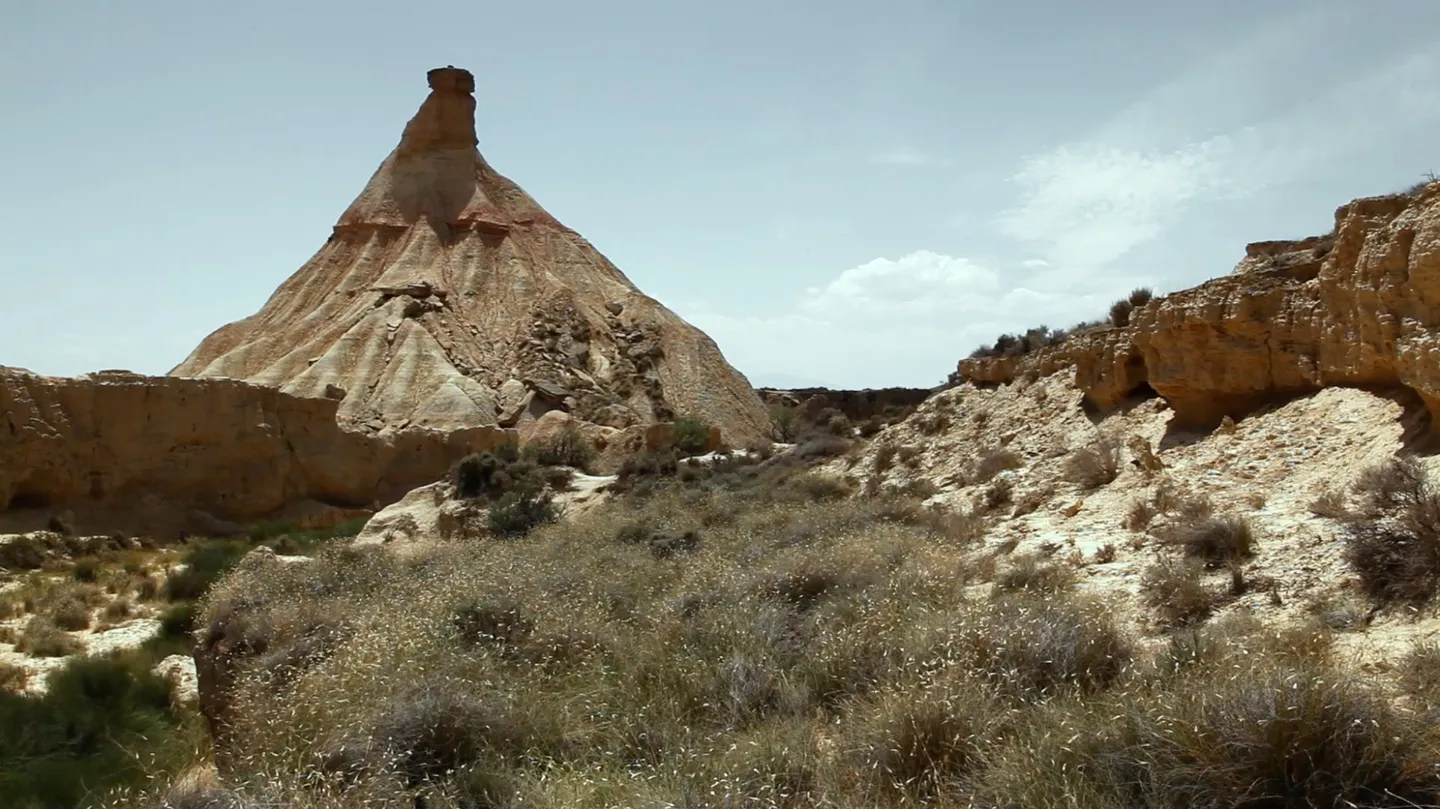
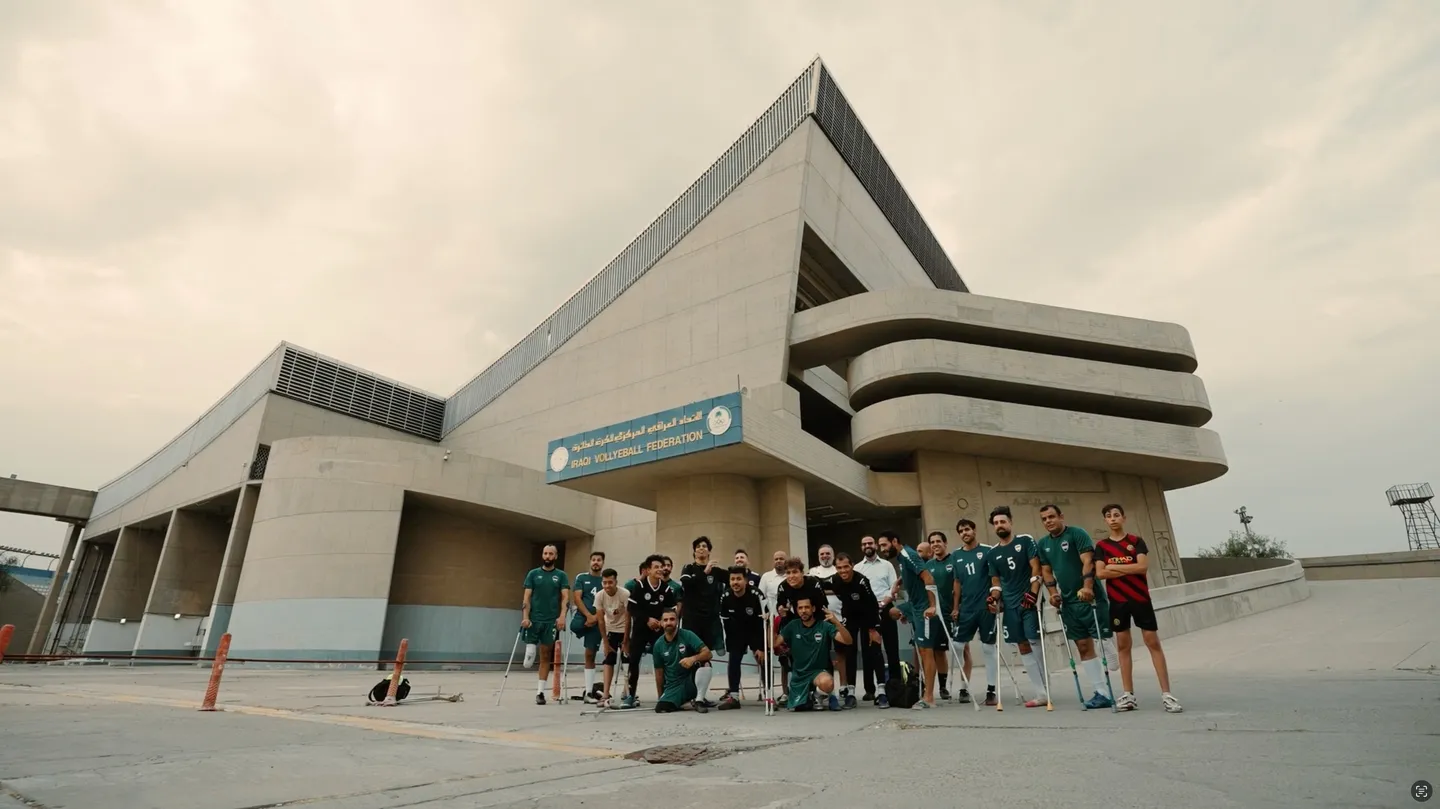
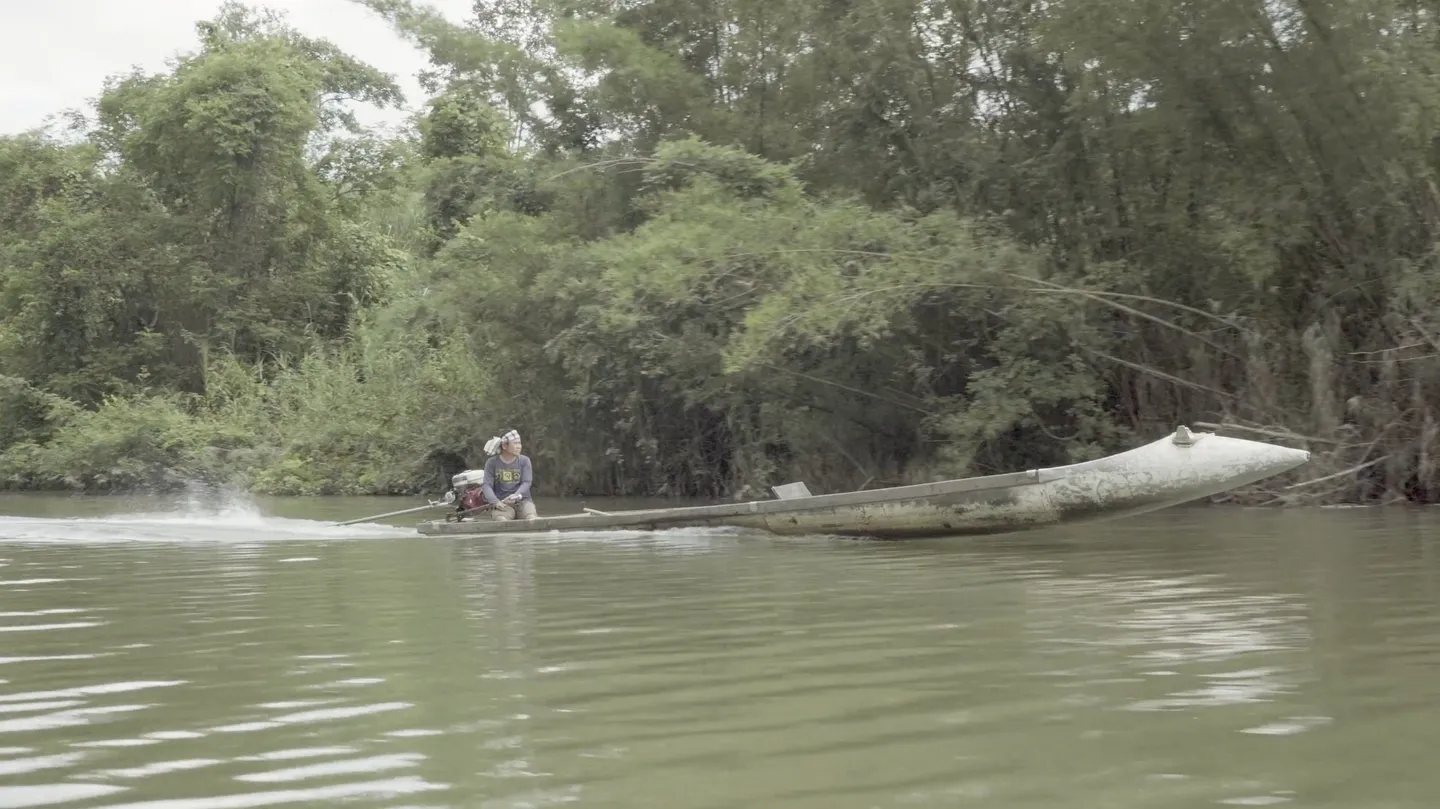
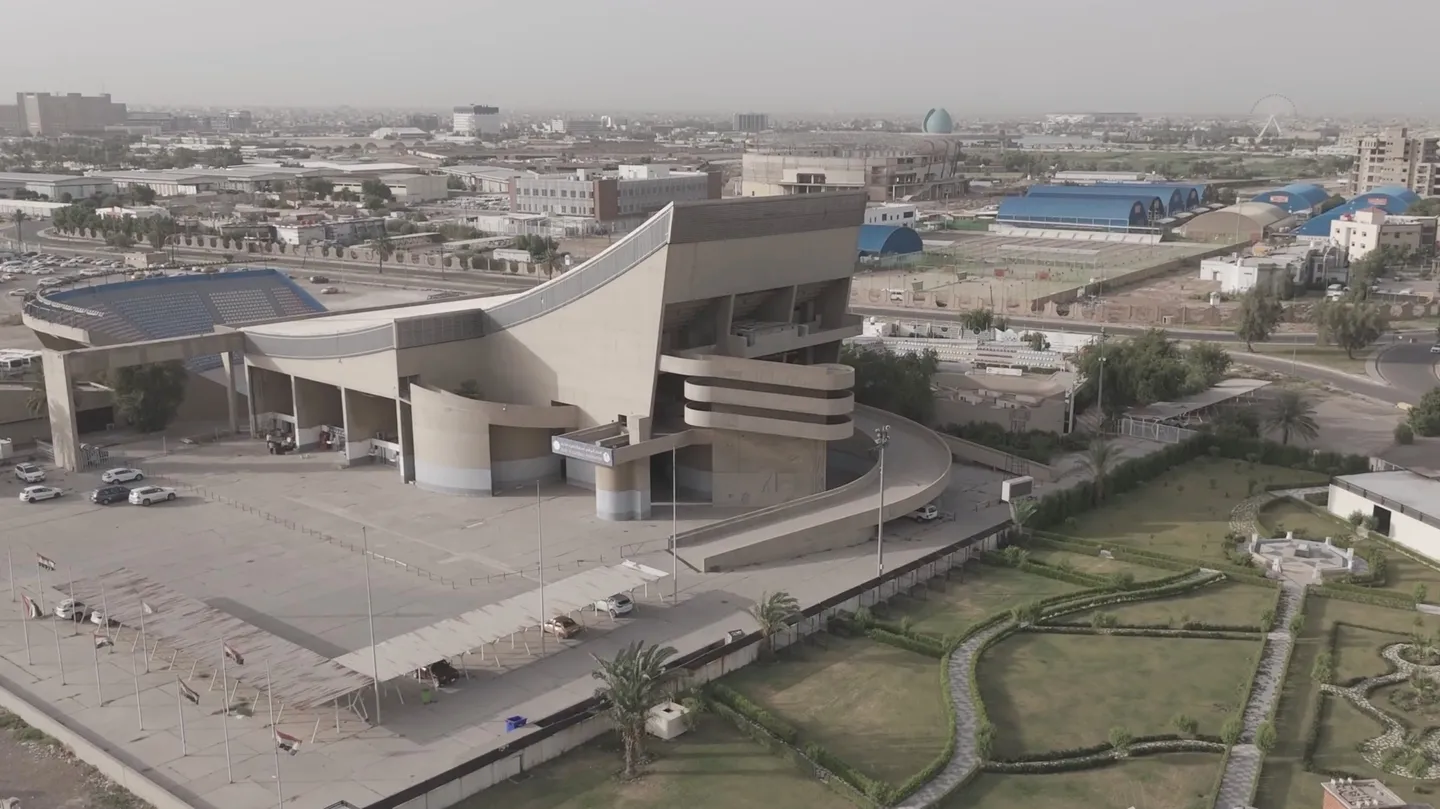
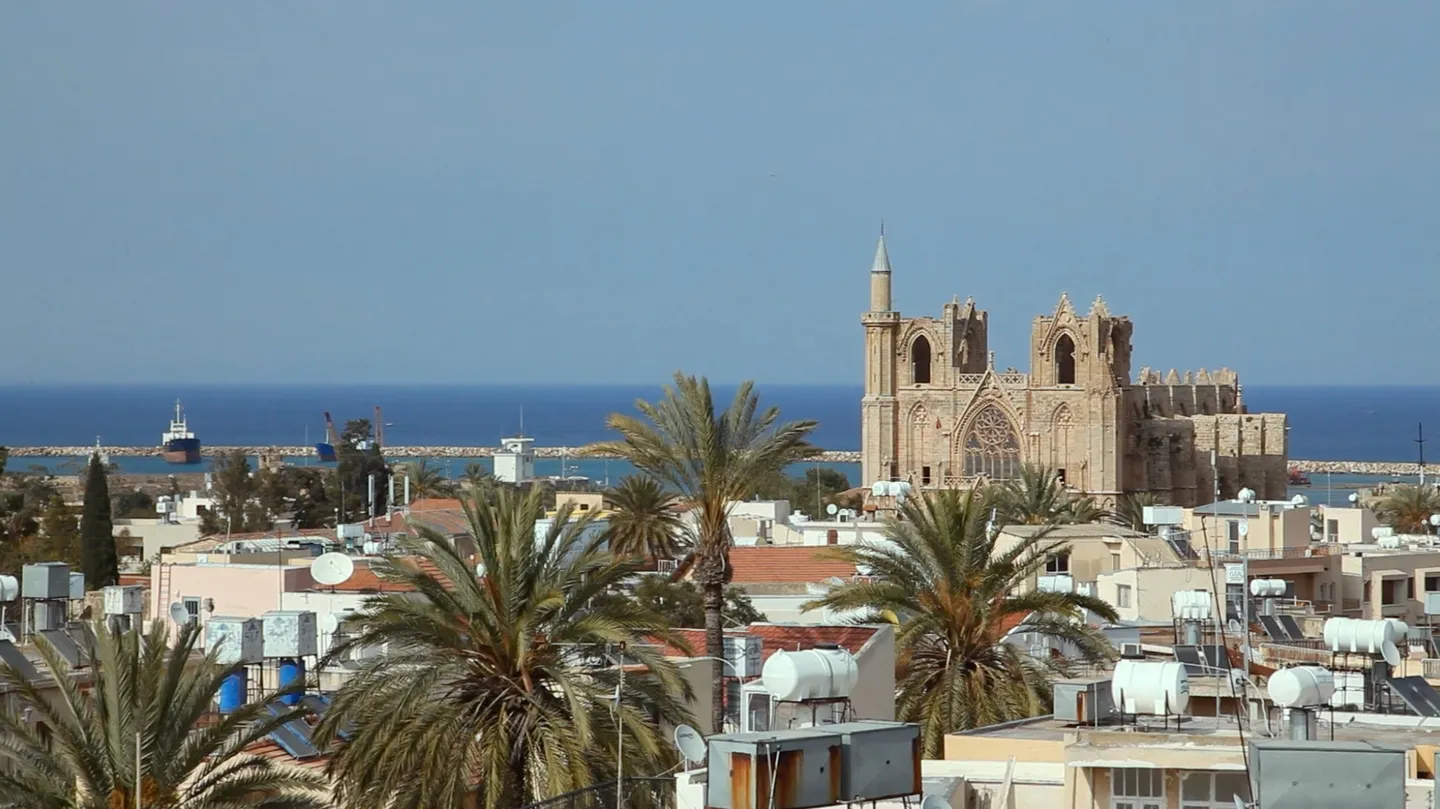
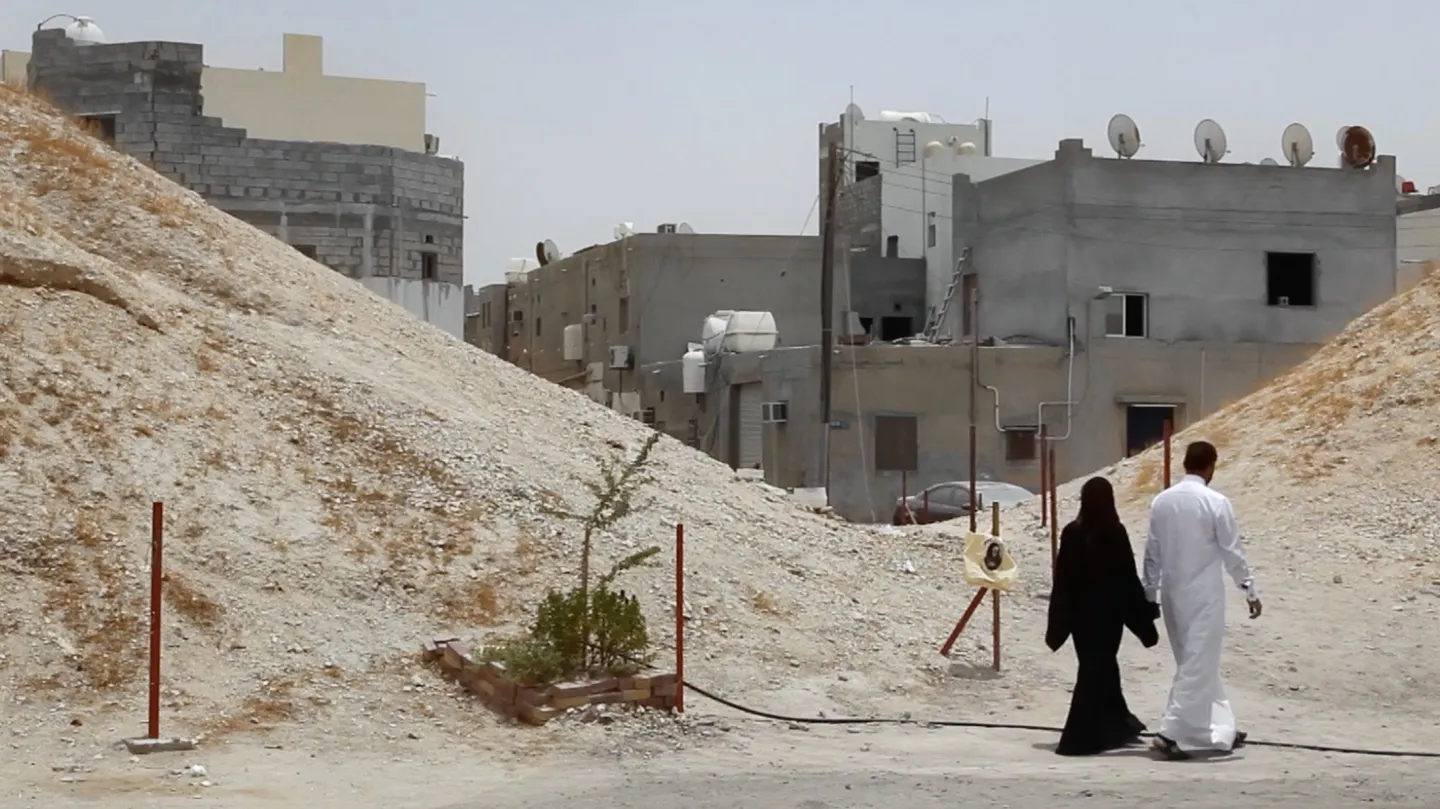
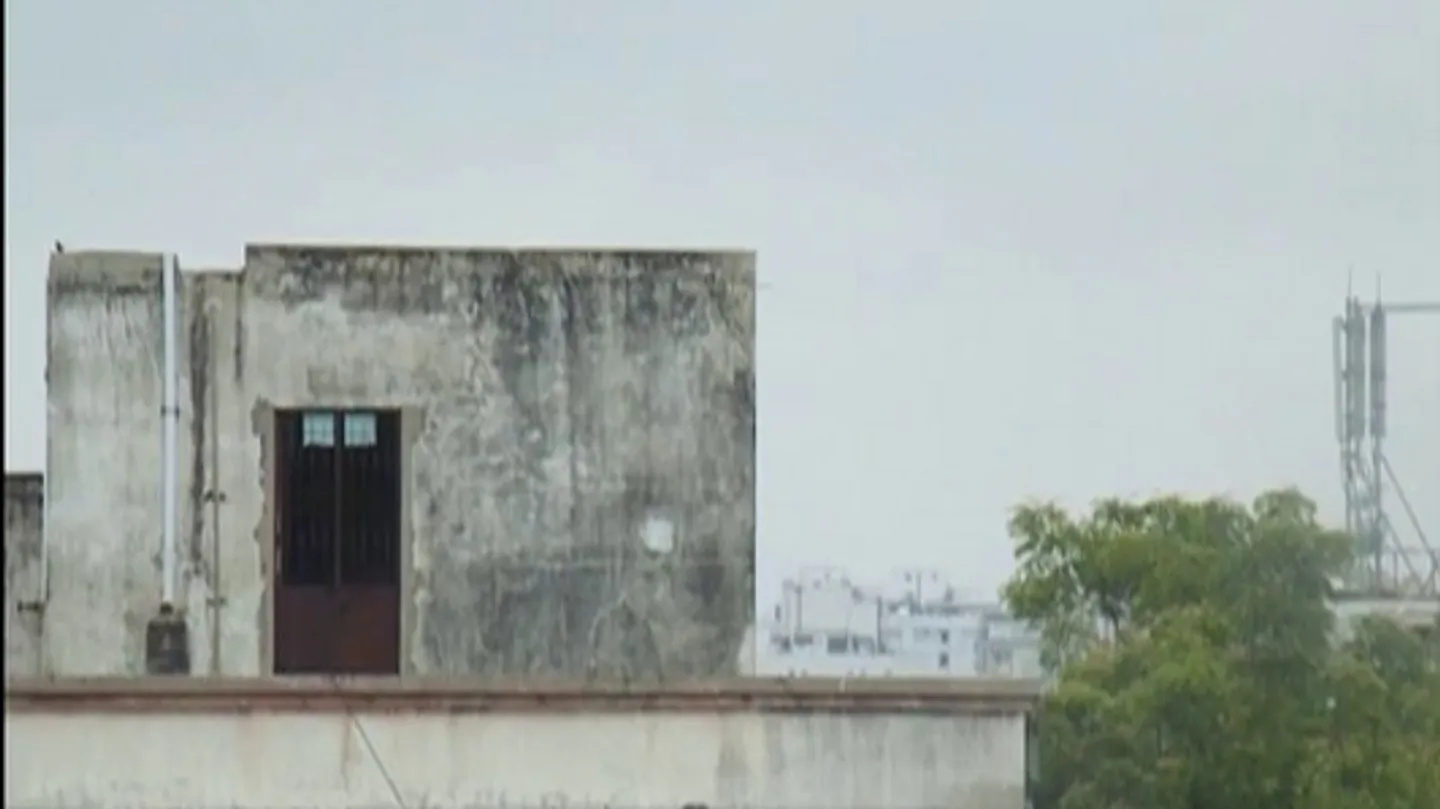
Between the Baltic forests, marked by disappearances, occupations, and the buried memories of the twentieth century, and the Lebanese landscape, shaped by civil war, contemporary ruins, and unresolved lines of fracture, the work does not seek to establish a direct historical comparison. Rather, it reveals an underground kinship of forms: places of waiting, wounded architectures, silent landscapes, traces of interrupted lives, and symbolic survivals.

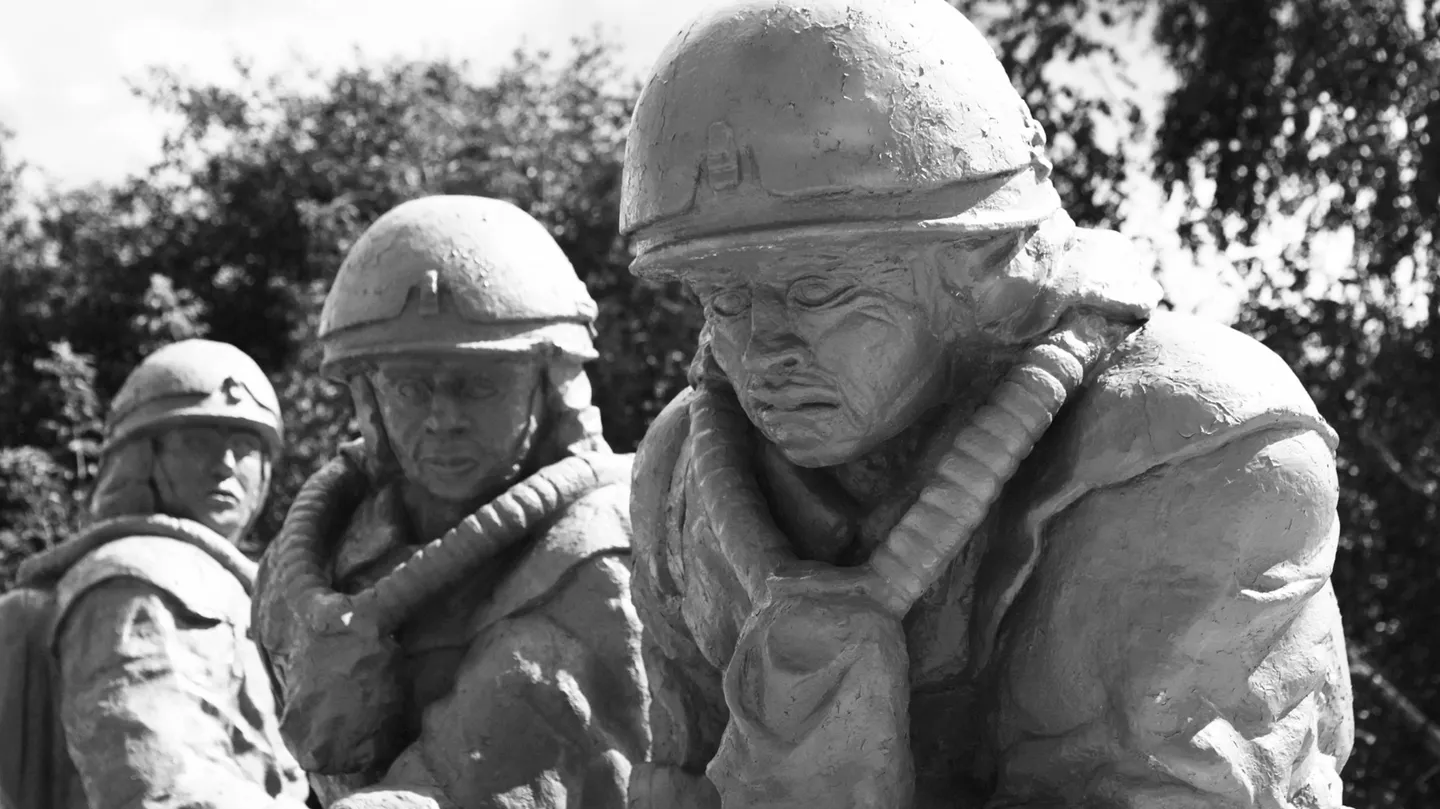
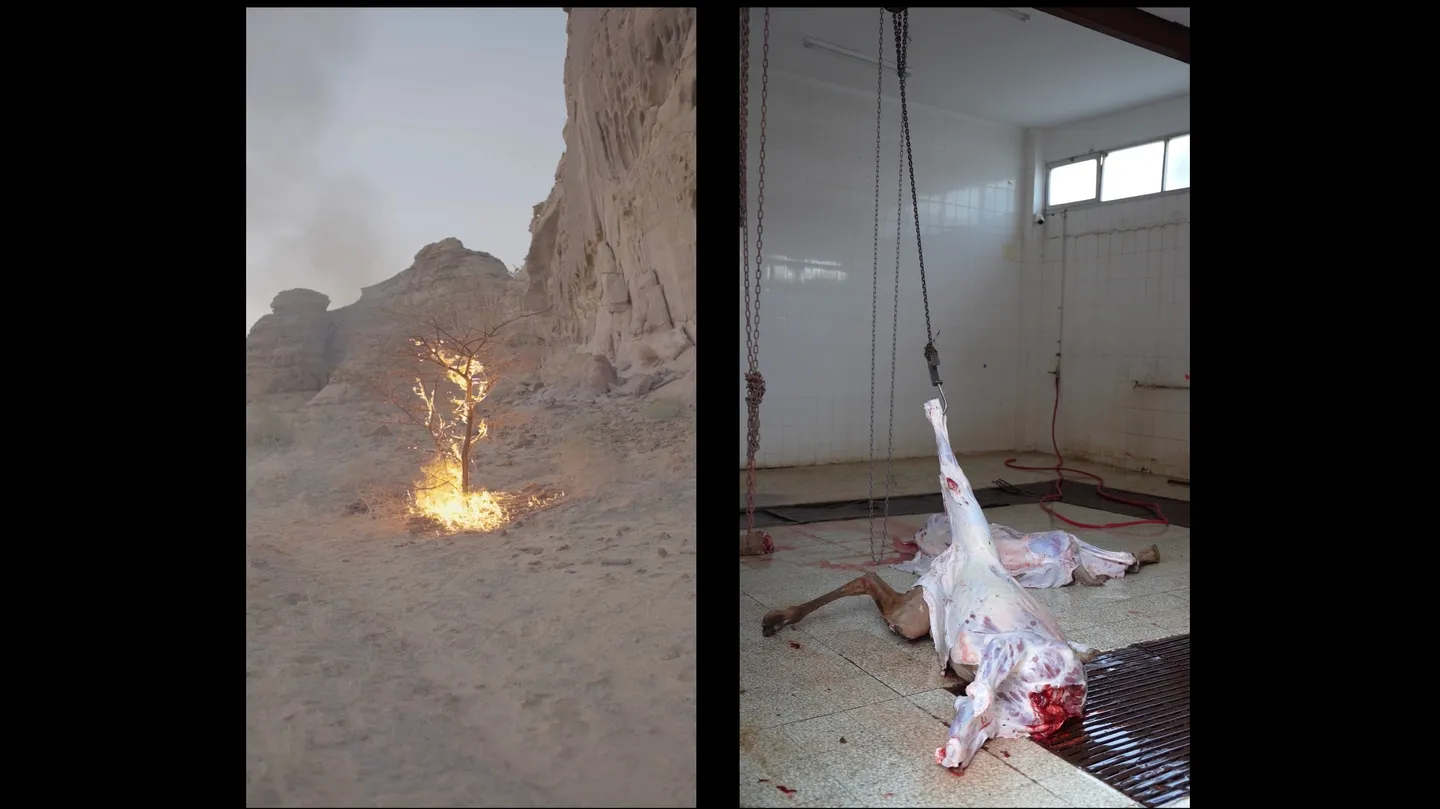
The title Resistance refers not only to political or military opposition. It also evokes the resistance of materials, images, and bodies against their own disappearance. To resist, here, is to remain visible despite erasure; to survive in a stone, a wall, a photograph, a forest, or a fragment of testimony. It is also the capacity of a place to carry memory without necessarily speaking it.

By connecting Lithuania and Lebanon, the work opens a mental space where family history, collective memory, and geopolitics overlap. It asks what territories retain when monuments are absent, when archives are partial, and when the dead do not always find a stable place within the present. Resistance thus becomes a meditation on the persistence of traces: not as definitive proof, but as fragile forms of apparition.
Authors
Tags