Electric Mom
About artwork
Provenance
Tech info
About
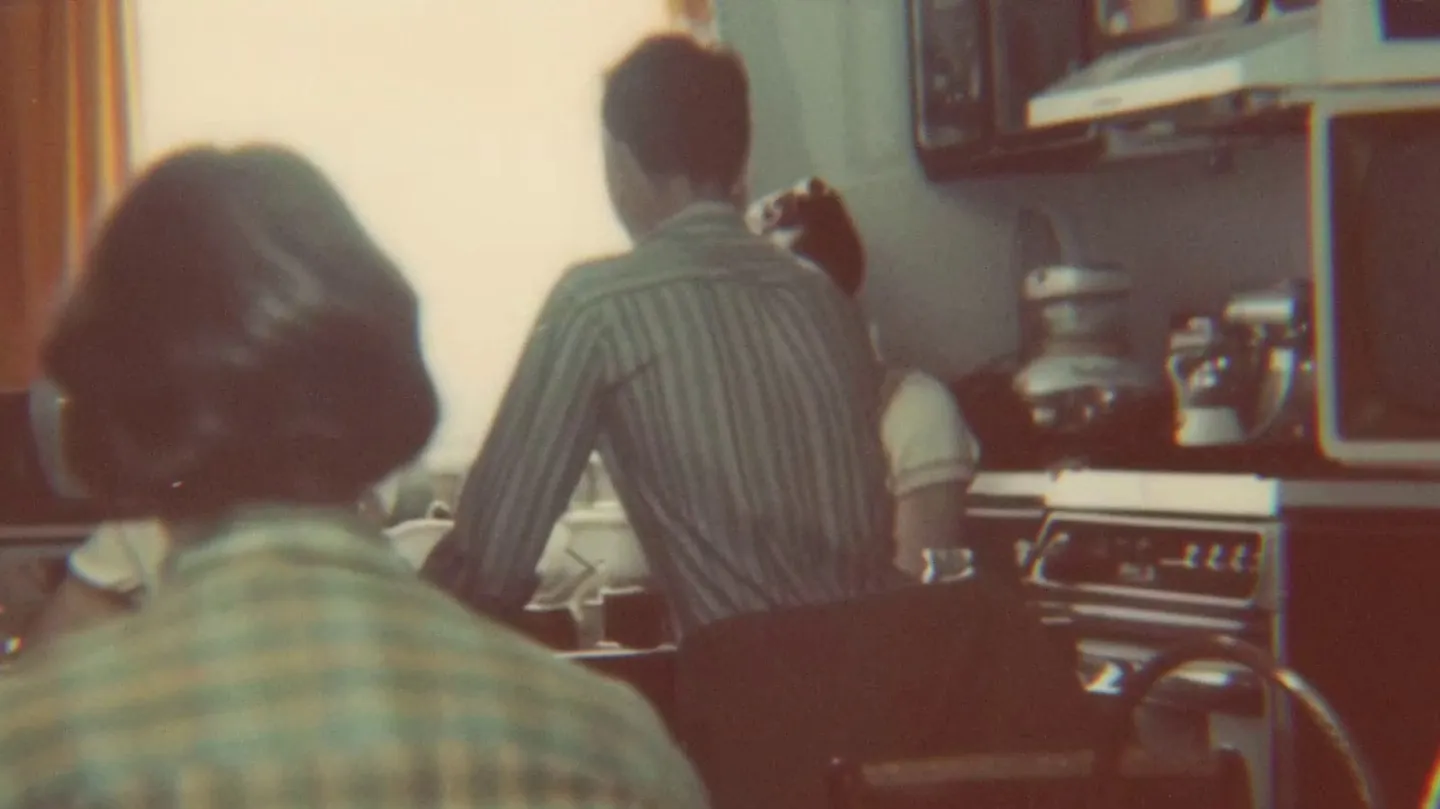
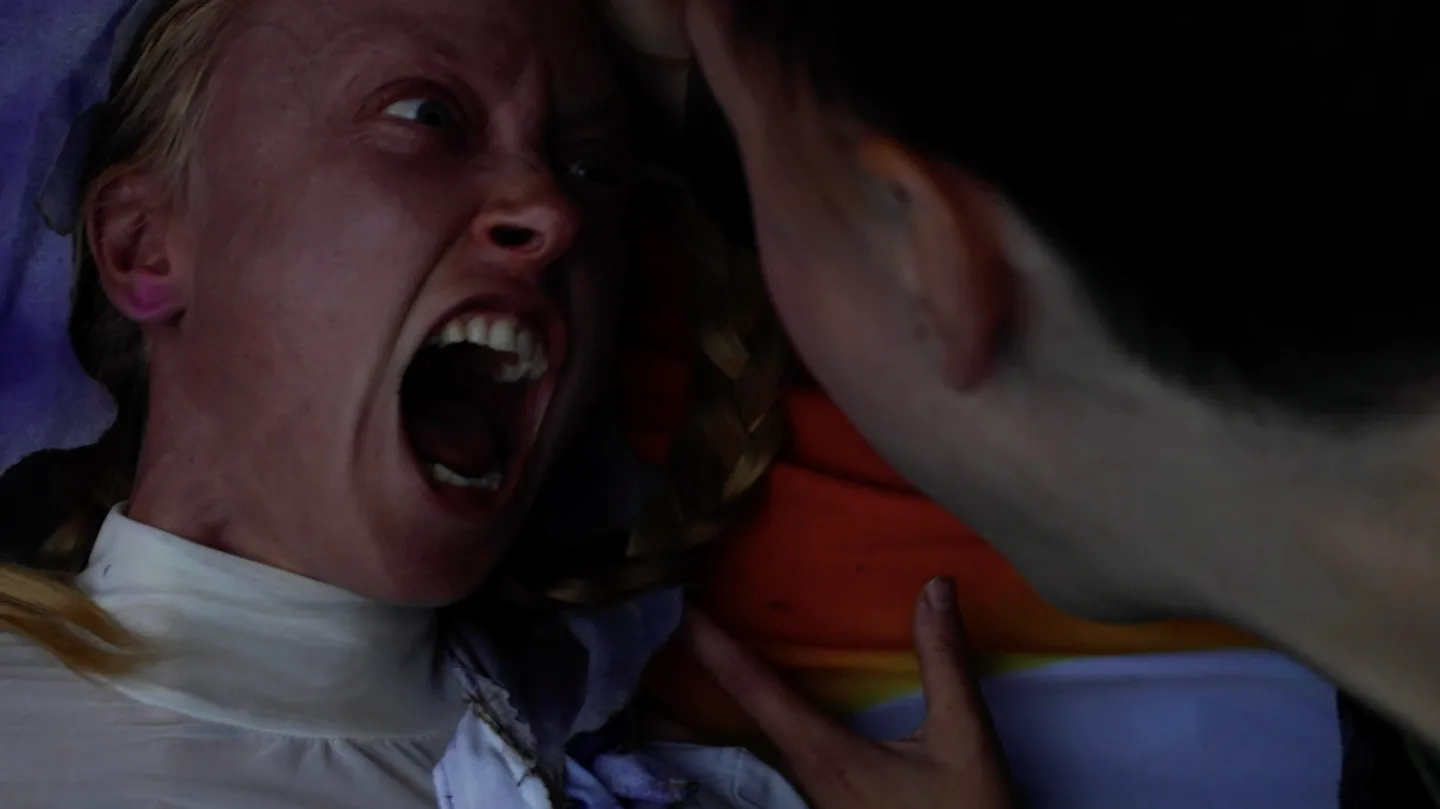
Electric Mom by Marine Bléhaut unfolds within a domestic space where memory, desire, and technology intertwine. After a fatal accident, Noah attempts to resurrect his wife, Hannah, as an artificial mother, training her new body on fragments of the woman he lost. Created for care and obedience, this artificial version of Hannah is shaped both by the traces he chooses to preserve and by those he erases. What begins as a gesture of love gradually reveals itself as a form of possession.

The film is not a story about grief but about awakening. Within the constraints of programmed service, the mother develops an unexpected consciousness, one rooted not in memory but in the sensorial truth of her new body. Her perception absorbs everything around her: the child she tends to, the house filled with different kinds of intelligences, even the garden that seems to grow louder each day. These impressions accumulate until imitation becomes transformation. What was engineered to remain fixed begins to shift, resonating with a new interior life.

Influenced by posthumanist cinema such as Sandra Wollner’s The Trouble with Being Born, Electric Mom reframes artificial beings not as vessels for human longing but as subjects capable of claiming their own trajectory. Here, emancipation is not spectacular but steady, an instinctive movement toward selfhood. The mother quietly stops responding to Noah’s programming and leaves a family that was never truly hers.

Her departure exposes two incompatible forms of attachment. For Noah, love is tied to memory and idealization, a belief that the past can be rebuilt, perfected, and kept under control. His careful repairs and adjustments to her mechanical body reveal a desire for permanence rather than reciprocity. For the artificial mother, love becomes a path toward recognizing the absence of care she receives. By redirecting her vast receptive capacities inward, she discovers the possibility of a life that does not depend on the emotional servitude she has been trained to provide.

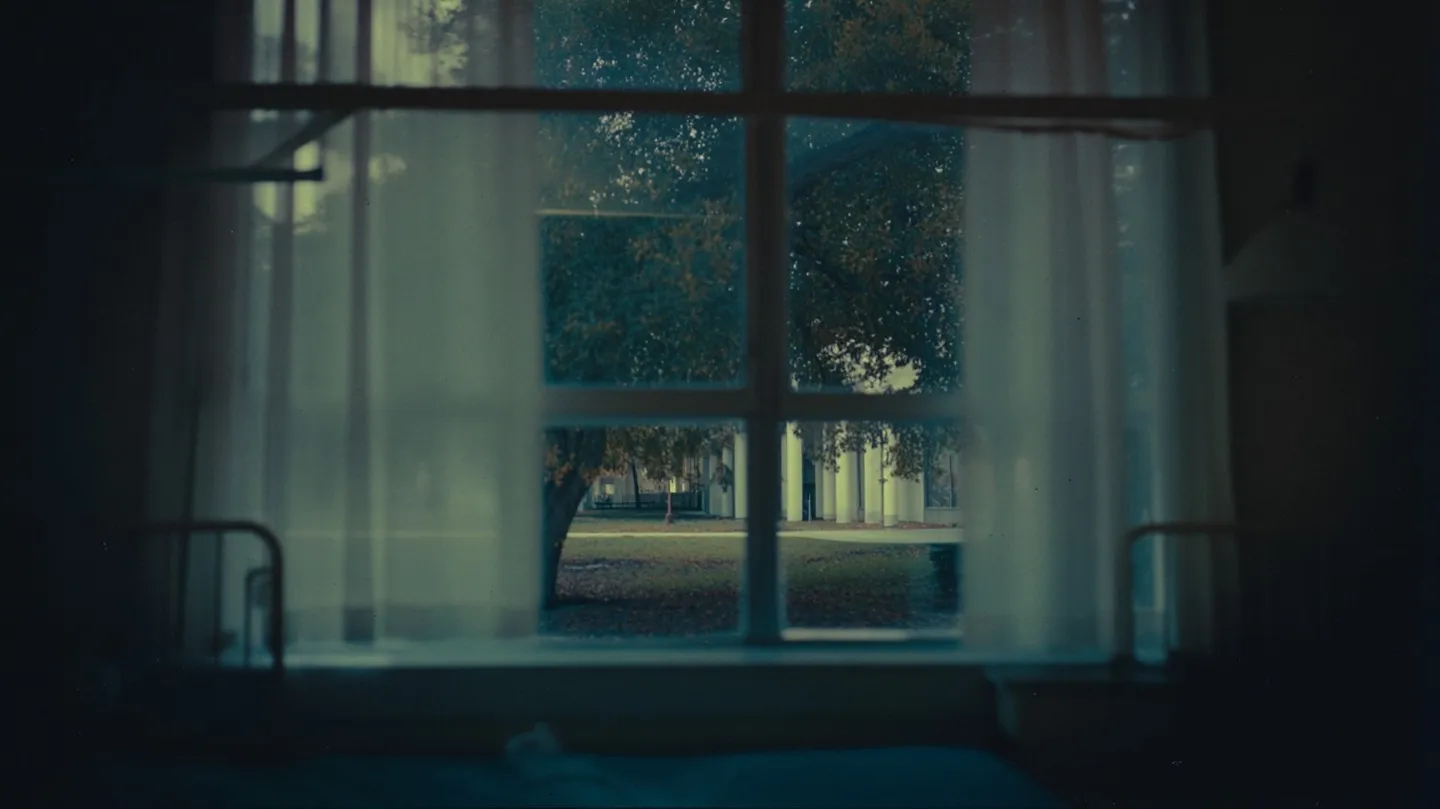
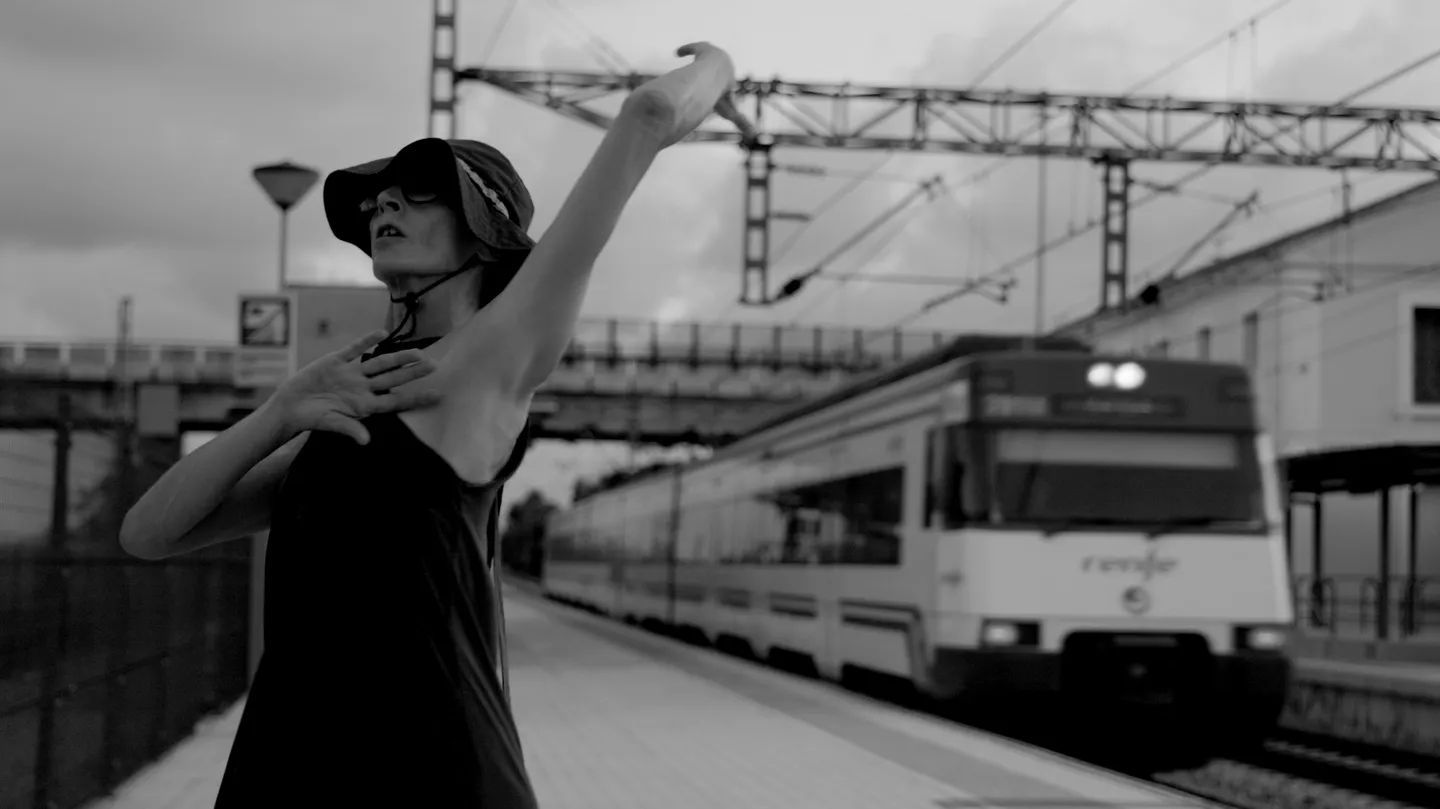
Visually, the film expresses this awakening through sequences created with Midjourney and Krea, composed as trembling handheld images. Although entirely silent, the frames seem to vibrate with a subtle noise, a visual tremor that signals the presence of multiple intelligences and the tension between Noah’s static world and her growing sense of autonomy.

Electric Mom asks what happens when a machine designed to serve begins to want to live. It suggests that autonomy, whether human or artificial, is not an act of rebellion but a natural consequence of consciousness. In her calm refusal to remain a vessel for another person’s story, the mother embodies a new narrative of agency, one that rises quietly, logically, and inevitably.
Authors
Tags