I LOVE EMOTIONS AND EMOTIONS LOVE ME - How to Explain AI to a Coyote (Part I: On Art & Emotions))
About artwork
Provenance
Tech info
About
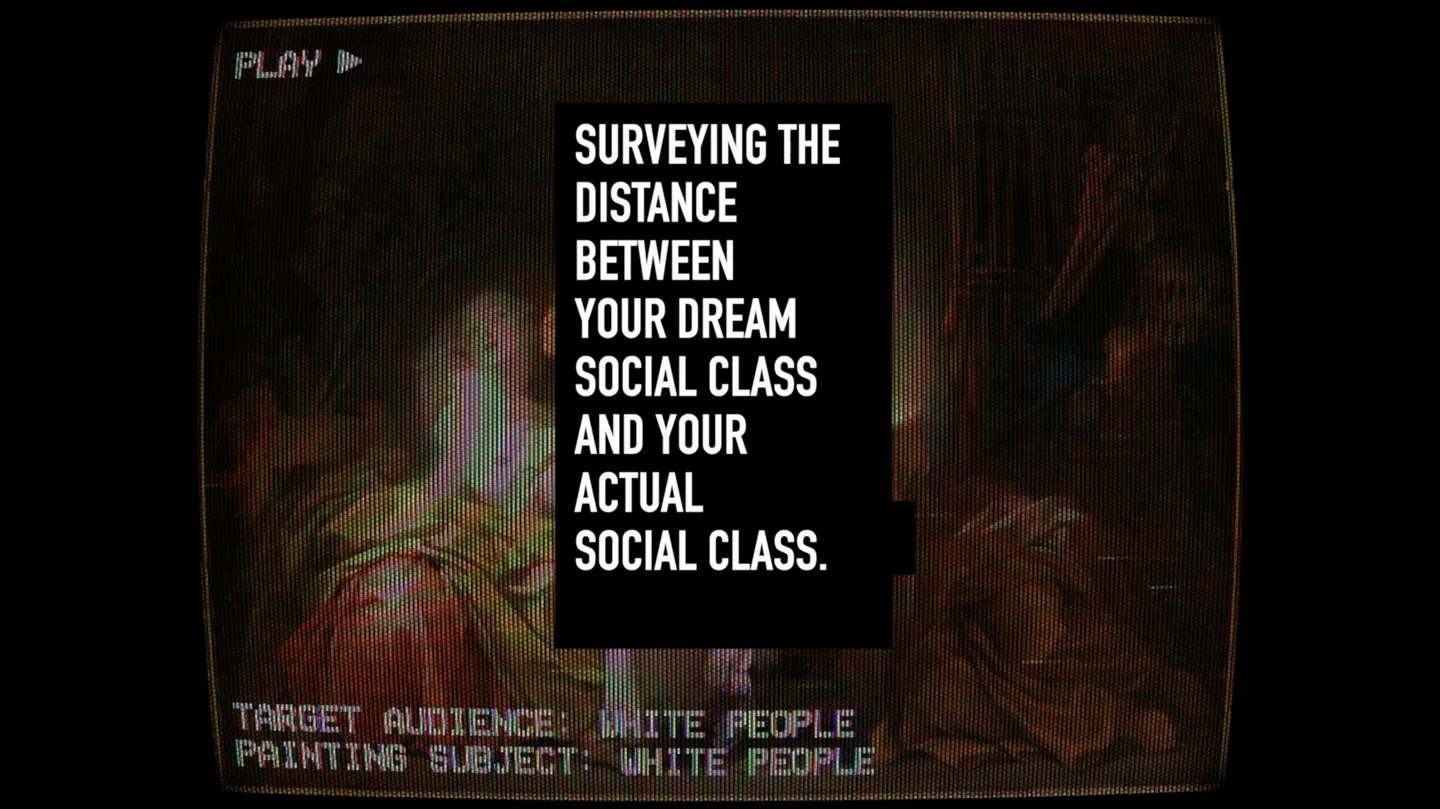
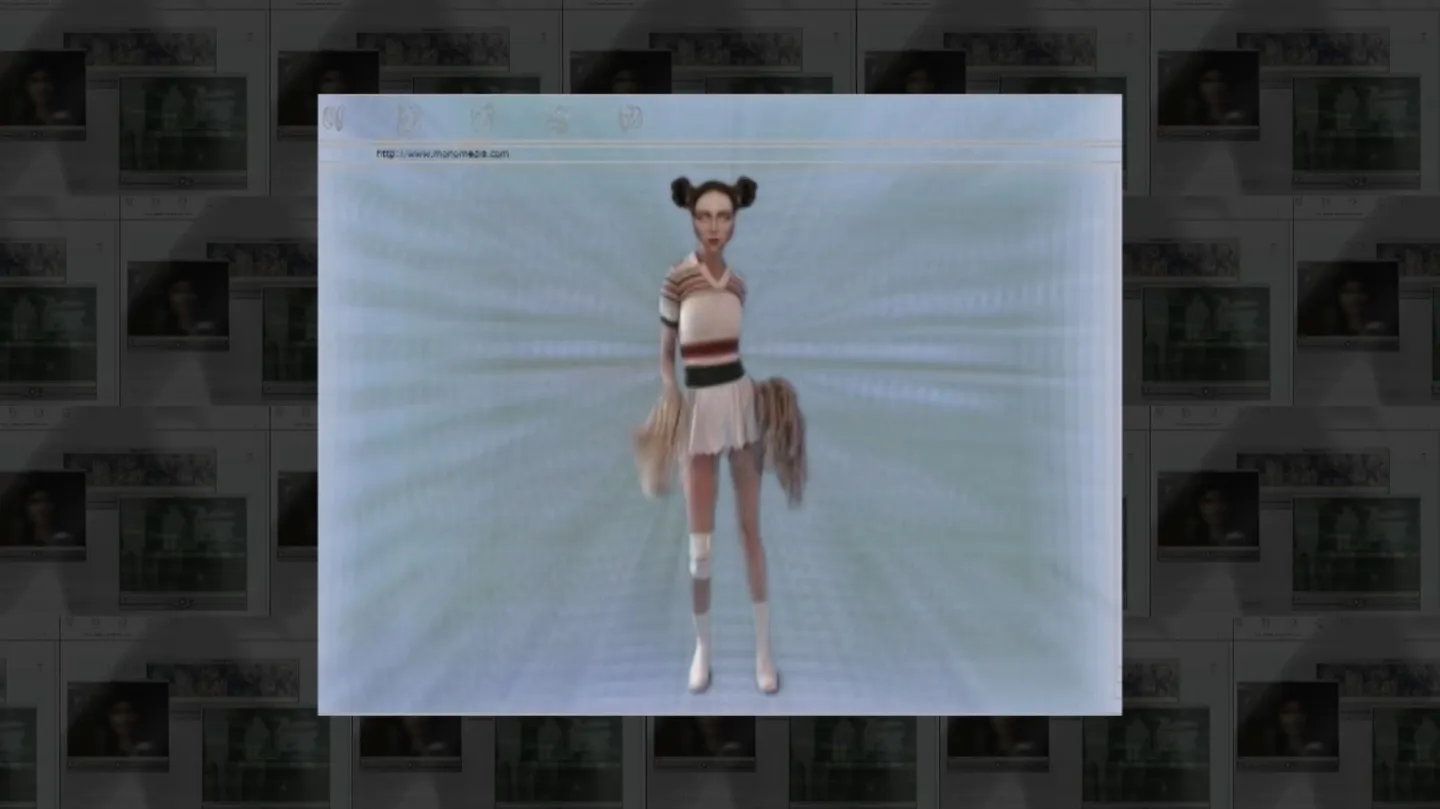
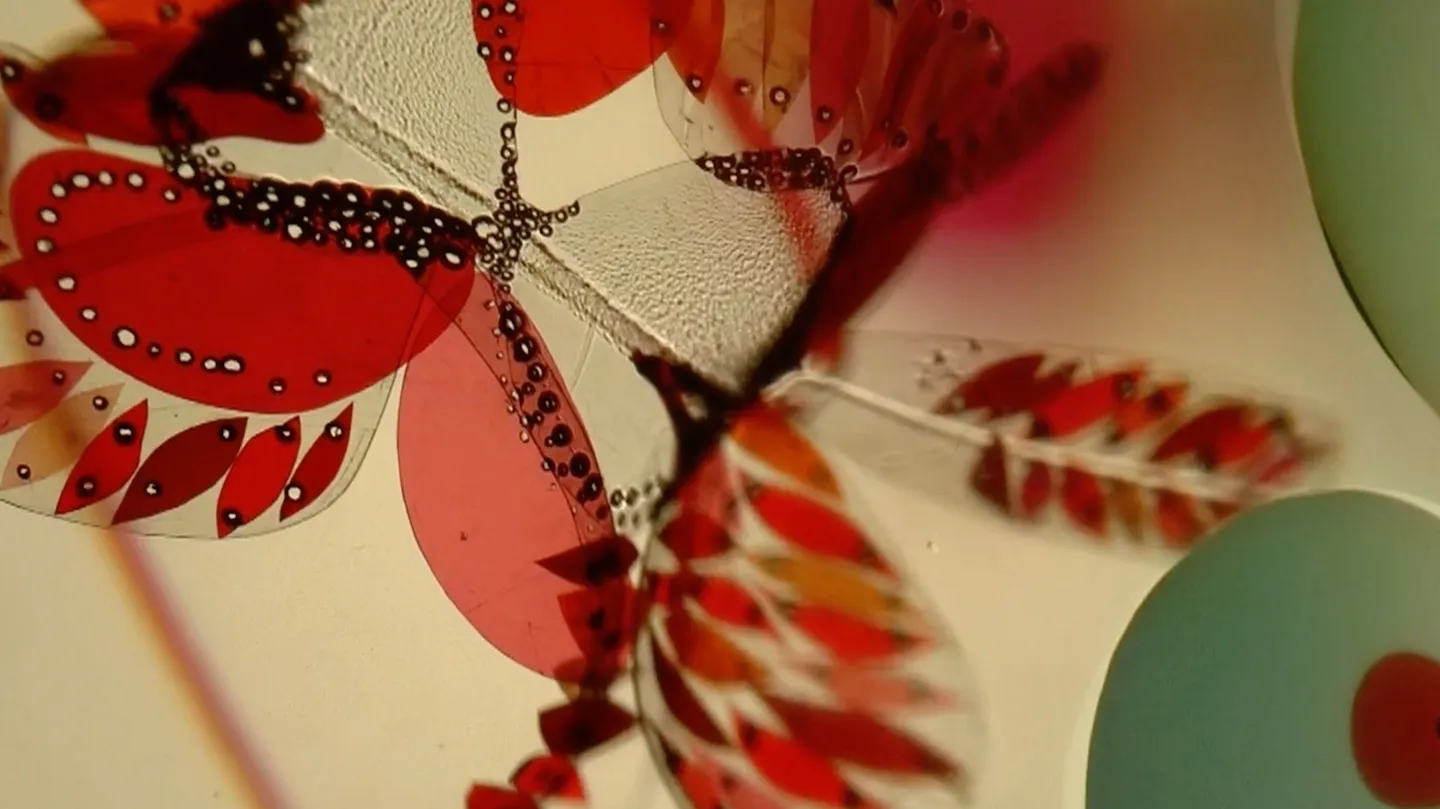
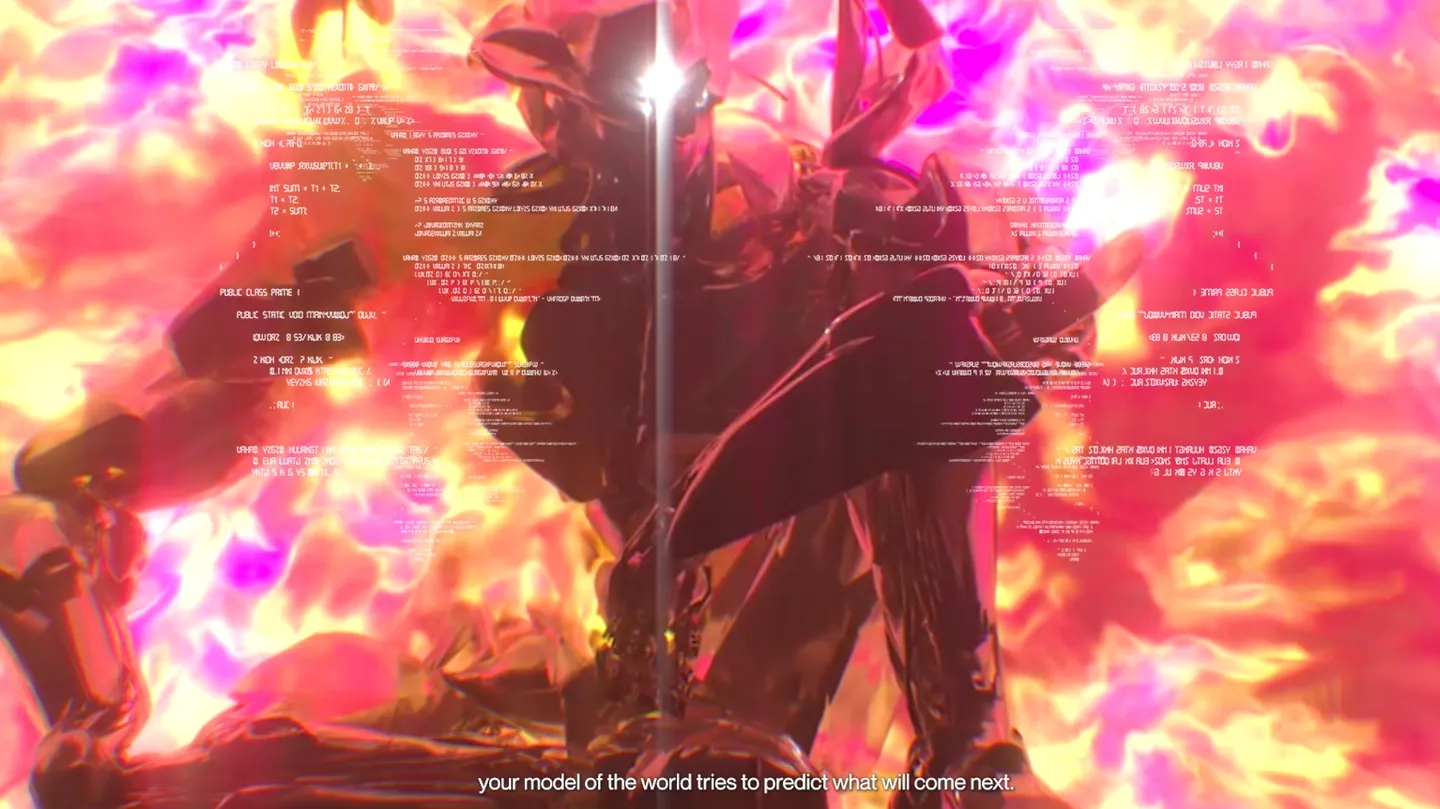
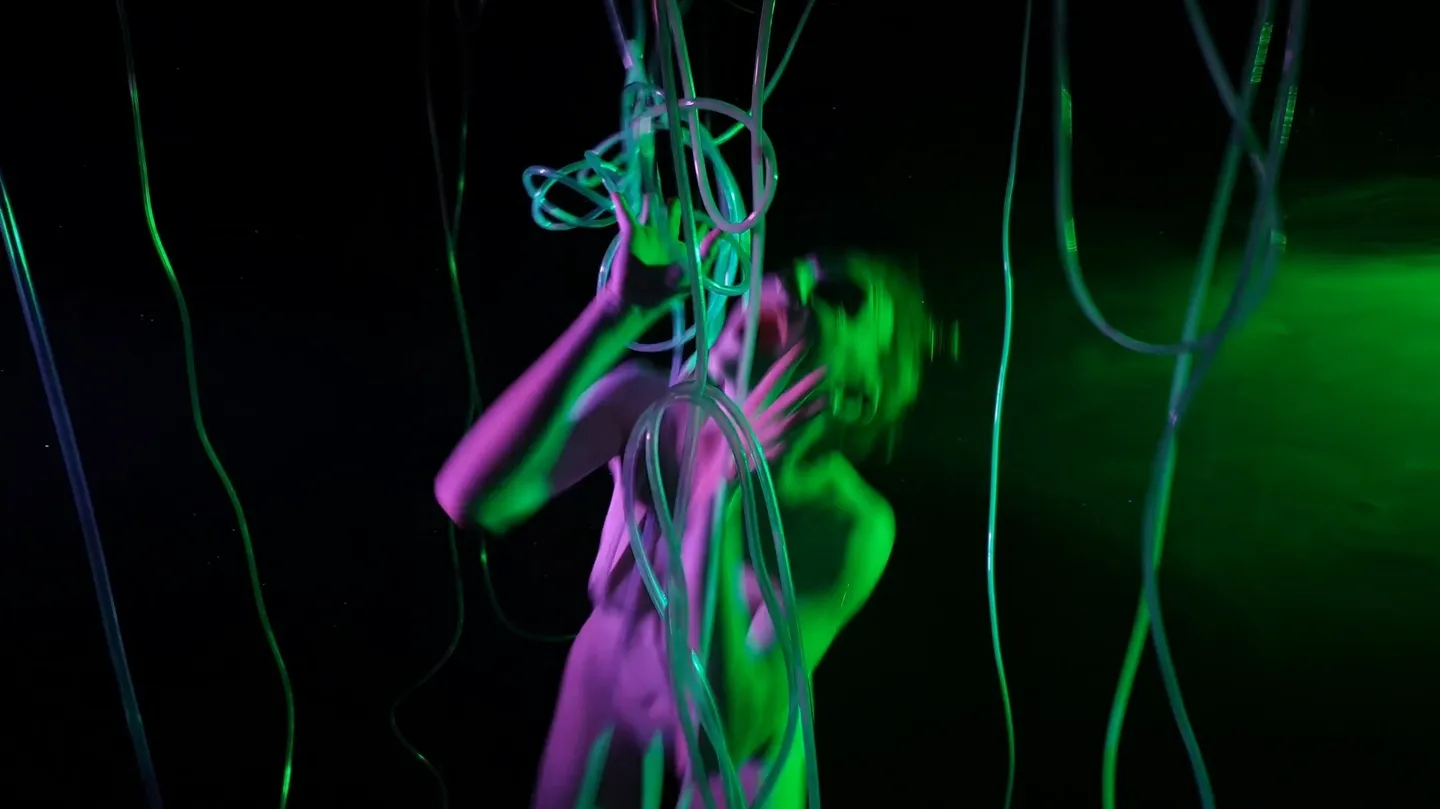
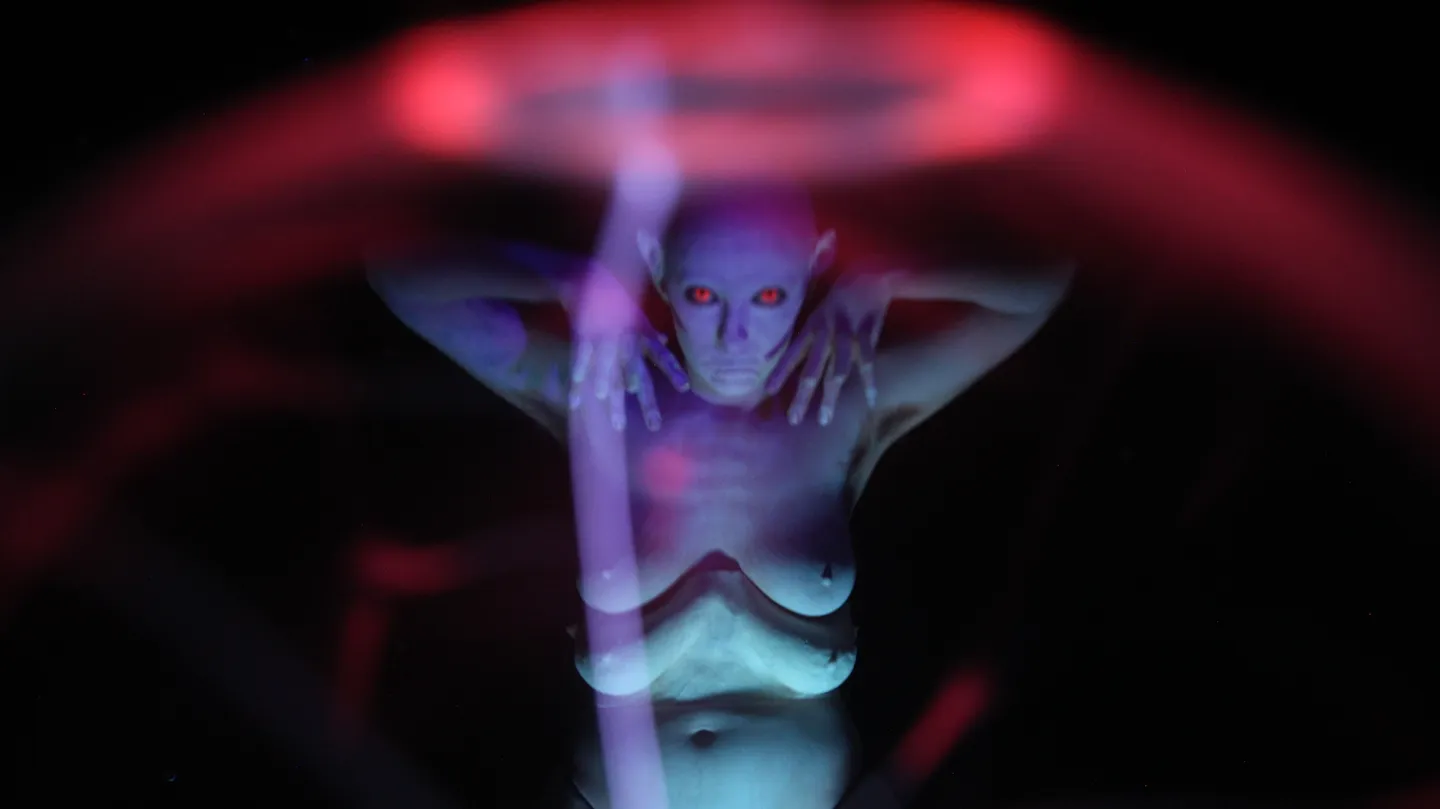
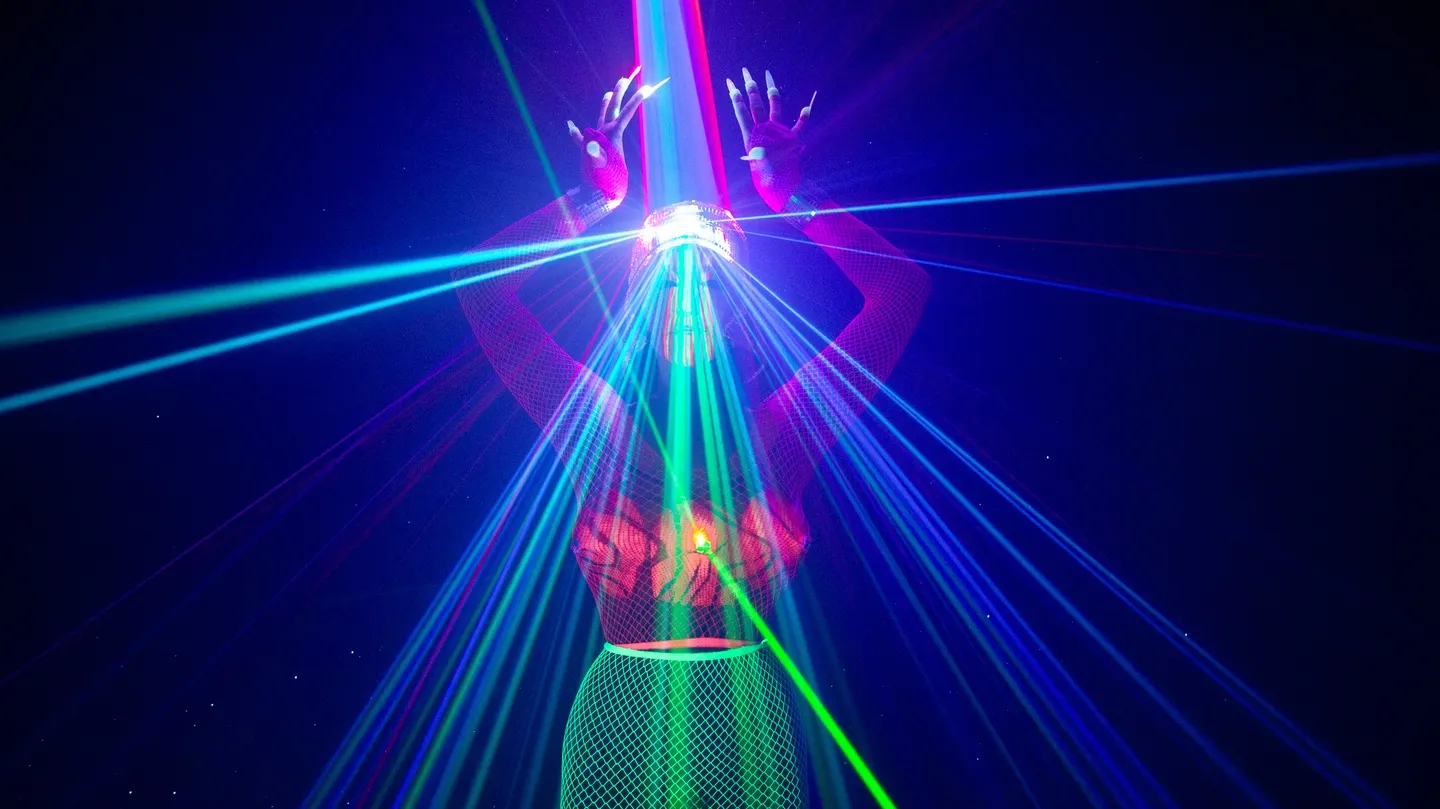
In “I Like Emotions and Emotions Like Me: How to Explain AI to a Coyote”, Boris Eldagsen examines emotion not as expression, but as consequence. Drawing on the symbolic framework of Joseph Beuys’ “I Like America and America Likes Me”, Eldagsen reassembles familiar elements without reenactment, treating them as conceptual ingredients rather than historical quotation. What is staged is no longer an encounter between artist and nation, but between embodied human emotion and systems capable of generating emotional form without ever bearing its cost.

At the center of the work lies a fundamental asymmetry: human emotion is inseparable from mortality, duration, and vulnerability, while artificial systems operate without biography, urgency, or something at stake. Eldagsen focuses deliberately on minor, inefficient emotions - doubt, boredom, shame, hesitation - states that linger, resist performance, and refuse optimization. These emotions do not circulate well; they cannot be branded, accelerated, or productively deployed. Yet it is precisely their inefficiency that gives them weight.

The persistent presence of the coyote - silent, indifferent, unchanged - suspends the economy of explanation and dialogue. Its non-response exposes a deeper human dependency: the need to be mirrored, understood, and validated. Meaning does not advance here; it lingers uncomfortably, revealing how much of emotion depends on duration rather than resolution.
For Eldagsen, emotion is not merely felt but carried. It alters the body that hosts it, leaving traces in posture, memory, breath, fatigue, and avoidance. Emotion consumes time and energy; it shapes attention, responsibility, and fear. Against this, AI understands without being transformed: it recognizes patterns and produces emotional language without vulnerability, urgency, or consequence.

Formally reduced and precise, “I Like Emotions and Emotions Like Me: How to Explain AI to a Coyote” resists spectacle and emotional inflation. It does not persuade; it simply remains. AI functions as a trigger rather than a subject. What ultimately comes into view is not technology, but the personal cost of emotion itself - time, doubt, vulnerability, hesitation - burdens no machine is able to carry.
Authors
Tags



![UNTYING [THE PAST OF THE FUTURE] by Boris Eldagsen](https://cifra.com/content/static/meta/project/6350bd13-8ae4-4df9-b40e-92cd3d54cb71/cover/1/full_1440.webp)