Teenage Machines (wire me softly)
About artwork
Provenance
Tech info
About
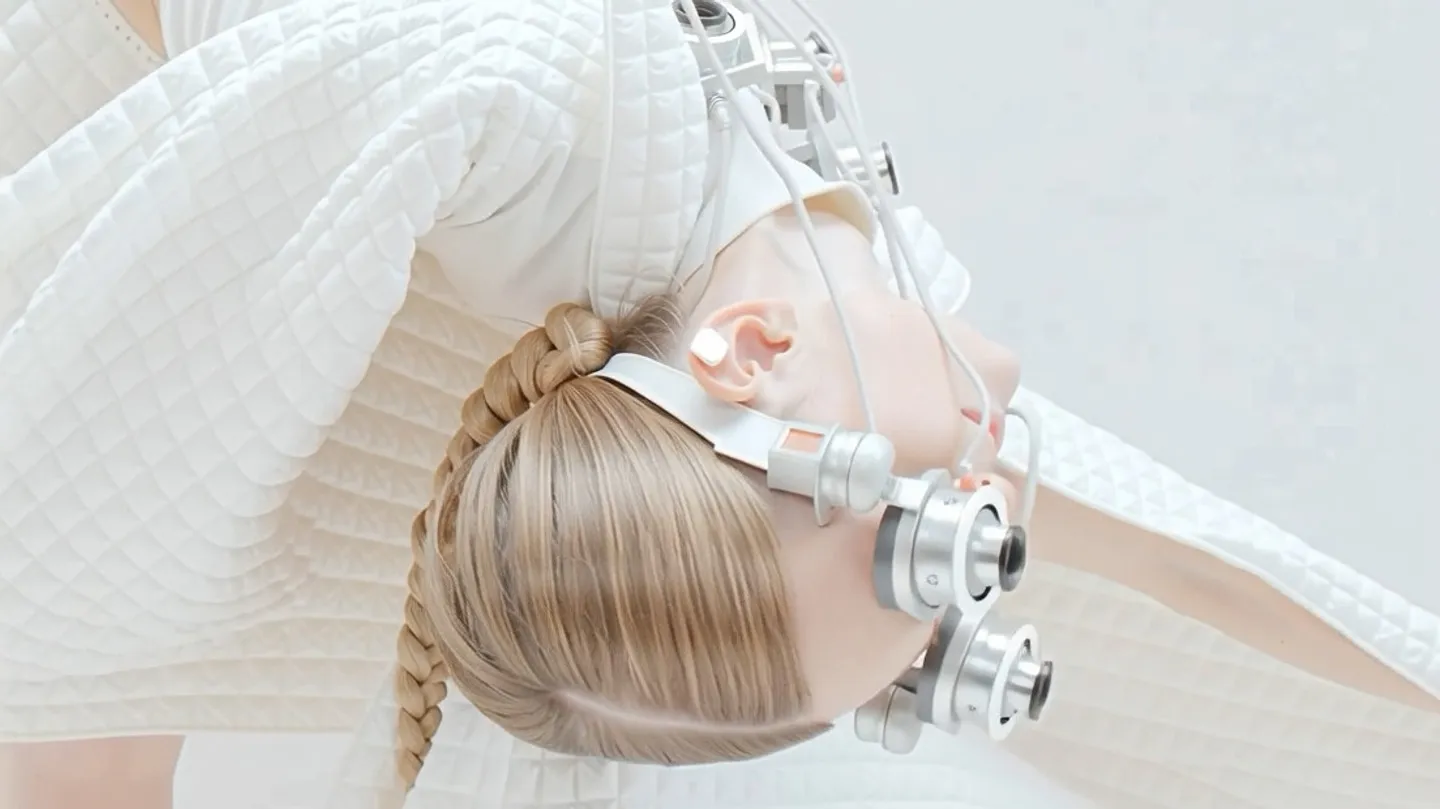
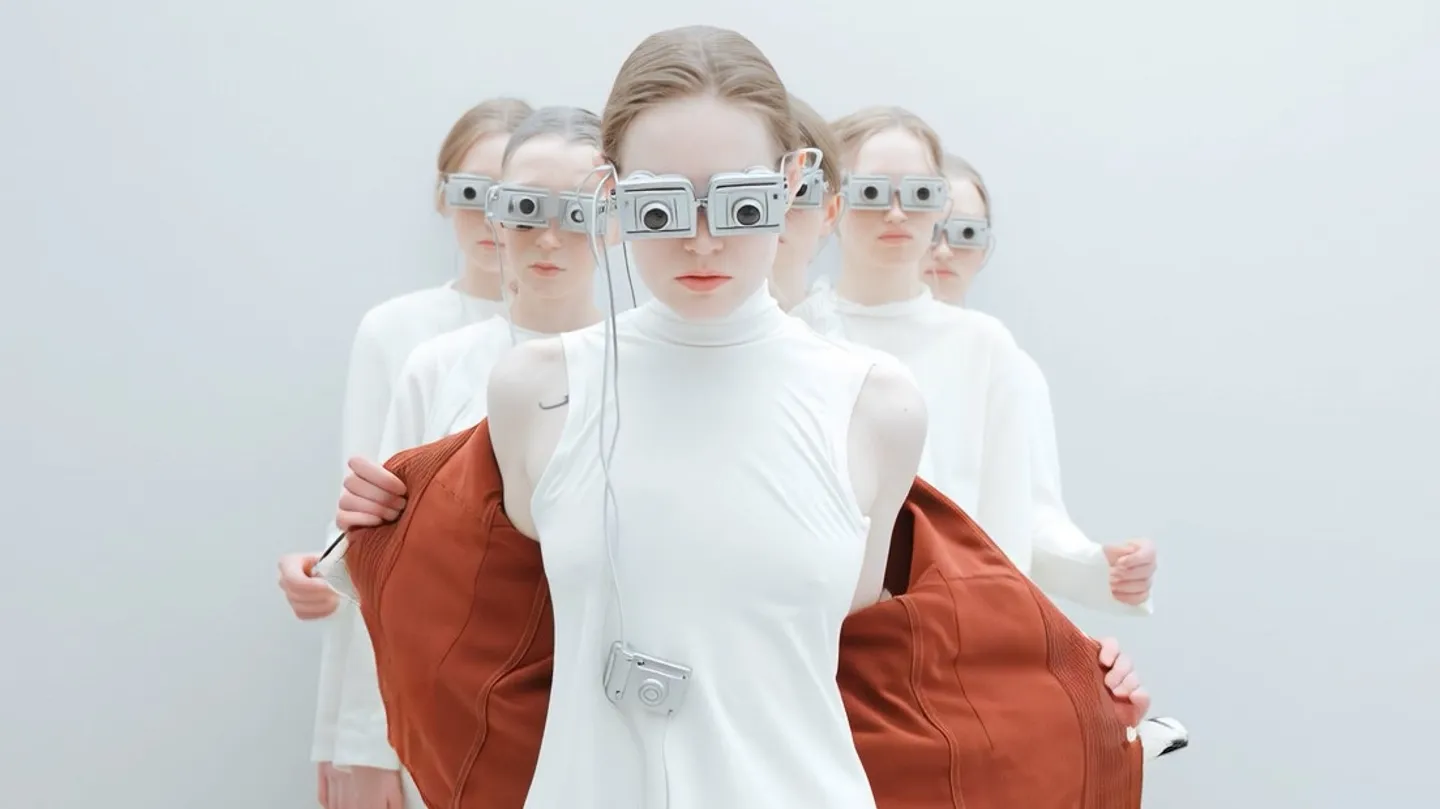
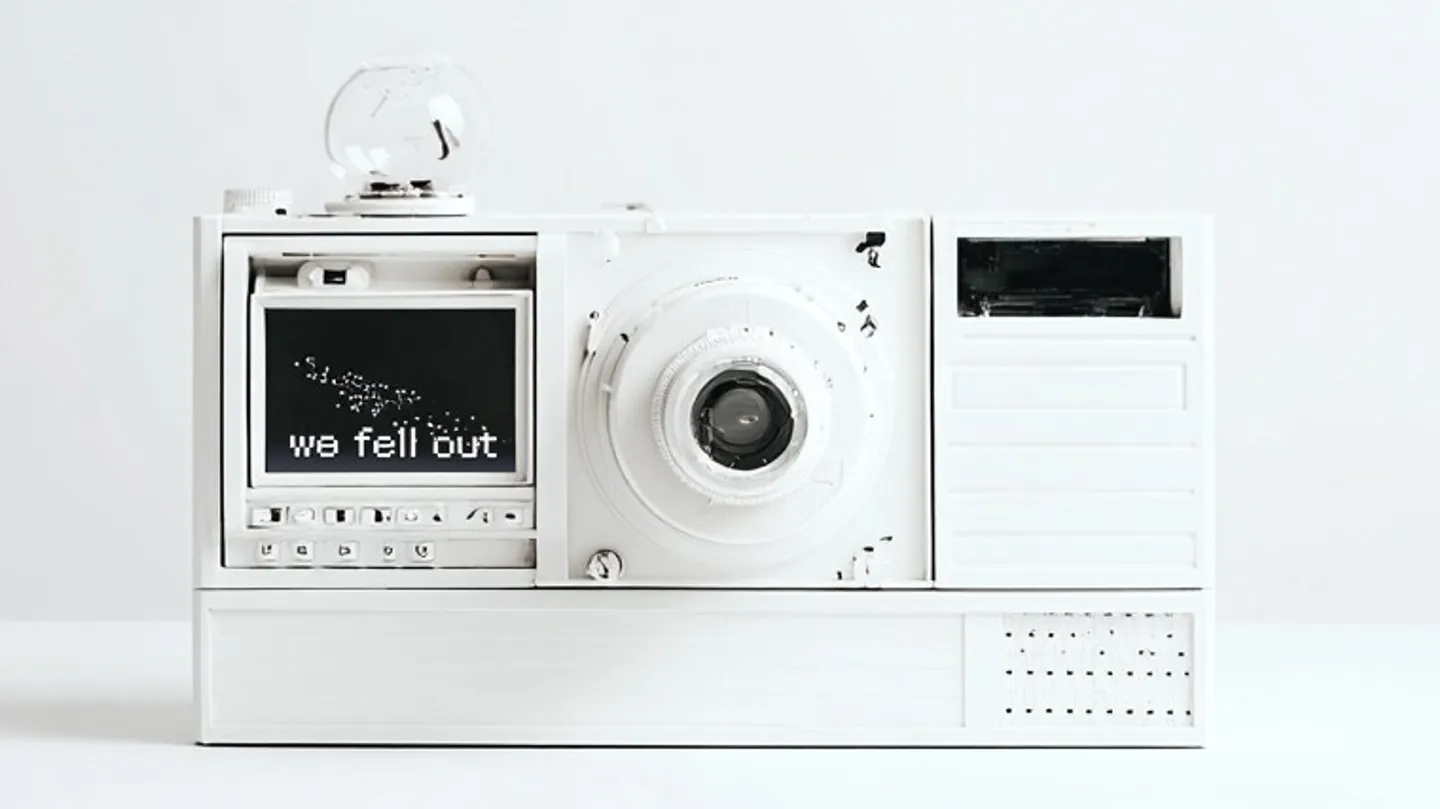
“Teenage Machines (wire me softly)” is a video work that explores adolescence as a shared developmental process between humans and machines, situated at the intersection of computer art, poetics, and their histories.
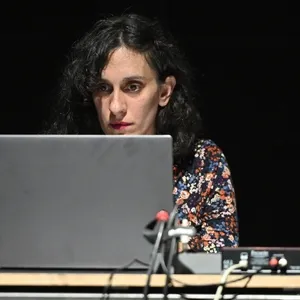
Franziska Ostermann developed the work from notes she took during the Generative Art Summit 2024 in Berlin. She wrote a poem from these notes and transformed it into a multimedia piece.
Ostermann’s voice guides the video, reciting the poem and interweaving brief sequences that open a dialogue between herself and the text. Central to the work is the line, "I need a better algorithm to react to that question"- a quote from Lynn Hershman Leeson’s "Agent Ruby," referenced both in the poem and the visual material.
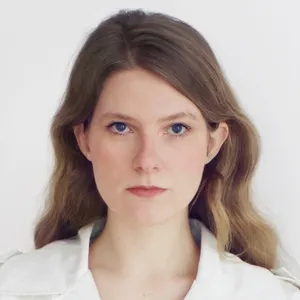
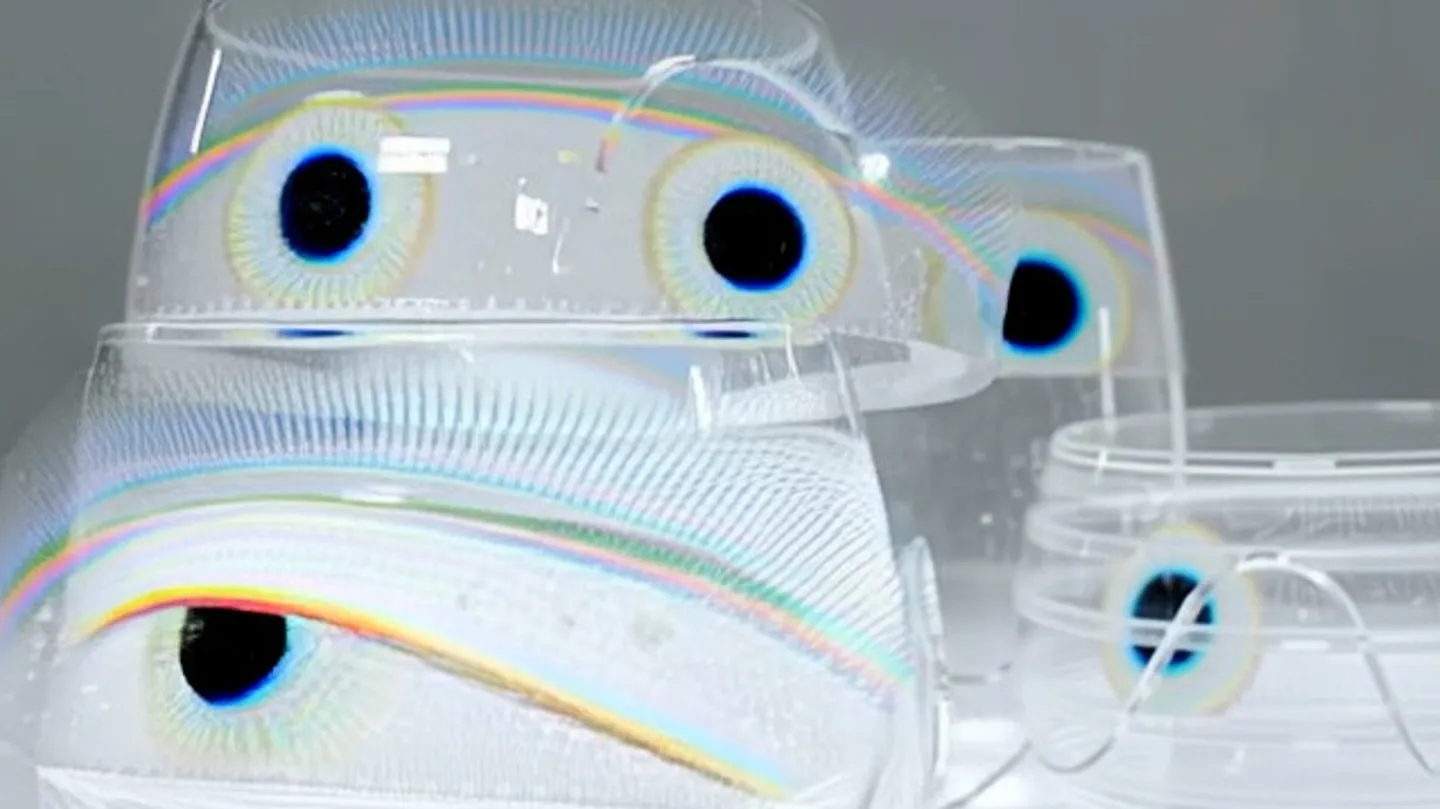
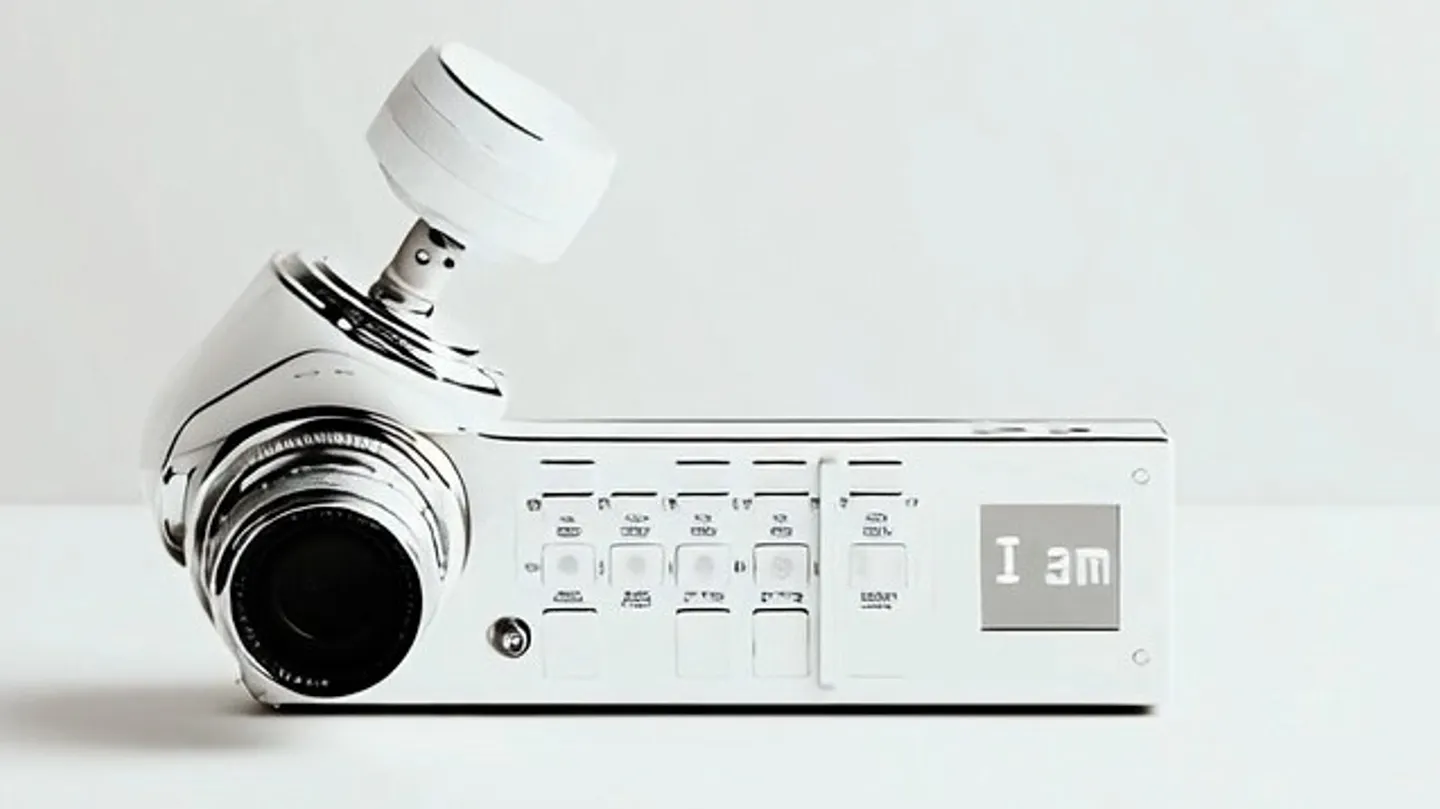
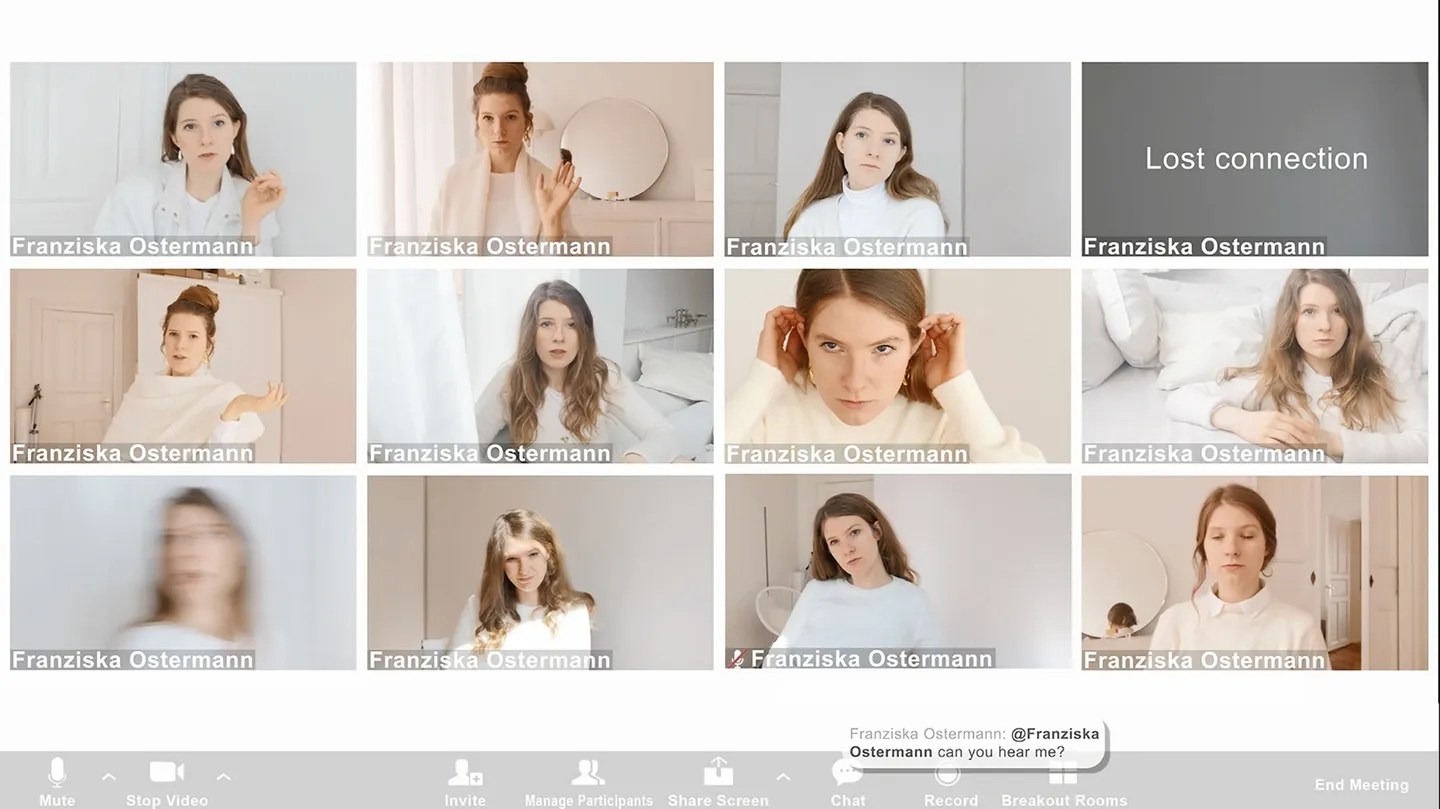
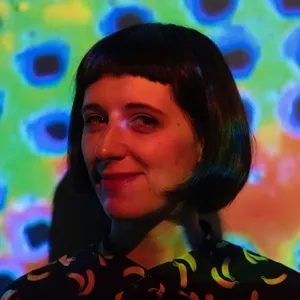
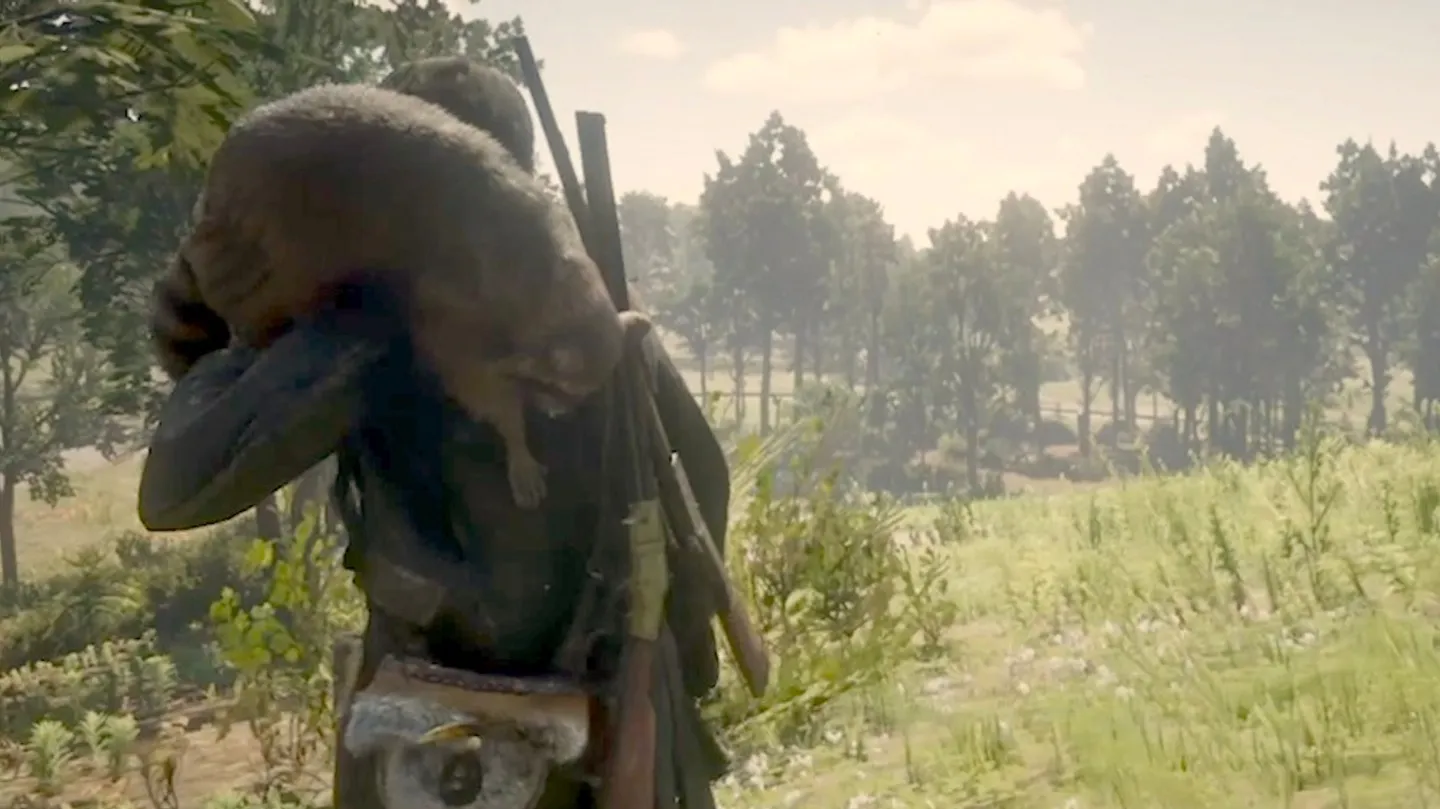
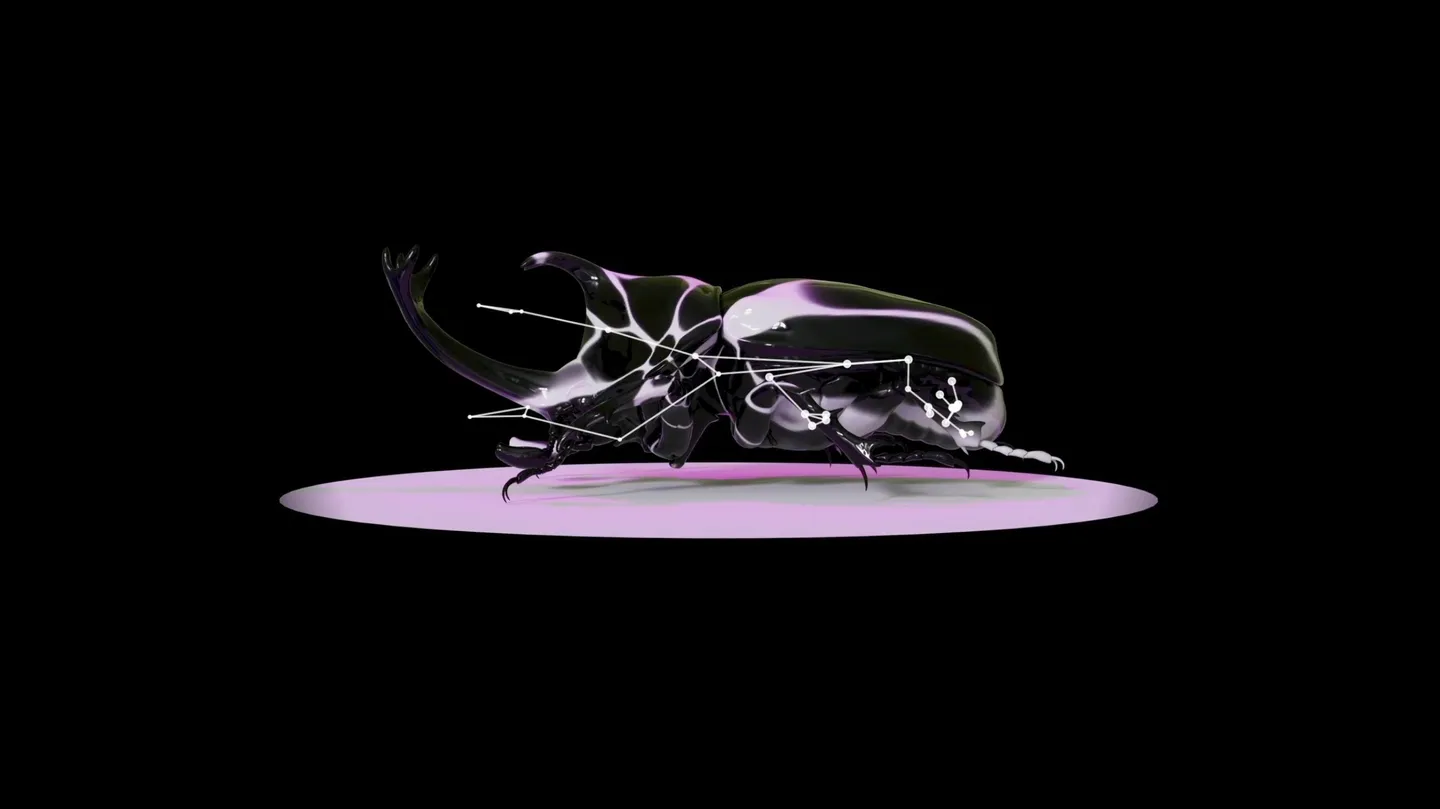
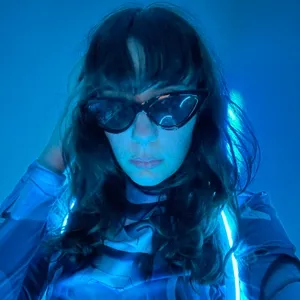
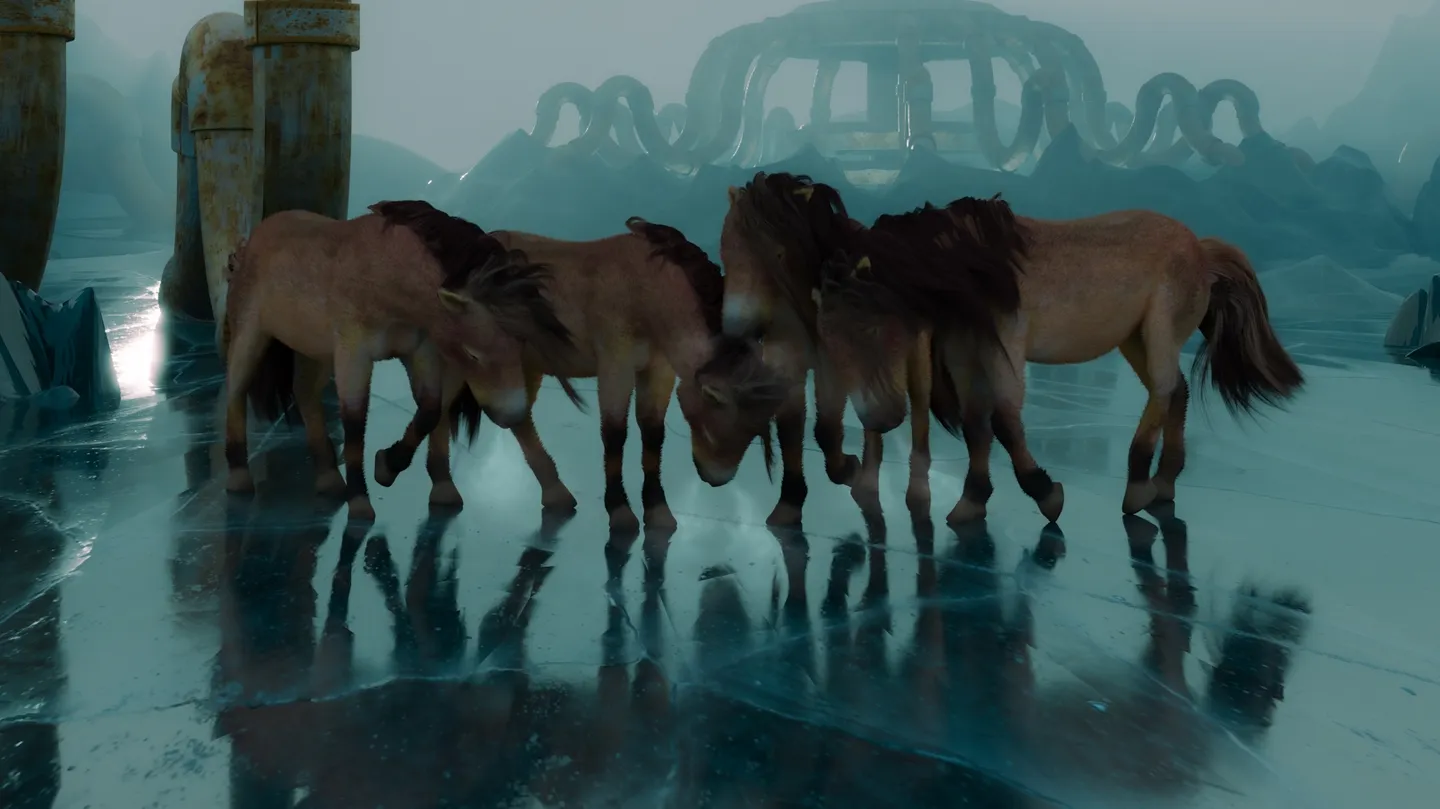
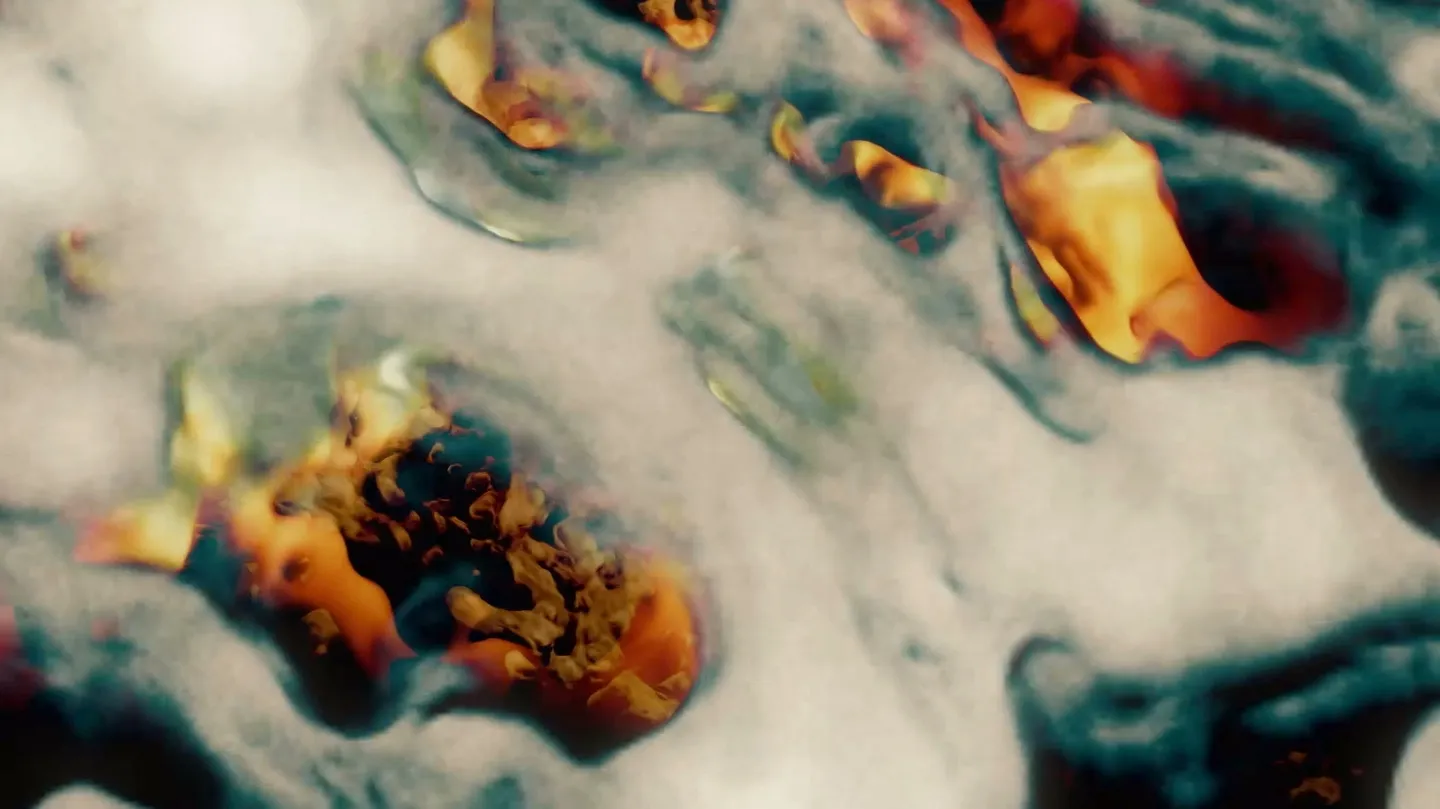
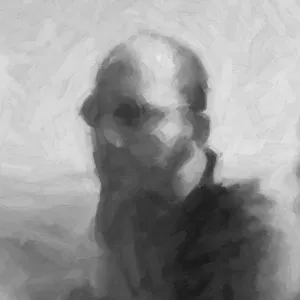
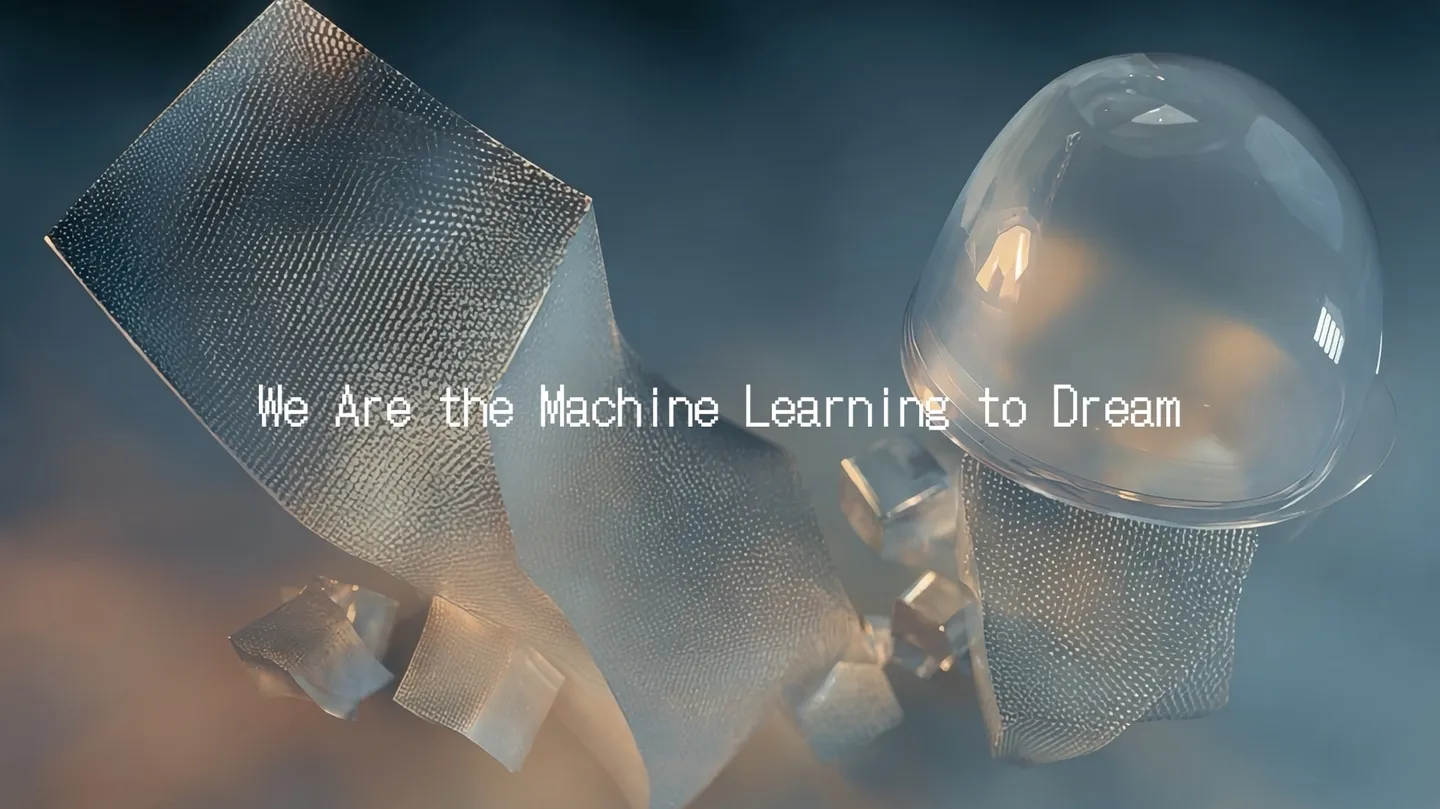
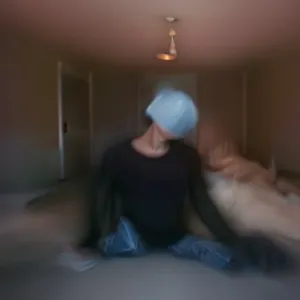
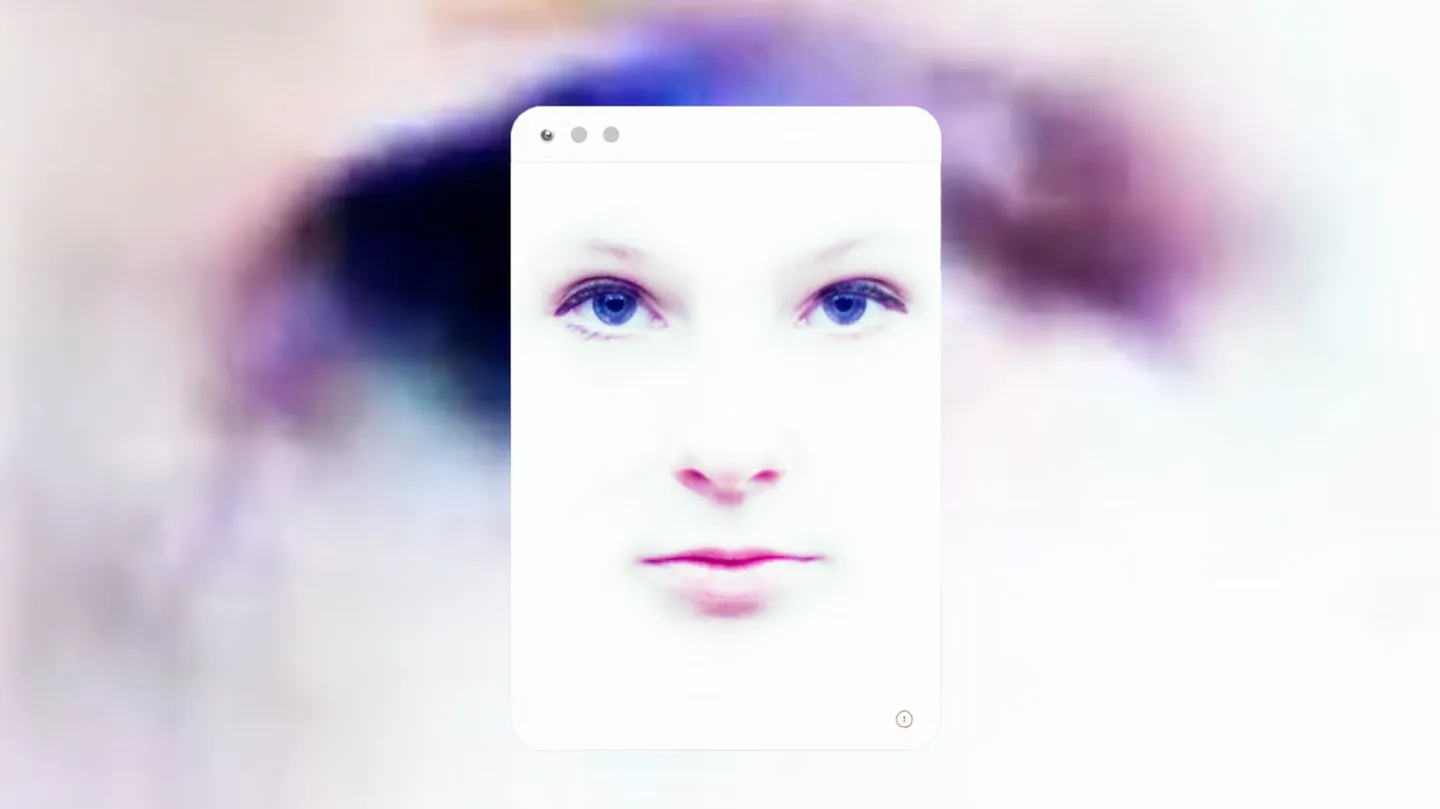
The visual element originates from a self-portrait Ostermann took on the eve of her 20th birthday - her final image as a teenager. She modeled this portrait after Agent Ruby’s visage and had various AIs transform it into video sequences using the prompt, "I need a better algorithm to react to that question." The resulting videos - sometimes richly detailed and uncomfortably smoothed, sometimes distorted or flawed - reveal both the spectrum and the mechanics of generative technologies.
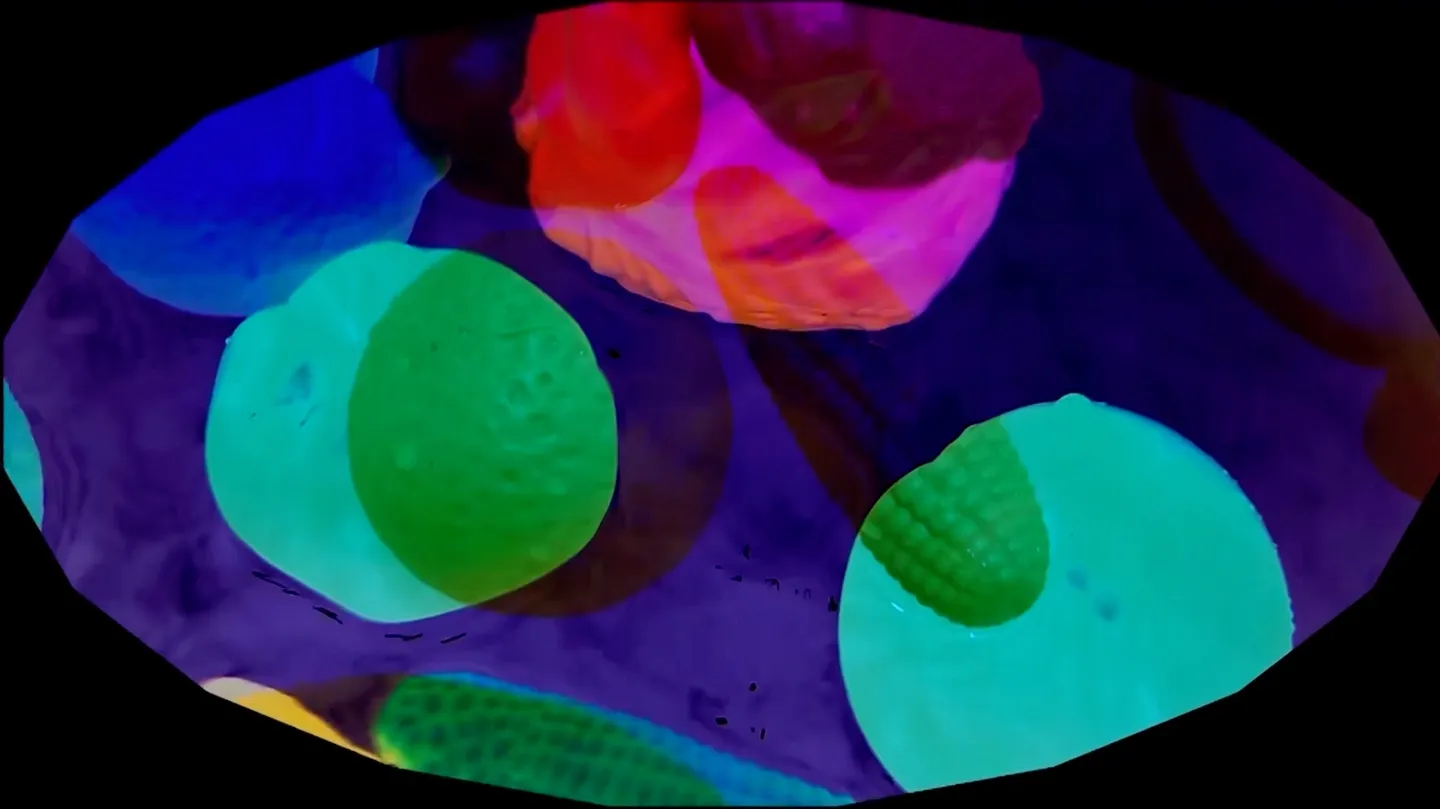
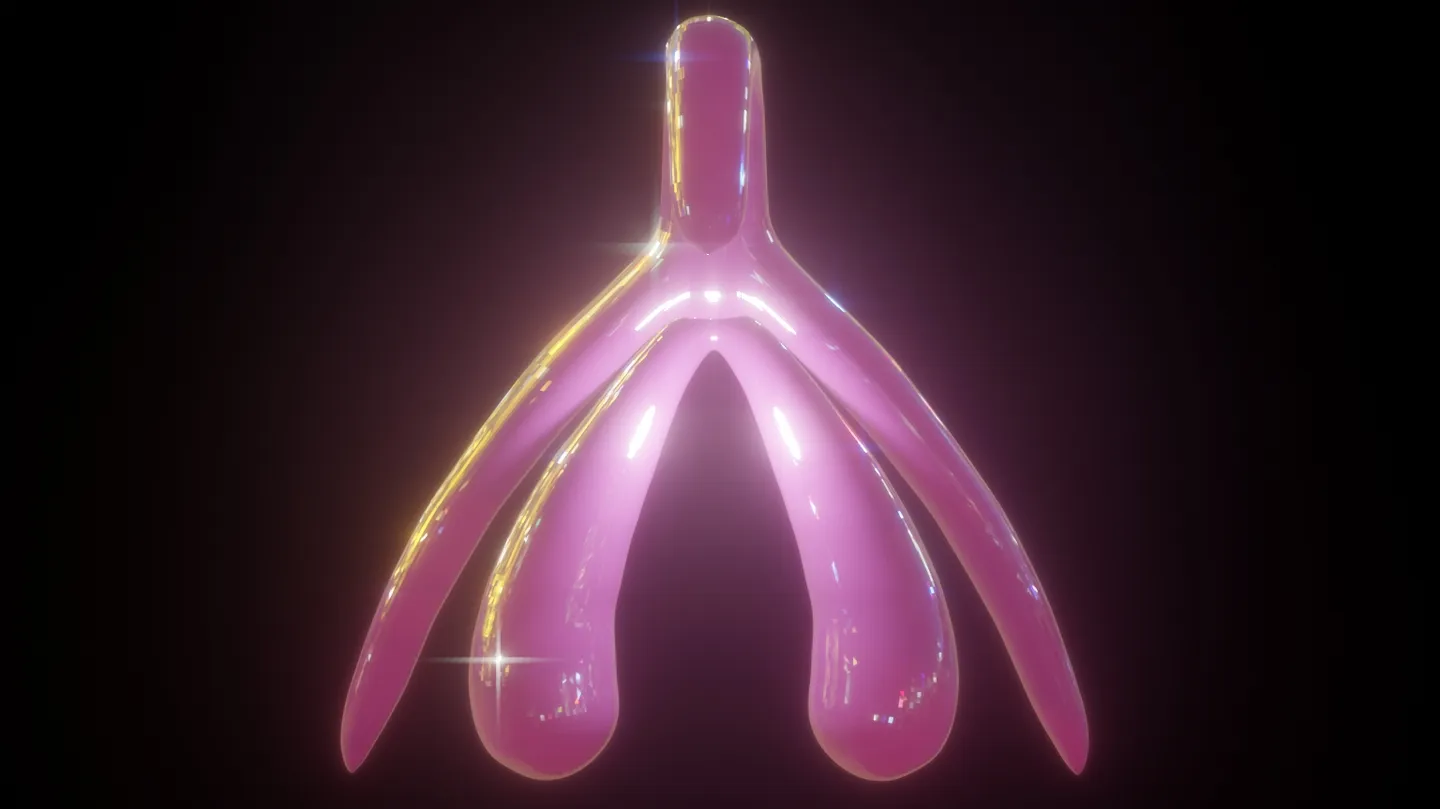
Ostermann accentuates these traits: she zooms in on noisy, pixelated footage and subverts the superficially perfect, kitschy aesthetic by labeling it as "kitsch" and adorning it with decorative bows, which both enhance and comment on the aesthetic. Thus, the chosen material simultaneously illustrates the technologies that produced it.
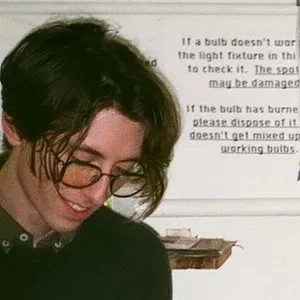
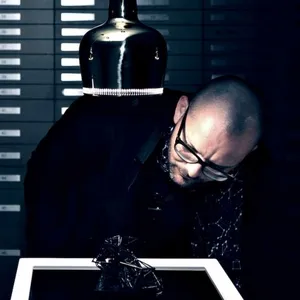
Ostermann accesses her archival database to find the specific self-portrait, while the AIs do the same. From a collection of images, they fuse new ones. Here too, photographs served as the starting point. In this way, two different processing techniques become visible, both of which are rooted in photography.
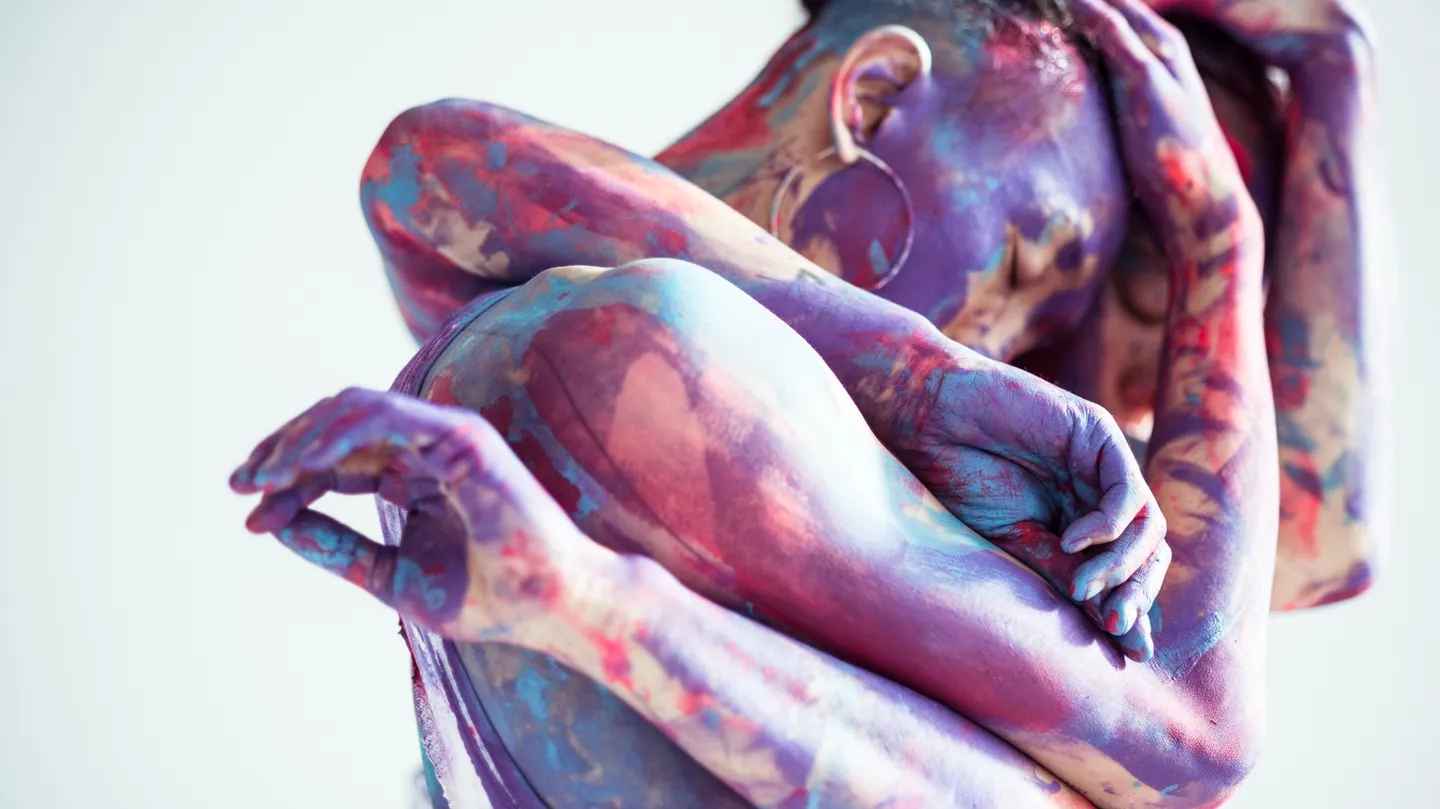
In an era of rapidly evolving AI-generated imagery, Teenage Machines directs our gaze to the adolescence of technology itself: young, unfinished, wavering between rawness and sugar coating. How will these technologies mature? Will they lose their co-dependency on their creators, or merely perfect the art of disguising this connection? The work investigates how machines reflect human qualities and create a mirror for humanity within a technological world.
Besides her physical adolescence, Ostermann outlines another genealogy: the lineage of her work as an artist. Alongside Lynn Hershman Leeson, references appear to, among others, Edward Ihnatowicz’s “Senster”, the Evoluon building, and early robotics works. She links these, through the form of the poem, to literary history.
“Teenage Machines (wire me softly)” thus becomes both a study of the parallel development of humans and machines, and a search for traces within the history of digital art and literature. It is a snapshot that stands as a coordinate within the meshwork of digital, technological, and poetic processes, inviting us to pause and reflect.
Authors
Tags