Inverso Mundus (fragment)
About artwork
Provenance
Tech info
About
2015–ongoing

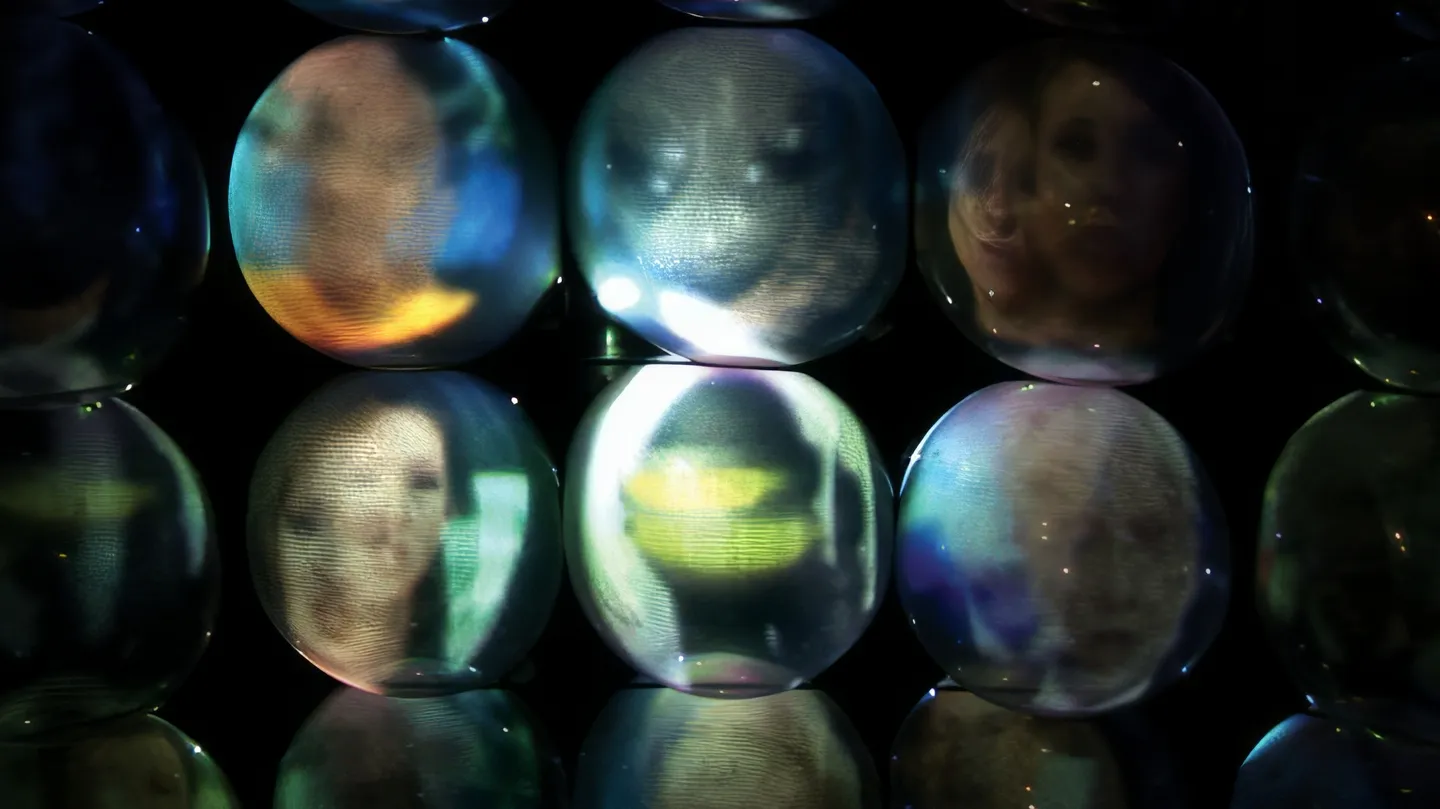
Inverso Mundus takes as its initial reference point the sixteenth-century carnivalesque engravings in the genre of “world upside down,” an early form of populist social critique that emerged with the advent of the Gutenberg press. The project’s title intermingles ancient Italian and Latin, based on a century-old layering of meaning, combining inverso, the Italian “reverse” and old Italian “poetry,” with Latin mundus, meaning “world.” Inverso Mundus reinterprets contemporary life through the tradition of engraving, depicting a contemporary world consumed by a tragicomic apocalypse whereby social conventions are inverted to highlight the underlying premises that we always take for granted. Metrosexual garbage collectors douse the streets in sewage and refuse. An international board of directors is usurped by their impoverished doppelgangers. The poor give alms to the rich. Chimeras descend from the sky to be caressed like domestic pets. A pig guts a butcher. Women clad in cocktail dresses sensually torture men in cages and on devices styled after IKEA furniture in an ironic reversal of the Inquisition. Preteens and octogenarians fight a kickboxing match. Riot police embrace protesters in an orgy on a massive luxurious bed. Men and women carry donkeys on their backs, and virus-like Radiolaria from Haeckel’s illustrations loom over and settle on oblivious people occupied with taking selfies.

The soundtrack of the video is an amalgamation of Léon Boëllmann’s 1895 Suite Gothique, an original piece by contemporary composer and media-artist Dmitry Morozov (aka VTOL), along with excerpts from Ravel, Liszt, Mozart, and Tchaikovsky, with a particular emphasis on “Casta Diva” from Vincenzo Bellini’s Norma.

The video work premiered as a 7-channel, 40-meter-long video installation in the former Venice salt warehouses as a collateral event of the 56th Biennale in 2015, with a participatory performance staged at the opening of the exhibition featuring actors dressed as “Inverso Mundus Police” lounging on the giant bed with Fortuny fabrics from the video and beckoning visitors to join them. The video installation was subsequently shown in its single-channel, 3- or 7-channel versions at the 6th Moscow Biennale (2015), the Kochi-Muziris Biennial (2016), the National Gallery of Australia (2017), and the 1st Bangkok Biennial (2018), among other venues. Other works in the project include a series of monumental digital collages, a series of oil paintings, colored pencil drawings, and the torture devices from the video as stand-alone sculptural objects. The objects, drawings, and paintings were first exhibited at Moscow’s Triumph Gallery in 2015 as a special project of the 6th Moscow Biennale.
Authors
Tags