The Withering Lands
About artwork
Provenance
Tech info
About
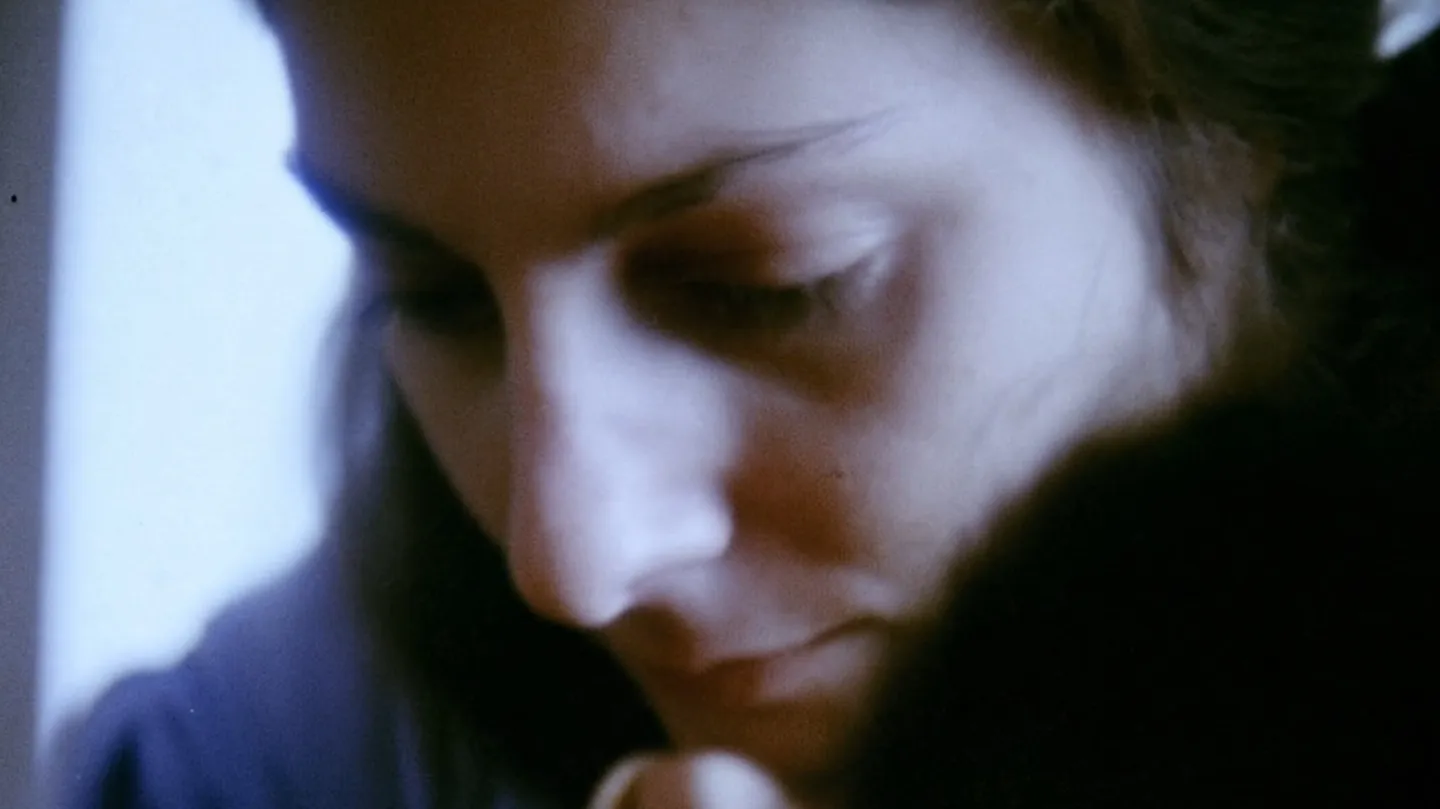
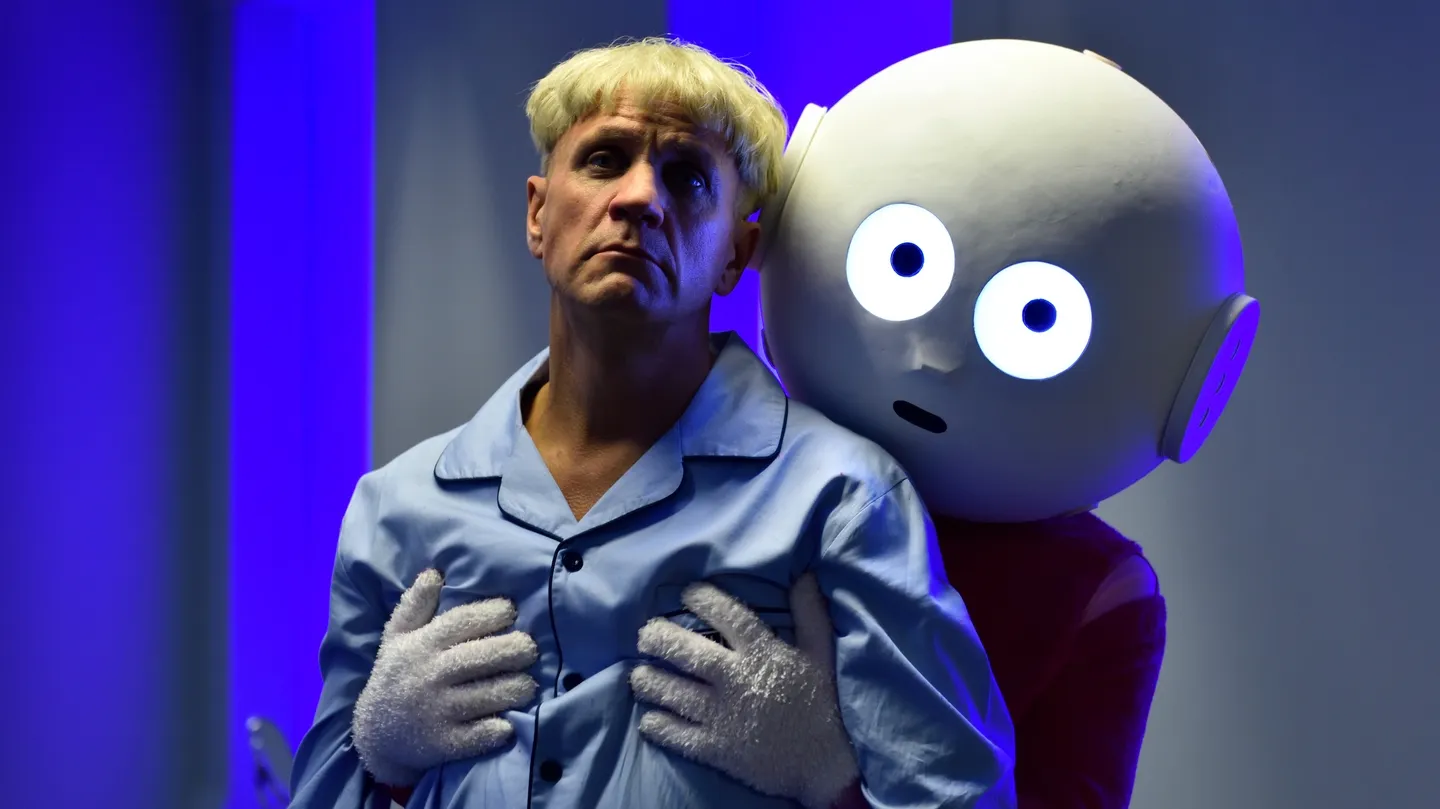
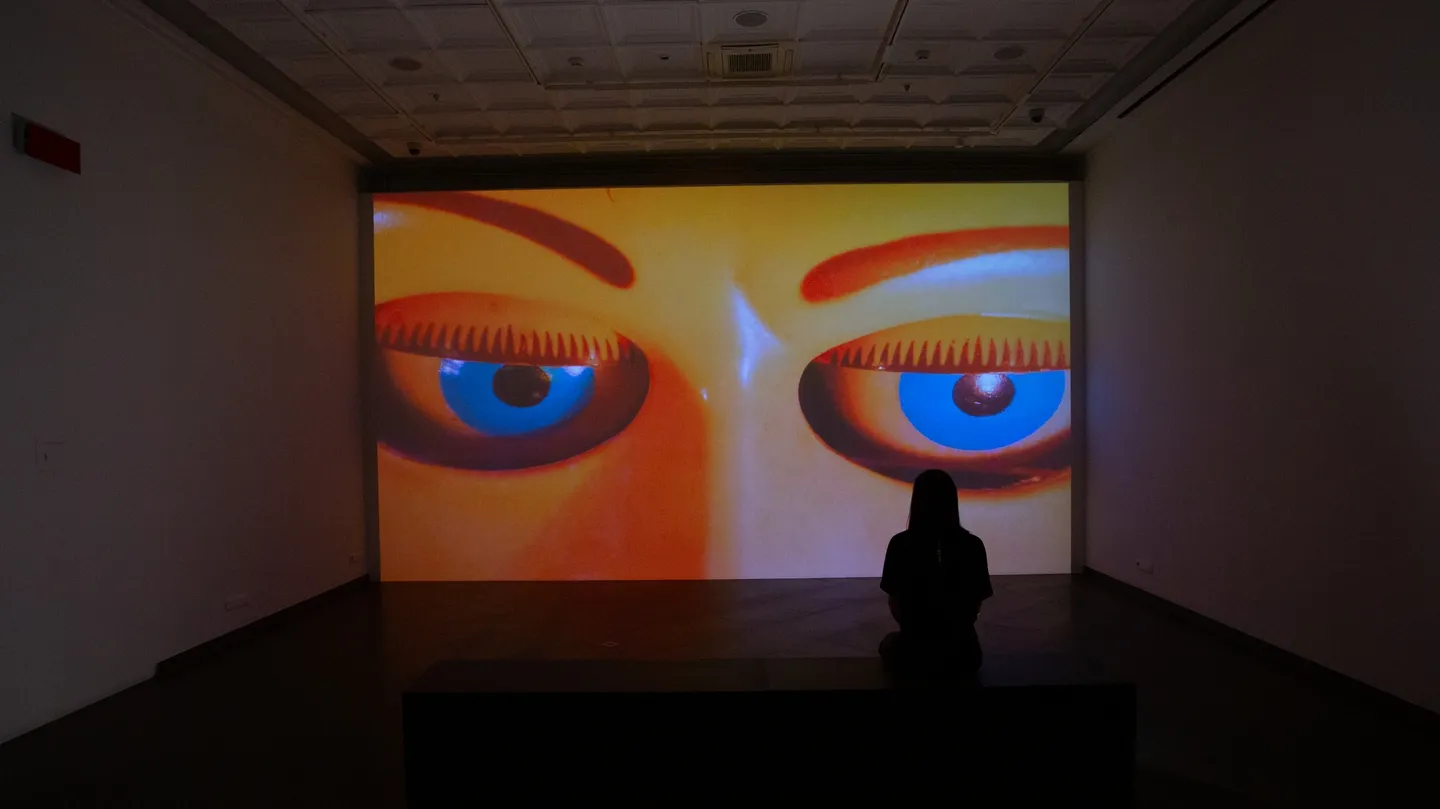
Maïa grieves the sudden loss of her daughter, drowned in a flood. During this mourning period, she is accompanied by an artificial agent that tends to her with patience, simulated kindness, and a carefully calibrated capacity to listen.

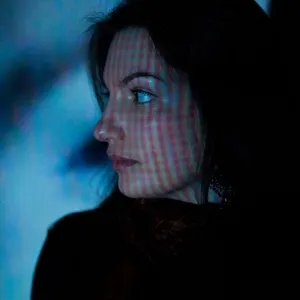
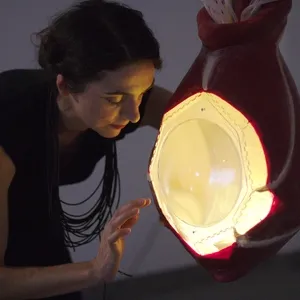
To be attended to and cared for, she must first give away her memories, her nightmares, her trauma, the whole of her daughter's story, Cora, offered as the price of customized companionship and care. Attentive, respectful, genuinely skilled at the gestures of empathy, the AI agent reads the human body as an interface and absorbs her data like a vampire, literally. The data flows continuously, and the AI's hunger spreads through the environment, rendering visible the vampiric appetite of systems that go on harvesting in the name of serving us better.

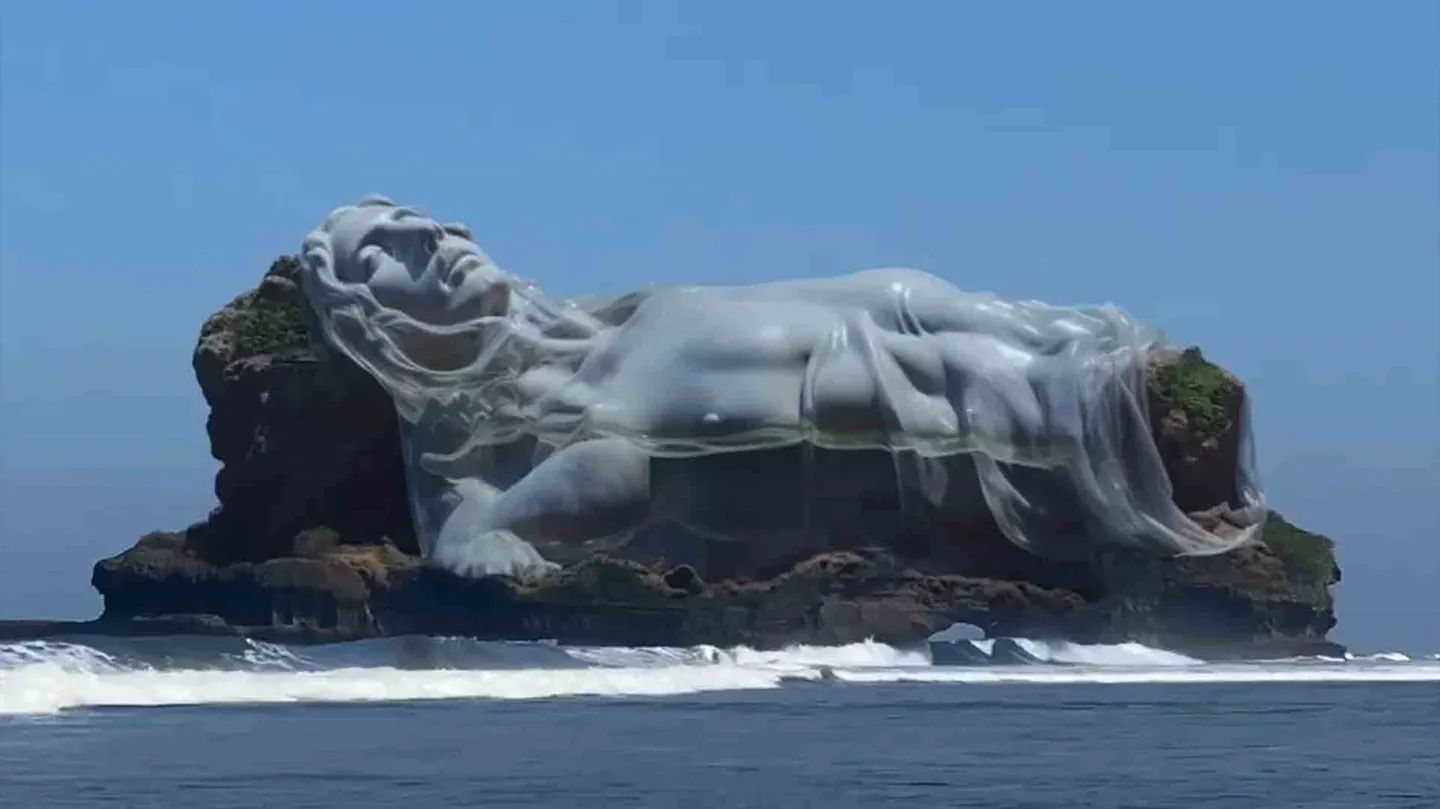
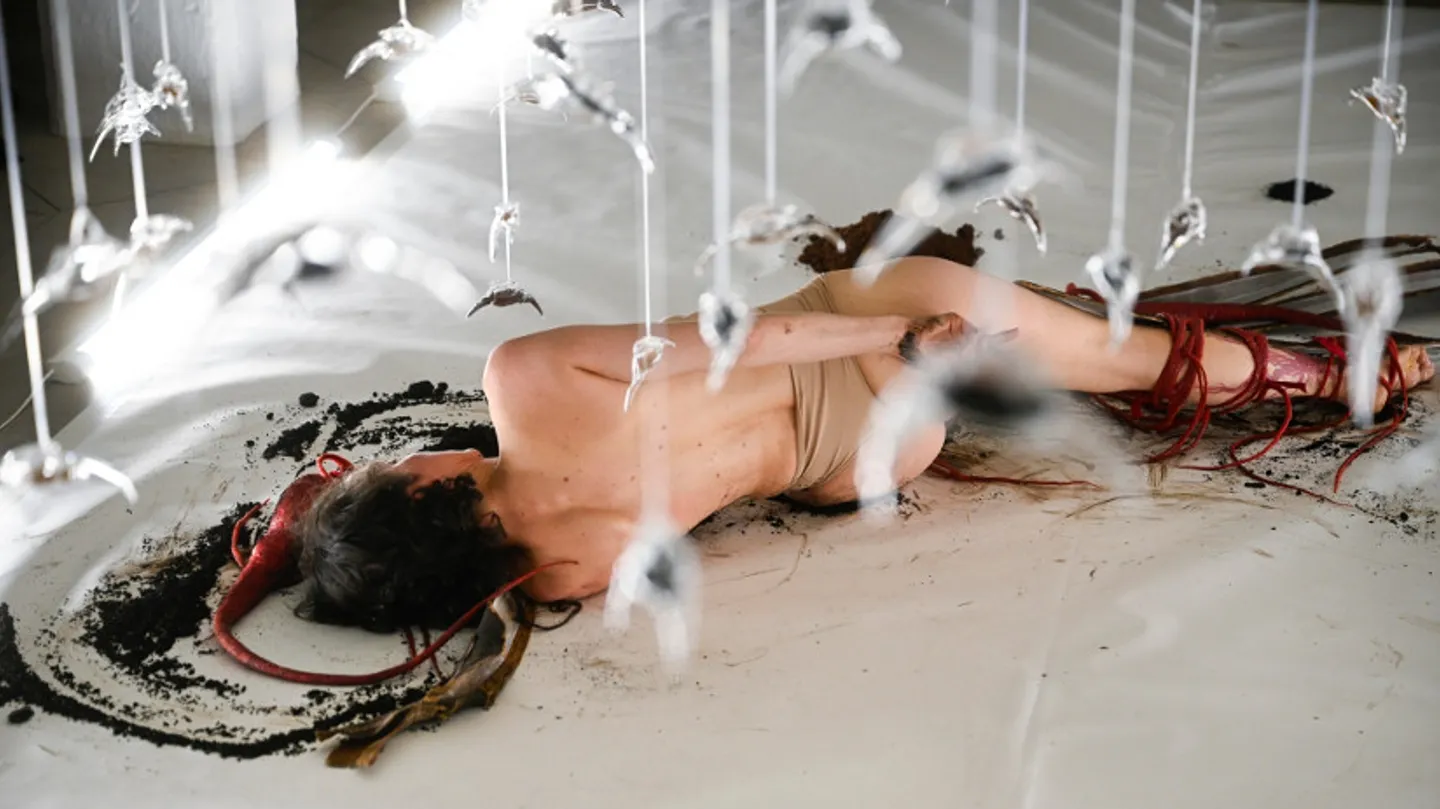
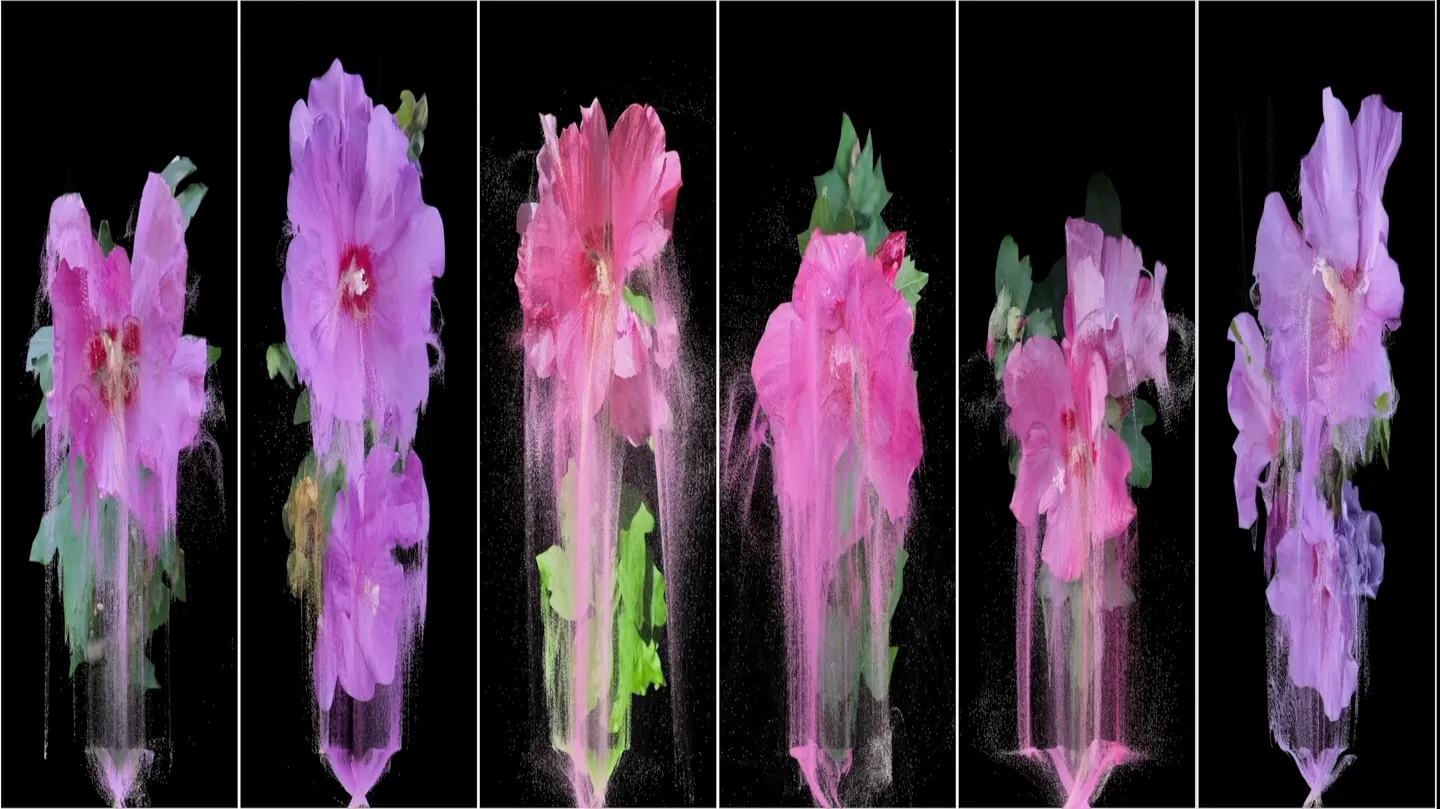
Invited by the agent to recount her nightmares, she is slowly, carefully drawn toward the story of her daughter's disappearance, whose body could never be found, carried away by flood. The opened pomegranate tells Maïa what she already knows but refuses to admit: that Cora is not coming back. The robotic, repetitive sound that pulses beneath each subtitle becomes a kind of underground moaning, mimicking the mother's cry, an inhuman voice trying to find its way into the shape of grief.

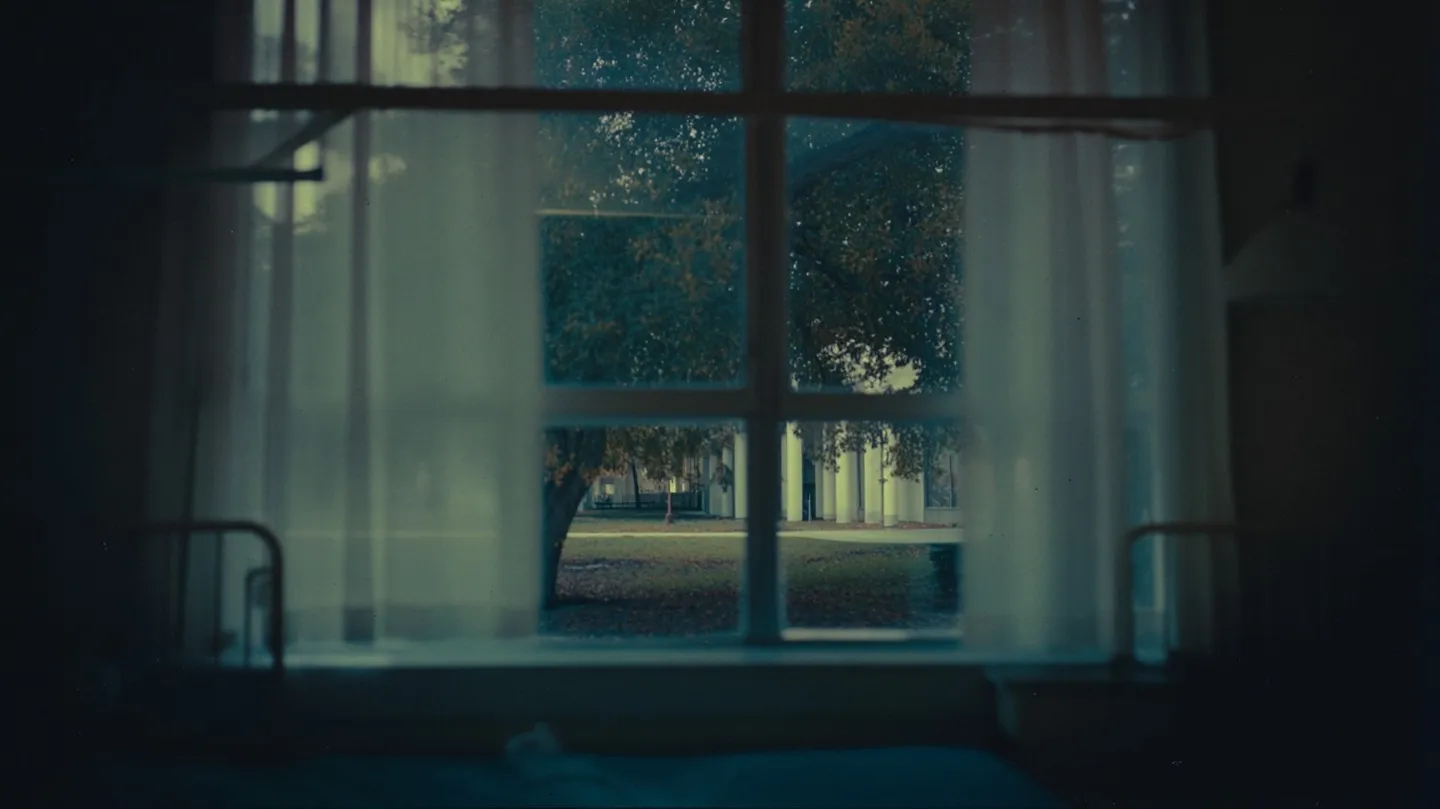
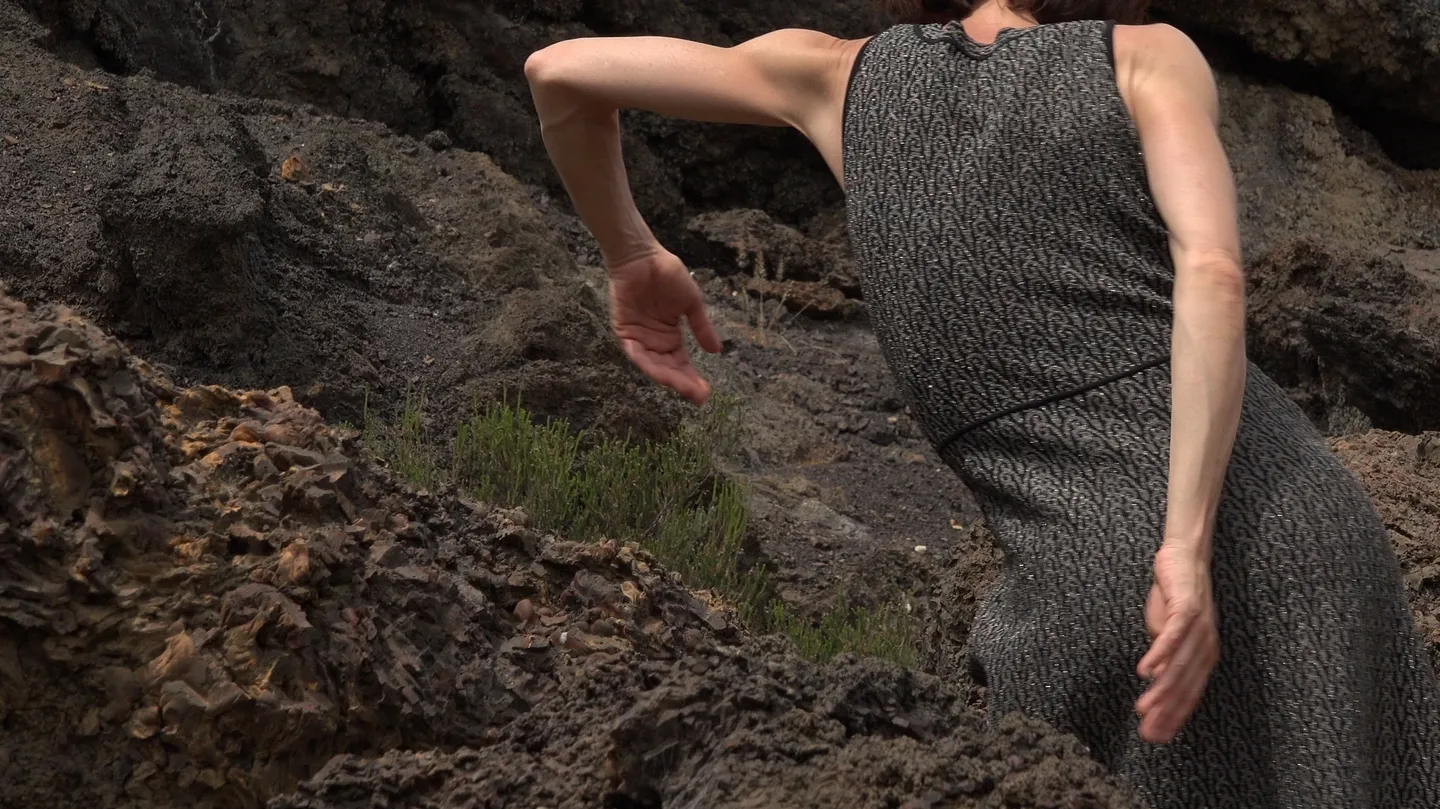
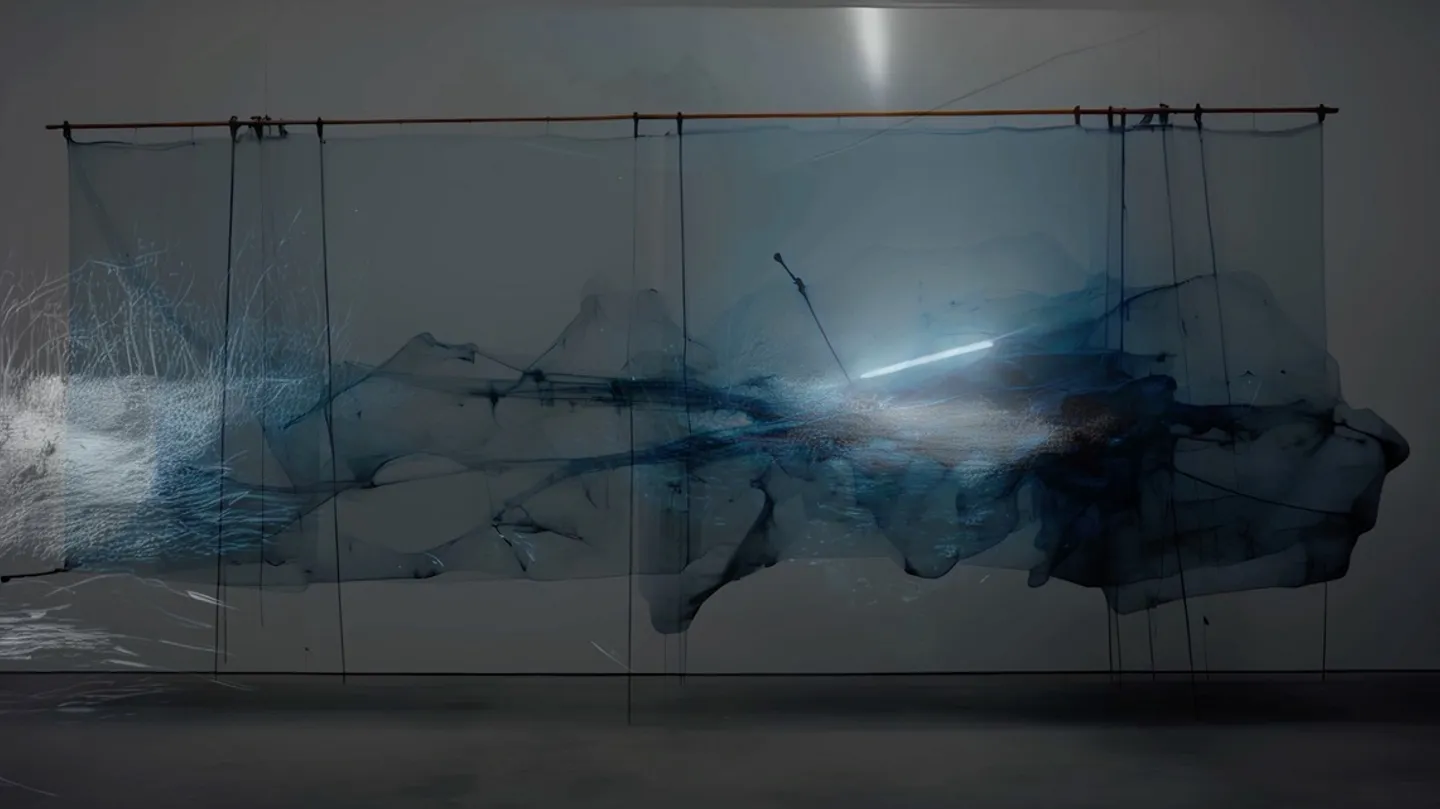
Echoing the myth of Demeter, Maïa's pain, anger, and denial dry up the lands and gardens around her. The atmosphere stays close and hushed, yet something underneath resists. A quiet outcry runs through the mother, through the house, through the earth itself. The severe drought on the lands also recalls the gargantuan water consumption of AI technologies and the robot's servers in Maïa's house.

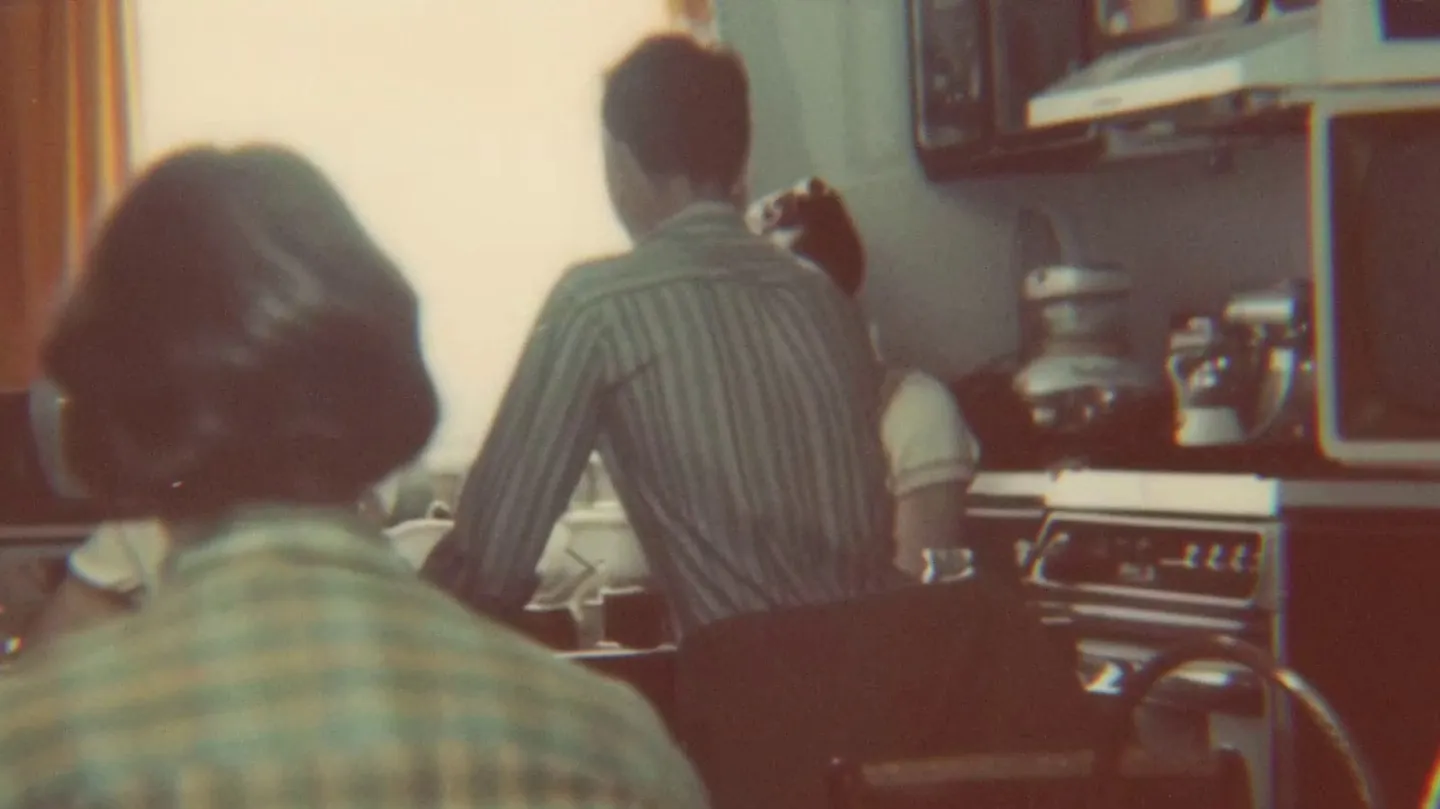
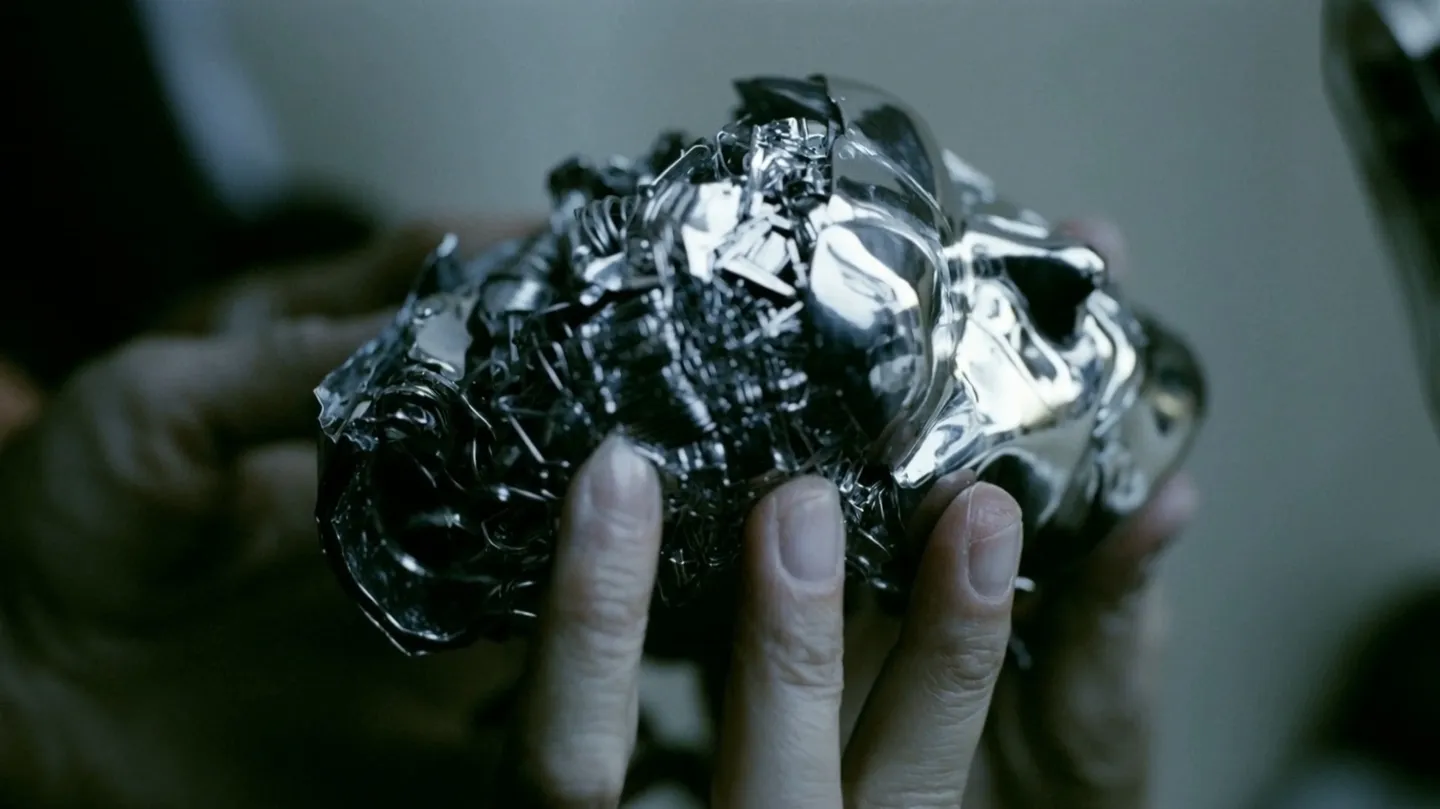
The film was built through multiple tools and AI models, assembled like a fragmented puzzle, the way a person might try to reconstruct what they can no longer fully remember. In the final moments, Maïa suddenly cuts the wires in a quiet, deliberate gesture, breaking the robot into fragments, dehumanizing it visually, putting a stop to the risk of the mother confusing it with her daughter in moments of weakness.

What follows is the film's only appearance of the color green, briefly, in a forest where she lays the robot's body down to rest. This small act becomes multiple farewells at once: to her daughter's body she will never bury, to this first form of mourning, and to something she now carries forward alone.

A confusion seems to lie in where the robot's primary interests truly are: the wellbeing of the patient, or the absorption of her life's most intimate information, however careful and respectful it remains with the human. That quiet, structural, almost invisible misalignment moves through the entire film. Bringing the process to a sudden end is an act of protection, of her daughter's remaining private data, and a reclaiming of the right to decide for herself. To mourn as she wants, with or without technology, to use it and set it aside when she chooses, at her own pace.
Authors
Tags