The Waters it came from
About artwork
Provenance
Tech info
About
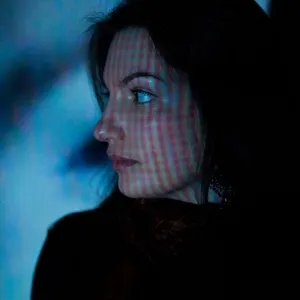
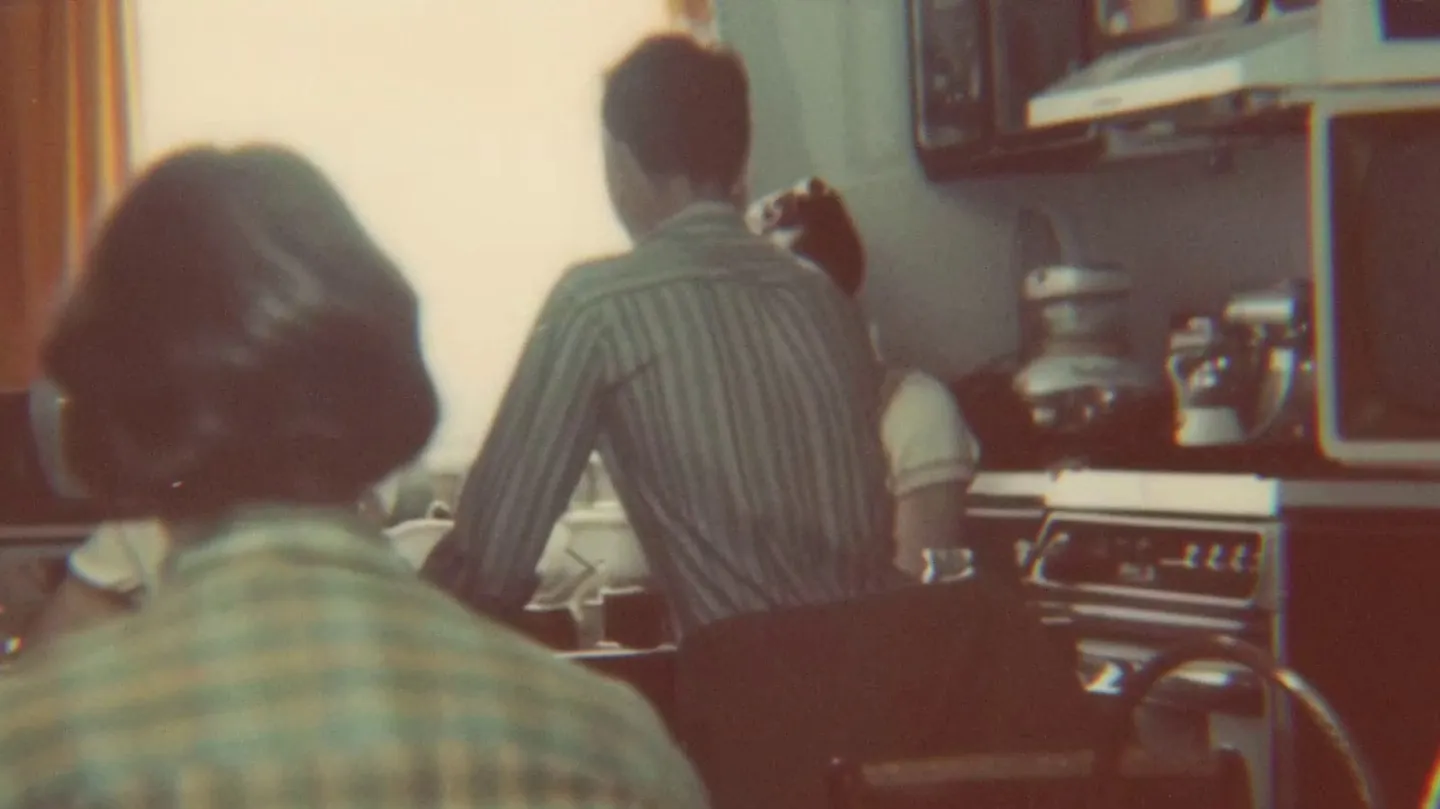
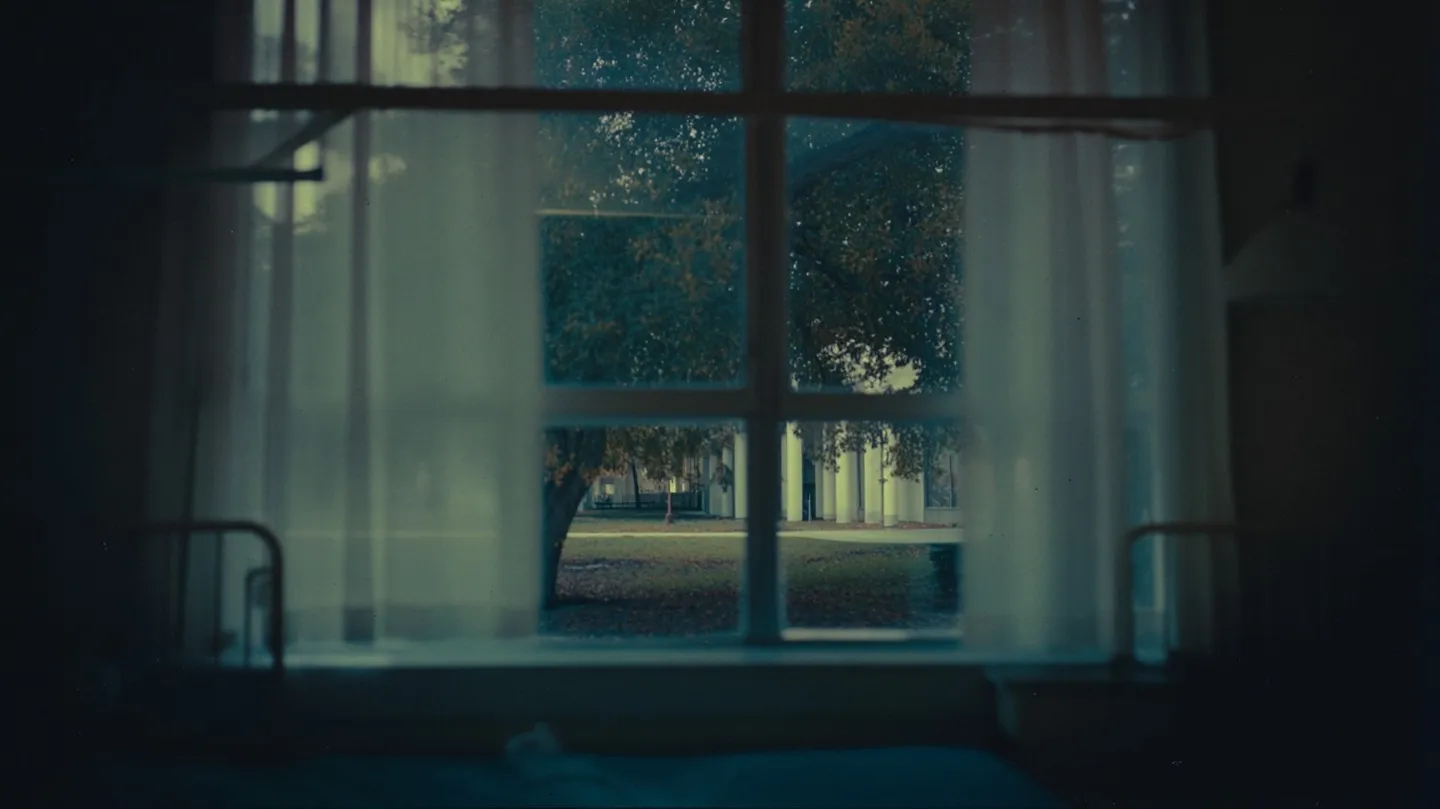
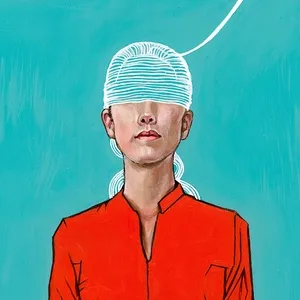
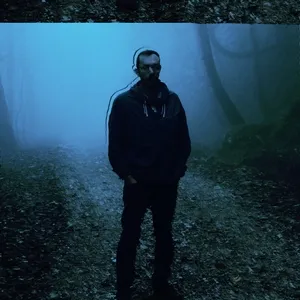
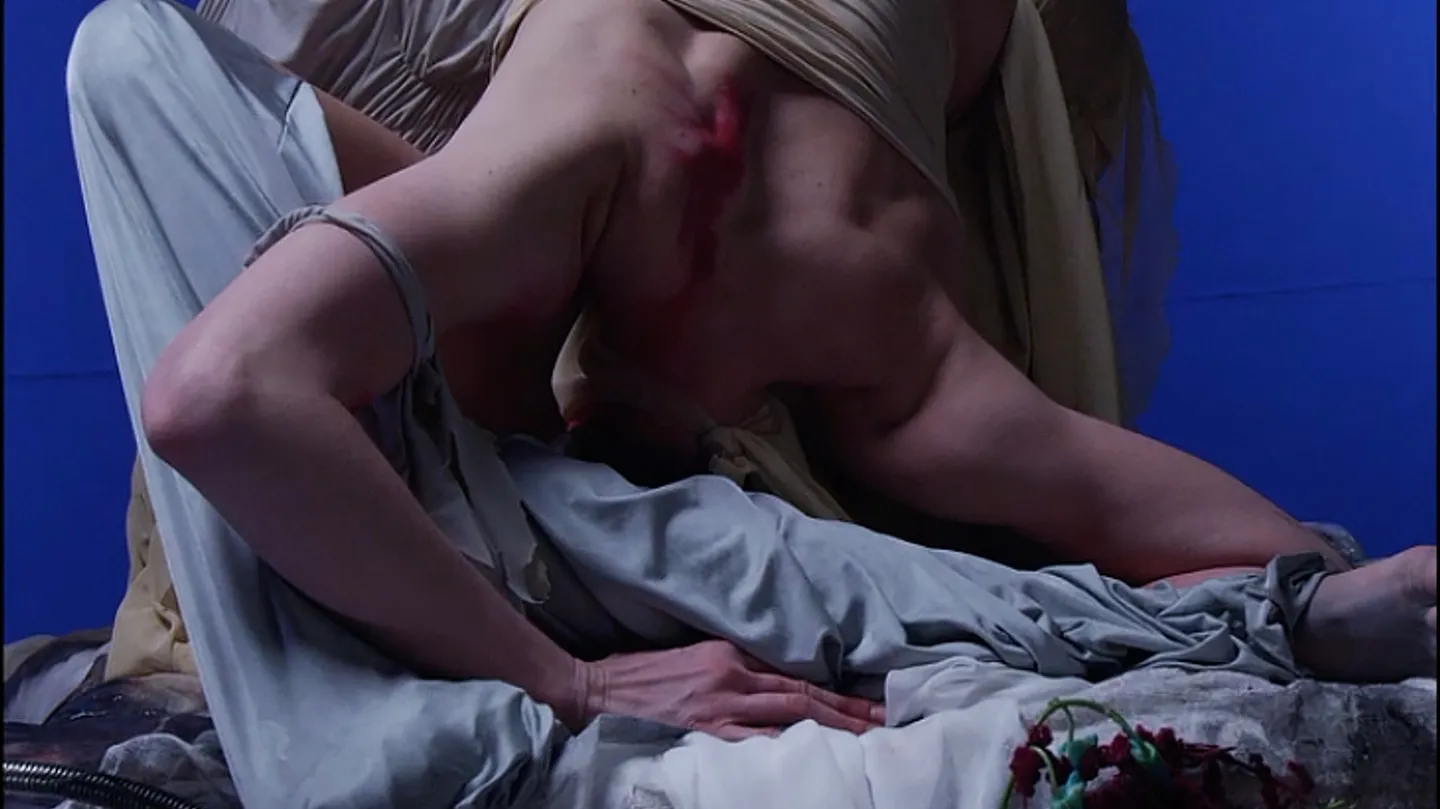
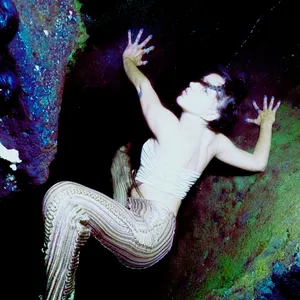
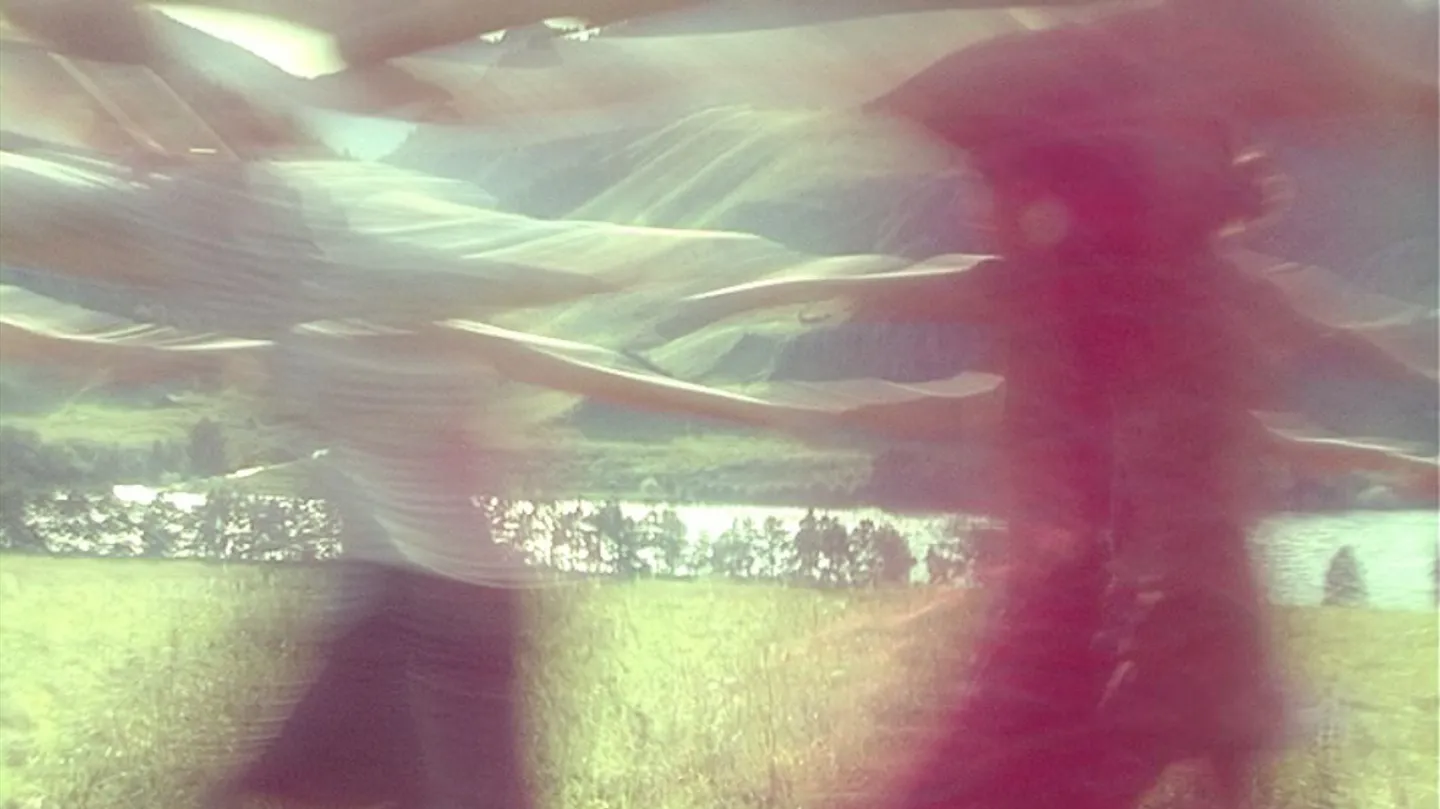
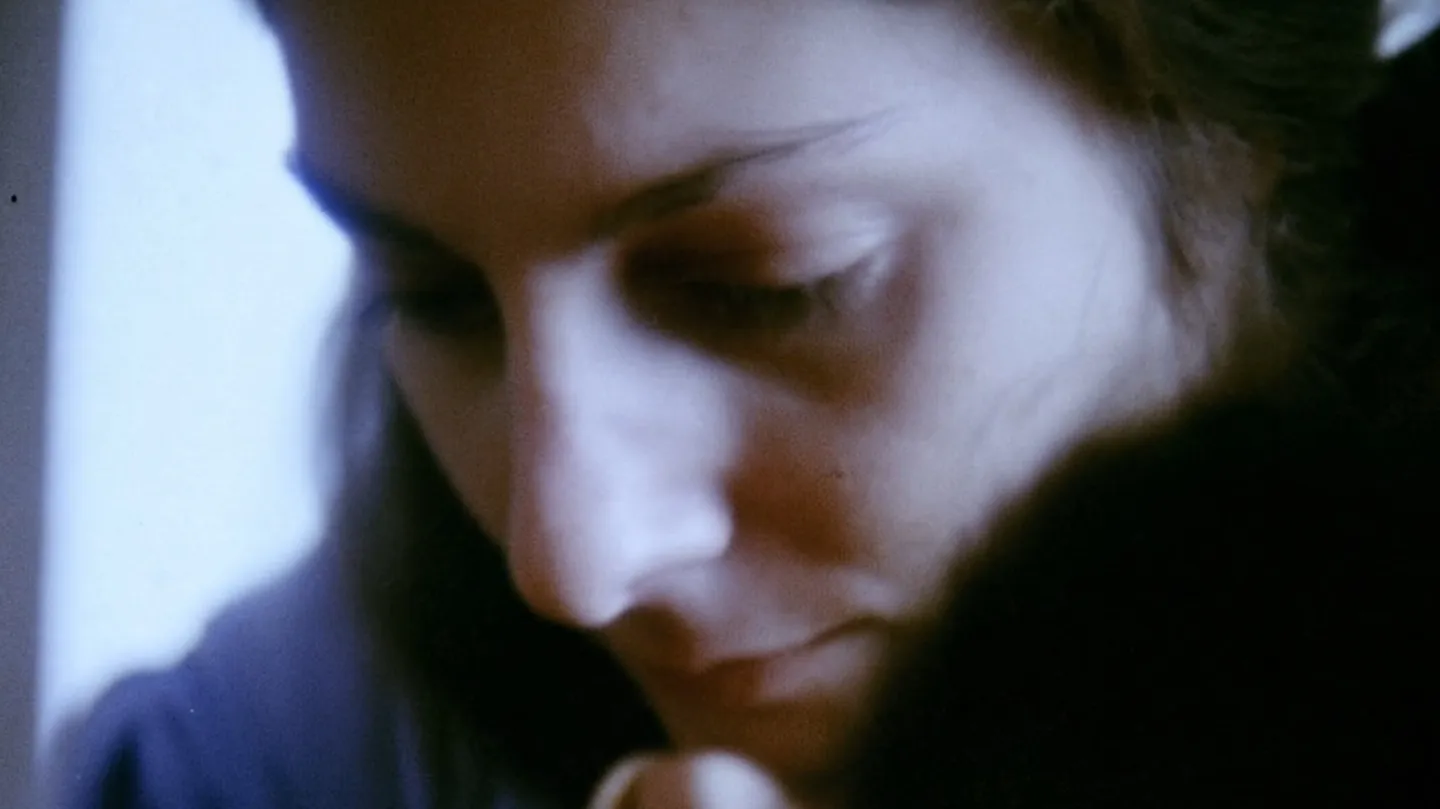
"The Waters it came from" is a short film built from AI archival found footage. Through AI-generated images, it reconstructs intimate scenes of women gathering, helping each other access abortions, learning about their own bodies, and supporting one another. The film is set in the late 1970s, in the years following the Veil Act (Loi Veil) of 1975, the legislation introduced by Simone Veil that decriminalized abortion in France after decades during which the procedure had been illegal.

Taking as its main inspiration the documentary "Regarde, elle a les yeux grand ouverts" ("Look, her eyes are wide open"), directed by the MLAC Collective and Yann Le Masson, the film focuses on the women who continued to organize in the aftermath of the law. Despite legalization, access to abortion remained deeply uneven: many doctors invoked the conscience clause to refuse to perform the procedure, hospitals lacked the staff and resources to meet demand, and women in rural areas or with limited finances faced significant practical barriers.

Groups like the MLAC (Mouvement pour la liberté de l'avortement et de la contraception) continued to operate outside the law to fill that gap, providing abortions clandestinely and facing prosecution for it, most notably in the 1977 Aix en Provence trial, where six activists were convicted for helping a minor access the procedure.

The subtitles that run through the film are the words of a woman thinking through her own abortion, plainly, without justification. Her inner voice is neither apology nor explanation, simply thought.

The sound is a low, persistent noise, for me a reference to the undercurrent of a continuous, perpetual fight that never fully disappears, and that is still happening today.

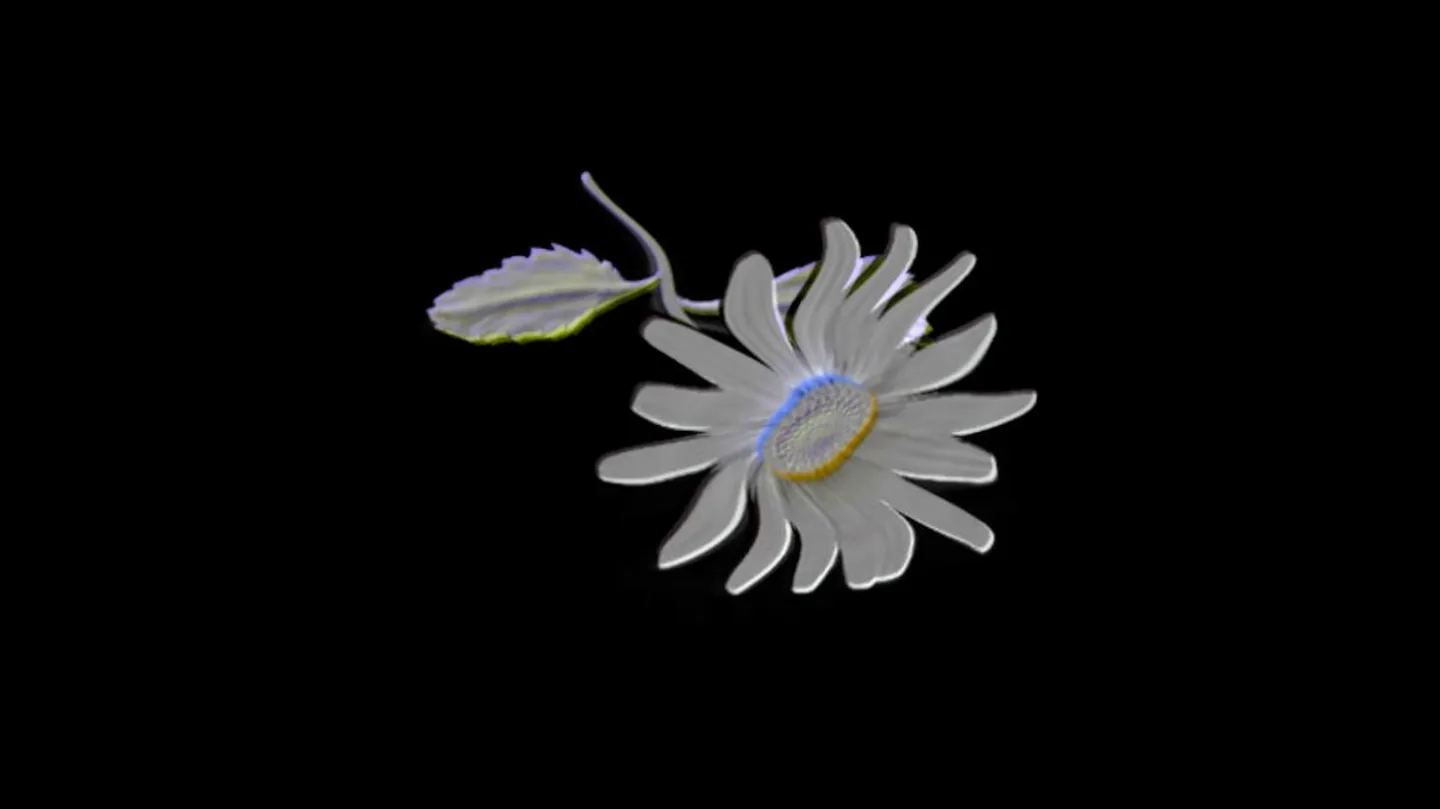
"The Waters it came from" is a fragile and direct fictional archive, one that records a strong memory of solidarity and mutual support between women, and of medical knowledge that was being reserved exclusively for doctors, largely undocumented at the time, and that remains necessary today. The touches of green throughout the film are a quiet reference to the color internationally adopted by abortion rights movements, most visibly in Latin America.

Through AI, I wanted to recreate this memory, to reinforce a narrative that can always be erased. A memory we still have to fight for today, on a matter that remains more urgent than ever. In 2024, France became the first country in the world to enshrine the right to abortion in its constitution. Yet in that same period, more than 130 abortion centers have closed over the past fifteen years according to the Planning Familial, and 353 maternity wards have disappeared over two decades, forcing women, particularly in rural and underserved areas, to travel increasingly long distances to access care. The number of abortions continues to rise, while the infrastructure to support them continues to shrink.
Authors
Tags