The goddess of reason
About artwork
Provenance
Tech info
About
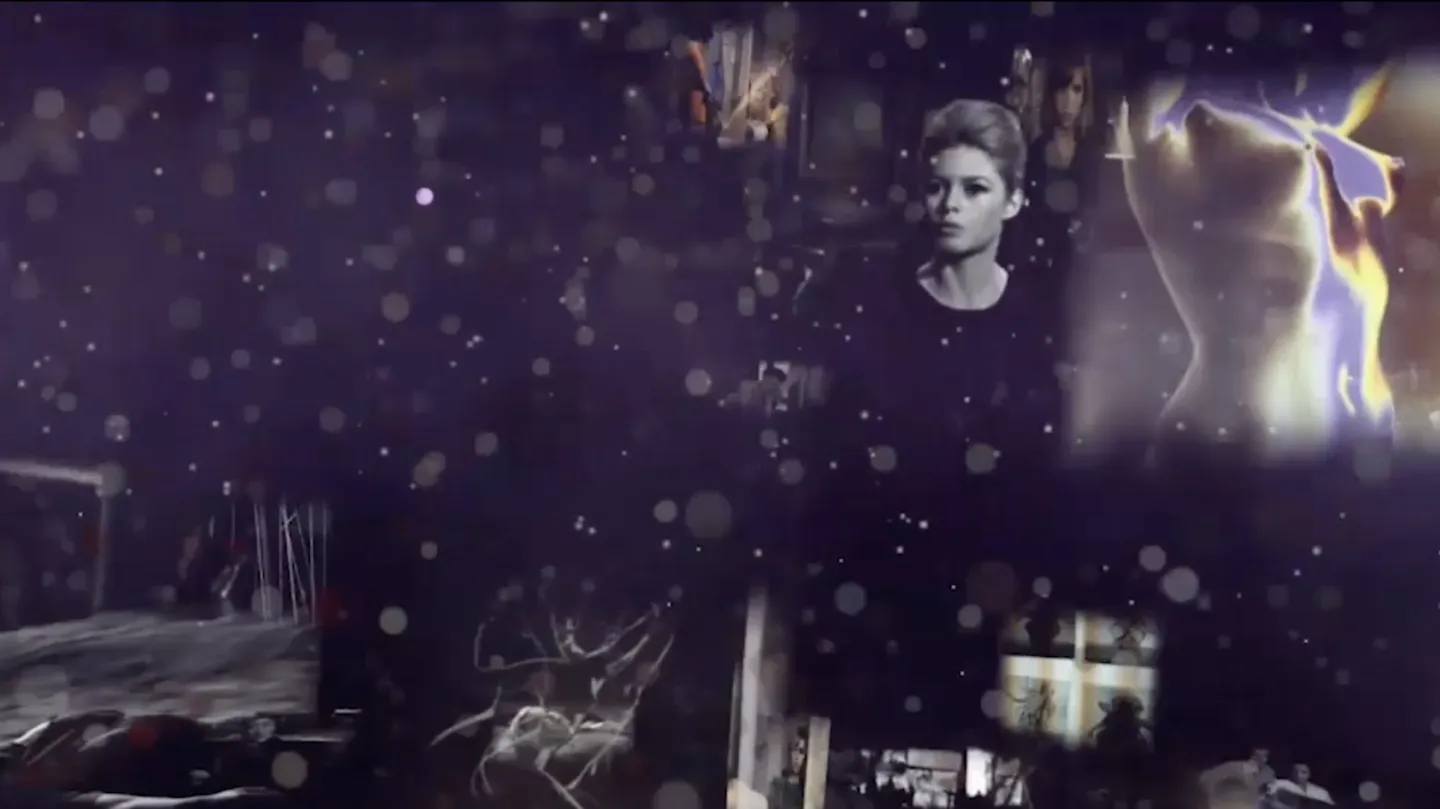
Goddess of Reason" is a video-performance work by Shahar Marcus that explores the concepts of reasonableness and authority within contemporary media and political systems. Building on his previous works, Marcus employs his body as an experimental element, blending popular culture and television formats to critique how abstract systems like law and justice which become physical and performative, often absurdly and disturbingly.
The piece is centred around the concept of "The Reasonableness Standard," a legal term often used as a measure of fairness, which Marcus turns into a playful yet revealing spectacle. The work’s starting point is the provocative quote: "There is no such thing as a concept for reasonableness." Marcus transforms this idea into a television game show, where "reasonableness" is no longer a stable principle but a realm of extreme uncertainty and arbitrariness.
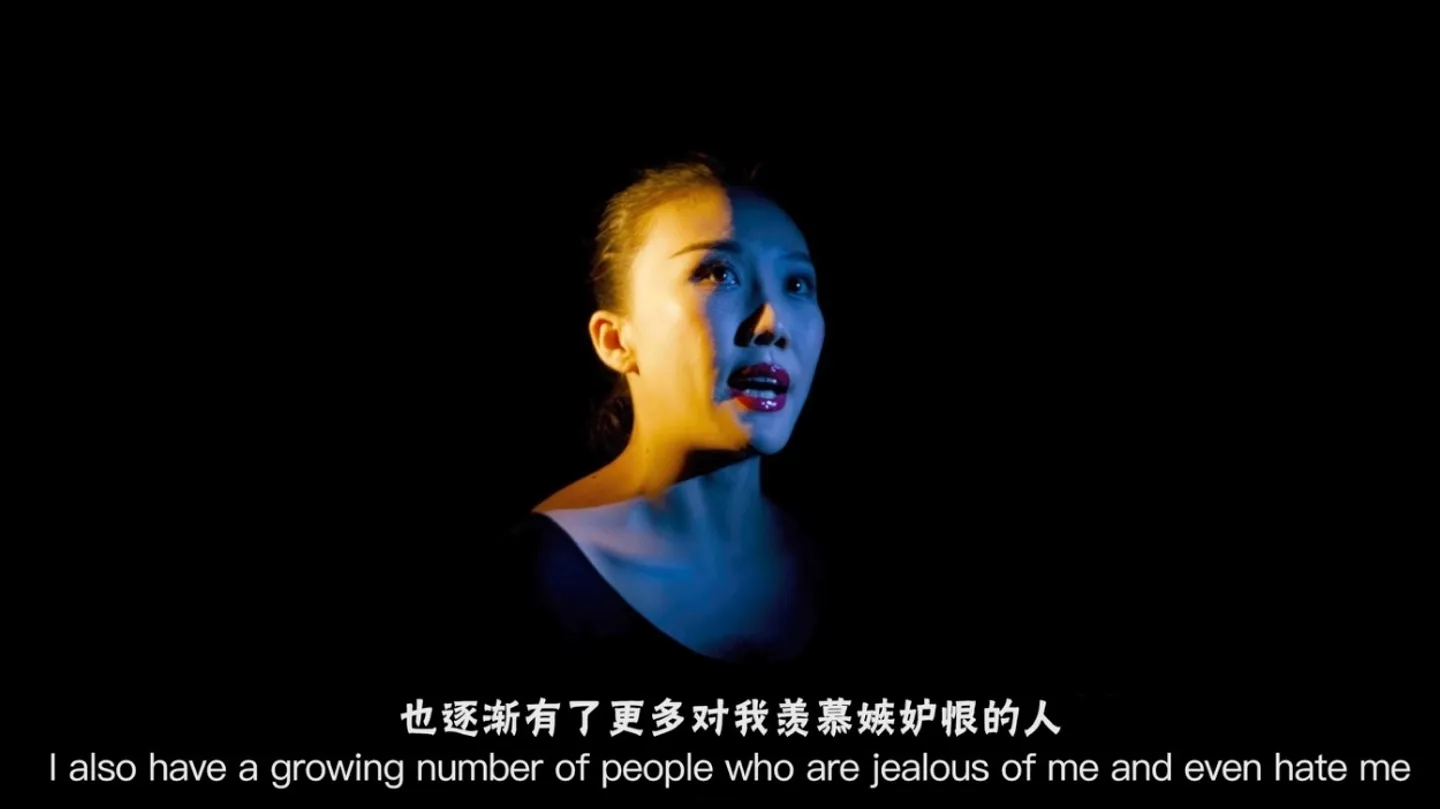
In this show, the "goddess of reasonableness" serves as both the host and the embodiment of systemic authority. She controls the game, which resembles a "wheel of fortune," symbolizing randomness and unpredictability. She represents a system that is both source of authority and a mechanism for punishment and reward, embodying the arbitrary nature of modern power structures. Marcus himself acts as a single contestant navigating rules that are constantly rewritten, highlighting the erosion of clear legal or moral boundaries.
The performance mimics a "live broadcast," with production elements like lighting, confetti, and smiles creating an illusion of legitimacy. However, the rules of the game are intentionally unstable, blurring the lines between success and failure, justice and injustice, truth and performance. Through this, Marcus underscores how media proliferates images and messages that are often false or manipulated, shaping emotional and political responses while obfuscating reality.
The work questions the relationship between "reason" and "reasonableness," emphasizing how both terms are flexible and susceptible to manipulation. It prompts viewers to consider whether "reason" can truly be justified or is simply an excuse to justify what serves interests. The changing rules and the figure of the goddess reveal a system where trust is eroded because there are no clear, stable criteria governing truth or justice.
Finally, the symbolic statuette of the "Goddess of Reason," awarded to the contestant regardless of what they "won," signifies a society where material compensation is often superficial merely an ornate image while deeper questions about truth, justice, and trust remain unaddressed. The performance critiques how the perception of authority and legal systems is increasingly shaped by spectacle, manipulation, and ever-shifting narratives.
Authors
Tags