Fanfictie: Volcanology
About artwork
Provenance
Tech info
About
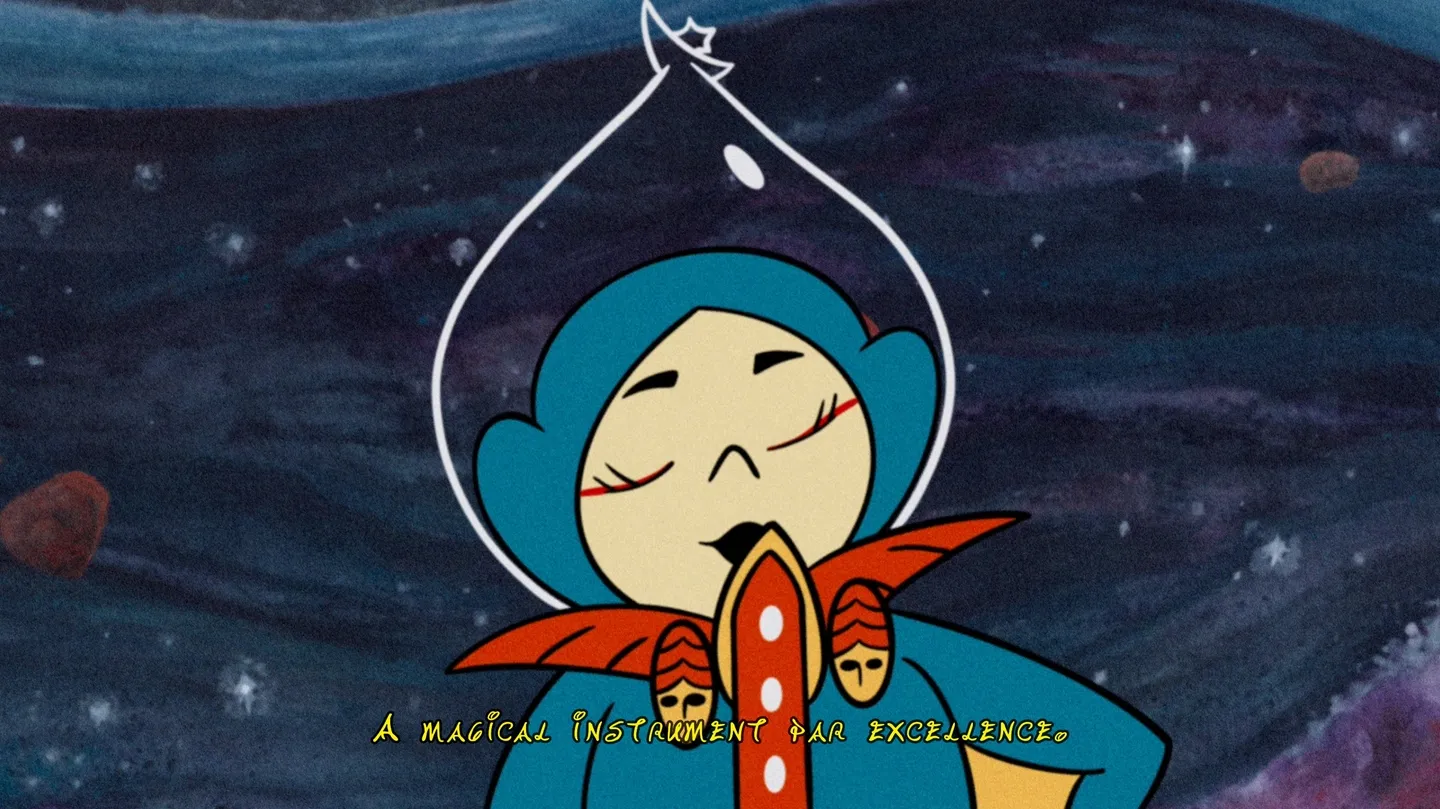
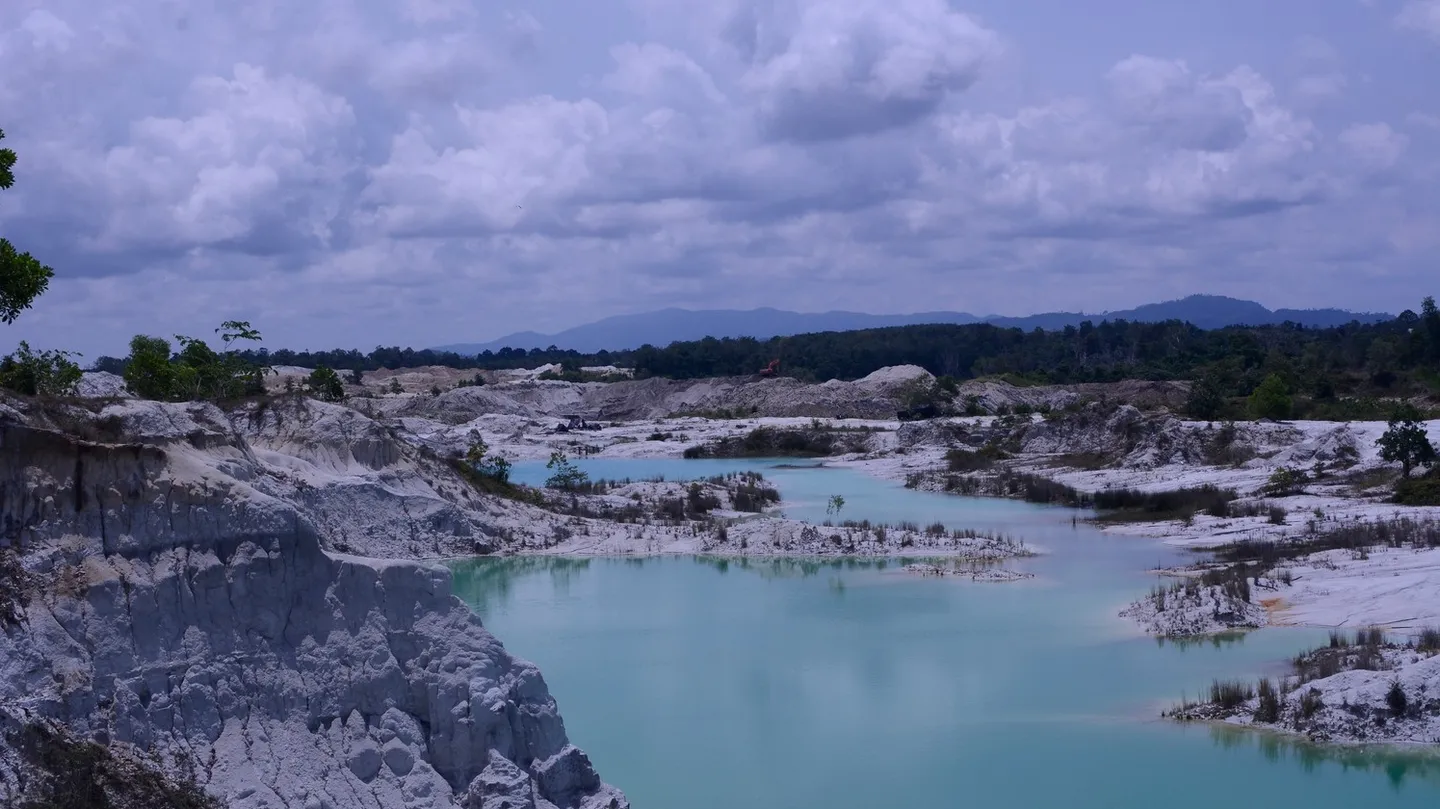
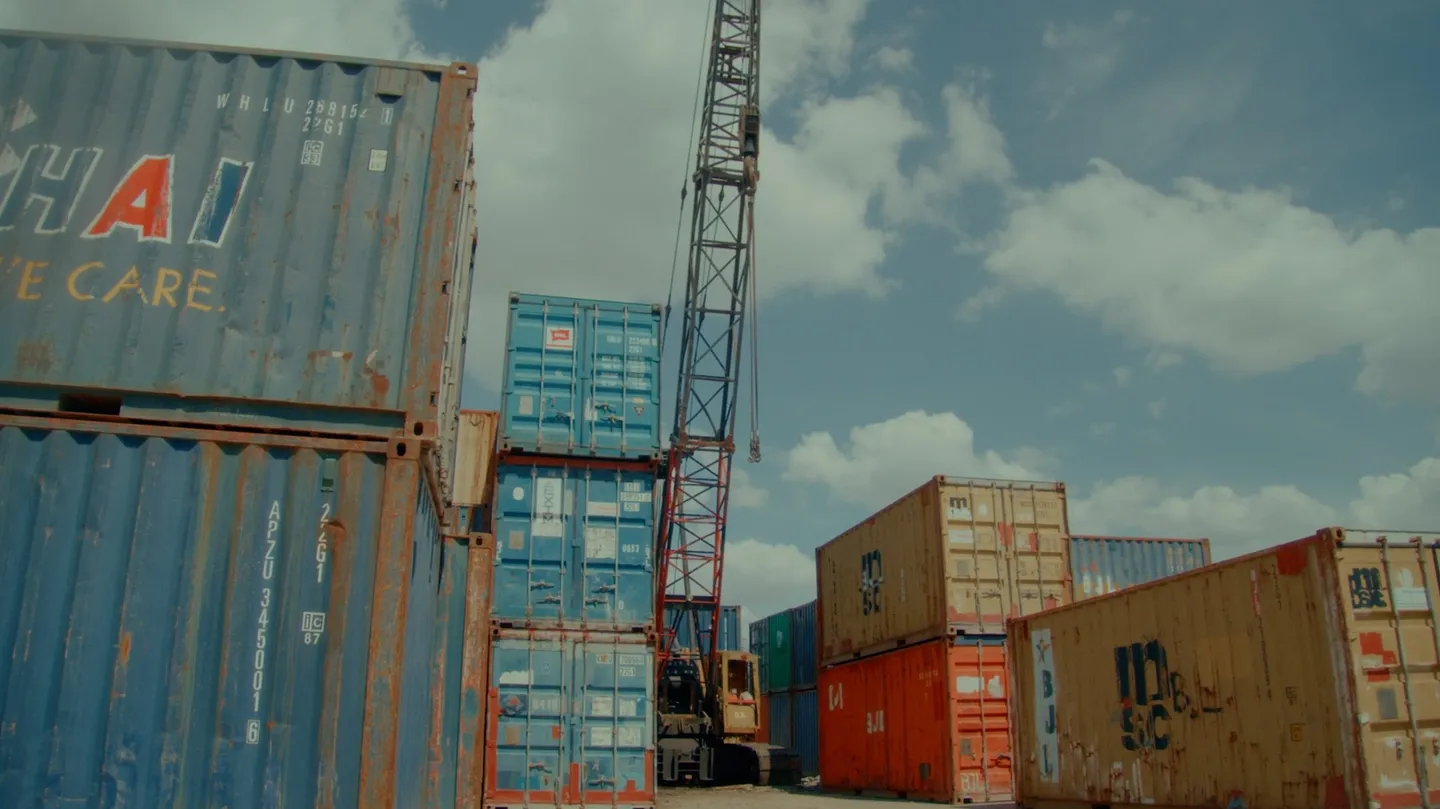
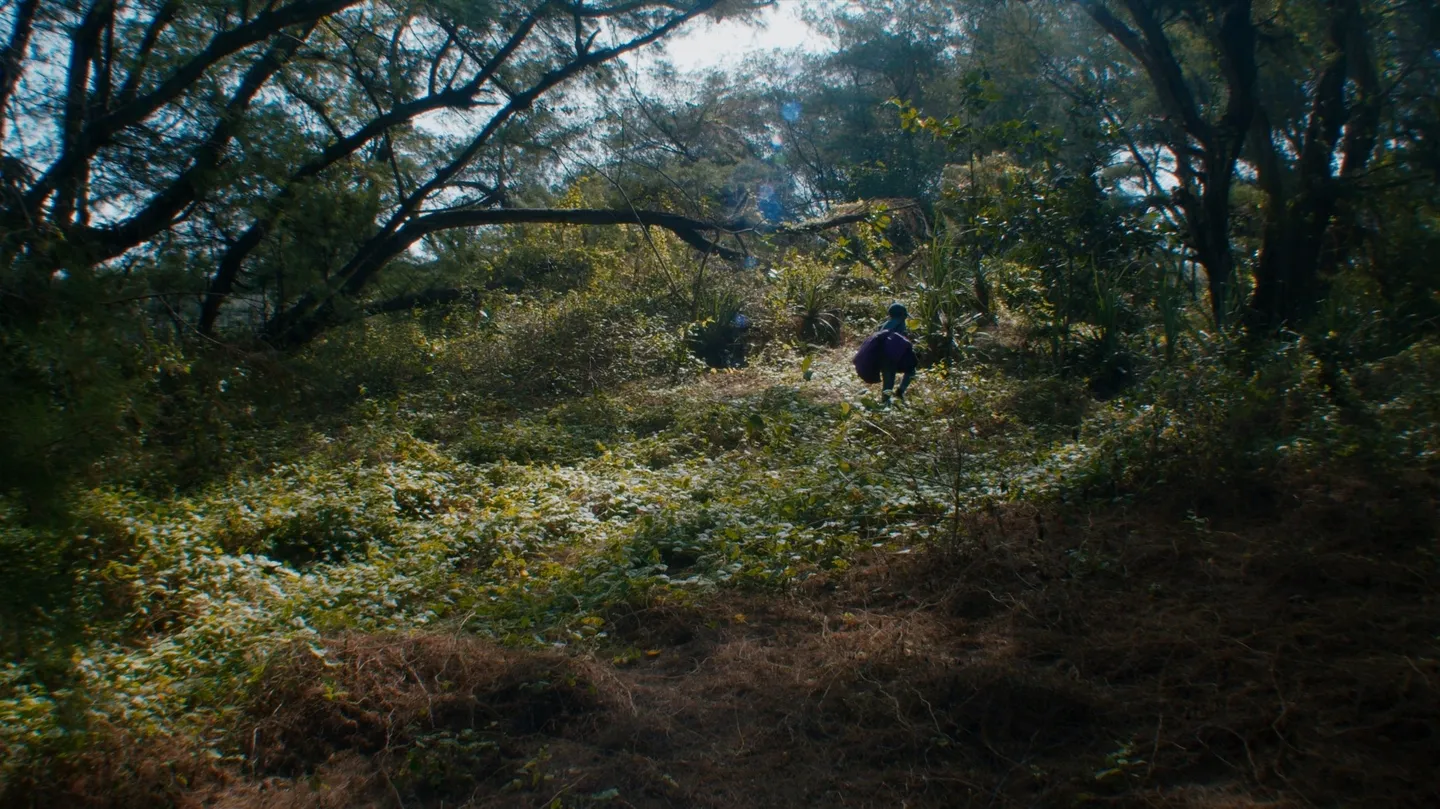
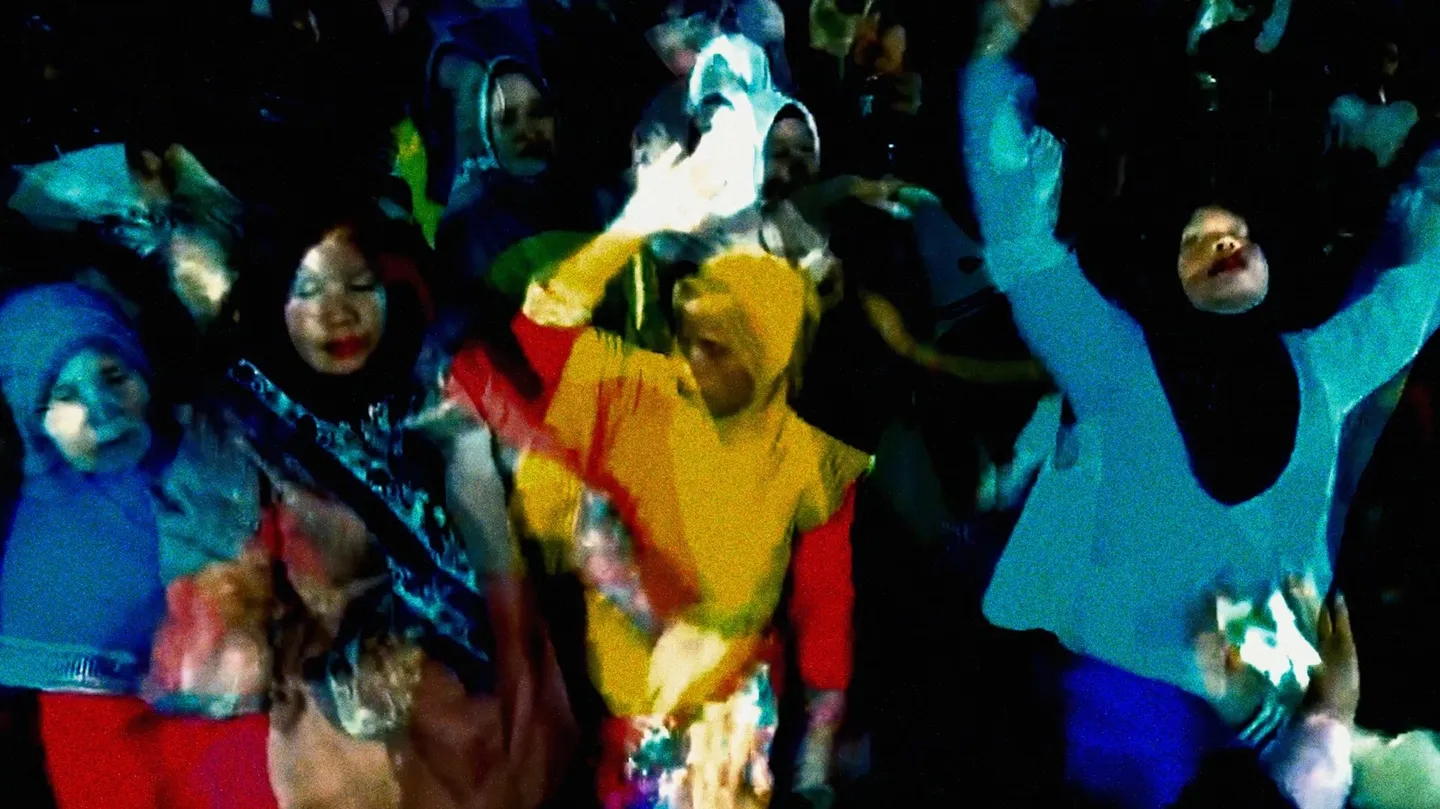
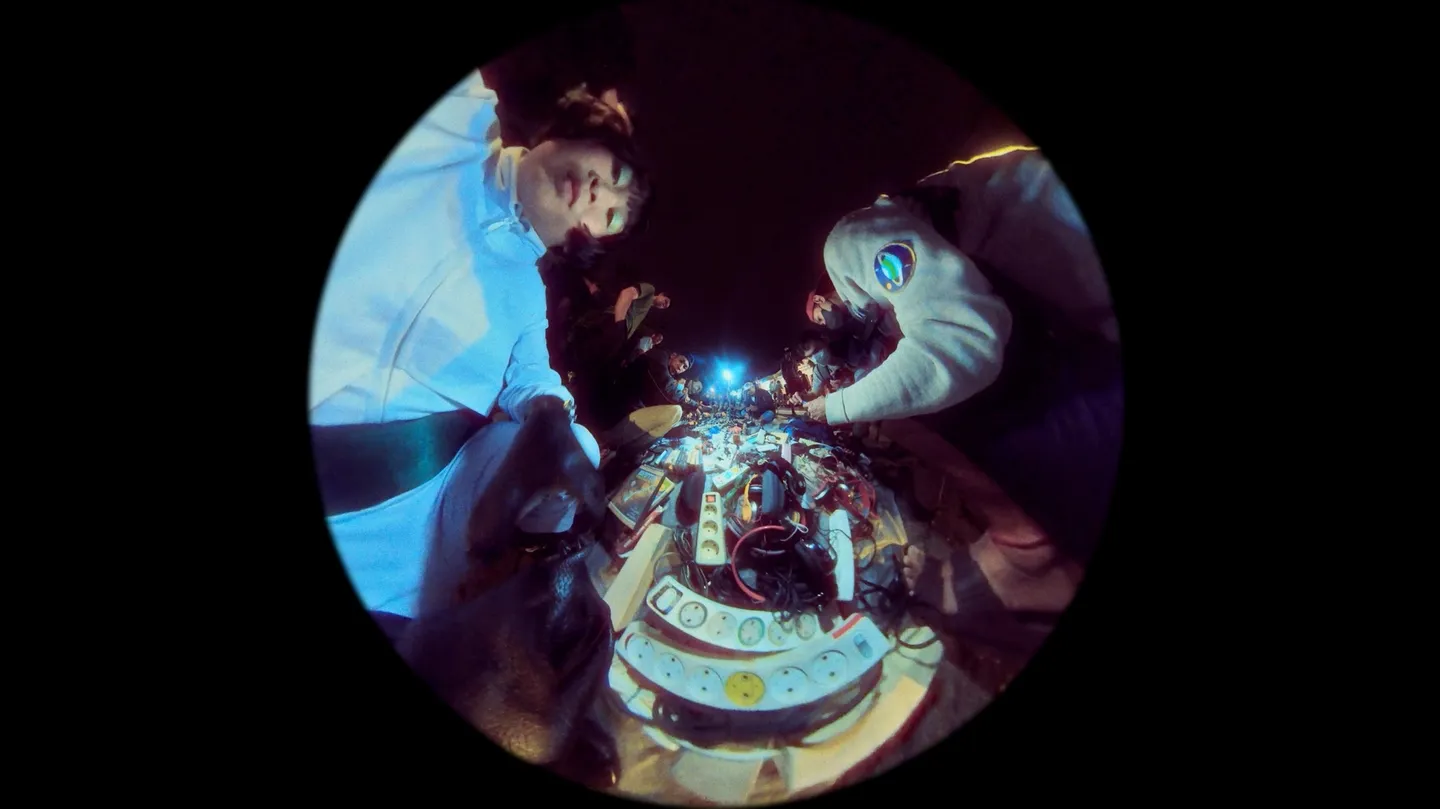
Fanfictie is a trilogy of video works that examines colonial scientific activity in Indonesia between the 18th and 19th centuries. This new series explores how Western science sought to make sense of the world by observing the landscapes and populations of a tropical archipelago rich in volcanoes, restless ancestral spirits, a tempestuous ocean, and complex histories of migration between islands.

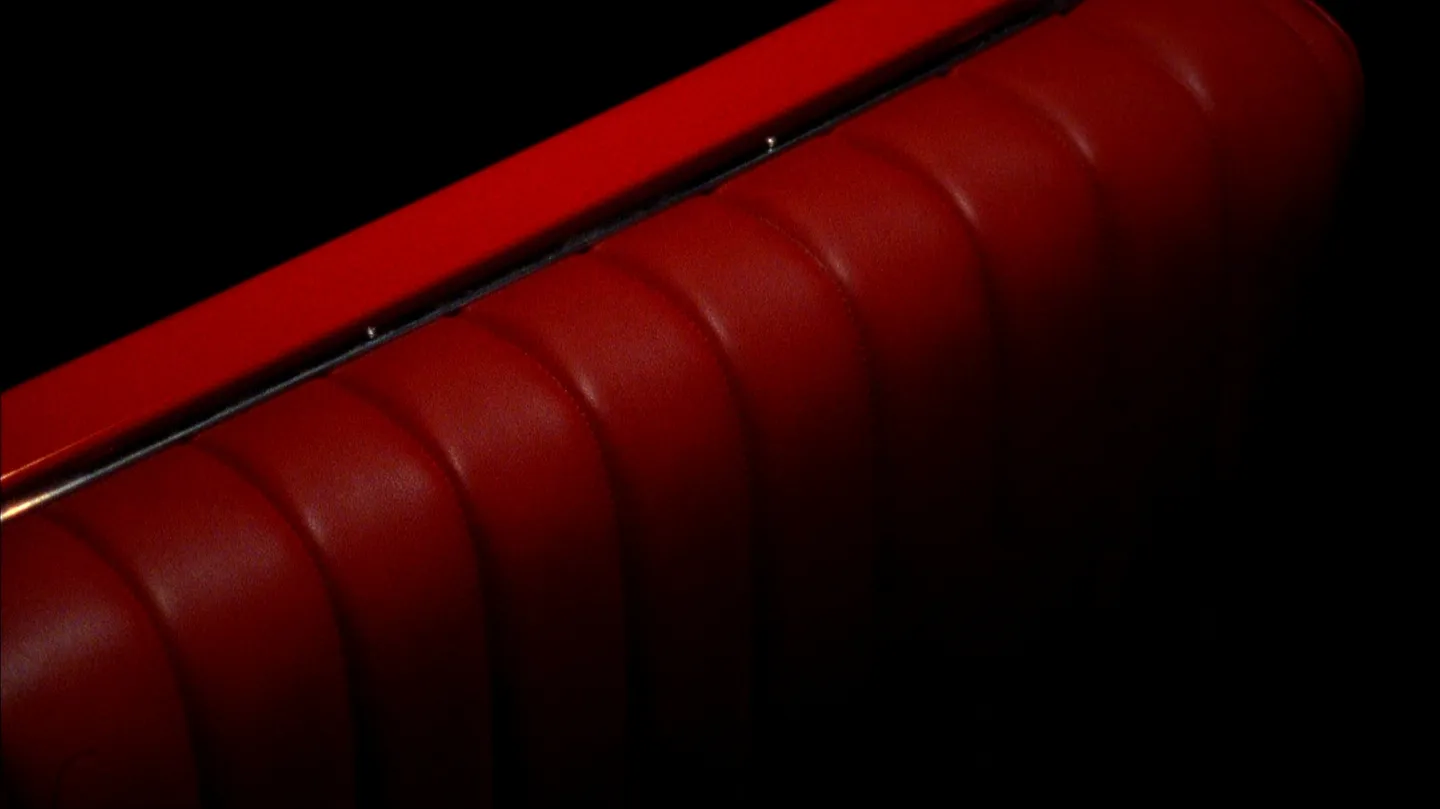
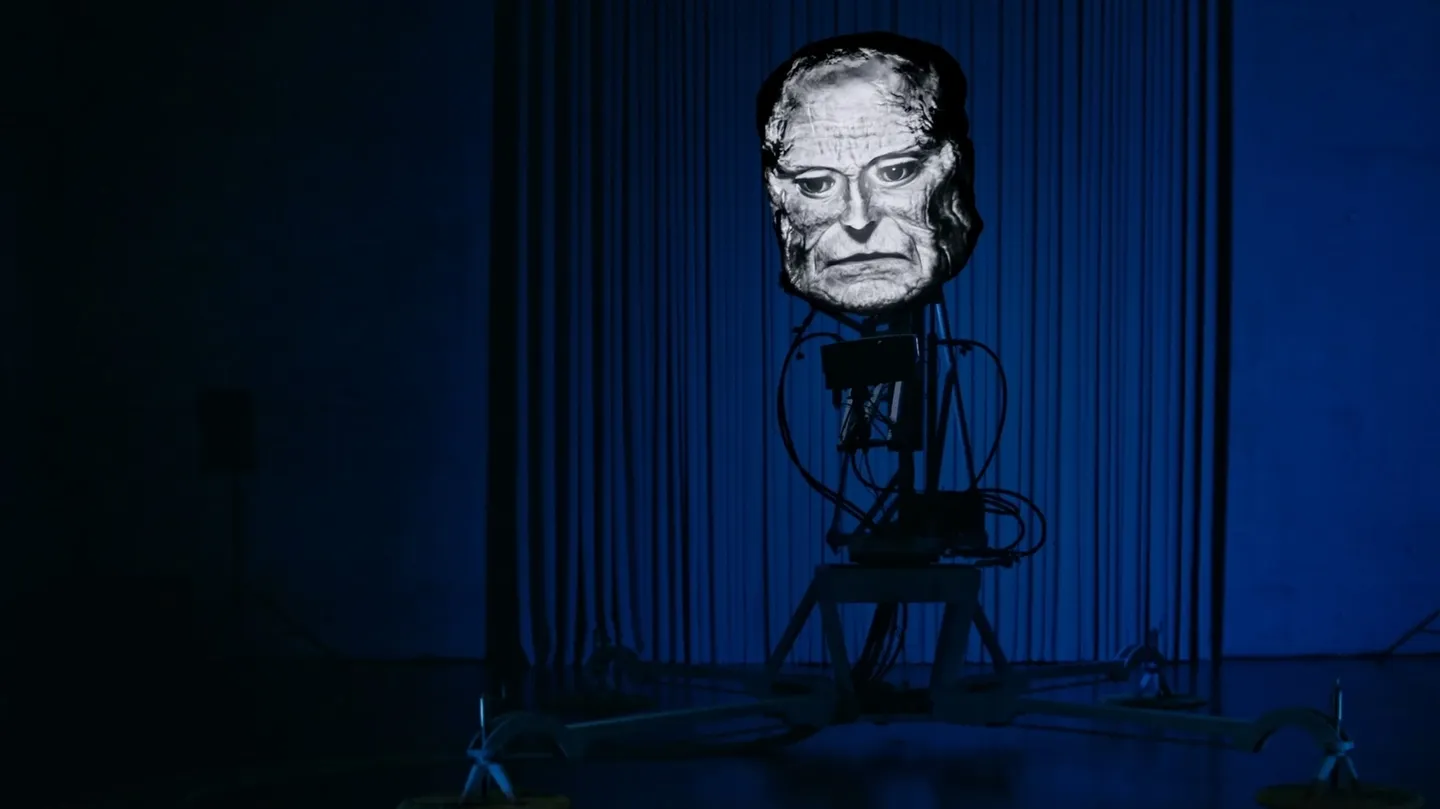
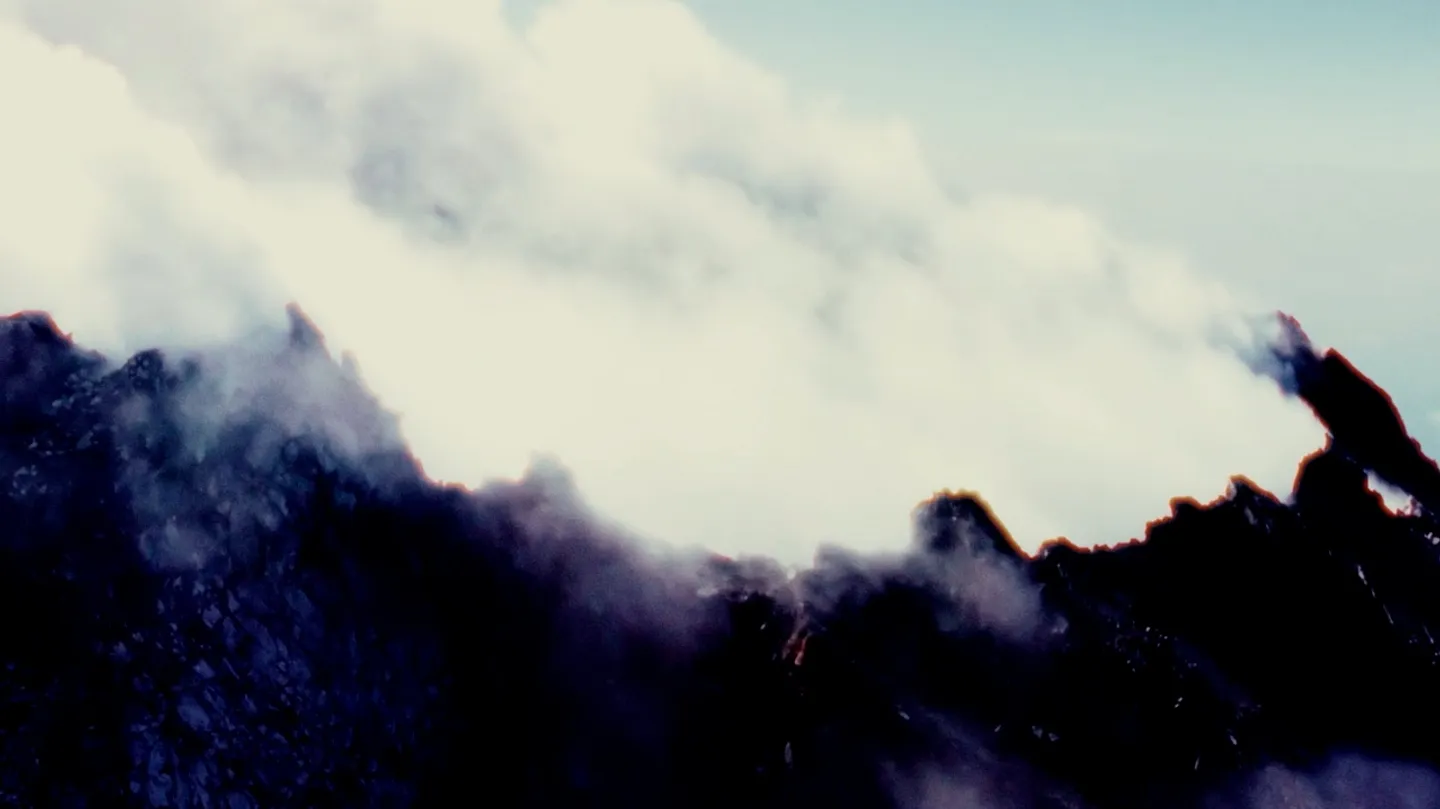
“Fanfictie: Volcanology” focuses on volcanology, introduced through the work of Dutch geologist Franz Wilhelm Junghuhn, and on how his theories collided with local understandings of volcanoes that differed from European interpretations. In this video installation, Junghuhn appears as a symbol of colonial science, embodying the friction between different interpretations of reality, and the radical and poetic potential that arises when multiple conceptions of the natural world meet.

In the video, Rizaldi fabulates from Junghuhn’s naturalist approach, which borders on a form of Pandeism—contending that God exists within all things. Junghuhn believed that nature itself is the “source of all truth” and the sole “manifestation of the divine,” a conviction that resonated with Javanese mysticism. His pursuit of understanding required not just observation but immersion, suggesting that to know nature one must become part of it.

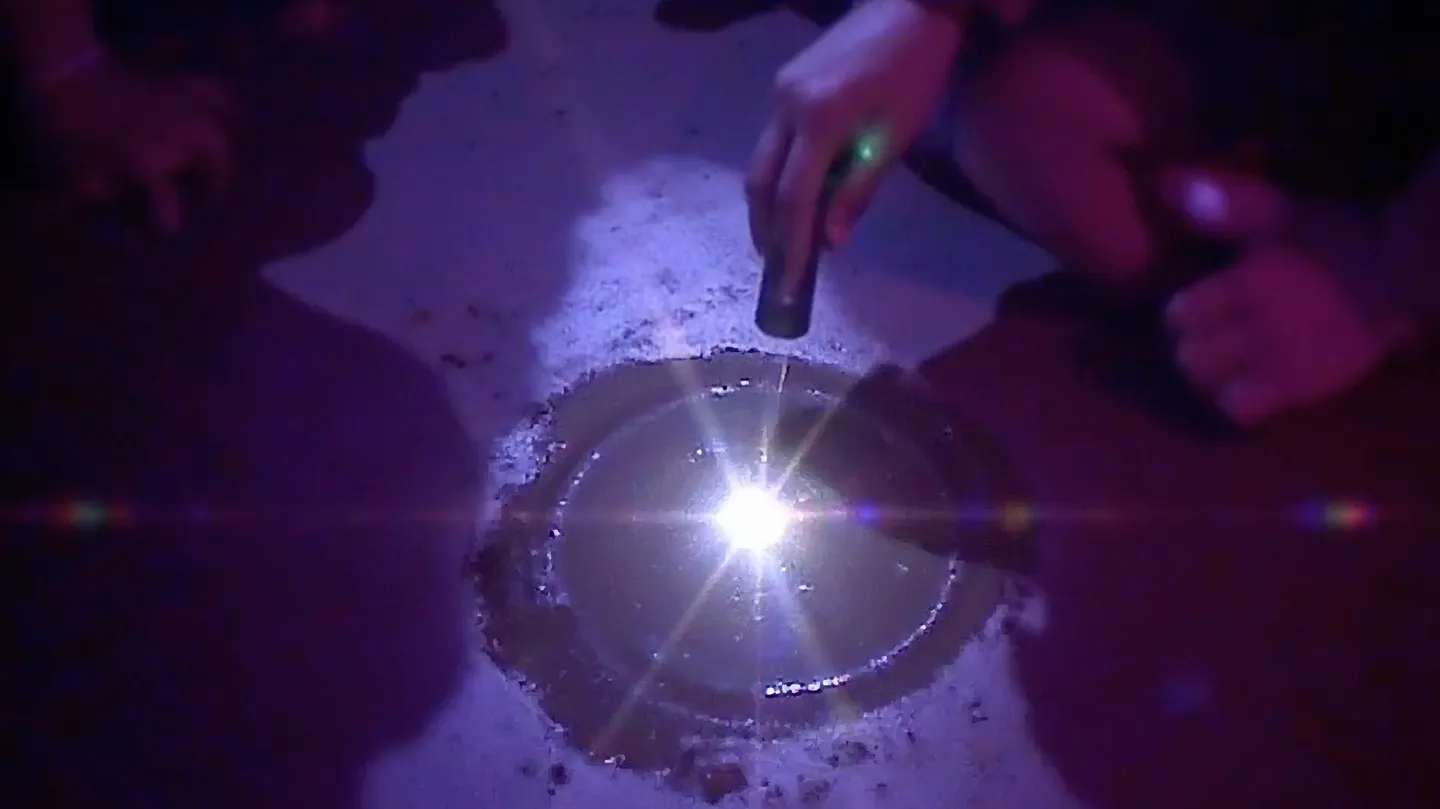
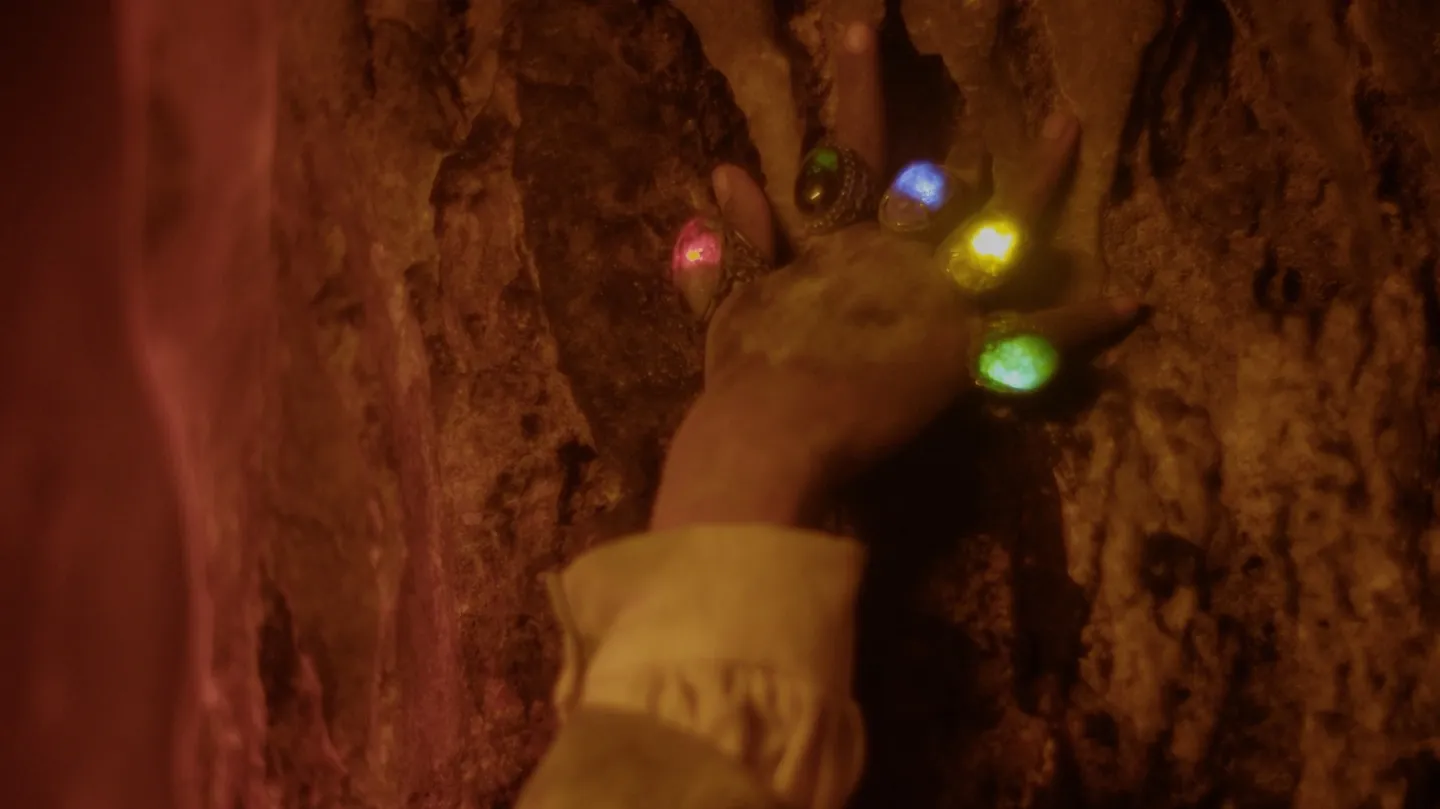
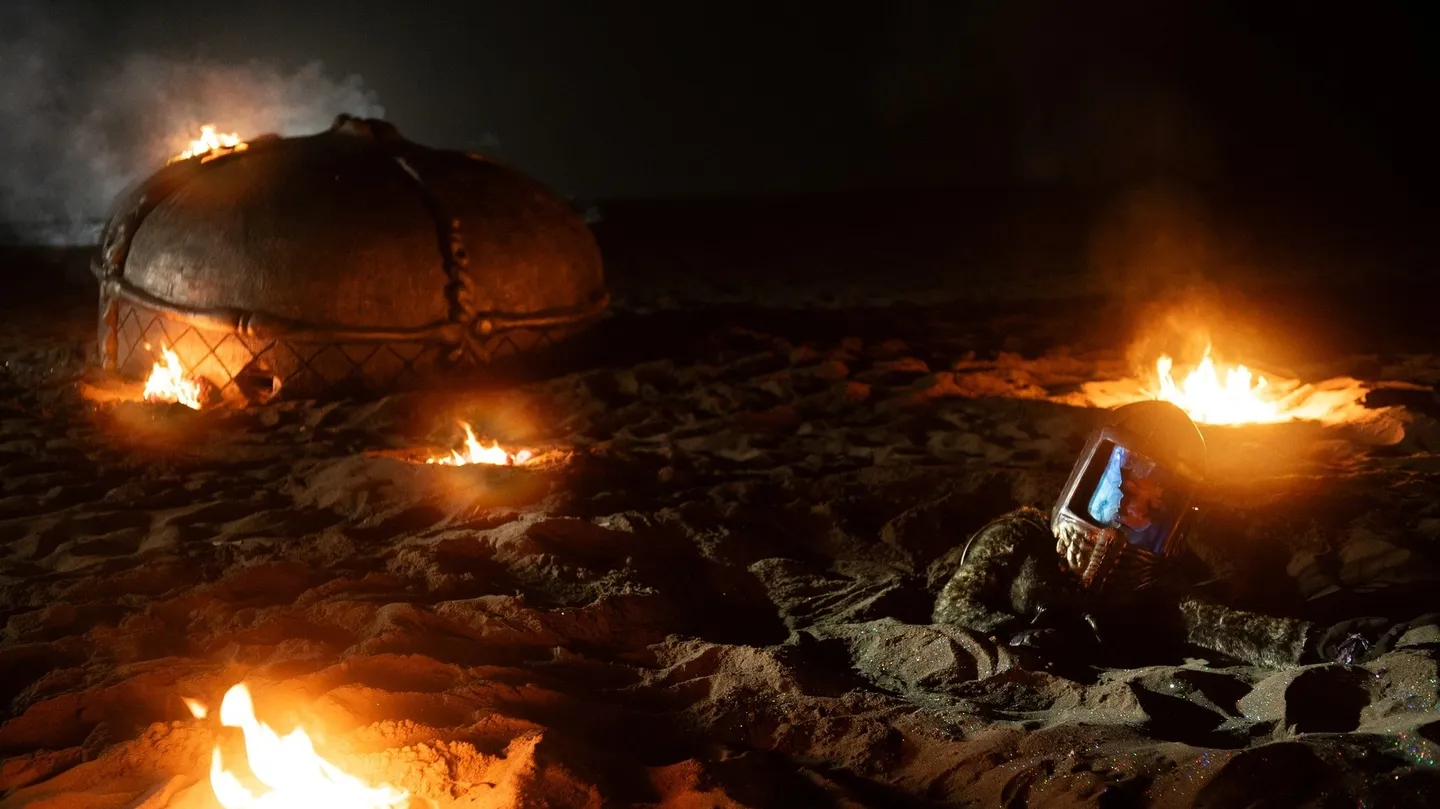
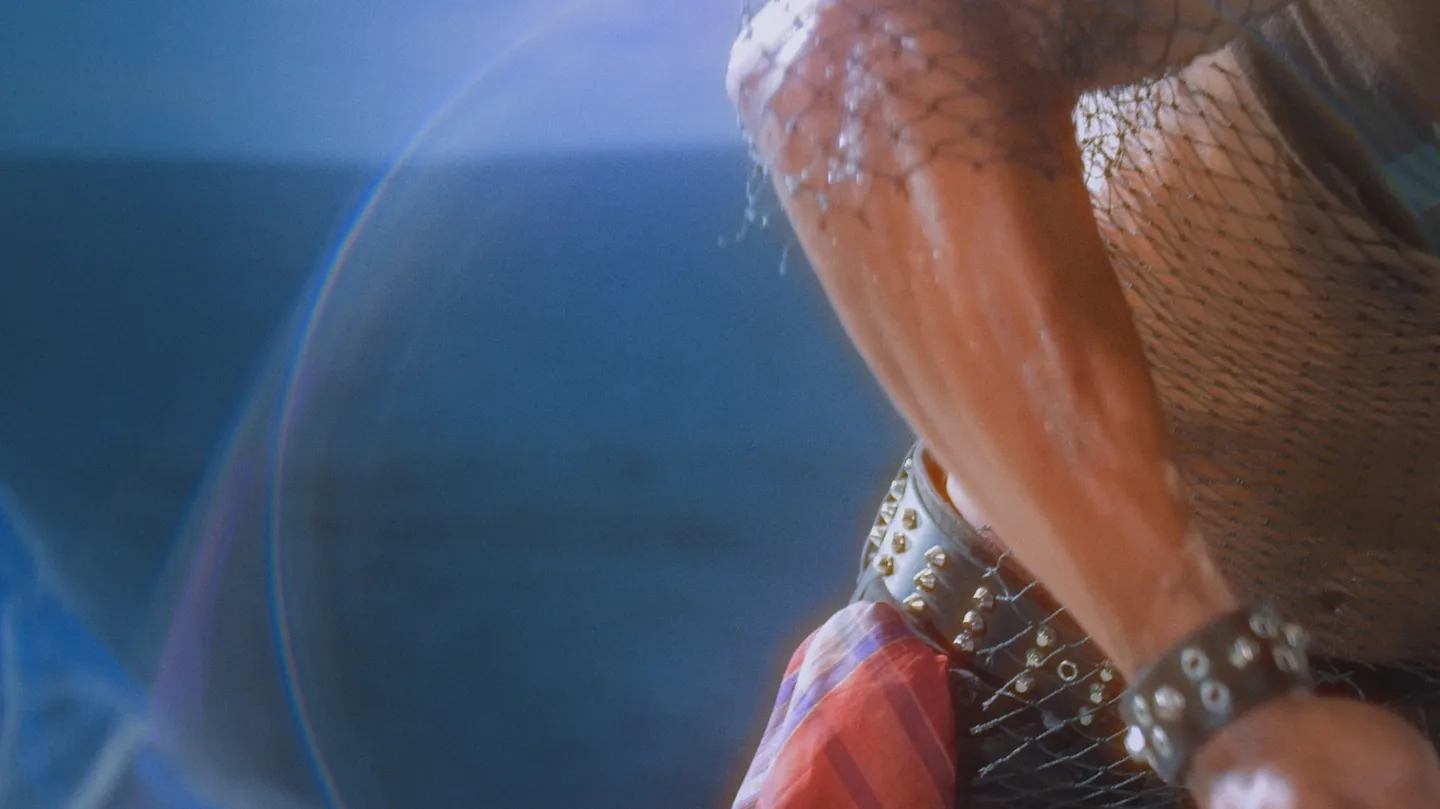
In Rizaldi’s work, this overlap of world-views—where Western scientific rationalism collapses into spiritual and religious encounter—unfolds in a grotesque, hallucinatory scene in which, inside a volcano, an Indonesian alter ego of Junghuhn devours a volcanic icon. The video envisions a process in which the volcanic symbol is not only observed but absorbed, ingested, and metabolised. Knowledge here becomes a bodily act, a digestion of the world’s material and symbolic substance.

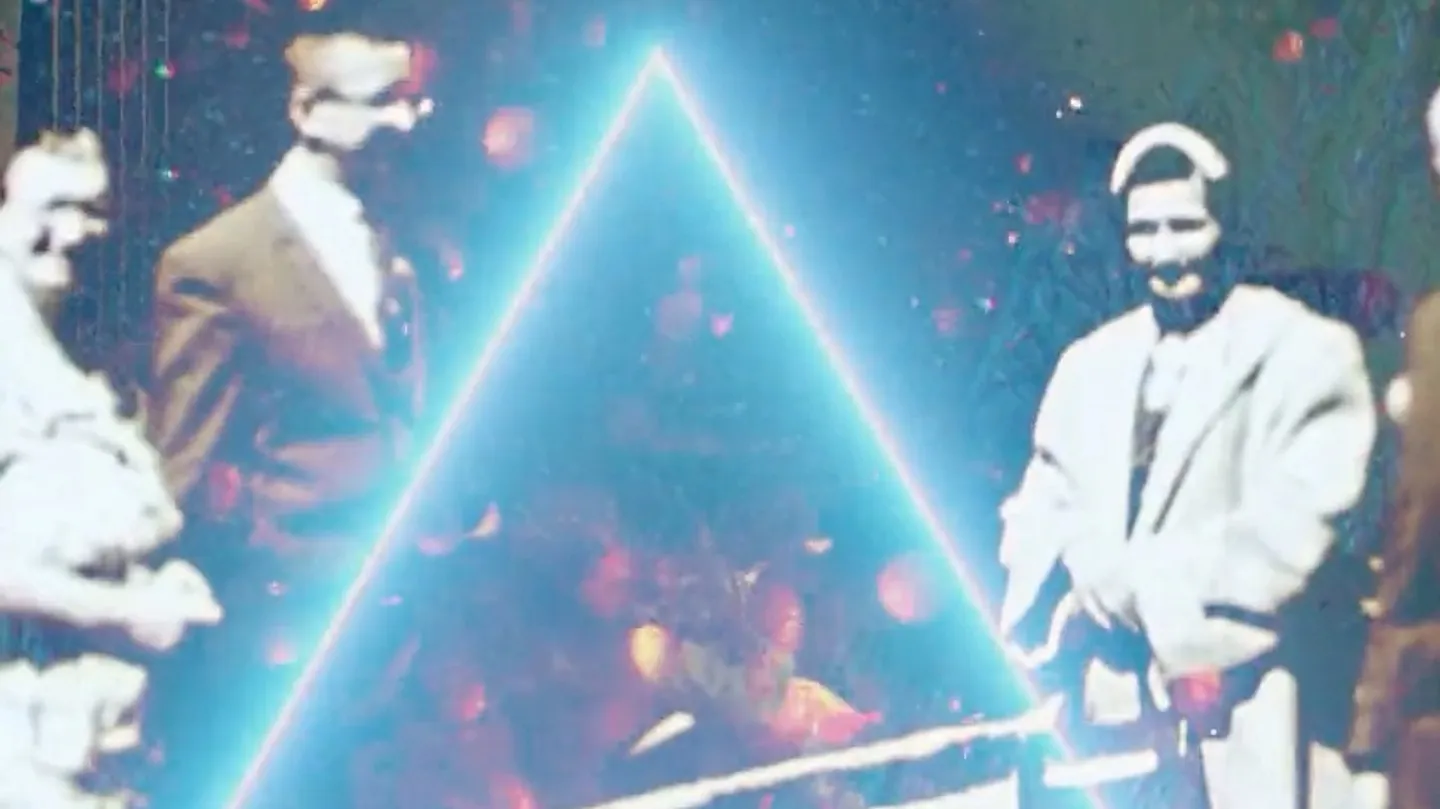
In “Fanfictie: Volcanology,” iconophagy—the ingestion of images as a means of spiritual contact and healing—becomes a metaphor for the metabolic fusion between image, nature, and the body. Understanding it requires more than reason or sensory experience. The installation invites viewers into an obscure, mist-filled space where details from Junghuhn’s lithographs of Indonesian landscapes emerge on the walls, merging romanticism with colonial naturalist observation.

Riar’s interest in knowledge production, cosmological thought, and world-building extends through his filmic practice, where fiction and its filmic medium is often revealed or exposed to the viewer. The props used to produce the meaty icon eaten by Junghunh reappear in the exhibition space as sculptures, echoing the presence of Wayang shadow theatrepuppets—whose performances, in Javanese tradition, often begin and end with the Gunungan. This theatrical element, whose name means “mountain,” can also appear to signal a revelation or a space-time shifting in the scene. The volcano is the alfa and the omega, of all the stories. These material traces blur the boundary between film and installation, narrative and display, reflecting the performative side of the act of world-making. This metalinguistic dimension recalls the relation between theatre and theory, both deriving from the Greek root thea—meaning “spectacle” or “vision”—and the verb theorein, “to observe” or “to contemplate.” Their shared etymology reveals a profound link between the act of seeing and the pursuit of understanding, which pass through fabrication, fiction.
Authors
Tags
![A quoi rêvent [...] ? by Valentin Ranger](https://cifra.com/content/static/meta/project/8db0ac75-b540-4a6f-a429-d18037bd6a4c/cover/1/full_1440.webp)