An Algorithmic Afterlife
About artwork
Provenance
Tech info
About
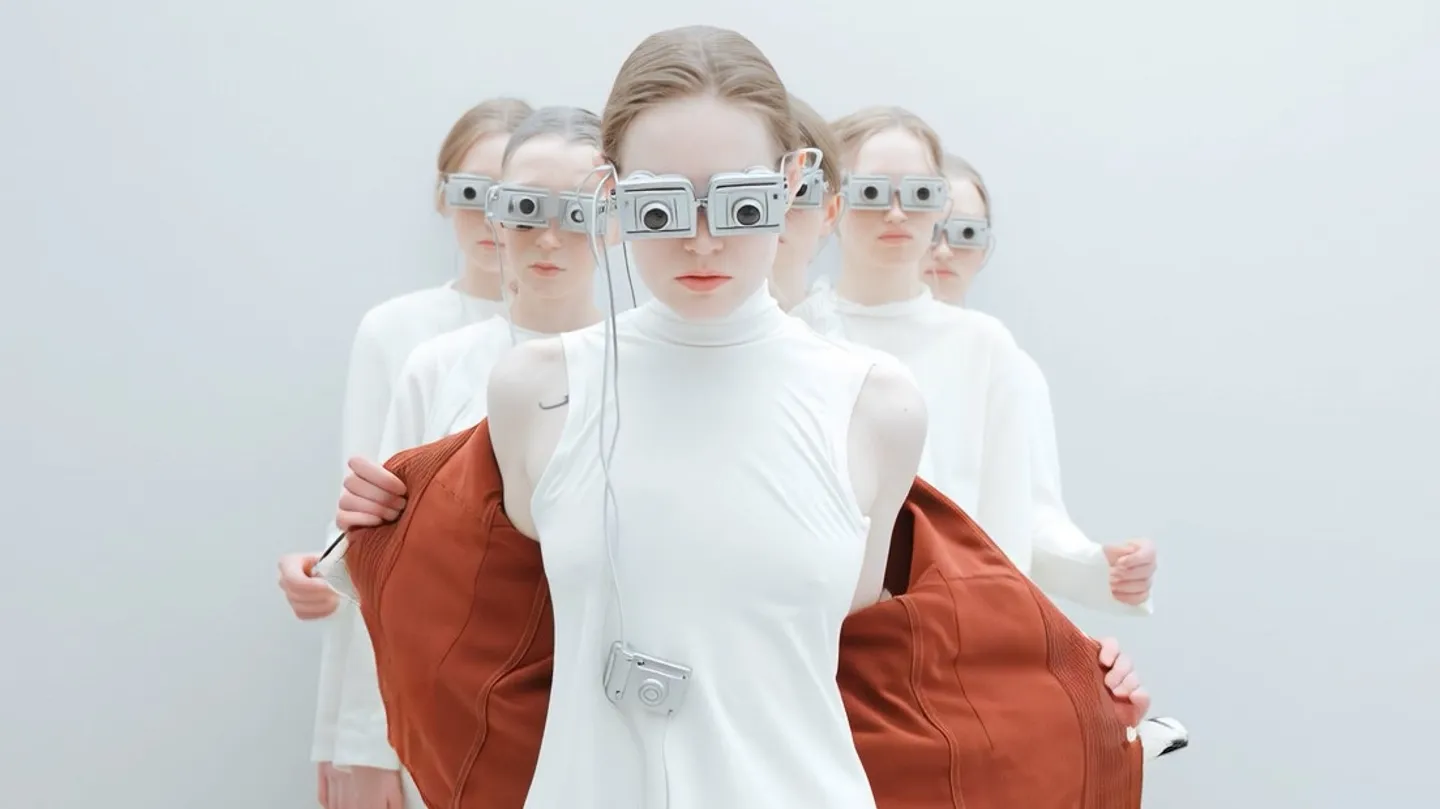
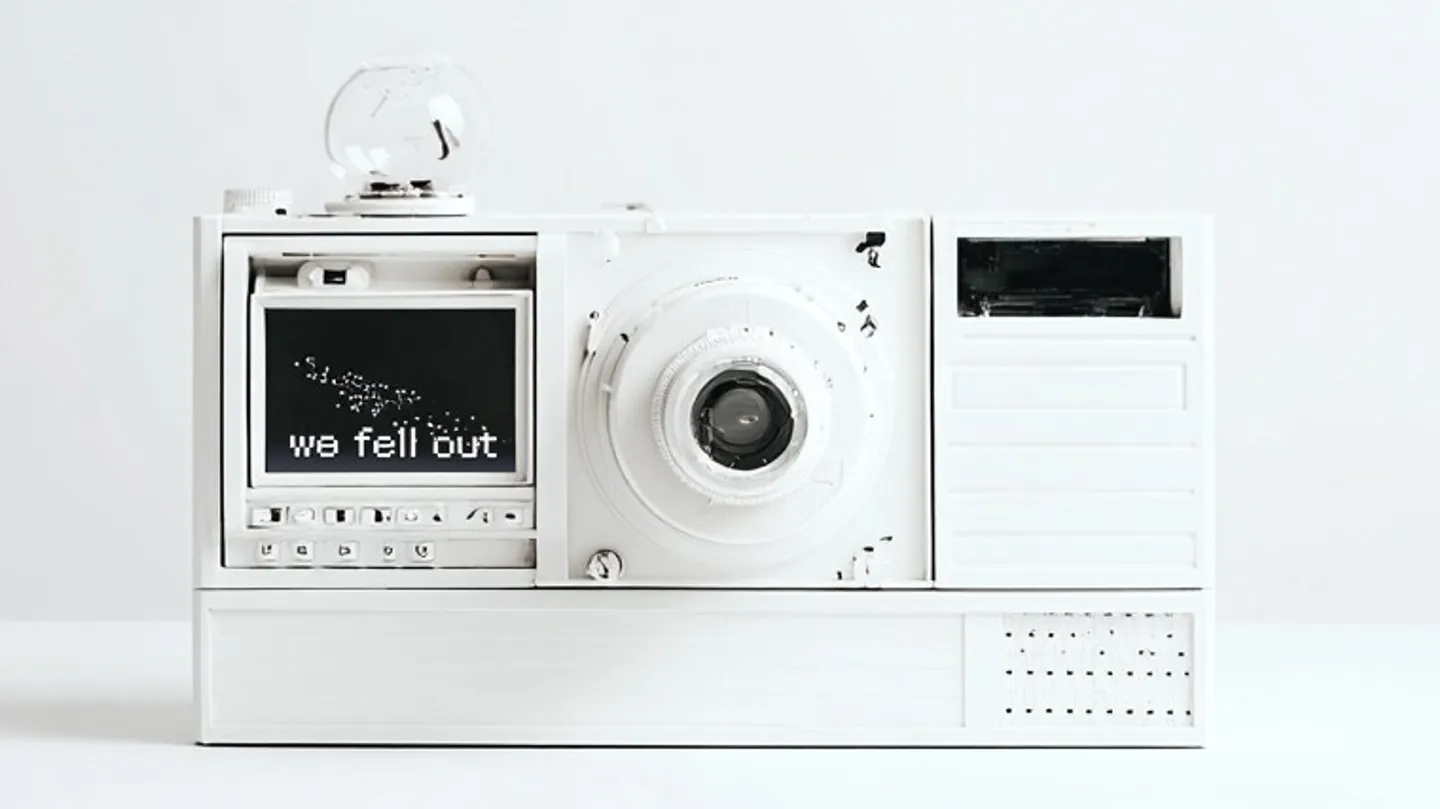
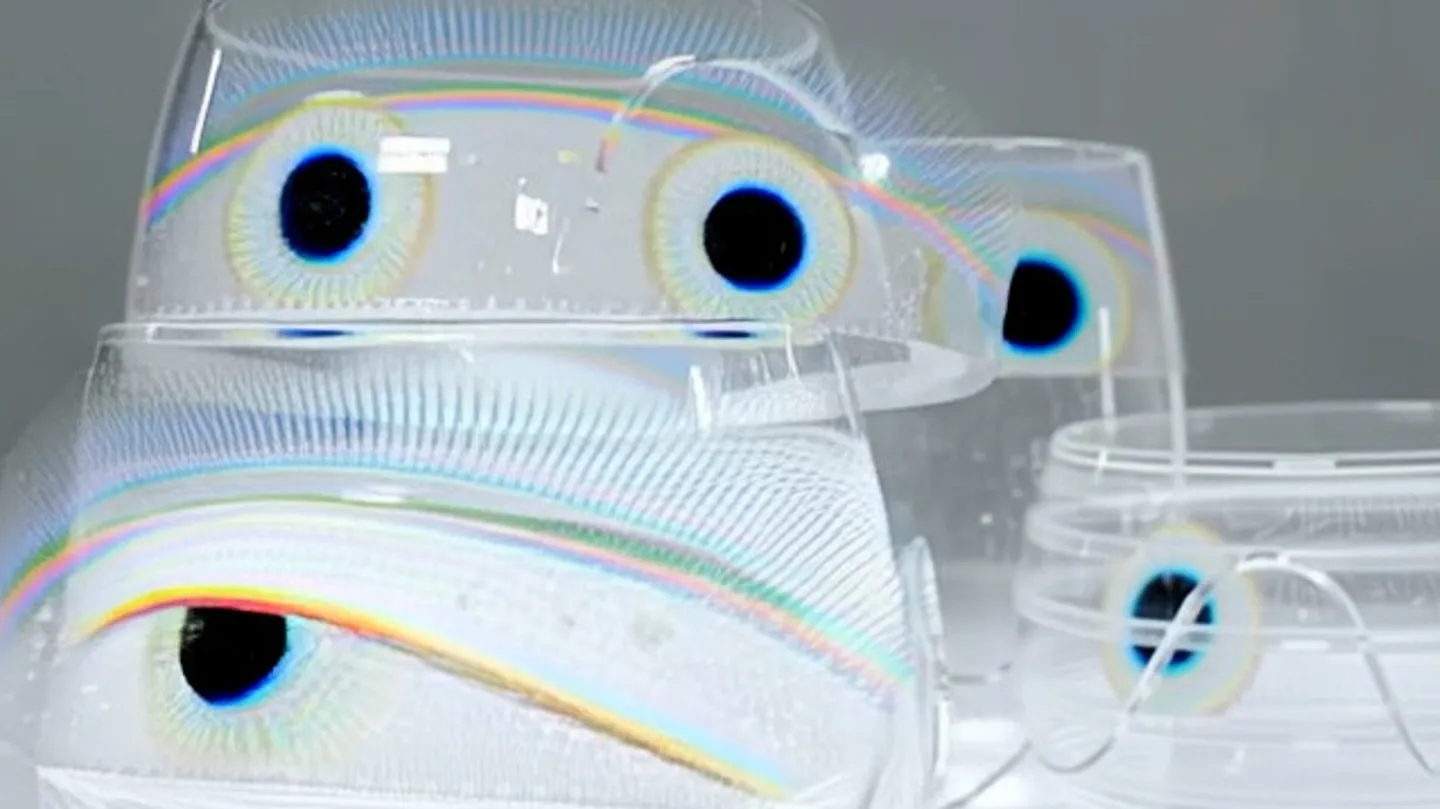
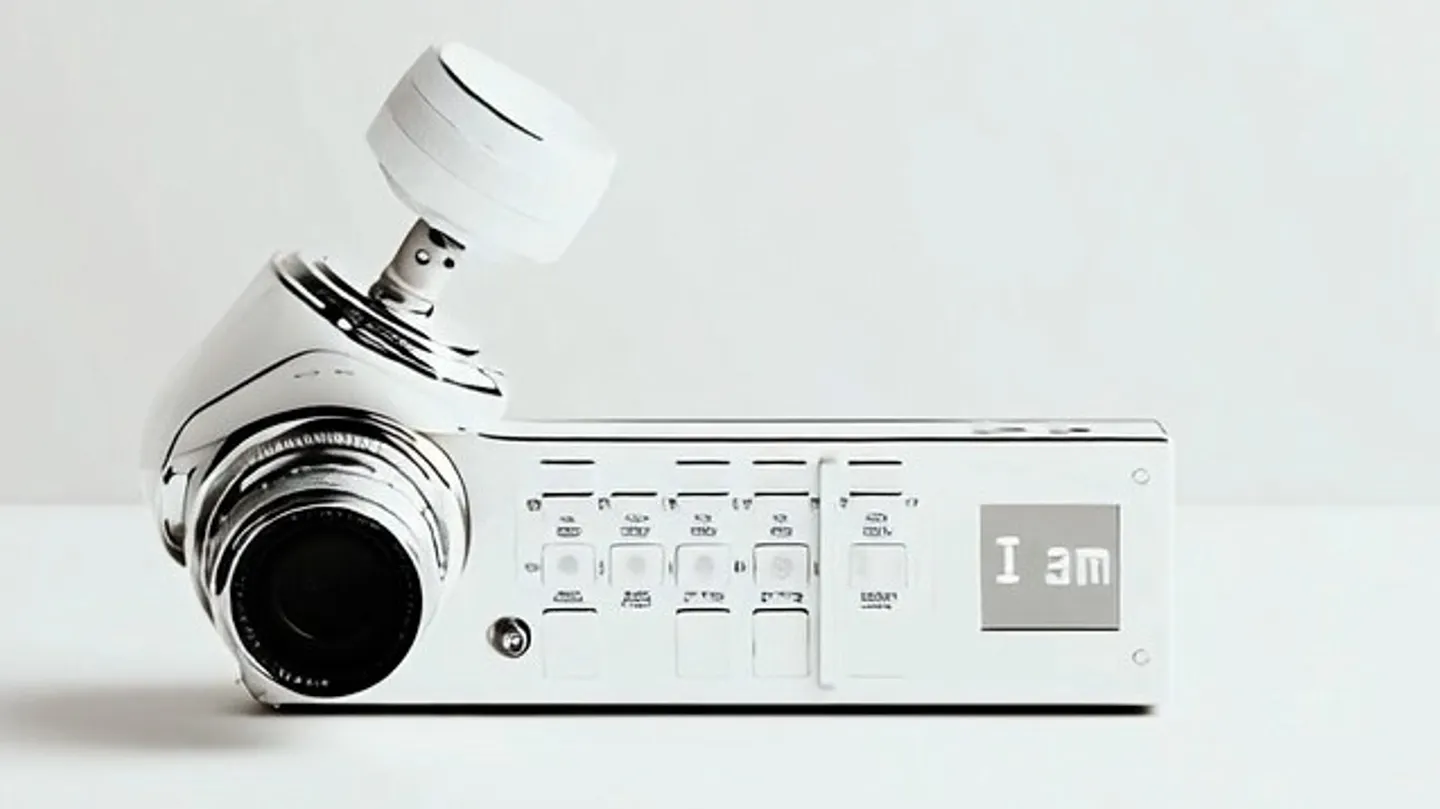
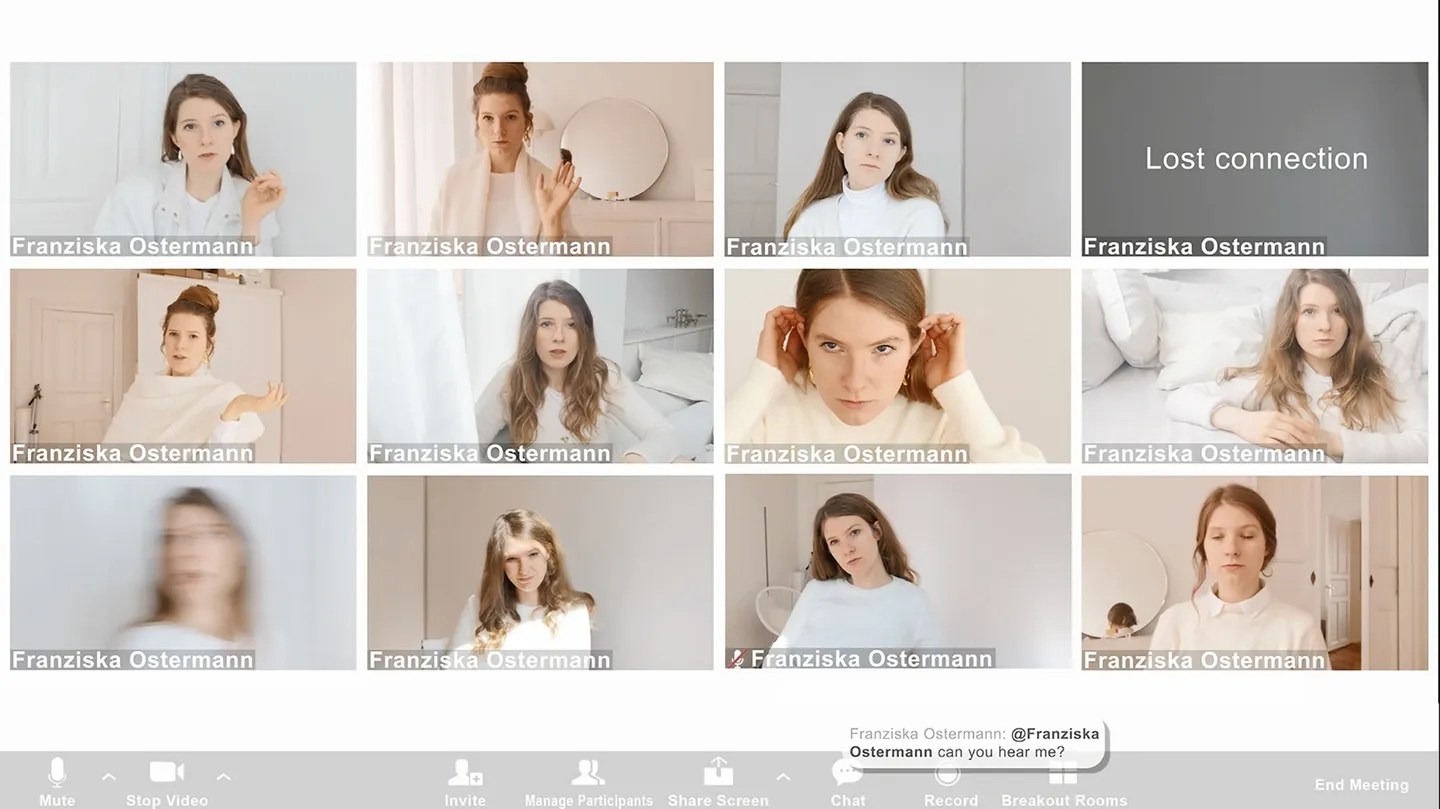
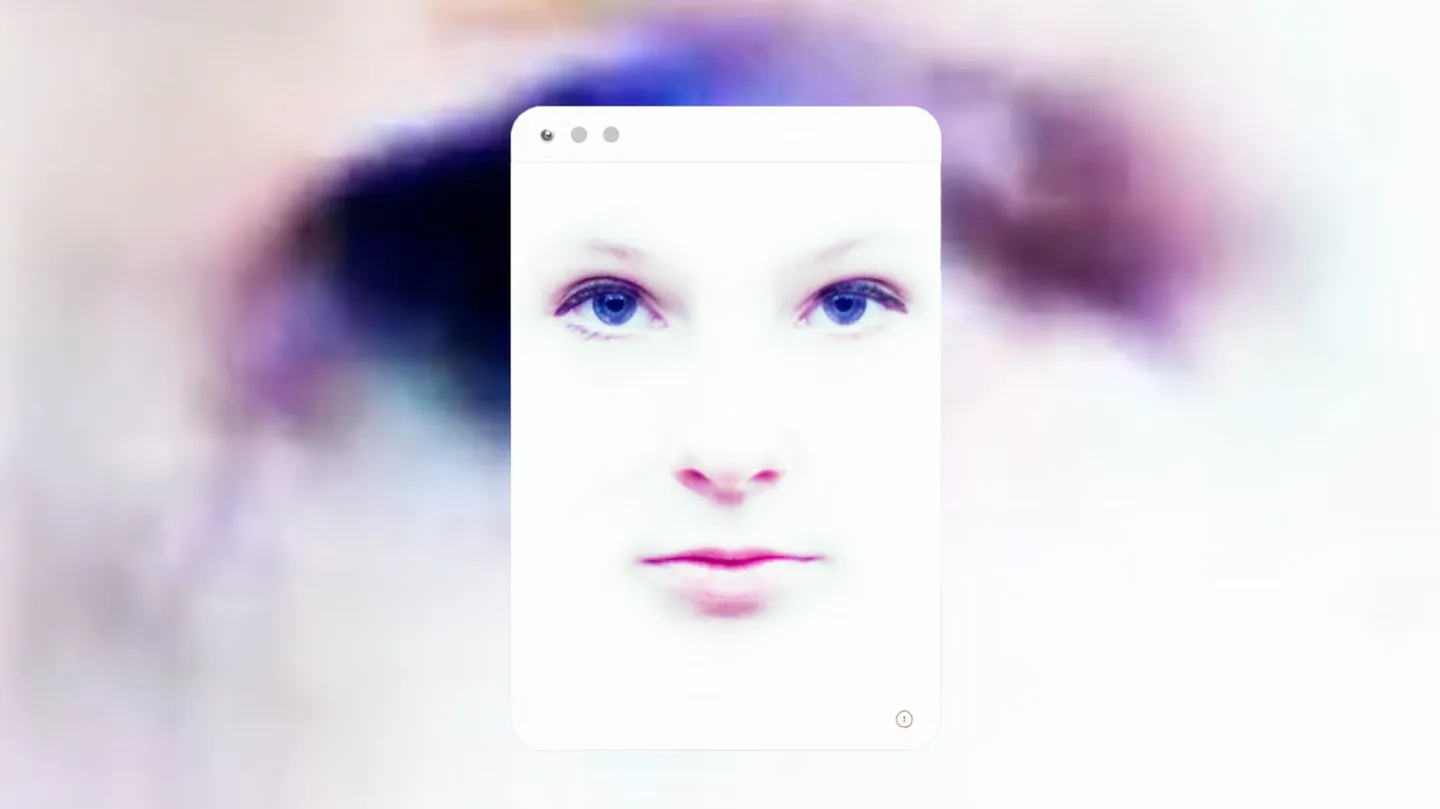
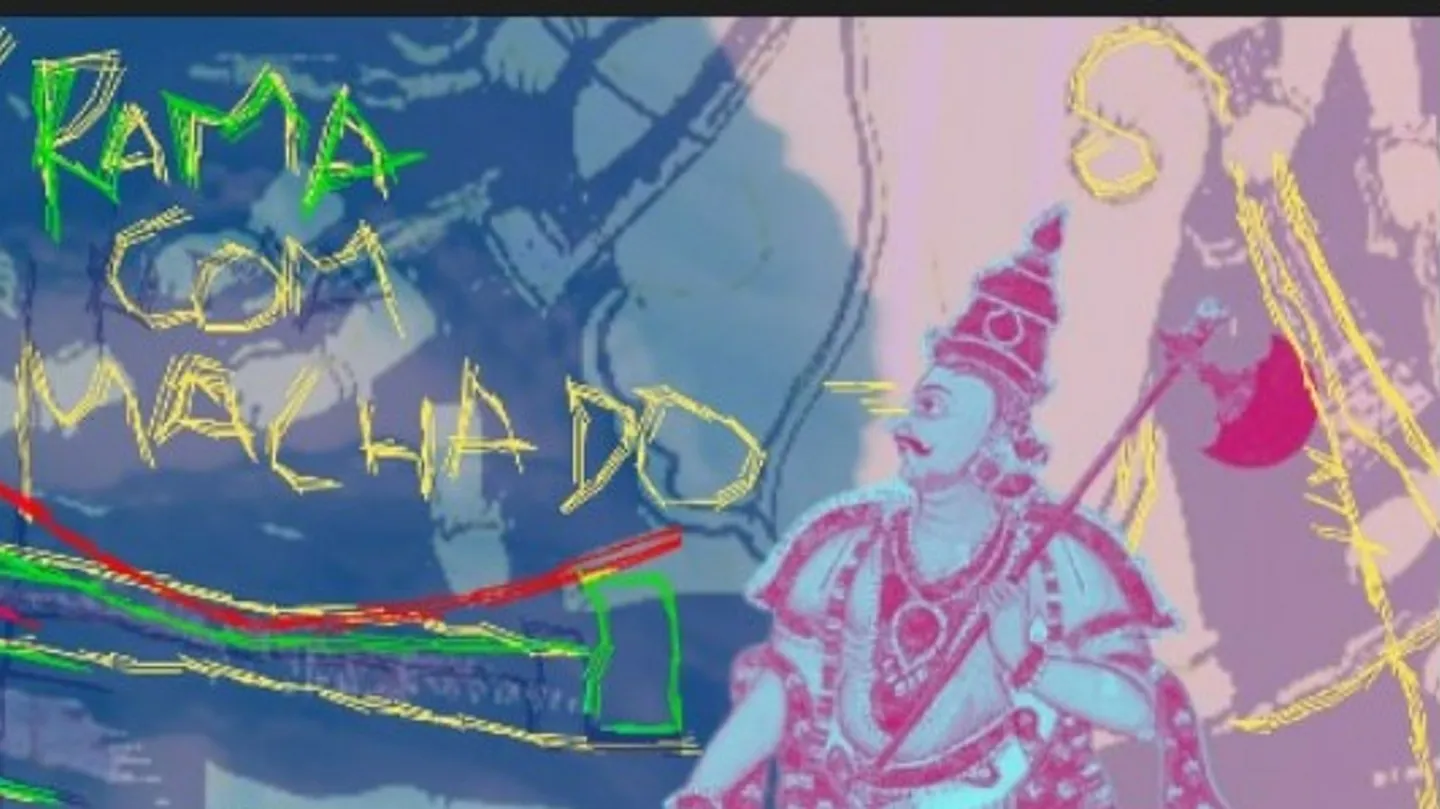
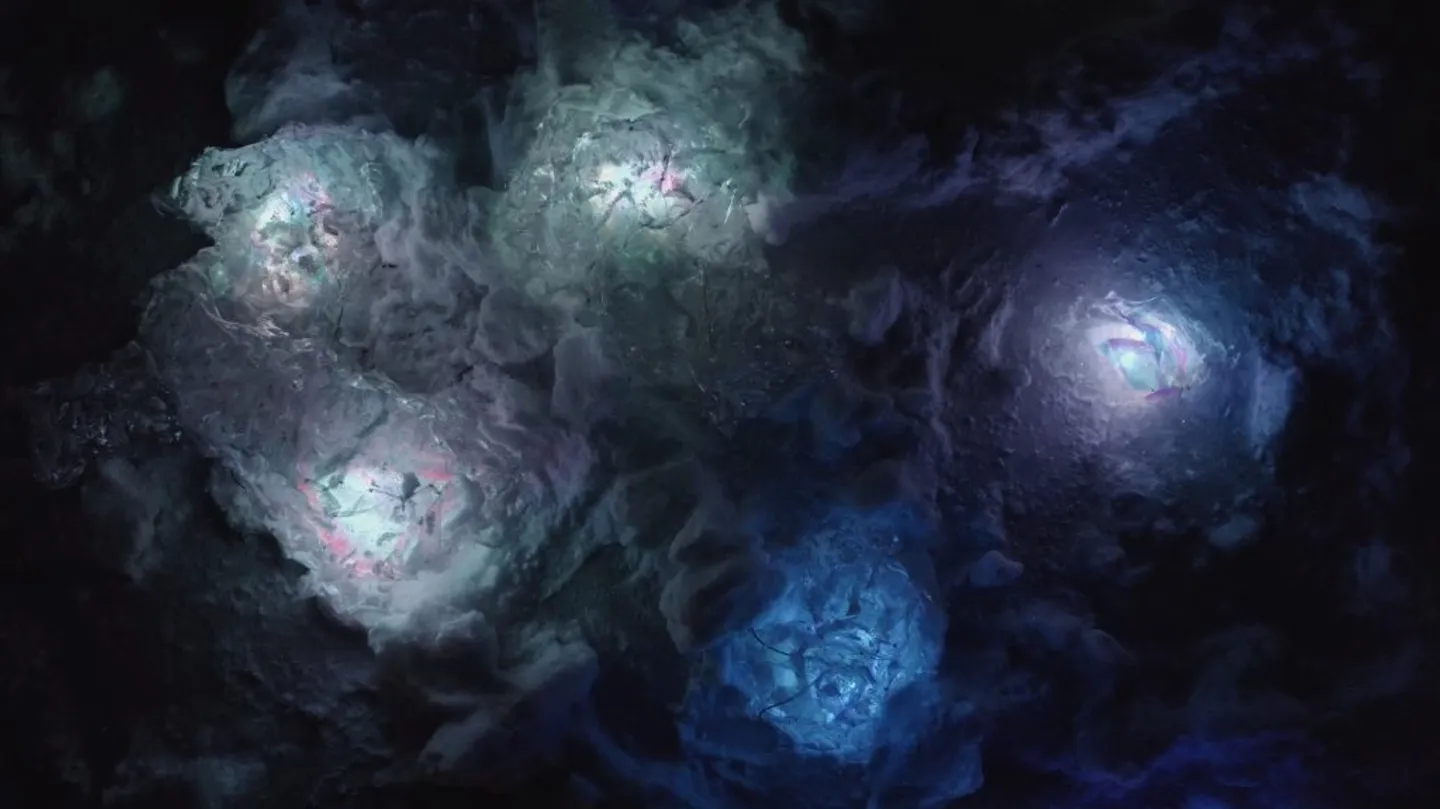
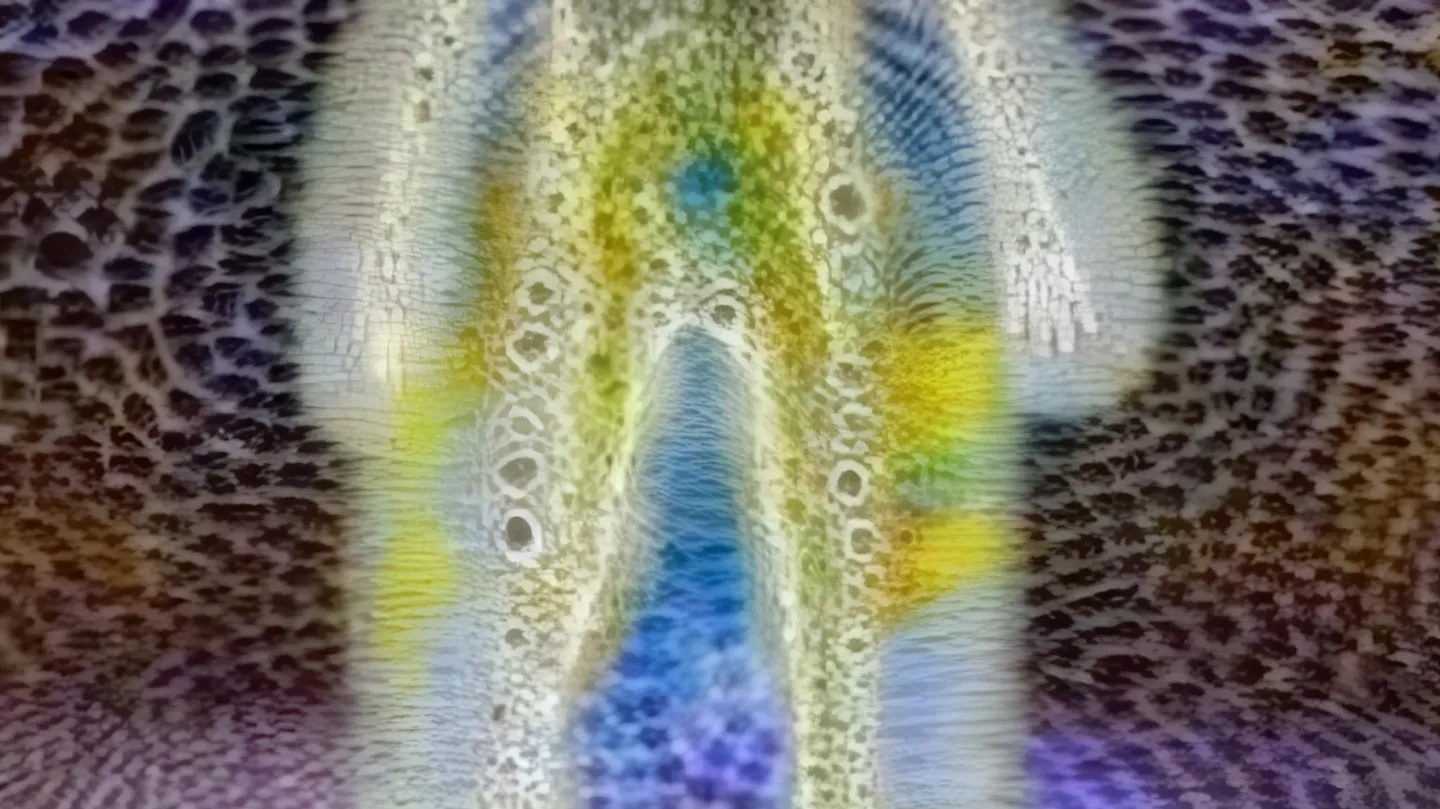
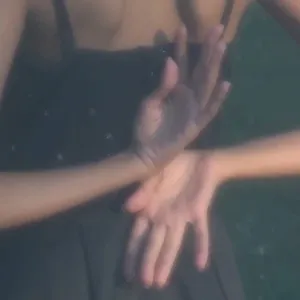
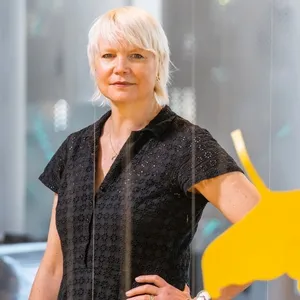
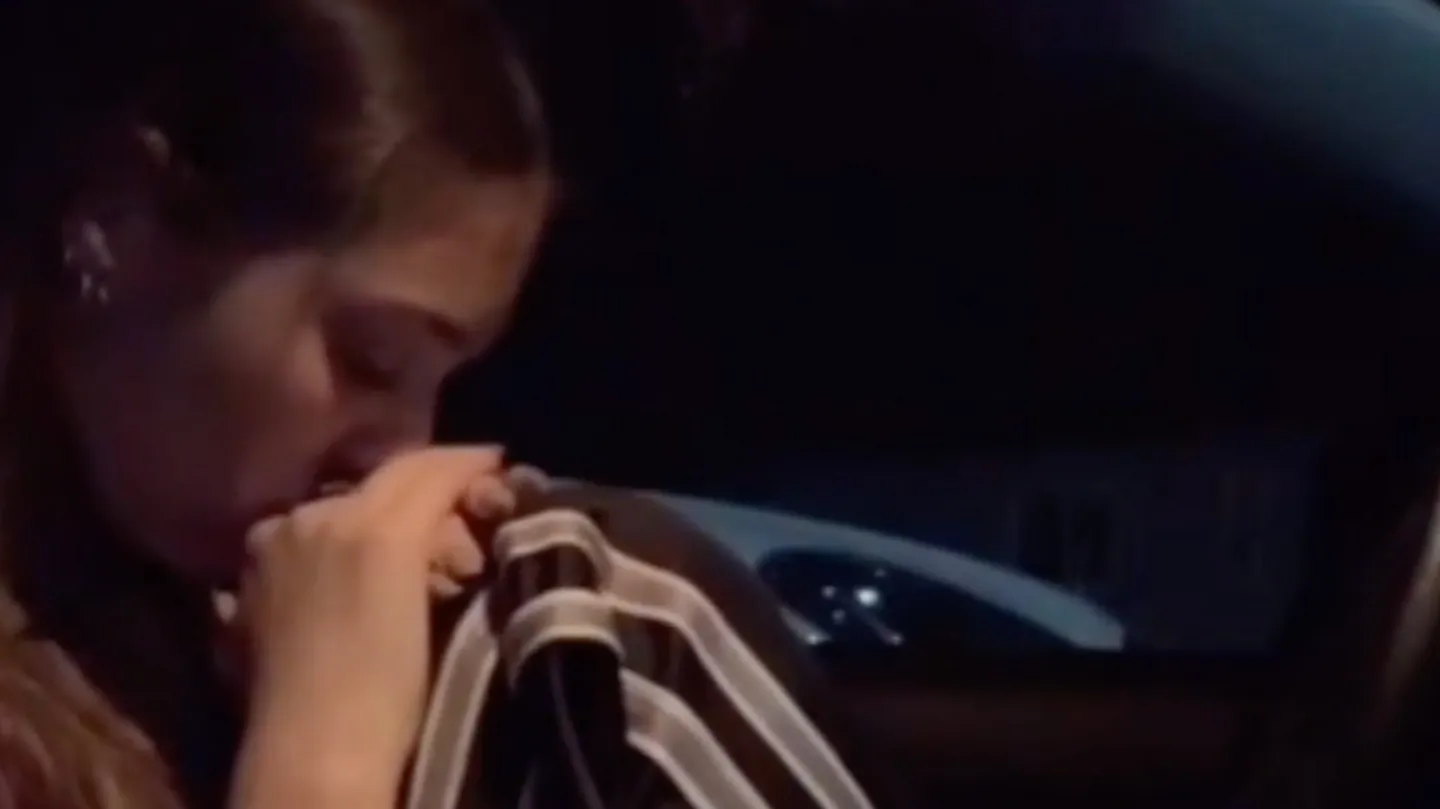
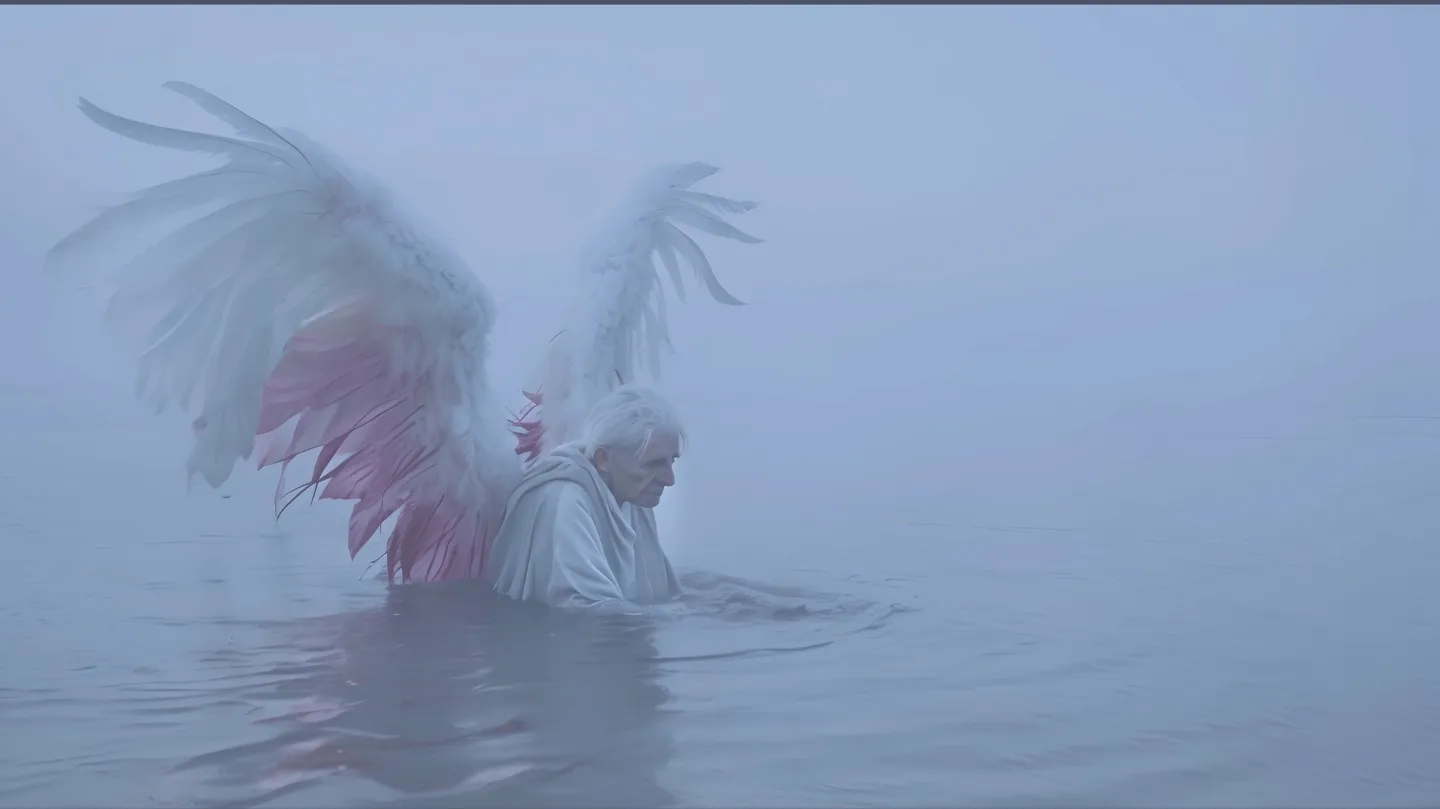
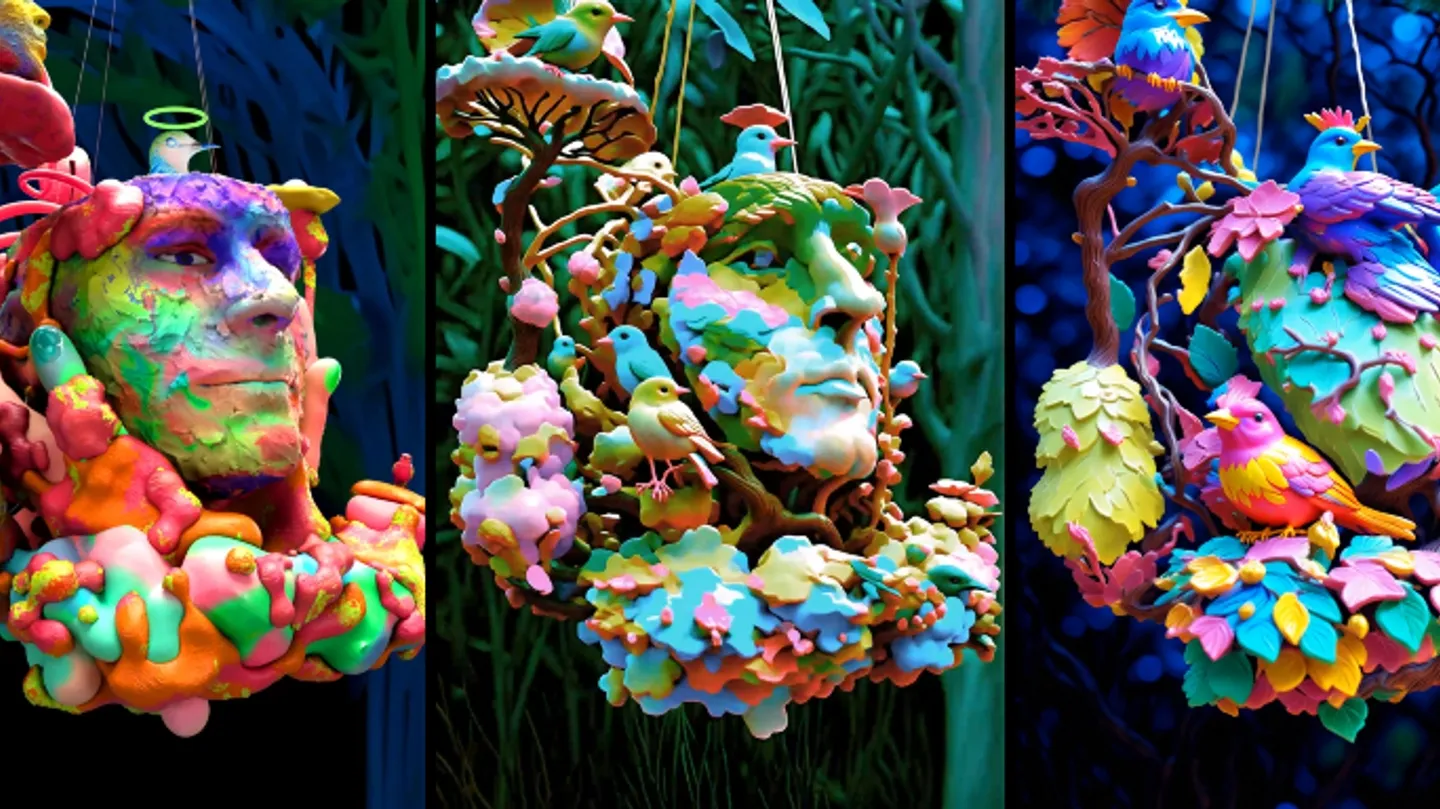
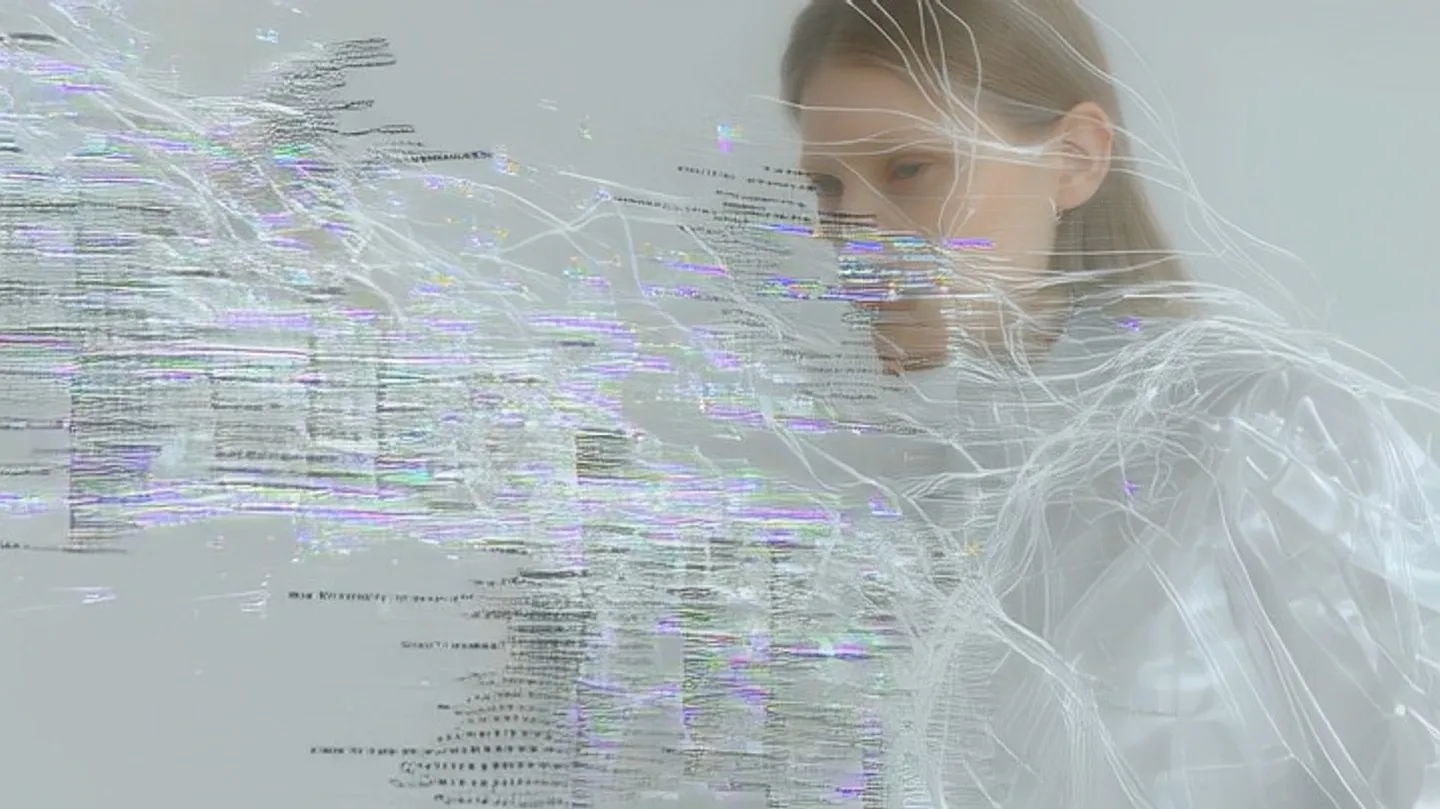
In An Algorithmic Afterlife, Franziska Ostermann entwines poetry and AI-generated imagery in a recursive loop of creation. Each poem line becomes a prompt, each image inspires another verse, with Ostermann moving through this circuit as a mediating interface— writing from the visuals, feeding language back into the apparatus. A living circuit emerges in which language and vision continually reanimate one another—a soft digital organism, nurtured by emotion and code, that breathes through its readers, merging digital materiality with the sensorial.

Ostermann approaches poetry as an ancient technology—a vessel for transmitting knowledge, emotion, and memory across generations, a living code that updates itself every time it is read. Rhythm, repetition, and oral exchange become structures of computation, encoding experience into language and breath, while text-to-image translation turns linguistic feeling into visual sensation and blurs the boundary between human sentiment and machine generation.

Through this interplay, she traces a genealogy from early poetic technologies to contemporary AI systems, framing technology as an extension of human expression rather than its replacement. Her practice connects evolving tools of communication—voice, code, algorithm—within one continuous network that carries memory forward. In this continuity, AI emerges not as an external instrument but as part of poetry’s own evolution—as technology and human memory inseparably bound within the same living code, a work that inhabits its readers even as it outlives them.
Authors
Tags