Acheiropoieta
About artwork
Provenance
Tech info
About
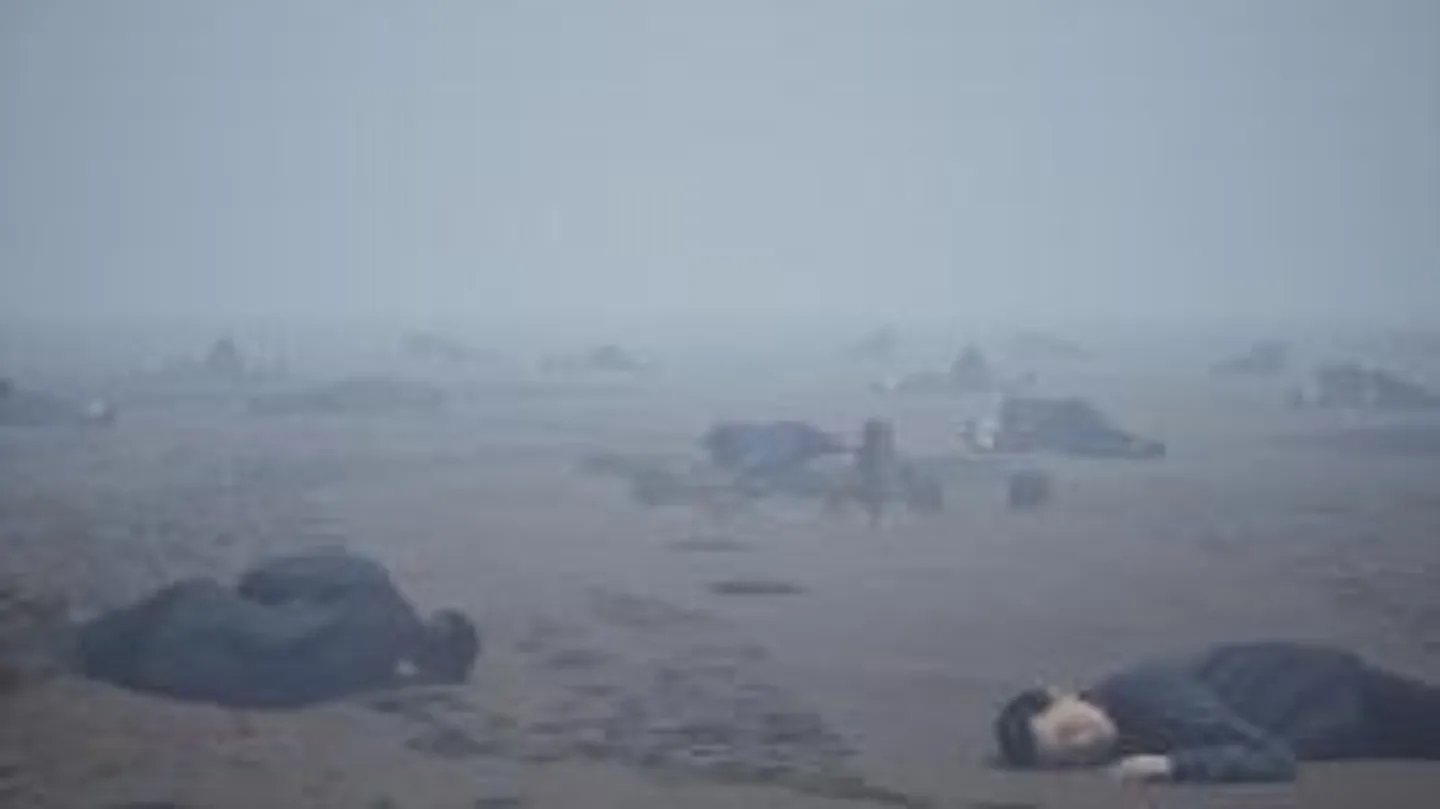
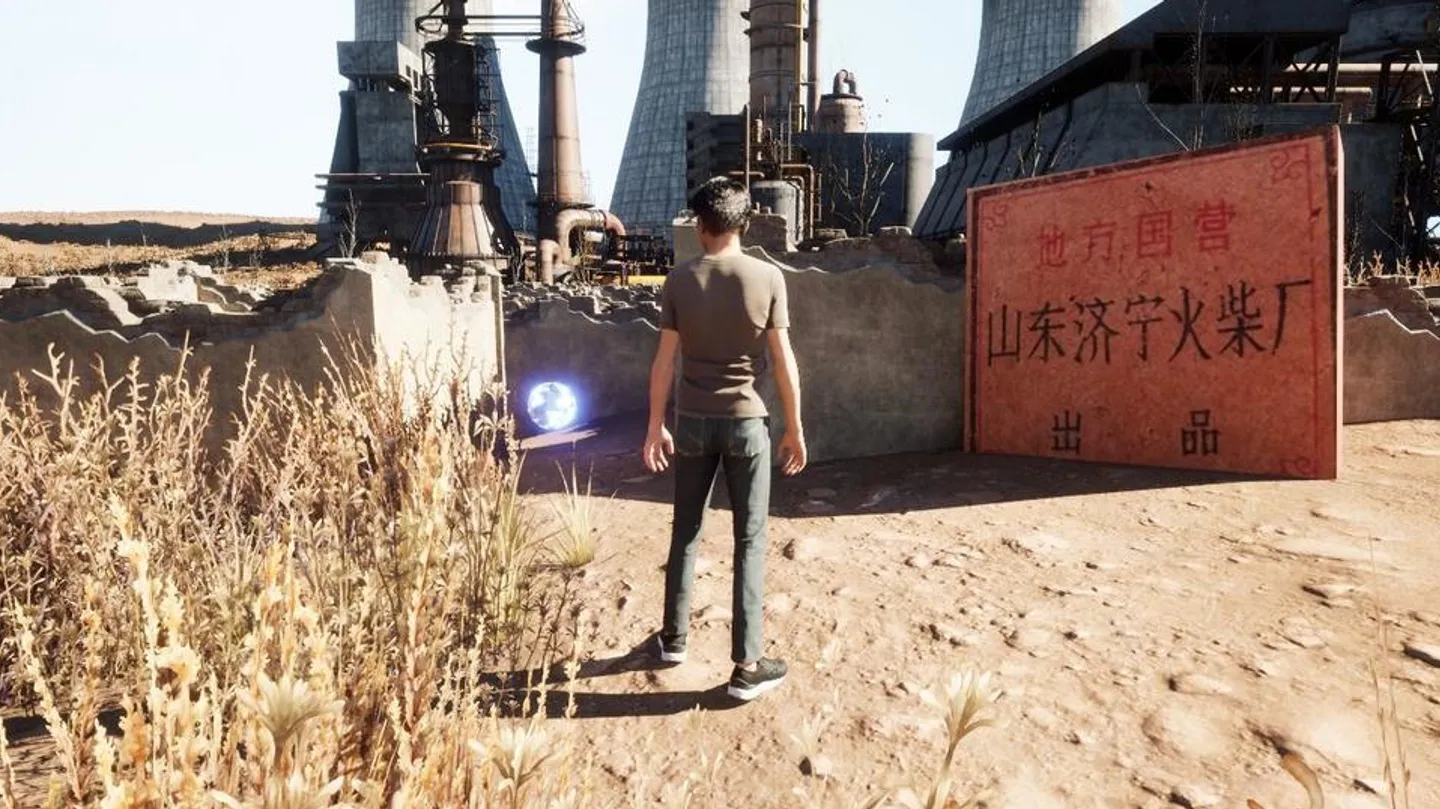
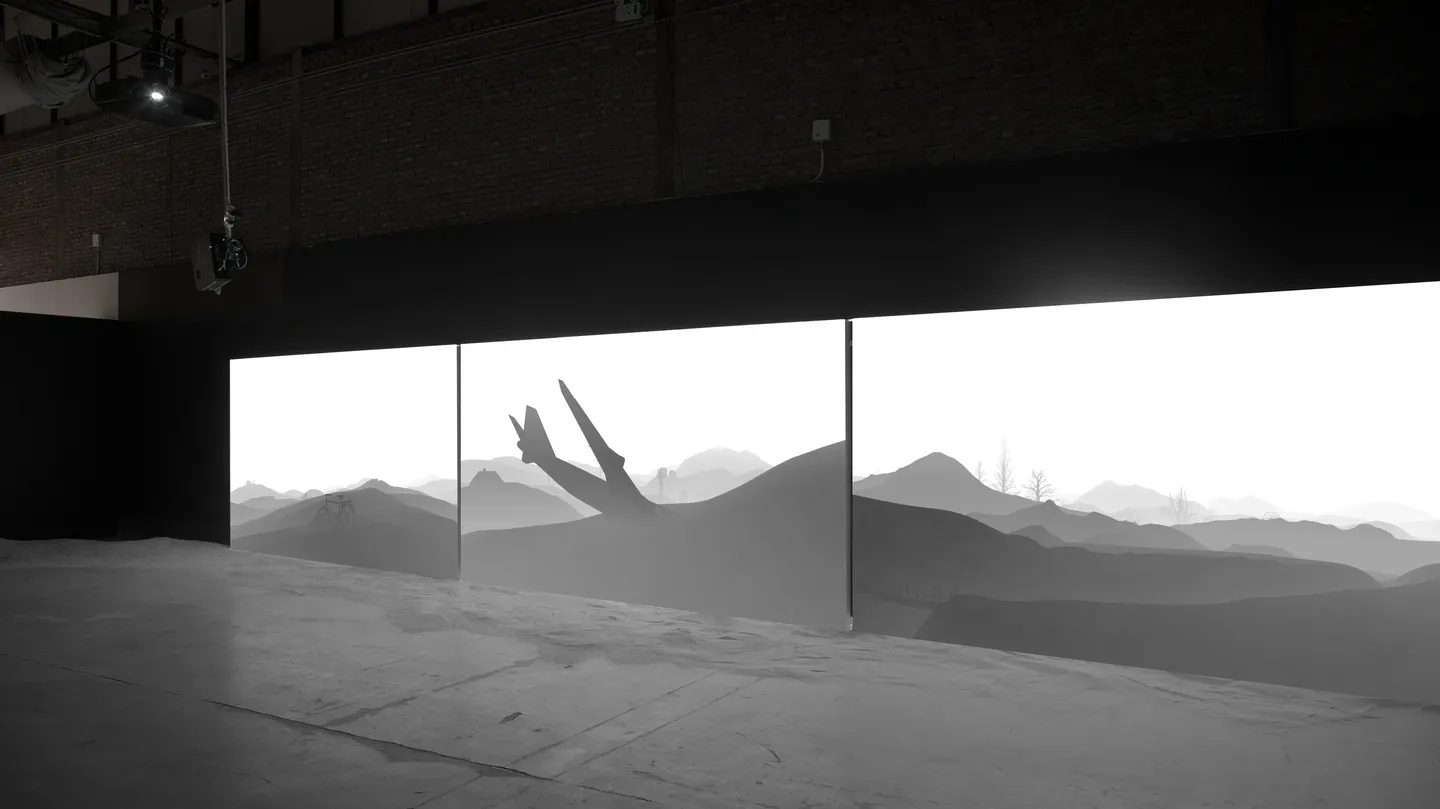
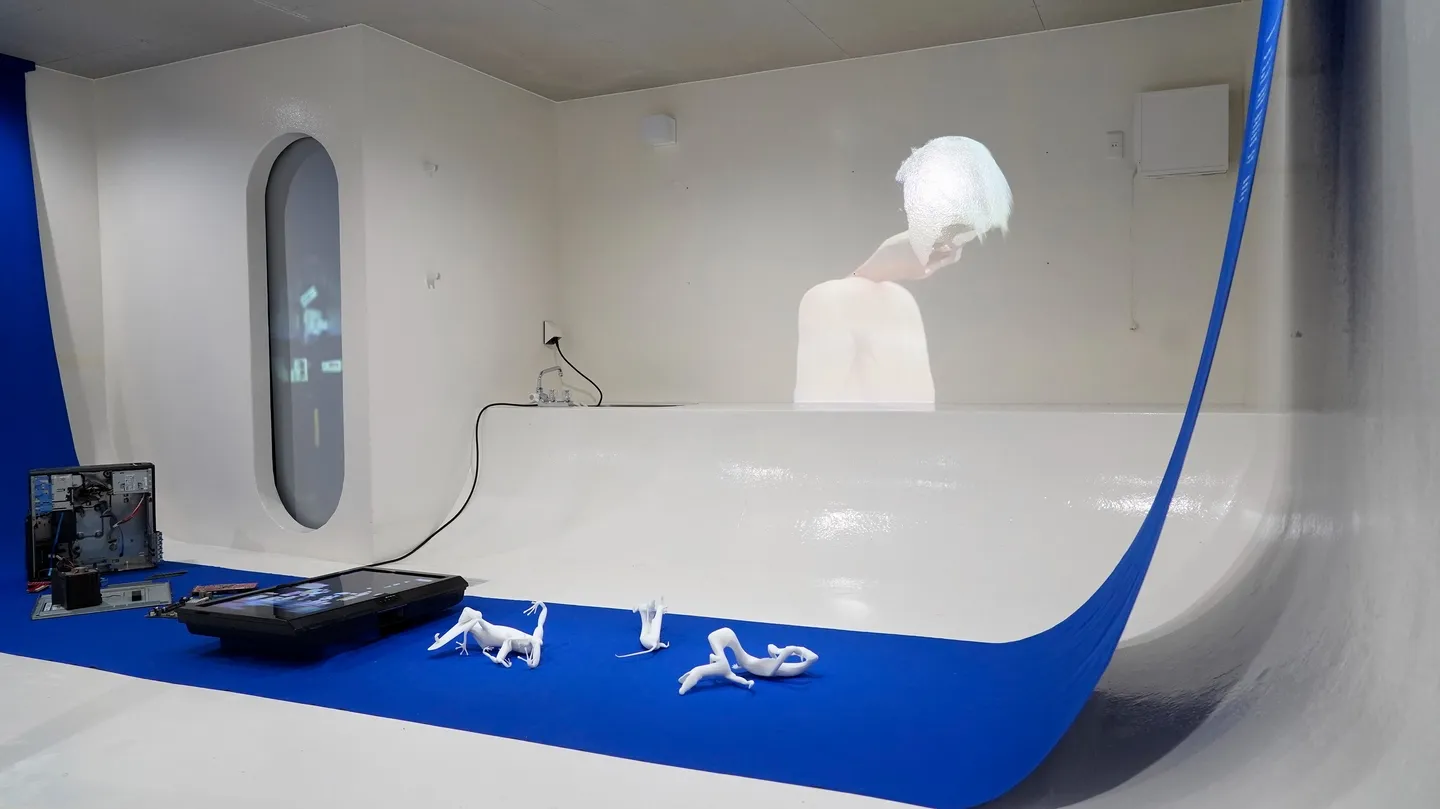
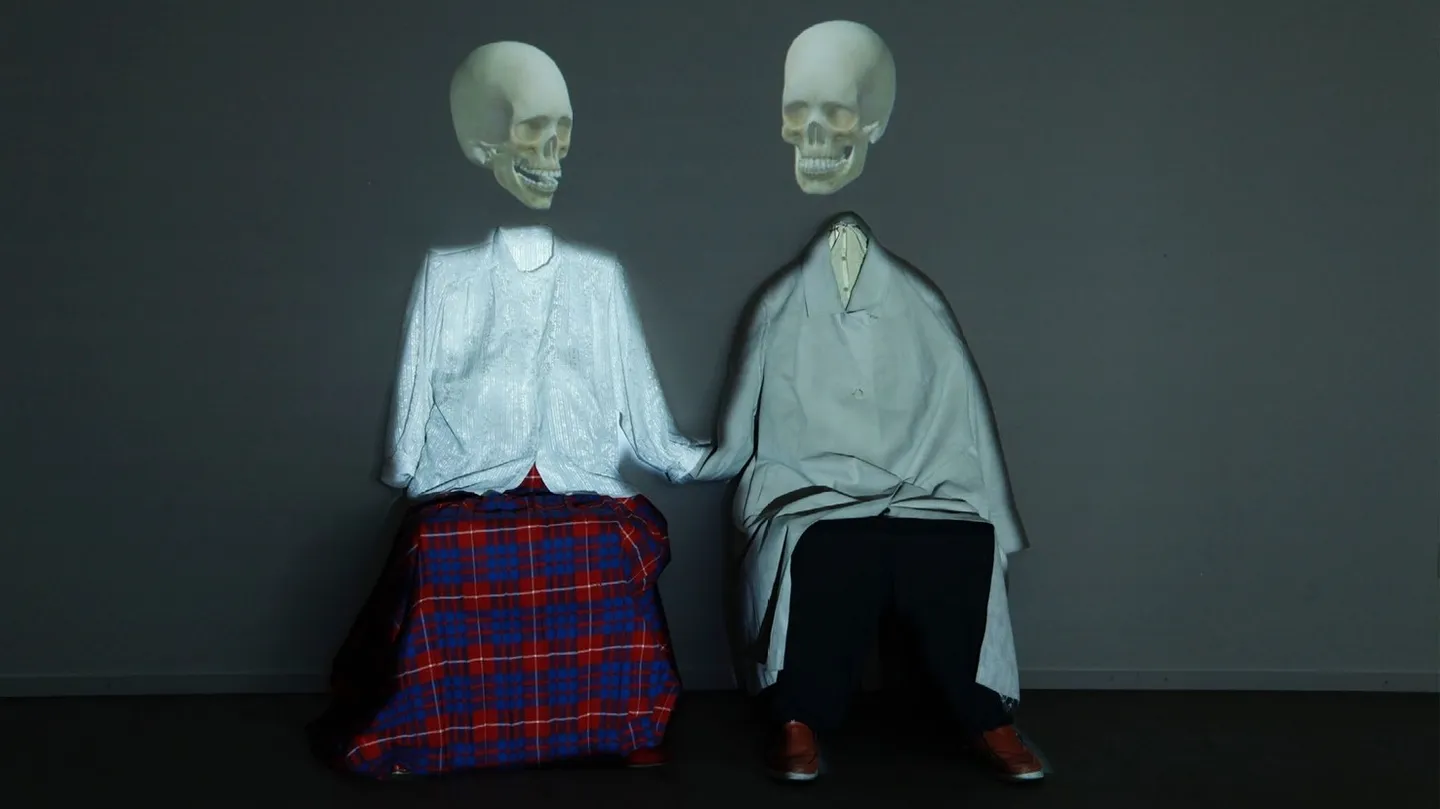
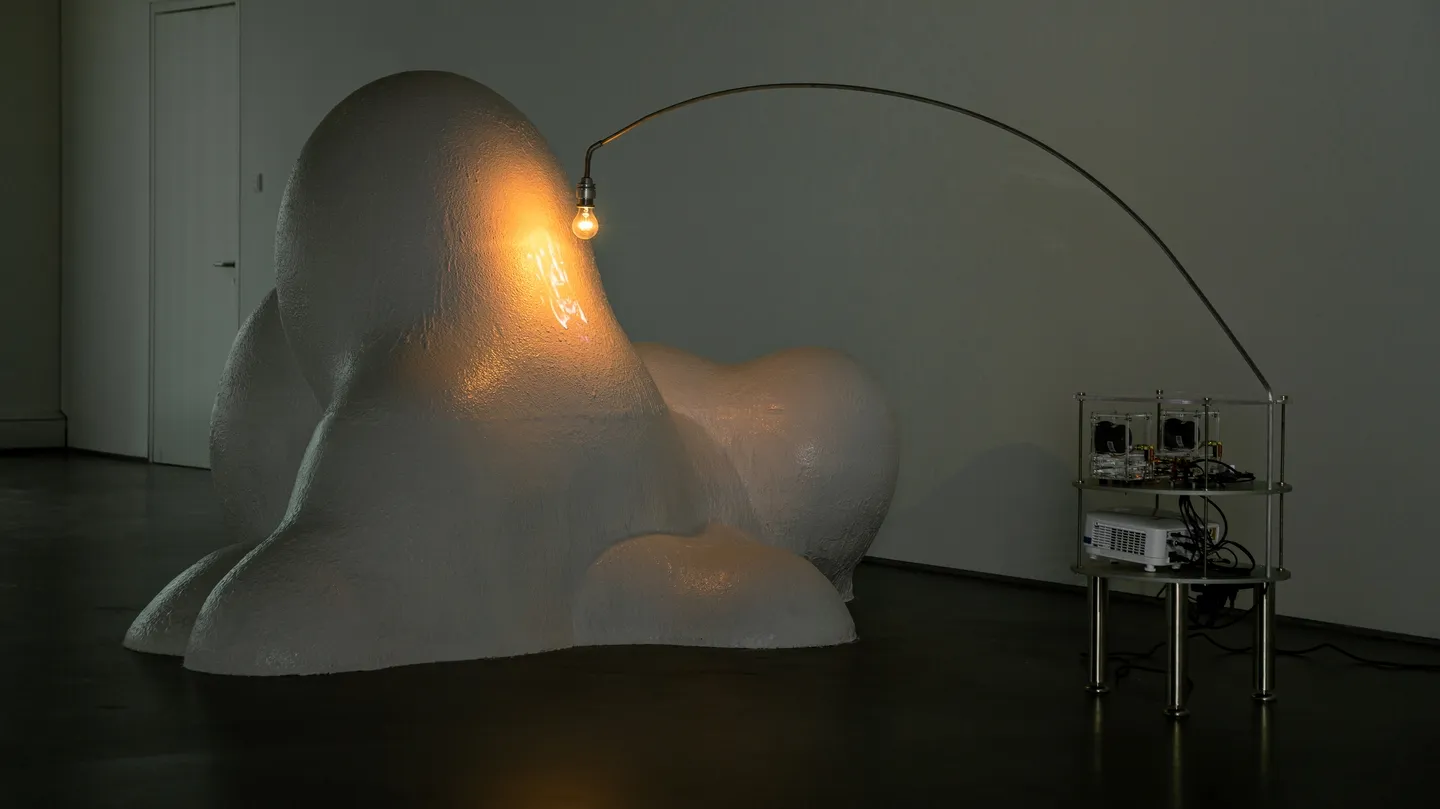
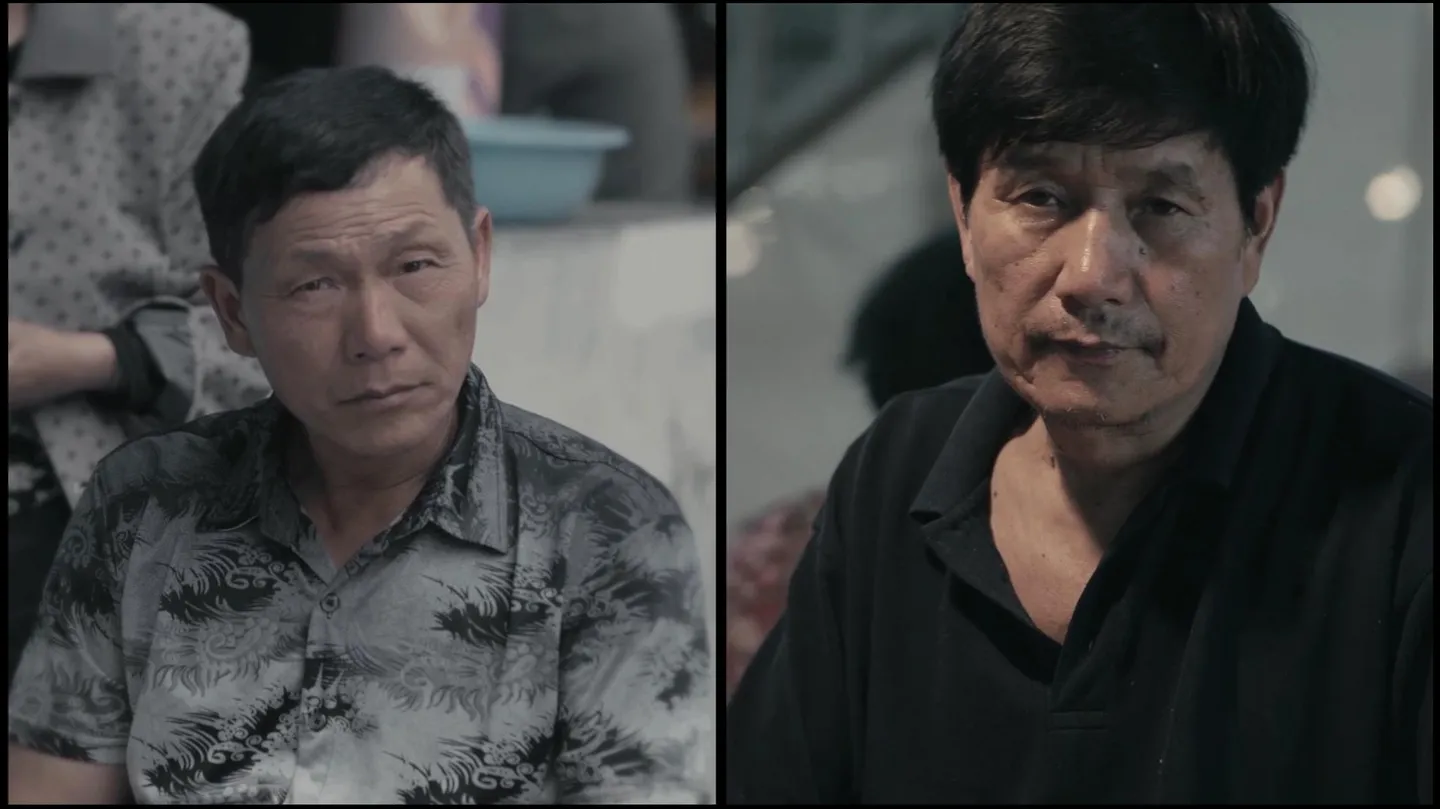
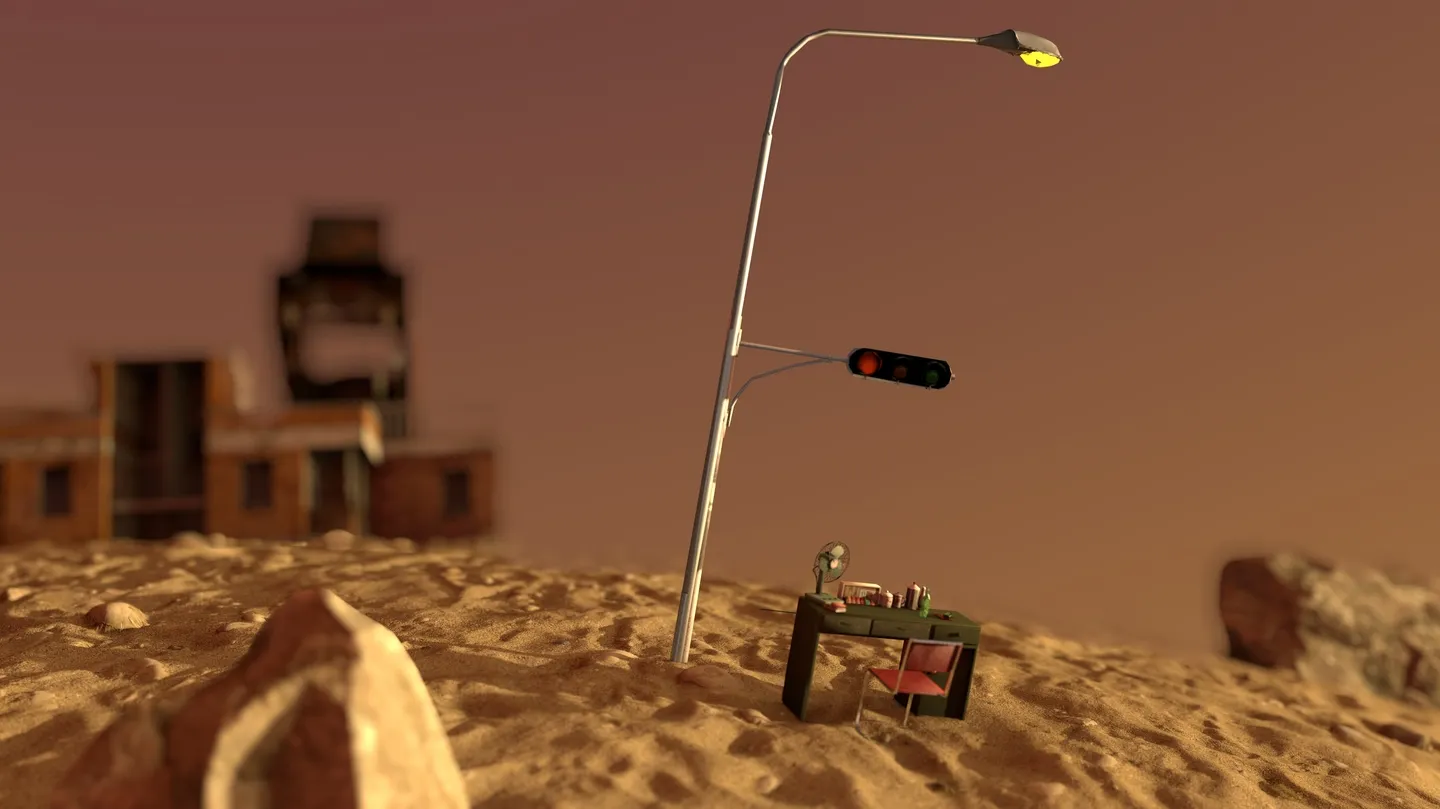
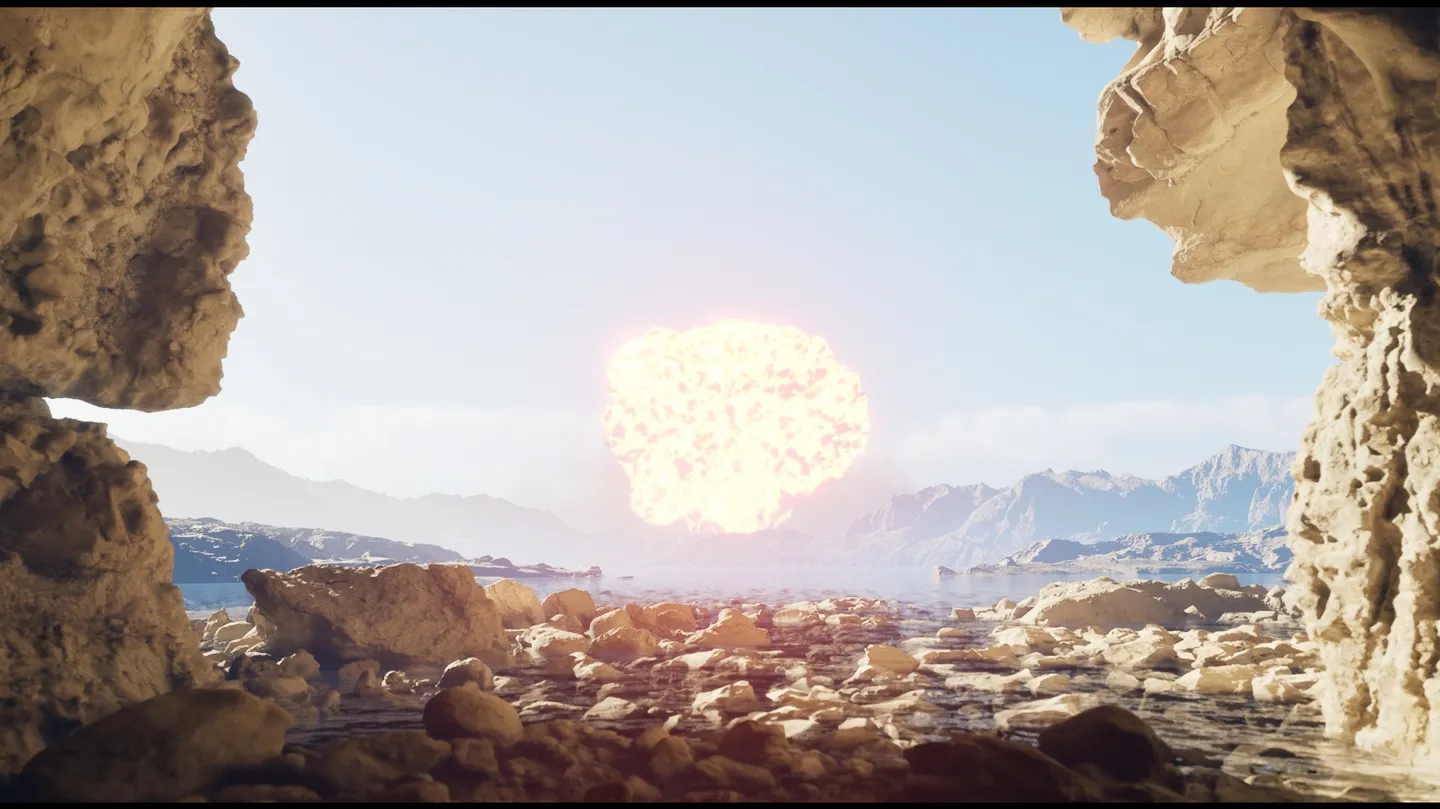
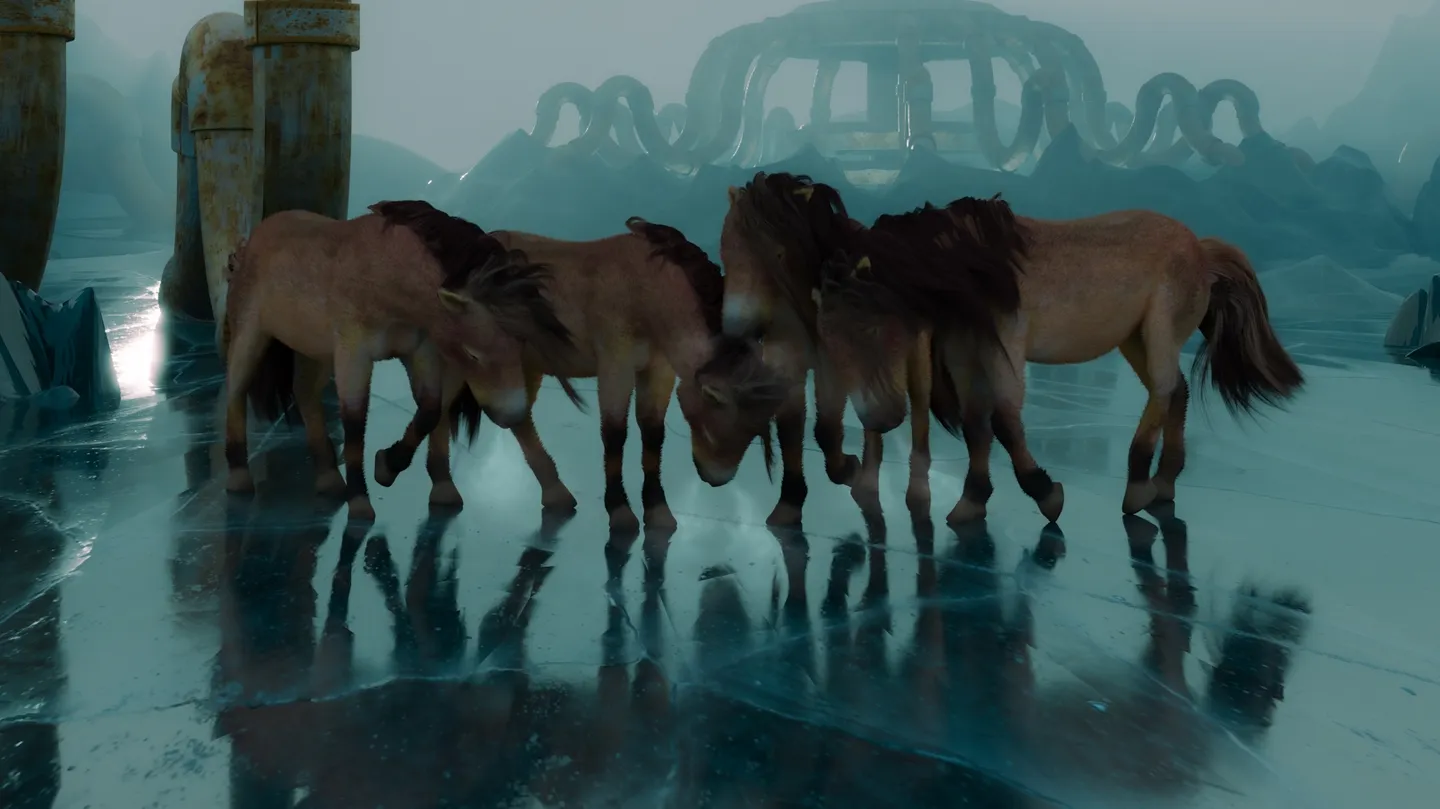
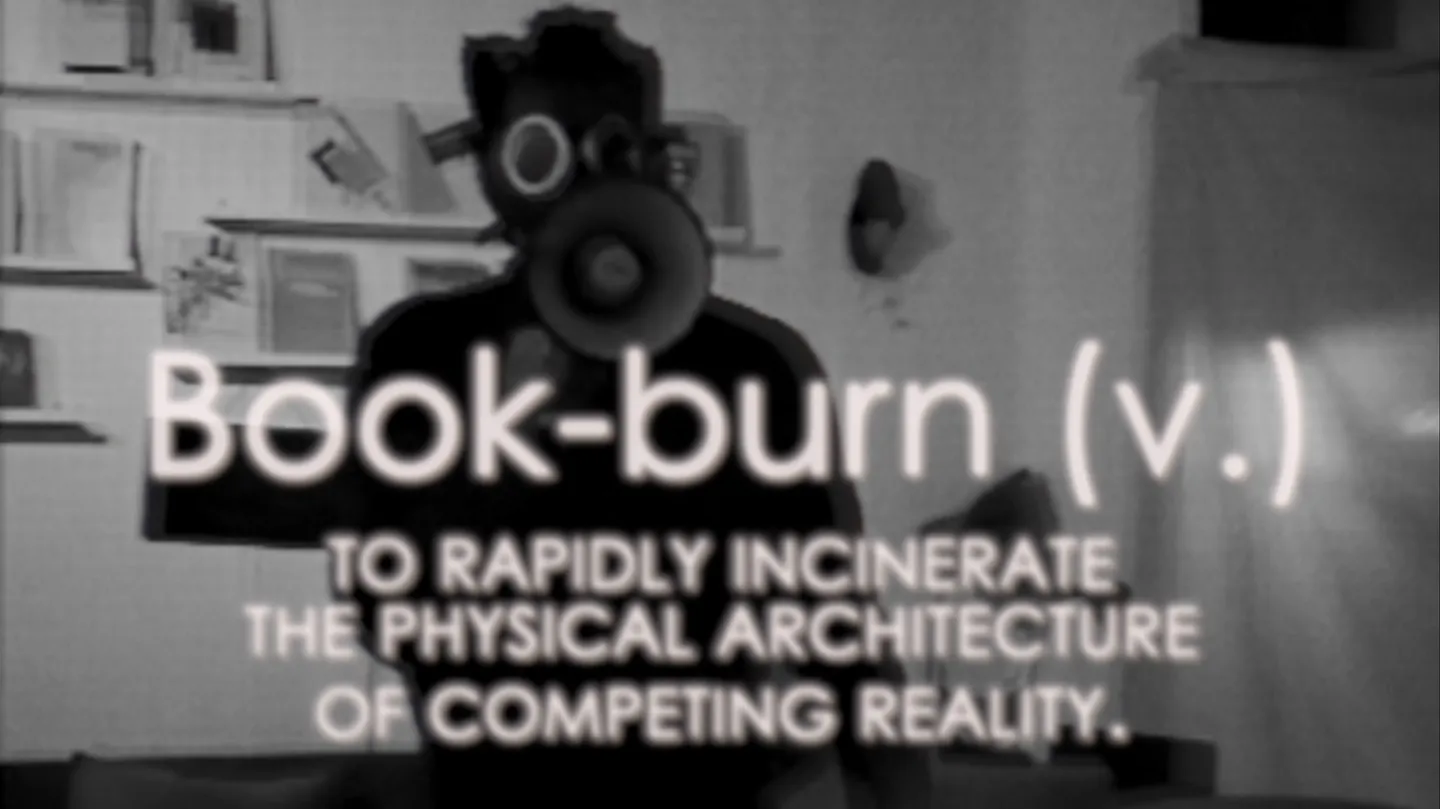
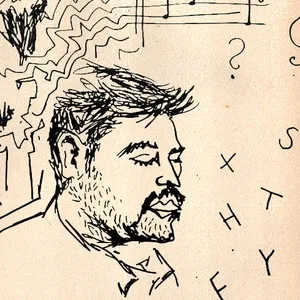
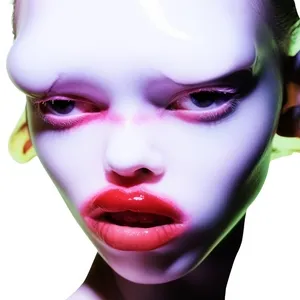
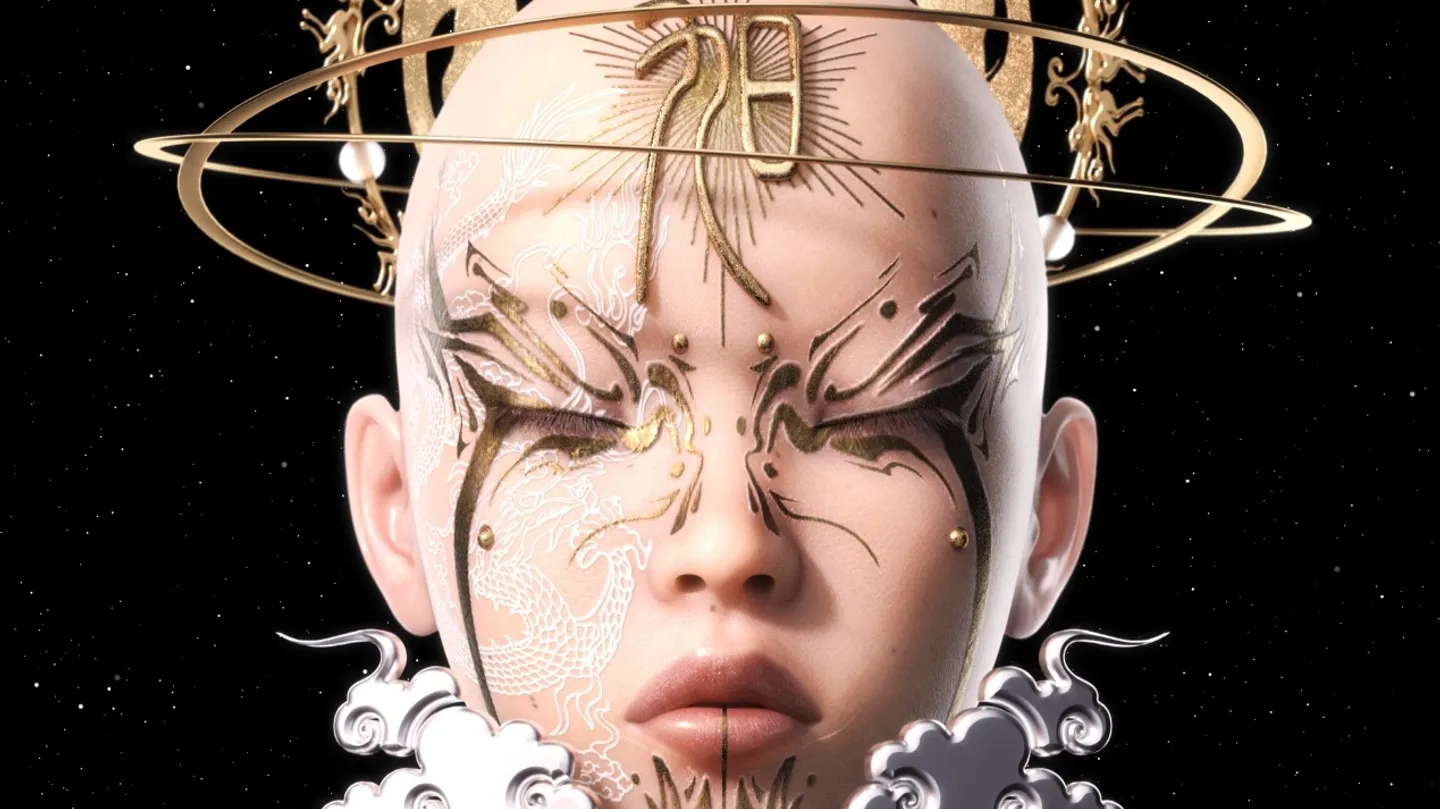
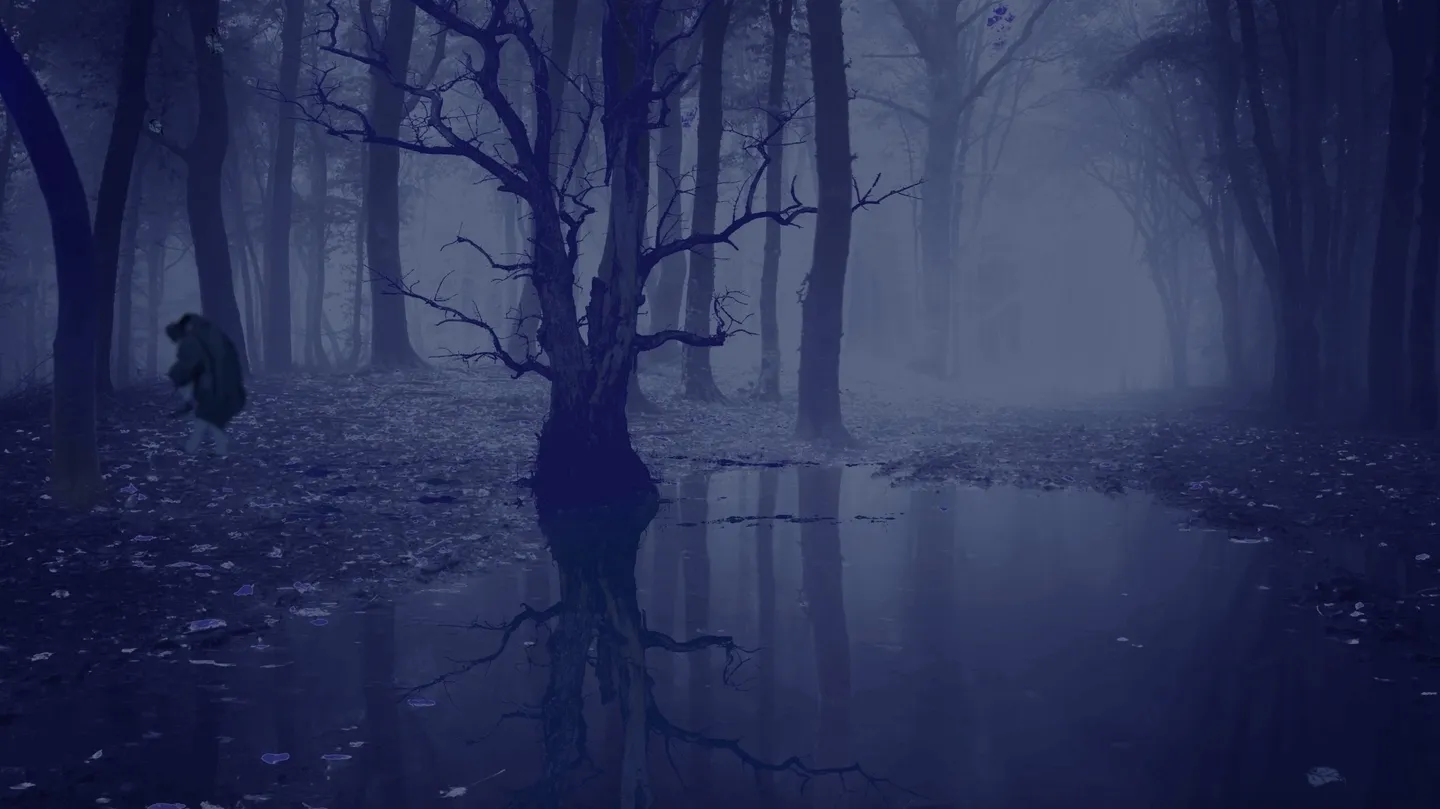
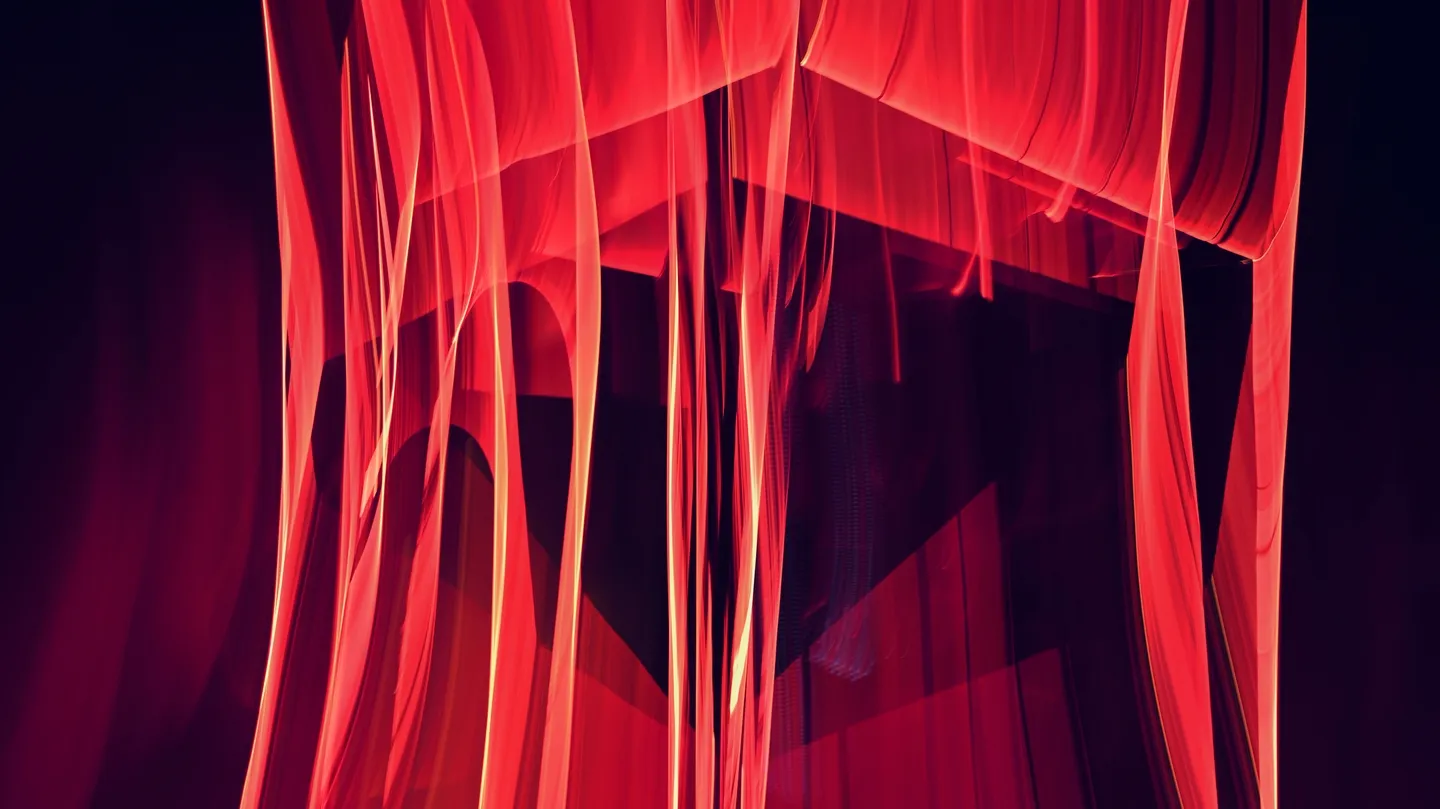
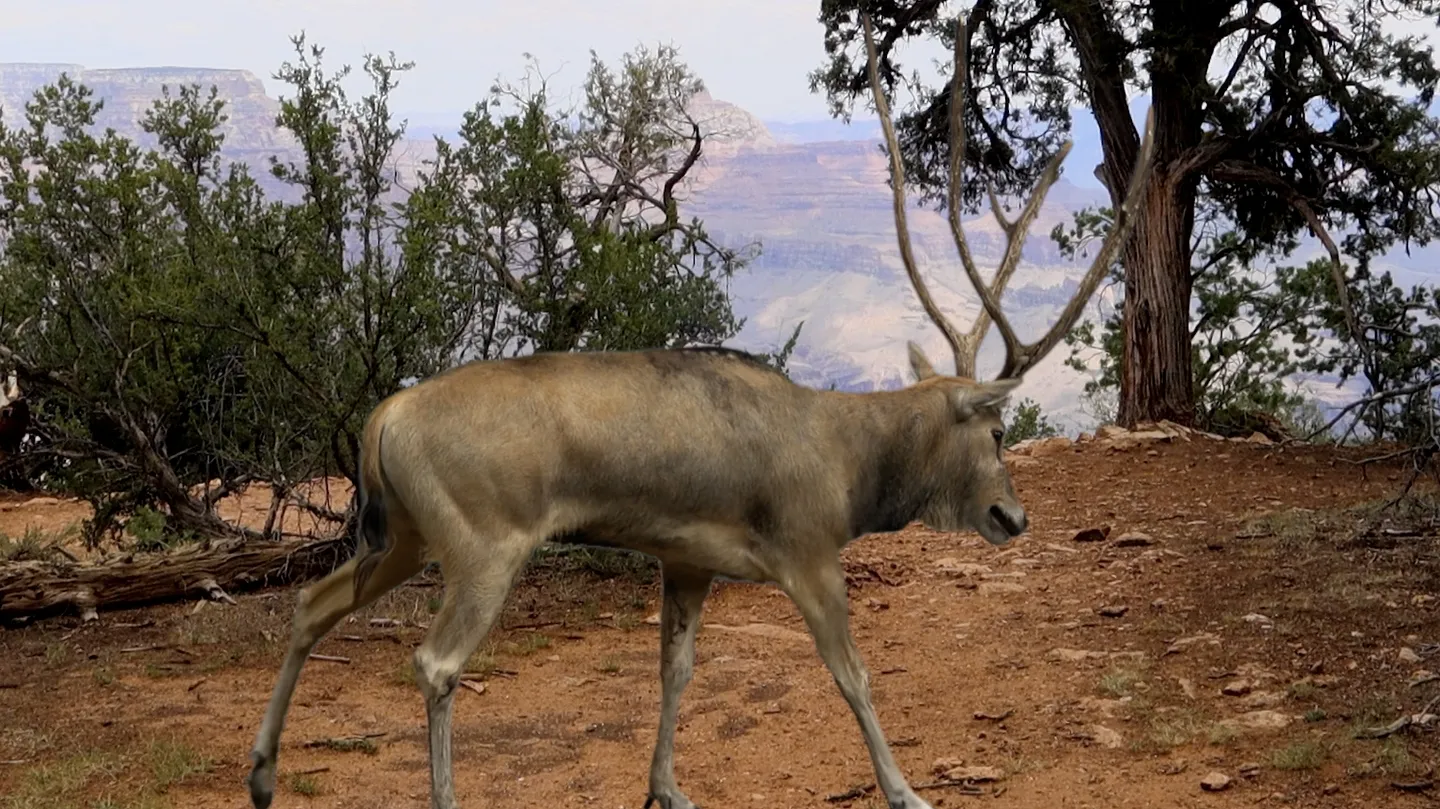
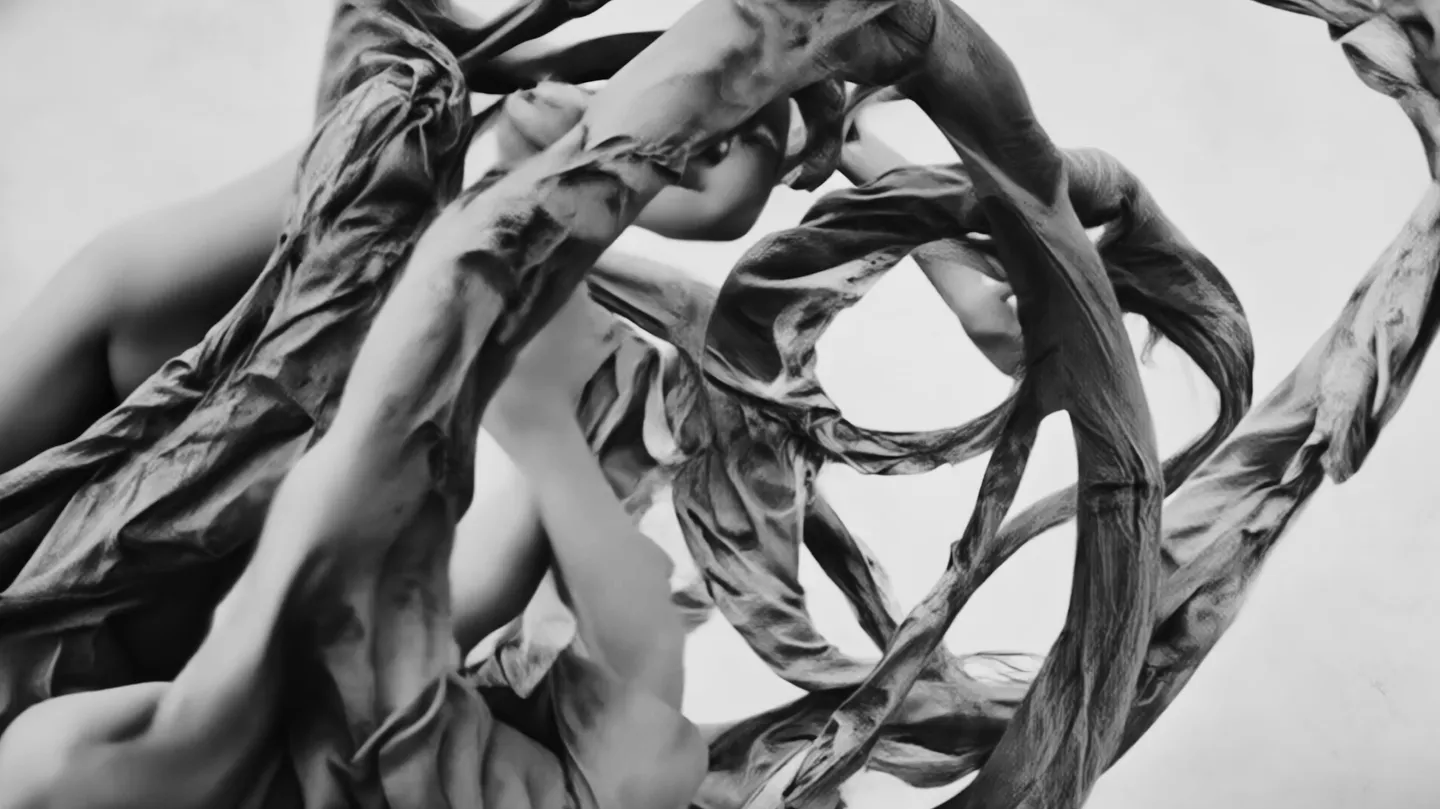
The work "Acheiropoieta" begins with the human silhouettes "imprinted" onto wall by the nuclear explosion in Nagasaki in 1945. It explores the hauntology connection between photography and nuclear radiation, and the relationship between the light of creation and the light of destroy. The photographer, using divination photography to interpret dreams, is trapped in a nightmare of distorted time memories. In early East Asia, photography was often seen as a medium for capturing the souls of the deceased. Meanwhile, artificial intelligence diffusion models generate images from noise; however, these images are often accompanied by grotesque "glitch" phenomena. These accidentally generated phantoms may be technological accidents, but they are also fears from the collective unconscious and forgotten memories. Nuclear radiation and photography are both technologies about survival—like artificial intelligence, they are mediums of ghost. I deliberately chose images of disfigured and distorted limbs generated by early artificial intelligence and juxtaposed them with images of physical trauma caused by nuclear radiation. The damage and distortion caused by both physical damage and grotesque distortion symbolize a kind of "technological trauma." They embody the profound fears implanted in the human subconscious by modern technology, and both visually represent a kind of "automated surrealism." They are like "automated nightmare machines", leaving their mark on our inner world. In fact, using artificial intelligence is like merging the images left by all the deceased on Earth,and it's a way of coexisting with the ghosts of the past.
Authors
Tags