TRIADIC PROXIES
Contains AI-assisted elements
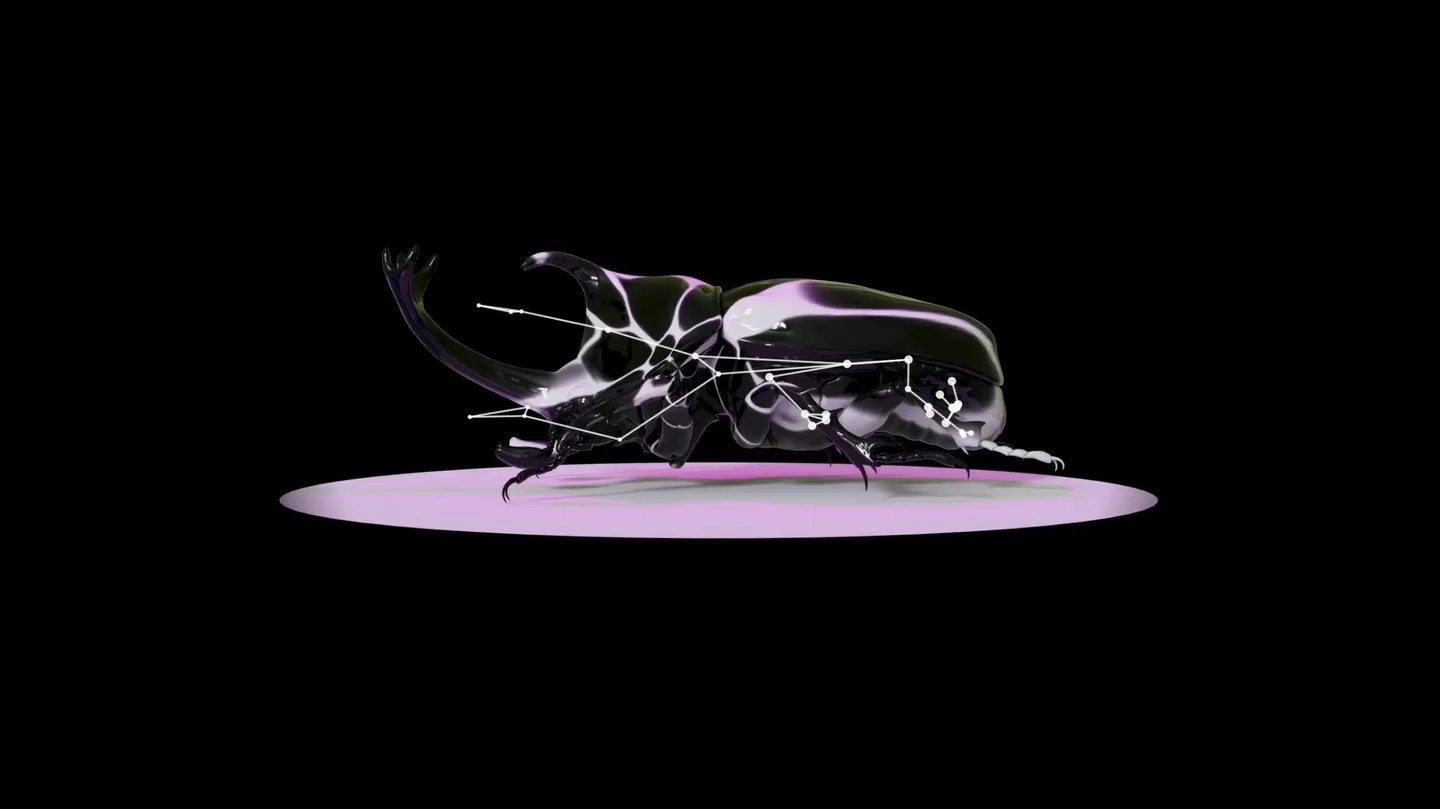
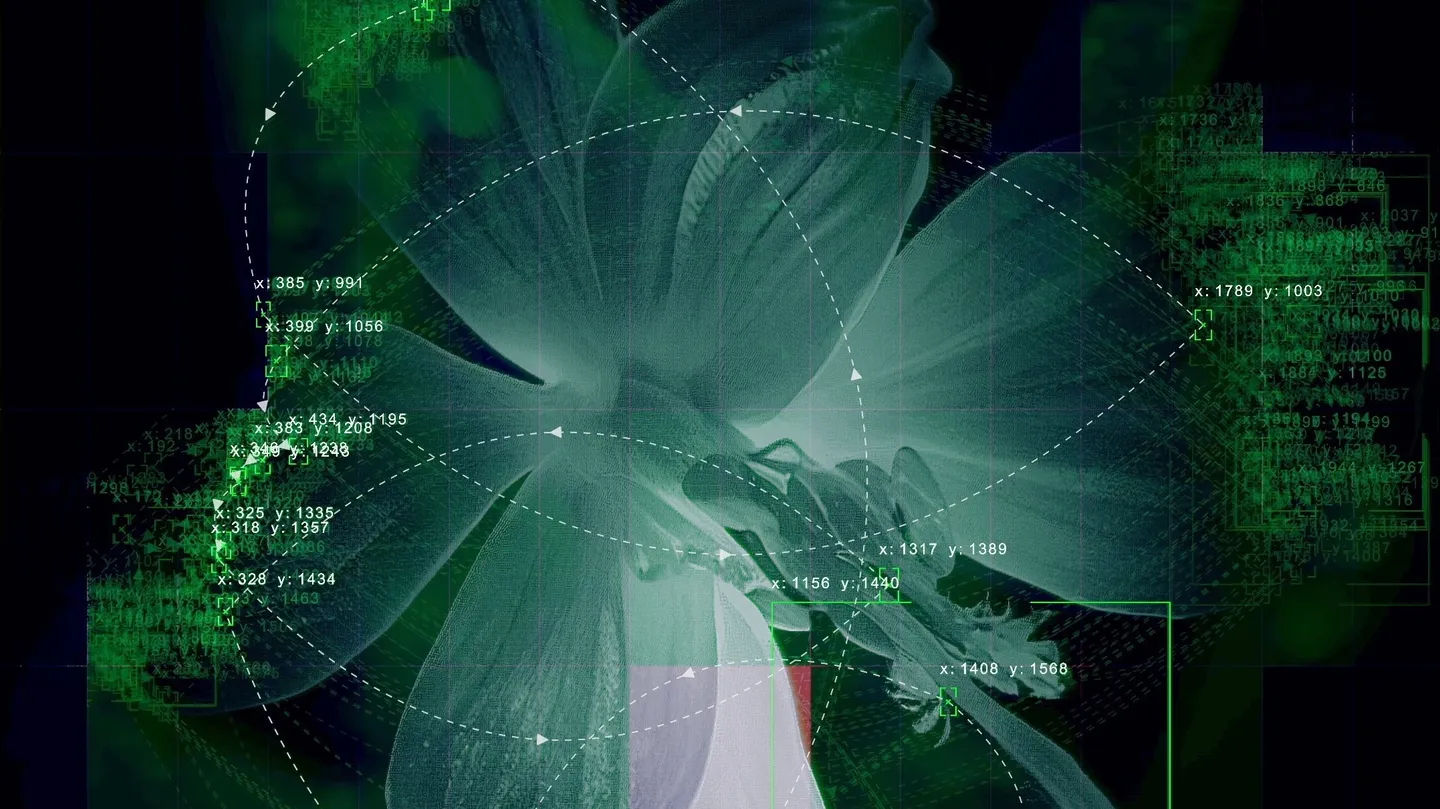
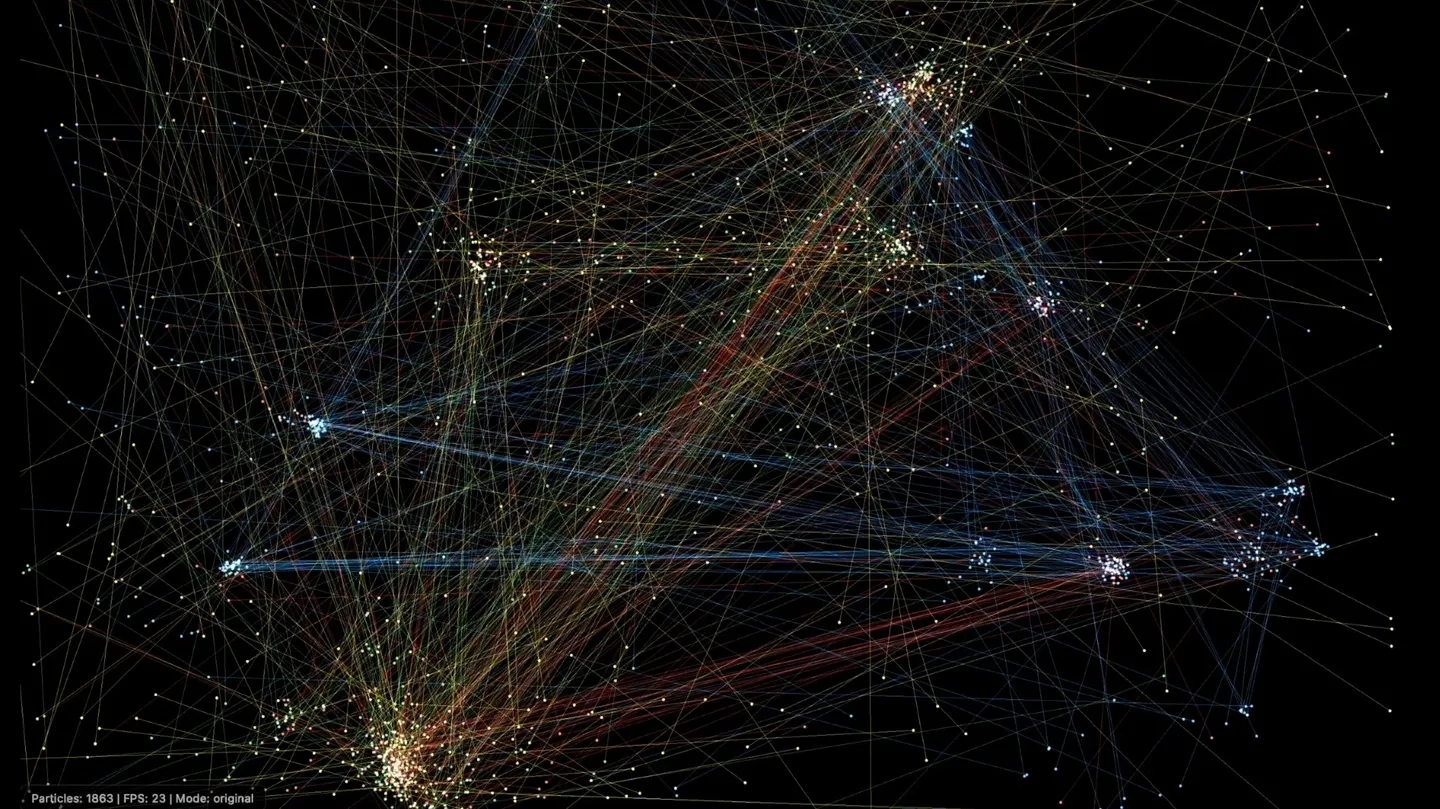
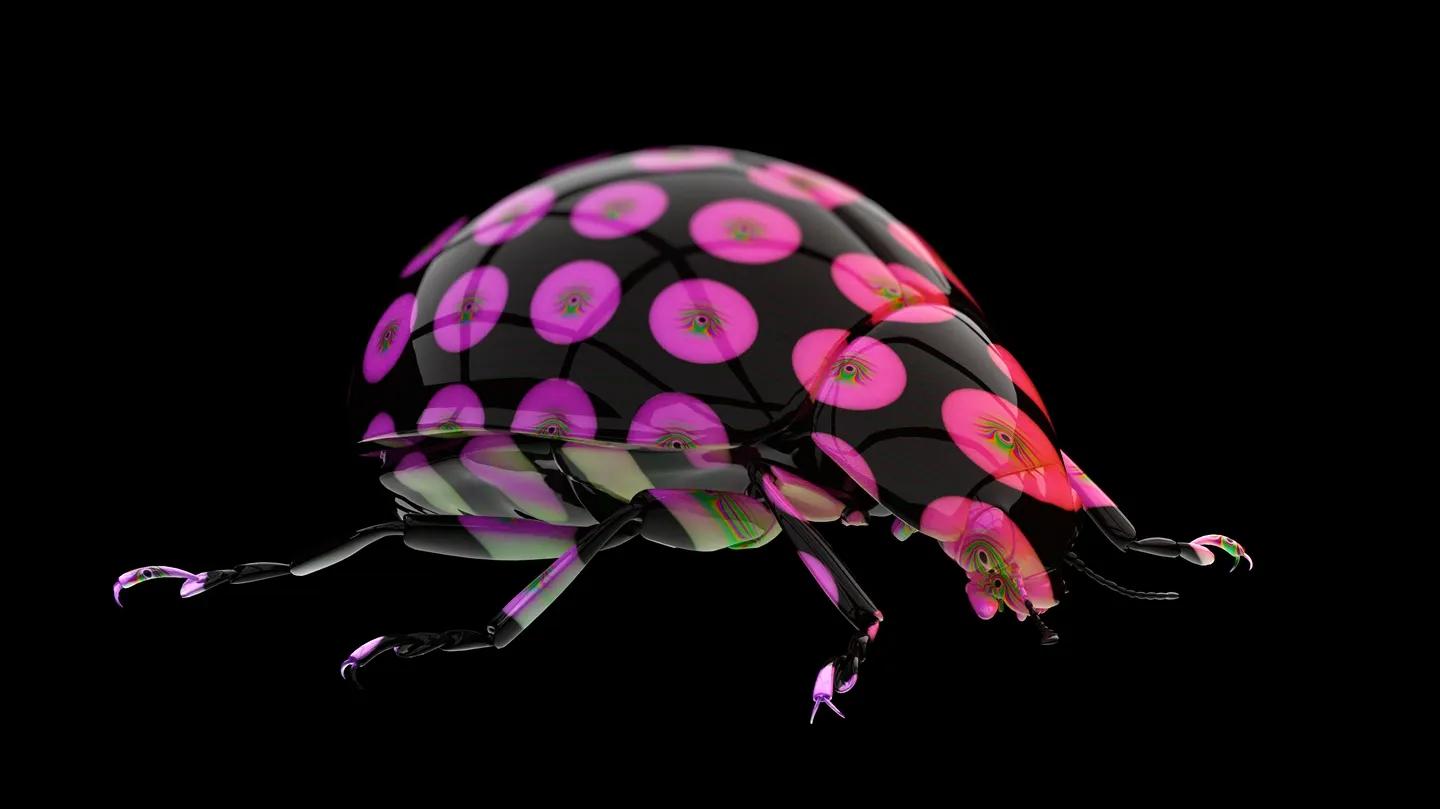
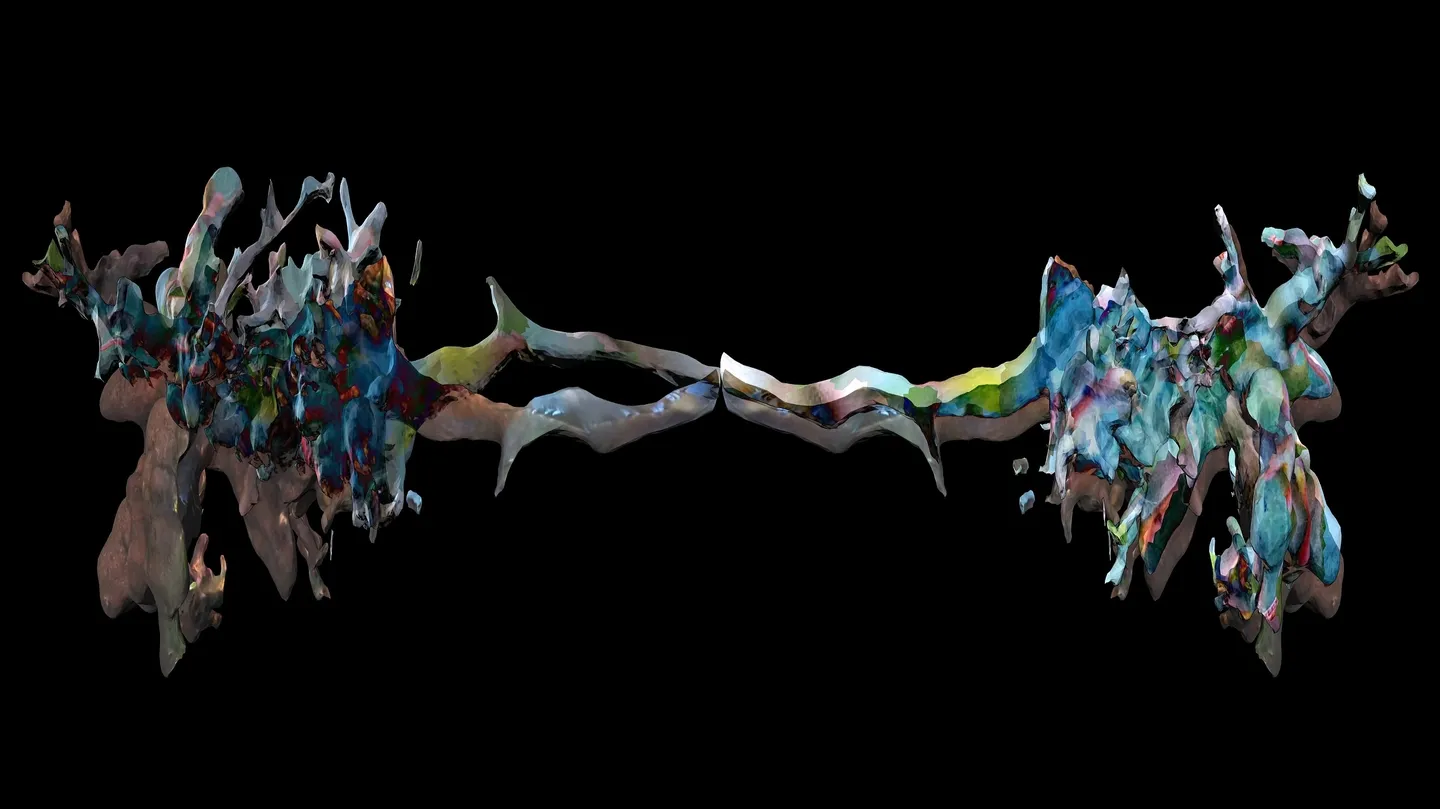
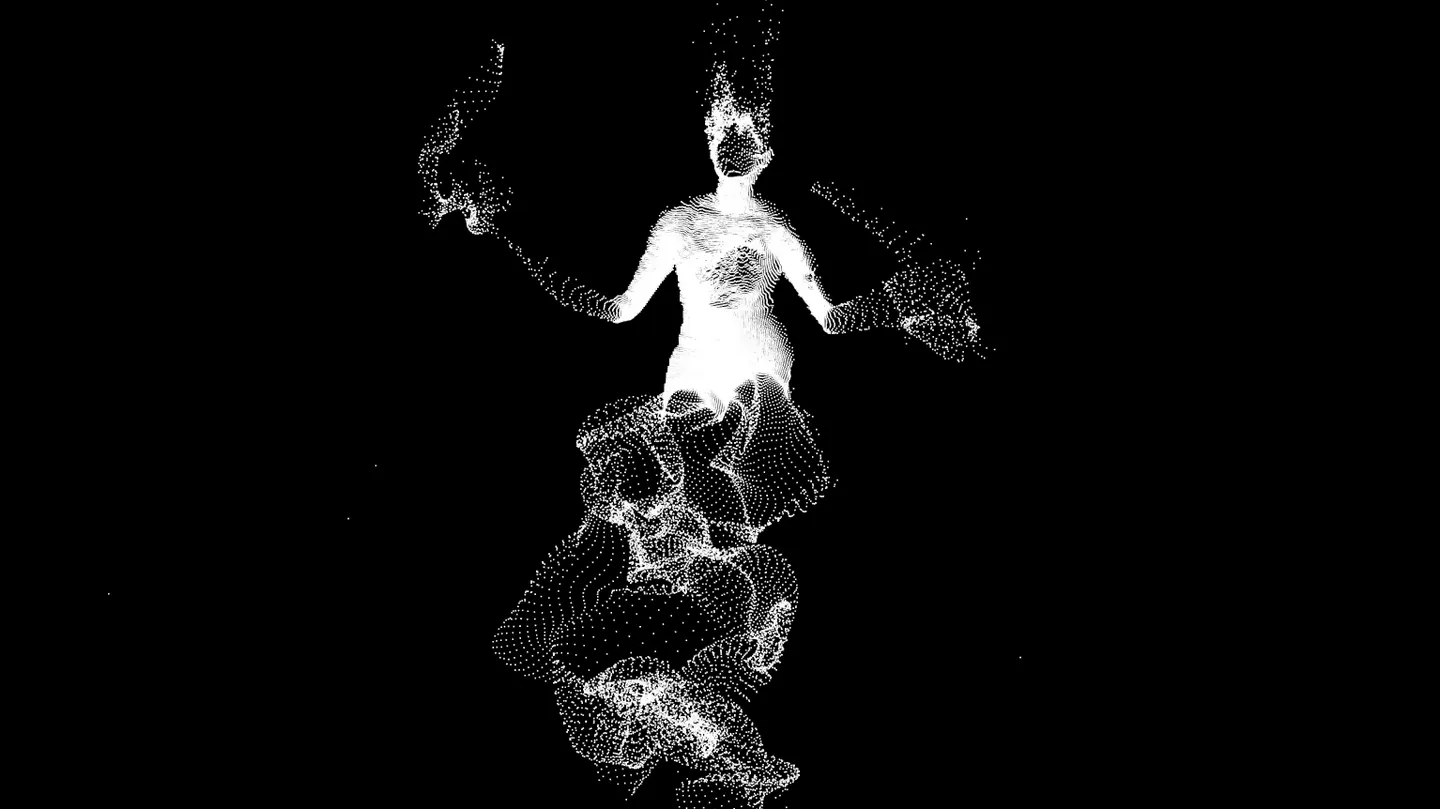
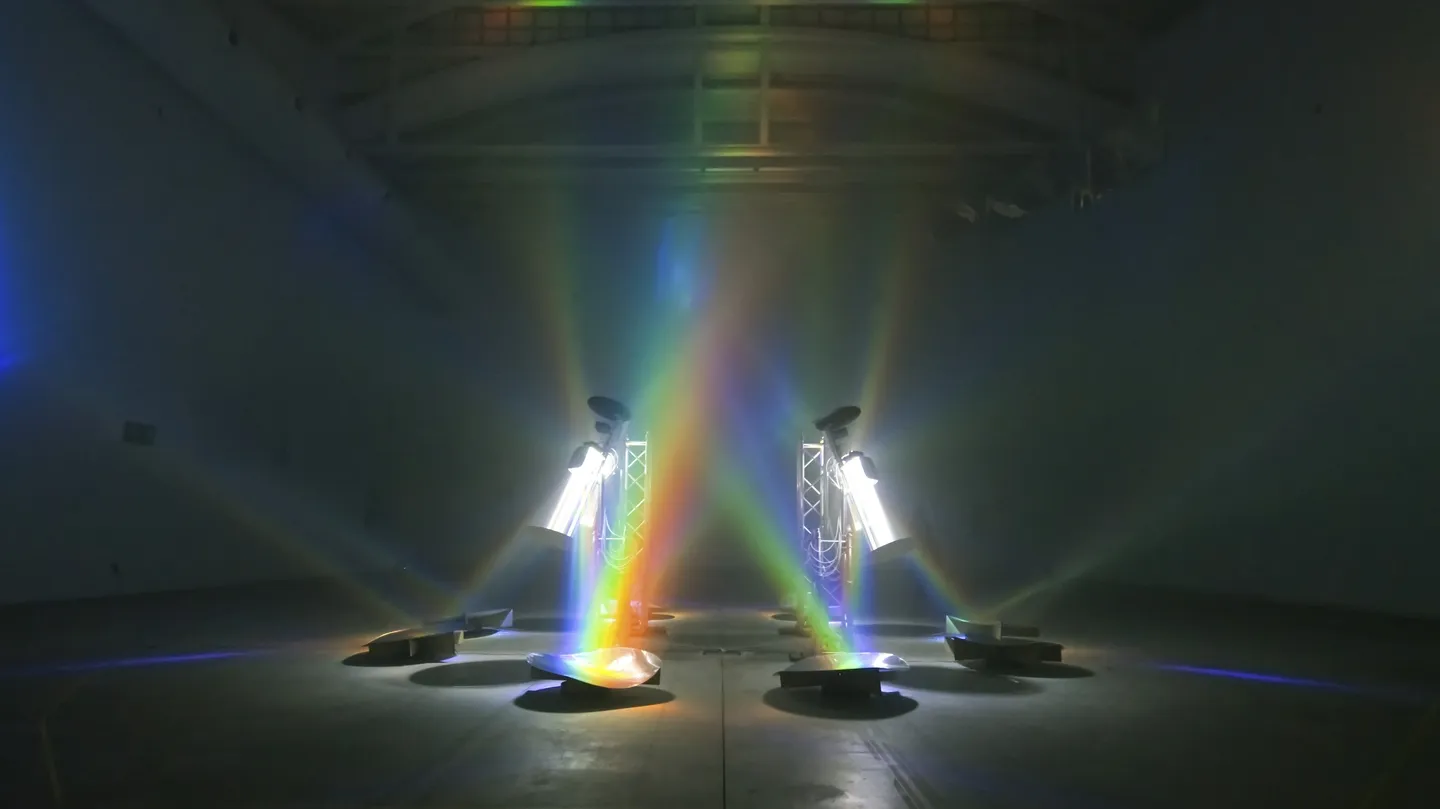
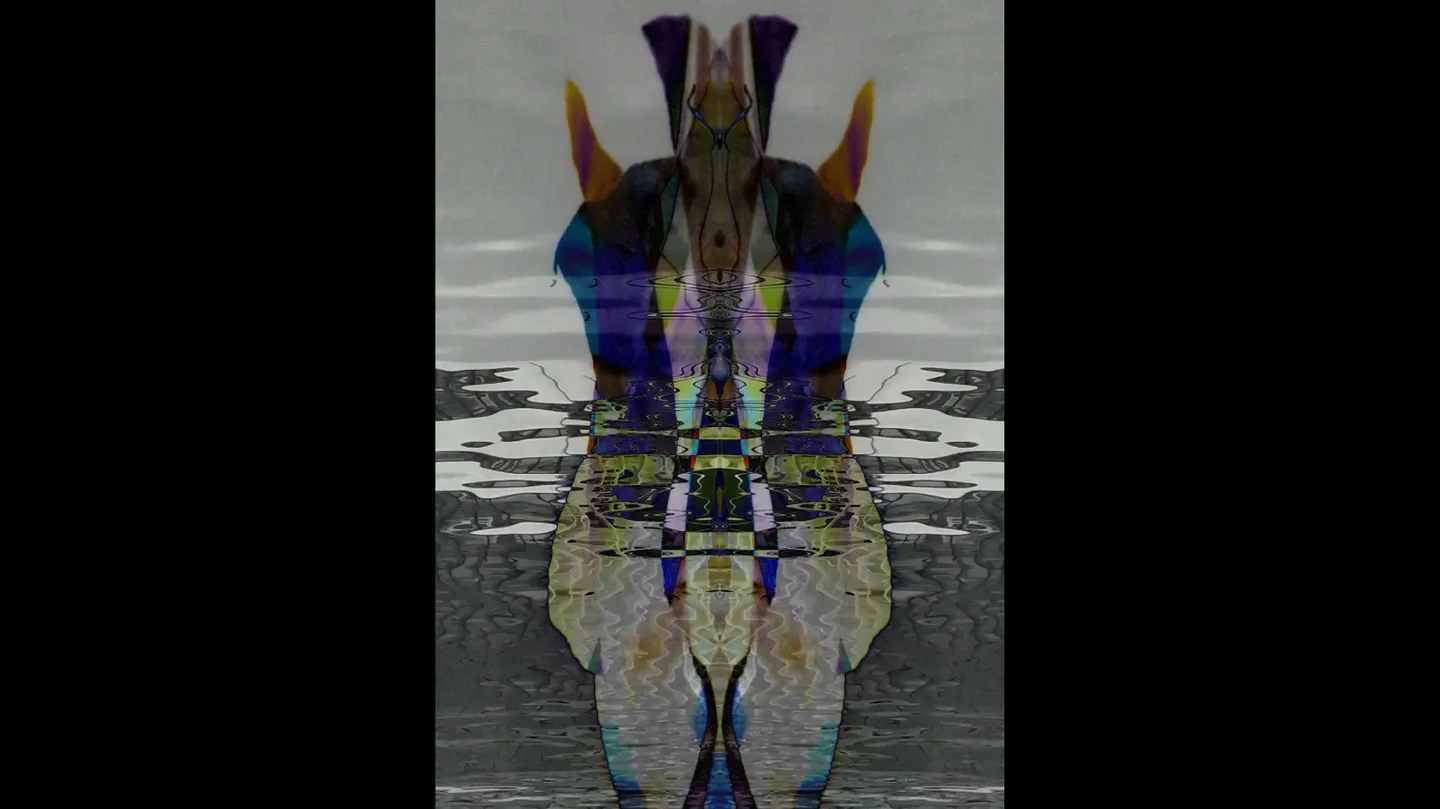
TRIADIC PROXIES: "Choreographies of Wireless Extraction" (Invisible Architectures). -- A generative, evolving and mutating Wi-Fi ballet + performance instrument. We treat Wi-Fi as a harmless, invisible cord connecting us to the internet. We rarely think of it as a camera. But as radio waves flood our rooms, they don't just pass around us—they bounce off us. In the process, they capture our posture, our gestures, and even the natural rhythm of our breathing. Once we accept that this invisible data can be measured, we have to face a hard truth: the physical wall no longer guarantees our privacy. To make this invisible power visible, I created TRIADIC PROXIES: "Choreographies of Wireless Extraction" (Invisible Architectures: The Wi-Fi Ballet). This fully generative, mutating performance instrument is a digital artwork that bounces standard Wi-Fi signals through a space filled with virtual dancers. From these interrupted signals, the system extracts exactly what modern surveillance craves: human skeletons, ID tags, and location coordinates. Every movement you see is driven by personal network data. Even the soundtrack is composed entirely of network chirps and sonar pings that echo whenever a physical body disrupts the signal. The language of the project points to a terrifying real-world shift. In 2013, MIT researchers proved ordinary Wi-Fi could track movement through walls; today, open-source projects like RuView let anyone do this using cheap, DIY computer chips. What started in high-tech labs is now an accessible surveillance kit. We have accidentally turned a global communication network into a massive surveillance system. The traditional camera lens is disappearing; the room itself is the new lens. Visually and conceptually, the project looks back a century to Oskar Schlemmer’s 1922 Triadic Ballet. Schlemmer dressed his dancers in bold geometric shapes to connect the human body to the architecture of the stage, calling this invisible geometry Raumlineatur, or "lines of space." Triadic Proxies is a direct, cybernetic update of this Bauhaus spatial theory. Schlemmer’s lines of space are reborn for the Wi-Fi era, translated into electromagnetic waves and the vectors of AI pose estimation. A hooped skirt becomes a coiled antenna; a mask becomes a crown of sensors. A century ago, blending human and machine was an artistic dream. Today, it is no longer a choice. The network reads us whether we consent or not. Beside each dancer moves their proxy—a slightly delayed digital shadow. The tension between the physical person and this data double is the core of the project. But I didn’t build this digital cage just to lock us inside. I built it to show how we might break out. Drawing on hacker culture, the dancers and interactive visitors are equipped with tools to fight back: The Privacy Shield: Holding specific poses triggers real-time identity erasure. Phantom Sabotage: Generating fake digital reflections confuses the AI tracking system. Faraday Refusal: Utilizing adversarial costumes—barcodes and optical illusions built on my previous works like AI Beetle and Rzl-Dzl-AI—allows bodies to vanish from the signal entirely. The work’s calm, cinematic pacing uses slow camera movements to gradually reveal these invisible data paths. When an interception or glitch happens, it’s a sudden, sharp cut. This mirrors how real surveillance feels: quiet background noise right up until the exact moment it catches you. The experience is live and runs directly in your browser. By connecting your webcam, reading the lag on your personal Wi-Fi network, or utilizing physical gallery sensors, the artwork watches you back. But crucially, it does so completely in the open. We cannot respond to a threat we cannot see or feel. It is time we stop talking about privacy as merely a legal concept and start defending it as a physical, architectural reality. As you watch these dancers move—half art-history puppets, half surveillance data points—I leave you with one urgent question: Are we still moving freely through our spaces, or are we just feeding the machine?