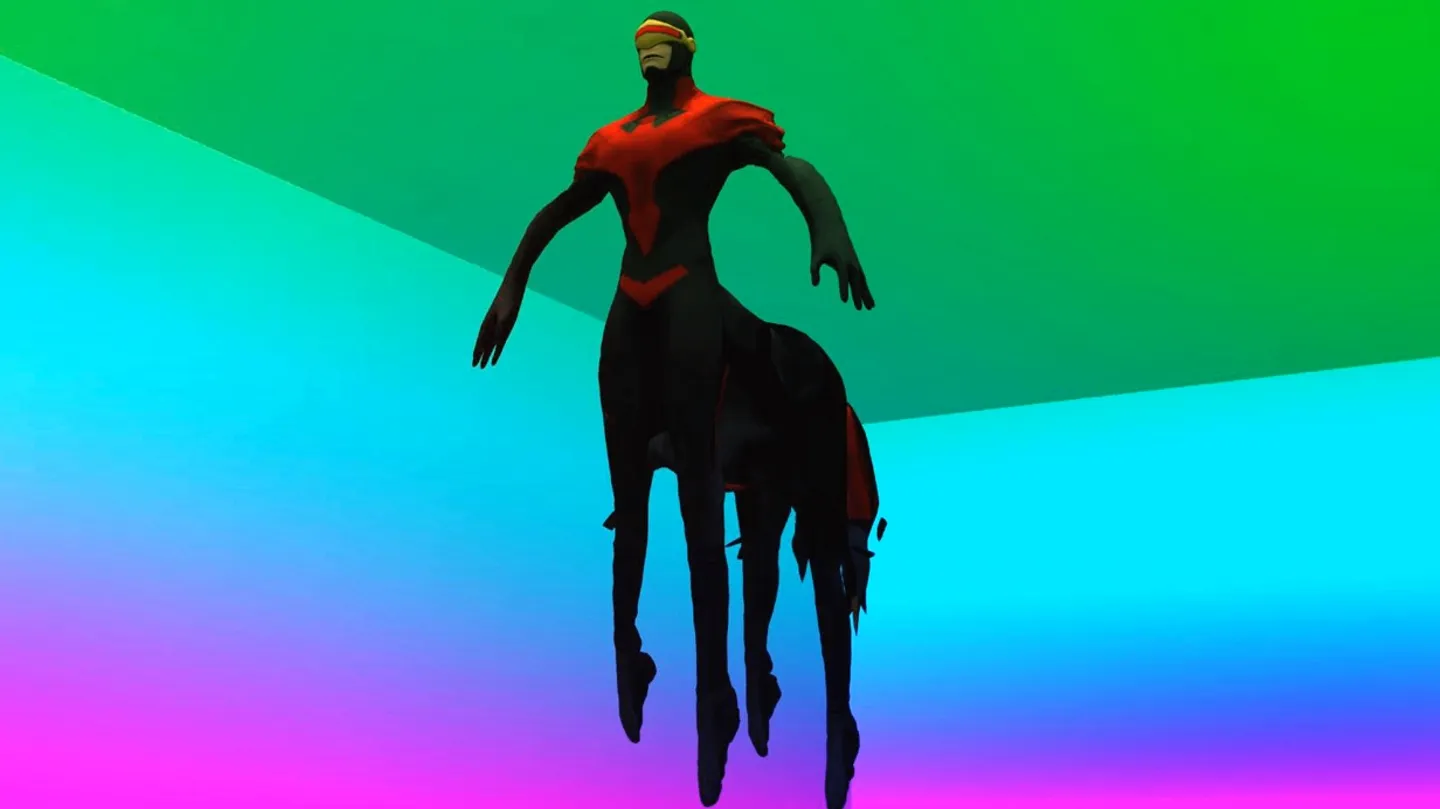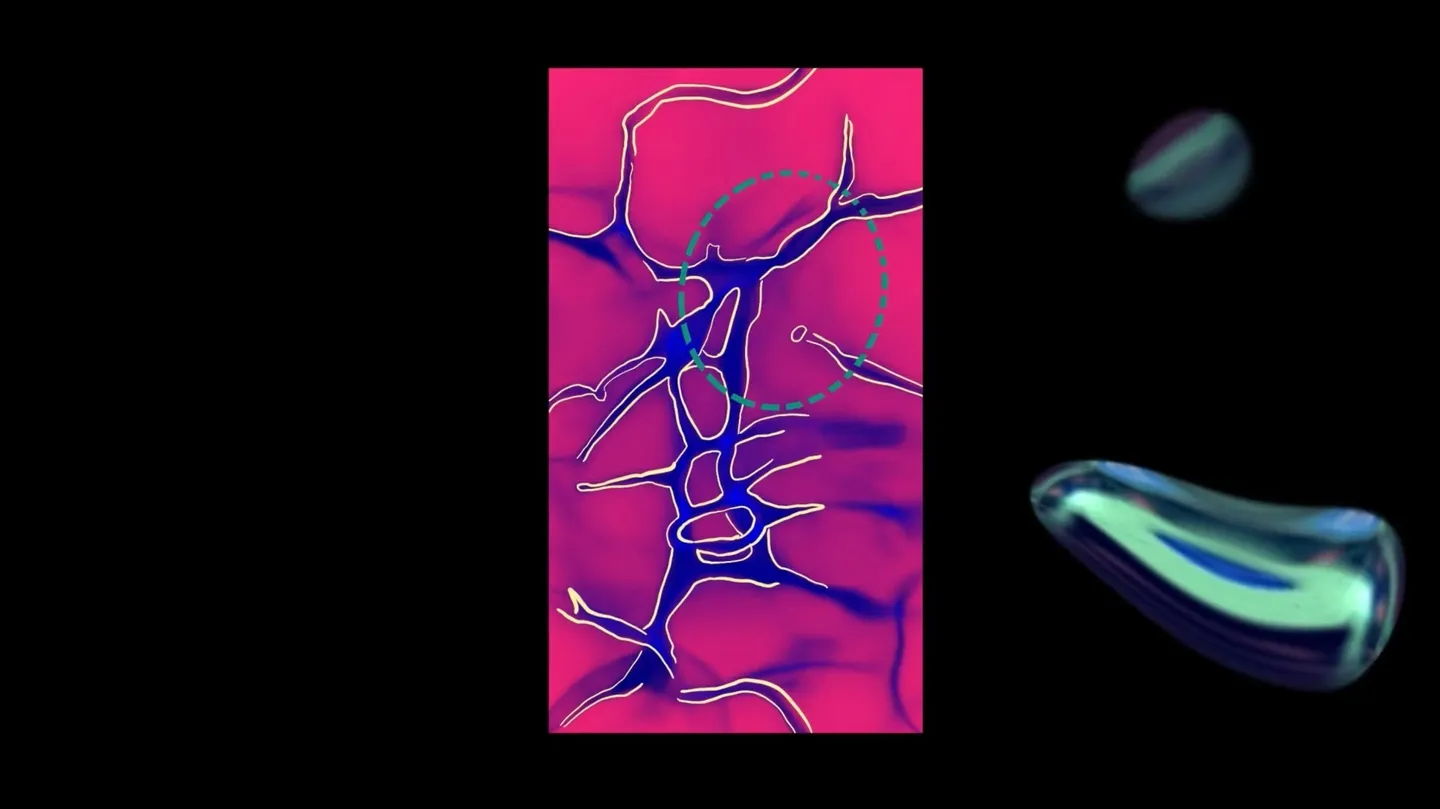
Transition
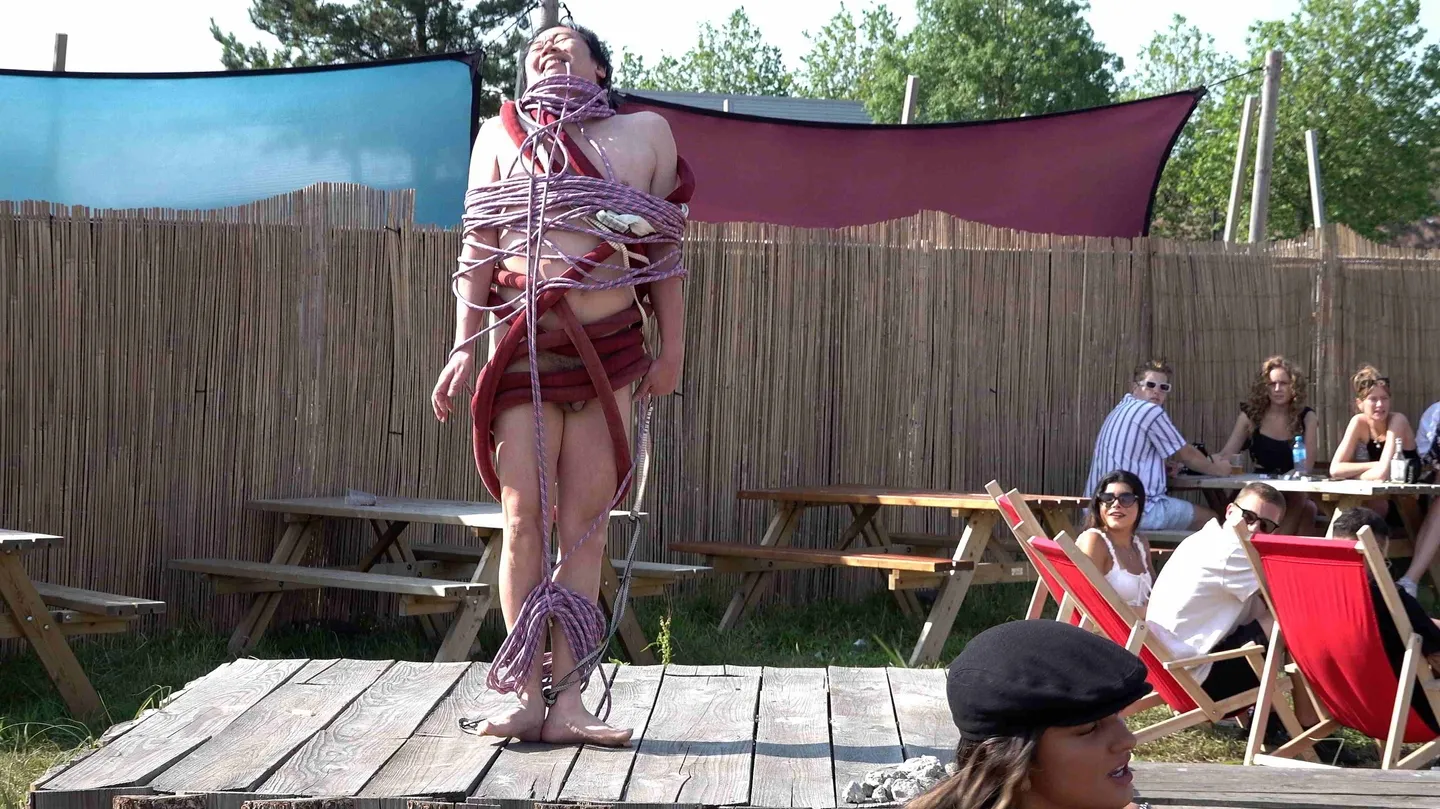
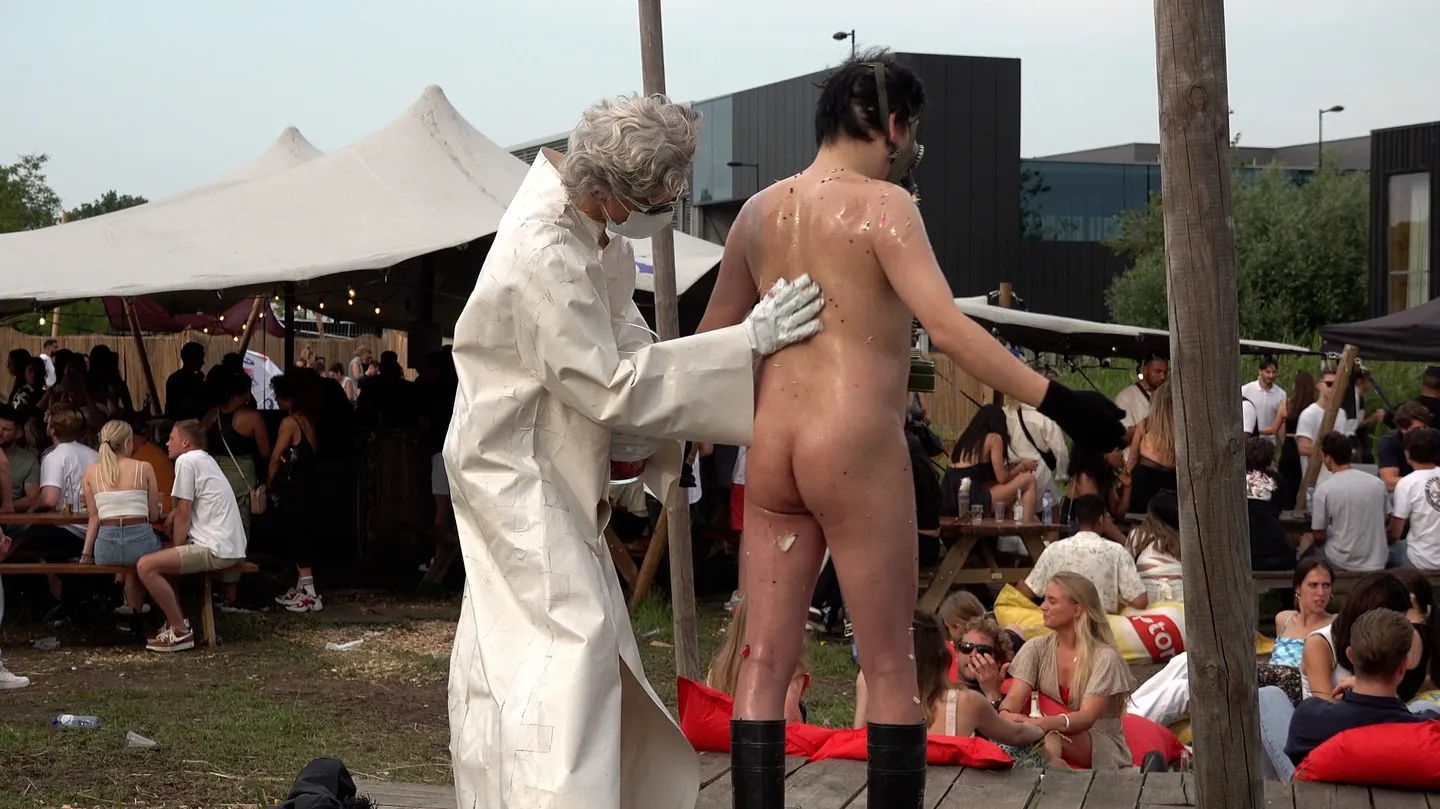
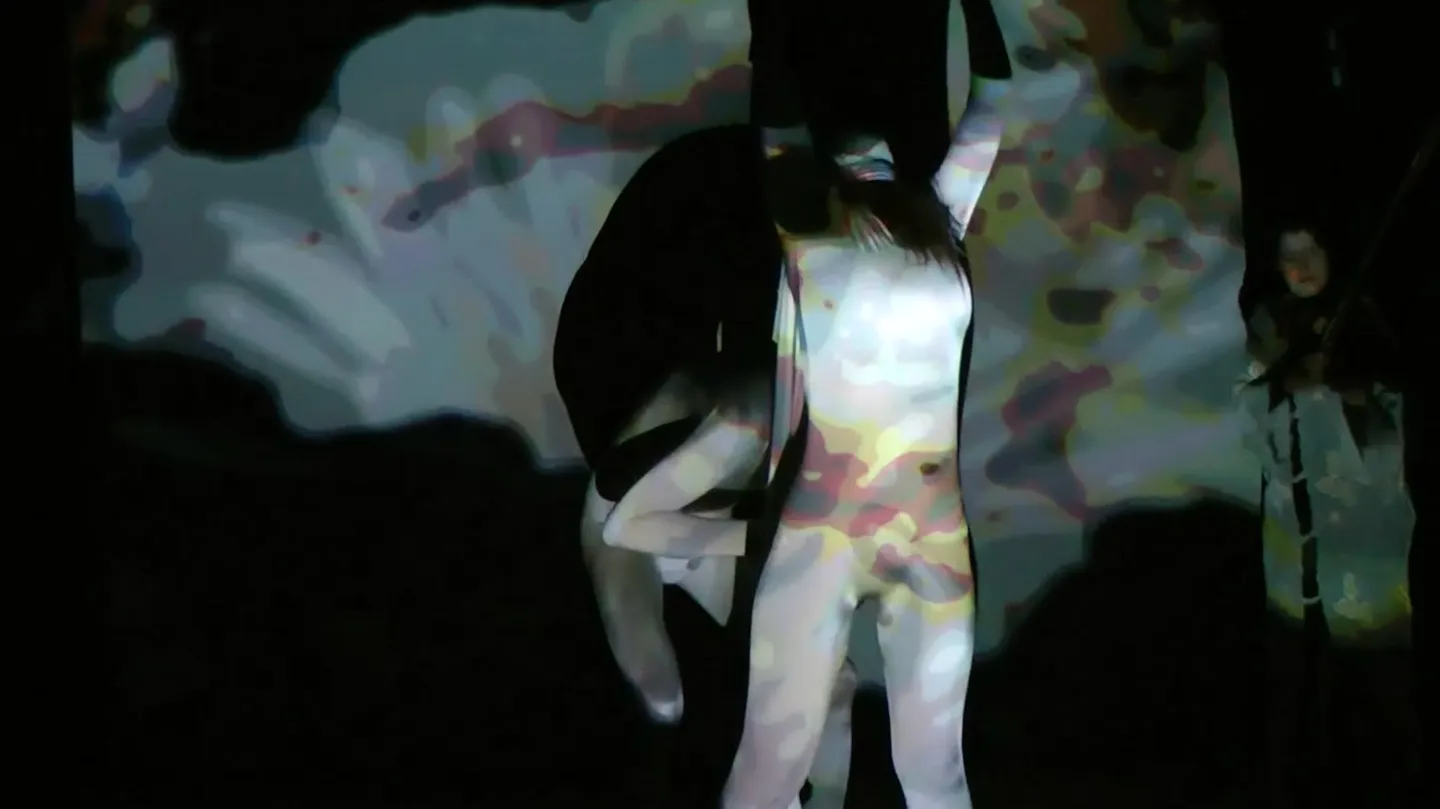
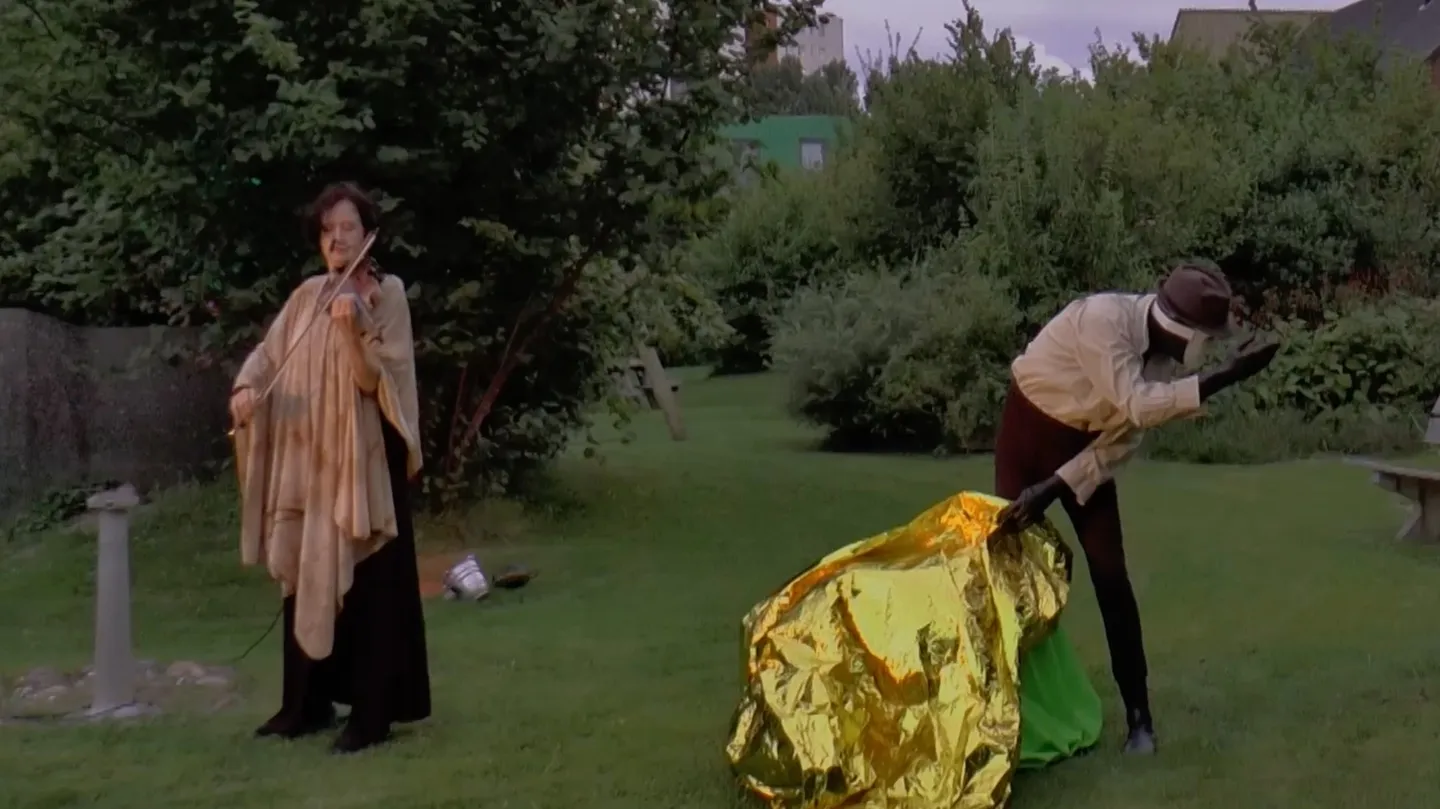
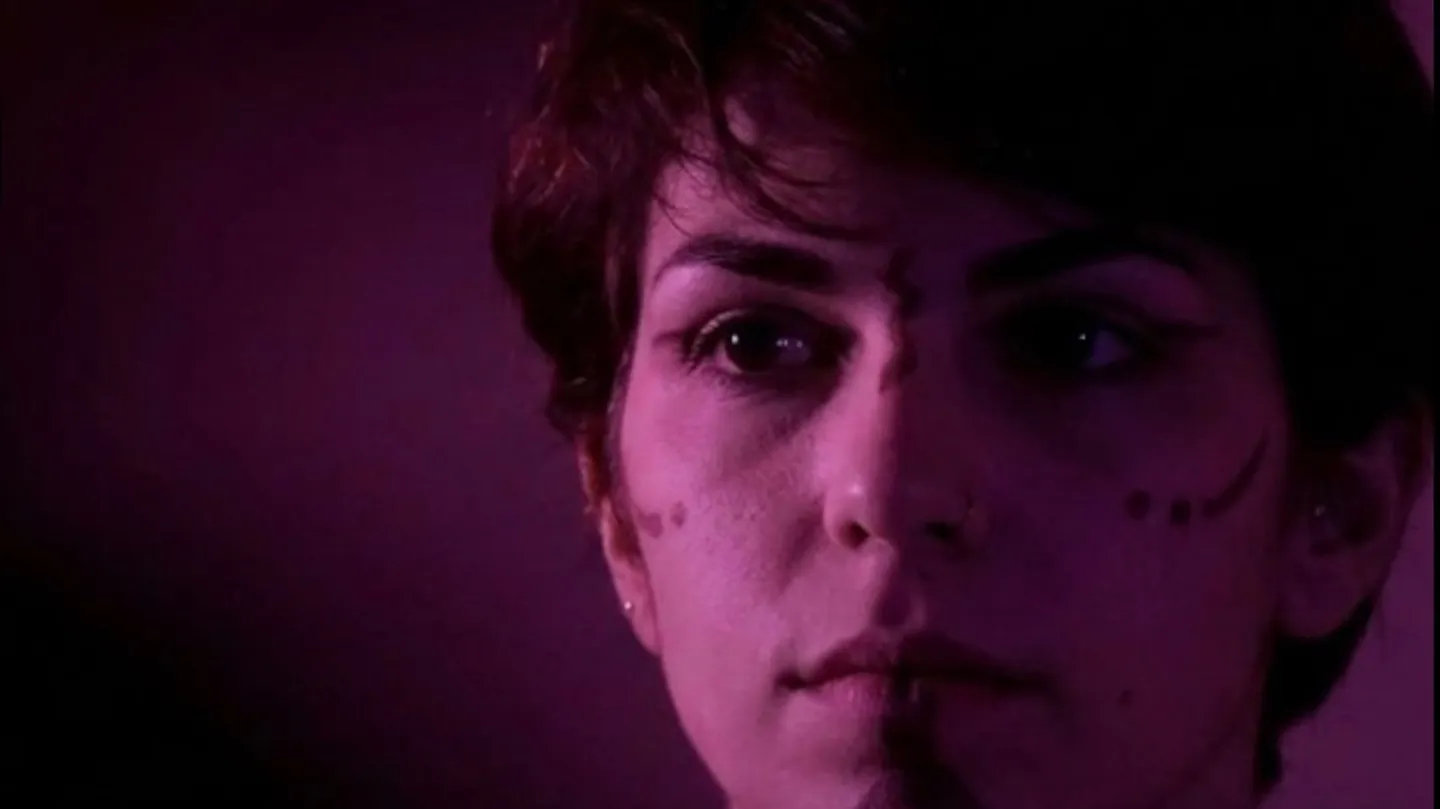
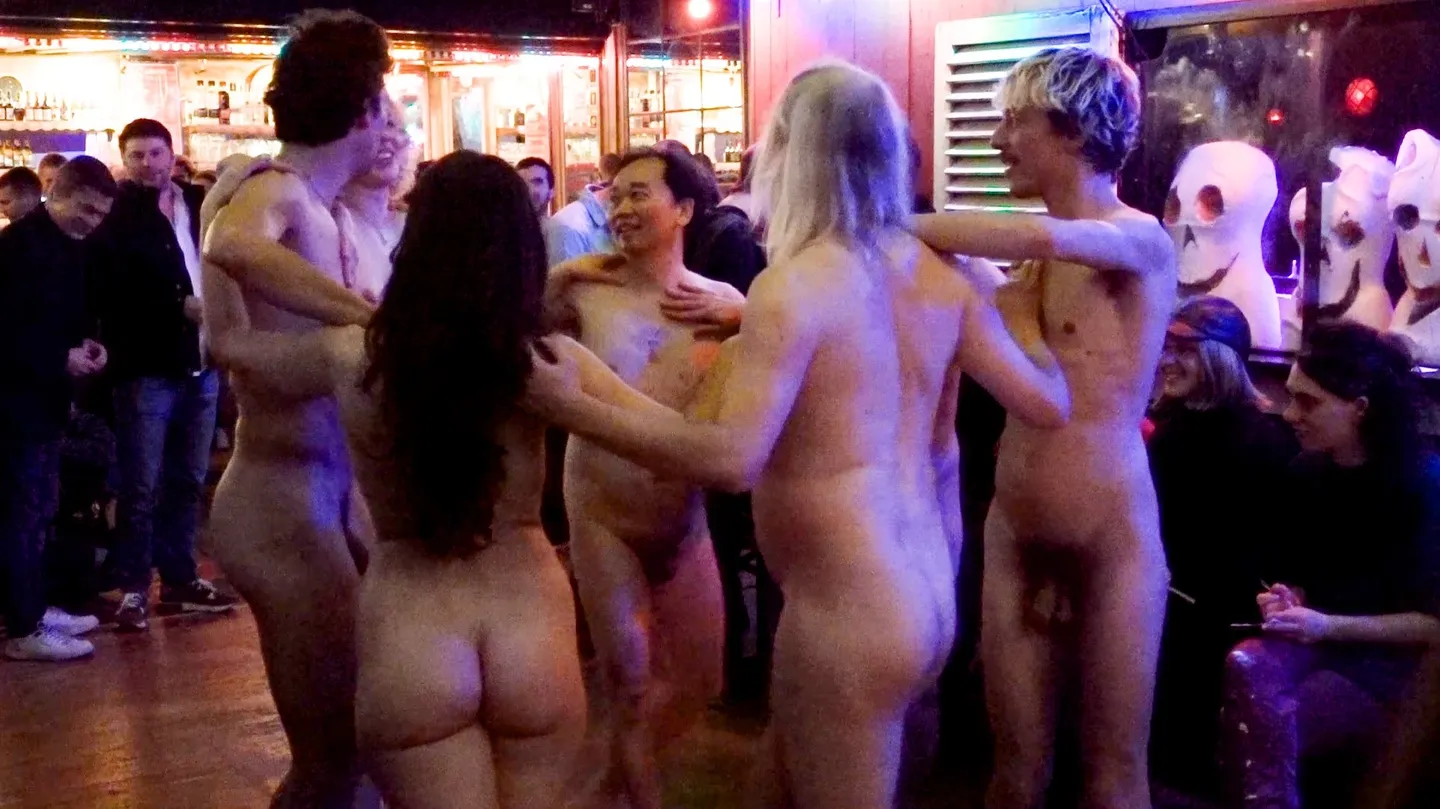
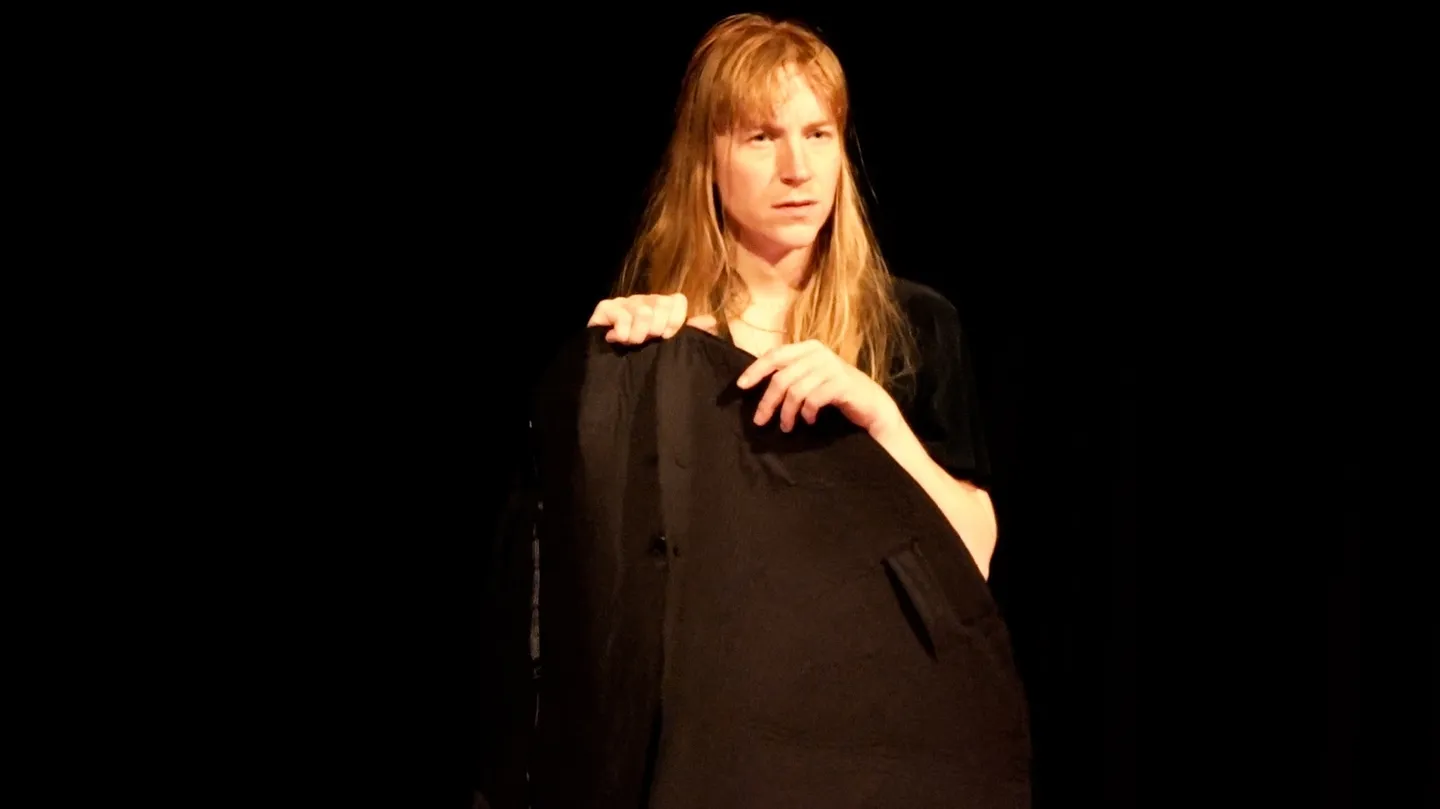
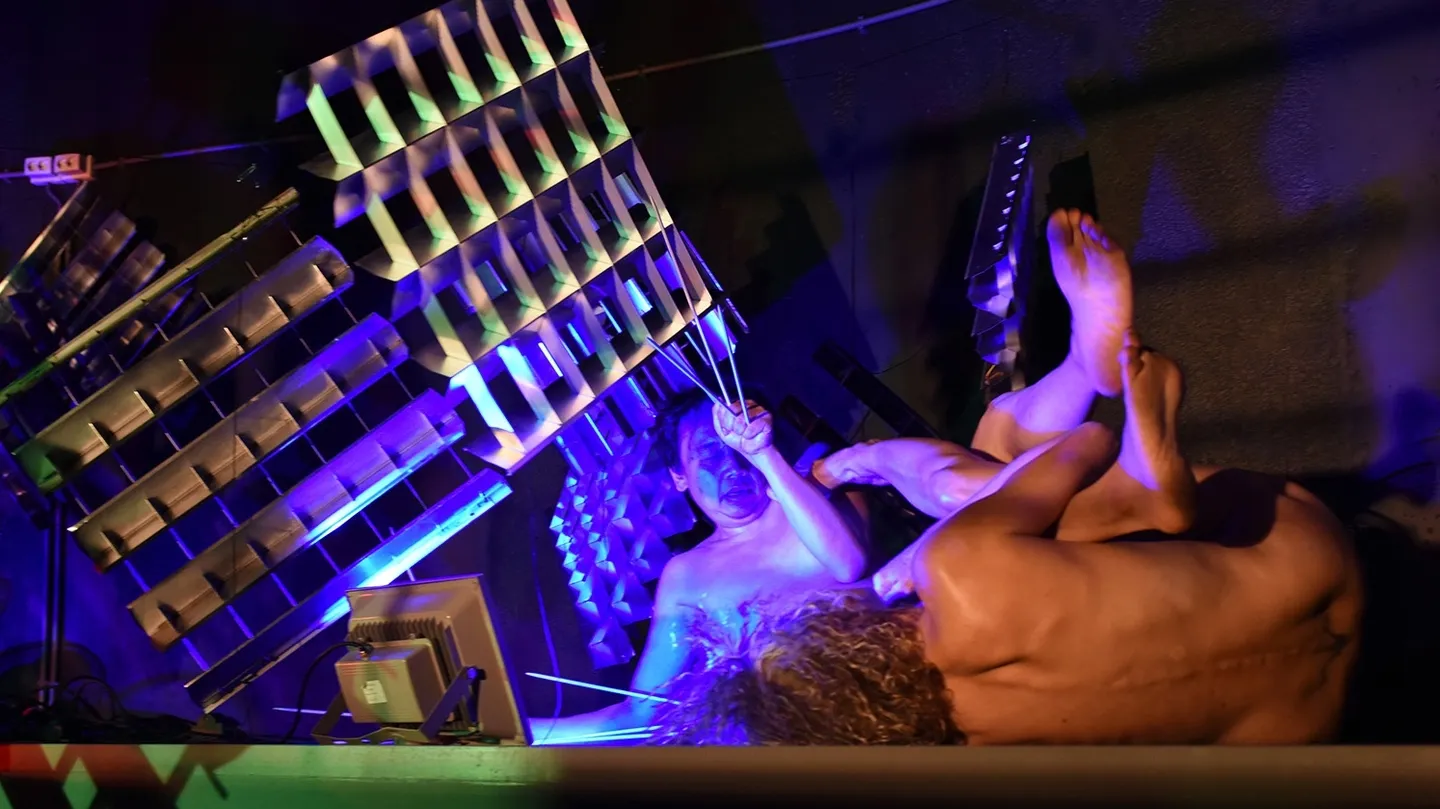
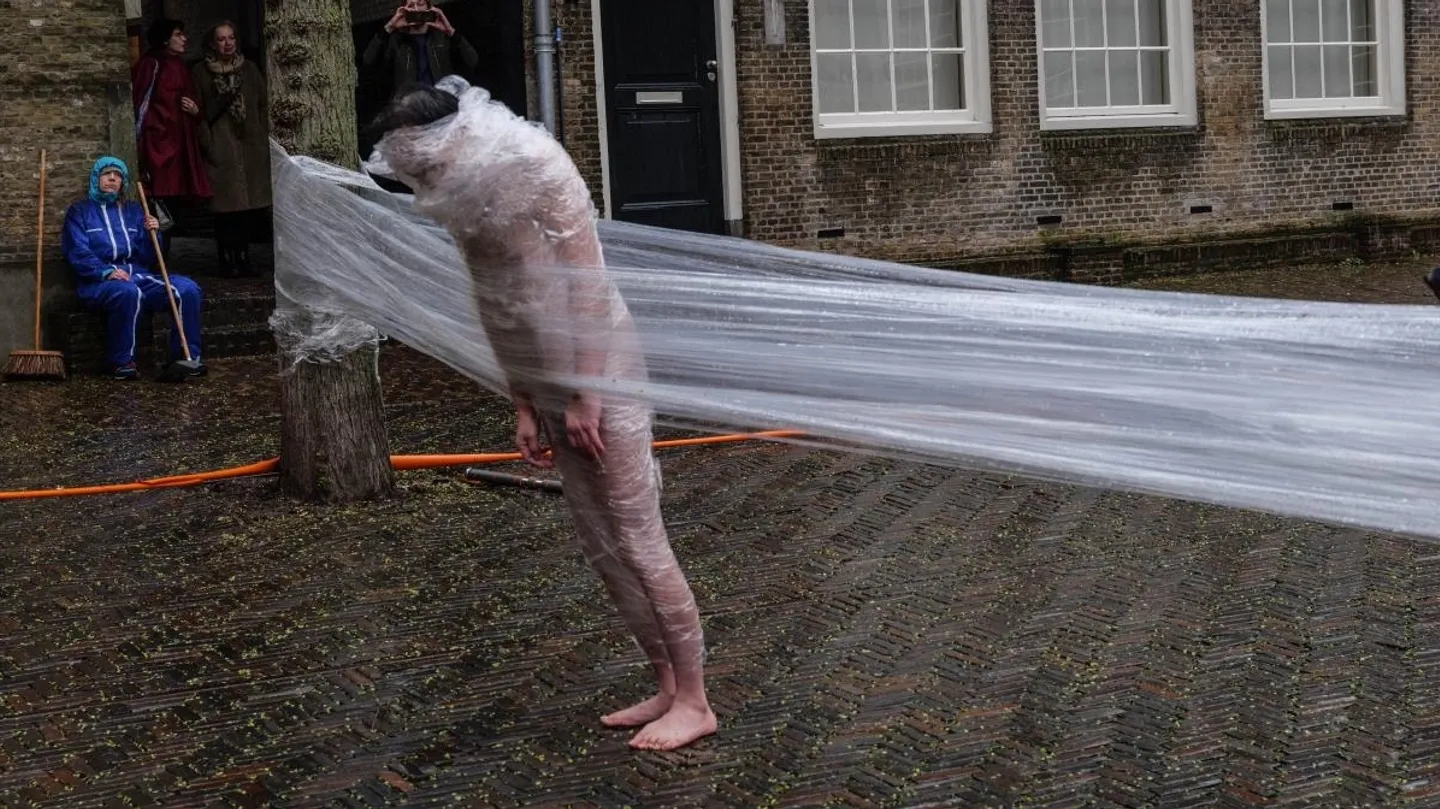
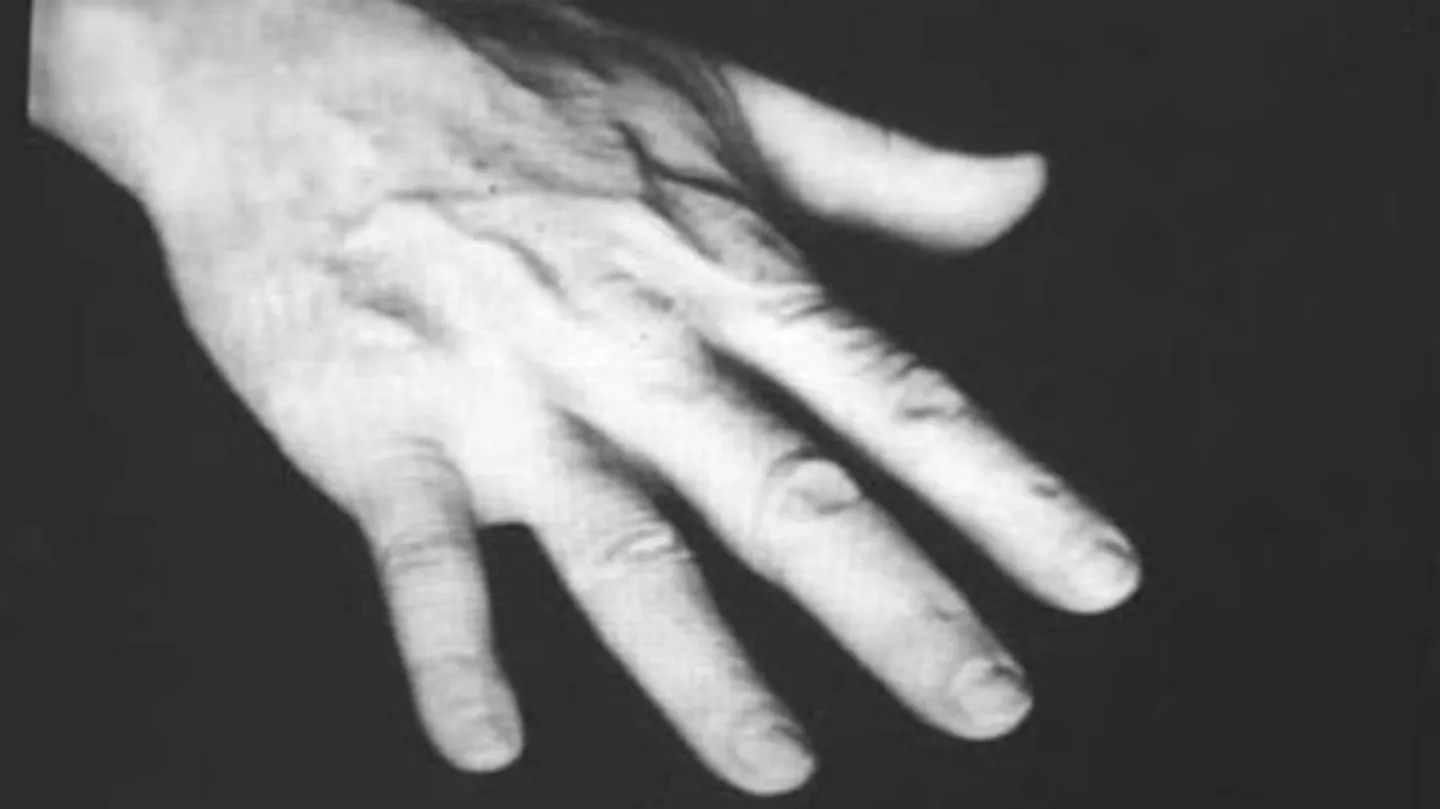
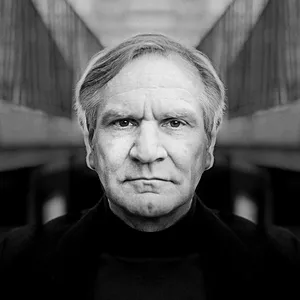
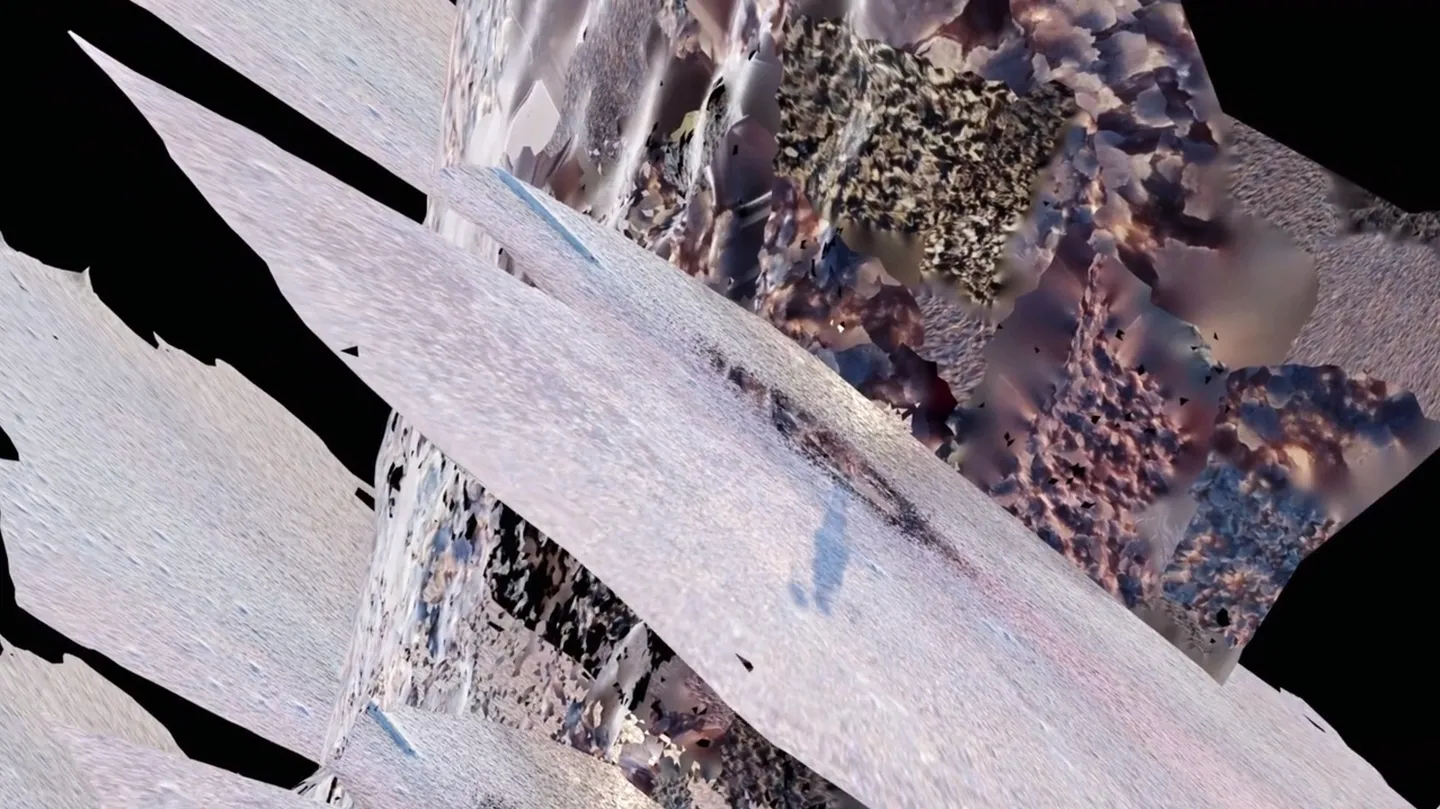
Transition: A Naked Performance Art by Philemon Mukarno Transition: Philemon Mukarno’s Naked Deconstruction of Faith at BUTFF 2021 Context and Setting: Breda’s ‘Sweet Sick Teens’ The Festival of Rebellion and Identity Philemon Mukarno presented his seminal performance Transition on September 5, 2021. The celebrated setting was the BUT Film Festival (BUTFF) in Breda, Netherlands. This event marked the festival’s 16th annual edition. The BUTFF consistently champions B-Film, Underground, and Trash arts. The festival provides a critical platform for unique, uncensored views on complex social issues. Furthermore, this year’s central theme was the explicitly titled ‘Sweet Sick Teens’. This framework explored the difficult, turbulent phase of adolescent identity formation. Consequently, the theme focused on the unsteady shift from childhood innocence to adult responsibility. The thematic architecture perfectly framed Mukarno’s intense exploration of personal liberation. Transition therefore, functioned as an aesthetic echo of the festival’s core concern with radical self-discovery. The 16th Edition: Celebrating Turbulence Sixteen is an age carrying profound cultural weight in many societies. It often signifies the “sweet sixteen” milestone of growing autonomy and boundary testing. BUTFF celebrated its institutional adolescence by focusing on this turbulent age. The festival highlighted classic adolescent struggles, including moral dilemmas and peer pressure. Additionally, it emphasized the inherent struggle to define one’s identity against inherited societal expectations. This essential rebellion against rigid frameworks is central to the ‘Sweet Sick Teens’ theme. Mukarno’s work directly addressed his own experience with religious indoctrination during childhood. This profound act of breaking free mirrored the universal struggle against externally imposed structures. His personal journey thus became a universal metaphor for psychological maturity and self-authorship. Performance Art in the Underground Film Space The BUTFF mandate permits art produced with a low budget yet offering powerful, uncensored perspectives. This inclusive environment allowed for the raw, uncompromising nature of Transition to be fully expressed. Mukarno’s performance, exploring themes of nudity, sexuality, and the body, aligns perfectly with this mandate. Festival locations included the Culture Centre de Nieuwe Veste and the Chassé Theater. The placement within this fringe arts festival ensured the performance reached a receptive and critically engaged audience. The Breda festival environment permitted an intense exploration of human expressiveness. The synchronicity between the performance title, Transition, and the festival theme is intentional. This deep connection suggests a conscious curatorial alignment. Ultimately, the setting magnified the personal stakes of Mukarno’s performance art piece. Philemon Mukarno: Composer of Spirit and Form Establishing the Artist’s Authority To properly analyze Transition, one must first acknowledge Philemon Mukarno’s rigorous artistic foundation. He is recognized as an Asian performance artist and a highly trained composer. He is currently based in Rotterdam, where he continues his diverse practice. Mukarno possesses distinguished academic credentials. He intensively studied composition and electronic music at Codarts and the Royal Conservatory of The Hague. This period of focused study culminated in a Cum Laude graduation. Furthermore, he was awarded the prestigious Prize for Composition, firmly establishing his technical reputation. This distinguished background confirms that his performance art is rooted in intellectual rigor and precise execution. His projects are therefore structured conceptual endeavors, not merely random acts of sensationalism. Means and Form: The Art of Intense Expressiveness Mukarno is frequently described as a unique and utterly uncompromising figure in Contemporary Art. His established creative methodology relies on a “strong economy of Means”. This efficiency is strictly balanced by a commitment to a “strict control of Form”. He employs elementary but powerful methods to achieve intense expressiveness in his varied works. His formal training in music composition, which demands structural precision, dictates his approach to body art. Therefore, even emotional chaos is meticulously channeled through a controlled formal structure. Consequently, all shocking elements, such as public nudity or the black ink, are deliberately chosen ‘means’. These elements are deployed to achieve a tightly controlled ‘form’ of personal liberation. This careful approach elevates the artistic merit far above simple provocative intent. The Body as the Ultimate Instrument Mukarno frequently integrates his own body as one of his principal artistic trademarks. He approaches this corporeal medium with the same sense of spirituality that fuels his musical compositions. The performance becomes a profound investigation of the human body itself. He uses the body to explore its deep subconscious processes and energy. His work delves into the “density and complexity of the human structure,” including raw physicality and thought processes. For Mukarno, external objects are simply matter or tools. The true artistic focus remains fixed on the mental and spiritual dimension. Thus, in Transition, the body acts like a musical score. It presents a sequence of prescribed, ritualistic movements, demonstrating the composer’s control over his newest medium. The Conceptual Canvas: Defining Transition Breaking Free from Indoctrination The entire emotional drive of Transition stems from the artist’s reflection on religious indoctrination. This conditioning occurred during his impressionable childhood years. The performance provides a powerful, visual expression of his intense desire to sever these ties. This highly personal investigation targets internalized frameworks that fundamentally “warped” his self-image. The explicit artistic purpose is defined as seeking to “destroy frameworks”. This necessary phase of destruction prepares the artist for a “new beginning”. The piece functions as a critique of how external, rigid belief systems can actively confuse or desensitize the individual. Ultimately, the core goal is achieving complete psychological and spiritual self-authorship. Vulnerability as the Primary Medium Mukarno utilizes public nudity not for cheap theatrical shock, but as a critical expressive tool. Nudity in his artistic practice signifies a “natural and honest state of being”. It forcefully strips away all protective societal masks and pretenses. This raw exposure reveals intense vulnerability, functioning as the performance’s primary medium. Mukarno openly invites the audience to observe and empathetically connect with his intensely private emotional journey. His central objective is to foster an authentic connection between the performer and the observer. The artist presents his exposed form as “Nude, Bare, Naked, Raw, and Real”. This powerful, visual declaration reclaims the body as the ultimate site of truth and honesty. Challenging Societal Nude Taboos Transition explicitly challenges the stringent norms and taboos surrounding public nudity. This confrontation is particularly sharp when nudity intersects with religious dogma. Many religious traditions associate public nakedness with shame, sinfulness, and degradation. By performing the ultimate act of liberation while naked, Mukarno reclaims the body from imposed theological shame. He deliberately transgresses the boundaries dictated by these controlling doctrines. This intentional contradiction generates a powerful artistic tension. The use of the most shameful state, public nudity, performs the most sacred act of self-cleansing. Consequently, this performance asserts fundamental ownership over his physical and spiritual self. It transforms what is traditionally perceived as vulnerability into a potent, transgressive declaration of autonomy. The Ritual of Marking: Inscription and Imprint The Weight of Faith in Black Ink The performance unfolds as a highly structured, three-part ritualistic process. The critical initial phase involves the meticulous stamping of religious symbols onto Mukarno’s naked body. Black ink is deliberately chosen for this painful inscription. The black ink visually represents the heavy, indelible nature of indoctrination. This action simulates the external force that imposed these rigid beliefs onto the self. Historically, permanent body markings, like tattoos, convey profound spiritual meanings.