The Return of the Axum Obelisk (extract)
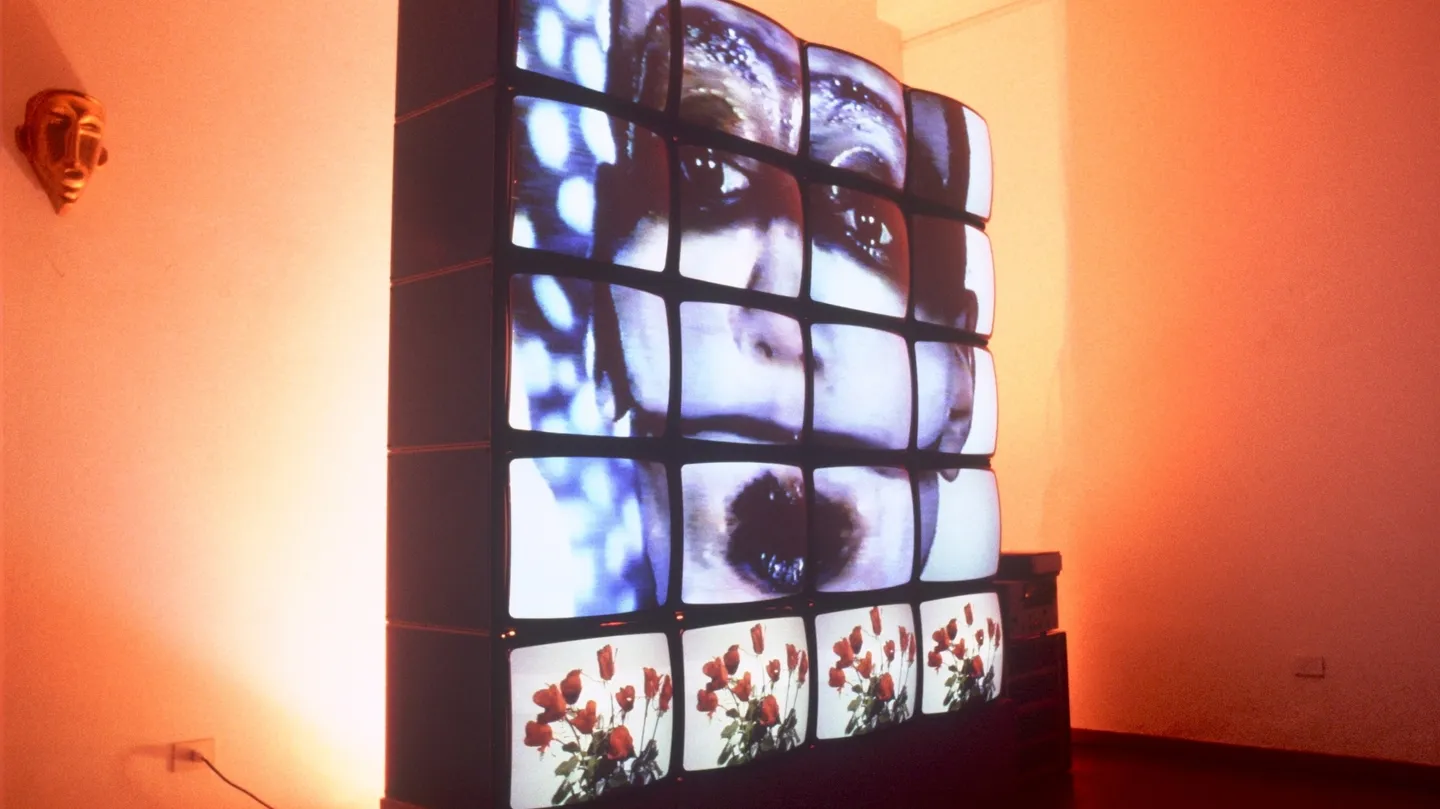
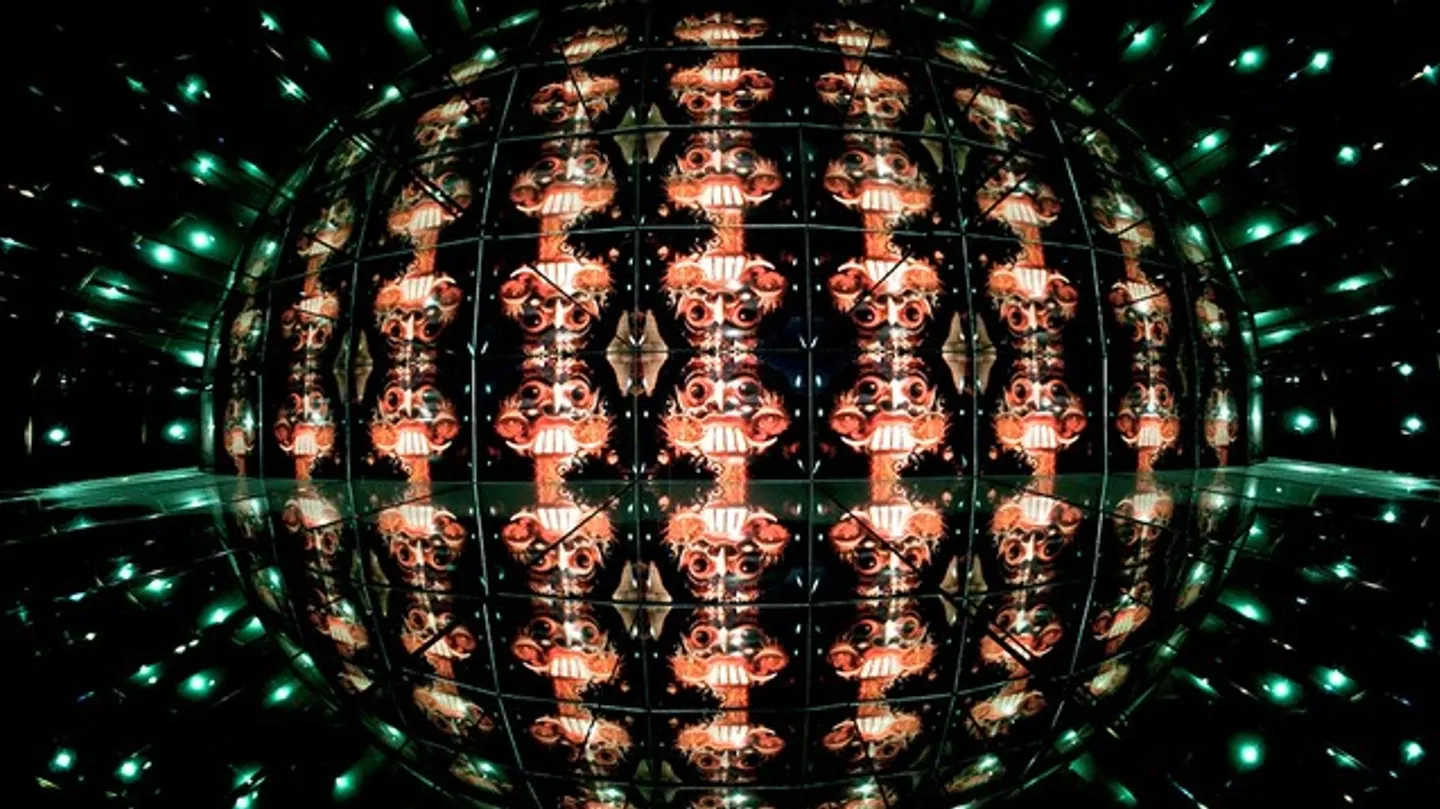
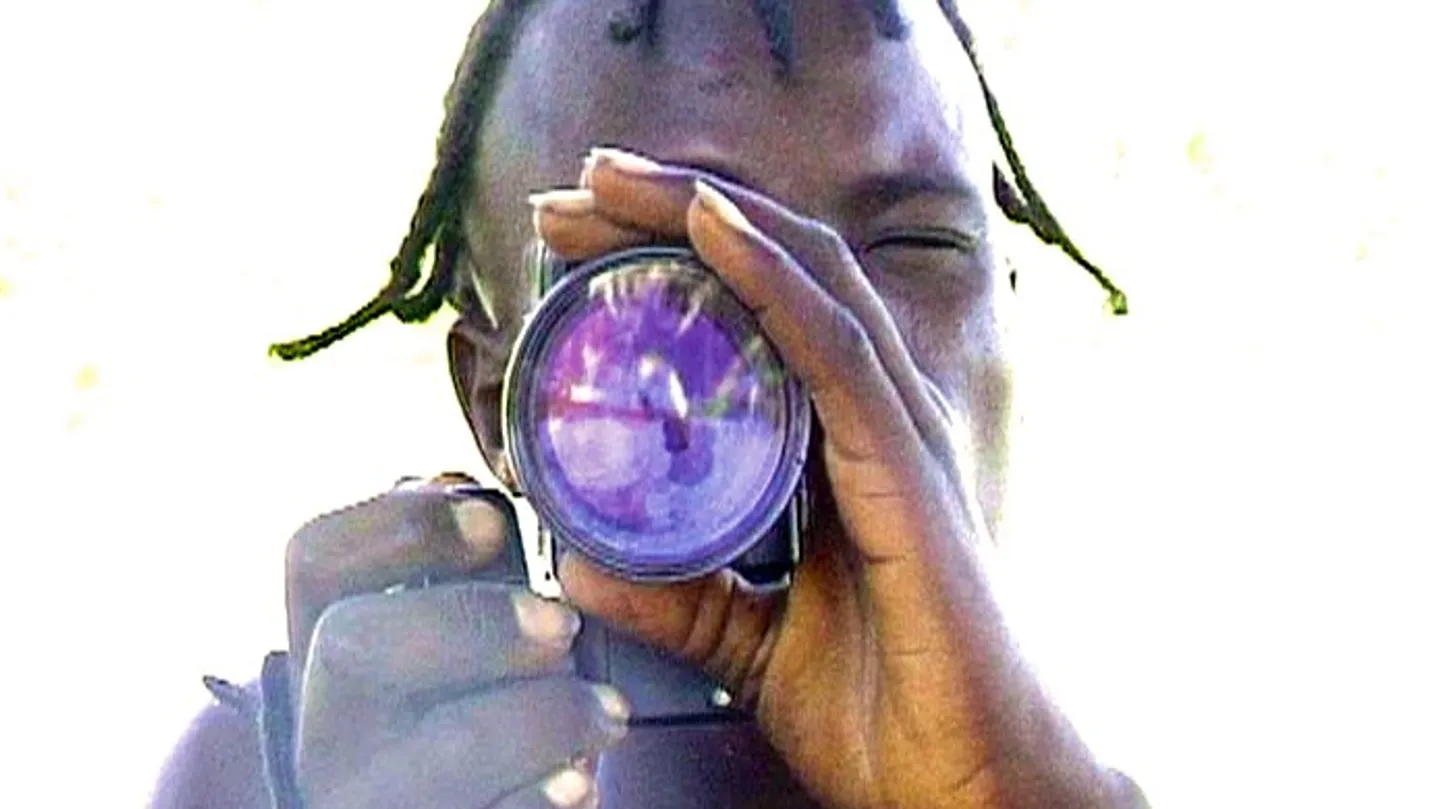
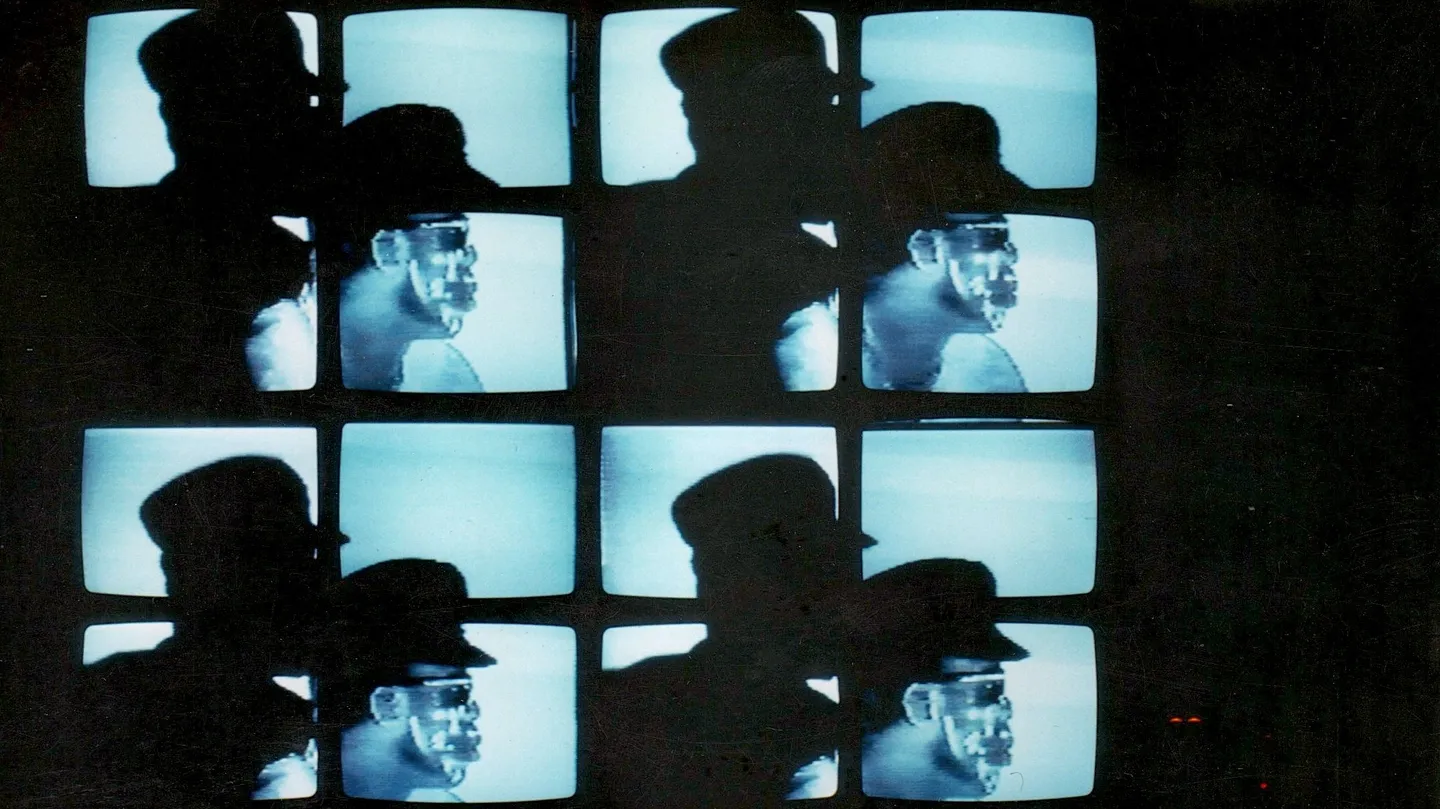
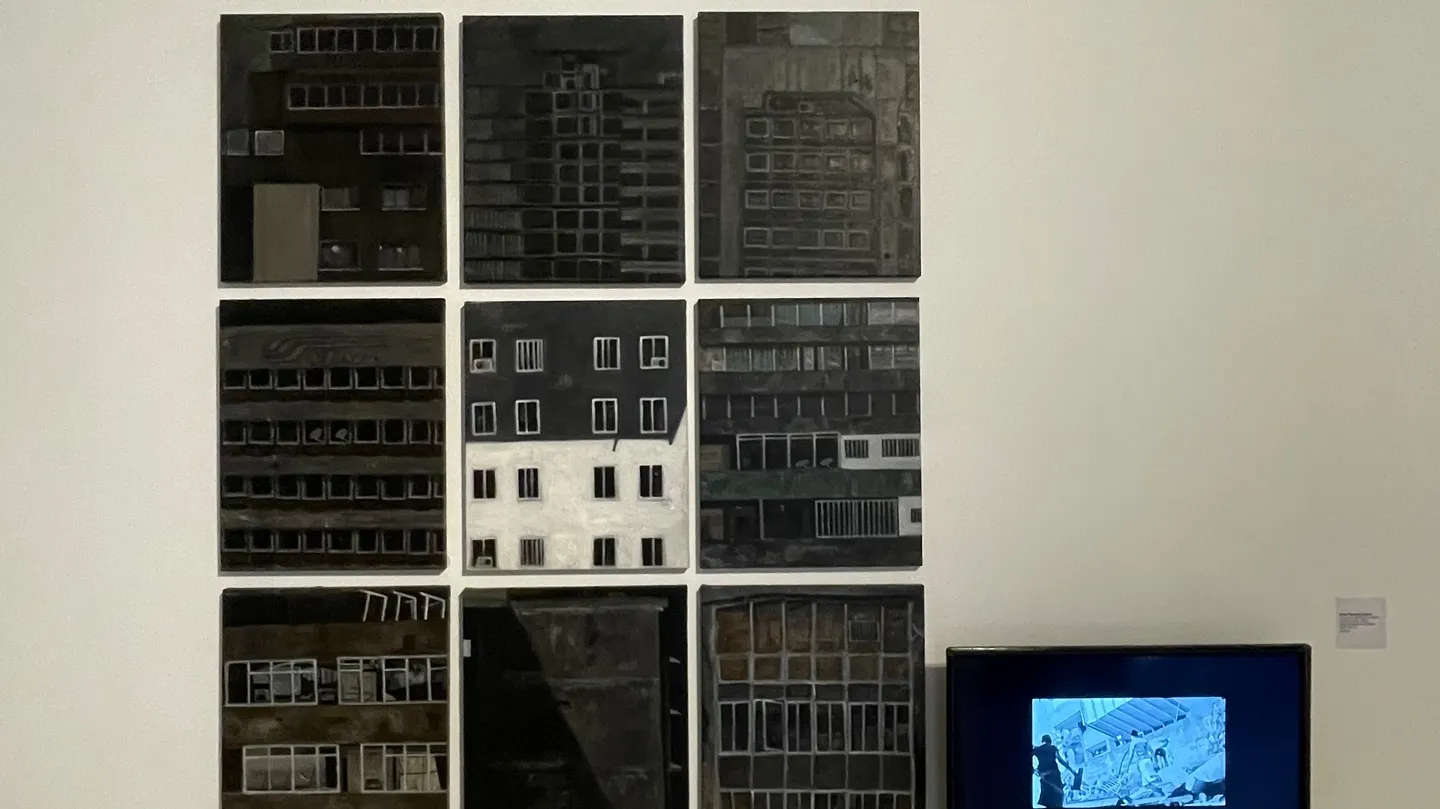
In her paper ‘National Mythology: Past and Present’, Estonian cultural theorist Epp Annus, drawing on Benedict Anderson’s concept of the nation, describes nations as swinging between the Past Perfect and Future Perfect tenses. The Past Perfect she is talking about is the national myth, the epics from which all nations and peoples are born, tales of brave men and gods, narrations of heroes and battles won, sculpted to contain a national identity. Annus proceeds to explain that this mythological Past Perfect is needed to establish or simulate a possible Present Perfect of the future. But what happens if one is robbed of this Past Perfect, this myth of which nations and peoples find their foundations…? And ‘robbed’ here is not meant to stand as a metaphor for anything, but a synonym for stealing, sequestrating, taking captive, etc. If Annus’s theory should hold its ground, how can a people imagine a Future Perfect without this Past Perfect to seesaw to? The multimedia artist Theo Eshetu seems to have been concerned with this reality too. The Return of the Axum Obelisk (2009), a complexly stratified multiscreen video piece, not only in form but also in content, brings together mythological, religious, political and aesthetic issues. Using a visual language reminiscent of traditional Ethiopian iconoclastic paintings, Eshetu narrates the reestablishment of an equilibrium, which could be likened to the seesaw of the Past Perfect and the Future Perfect. Bonaventure Soh Bejeng Ndikung