The Absent Audience
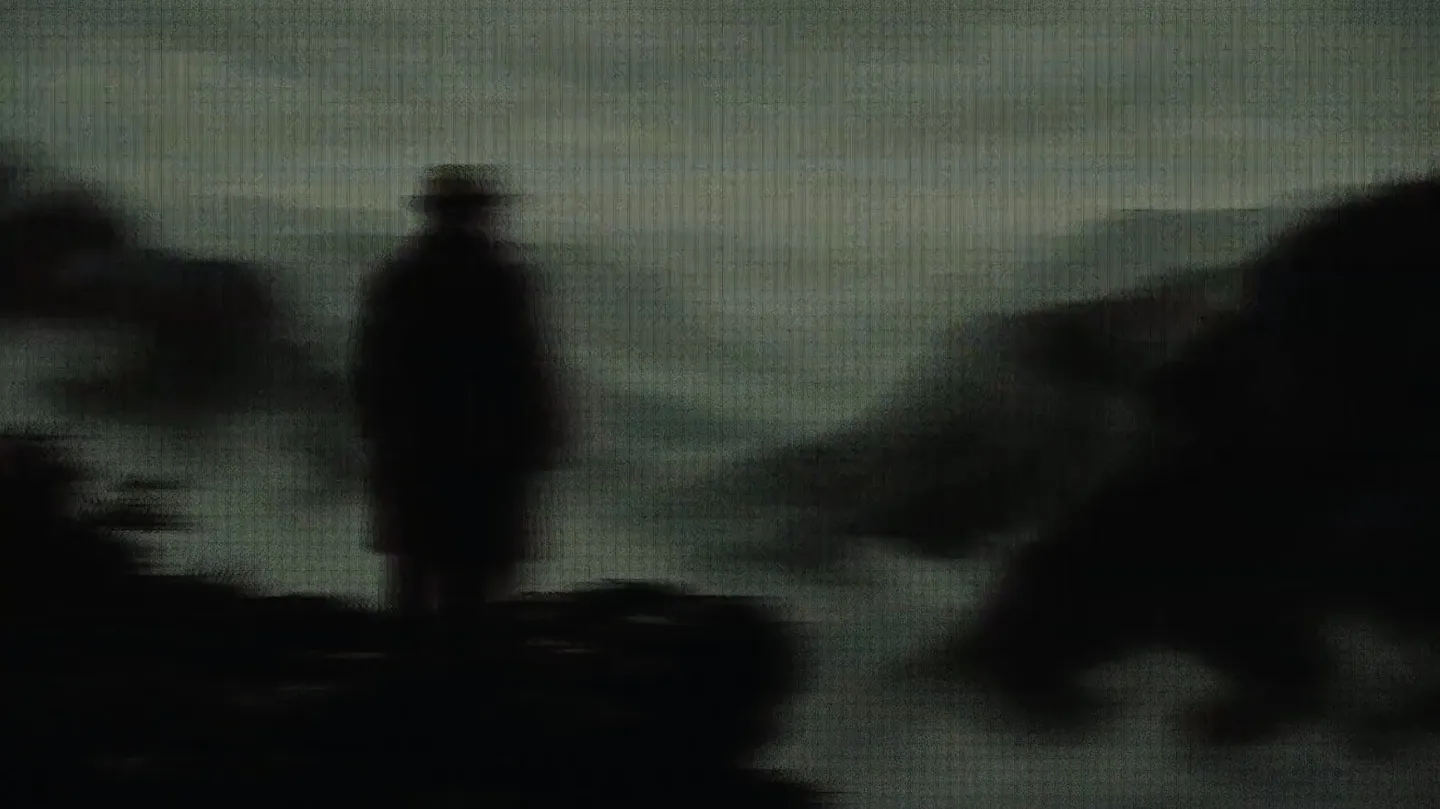
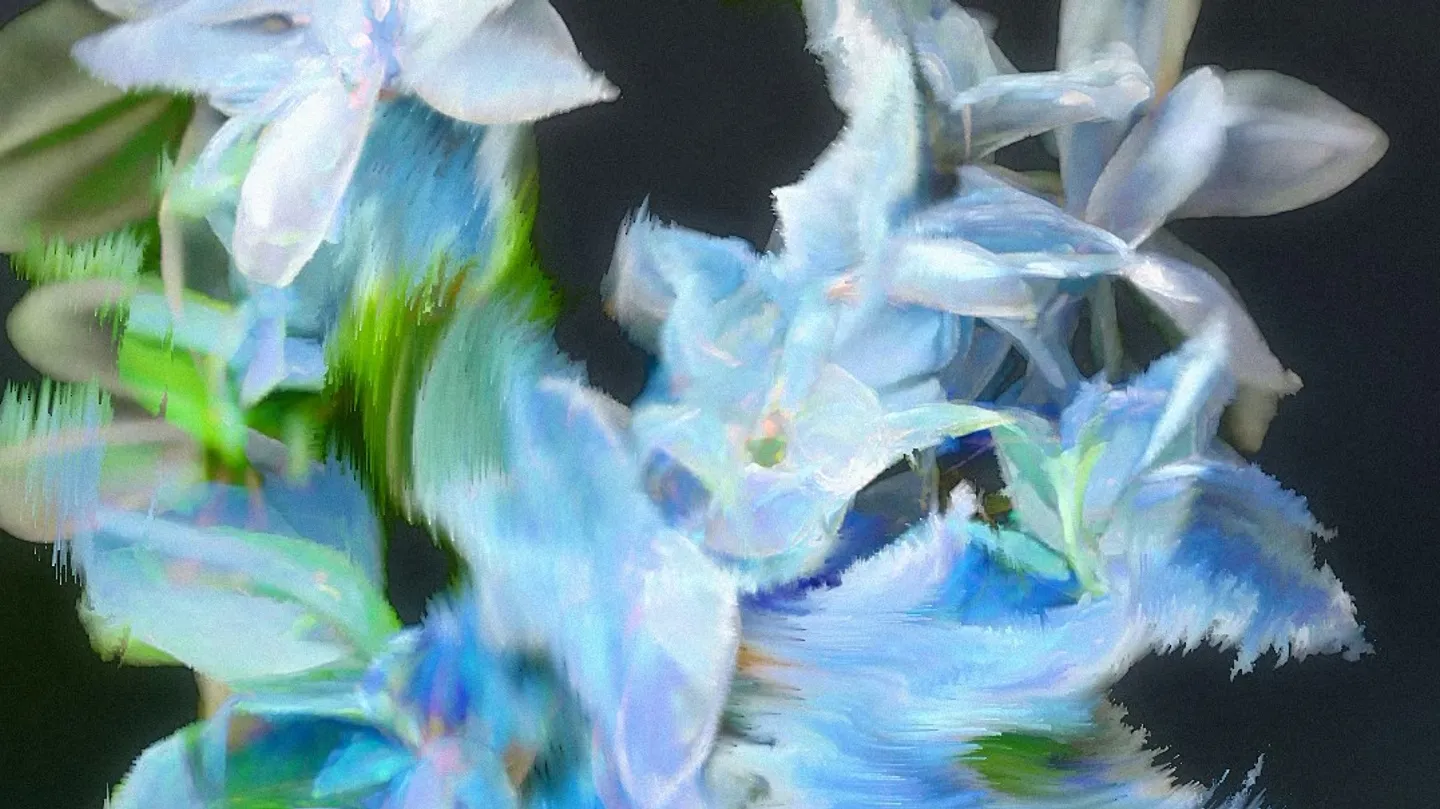
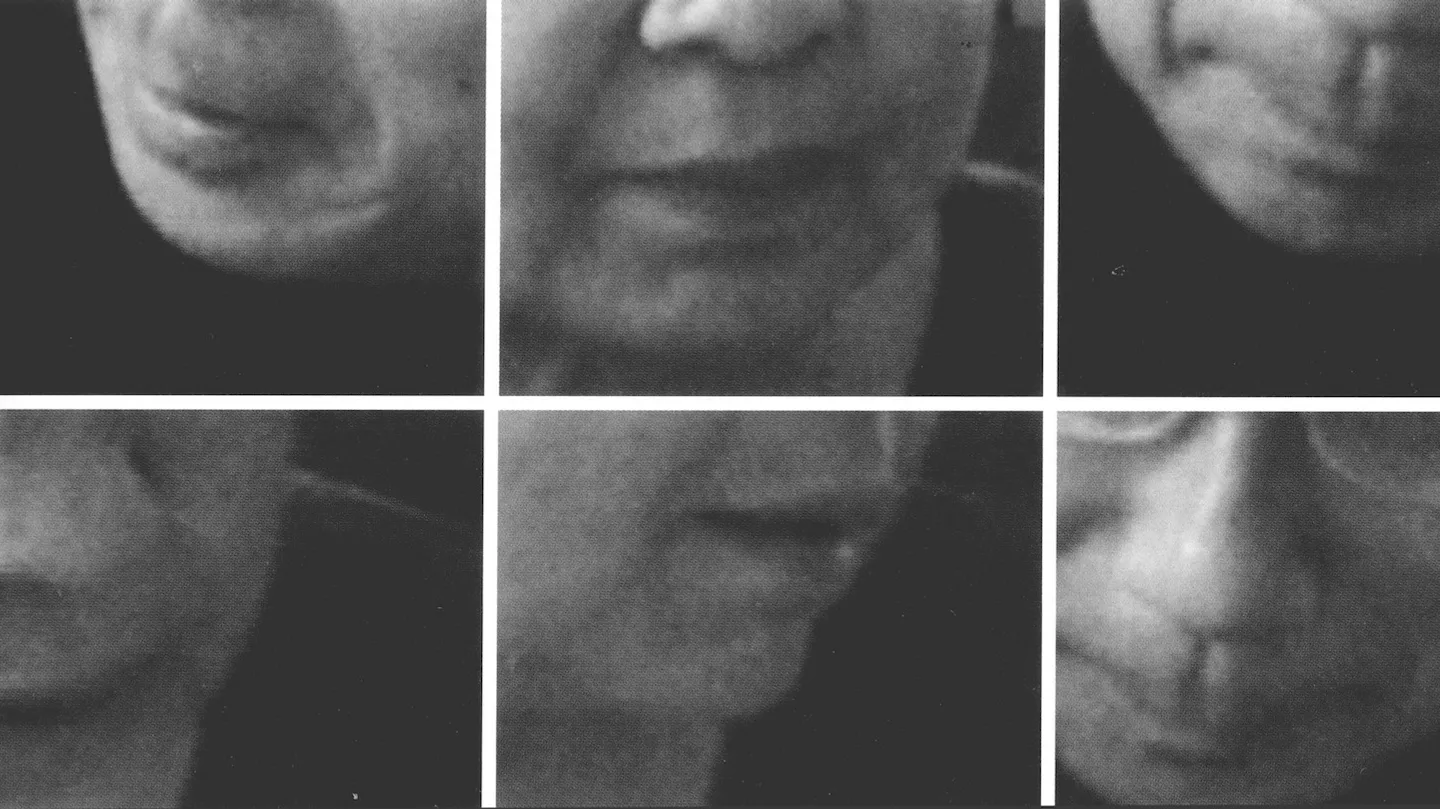
The Absent Audience (2023) What happens when the experience of being observed becomes so deeply embedded in human behaviour that it no longer requires an actual observer? The Absent Audience explores the subtle transformation of the camera from a recording device into a silent yet powerful presence within everyday life. Through an intimate and seemingly ordinary moment of self-recording, the work examines how the continuous production and circulation of personal images can gradually reshape the relationship between individuals and their own existence. In a culture increasingly organised around visibility, the gaze of others does not necessarily disappear when the audience is absent. Instead, it may become internalised, persisting as an unconscious influence on gestures, expressions and behaviour. The camera occupies an ambiguous position between an object and a witness: physically present, yet representing an audience that may exist only in the imagination. However, this relationship cannot be reduced to surveillance, social approval or the pressure to perform. There is also a genuine pleasure in observing oneself. The individual becomes both the subject and spectator of their own image, discovering curiosity, familiarity and sometimes affection in the act of watching. This pleasure complicates the distinction between external influence and personal desire. What begins as a response to being seen by others may gradually become an intimate habit, sustained even when no one else is watching. Here, power does not appear as an external force imposing itself upon the individual. It operates more quietly, through repetition, familiarity and the gradual incorporation of the camera’s gaze into ordinary experience. Its influence may remain active without conscious intention, while the individual continues to experience their gestures as spontaneous and their enjoyment as entirely their own. The work does not seek to resolve this ambiguity. Instead, it considers how the camera can simultaneously preserve an experience, transform it and become part of the pleasure of experiencing it. When the possibility of watching oneself becomes inseparable from everyday life, where does the experience of living end and the experience of observing oneself begin?