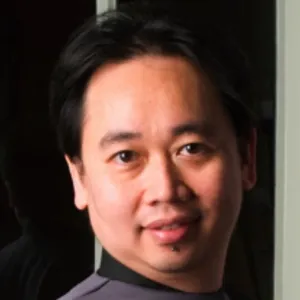
Testis Stone
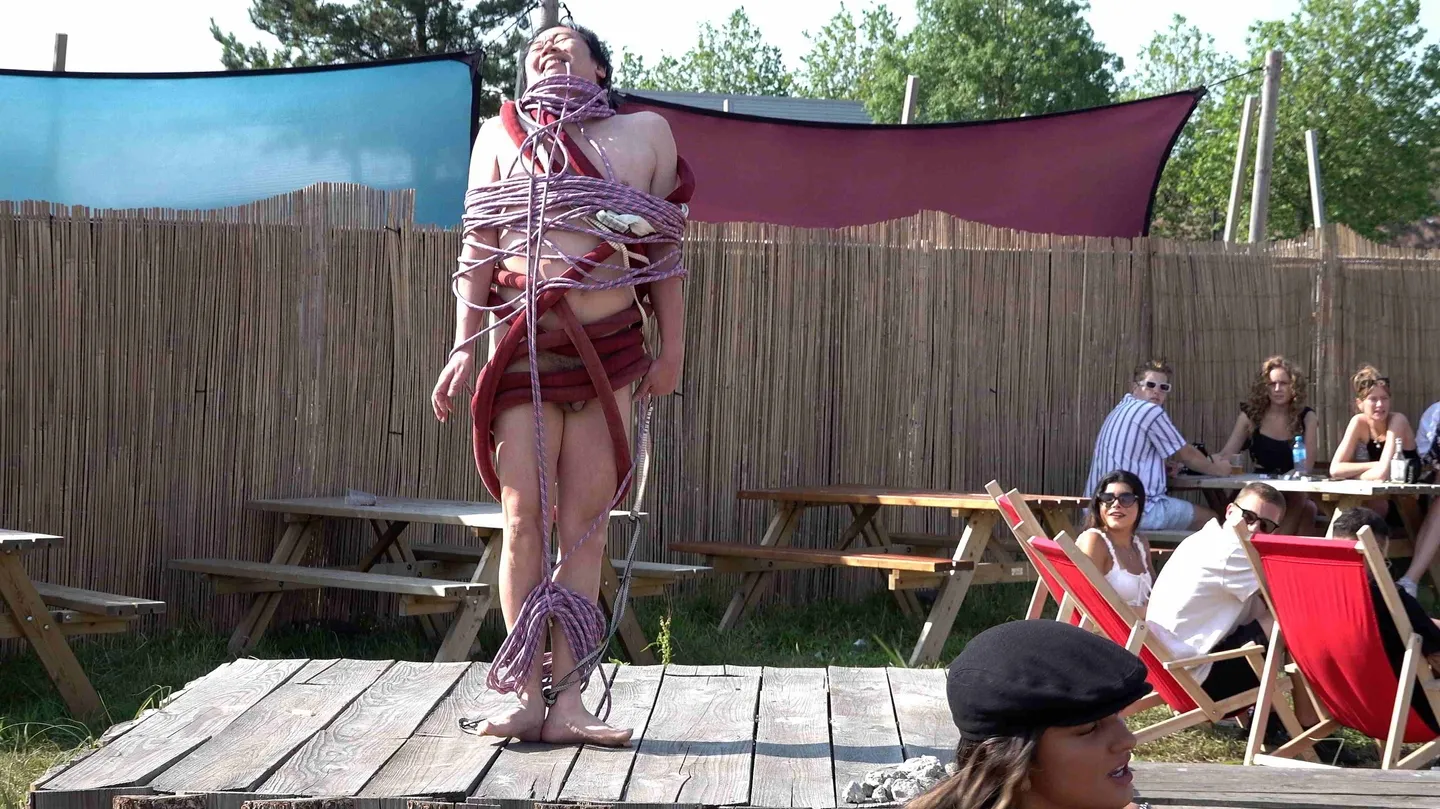
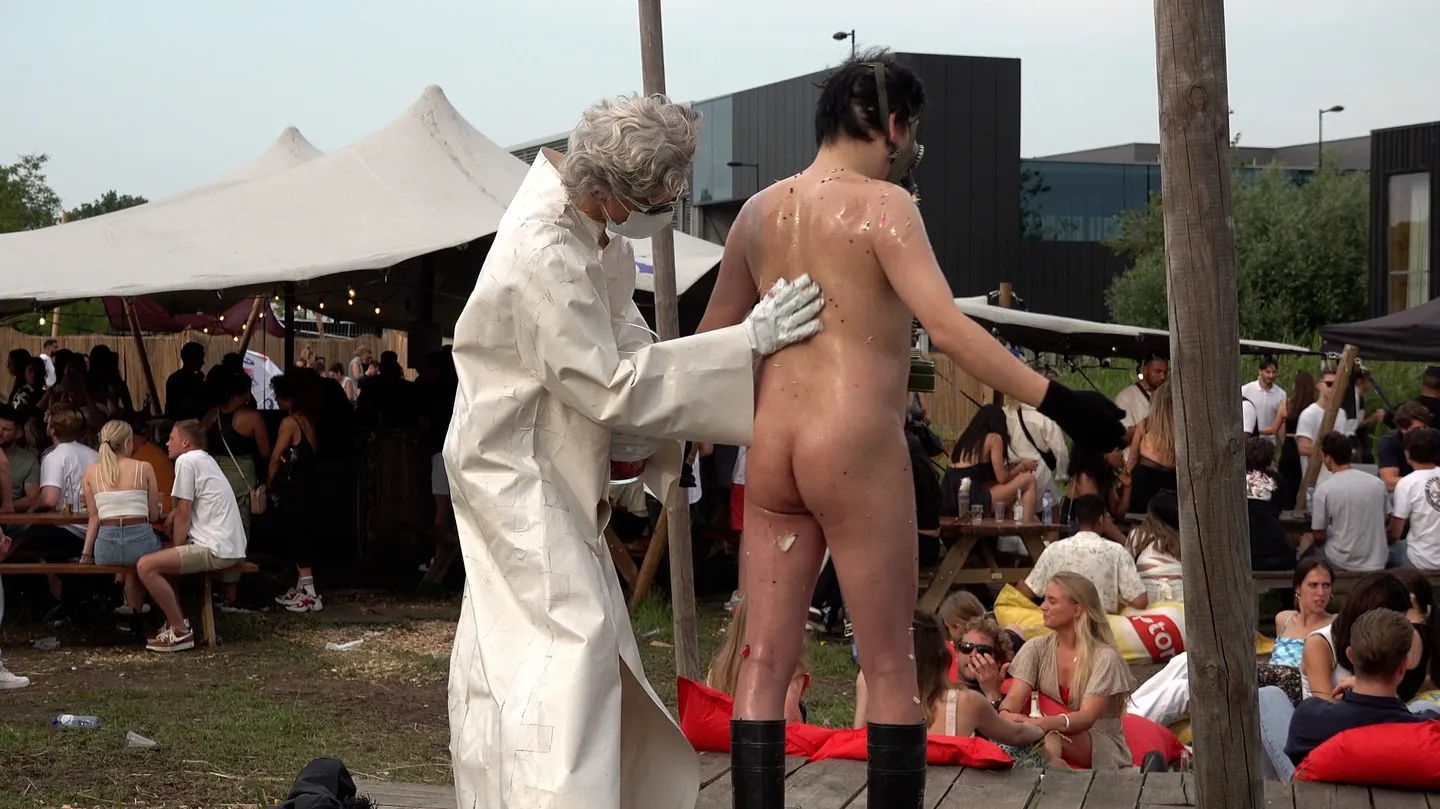
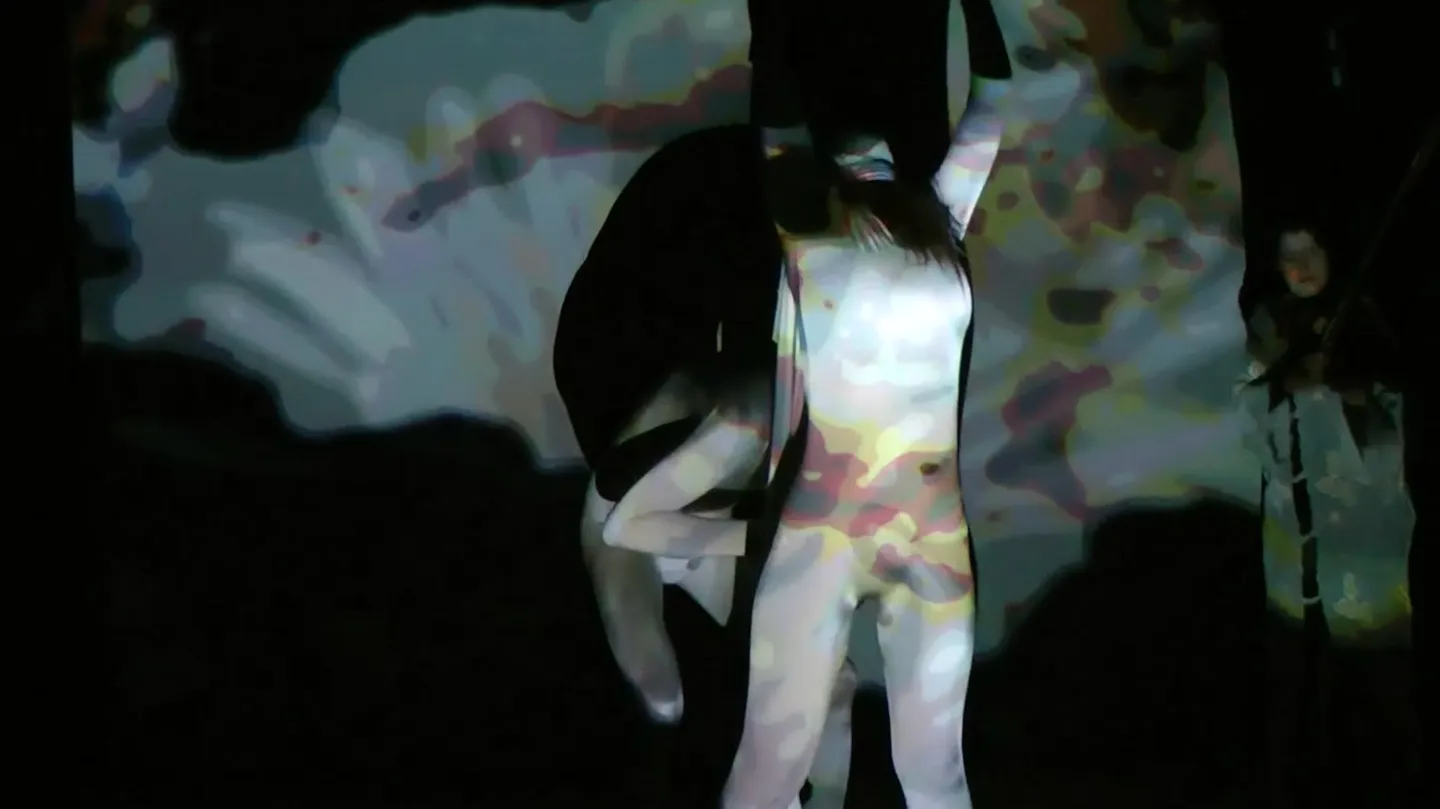
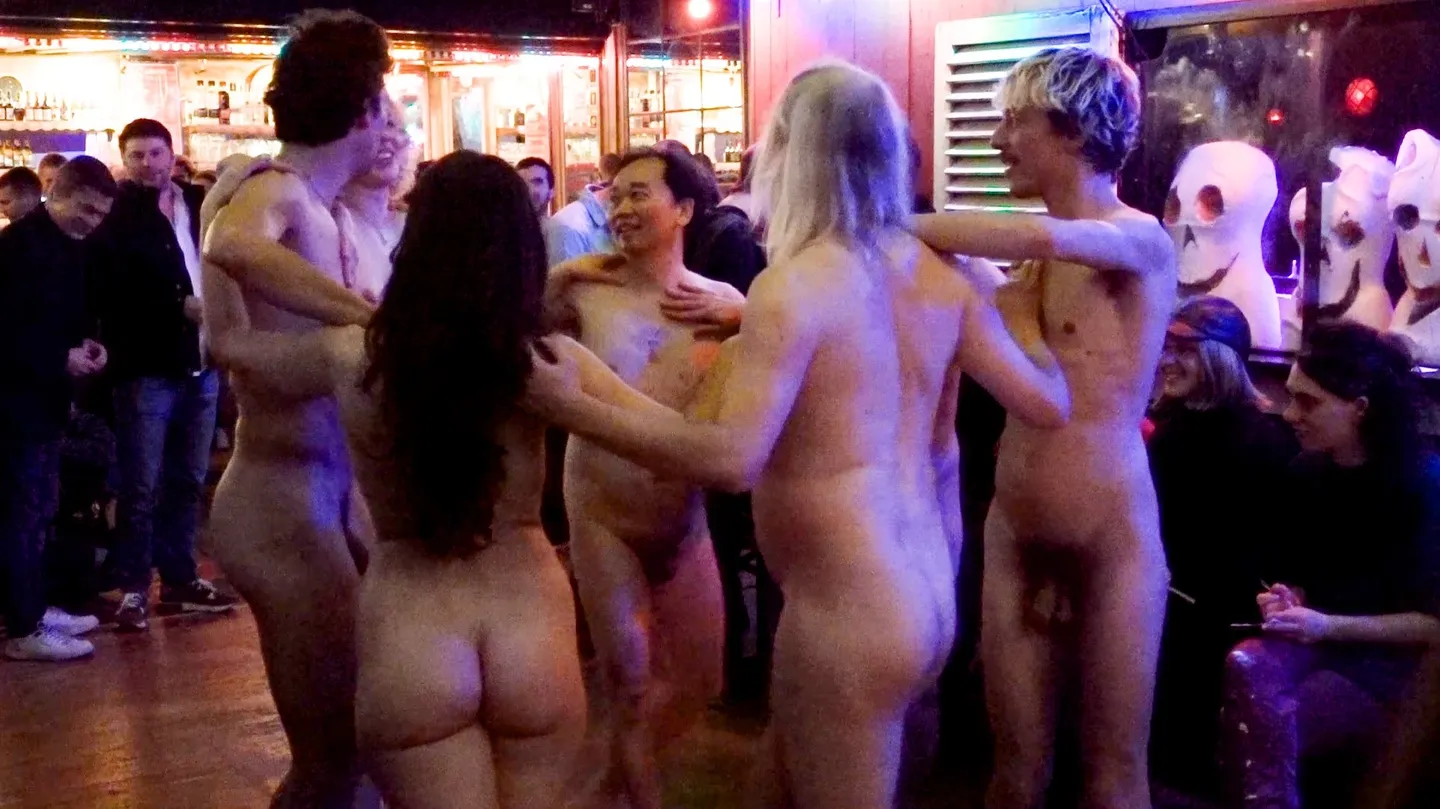
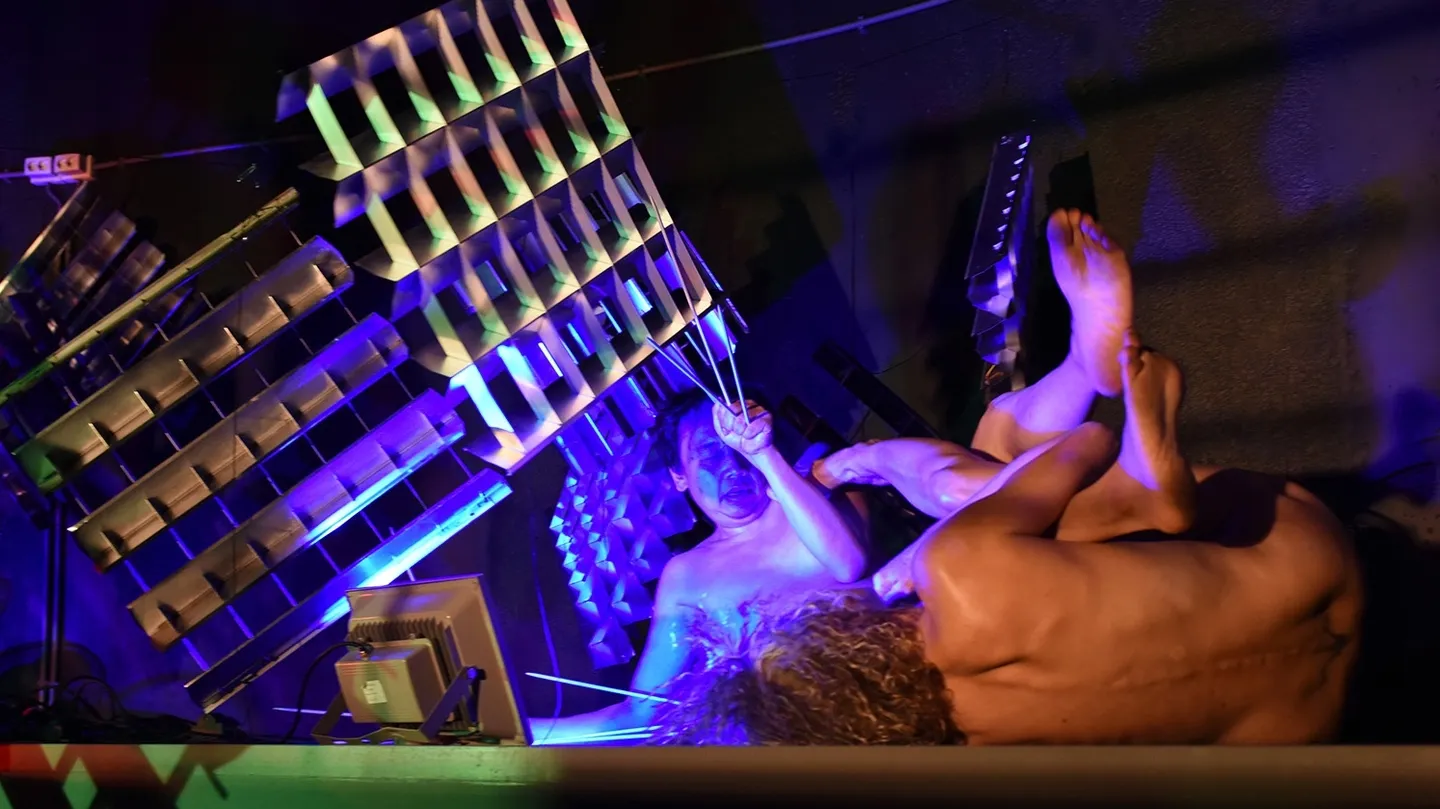
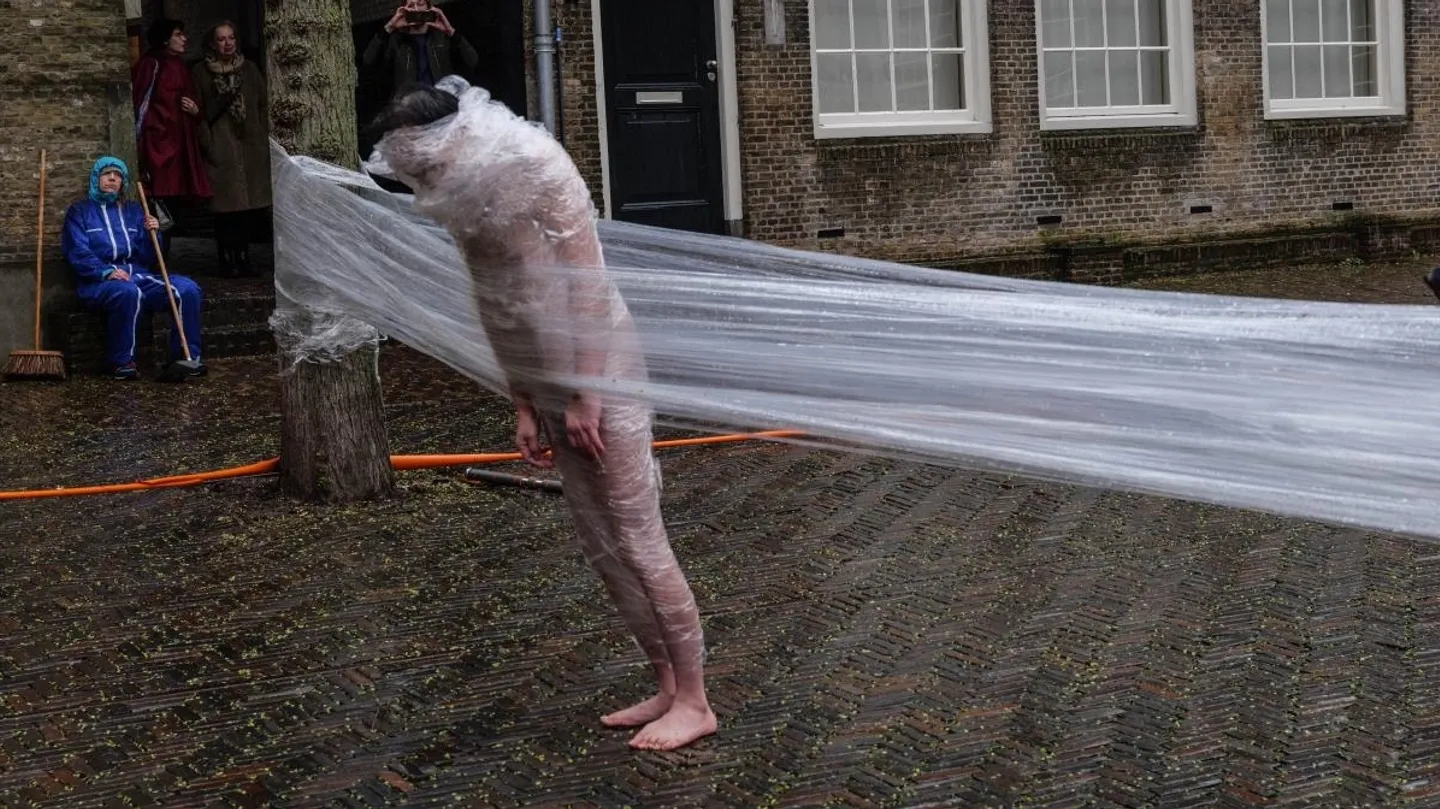
The Sacred Weight of Gender Identity Testis Stone is a daring artistic confrontation with pain, oppression, and spiritual transformation. On stage, Philemon Mukarno returns to the primal truth of the naked body, exposing both physical and emotional layers. The atmosphere is charged; nudity moves beyond mere exposure to become a tool for enlightenment and radical honesty. Pain as Sacred Ritual The performance is direct, visceral, and unapologetic. Mukarno attaches heavy stones to his testicles, evoking immediate discomfort in both performer and viewer. He drags these stones across the space, the agony unmistakable. Yet, this pain is not only personal—it is ritualized, transformed into empathy and collective witness. Stones as Societal Burden Within Testis Stone, stones are metaphors for expectations, roles, and prejudices tethered to gender. Each crawling movement, each stone’s weight, reveals the cost of living outside rigid gender norms. For all who struggle under oppressive labels, the stones stand as silent witnesses to suffering. Mukarno’s body—naked and vulnerable—carries their story. Nudity: The Sacred Language of Truth By stripping away all clothing, the artist abolishes barriers. Nudity here is courage, not spectacle. It becomes a living symbol of openness and trust. The vulnerability of the naked performer is a challenge, urging viewers to confront their own discomfort and preconceptions. Beyond artifice, beyond masks, the body in pain asks for compassion. Spirituality: The Body as Altar Testis Stone is deeply spiritual, even as it is raw. The crawling, the weight, and the suffering become a living altar—a sacred site of transformation. Through ritual, Mukarno connects pain with spiritual pursuit, making the act a ceremony of healing and awareness. Suffering, here, is a doorway not only to empathy, but to revelation. Water: Relief and Rebirth As the performance unfolds, Mukarno seeks solace in water. Water becomes more than escape: it is renewal, baptism, and purification. In many spiritual traditions, water washes away pain and offers clarity. Submersion in water is liberation from the stones—it is a moment of grace within the ritual of struggle. Challenging Religious Oppression Testis Stone does not shy away from difficult truths. Many religious communities impose strict roles and punish those who dare to differ. Oppression can be silent, disguised in tradition, yet its consequences are profound. Mukarno’s suffering is a direct message: spiritual truth should nurture, not harm. By turning pain into ritual, the artist exposes the hidden violence embedded in sacred spaces. Norms and Structures: A Question of Freedom The performance resists easy answers. Instead, it invites dialogue about why society clings to such painful structures. Who benefits from labels? What is lost in their enforcement? By dragging stones, Mukarno urges audiences to reconsider the real cost of conformity. Freedom—spiritual, personal, and artistic—requires courage to defy the norm. The Power of Shared Empathy The ritual does not end with pain. As Mukarno struggles, his vulnerability inspires empathy. The audience cannot remain passive; they are drawn into the experience. Art becomes a catalyst for dialogue, compassion, and societal change. It is a living proof that openness and honesty forge connection, healing, and growth. The Impact: Toward Acceptance and Hope Testis Stone leaves a powerful imprint, urging everyone to reconsider their stance toward gender, identity, and spirituality. Mukarno’s daring performance does not revel in suffering, but points to hope—a future where oppression no longer weighs souls down. Through art, the possibility of liberation becomes tangible. Art as Sacred Resistance Testis Stone endures as an act of sacred resistance—an honest cry for freedom, healing, and inclusion. Mukarno’s nude body, haunted by stones, reflects the journey of countless souls struggling under weighty expectations. Yet, through ritual vulnerability, water, and fearless exposure, liberation and spiritual truth emerge. Dialogue begins, empathy grows, and hope is rekindled—for the artist, and for all who witness.