Tempo-imagem
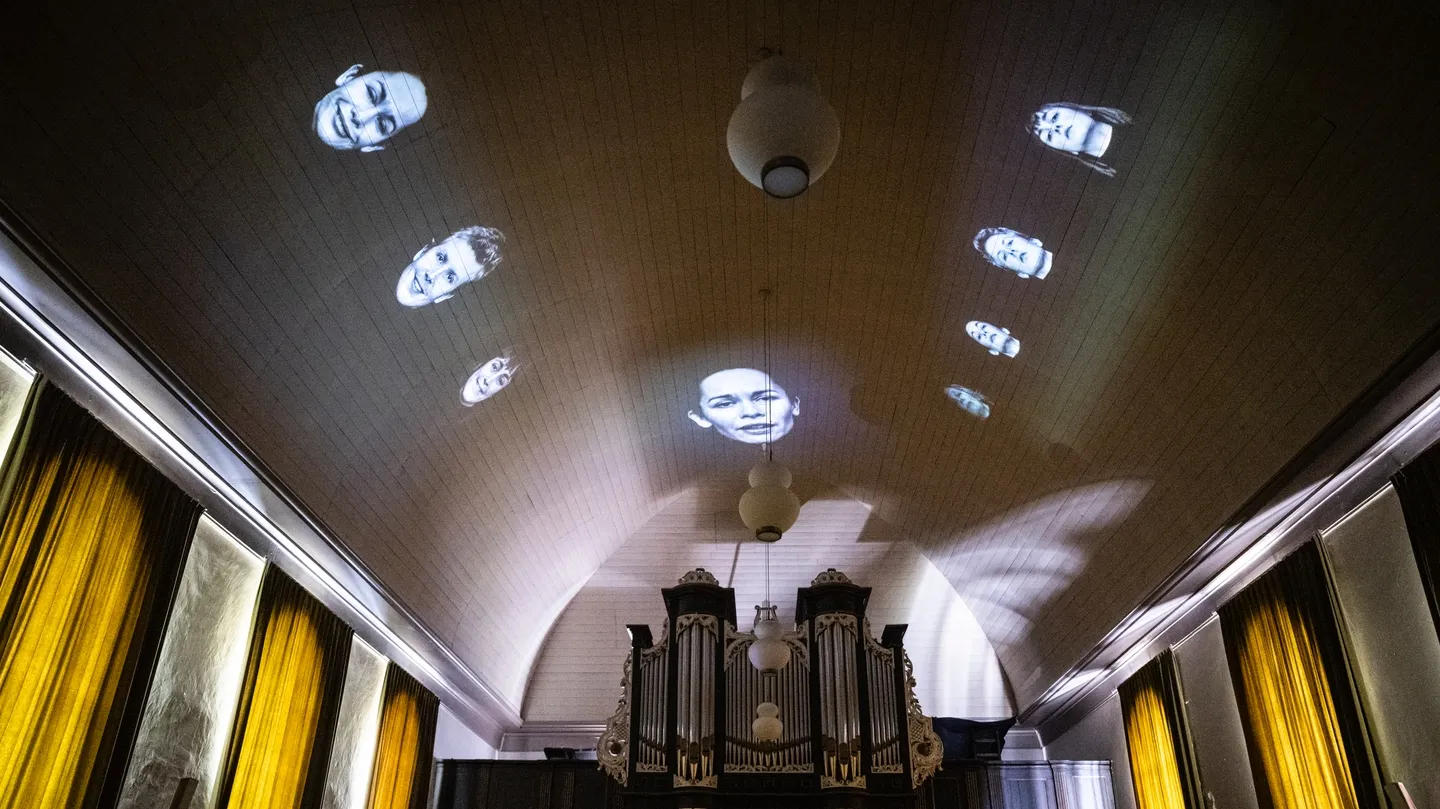
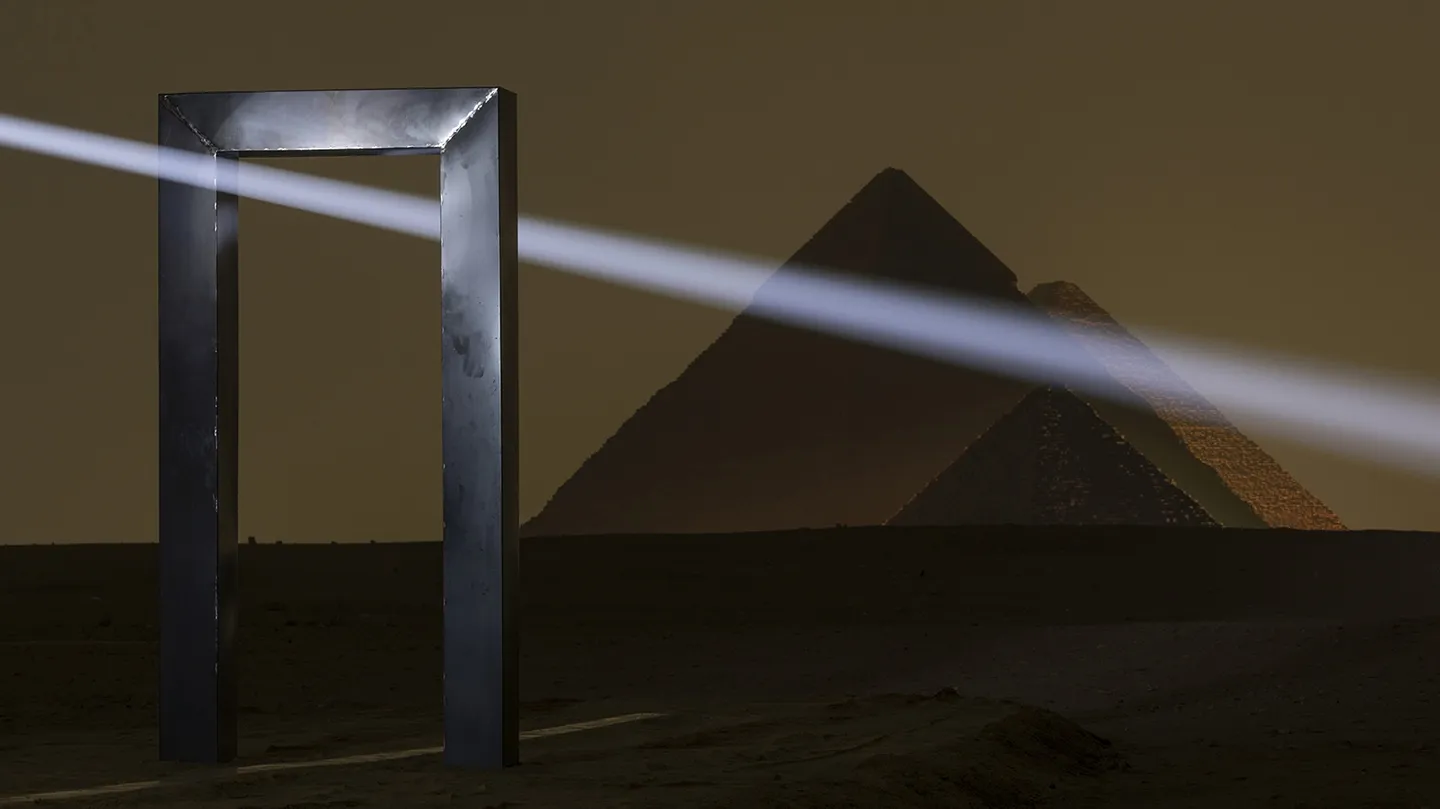
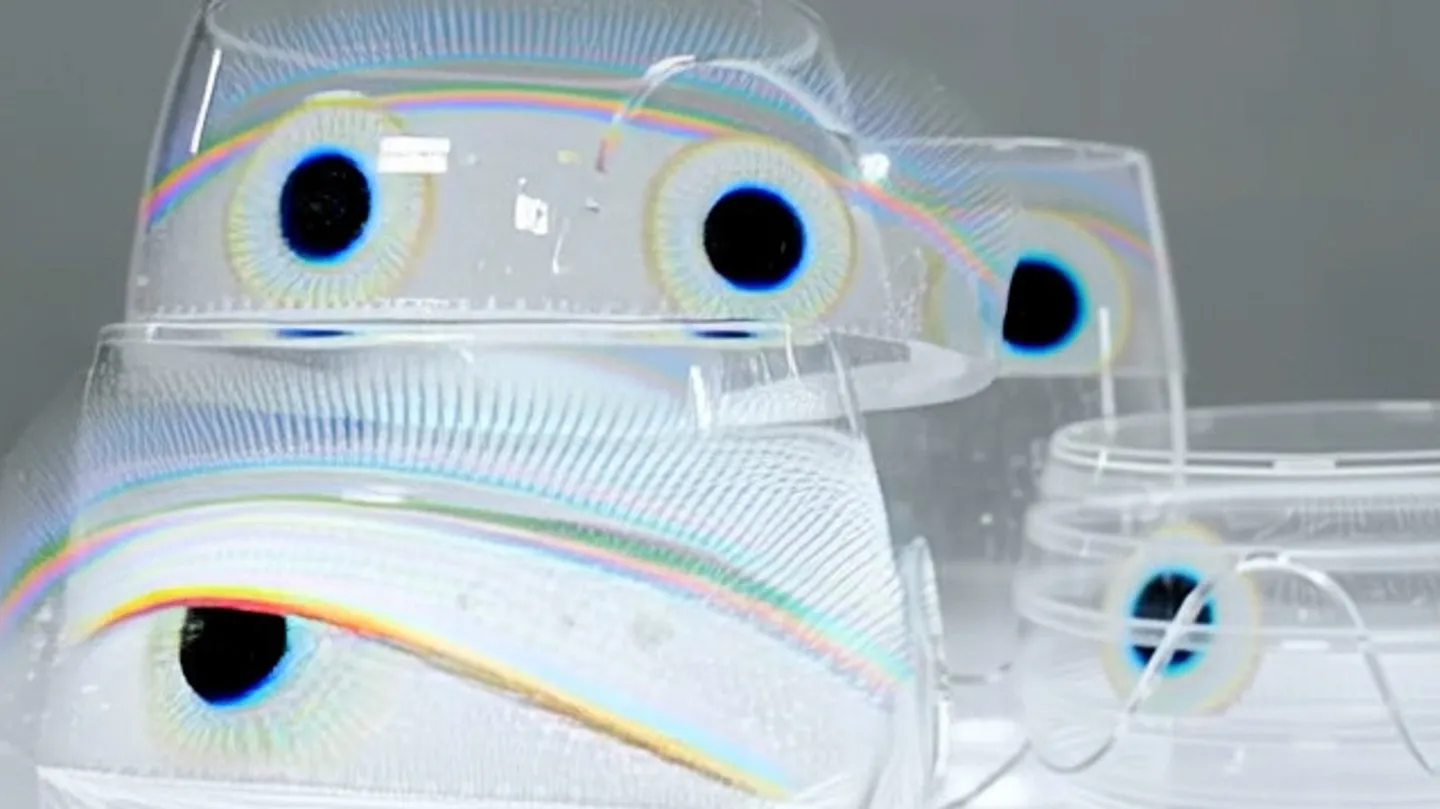
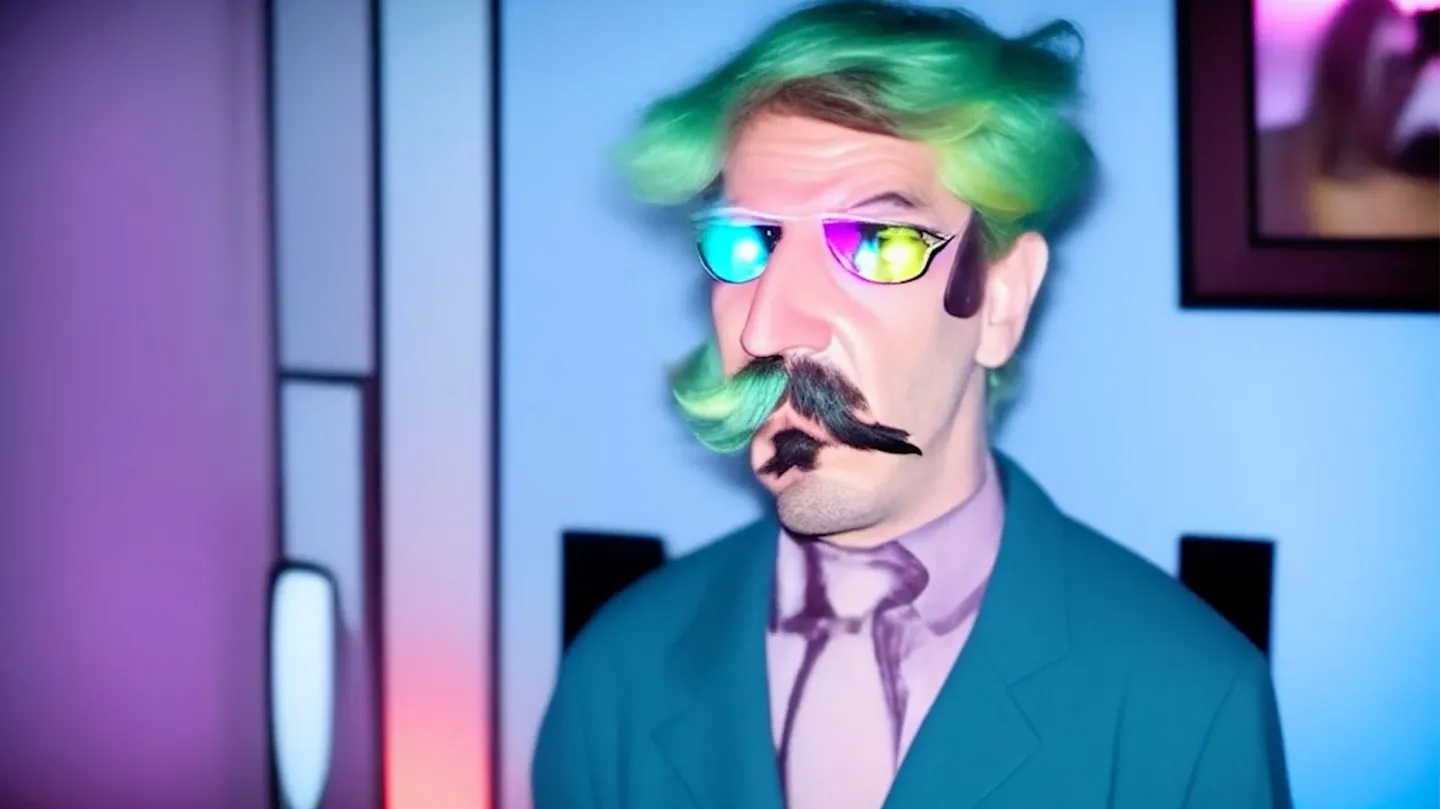
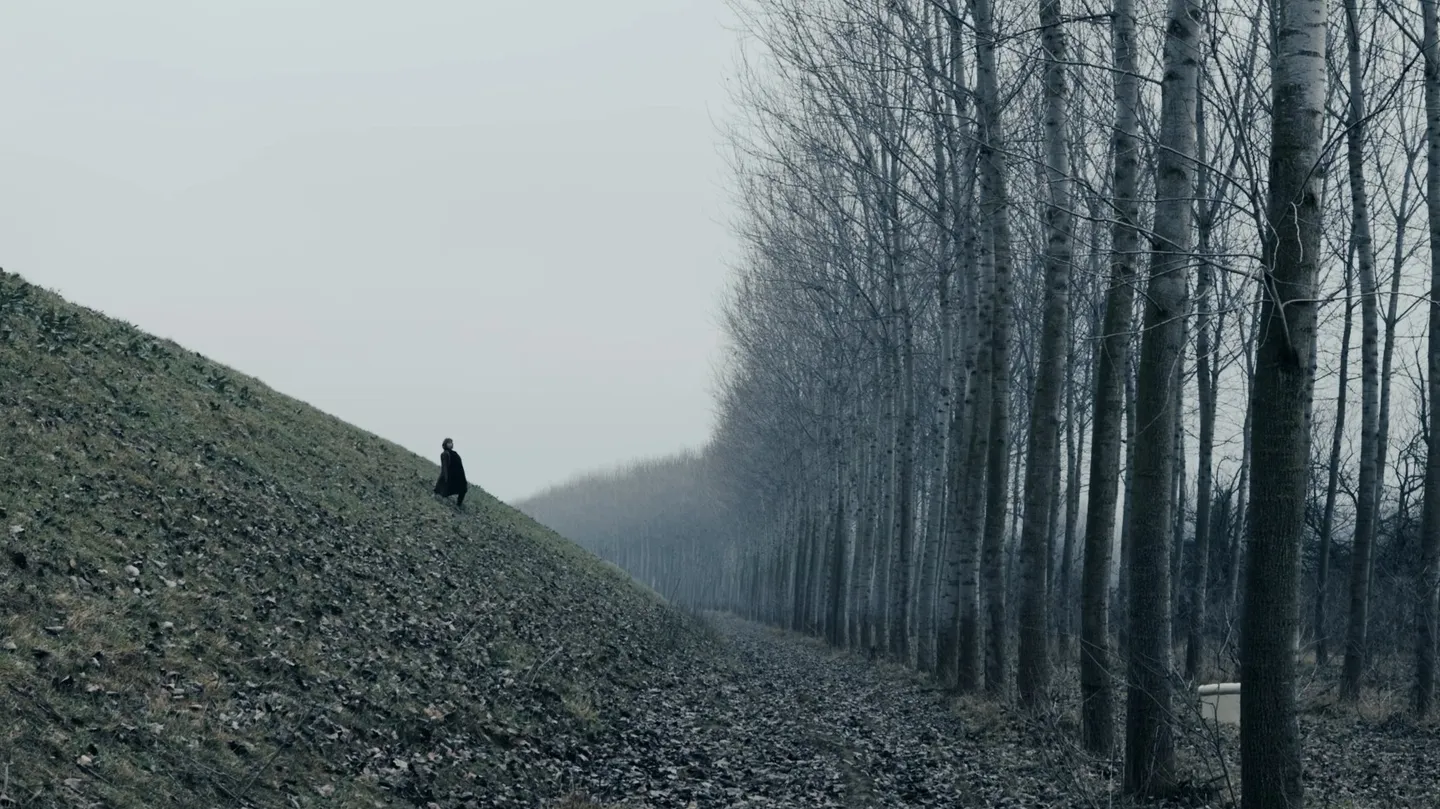
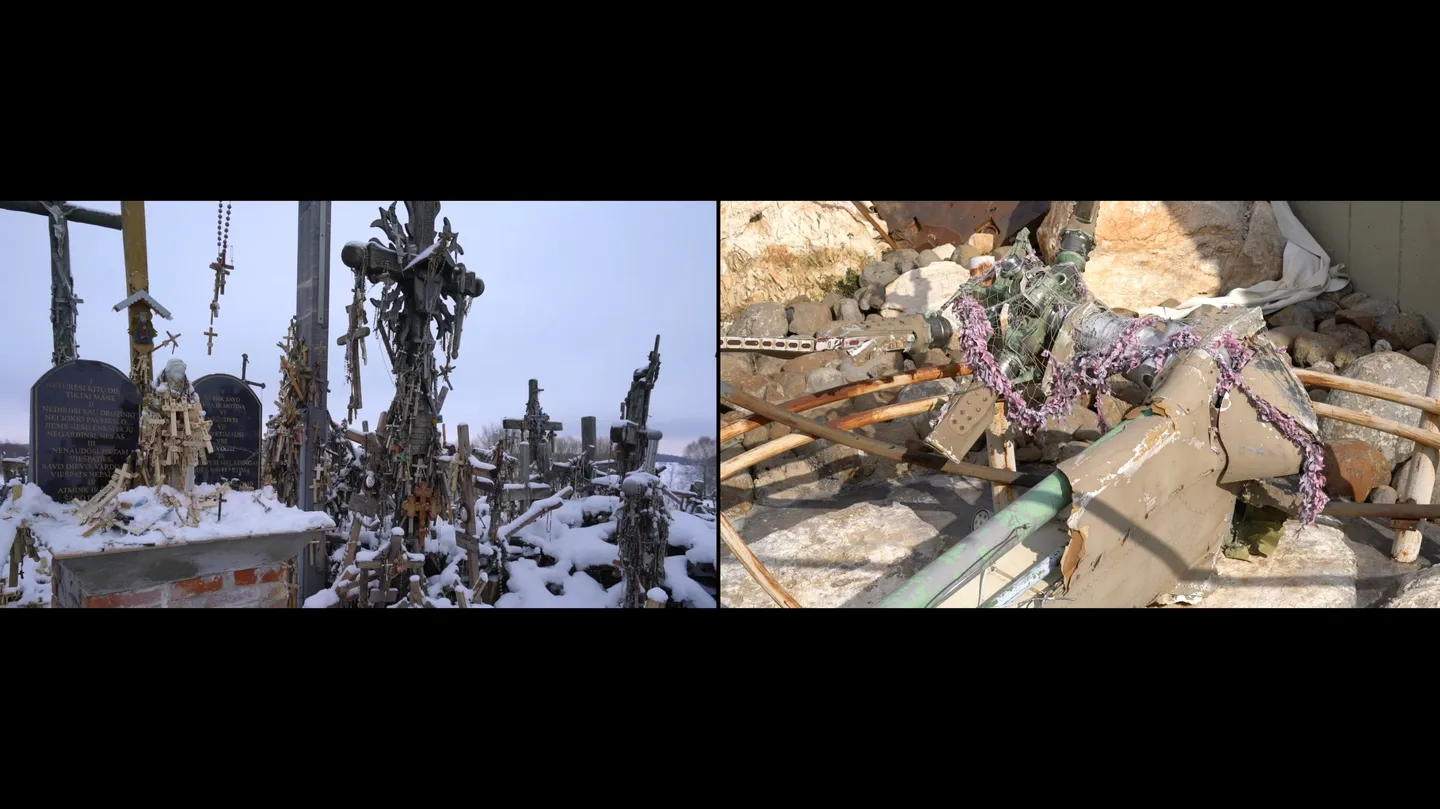
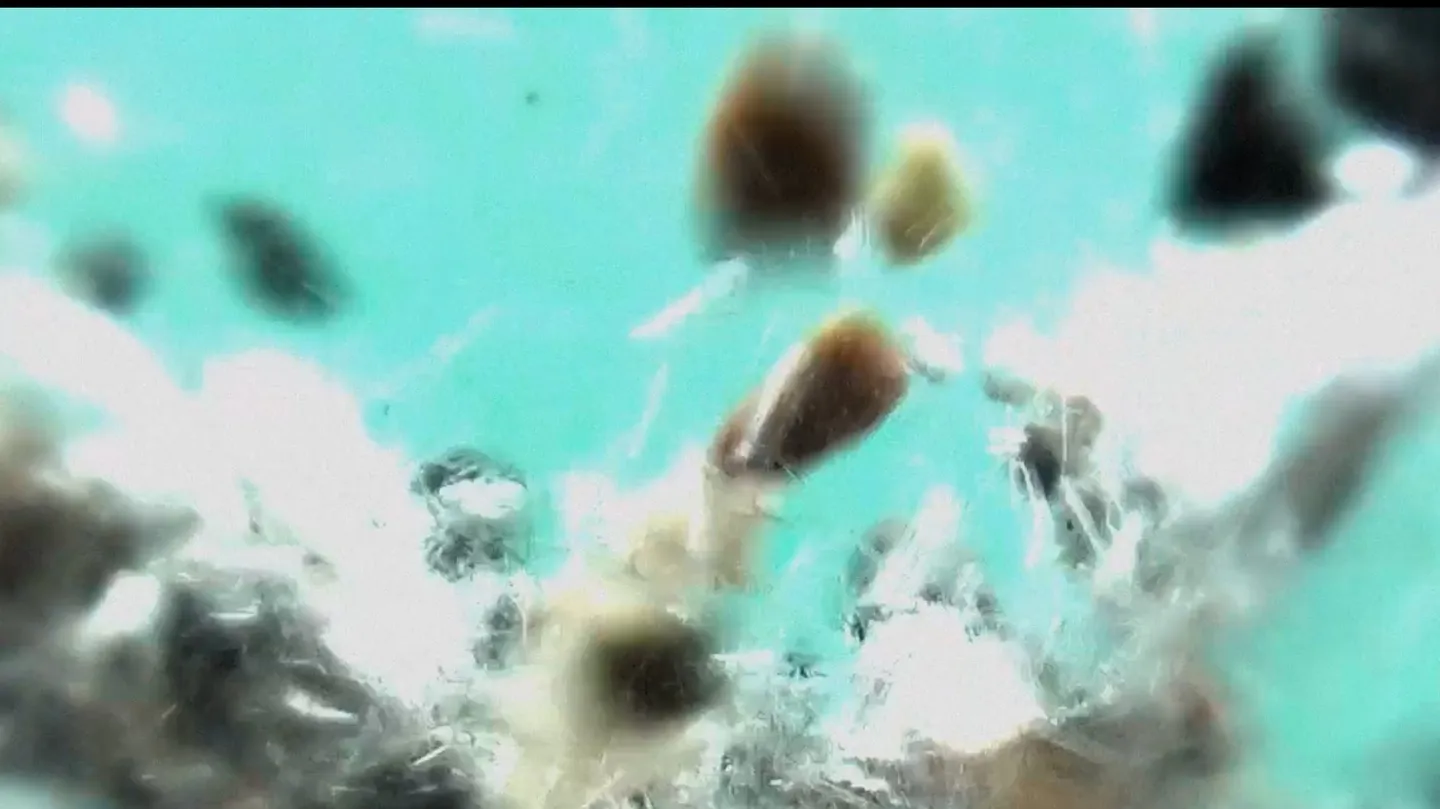
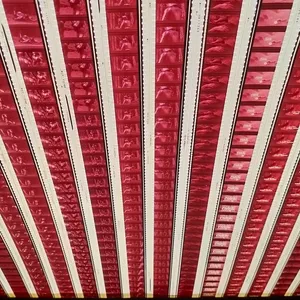
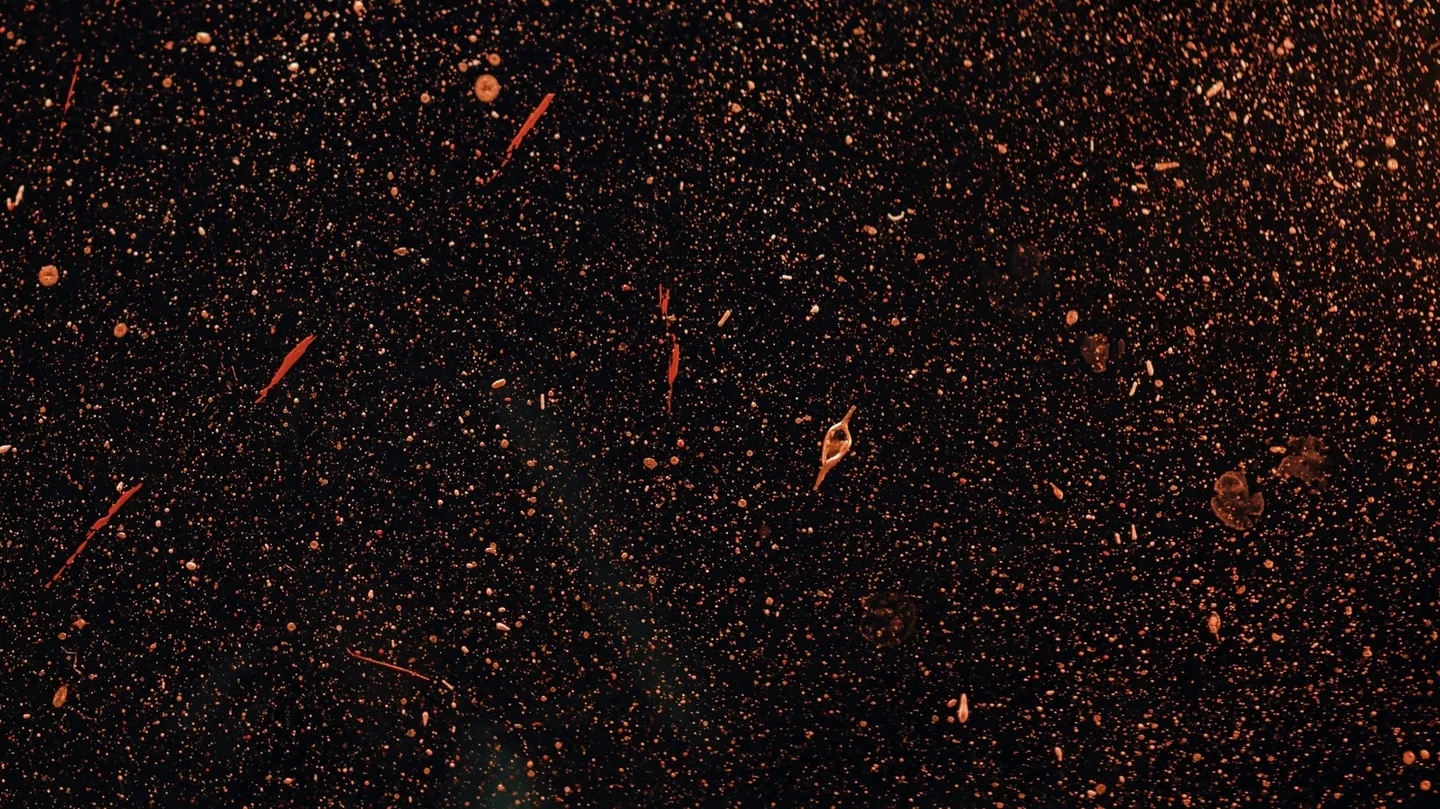
A machine scans the world's weather cameras in real time from where it stands, giving more screen time to places the climate network barely sees in the distance. — In my mother tongue, time and weather are the same. Tempo-imagem begins with the double meaning of the word tempo in Portuguese, signifying both chronological time and non-linear weather. The transmedia installation departs from this double meaning to examine the role of technical images and language in the age of heat, amid shifting climates and AI-accelerated modes of capture, framing, and prediction. In the installation, a machine scans, in real time, open-access weather cameras and surveillance feeds observing skies, seas, forests, deserts, glaciers, and rivers. A computer-vision model detects variations across streams, choreographing their transmission. Decelerated from the heat of capture, the machine slowly grants human access to a typically hidden stage of unsupervised machine learning in climate modeling: feature extraction. By performing this operation slowly and kinetically from a local perspective, the installation sheds critical light on the gaps and asymmetries within global climate observation, unfolding them on a cinematic scale in space. Places with a lower incidence of weather cameras tend to gain more screen time as the system scans across the Earth, taking into account uneven concentrations of climate data and imagery. By inverting this cartography of visibility, a plural time-image emerges in refusal of a single, universal viewpoint. In relation to the geolocation of each exhibition site and its distance from these cameras, every presentation results in a different perspective and experience. Rooted in media art history, Tempo-Imagem both pays tribute to and departs from a cinematic line of inquiry found in La Région Centrale (Michael Snow, 1970), where automated camera movements occupy the center stage. By shifting from the perspective of a single camera’s centralized rotation to the periphery of decentralized weather cameras, the work proposes an entangled vision of the world as it unfolds at multiple distances, bridging natural and artificial temporalities in search of a world where many worlds fit in.