Surat - Surat Perang
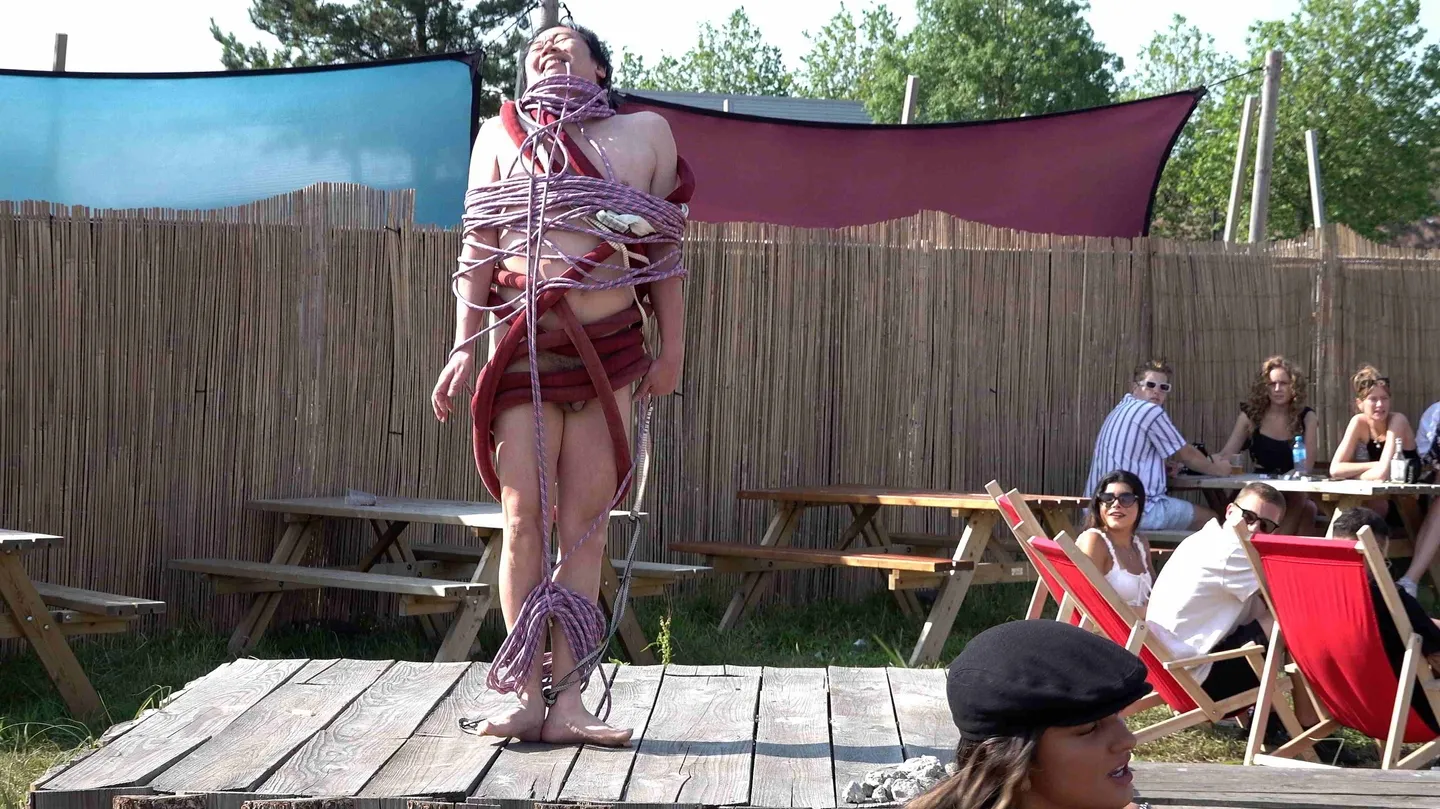
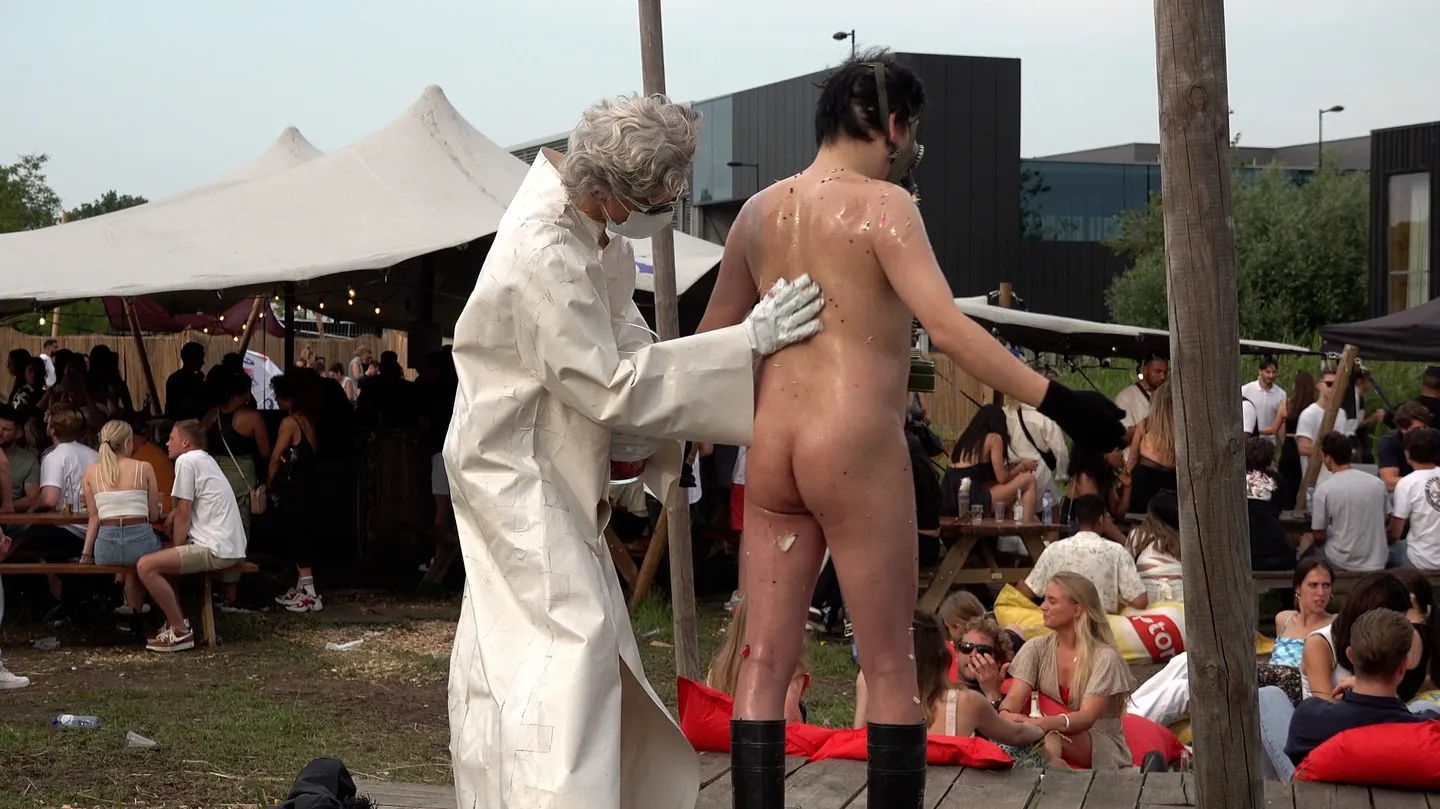
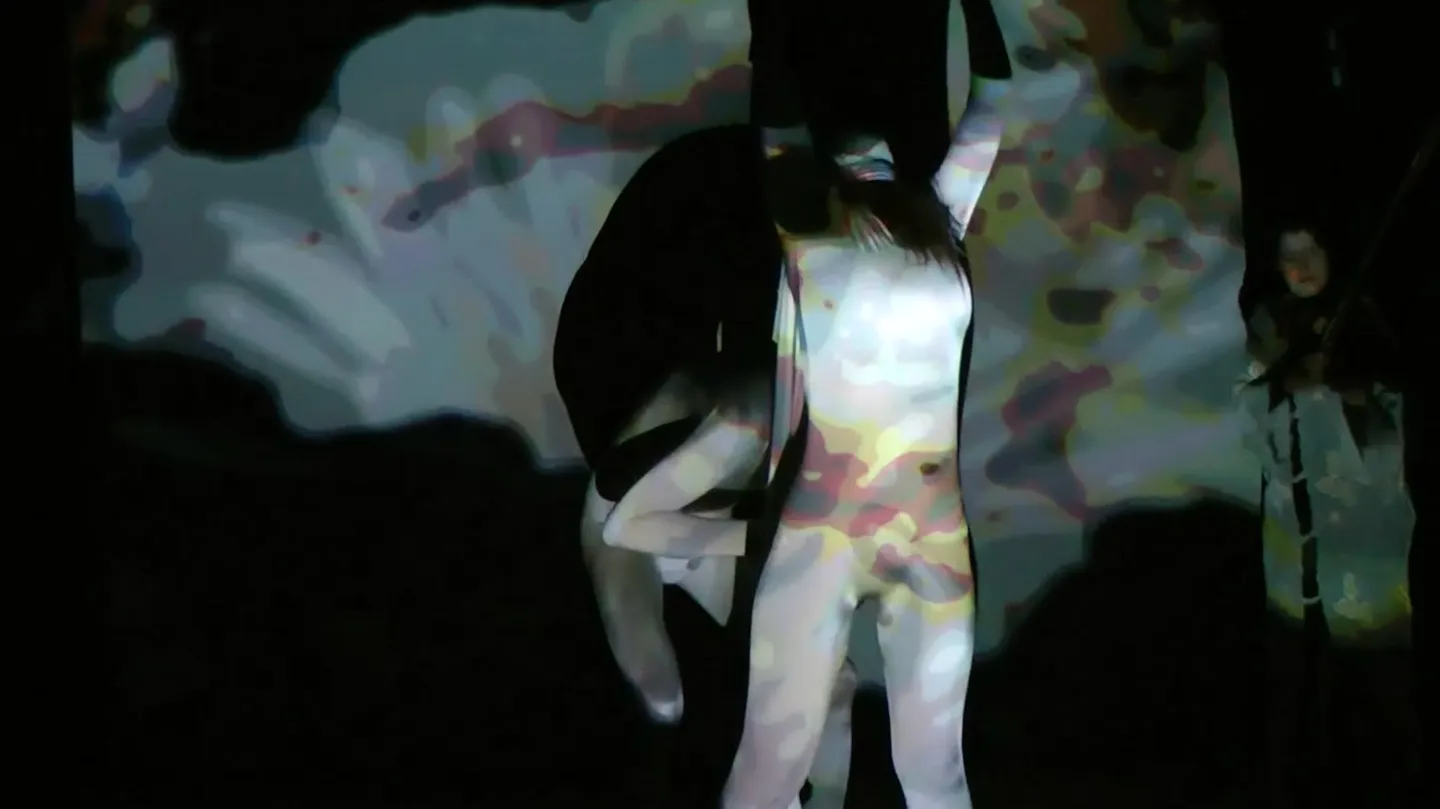
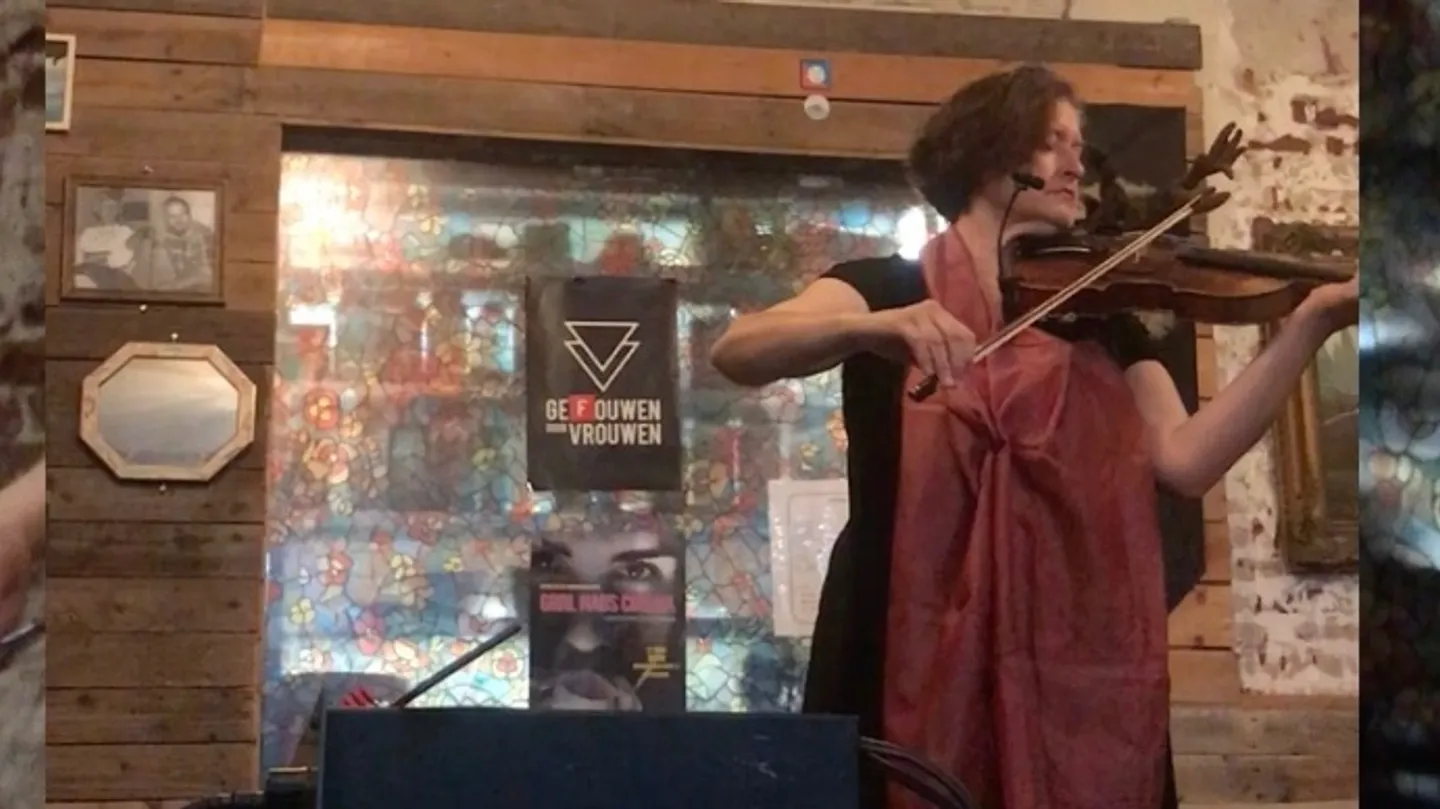
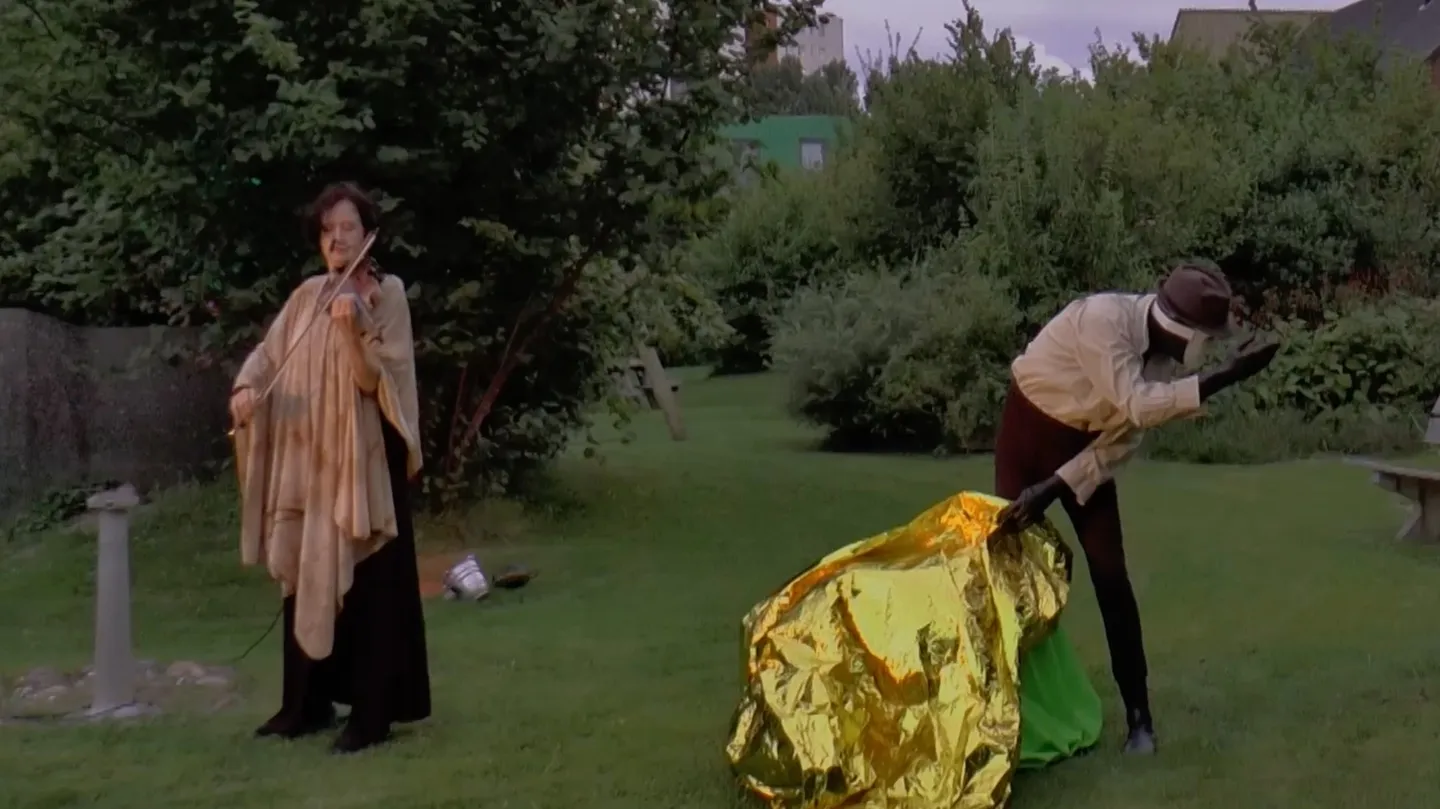
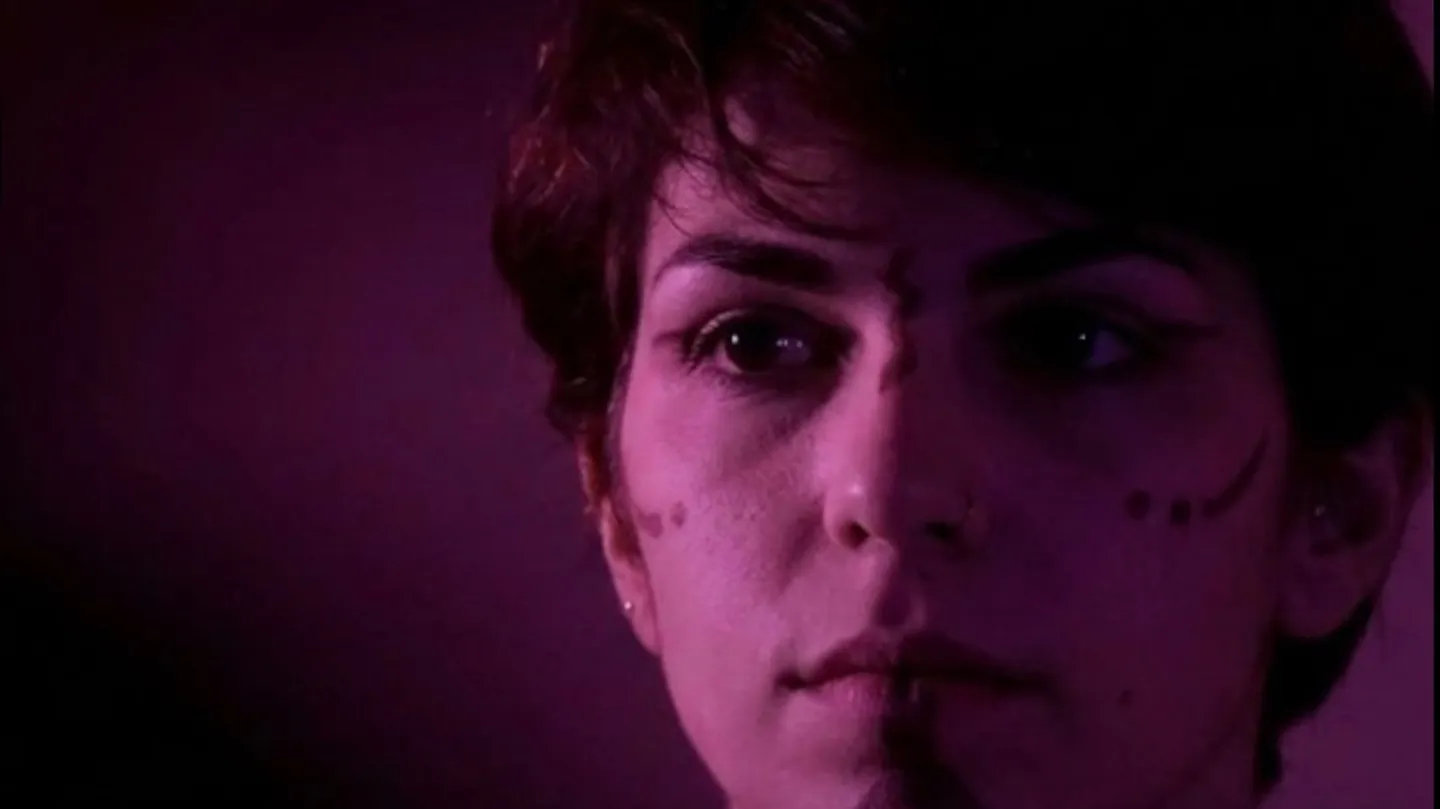
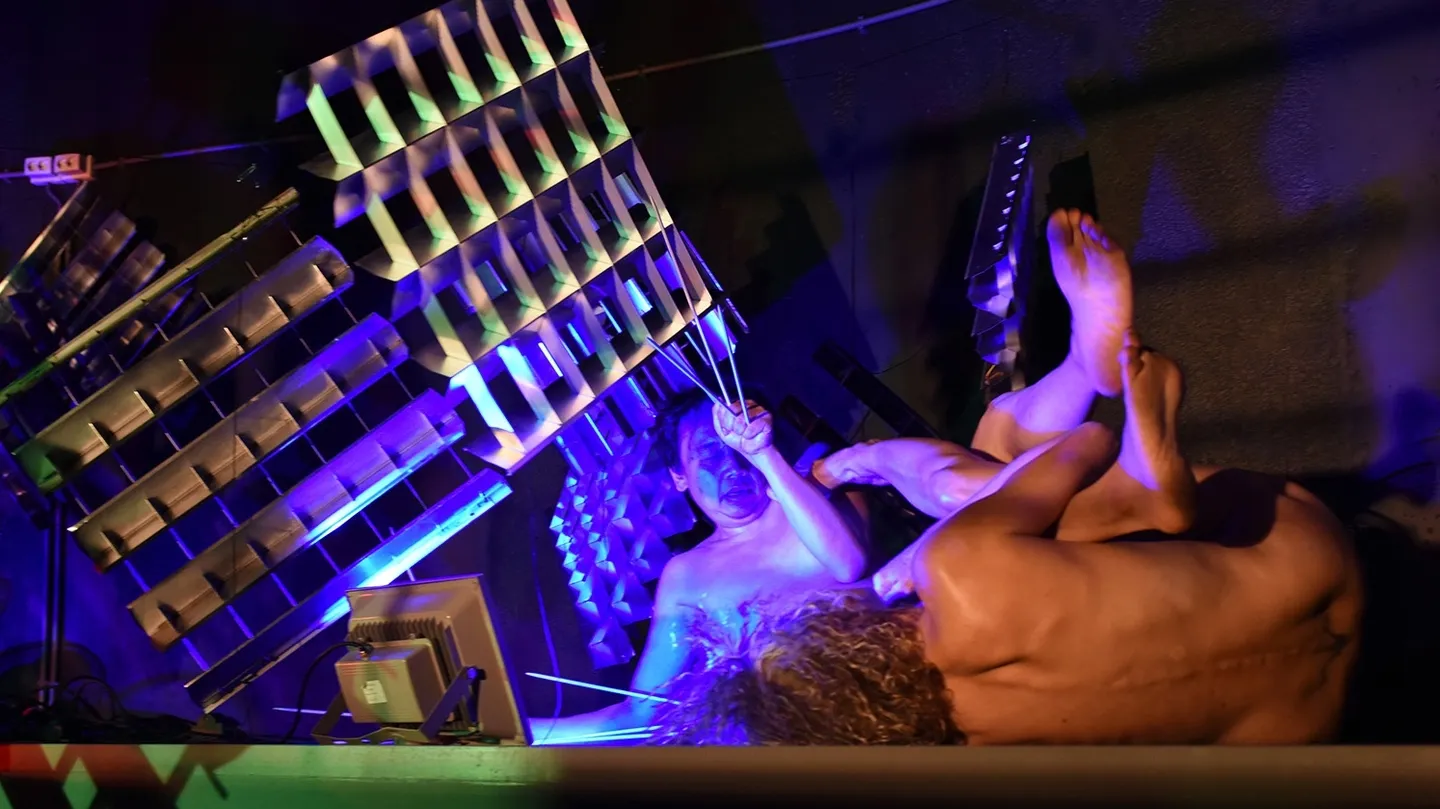
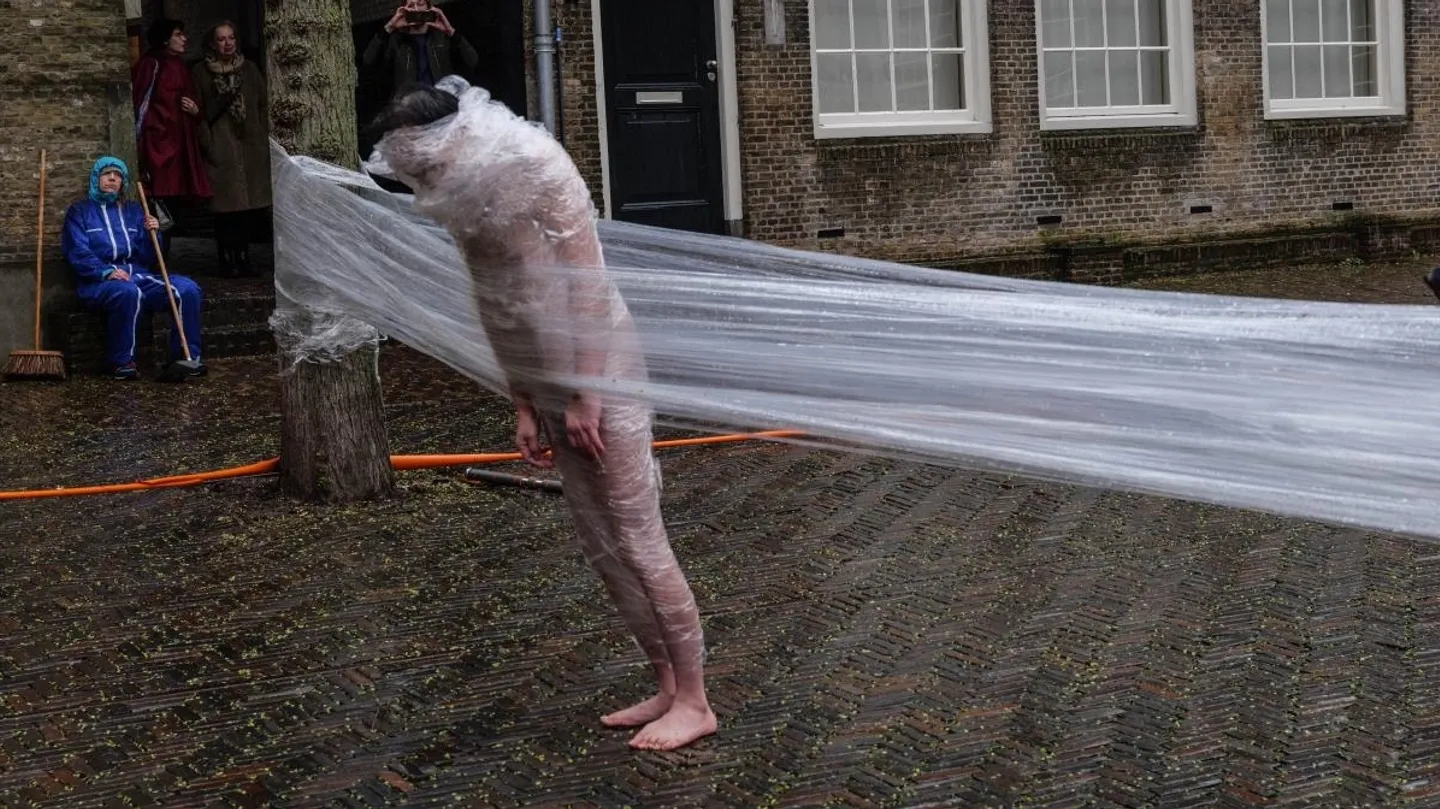
The War Within the Voice Philemon Mukarno work that delves into the darkest recesses of personal and historical memory. Titled Surat-Surat Perang (War Letters), this twenty-minute composition for voice and “voice-skin” with 6-track electronics is a haunting exploration of conflict, confinement, and communication. Commissioned by Fonds voor de Podiumkunsten and dedicated to the vocal artist Janneke van der Putten, the piece is not a song cycle in any traditional sense. It is a sonic document. The text is drawn from a deeply personal source: the letters Mukarno’s grandfather wrote to his grandmother while imprisoned in a camp in Indonesia during the war. These letters, written under the shadow of death, become the raw material for a work that transcends simple storytelling. Mukarno transforms the written word into a texture of sound, using the human voice to map the physical and emotional landscape of imprisonment. The Instrument: The Voice-Skin To realize this vision, Mukarno collaborated on the creation of a unique instrument: the Voice-Skin. This “wearable sound device” is a costume embedded with six speakers, designed by Jesse Howard and Arden Rzewnicki. It literally wraps the performer in sound. The Voice-Skin challenges the traditional separation between the singer and the accompaniment. In a standard performance, the electronics usually come from black boxes hidden in the corners of the room. Here, the sound emanates from the performer’s body. As Janneke van der Putten moves, the sound moves with her, creating a dynamic, spatialized field. The electronics become a second skin, a “prosthetic” extension of the voice that amplifies, distorts, and reflects the singer’s internal state. This fusion of body and technology is central to Mukarno’s aesthetic. It blurs the line between the organic and the mechanical, the human and the machine. The Voice-Skin acts as a cage of sound, mirroring the physical confinement of the grandfather in the camp. The singer is trapped within her own sonic output, struggling to be heard through the layers of electronic noise. Uncompromising Aesthetics: The Grain of History Mukarno’s approach to the text is uncompromising. He does not set the letters to a lyrical melody. Instead, he treats the words as sonic objects. He explores the “grain” of the voice—the glottal attacks, the breath, the overtones. The “rough, unpolished sounds” that critics often note in his work are present here in the form of vocal fry, whispers, and screams. The electronics provide a harsh, industrial counterpoint, mimicking the oppressive atmosphere of the camp. There is no attempt to sweeten the experience. Mukarno wants the listener to feel the grit of history. He presents the letters not as nostalgic artifacts, but as urgent, desperate signals from the past. This “lack of irony” is crucial. In a world where historical trauma is often commodified or sentimentalized, Mukarno treats his grandfather’s experience with absolute seriousness. The “complete absence of distance” forces the audience to confront the reality of the suffering without the safety net of artistic detachment. The Collaboration: Janneke van der Putten The piece is unimaginable without the specific talents of Janneke van der Putten. A specialist in extended vocal techniques, she approaches singing as a physical act. Her ability to produce two sounds simultaneously (multiphonics) and her sensitivity to acoustic space make her the ideal interpreter for Mukarno’s complex score. Van der Putten does not just sing the piece; she inhabits it. She wanders through the space, using the architecture as a natural amplifier. Her movements dictate the direction of the sound, making the performance a unique, site-specific event. Whether performing in the Württembergischer Kunstverein in Stuttgart or the WORM in Rotterdam, she adapts the piece to the acoustic reality of the room. This collaboration highlights Mukarno’s “Human-Centric” approach. He does not write abstract music for abstract instruments; he writes for specific human bodies. He creates a framework that allows the performer to explore their own physical limits. The Electronic Landscape: 6 Tracks of Memory The electronic component of Surat-Surat Perang consists of 6 tracks that envelop the listener. These tracks are not mere background ambience. They are active agents in the drama. They might represent the sounds of the camp—the distant machinery, the shouts of guards, the buzzing of insects—or the internal psychological noise of the prisoner. Mukarno uses the electronics to fracture the voice. A phrase sung by Van der Putten might be caught by the Voice-Skin, delayed, pitch-shifted, and thrown back at her. This creates a “hall of mirrors” effect, suggesting the fragmentation of memory and identity under trauma. The electronics also serve to obscure the text, forcing the listener to strain to understand the words, mirroring the difficulty of communication in wartime. A Ritual of Apotheosis? The piece was featured in a project titled Apotheose (Apotheosis) in Stuttgart. The concept of apotheosis—the elevation of a mortal to a god—provides an interesting lens through which to view the work. Is the grandfather, through his suffering and his letters, being elevated? Or is the piece a critique of the way we mythologize the victims of history? Mukarno’s music suggests a more complex reality. There is no glorious transfiguration here. There is only the stubborn persistence of the human voice against the forces of silence. The “ritual” of the performance is not one of worship, but of witnessing. The audience is asked to bear witness to the transmission of memory from the grandfather, to the composer, to the performer, and finally to them. The Visual Dimension The visual aspect of Surat-Surat Perang is as important as the sonic one. The Voice-Skin itself is a striking visual object—a costume that reveals its inner workings. The speakers are visible, not hidden. This transparency aligns with Mukarno’s “honest” aesthetic. He shows the machinery of sound production. In performances, lighting often plays a key role, interacting with the textile surface of the Voice-Skin. The singer becomes a moving sculpture, a beacon of sound and light in the darkness. This multimedia approach connects the piece to Mukarno’s other works like Visual – Audible, where he explores the collision of sight and sound. Conclusion: A Letter to the Future Surat-Surat Perang (2020) is a profound addition to Philemon Mukarno’s body of work. It demonstrates his ability to tackle deeply personal and historical themes with artistic rigor. By combining the intimate fragility of the human voice with the cold precision of wearable technology, he creates a powerful metaphor for the persistence of humanity in the face of dehumanizing systems. It is a work that asks: What remains of us when we are gone? Only our words, carried on the breath of others, echoing in the electronic ether. Explore “Surat-Surat Perang,” Philemon Mukarno’s haunting work for voice and wearable electronics. A sonic journey through war letters and memory.