Screen Genomics
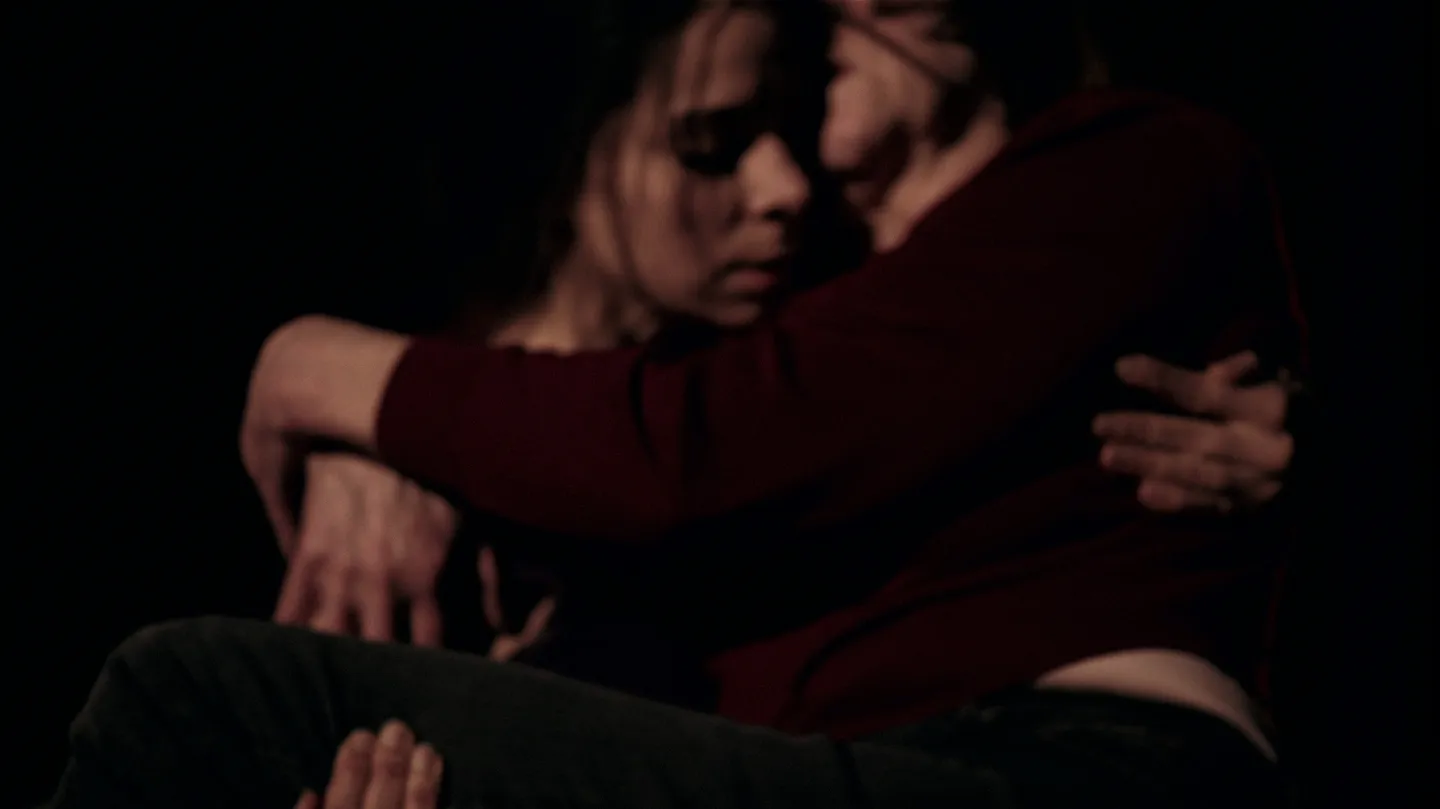
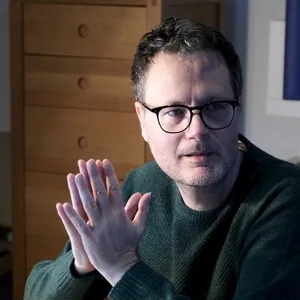
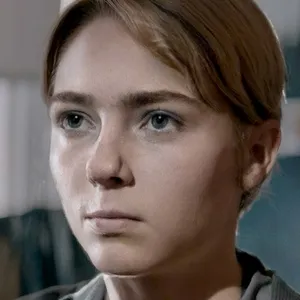
ABOUT The Screen Genomics project is a curated collection of compositions featuring source-referenced portraits of doppelgänger movie actors. It documents actors’ cinematic similarities, which manifest as visual coherences in facial features and expressions across certain film scenes. These similarities depend on how actors’ faces register on film, and their recognition is idiosyncratic, so they are not equivalent to the anatomic and behavioral sameness of monozygotic twins. Rather, they are artifacts of the film industry’s historic appetite for recycling palatable themes/narratives and its consequent preference for casting performers whose physiques fit stereotypical character depictions, which mirrors evolutionary processes (inheritance, variation, and selection over time). In a compact set of portrait layouts, Screen Genomics evinces actors’ photogenic and cinema’s expressive convergences more concisely and amusingly than film rehashes, remakes, sequels, serials, or franchises. It intertwines the critique of commercial cinema with the ambivalence of film consumption and skepticism toward technological complacency. The initial 57 compositions were released in 2026 after processing 90 candidate actor pairs casually logged in 550 movies since 2015. The work is ongoing—new compositions are added, existing ones upgraded—and does not involve artificial intelligence. The optimal presentation format is interactive (available on the project’s web page https://sandbox.dejangrba.org/screen-genomics.html), with a compositions panel interface featuring a grid of square thumbnail-sized links, each showing the 50% blend image of two actors’ portraits. These suggestive visuals invite visitors to hover (or short-tap) to see the actors’ names and click (tap) to view the composition. In composition view, visitors can isolate the two portraits by shifting them toward the center to overlap the animation and, conversely, they can isolate the animation by shifting portraits behind it. The compact, non-interactive version presented here is a sequence of 57 compositions in a single review video. PROCESS Creating the compositions requires extracting lookalikes’ best-matching portraits from their film repertoires and juxtaposing them to emulate the dynamic focus of live observation that triggers similarity recognition. The production unfolds in two overlapping phases: source logging similar actors and processing logged source material. Source logging is casual: I record lookalike actors’ names and source titles after spontaneously noticing their resemblance in films I normally watch rather than methodically searching for them. The processing is a series of recursive steps: rewatching the logged films, finding and capturing frames with alignable actors’ faces, comparatively selecting portraits in captured frames by several formal criteria, cropping and aligning the selected portraits, and morphing them into a short a-b-a video which simultaneously highlights actors’ facial similarities and their portraits’ formal differences. The finished composition shows the best matching pair of portraits flanking their video morph above the essential source data (actors’ names and image sources). This layout facilitates quick comparison and serves as an index of actors’ cinematic congruity; fully experiencing, assessing, and contemplating it requires watching the referenced films. Compositions can be exhibited in a gallery and online in different formats, media, and spatial arrangements, with optional complementary material that includes outlier cases (not all of which were selected) and exclusions. CONCEPT Screen Genomics documents the artifacts of repetitiveness and the abuse of conventions in commercial cinema. They are important facets of an economic rationale whose favoring of proven formulas and suppression of risky experimentation keeps film’s considerable potential for cognitive, emotional, and aesthetic novelty largely untapped. The film industry pursues this conservative agenda counting on the cultural amnesia concomitant to the succession of biological generations, occasionally attempting to mask it with technical innovations and superficial distractions that rarely acknowledge the audience’s intelligence. The project’s quasi-encyclopedic presentation logic alludes to data visualization tools used in film studies and digital humanities but contrasts their clinical slant by appealing to the affective momentum and ambiguity of film reception. The compositions’ visual organization simultaneously supports the similarity recognition and reveals its instability, swaying viewers’ assessment between confirmation, contestation, rejection, and back. The uncanniness of this uncertainty mirrors the fluidity of mental modes in film reception, which can transition between unreserved immersion, voluntary suspension of disbelief, uneasy, skewed, or fractured identification, and distanced examination of film’s artificiality or artfulness. The prevalence of statistically processable digital data in the project’s material may suggest that AI would come in handy for streamlining the production, but the concept and methodology of Screen Genomics deny it. Prompting AI to find the best matching portrait shots of already identified similar actors would impose a precarious reliance on heavily funneled, censored, or otherwise restricted data collections and opaque algorithms available to different models. Screen Genomics is an autobiographical record sourced by the actual film-watching experience, so the detection and choice of portraits must be personal and relational. Outsourcing the search for new lookalikes to AI would equally fail the idiomatic detection/choice requirement and falsely imply an endeavor to compile as many cases as possible. Screen Genomics is not a scientific study but an art project, even though its volume clearly evidences the spread of actors’ similarities. Finally, tasking AI to generate fully matching fake portraits or modify the selected real portraits to align better would miss and cancel the project’s central point: actors’ cinematic resemblance is already—and enjoyably—present in their films. It needs to be discovered and lived, not emulated. Taking any of these shortcuts would be senseless and detrimental to a project defined by a subjective relationship with cinema and the principle of existential artmaking. A decade-long persistence with the poetic framework thoughtfully configured to be experiential and labor-intensive signals an opposition to the historical trend of complacent, often intentionally “pragmatic”, relegation of higher-level decision-making to external apparatuses such as AI. It criticizes the ideological dictates of corporate technoscience, particularly the technosolutionist pitching of entrepreneurial technologies to address problems that need different approaches.