Schrödinger
Contains AI-assisted elements
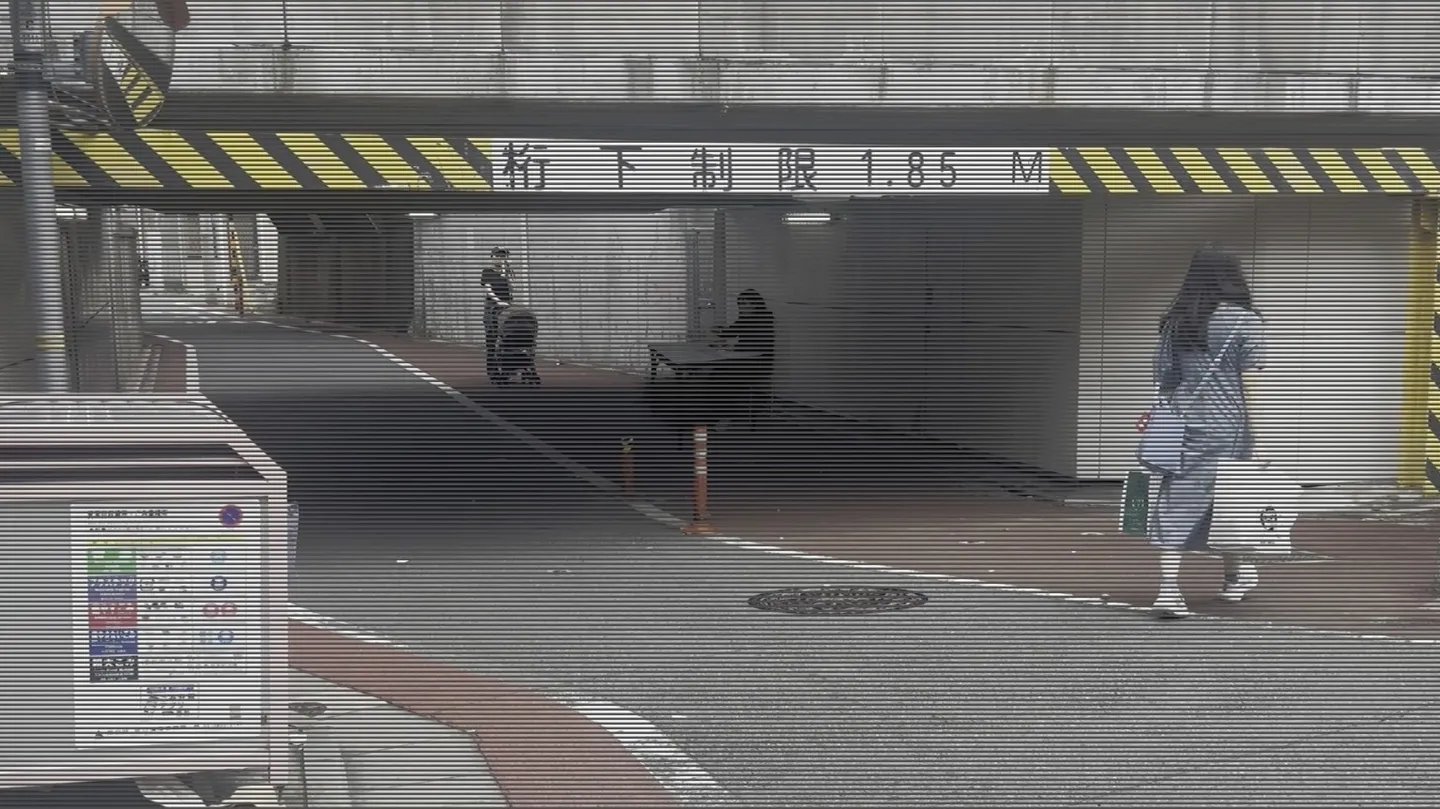
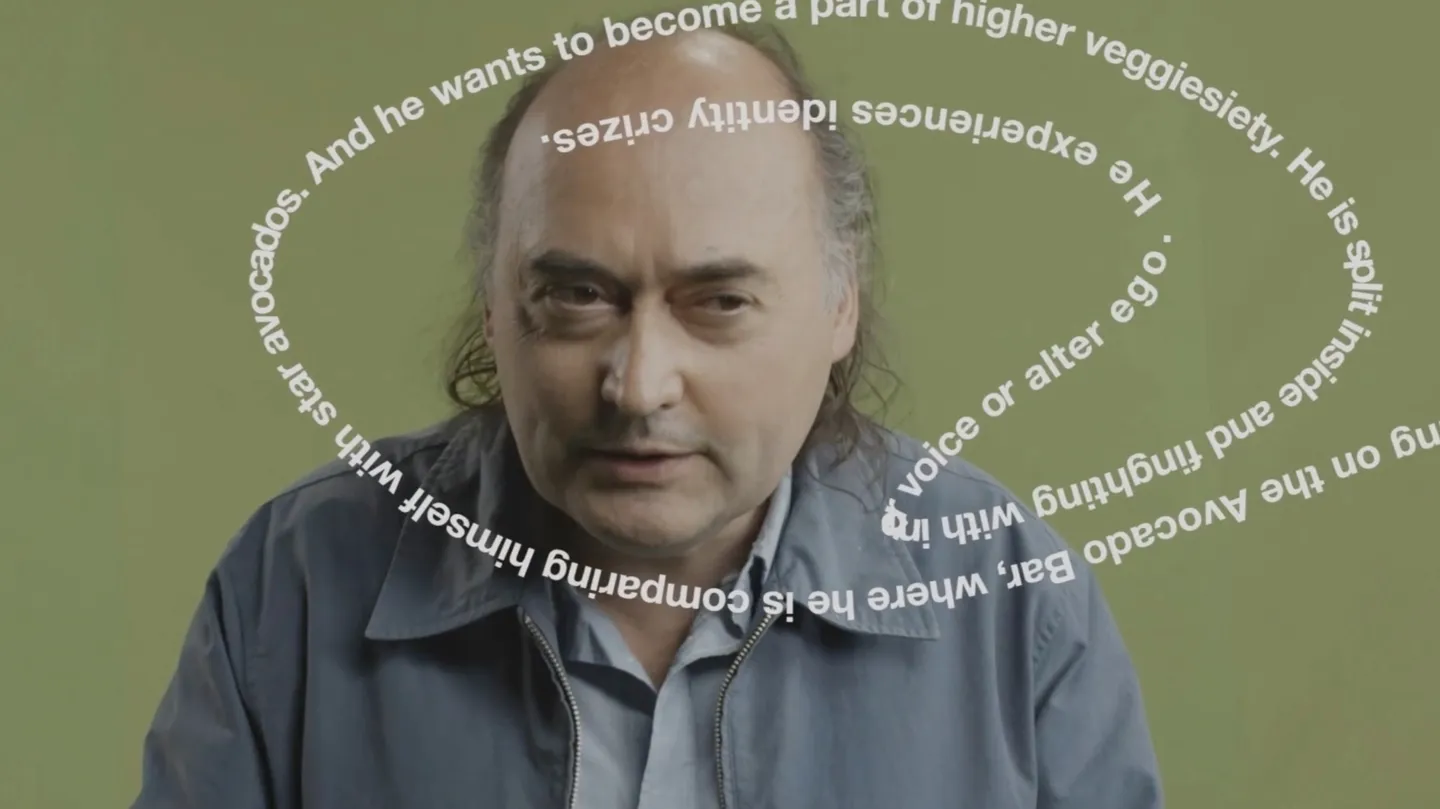
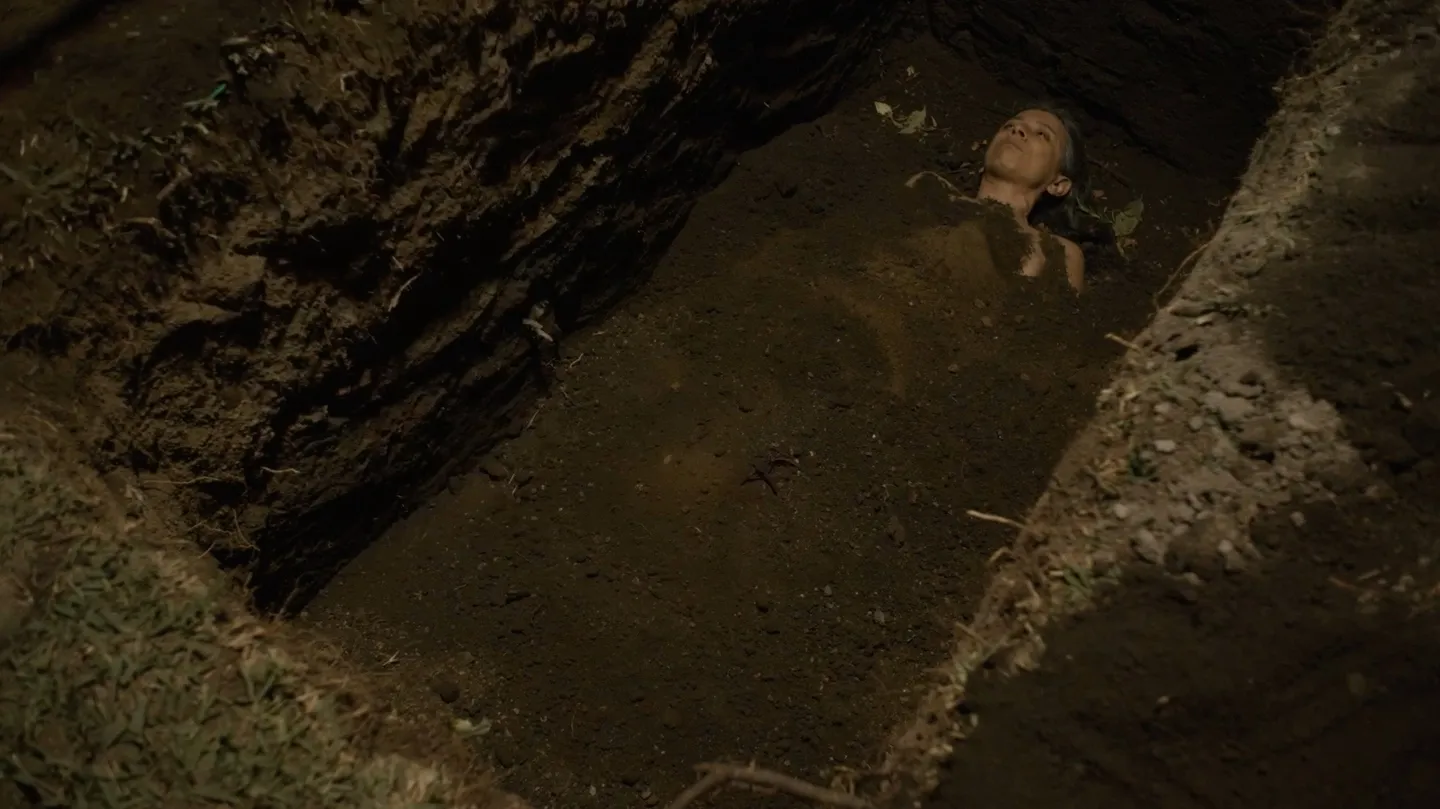
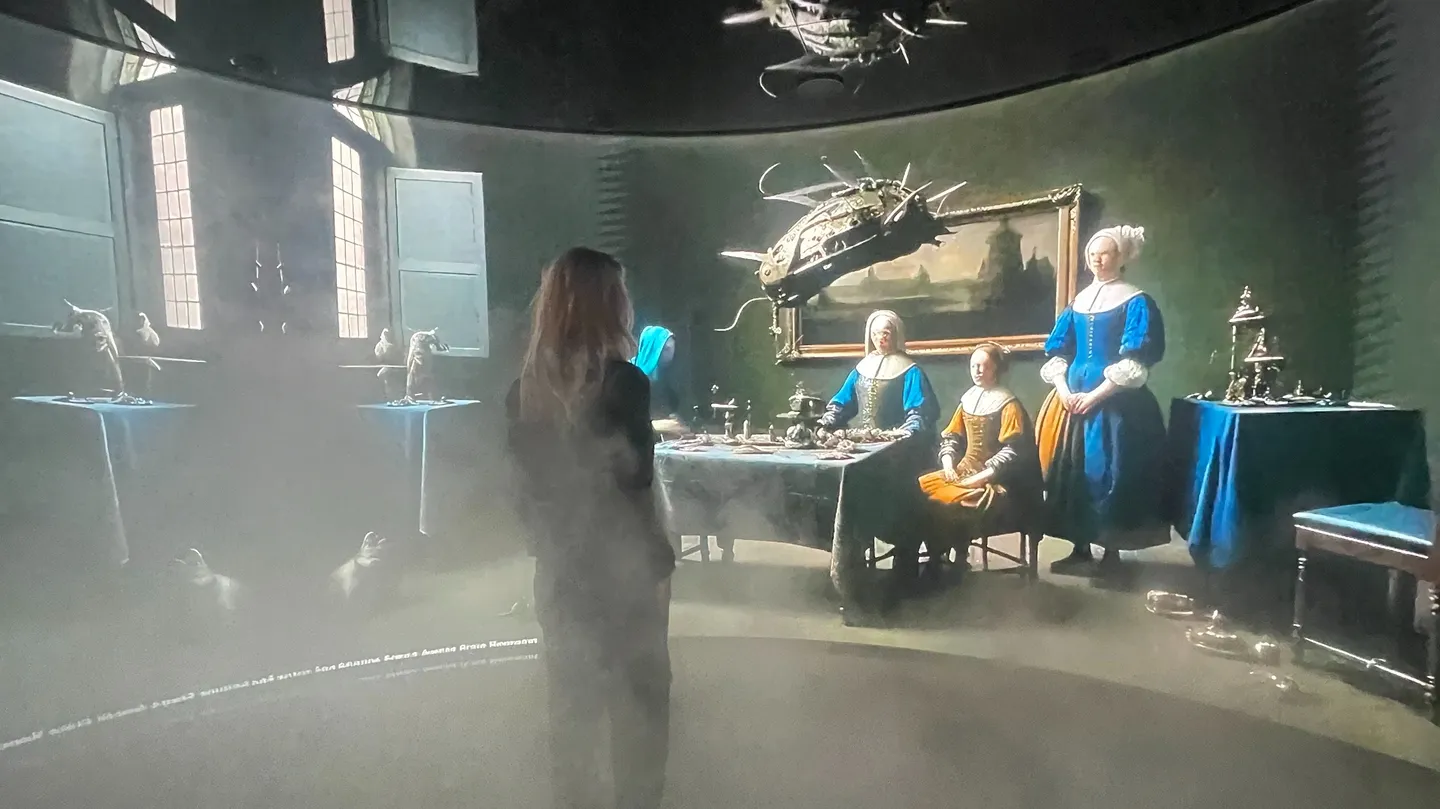
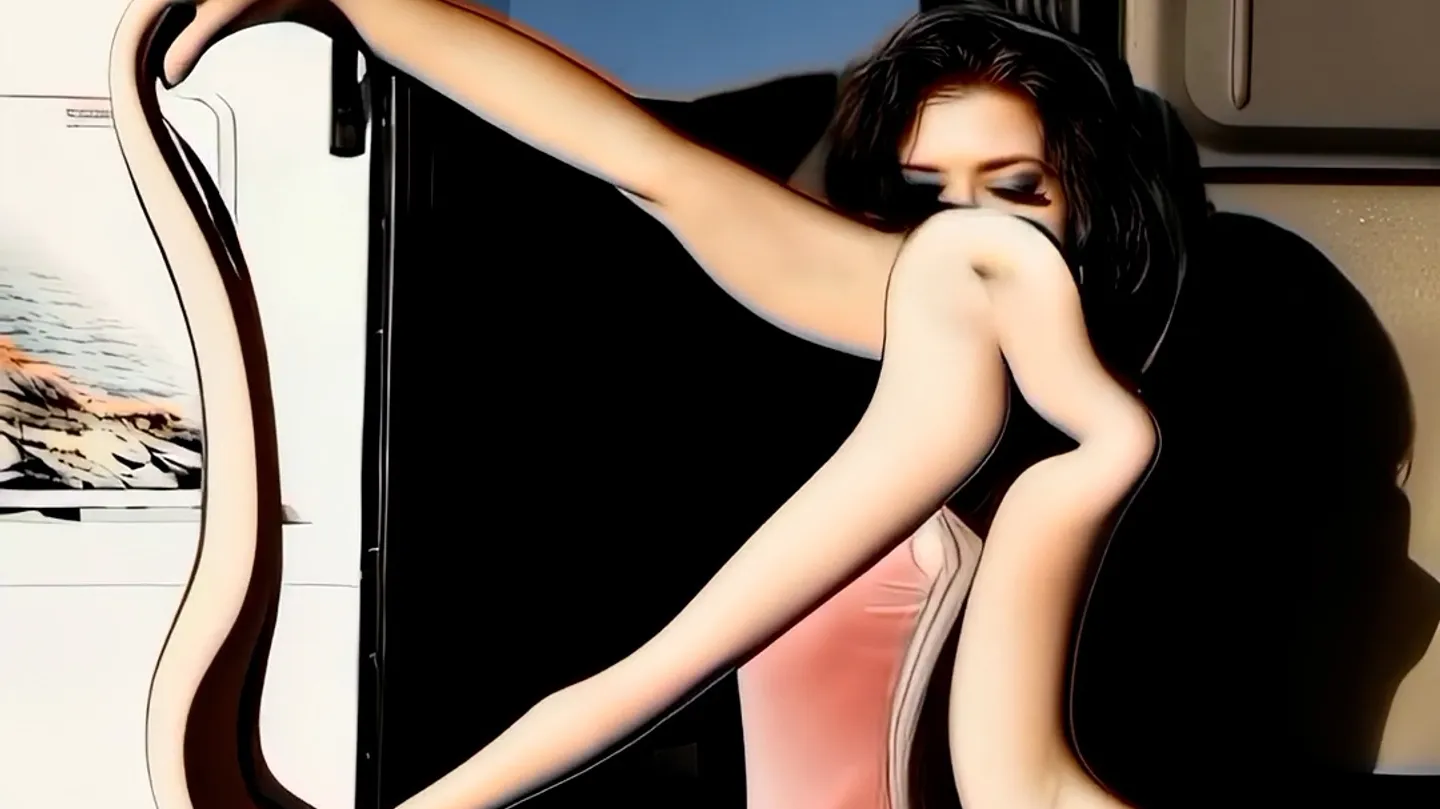
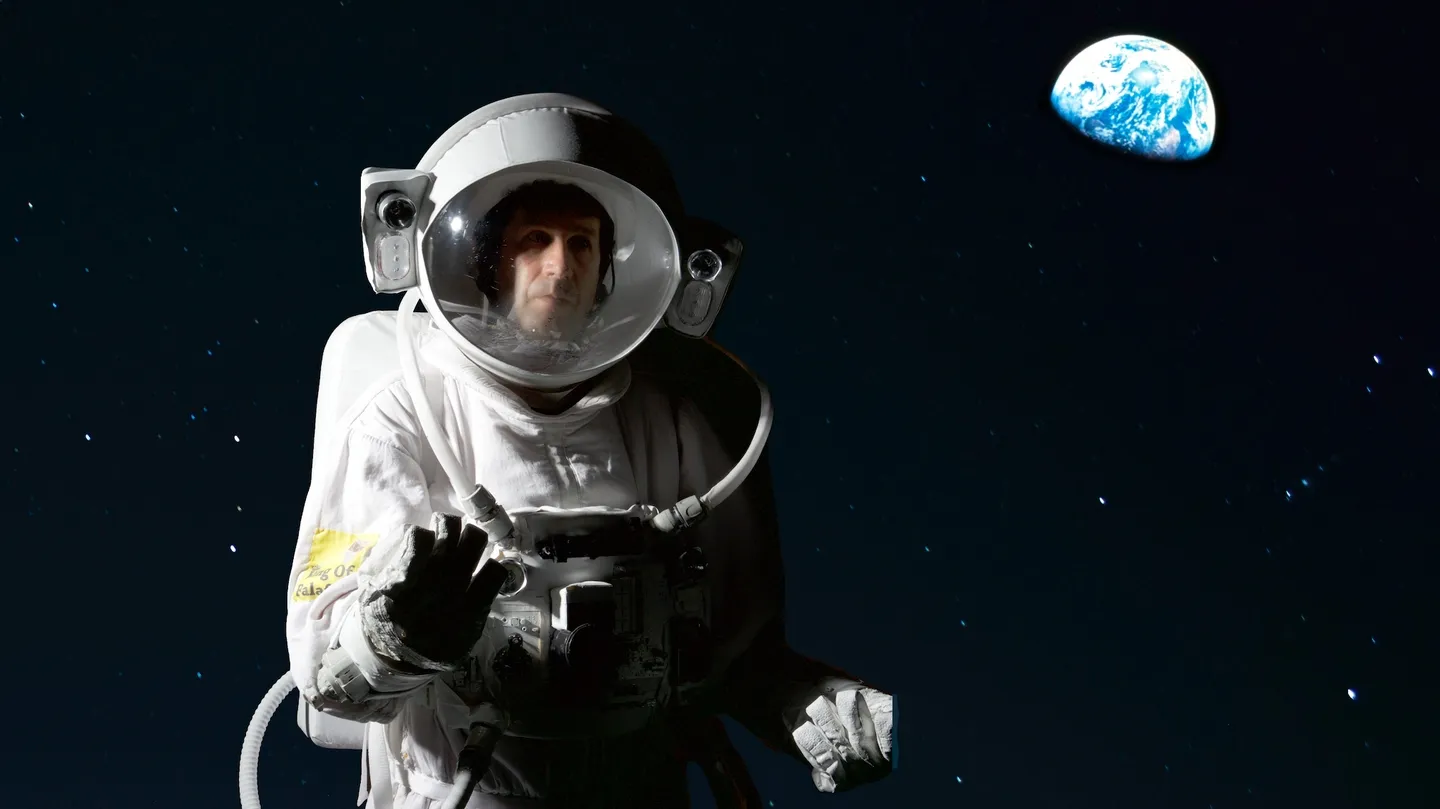
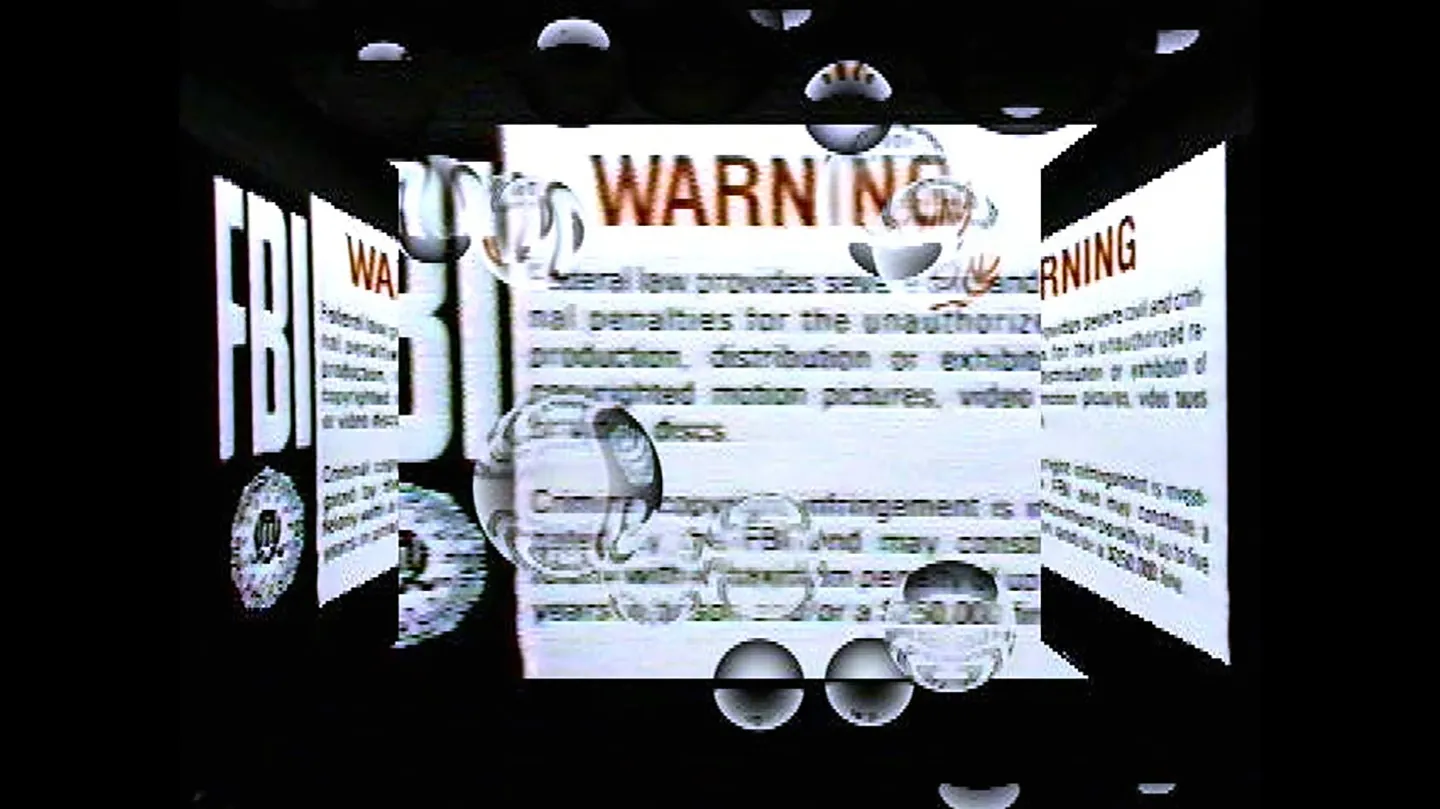
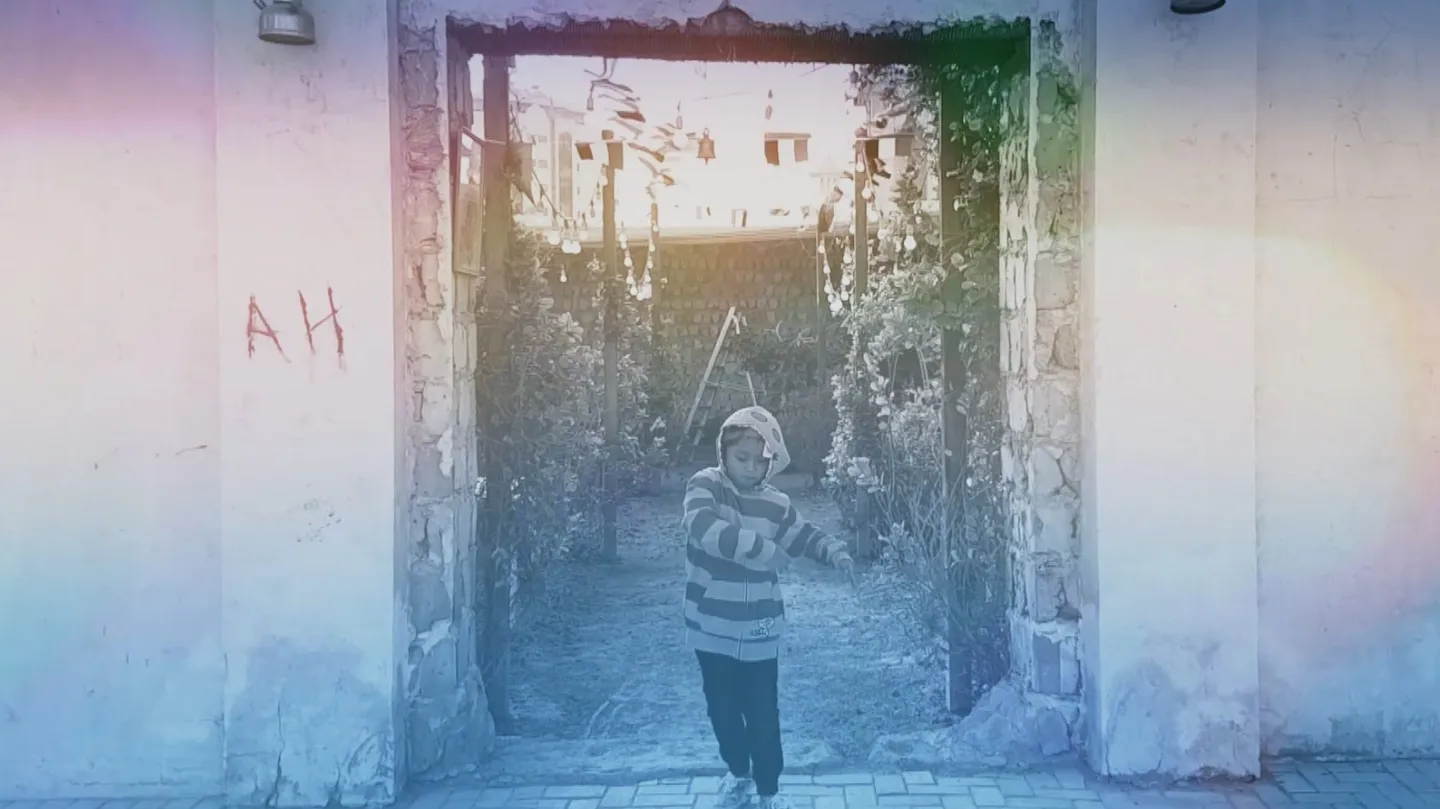
In <Schrödinger>, I employ a visual language reminiscent of television news broadcasts, deliberately presenting conflicting information through on-screen captions and spoken narration. When what we see contradicts what we hear, what do we choose to believe, and what do we begin to question? With the widespread adoption of generative AI, the information surrounding us has become increasingly chaotic. AI-generated imagery has moved beyond the unsettling imperfections once associated with the “uncanny valley.” Even those of us who have worked professionally in video production now find ourselves scrutinizing images more closely to distinguish what is real from what is fabricated. Yet I believe that determining the truth of information was never easy, even before the rise of AI. Looking at Japan’s mass media, different television networks often report the same news from remarkably similar perspectives. One factor behind this is the existence of *kisha clubs* (press clubs), which serve as channels of access to information from government agencies, police departments, and other institutions. When media organizations rely on the same sources, news coverage can become increasingly homogeneous, potentially limiting the diversity of perspectives presented to the public. Every day, we select certain pieces of information from an overwhelming flow and accept them as facts. But are these judgments truly our own? Do the things we see and the things we hear necessarily convey the same reality? And when one is presented as the truth, how can we, as ordinary recipients of information, independently verify its validity? Through *Schrödinger*, I question the uncertainty of what we unconsciously accept as “truth” in a contemporary society where the boundaries between fact and fabrication are increasingly blurred.