Sabotage
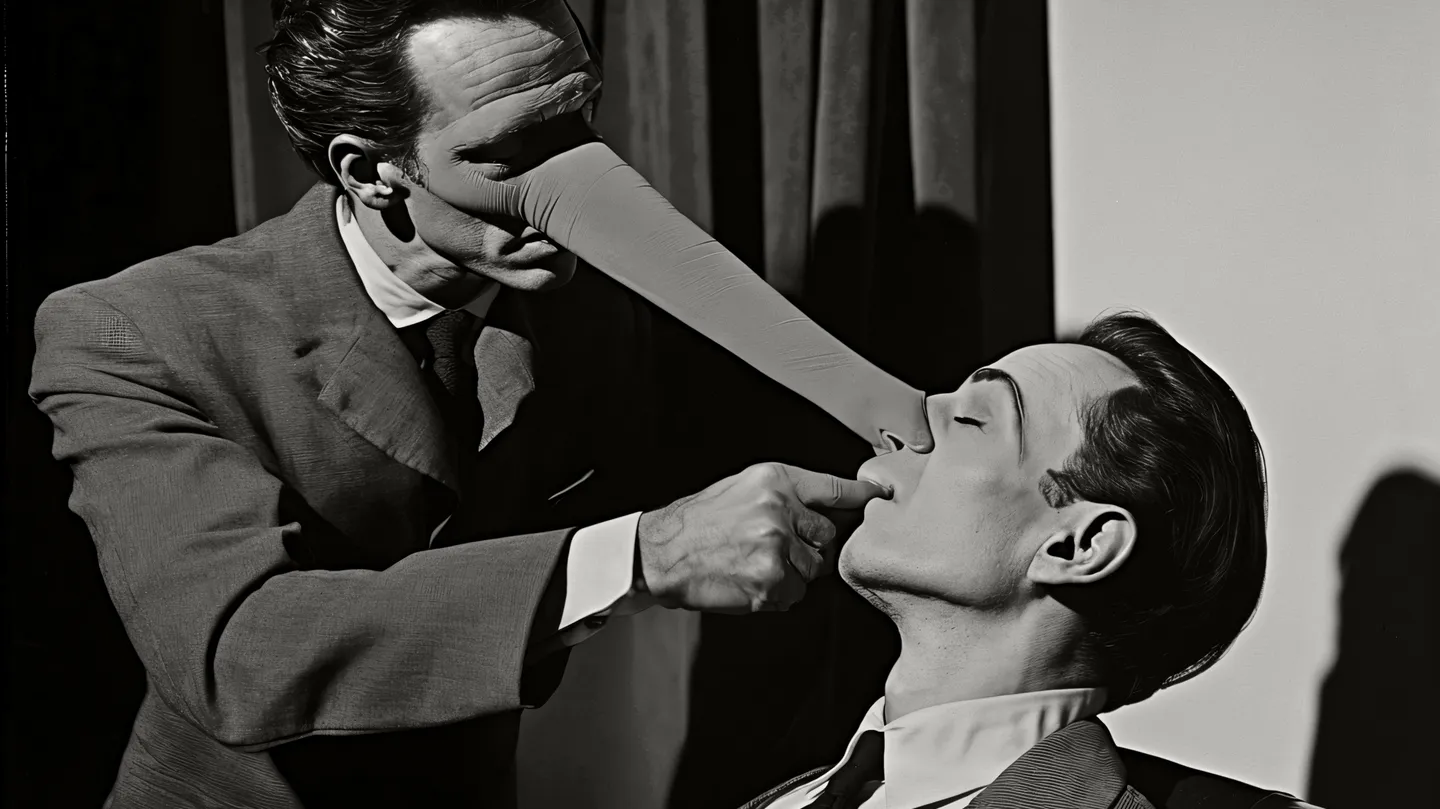
"Civil disobedience is not our problem. Our problem is civil obedience." Howard Zinn. The character presented in this video is not wearing a uniform and yet behaves like a soldier. With his fellows, he ends up building an army where everyone seems to obey different orders, a disorganized army which pretends to obey but which in reality does as it pleases. When disobedience seems out of reach, "misobedience" may be the solution. Henry David Thoreau was the first to write about Civil Disobedience in 1849. He was convinced that slavery was evil even if it was legal. Opposed to The Mexican War in 1846-1848, he decided to refuse paying the taxes that were financing this unfair war. Before him, Etienne de la Boétie wrote about tyranny in the 16th century. He wrote that passive disobedience was enough to break the chain of domination. Tyrannies need the support of people. If people don’t play the game of the tyrant, the tyrant will lose. Howard Zinn wrote that "civil disobedience is not our problem. Our problem is civil obedience" after the Nurenberg trial where death camp soldiers didn’t feel guilty because they just had obeyed orders. But everyone, even soldiers, must have a consciousness. They should be able to disobey orders when they feel that these orders are corrupted or evil. The Milgram experiment is a very frightening example of our excessive docility : when people like you and me are asked by a white coat researcher to send electricity to his accomplices pretending to suffer, most of us obey the orders because we trust the authority of the researcher. We’re ready to severely injure someone because a highly skilled person asks us to do so. But we should always ask ourselves if the action we’re about to do is good or evil. No matter who gives the orders, let’s ask our own consciousness.