RIZOM II
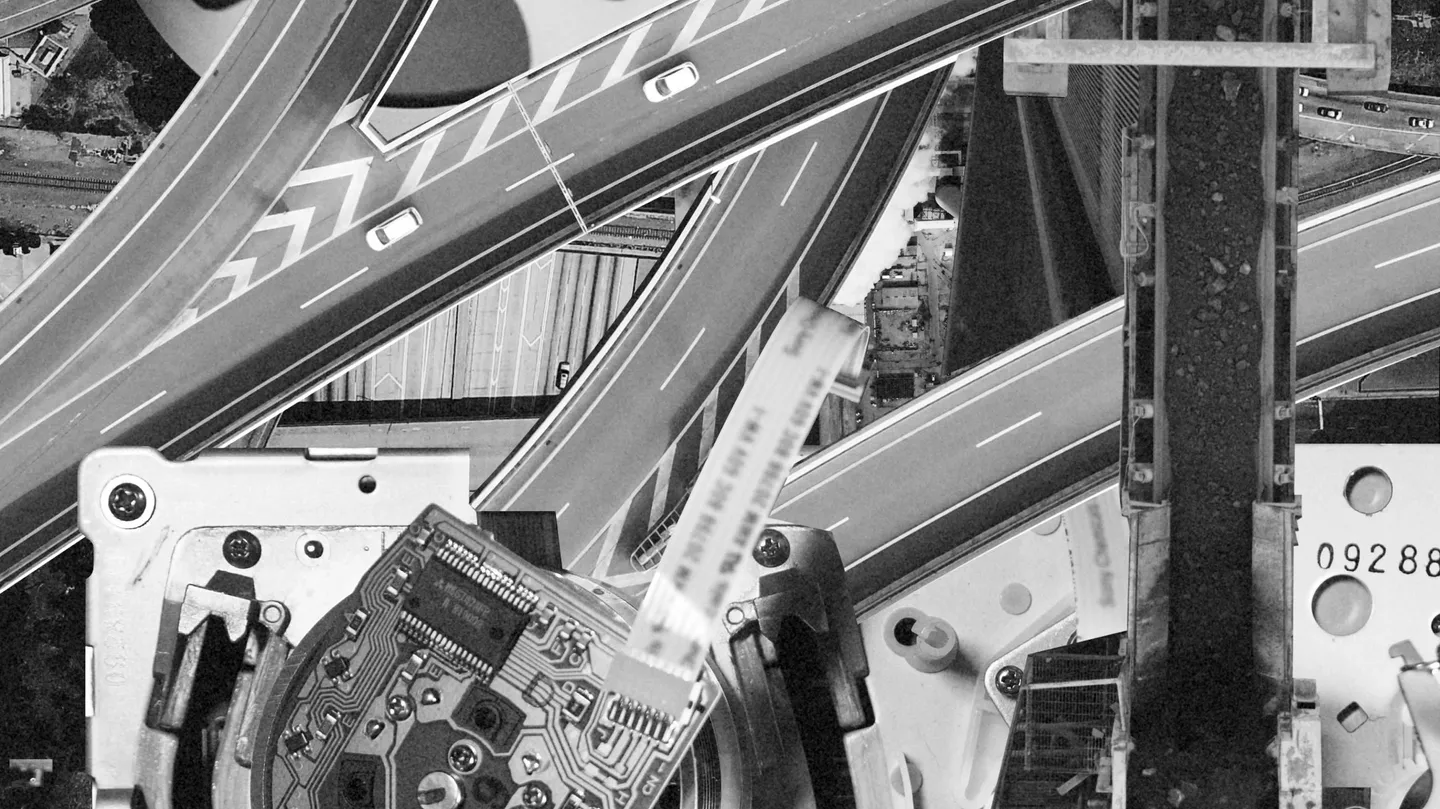
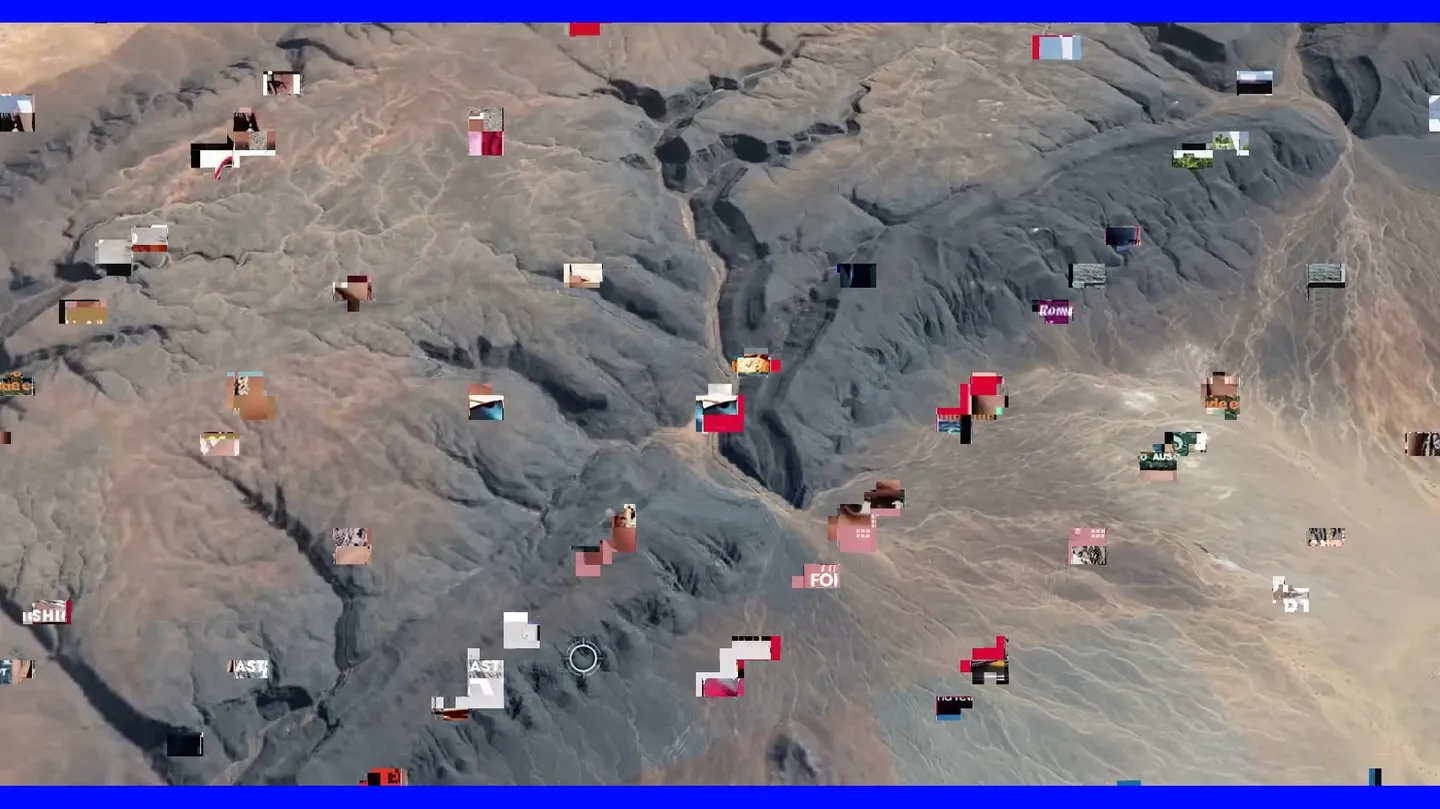
RHIZOM I & II consists of two full-frame video collages which, through a multitude of superimposed image fragments, explore the visual and social density of our present. The works are intended to be neither utopian nor dystopian. Rather, they enquire into what future is already inherent in the structures of our present. The title RHIZOM refers to a system without a clear centre or hierarchical order. In line with the philosophical concept developed by Gilles Deleuze and Félix Guattari, connections do not arise linearly, but through branching, breaks and overlaps. In the collages, this idea takes the form of a visual structure: familiar motifs are fragmented, deconstructed and reconnected. Their superimposition gives rise to an image of the present, shaped by simultaneous technological, economic, social and political processes. The work takes familiar images and motifs as its starting point, removes them from their original contexts and places them in new constellations. Through superimposition, displacement and recombination, visual relationships emerge in which the familiar suddenly appears alien or ambiguous. In the process, individual elements lose their unambiguous function and become part of a complex visual network. The digital collage thus becomes an open structure in which different eras, developments and meanings converge. In terms of content, the work refers to the three past industrial revolutions and to the current fourth industrial revolution. Digitalisation, automation, artificial intelligence, scientific progress and increasing interconnectedness are transforming not only technological processes but also social and economic structures. At the same time, the demands placed on people and the speed at which changes take place are increasing. RHIZOM I & II examines this transformation from an ambivalent perspective. Progress is viewed neither as fundamentally positive nor as a threat. The densification of the collages serves as a metaphor for everyday life, in which ever more information, possibilities, interdependencies and demands converge simultaneously. The work does not develop a concrete vision of the future from this. Rather, it understands the future as an open space of possibilities emerging from the decisions and structures of the present. RHIZOM represents the possibility of departing from existing linear lines of development and allowing new connections to emerge. Can the increasing interconnectedness and complexity of our present not only give rise to new interdependencies, but also enable a way of thinking that breaks through existing systems of power and order and opens up alternative paths to the future?