Omni Generosity
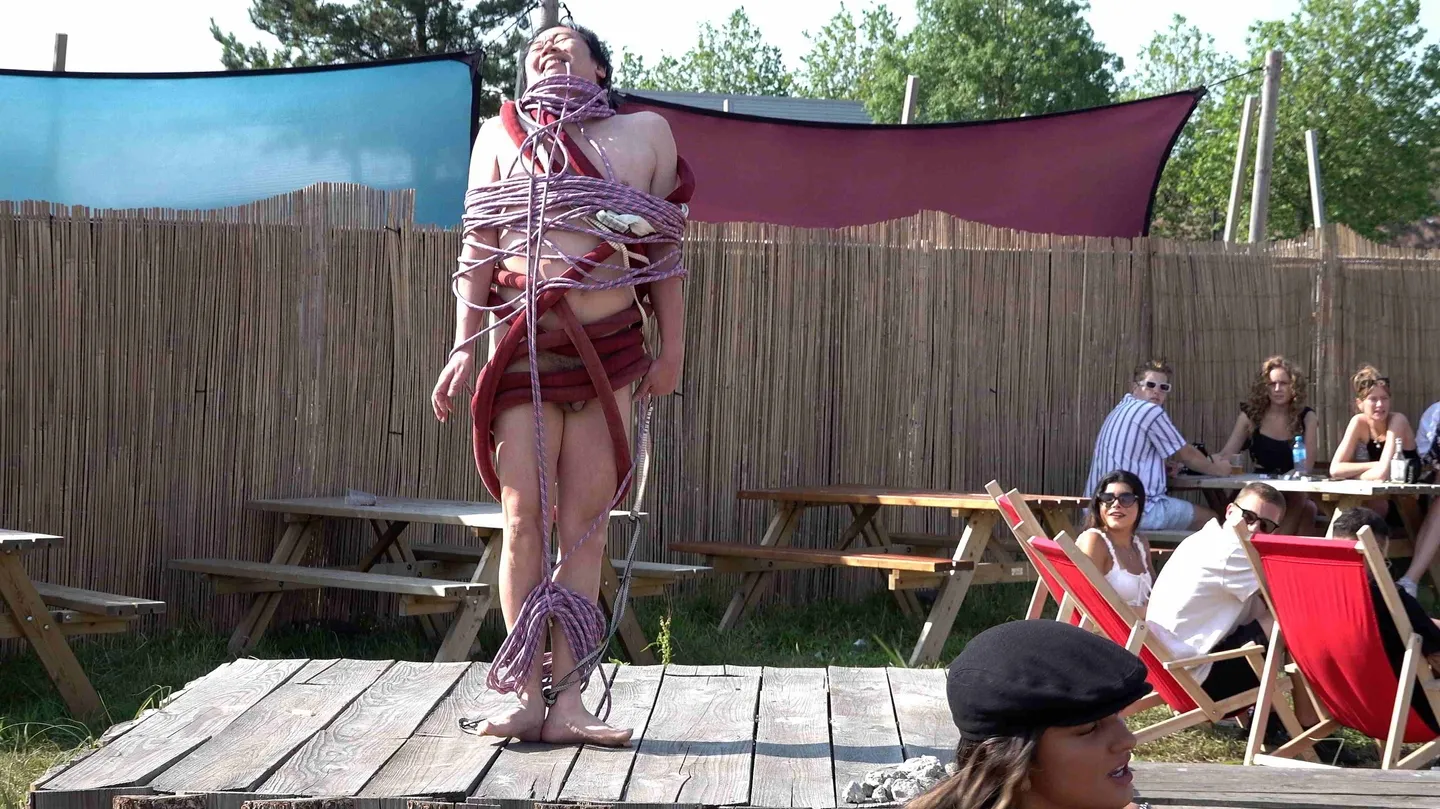
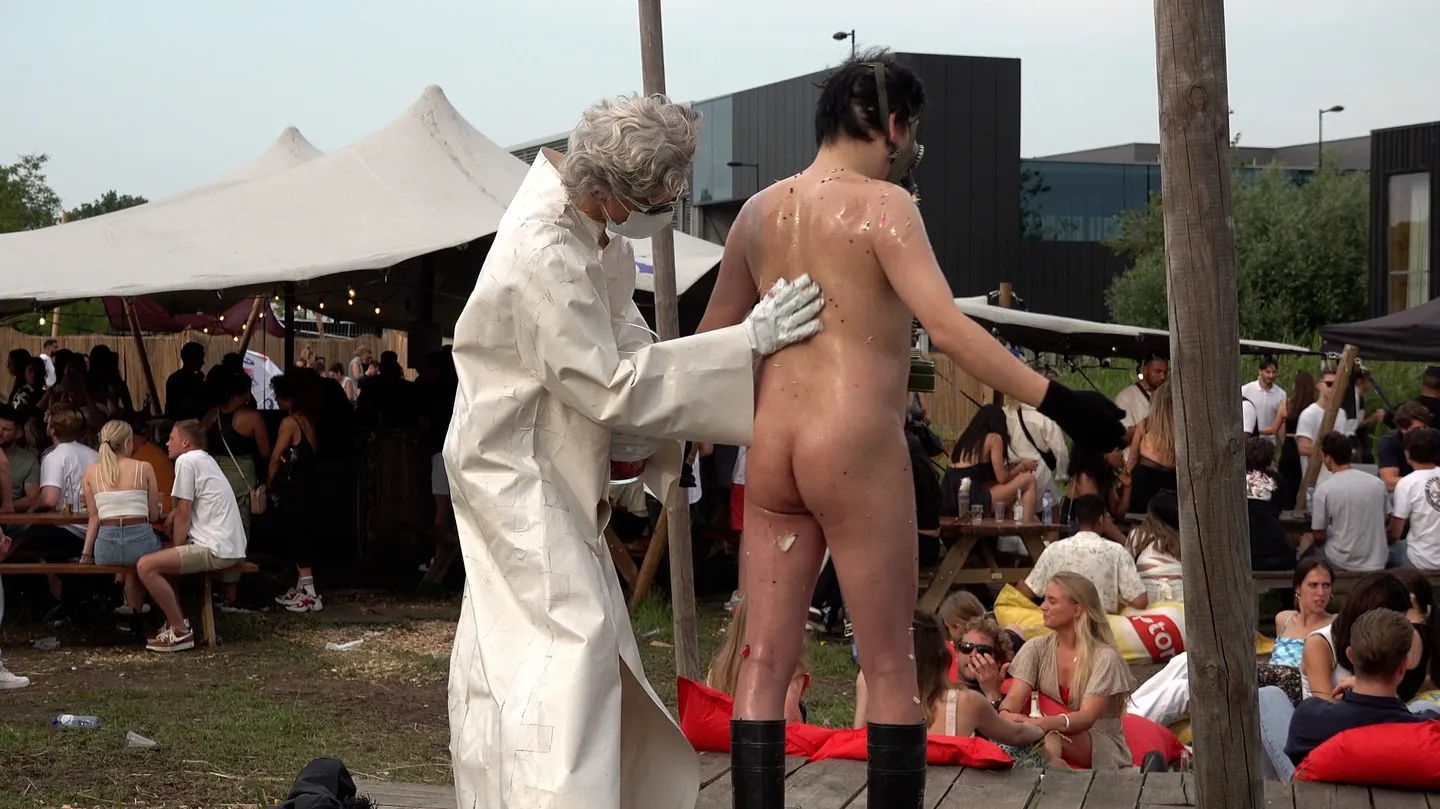
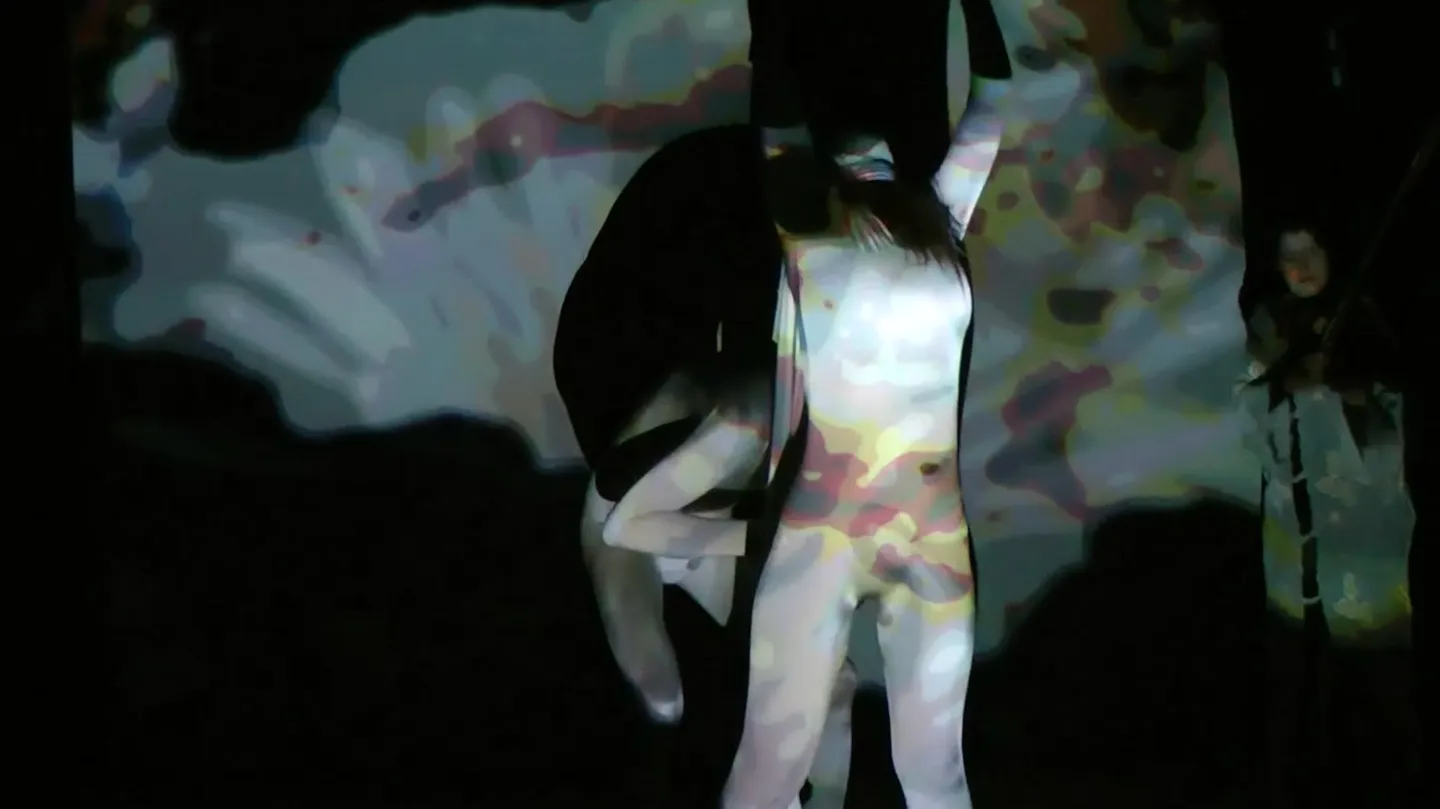
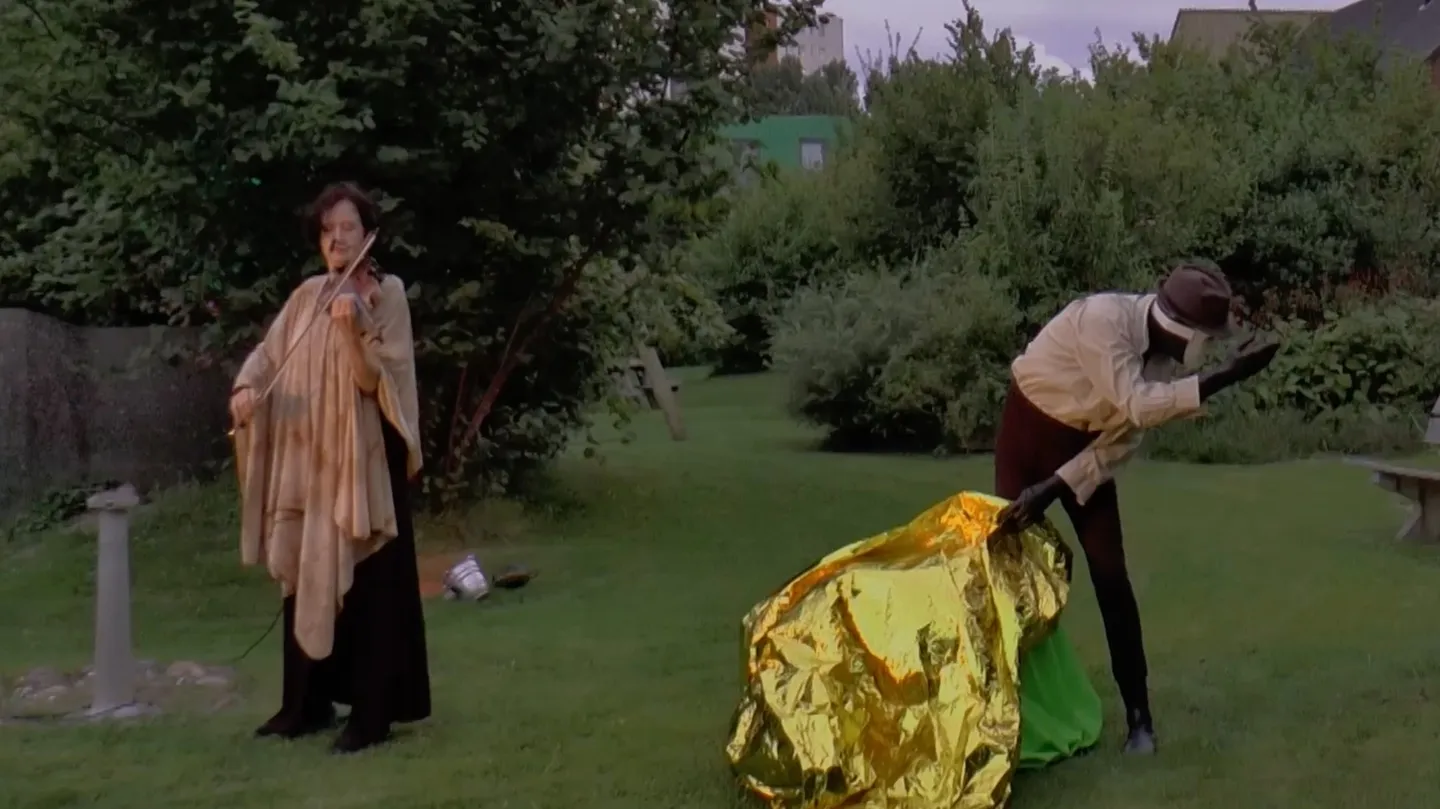
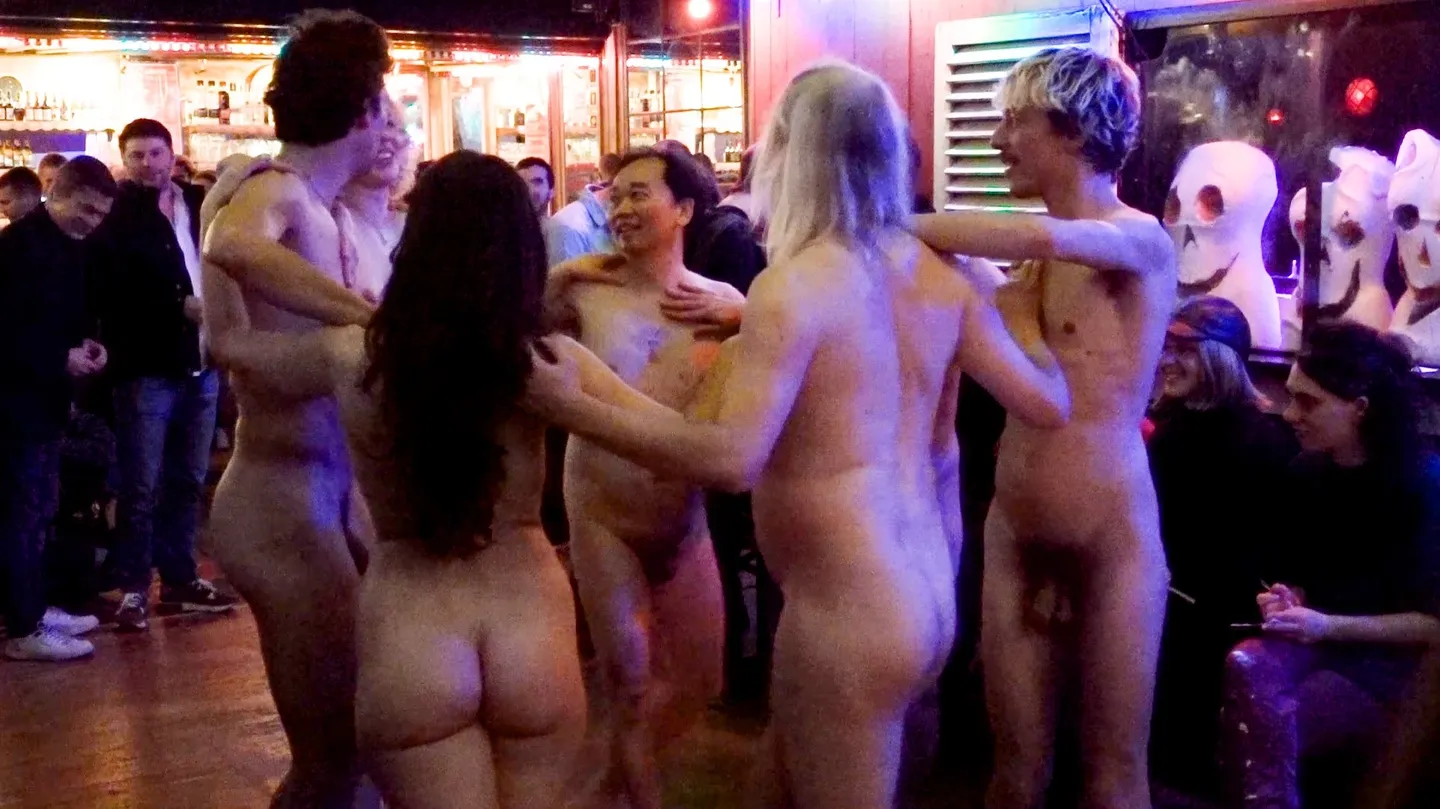
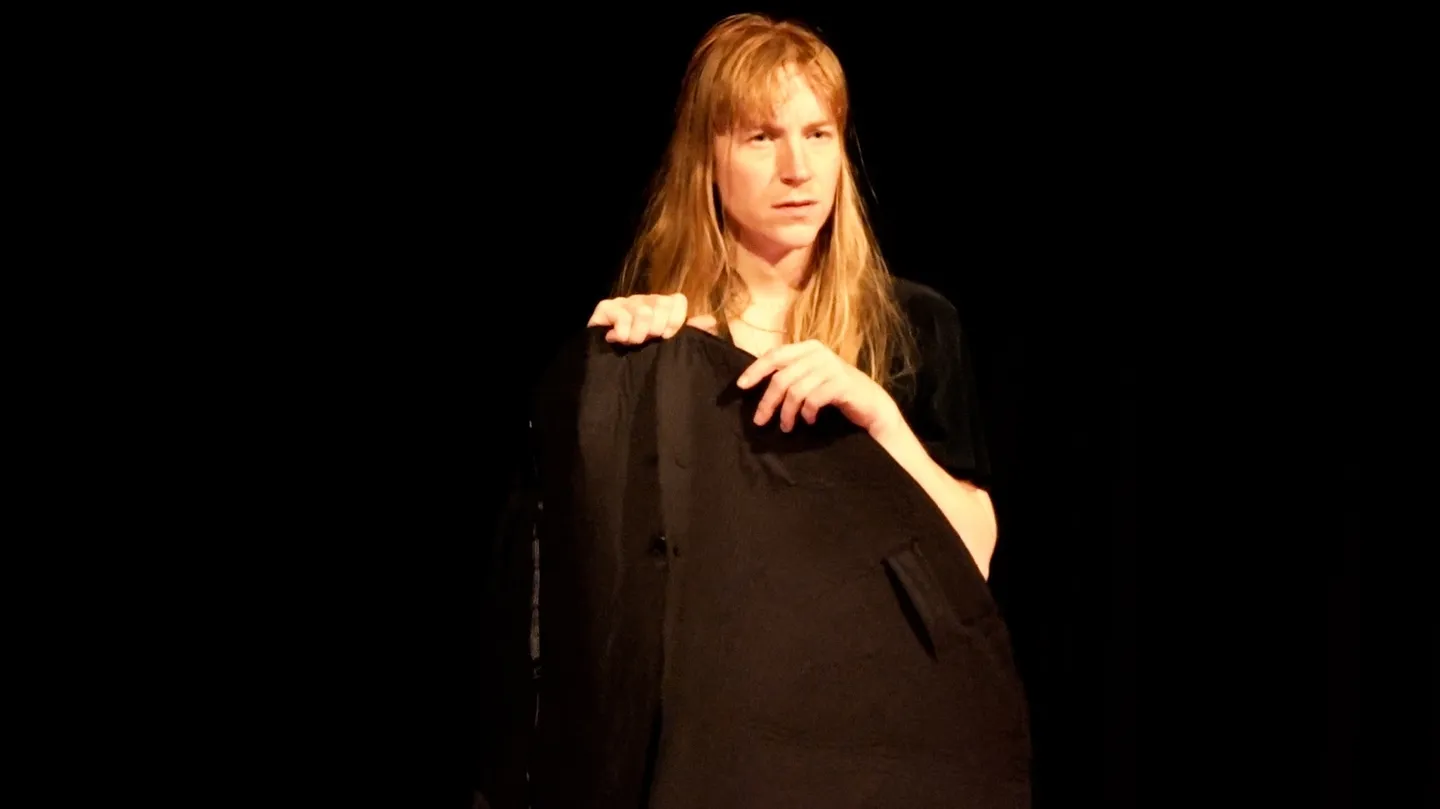
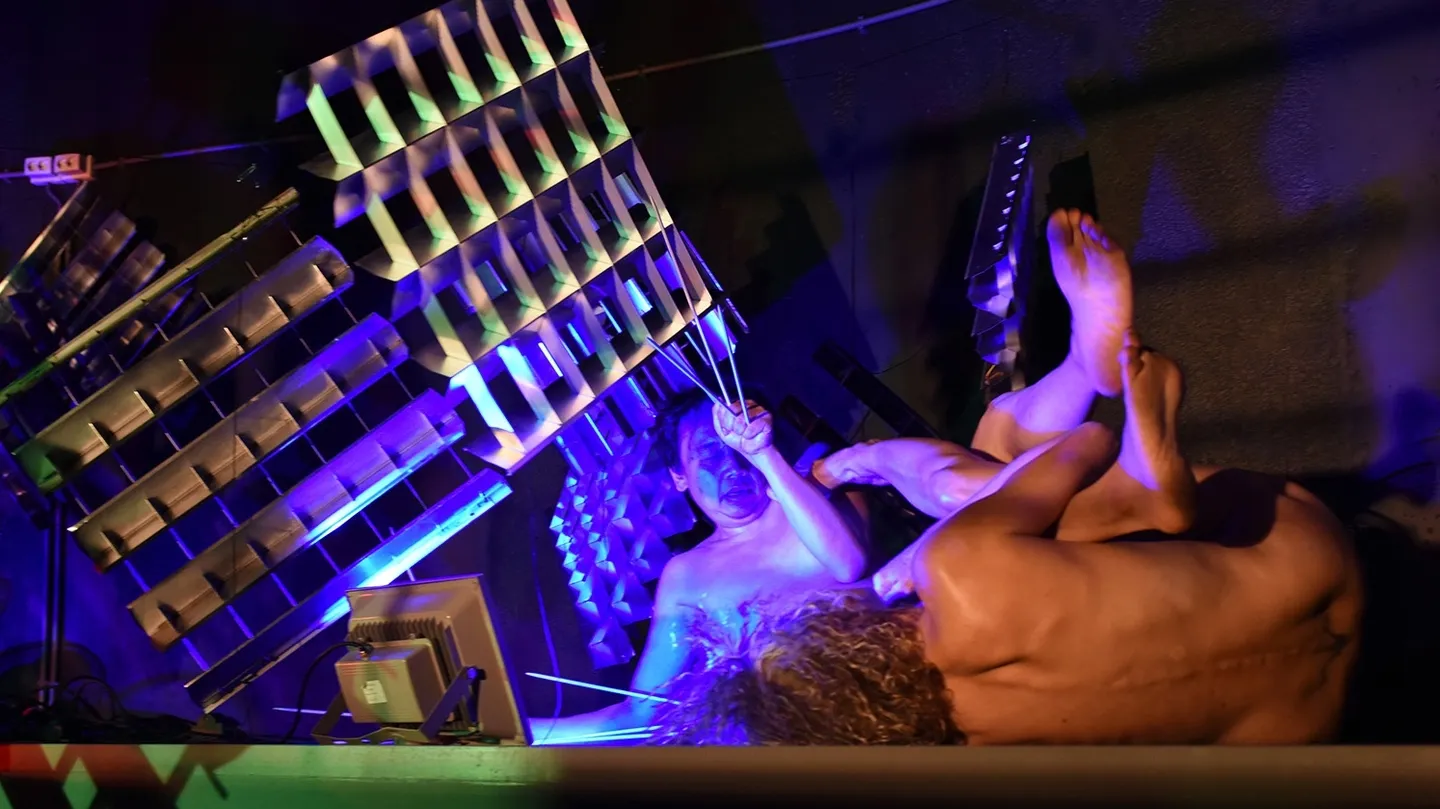
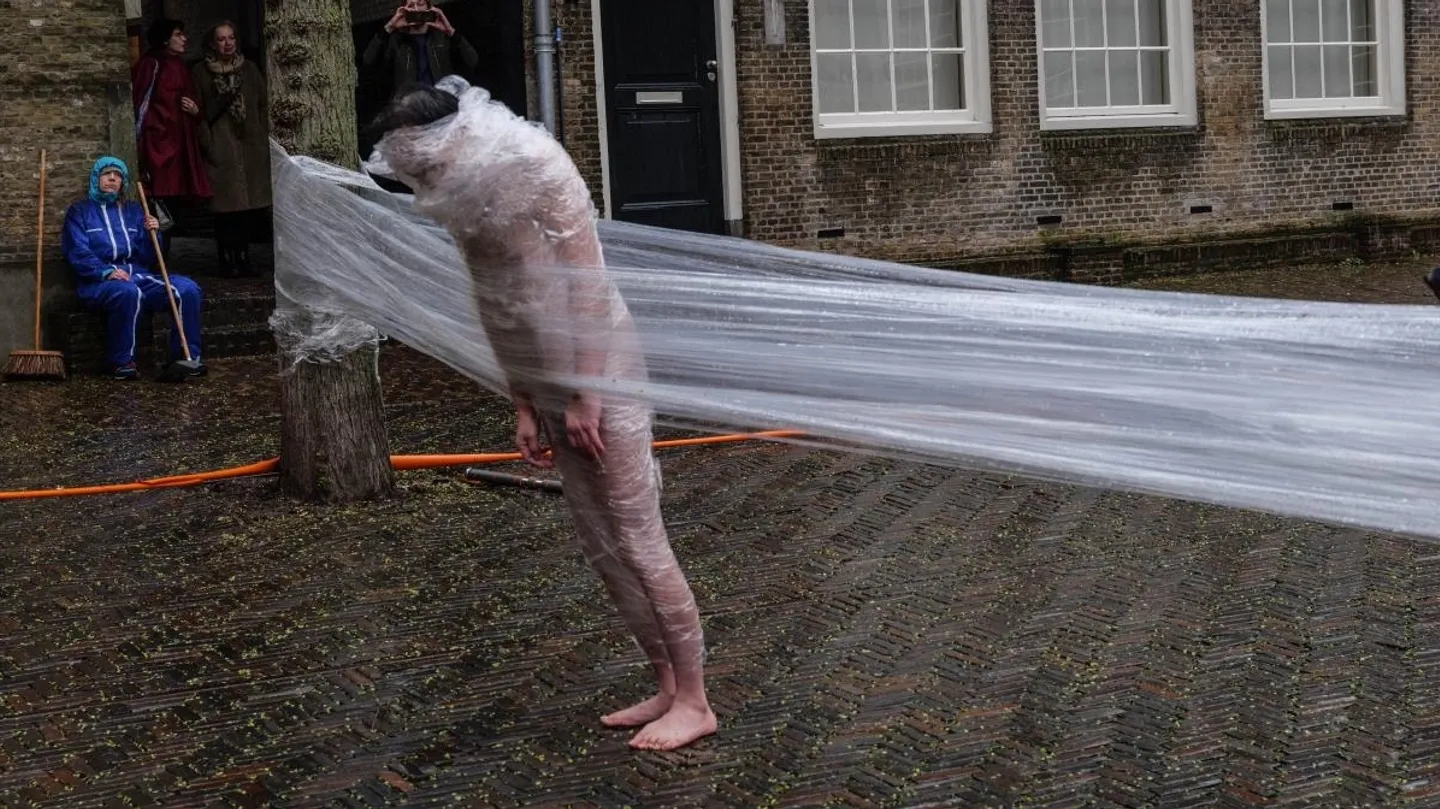
Body as spiritual architecture Omni-generosity: The Call for Naked Freedom “Omni-generosity” unfolds as a radical act of naked truth. It breaks through rigid constructs of gender and identity, presenting the body as sacred rather than sinful. Every gesture and breath speaks of freedom — freedom from social armor, freedom from fear, and freedom to exist fully. The performance rejects shame and celebrates the raw authenticity of being human. Through nudity, it exposes both fragility and courage, revealing a spiritual rebellion that transcends physical appearance. Nudity as Sacred Revelation In this performance, nakedness is not a spectacle — it is revelation. It restores dignity to what society often silences: the vulnerable, truthful body. This act reverses traditional Western divisions between “nude” and “naked.” By redefining exposure as spiritual expression, Omni-generosity transforms the body into a sacred microcosm of consciousness. The viewer is invited into intimacy without voyeurism, guided instead toward reflection. The body becomes architecture — a temple of inner light and shadow, woven with generosity and grace. Breaking the Chains of Social Conformity The performance embodies resistance to the invisible authority of societal norms. Modern life often amputates our authentic selves, demanding conformity to prescribed gender roles and appearances. Omni-generosity refuses that amputation. It exposes the violence of expectation — the quiet erasure of the self. By laying bare the human form, it exposes the artificial boundaries that divide spirit from body. The work transforms what was once considered weakness into the ultimate strength: unfiltered truth. Fluidity as a Path to Freedom At its heart, Omni-generosity celebrates fluid identity. It invites audiences to envision a world where gender is no longer fixed but freely shifting. By embracing the “multi-gender” and “multi-sexual,” the performance dissolves binary structures. This liberation mirrors both avant-garde art and ancient Eastern spiritual thought. In Buddhist iconography, bodhisattvas shift gender forms across lifetimes — a symbol of transcendence beyond duality. Similarly, the performer’s body in Omni-generosity becomes an ever-changing being, proof that freedom exists beyond the limits of language or classification. Deconstructing the Gaze: Power Through Vulnerability Performance art that uses the naked body often risks misinterpretation. Yet Omni-generosity skillfully redirects that gaze. Instead of submission, it presents ruination as rebirth. Standing unclothed, the artist disarms objectification by replacing desire with sacred tension. This vulnerability becomes defiance — an act of reclaiming agency. The performance turns the very act of seeing into a spiritual mirror, compelling the audience to confront their own biases and boundaries. It is an invitation to see the body not as an object, but as a living truth. Radical Generosity and Spiritual Equality Beyond its physical expression, Omni-generosity redefines generosity as complete self-offering. The naked body becomes a gift of presence — a symbol of radical inclusion. True generosity, the performance suggests, demands mutual respect between artist and audience, self and society. Equality, then, is not abstract policy but embodied practice. When authenticity is met with acceptance, healing begins. The performance proposes a new form of coexistence based on openness, compassion, and shared humanity. The Sacred Architecture of the Free Body Omni-generosity transcends the boundaries between the spiritual and the social. It reimagines nudity not as rebellion but as revelation — a light that dissolves fear, shame, and division. In this work, the body becomes the blueprint for equality, love, and spiritual truth. Through nakedness, the artist constructs a world where identity is fluid, freedom is infinite, and the act of being human is itself a sacred generosity.