Memoryscape
Contains AI-assisted elements
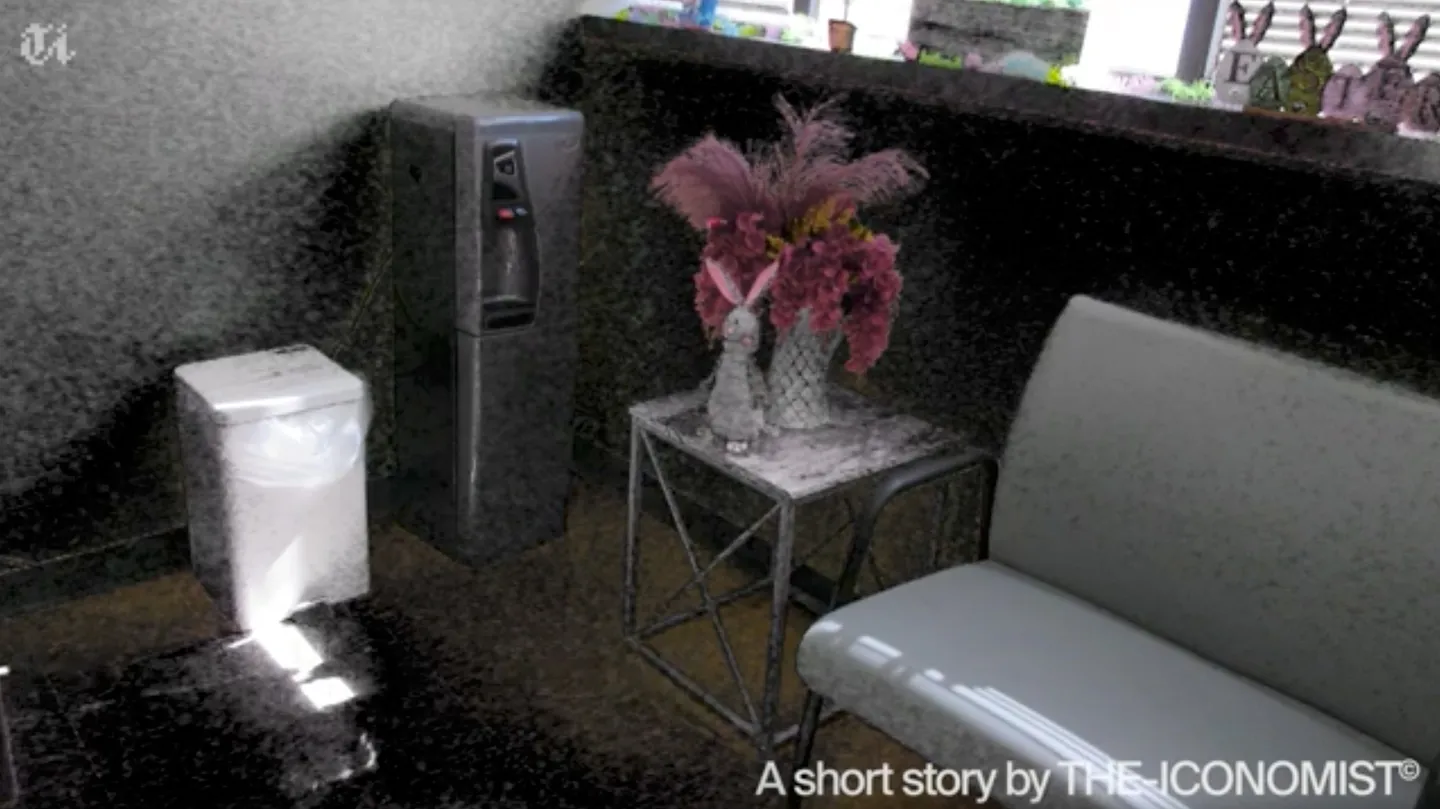
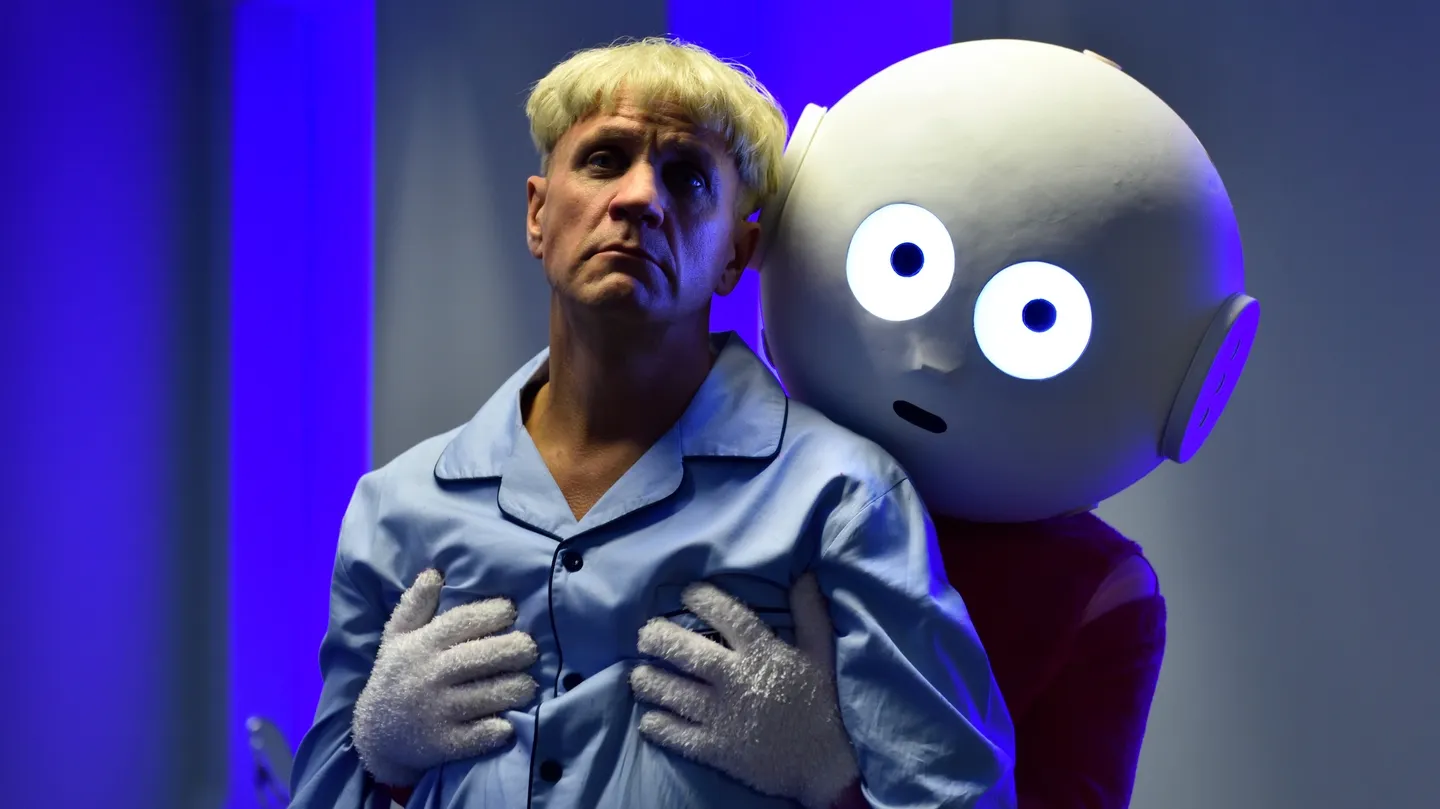
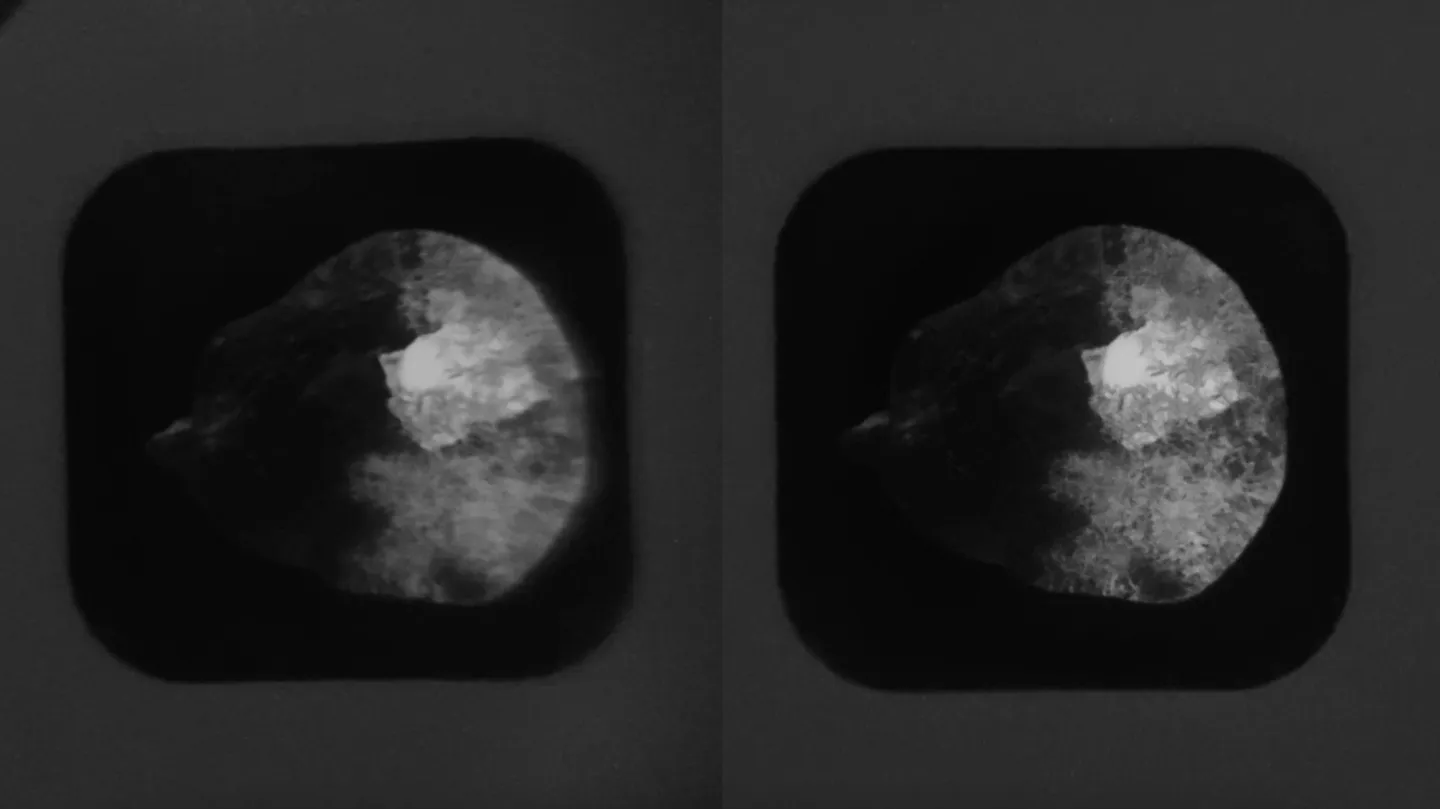
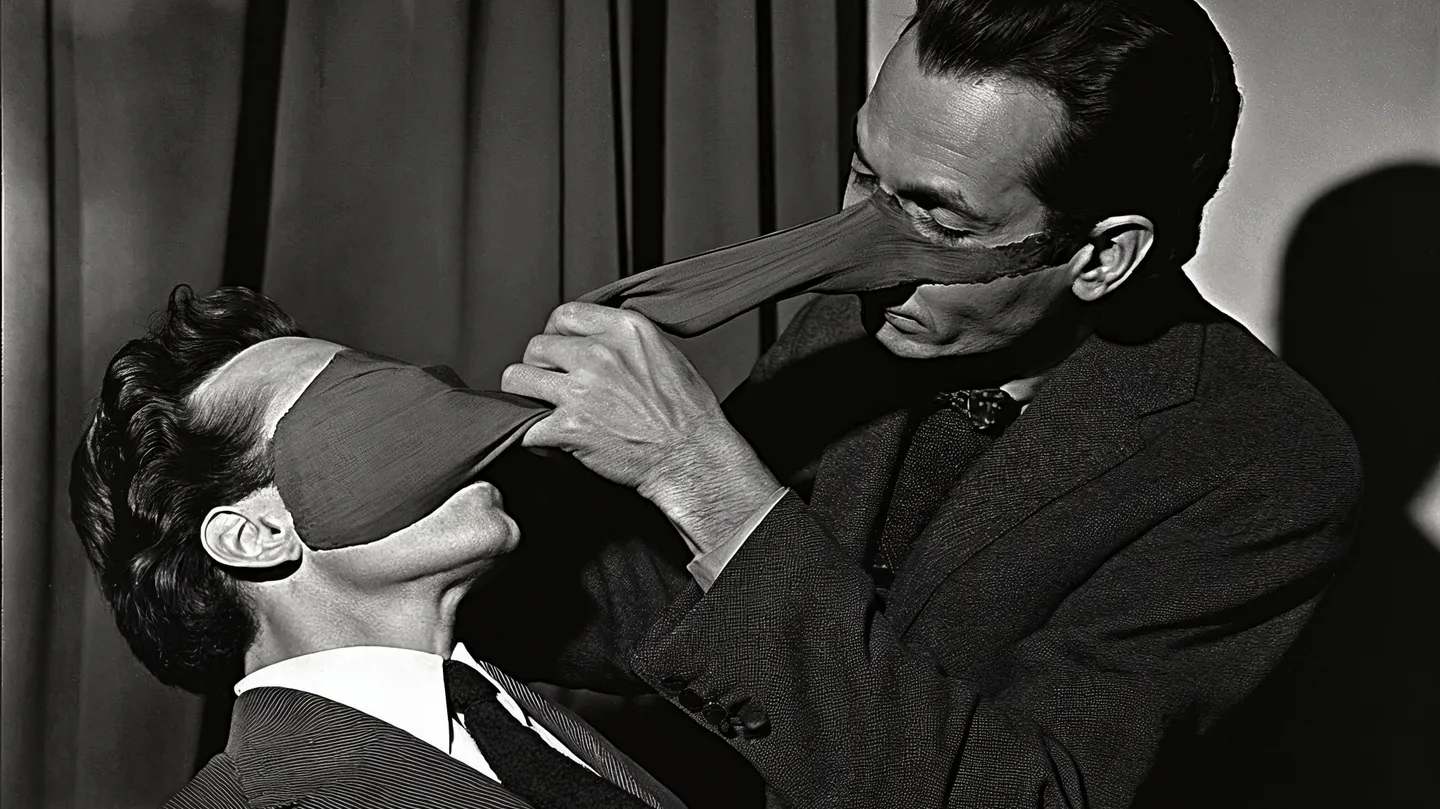
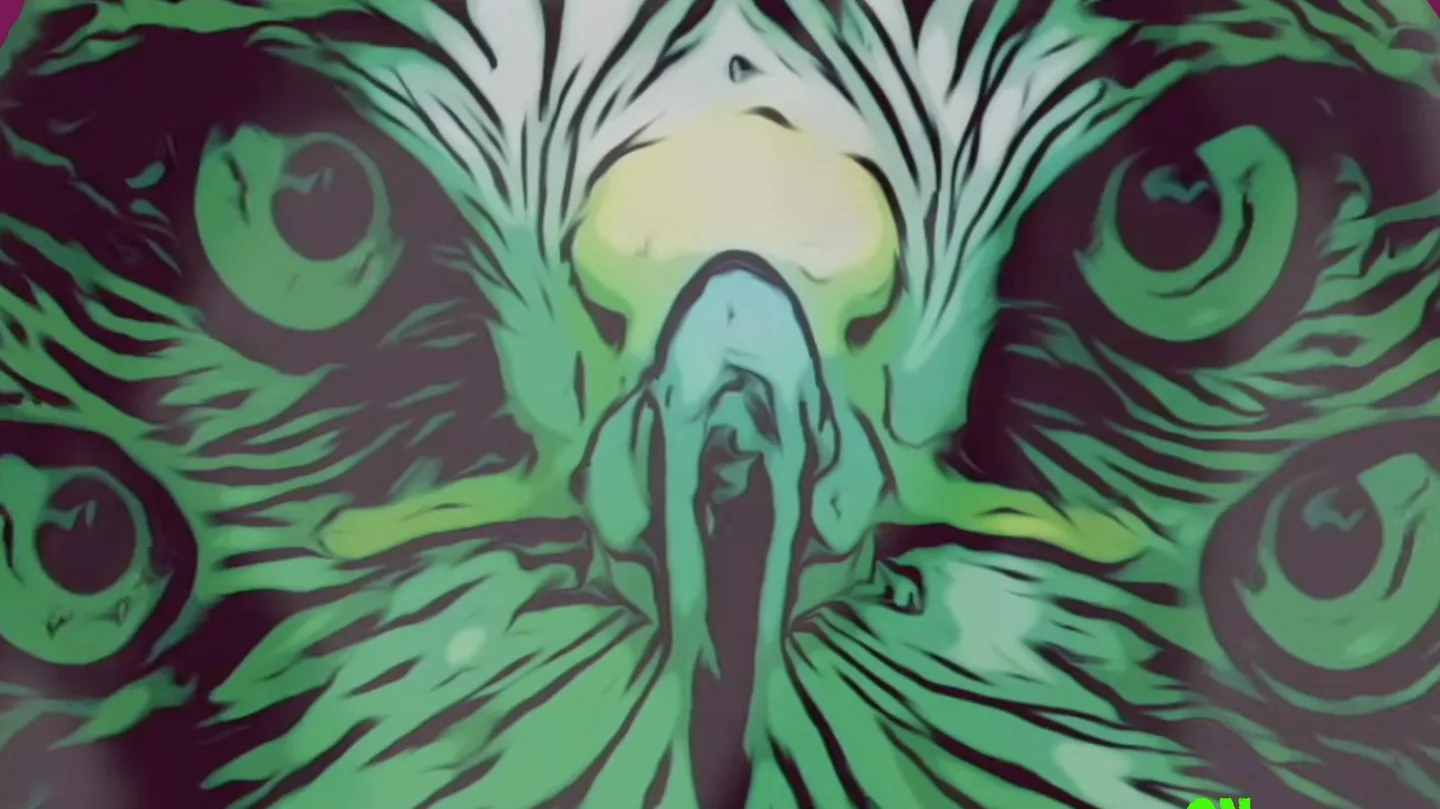
Memoryscape is an experimental film developed from a speculative short story published in THE-ICONOMIST, set in a dystopian fiction where power no longer operates solely through visible institutions but manifests itself through technological infrastructures, surveillance systems, and mechanisms of algorithmic control. In this world, large corporations govern not only the circulation of information but also the ways in which we perceive, remember, and experience reality. All human activities are continuously captured, translated, and reorganized into metrics, while the so-called Internet of Things reaches an almost omnipresent state, dissolving the boundaries between body, environment, and system. Human memory ceases to be an intimate attribute and becomes a circulating asset, subjected to the same logics of extraction, accumulation, and exploitation that structure the contemporary economy. The film thus investigates a form of power that does not necessarily depend on explicit coercion but operates through the production of subjectivities, the management of desires, and the ability to anticipate behavior. Those who control the archives also control the possibilities of reconstructing the past and imagining the future. Memory becomes a territory of political struggle, where remembering, forgetting, and disappearing cease to be exclusively individual experiences. Visually, Memoryscape unfolds as an intricate fabric of images, composed of overlapping and juxtaposed mundane scenes generated by artificial intelligence, interwoven as unstable layers of perception. The images never settle; they slide over one another, as though the narrator's memories were constantly on the verge of dissolution, about to be captured, reprocessed, and converted into data by the system. What emerges is a field of residues, composed of echoes, noise, and fragments of a life mediated by applications, devices, and surveillance technologies. The very instability of the images makes visible an unequal relationship of power between those who live an experience and the systems that record, interpret, and reorganize it. The narrative is constructed from an archive of headlines from The New York Times, appropriated not as information but as traces of a subjectivity shaped by neoliberal logics, permeated by notions of performance, optimization, and the future. This material was subjected to a process of automated writing through artificial intelligence and subsequently reorganized according to a logic of algorithmic montage, giving rise to a continuous narrative that operates as an artificial affective map, a *memoryscape* without memory, formed from the discursive residues of the present. By employing the very technological procedures that constitute the object of its critique, the film creates a tension between creation and automation, questioning the extent to which the production of images and narratives can escape the structures of power that condition their existence. Throughout the film, each repetition and reappearance of elements produces a short circuit between experience and record, between what belongs to the individual and what has already been incorporated into mechanisms of capture. In this context, the possibility of escape becomes uncertain and ambiguous. How can one resist a structure of power that not only observes and records but also learns to recognize, anticipate, and assimilate the very gestures of resistance? How can one escape a network that captures even the desire to disappear? In Memoryscape, the attempt to evade the system emerges as a paradoxical gesture: erasing oneself from the archives may be, at once, the only possible form of resistance and yet another layer of inscription within the system itself. The film thus reflects on contemporary transformations of power, no longer confined to the capacity to surveil or discipline bodies, but extending to the ability to administer their memories, modulate their perceptions, and condition the limits of what they can still imagine. A film by THE-ICONOMIST, based on the speculative short story of the same name, written and published as a book in 2025 by zero-Edições