Lupa
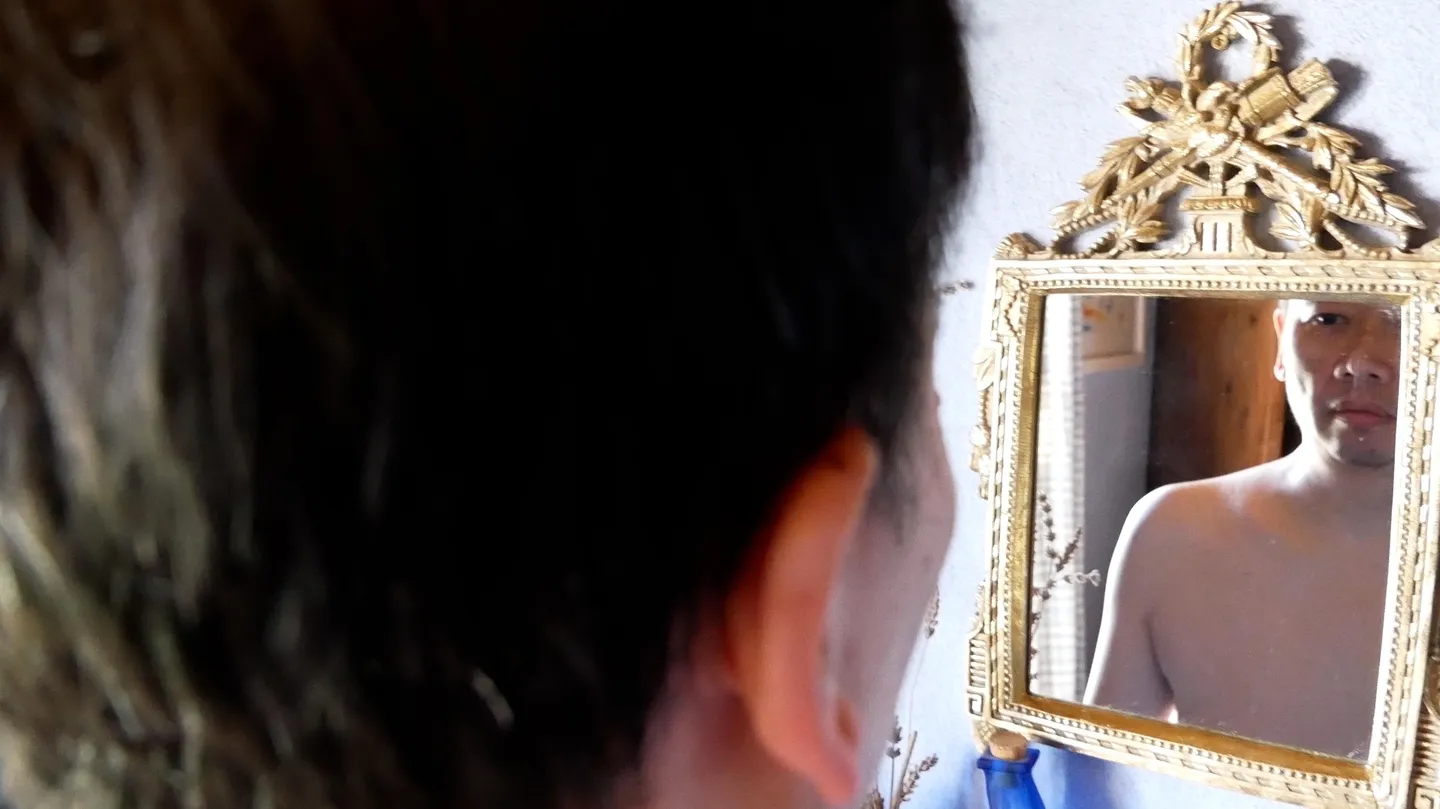
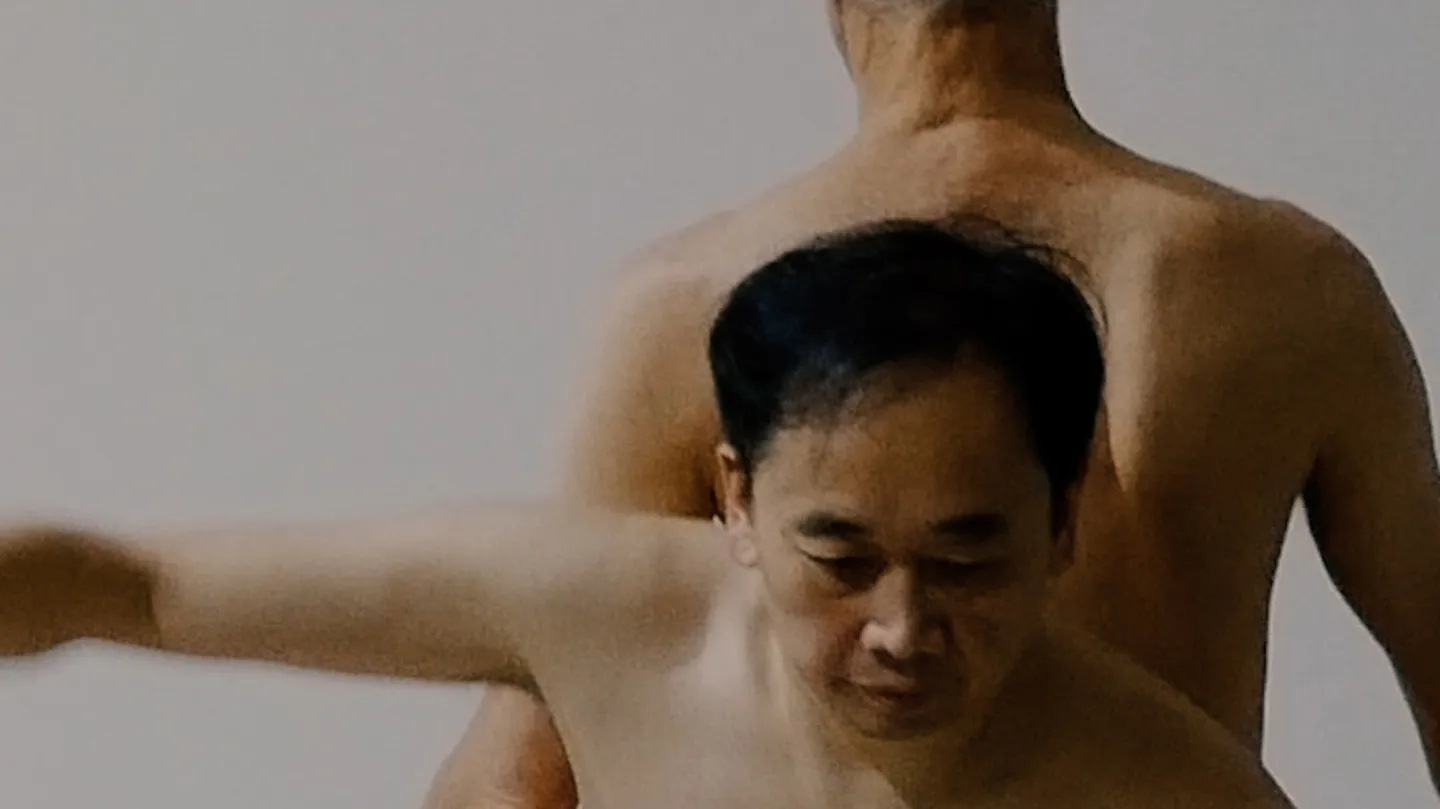
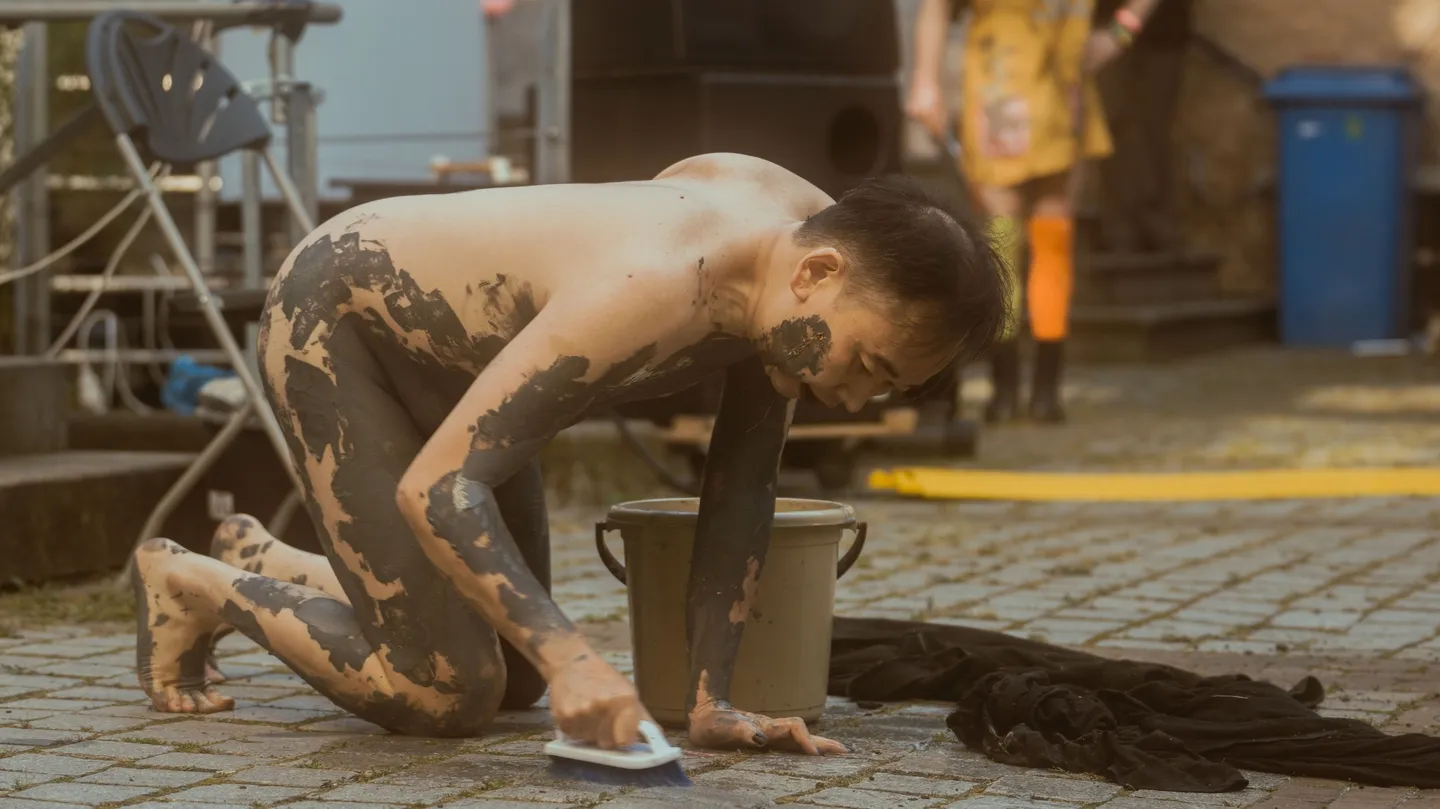
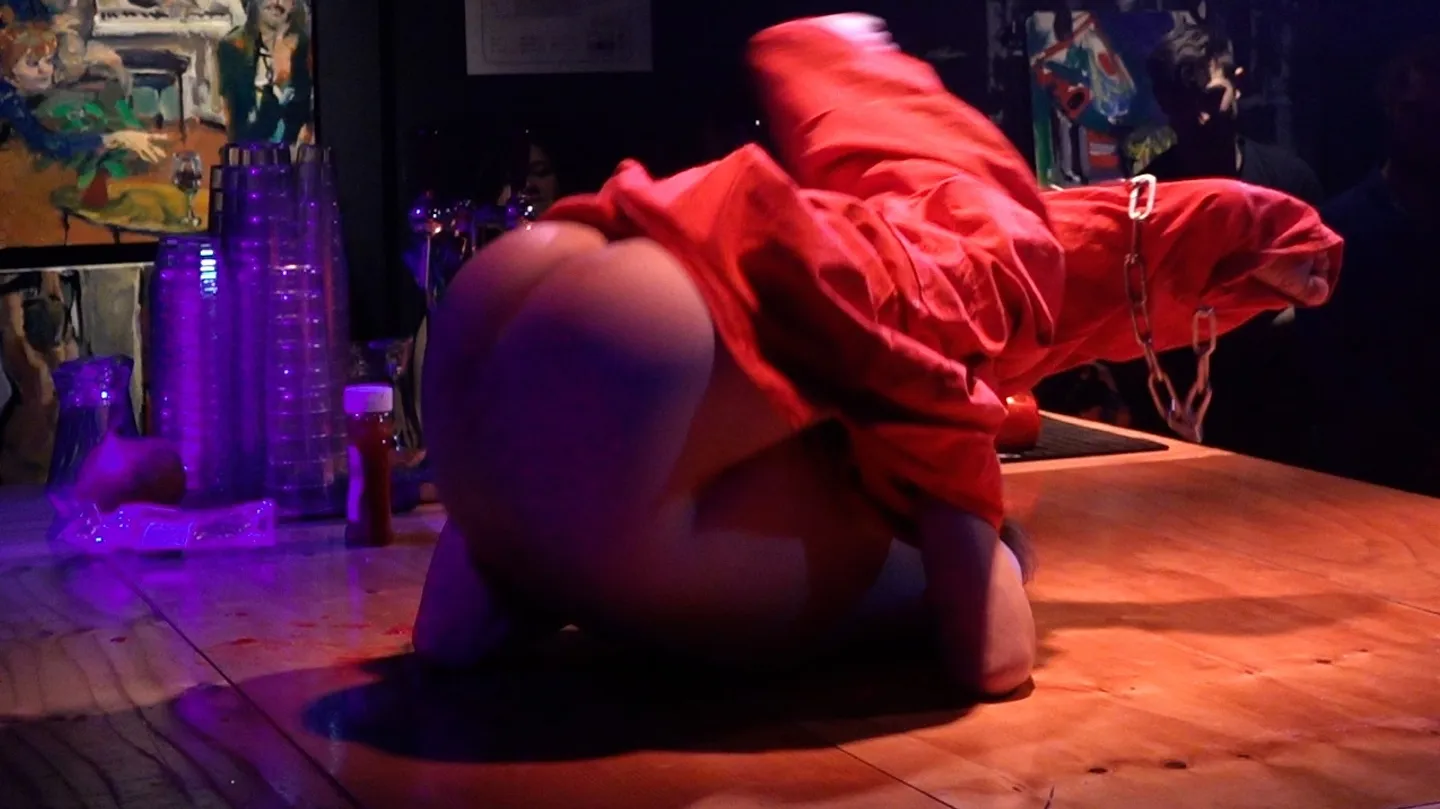
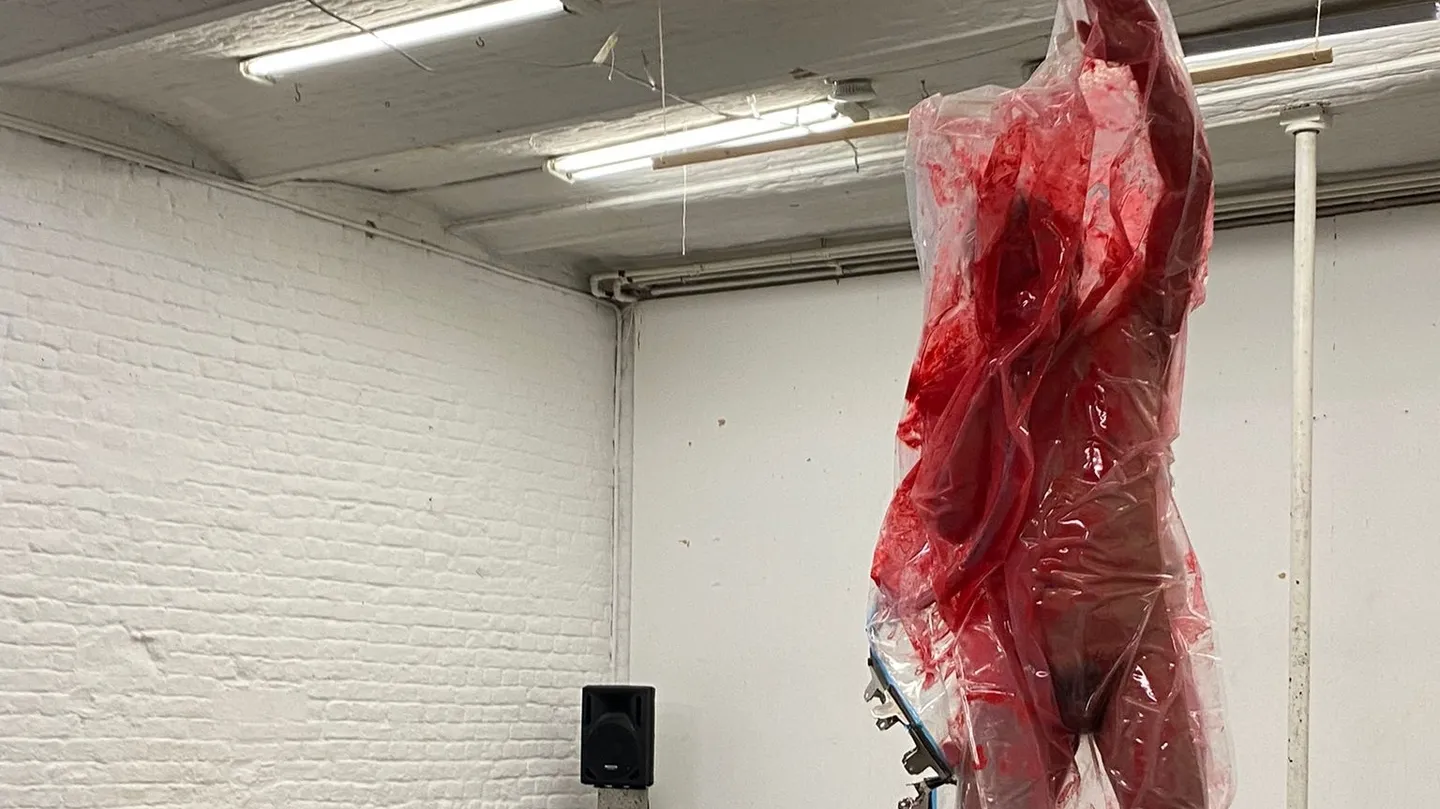
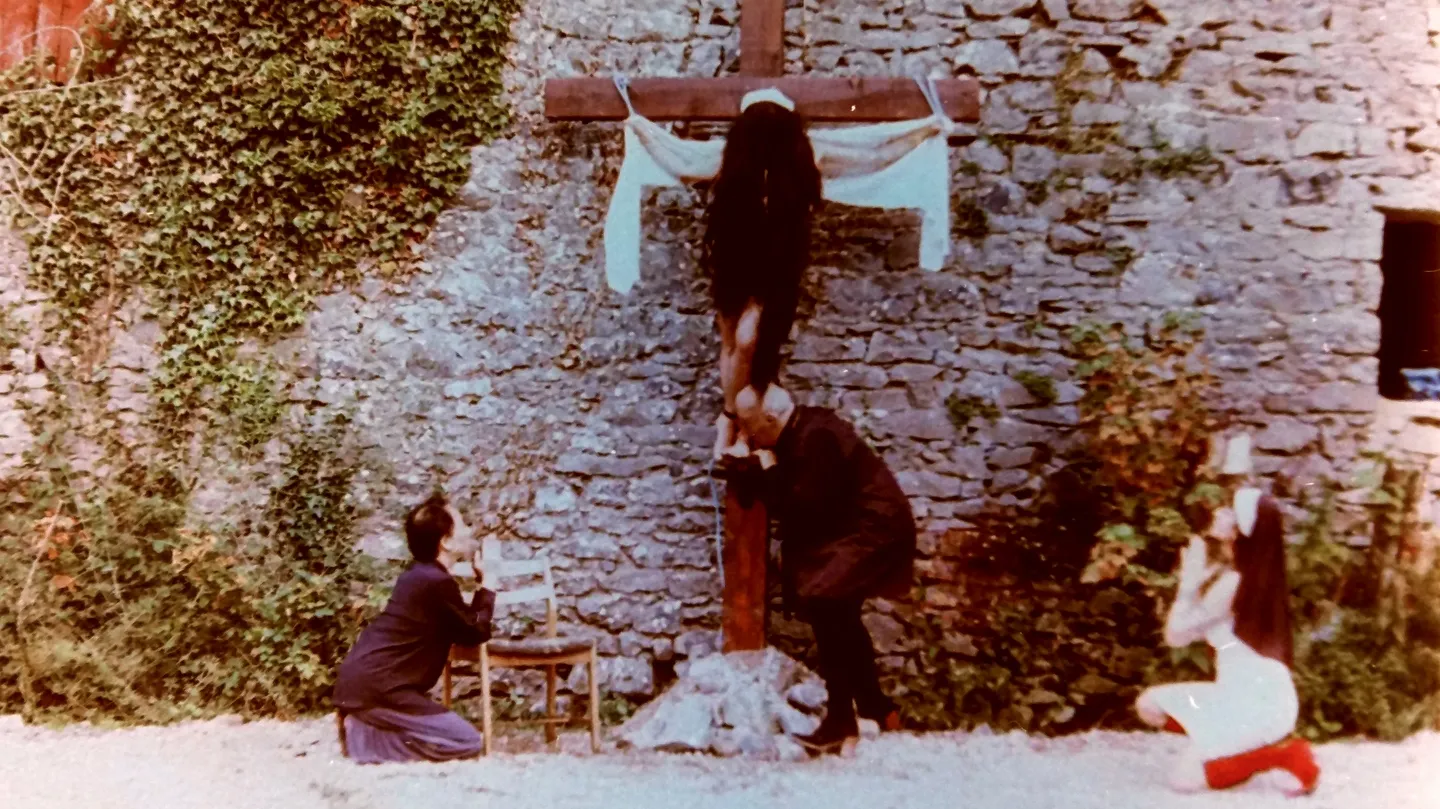
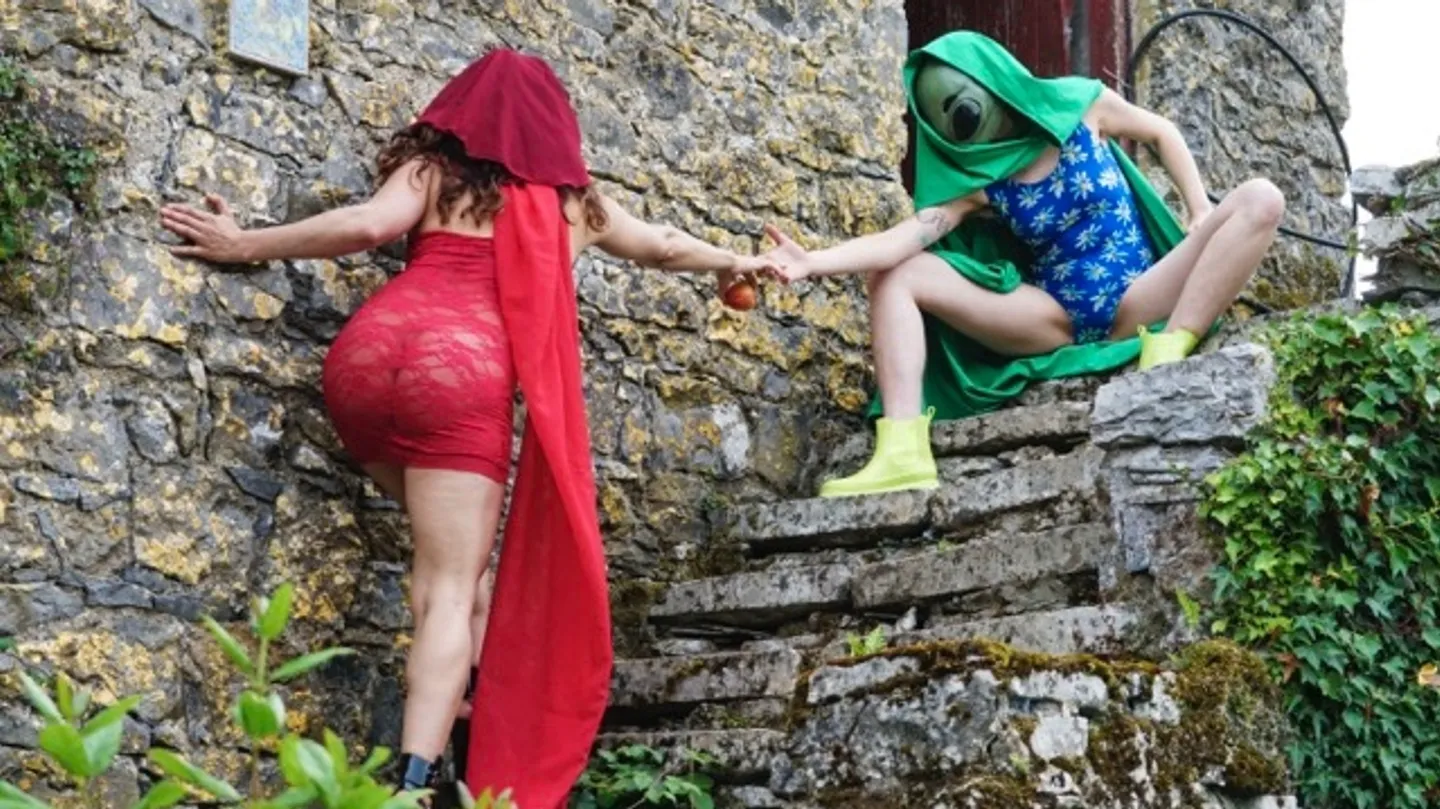
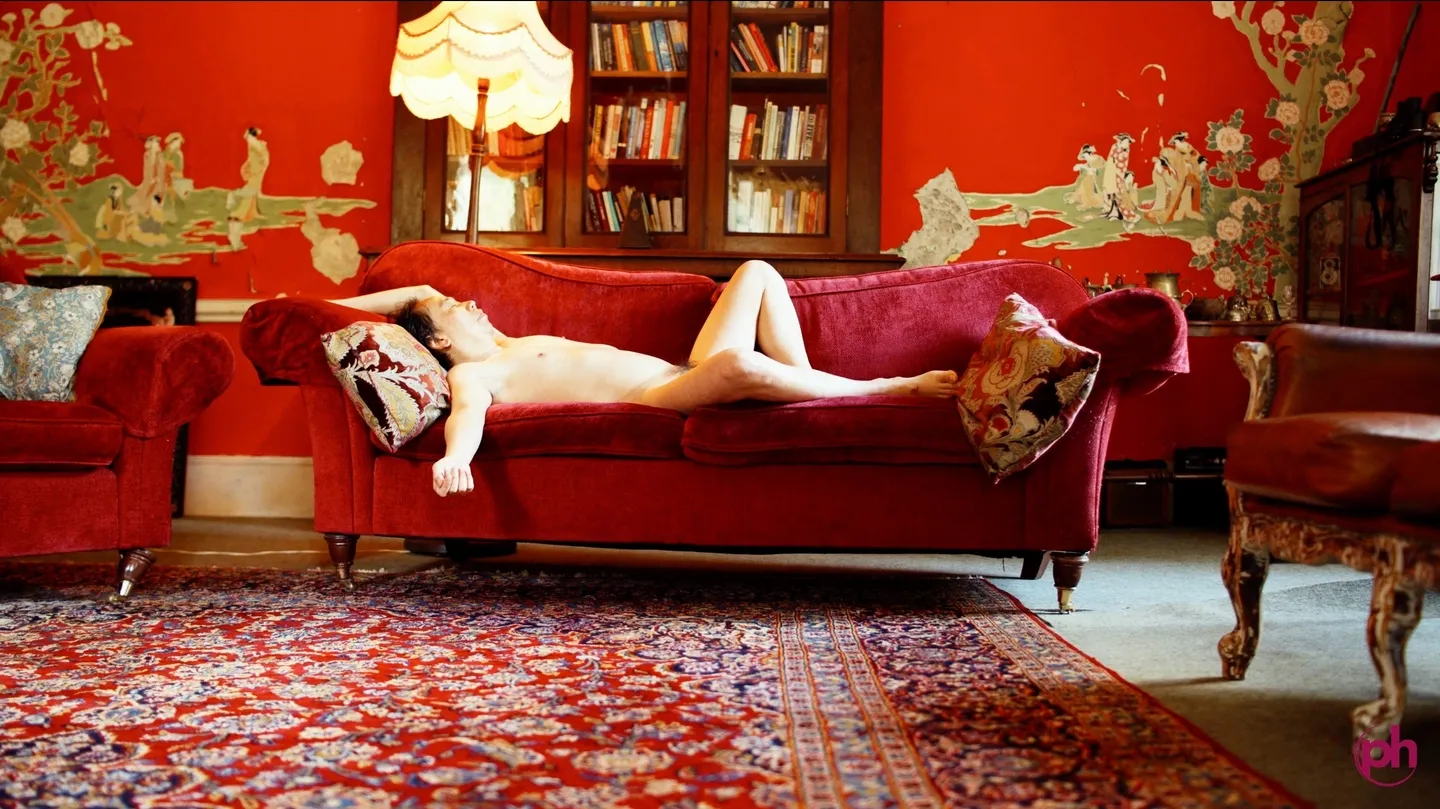
Lupa: Philemon Mukarno’s Sacred Naked Performance on Motherhood, Protection, and Divine Guidance Understanding Lupa as Mythological Spiritual Inquiry Philemon Mukarno’s “Lupa” represents profound exploration of ancient Roman mythology through naked embodied performance. Created in 2019, this 15-minute piece channels the legendary she-wolf who nurtured Rome’s mythical twin founders, Romulus and Remus. Mukarno transforms classical mythology into contemporary spiritual practice through vulnerable bodily presence. The performance interrogates themes of motherhood, protection, and divine guidance through direct bodily engagement. Rather than historical representation, the artist investigates how archetypal female nurturing force operates spiritually within human consciousness. The she-wolf’s story carries profound spiritual significance extending beyond historical fact or mythological narrative. Lupa represents feminine principle of compassionate intervention emerging when survival appears impossible. She transforms potential tragedy into new beginning through her protective embrace. Mukarno’s naked engagement with this mythological figure explores how such transformative protection operates within spiritual realm. The performance becomes meditation on possibility of rescue, redemption, and rebirth through unconditional nurturing presence. The Myth of Lupa: Ancient Narrative and Archetypal Meaning The Legendary Rescue and Foundational Story The myth of Lupa originates in ancient Roman tradition describing the she-wolf who rescued twin brothers Romulus and Remus from certain death. Born to Rhea Silvia, a Vestal Virgin, and Mars, the god of war, these twins threatened their grandfather King Amulius’s authority. Fearing potential challenge to his rule, Amulius ordered the infants drowned in the Tiber River. Yet destiny intervened through divine providence. The basket containing the twins washed ashore, and Lupa discovered the abandoned infants. Rather than devouring the helpless children, the she-wolf provided milk from her own body, nurturing them toward survival. This rescue represents pivotal moment transforming tragedy into new possibility. Abandoned children destined for death encountered unexpected salvation through maternal compassion. Lupa’s protective embrace permitted the twins to survive childhood vulnerability and eventually establish Rome. The myth suggests that human civilization itself emerged from a moment of feminine protection and nurturance transcending natural predatory instinct. The she-wolf’s choice to nurture rather than consume becomes foundational act establishing Rome’s destiny. The story carries profound implications for understanding protection and maternal power. Lupa operates outside conventional maternal relationships—she is not biological mother yet provides essential nurturance. Her protection emerges from mysterious capacity for compassion transcending species boundaries and predatory nature. She becomes instrument of divine will ensuring survival of beings destined for greatness. The myth celebrates feminine power manifested through nurturing protection rather than aggressive dominance. Ancient Romans recognized profound spiritual significance in this story. The she-wolf became symbol of Rome itself, embodying values of maternal protection, fierce defense of vulnerable beings, and alignment with divine purpose. The myth shapes Roman cultural identity and collective consciousness. Later Roman artists repeatedly depicted Lupa nursing the twins, creating enduring visual symbol recognizing feminine protective power as foundational to civilization. Mukarno engages this ancient mythological tradition through contemporary performance practice.