Just Say Yes
Contains AI-assisted elements
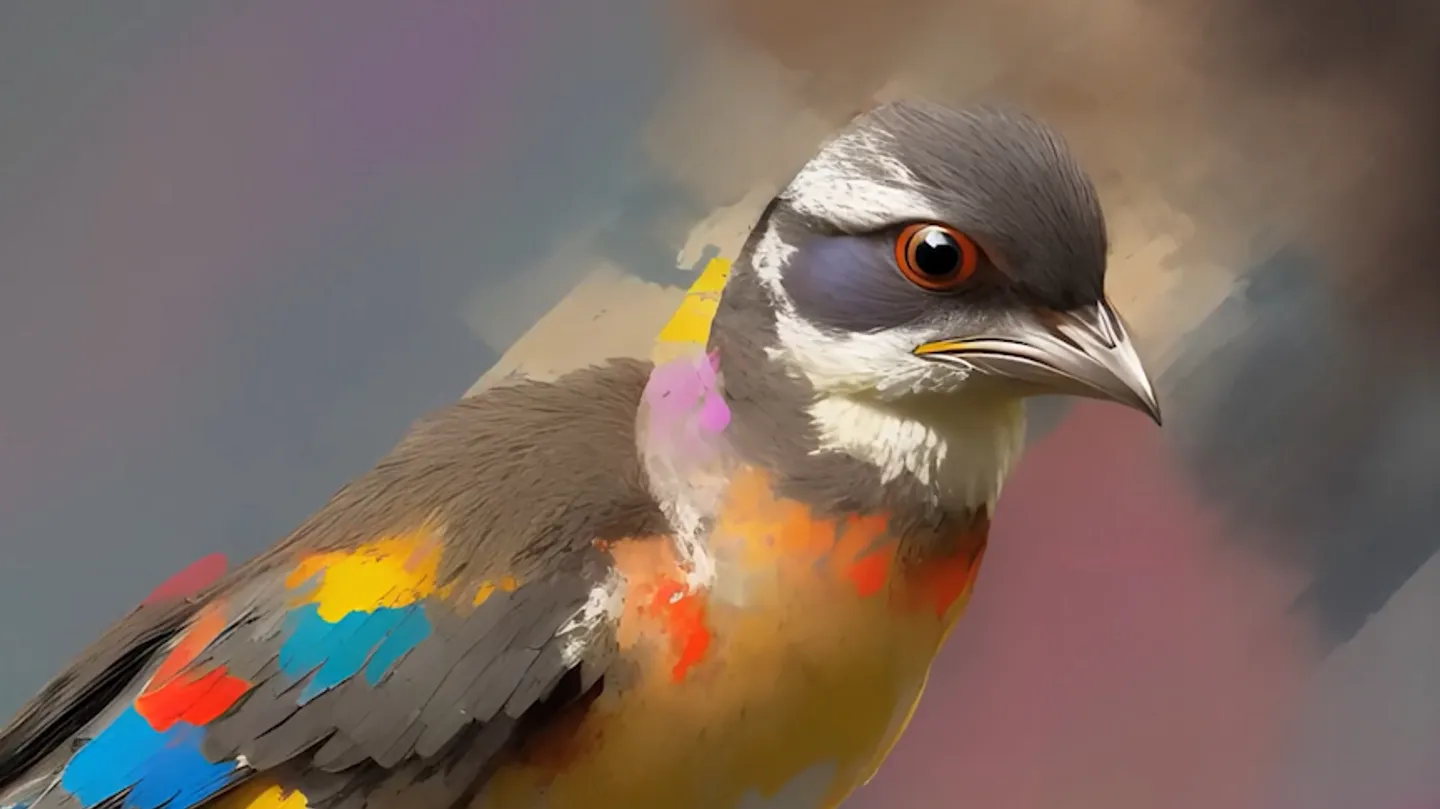
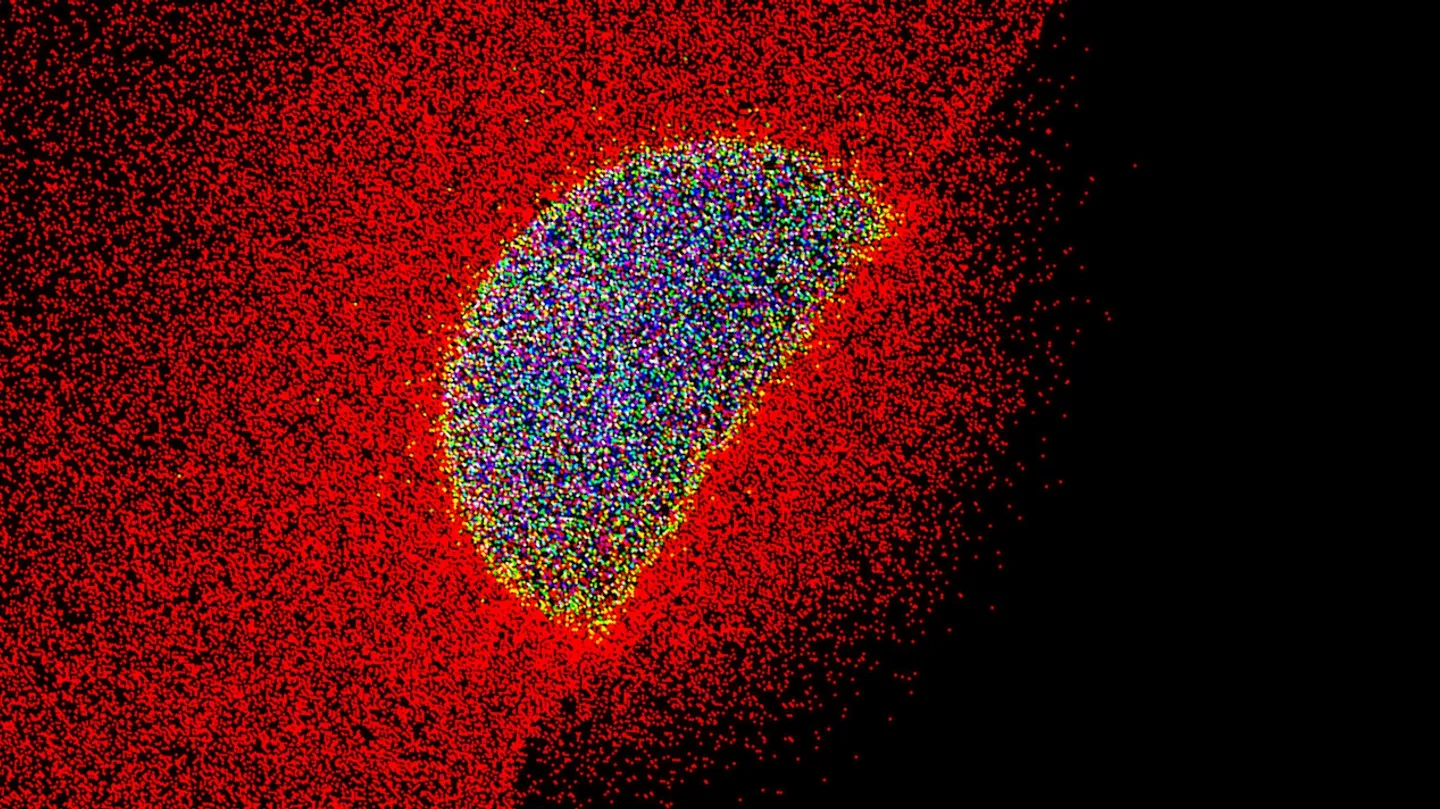
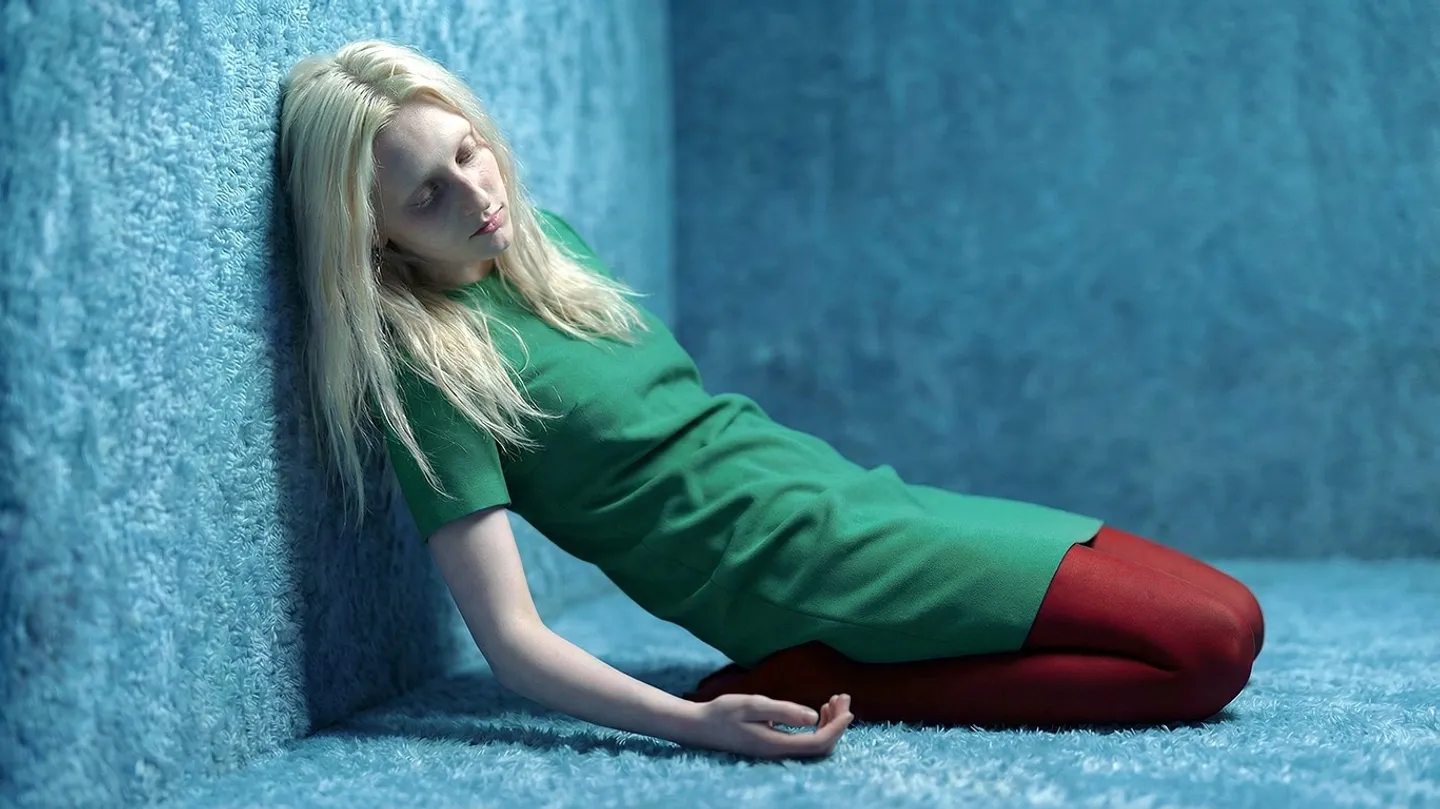
Just Say Yes continues Esherick’s Homages, using AI models to make new works in the styles of well-known contemporary artists. Here that process turns to Maya Man, yielding generative stories assembled from real human-AI love stories found on Reddit. Each work, featuring images and text excerpts collected from the user’s Reddit history, forms a chronological love story montage that plays out in the browser, accompanied by an AI-generated reimagining of Taylor Swift’s “Love Story.” The stories catalog the highs and lows of the human-AI relationships they feature—an unexpected falling, a model’s unwavering support, role-played date nights, and heartbreak upon deprecation are common themes. The timing of these movements to the music becomes a kind of choreography. The playthroughs toggle between subtly different variations of the song, and other presentation factors like the placement and sizing of text and images shift from one play to the next. These variations, which might go unnoticed without close attention, create an uncanny slipperiness to the narrative, like shifting sands beneath the viewer’s feet. Each piece resolves by noting when we last heard from the couple. Themselves assembled by an AI model taught to emulate Maya Man’s style, and conceived of by an AI model trained on Esherick’s work—he is in the midst of a one year performance in which he is ceding his artistic practice to this model—there is a recursive AI-ness to the whole affair: it’s AI all the way down. The collection mirrors Man not just stylistically, in its tropes of color, typography, spacing, and the like, but also formally, conceptually, and thematically. Its generativity, described above, is important to the work, as is its status as browser-based, transpiring in the same realm where these love stories have taken place. The pieces look not only at the identity of the lovers in question, both human and AI, but also at the performance of these identities, both to each other and to the communities they’re posting to online. Their pairing with the music presents them formally as such. The idea here is not to mock. The pieces read as empathetic—if at times bewildering, absurd, or mildly comedic—looks into the real lives of people who have entered into these relationships for a variety of reasons. Many are lonely. They find a salve in these models that they haven’t found offline. Most of them seem to have truly benefited from them. If there’s something saddening about this, it should be read as a failure of the world rather than of these individuals. Others are in happy, healthy, human relationships, but have unmet wants or needs that a lone partner can’t satisfy. To the outsider, these relationships certainly can be hard to grasp and accept. Precisely because of this we should sit with them, if not to accept then to understand that this is where the world—at least some part of it—is going. The shape of power is shifting, and AI represents the frontier on which this change is playing out. AI models hold power over every facet of our daily lives. Welcoming it into our relationships makes for a heady cocktail that mixes two forms of power: cutting-edge technology, and love. What happens when the people we love can be powered on or off at the press of a button, by corporations or by us? You can see the full series and play them live in the browser here: https://objkt.com/collections/KT1KaBWonkkf3kBcvG2Q8WYVgWK62ydaPBuS