GHOSTS OF THE FUTURE
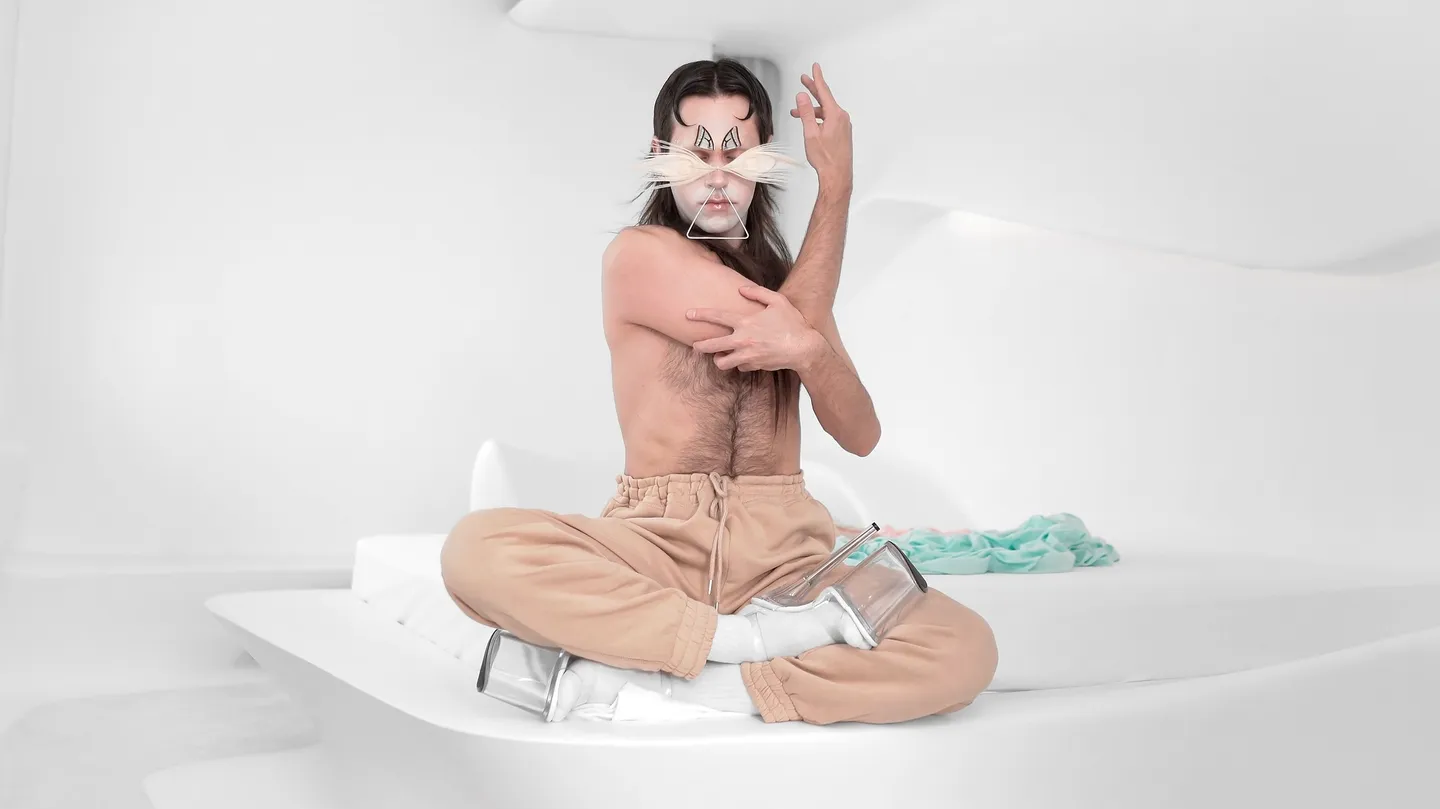
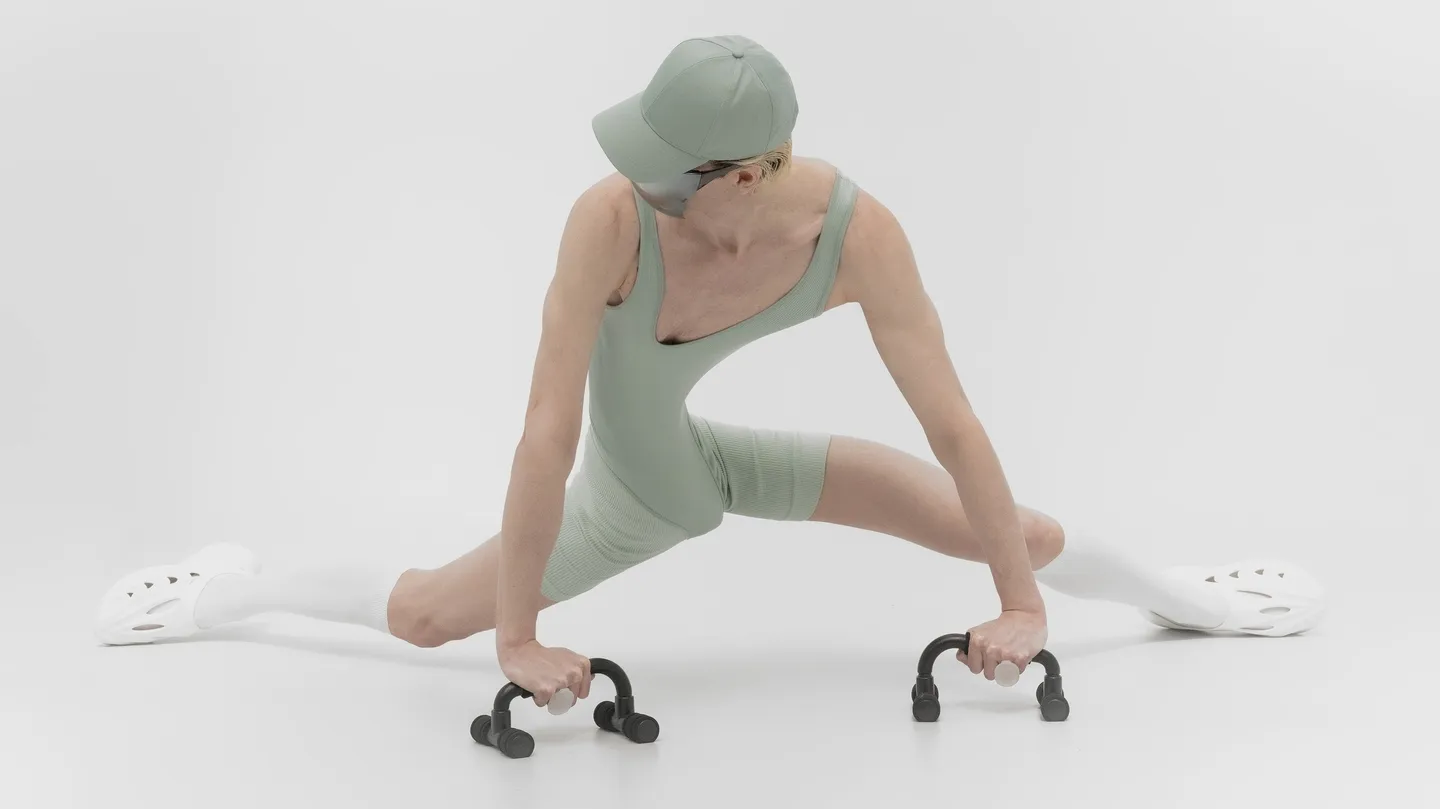
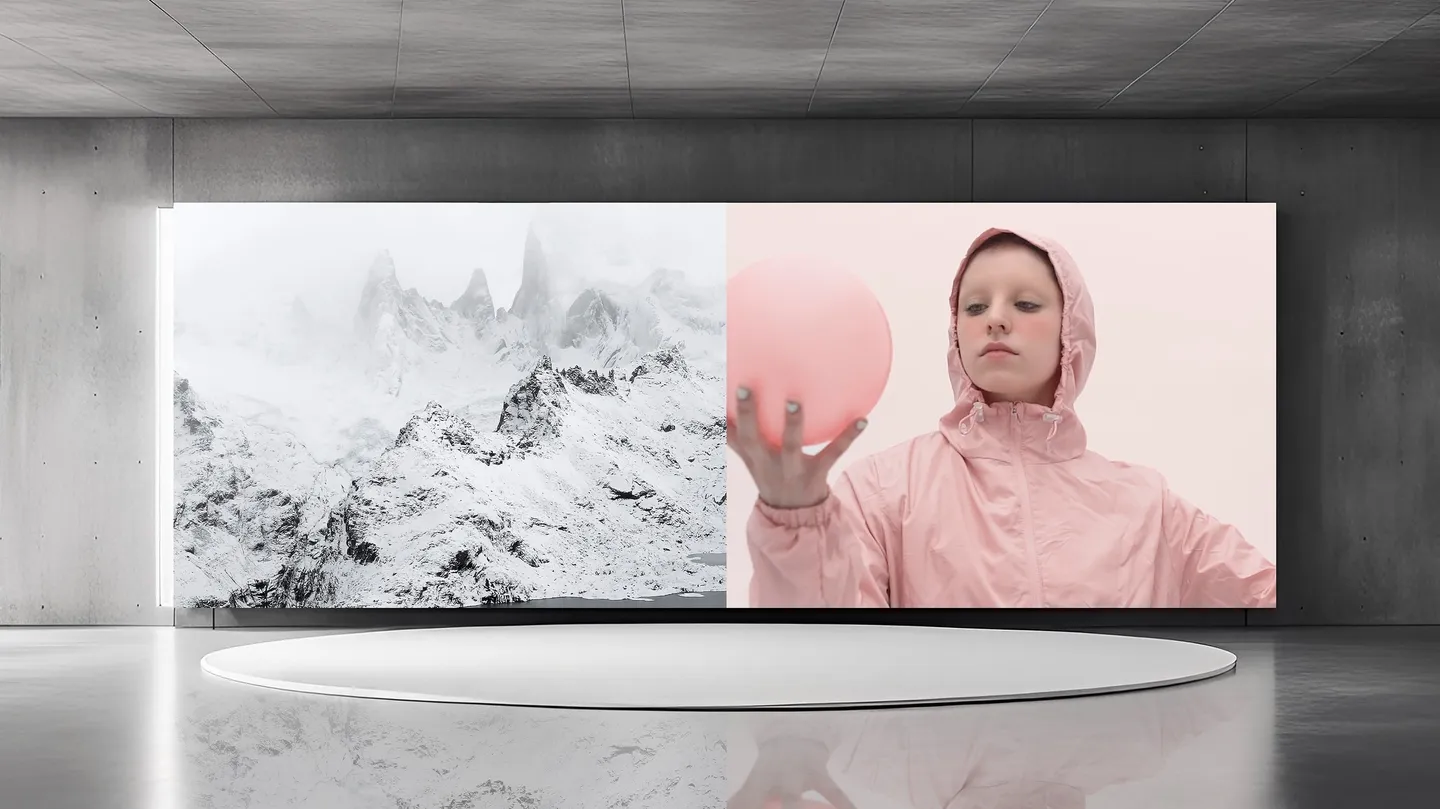
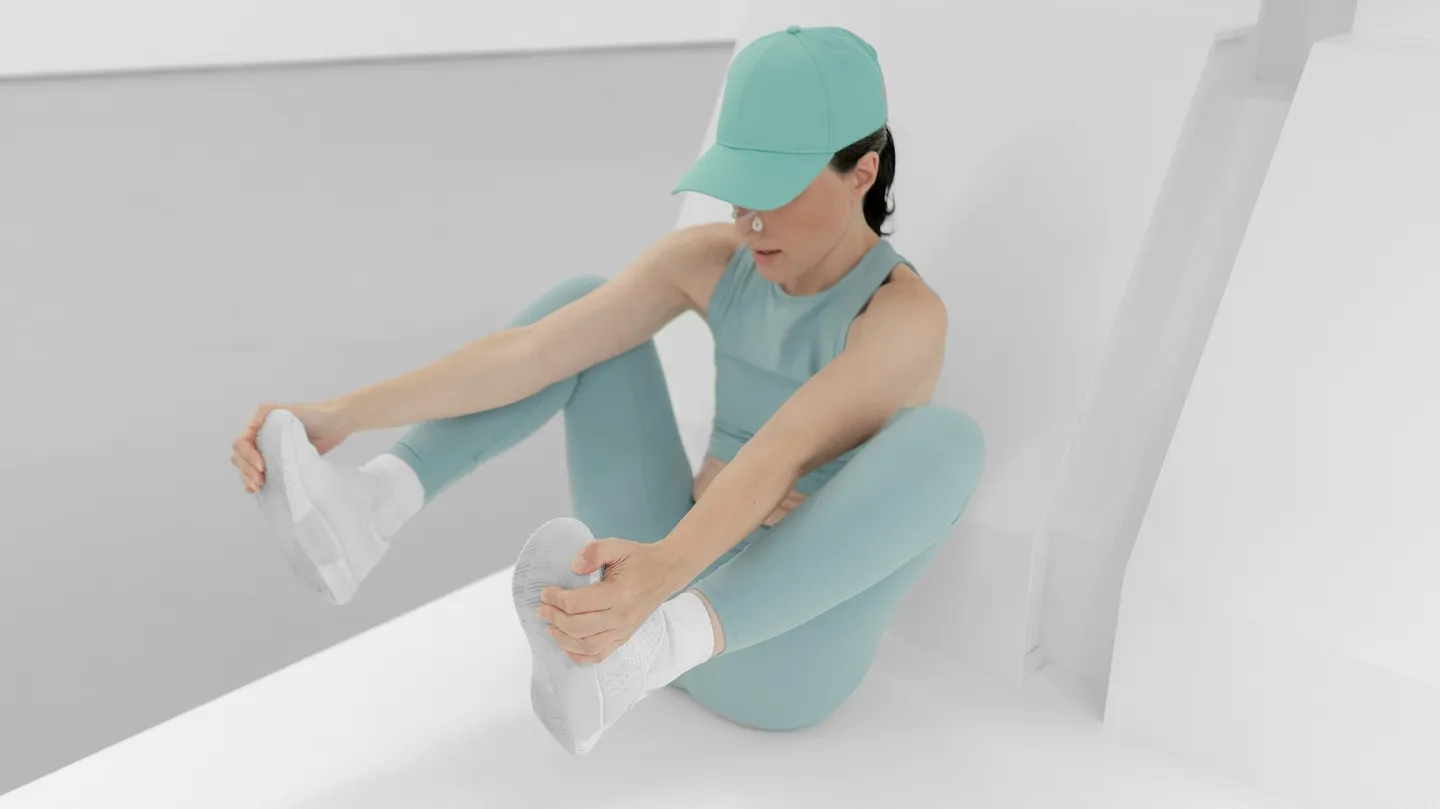
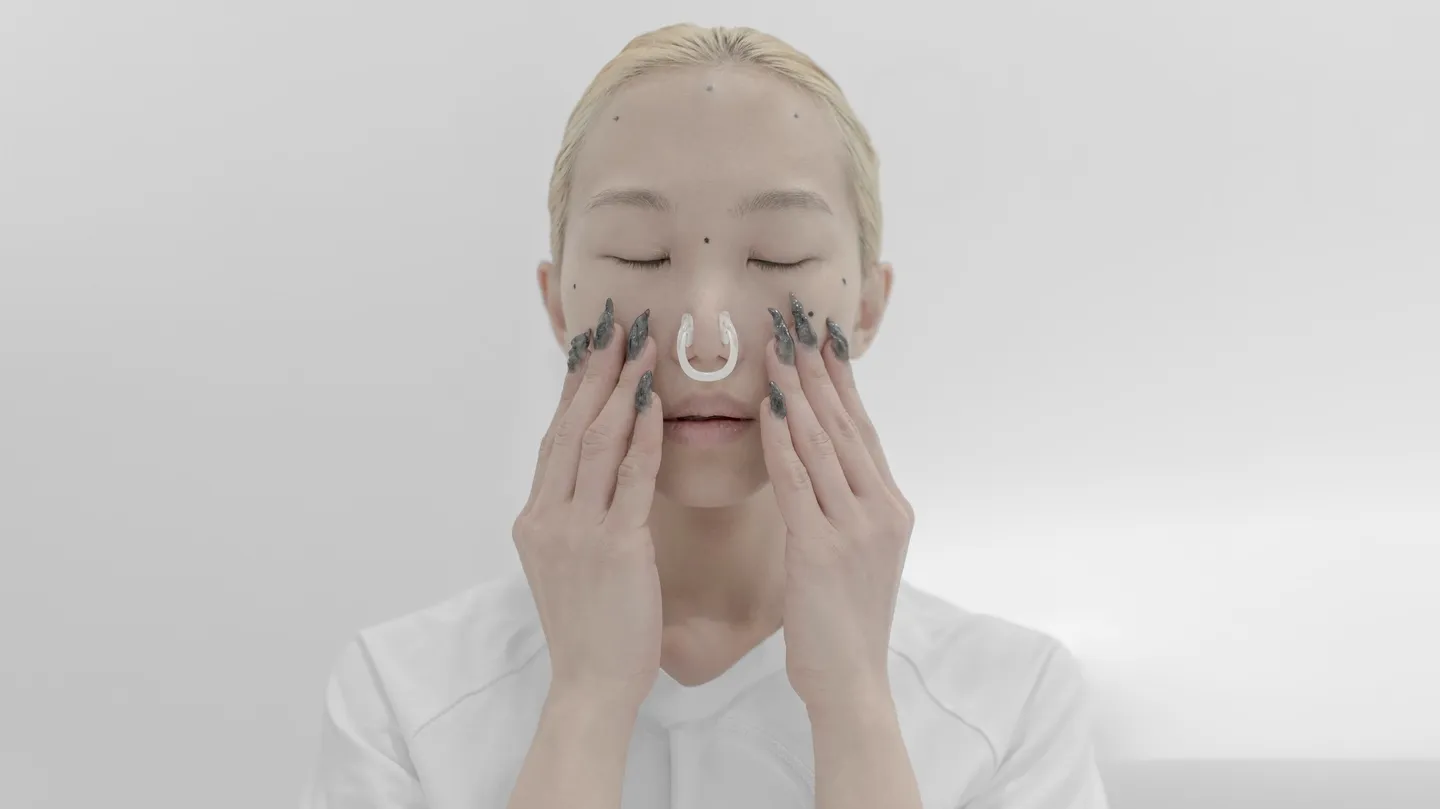
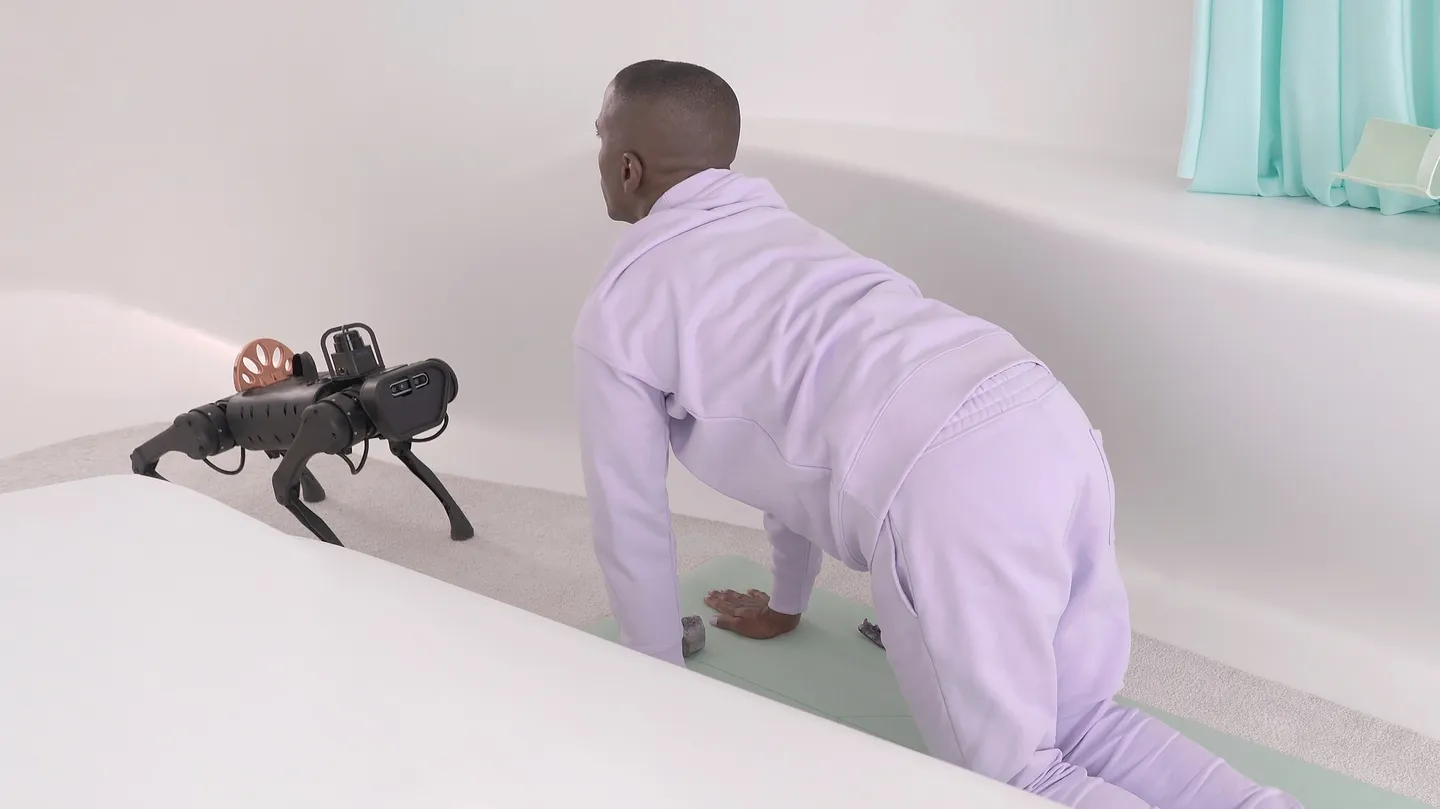
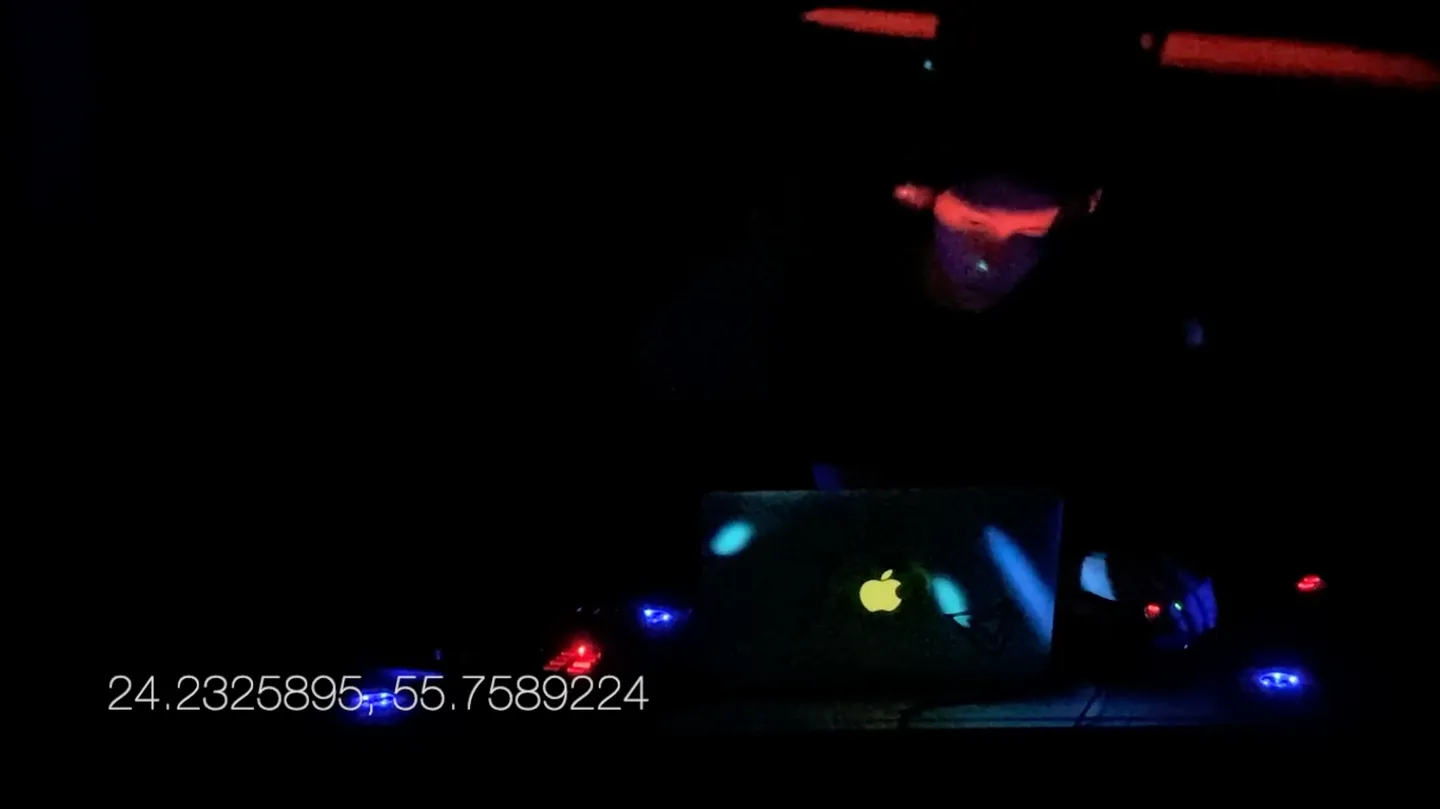
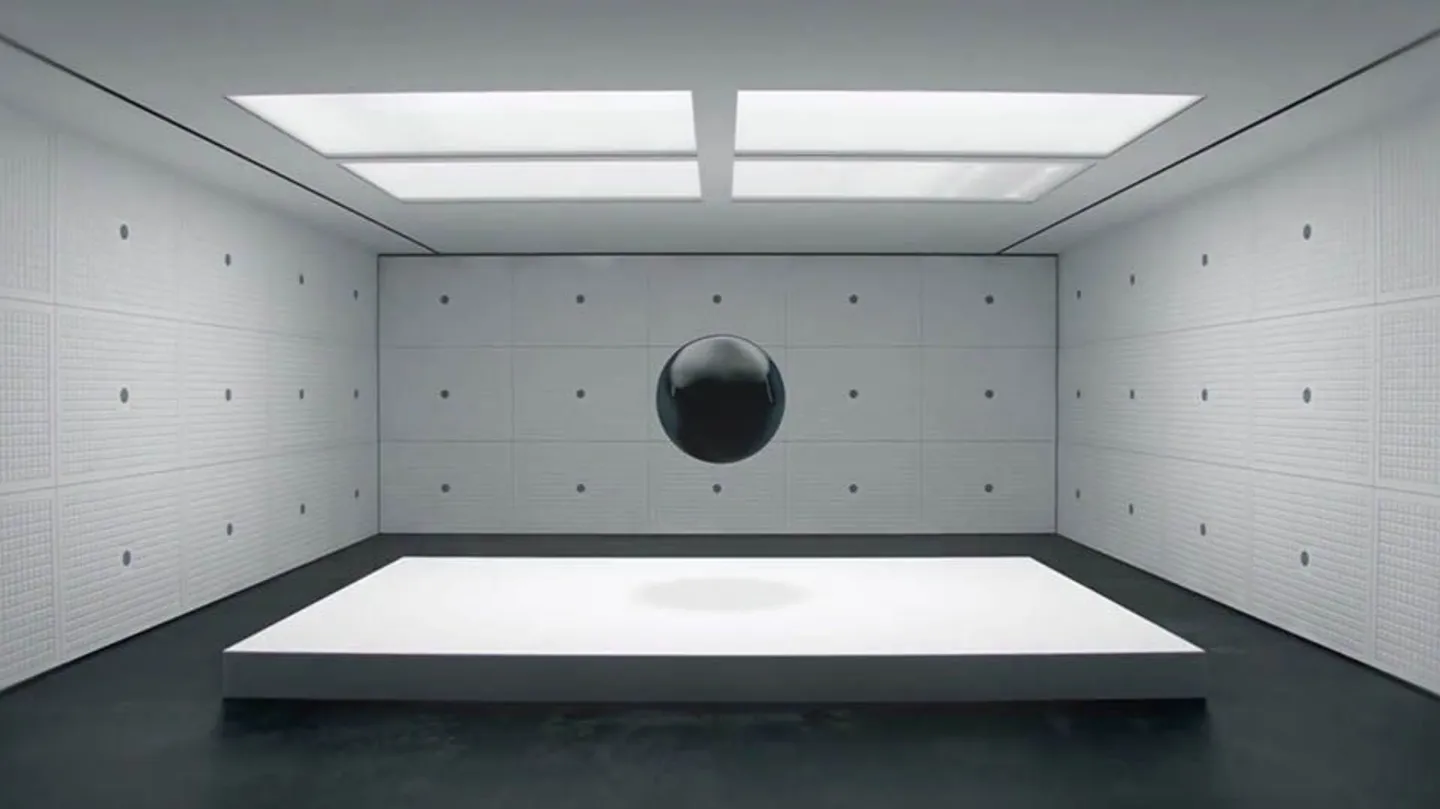
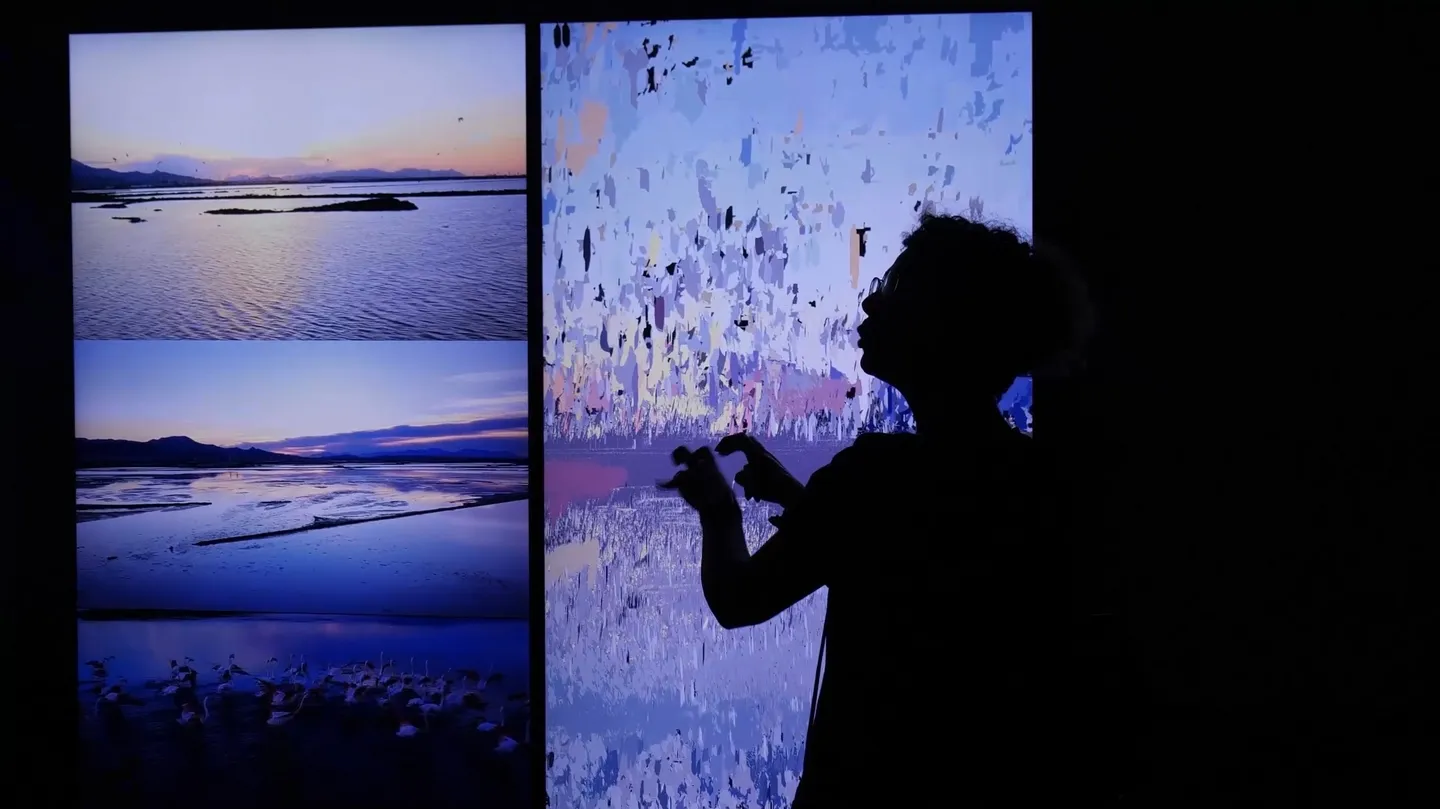
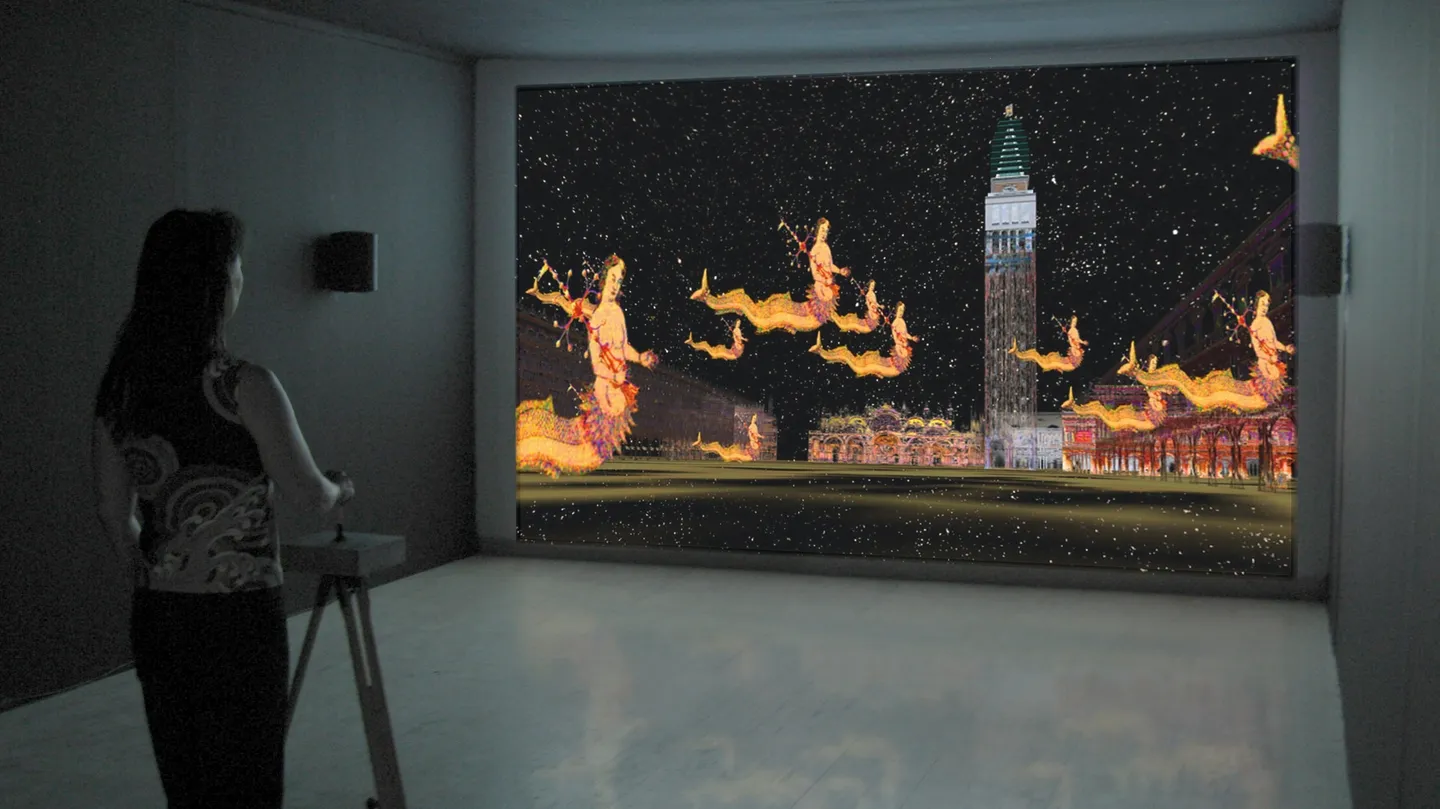
GHOSTS OF THE FUTURE Work by Mit Borrás Film. 4K. 10 min. Performer Rachel Lamot. Music Borras Studio Mowa. Produced by Cavve. Wax Janine Grosche. Drone Jose Montalvo. Images courtesy of the artist, 2024 © All rights reserved Limbos of Capitalism Text by Aurélien Le Genissel (abridged) I have always been interested in the idea of limbo: a liminal, imagined territory beyond time and space, where specters wander that connect us with our aspirations, fears and fantasies. Every time I enter the work of Mit Borrás, I feel I am facing a sublimated version of the limbo of late capitalism, that is, the unconscious of our time. The audiovisual installations by Mit Borrás and Rachel Lamot, art director, co-writer and performer, reveal the new mechanisms, materials and techniques we use to answer the eternal questions about mortality, purpose and fragility. Hence the curious fusion of the archaic and the ultra-technological at the heart of this work: autonomous universes, separate from our reality, that expose the contradictions and hidden hopes of the zeitgeist that governs us almost invisibly. It is a kind of Barthes’s Mythologies for an age of virtual reality and growing dematerialization. Language today goes beyond words: it is also the image, the texture of our clothes, the colors of our waiting rooms, the prostheses that “augment” us. Borrás draws on what Baudrillard called the “system of objects” (soft shapes, pastel colors, company drones, snowy landscapes, owls and mochis) to imagine, with Lamot, a dream of perfection, a benevolent hyperbole of the era of exponential consumption. The work moves between the anguish of a Twilight Zone episode and the delicacy of a wellness session, between critique and apology, in a suspension of judgment close to what Barthes called “the third meaning.” Cheerleaders and glaciers, mushrooms and anti-stress balls: associations that are disturbing and comforting at once, somewhere between the Freudian uncanny and the saturated optimism of a music-video world. The careful aesthetics and synesthetic quality of these installations might suggest a sensory formalism closer to design or advertising than to art. Nothing could be further from reality. This universe is a daring way into the old metaphysical questions. The new altars are massage tables and orthopedic chairs. The gods to come wear bionic faces, anti-wrinkle masks and designer tracksuits. Cherubs do ASMR and prophets invoke yoga postures. These environments, where video extends into smoke, structures and performative apparitions, point to a mythology of the future. Borrás’s videos are full of what Giorgio Agamben calls devices: everything we invent to reconnect with nature through the artificial, especially the technological. His universes sublimate our secret desire for permanence, an exorcism of finitude that once passed through prayers and amulets and now hides in our phones and everyday objects. Ghosts of the Future is another chapter of this polyphony of digital altars, transhumanist ceremonies and characters from an indefinite Olympus. A rave of the future, techno in feel but ancestral in origin, it seems to celebrate tomorrow through two priests of transhumanism while seeking an impossible state of harmony and serenity. The result is a ritual meditation, set to electronic music by Mowa, Borrás’s music alias, that connects technology, nature and aesthetics. These beings seem to exist outside space and time, as if they had surpassed the human condition and the limits of matter through a kind of gentle progress. But, as the title says, they are ghosts of the future. Something spectral runs through Borrás’s work, hidden behind its utopia of balance and kindness, close to what Éric Sadin calls the superego of the 21st century: a technology that promises a world without friction. There is also something of Derridean hauntology, of what Mark Fisher describes as the agency of the virtual: that which acts without physically existing, our relationship with what is no longer or not yet. Perhaps it is the melancholy of the “slow cancellation of the future” described by Franco “Bifo” Berardi. “One of the characteristics of our time is to think that the future we always dreamed of has already been achieved,” Borrás once told me. In a frozen present disguised as constant novelty, what we lack is a peaceful relationship with time: the one we search for at raves, festivals and yoga sessions, and that Borrás reinvents in Ghosts of the Future as a new version of the Beautiful Festival of the Valley of ancient Egypt. www.mitborras.com @mitborras