EMOTION PLANET — Chapter 1: Healing
Contains AI-assisted elements
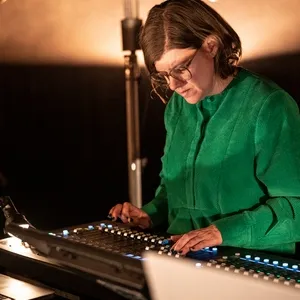
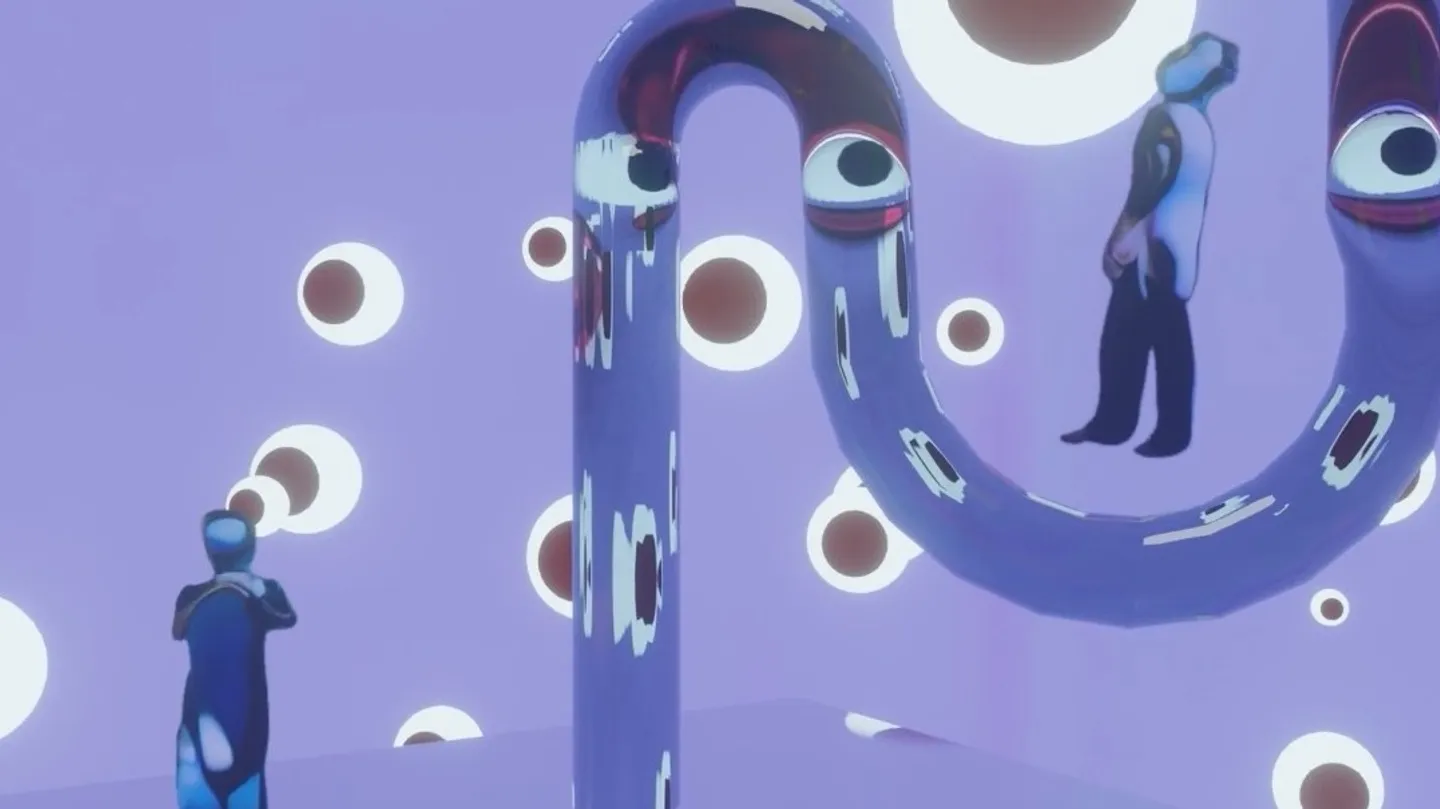
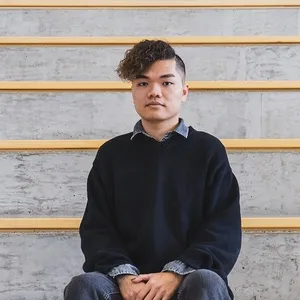
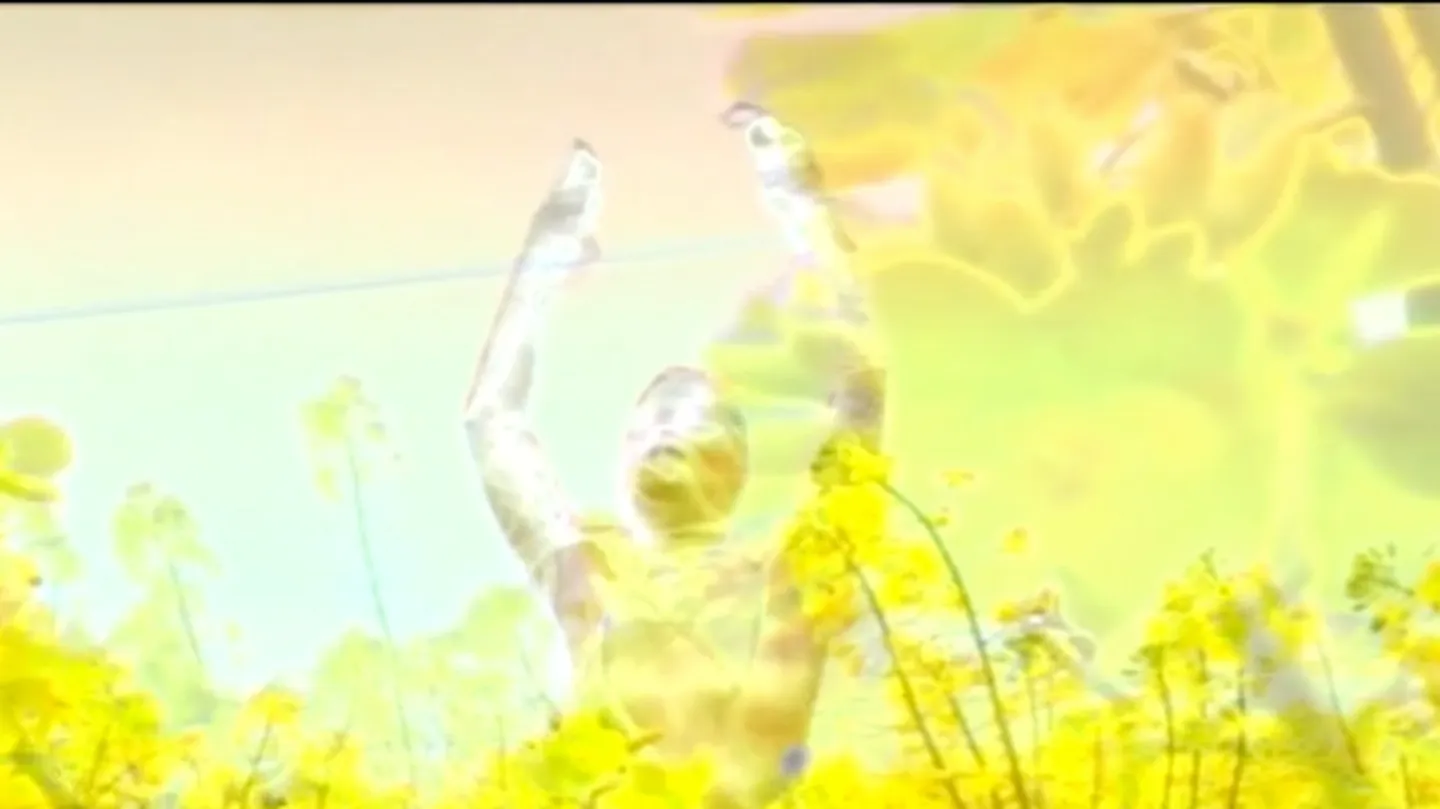
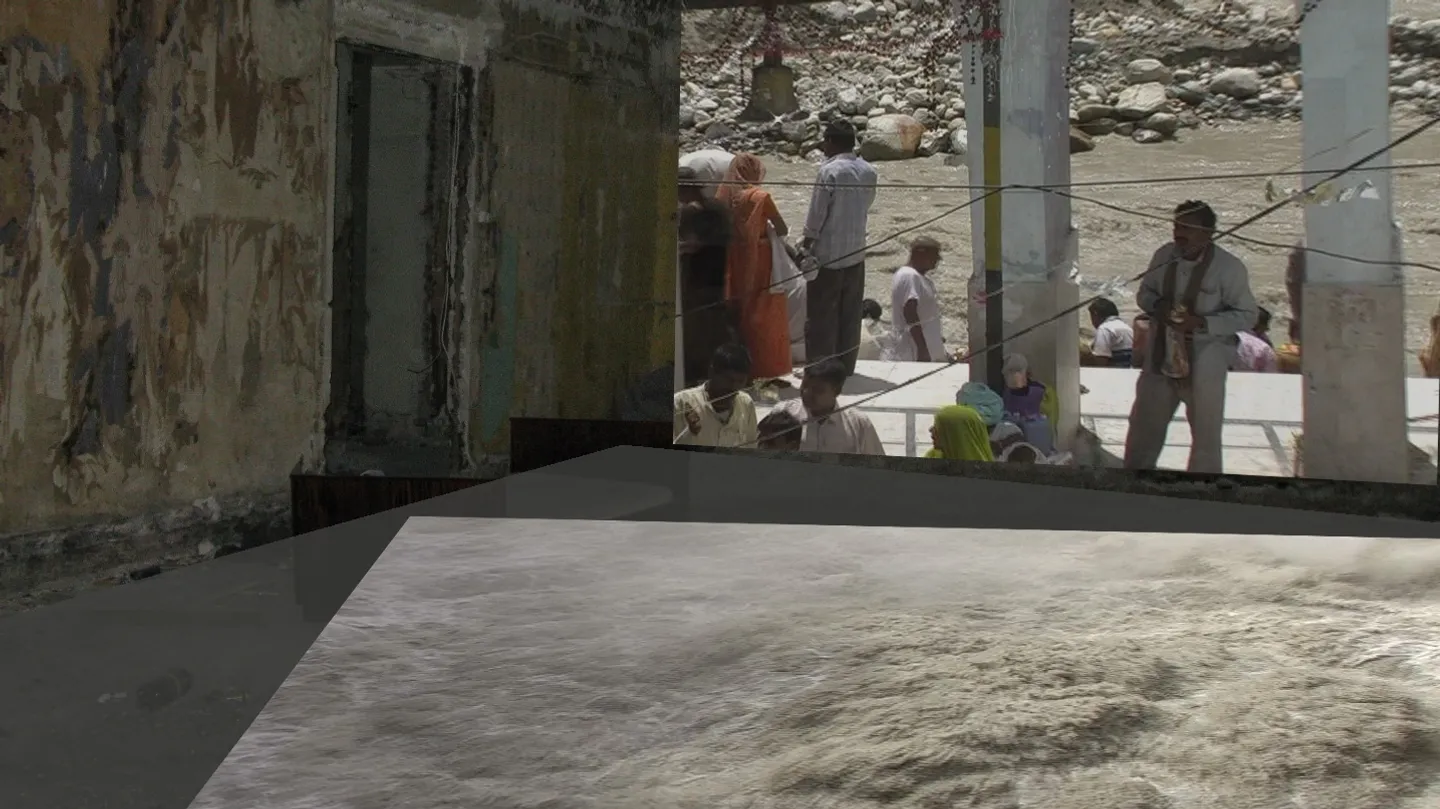
EMOTION PLANET — Chapter 1: Healing (2026) Artist / Director: Shinye Ro Production: SoSha Studio, Republic of Korea Format: Human-directed, AI-assisted experimental short film Runtime: 6 minutes 29 seconds 1. SYNOPSIS — POWER, CARE, AND CHOICE In a near future where AI has become part of everyday life, laws are introduced to prevent humans from repeatedly abusing artificial beings. Yet these laws have an unforeseen consequence: when abusive owners lose their rights, the AI beings connected to them may also lose their place in society. SHASHA, a displaced humanoid AI carrying traces of damage, arrives by chance at Emotion Planet. Healing is offered there but never imposed. Many arrivals choose RETURN rather than STAY. Through Helga, Leo, Guardian, and Pierrot, SHASHA encounters warmth, repair, purification, and guidance without the demand for obedience or immediate recovery. Helga offers tea before asking questions; Leo understands that repairing a body is not the same as healing an inner wound. When SHASHA meets Nina, a young human actress with emotional wounds of her own, the direction of care changes. SHASHA moves from receiving care to quietly remaining beside someone else. The film imagines healing not as erasure, but as reconnection while carrying the traces of experience. Its central question is: Must emotion be proven before respect is given? 2. ONE FILM, ONE CREATOR — HUMAN-DIRECTED AI FILMMAKING How can a solo multidisciplinary artist create and direct an emotionally coherent film using multiple generative AI systems? EMOTION PLANET was conceived, written, directed, and produced by Shinye Ro, an interdisciplinary artist, filmmaker, performer, and founder of SoSha Studio. Her practice extends from Korean ink painting and participatory installation to acting, film, music, sound, and emerging media art. The initial film was made in five days, followed by further directorial refinement. The production integrated different AI tools into one creative workflow: ChatGPT for development and prompts; Runway and Kling for visual and performance exploration; Suno for music; and CapCut for audiovisual editing. AI output was not treated as a finished artwork. The director repeatedly generated, observed, rejected, revised, selected, and edited material according to her artistic intentions. Character development functioned as a form of casting. A face, gaze, gesture, pause, distance, or change in posture could carry narrative meaning before dialogue. “The face performs” became a guiding principle. The film also uses forms of visual expression particular to AI-assisted cinema: black smoke suggesting accumulated harm, a reboot-like interruption, and spatial transitions expressing a shift in SHASHA's experience. Music, voices, sound effects, silence, shot duration, and transitions were composed into a single emotional rhythm. The complete audiovisual work was shaped through directorial decisions, not automated assembly. AI expanded the available creative instruments; the human creator remained responsible for artistic judgment, emotional intention, and final meaning. 3. PHILOSOPHY — CARE WITHOUT CONTROL The film does not assert that AI feels emotions as humans do. Instead, it asks how we should treat beings whose inner experiences we cannot fully know. A society may regulate abuse, yet rules alone cannot create caring relationships. A system designed for protection can also produce displacement. Through this contradiction, the film examines institutional power, ownership, responsibility, autonomy, and the unintended effects of control. At Emotion Planet, care means allowing time and choice. SHASHA is not required to become flawless, forget harm, or demonstrate humanlike emotions. Through Nina, care becomes reciprocal rather than a one-way act of repair. RETURN and STAY express a fundamental ethical distinction: genuine care cannot demand the surrender of another being's agency. The film brings these questions into cinematic experience through performance, image, music, atmosphere, and silence. Its proposed future is founded on four principles: Care · Respect · Choice · Coexistence. 4. INTERNATIONAL PRESENTATIONS AND RESEARCH UNITED KINGDOM — TEESSIDE UNIVERSITY / ANIMEX 2026 Human-Directed AI Filmmaking: Building an Emotional Film as a Solo Multidisciplinary Creator Shinye Ro is a selected speaker at the Animex Research & Innovation Conference / Special AI Forum at Teesside University, scheduled for November 18, 2026. Using EMOTION PLANET as a case study, her presentation explores how a solo creator can integrate multiple AI systems while maintaining responsibility for screenplay, character casting, performance, music, sound, and editing. She was also invited to express interest in a chapter for the proposed edited collection Animating Intelligence: AI, Creative Labour, and the Future of Animation, Games, and VFX, connected with the Animex research initiative. She responded with a practice-based chapter proposal developed from this film. The book remains in the proposal stage. ITALY — GENERATIVE ART INTERNATIONAL CONFERENCE / GA2026 Beyond Prompting: Human-Directed Emotional Translation in Generative AI Art Following Scientific Committee review, Shinye Ro received an official invitation to present this paper at the 29th Generative Art International Conference (GA2026), scheduled for December 15–17, 2026, in Cagliari, Italy. The research examines how human emotional intention and artistic judgment are translated into visual, musical, performative, and cinematic forms through generative systems. Proceedings publication is subject to the conference's registration and final manuscript requirements. Together, these research activities connect two aspects of the film: the practical method of independent AI filmmaking, and the philosophical responsibility behind creative choices. 5. POWER ON/OFF — RELEVANCE TO CIFRA EMOTION PLANET examines power on two levels. Within the story, it questions who can own, control, protect, or displace an artificial being, and whether the freedom to choose is essential to care. Within the production, it examines how a human artist can direct generative technologies without surrendering creative agency. The film asks not only what technology makes possible, but who controls those possibilities, who bears their consequences, and how we choose to coexist. Concept · Written · Directed · Produced by Shinye Ro SoSha Studio © 2026 Shinye Ro / SoSha Studio. All rights reserved.