Dance in Your Head
Contains AI-assisted elements
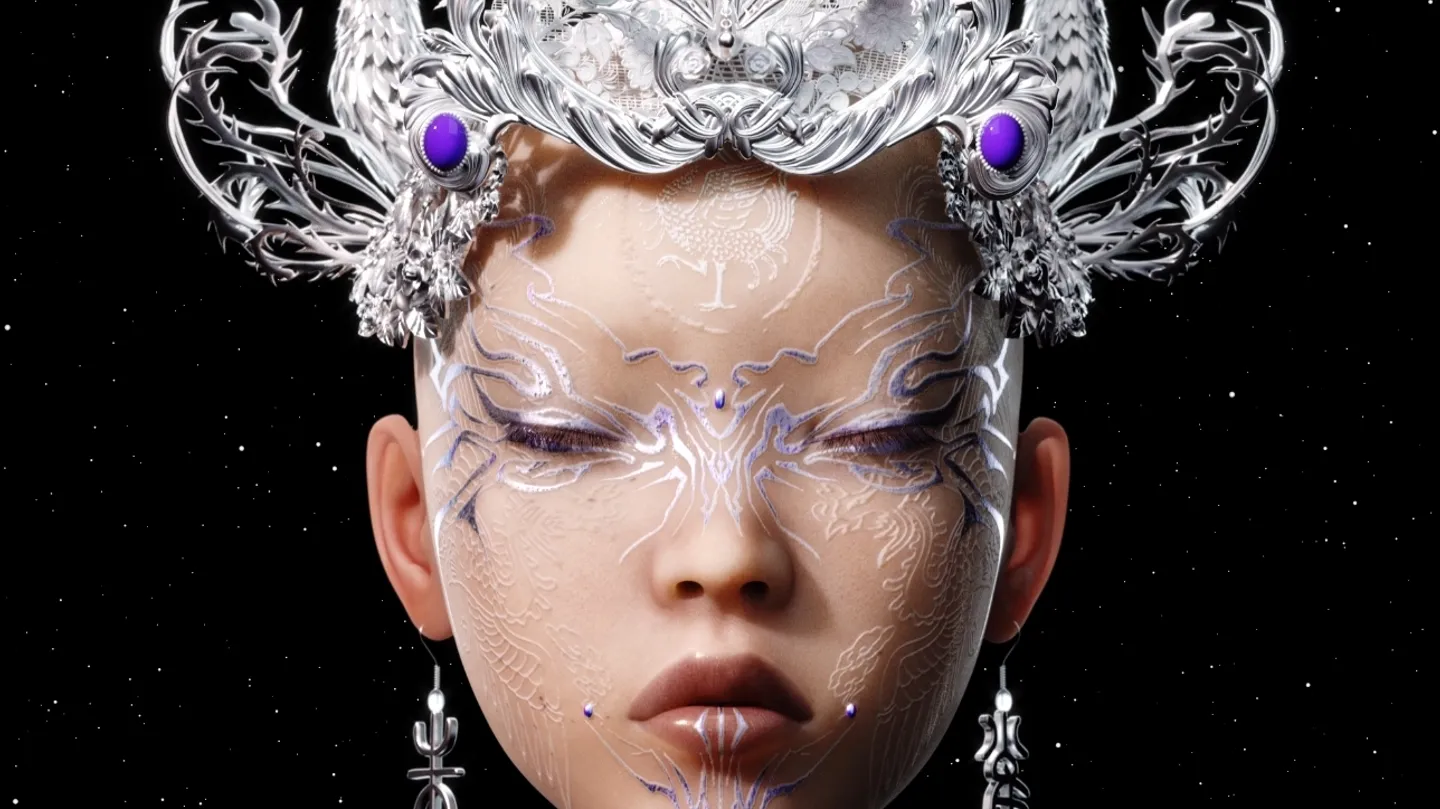
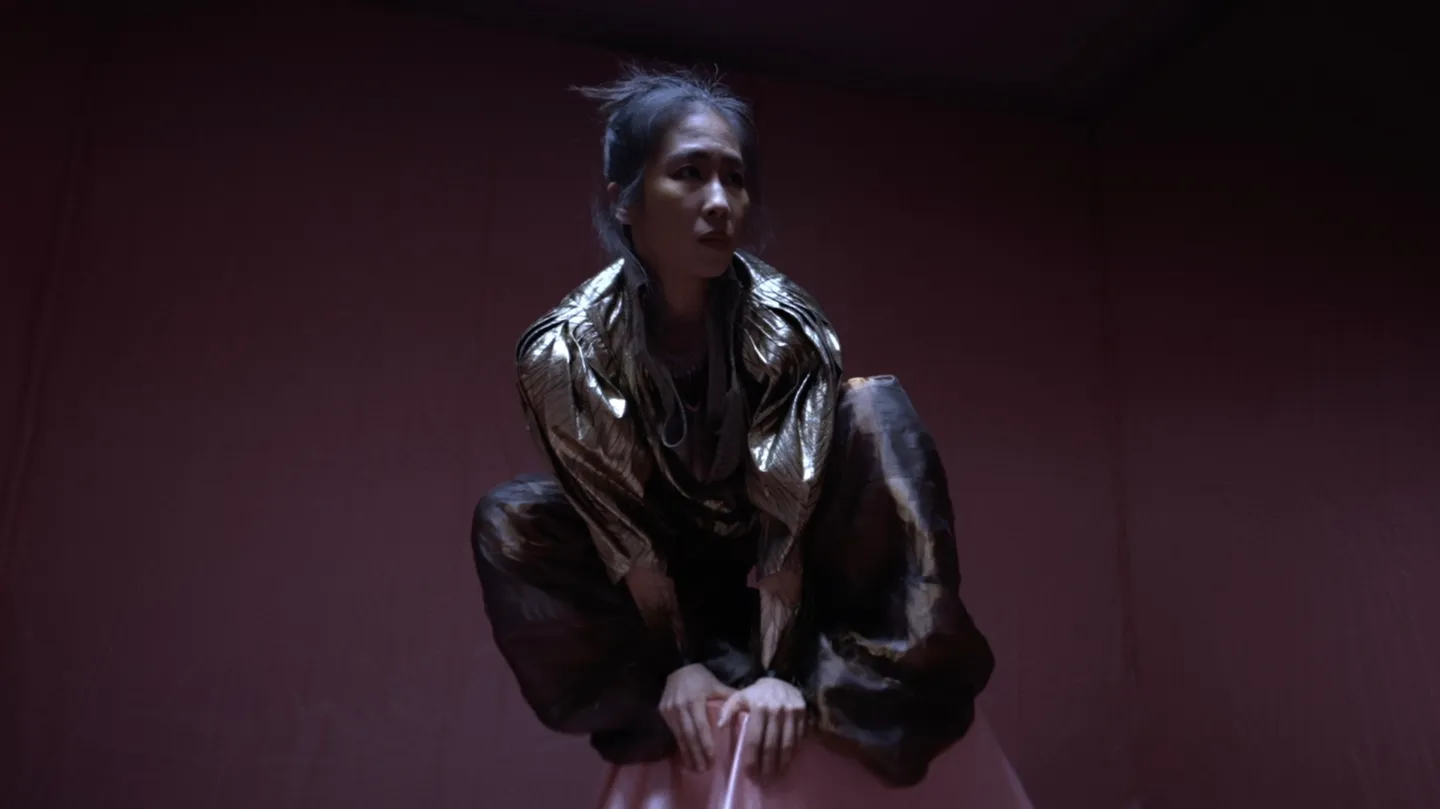
Dance in Your Head takes one of the Chinese otome game, with its millions of female players, as its starting point to explore a question about emotional experience in the digital age: How does a virtual male image, composed of code, images, and algorithms, gradually transform from a visual stimulation on the screen into an intimate presence in the viewer’s consciousness? The work visualizes this process using neuroscientific research on the visual system. Start- ing with the reflection of the figure in the pupil, light penetrates the retina and optic nerve, thus reaching the visual cortex of the brain. The information is processed sequentially in areas V1-V6. The work combines Claude code, generative Google models, and the 3D environment Blender. Using AI-powered modeling, procedural animation, neural network simulation, and a cinematic visual language, it attempts to transform the brain’s previously invisible cogni- tive processes into an immersive visual experience. AI here is not only a creative tool but also a research medium, enabling artists to create speculative landscapes about perception and consciousness. Dance in Your Head posits that virtual romance is not created on a screen but is born in the visual realm of the brain. Virtual lovers exist neither entirely in the digital world nor entirely in reality, but in neural space, where perception and imagination intersect. By de- picting this transformative process, the work aims to demonstrate how digital technology shapes the desires, emotional bonds, and mechanisms of intimate relationships for people today.