Cost Of Code
Contains AI-assisted elements
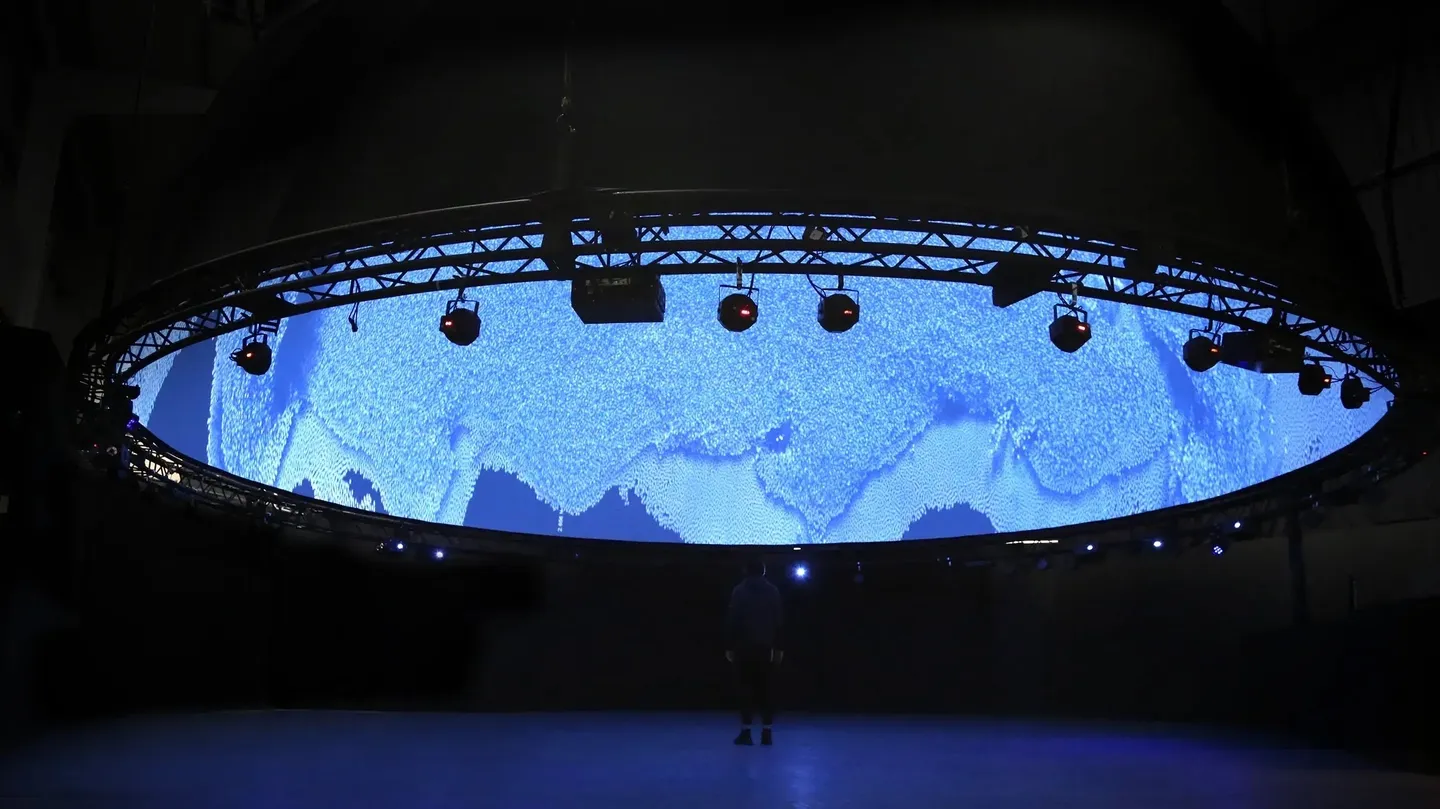
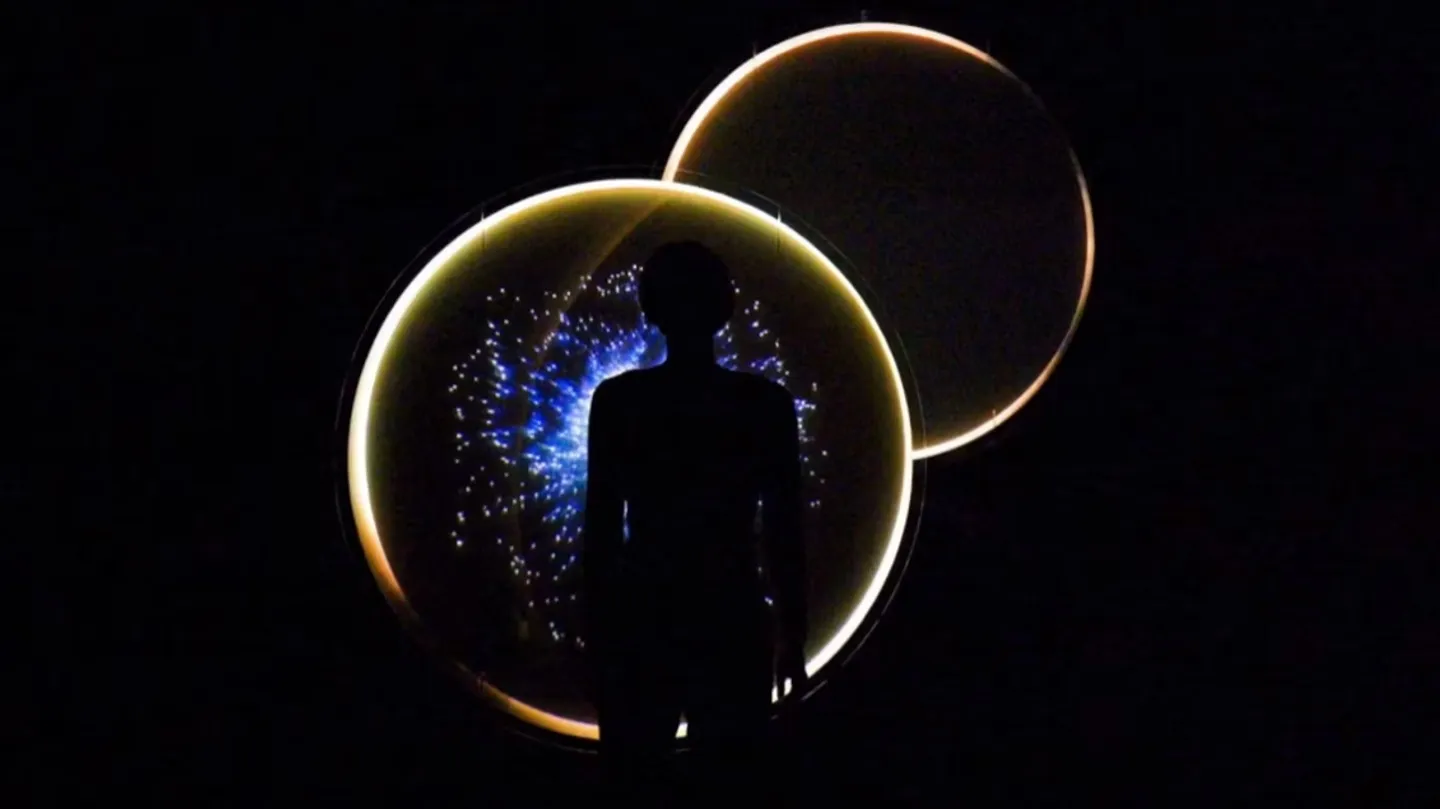
Cost of Code Cost of Code is a live data artwork investigating the structures of power behind artificial intelligence and the environmental, political, economic and social costs they produce. At its centre is the question of time: how knowledge, discoveries, decisions and events accumulate across history to shape the technological systems we live with today. AI is often presented as a new and rapidly advancing technology, yet its development is deeply connected to historical structures of power, ownership, labour, resource extraction and political decision-making. Cost of Code makes these connections visible, questioning who controls technological progress, who benefits from it and who bears its costs. Using a custom algorithm, the artwork gathers historical and live data across interconnected fields including data centres, energy, environmental impact, AI models, research, markets, regulation and labour. Thousands of points of light form a continuously changing landscape on a slowly rotating globe, each representing a single local record. Every 20 seconds, the algorithm highlights one, bringing a particular development, discovery or event into focus. Time is both the subject and the structure of the artwork. Moving between past and present, Cost of Code explores how individual moments of knowledge and events contribute to the larger systems of power that shape AI. A scientific discovery, a political decision, the construction of a data centre or a change in labour conditions may appear unrelated, yet together they form the historical and contemporary conditions behind the overall cost of code. As access to code and AI becomes increasingly affordable and widespread, the power to develop, own and control its underlying infrastructure remains unevenly distributed. Although digital information may appear weightless, it depends on physical infrastructure, energy, labour and natural resources. The artwork reveals these often-hidden dependencies and the inequalities embedded within them. At the same time, Cost of Code questions the power structures that determine what becomes knowledge in the first place. While the artwork draws from open datasets and published research, what remains private, censored, inaccessible or undocumented is necessarily absent. These gaps are themselves a reflection of who has the power to produce, control and distribute information. Rather than ranking information by importance, influence or popularity, the artwork gives every record equal time and attention. All sources are credited, and the order is shuffled rather than prioritised. This deliberate refusal of algorithmic hierarchies challenges the ways in which digital platforms and institutions determine which information becomes visible and which is overlooked. Whether a record is accurate or misleading, it exists within a digital and physical system and can have real-world consequences. By using computational systems to critically examine the power structures behind computation itself, Cost of Code proposes an alternative way of looking at technological progress. It does not present a single history or definitive narrative, but opens a space in which different times, places and forms of knowledge can coexist without being ranked against one another. Cost of Code is an ongoing artistic investigation into the relationship between time, knowledge and power, revealing how countless individual events and decisions collectively shape the true cost of artificial intelligence. Future development We would use the CIFRA Award as seed funding to bring Cost of Code to international art institutions and exhibition contexts, creating opportunities for wider public engagement with the hidden power structures behind AI. Alongside these presentations, we aim to develop a series of collectible artworks emerging from the live data system. Each collectible would capture a particular moment in time, preserving a fragment of knowledge, a decision or an event that contributes to the larger history of AI. These fragments would act as reminders and small acts of resistance against the speed, disposability and selective visibility of information within contemporary technological systems. By preserving individual moments that might otherwise disappear within the continuous flow of data, the collectibles would give lasting attention to the histories and consequences that shape our technological present and future.