CAN THIS BE SO?
Contains AI-assisted elements
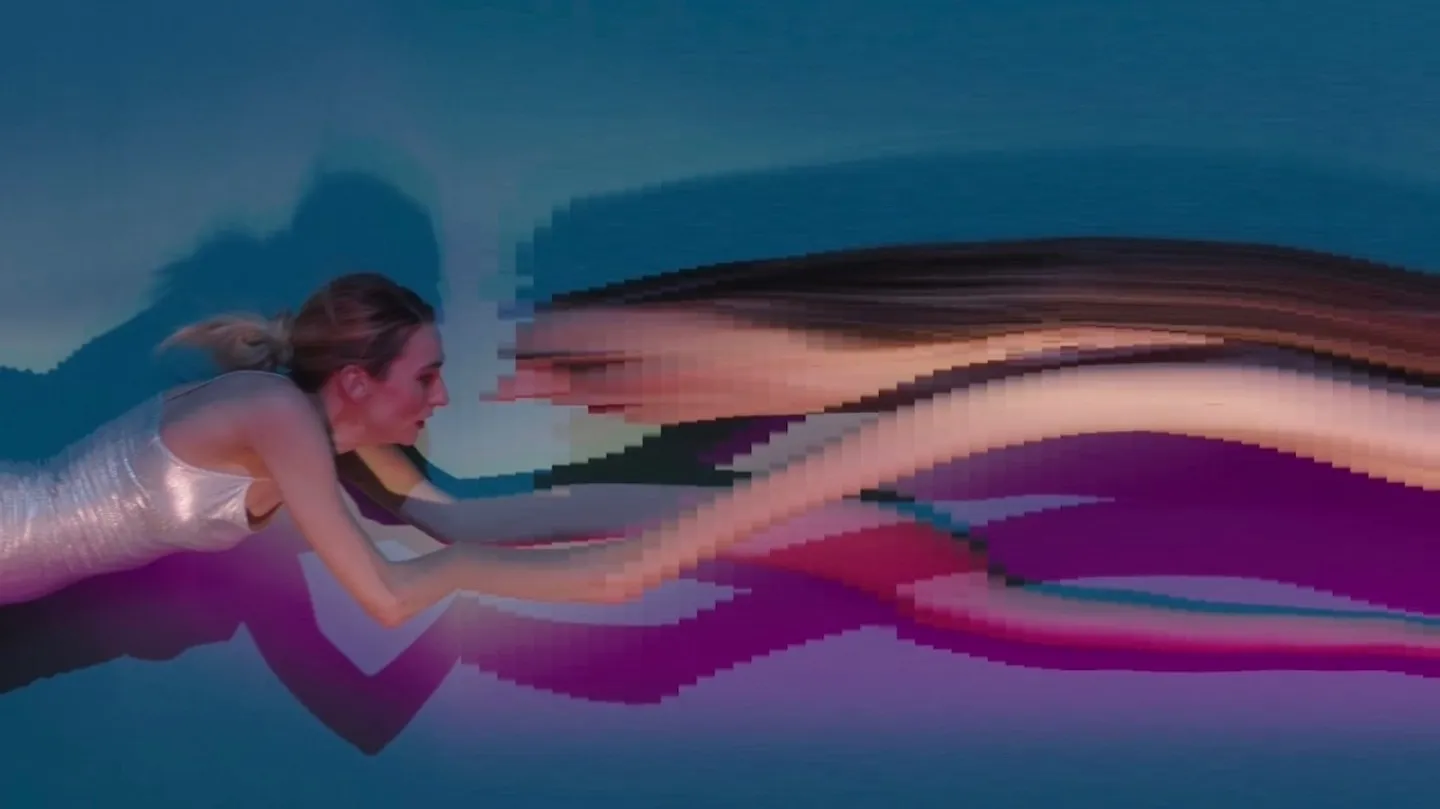
CAN THIS BE SO? On July 4, 1899, Nikola Tesla recorded his observations of a lightning storm in Colorado Springs. He counted thousands of electrical discharges, described their shapes, and questioned what he saw. At the end of his account, he asked himself: “Can this be so?” What interests me is not the discovery, but the moment before certainty. The traces left by a human being trying to understand the world. 127 years later, I used Tesla's original words and scientific drawings as inputs for an artificial intelligence system. His observations became the voiceover, while AI-generated images were animated into an electrical storm the machine had never witnessed. The lightning flashes, branches, and moves, but its movements defy the laws of physics. Uncertainty in Tesla's observations drives the production of knowledge. Uncertainty in AI-generated images, if left unnoticed, can be mistaken for knowledge itself. "Can This Be So?" examines a shift in the power over knowledge. AI's power lies not only in its ability to produce convincing representations of things that never existed, but in its growing role as a mediator of how we access, interpret, and verify humanity's accumulated knowledge. Today, we can still return to Tesla's original notebooks, compare accounts, and challenge what we are told. But what happens when independent sources become inaccessible? When the only way to verify an answer is to ask the system that gave it to us? In 1899, Tesla looked at nature and asked, “Can this be so?” Today, we ask the same question of a machine. What if one day we can no longer prove it wrong?