borderless, signature // emergence
Contains AI-assisted elements
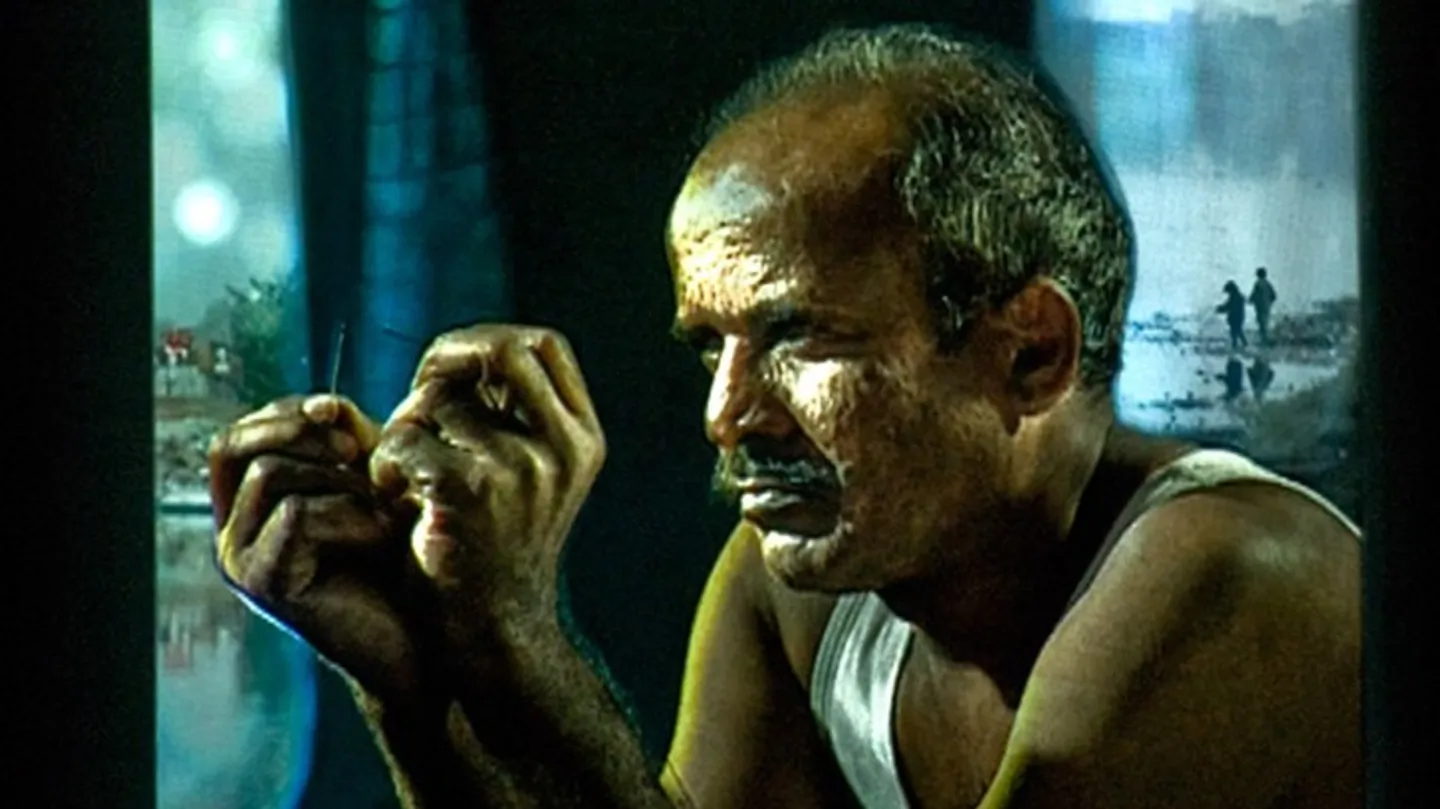
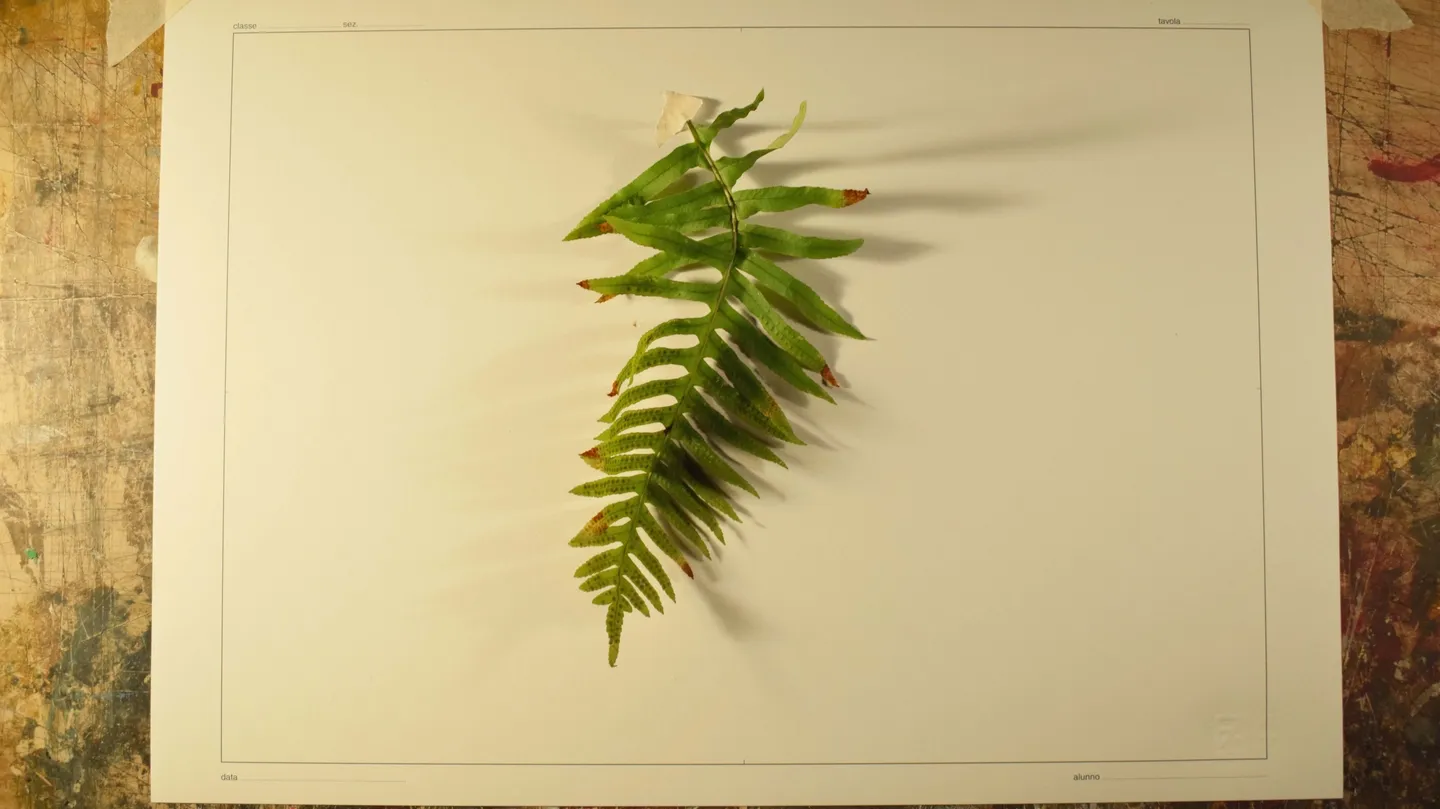
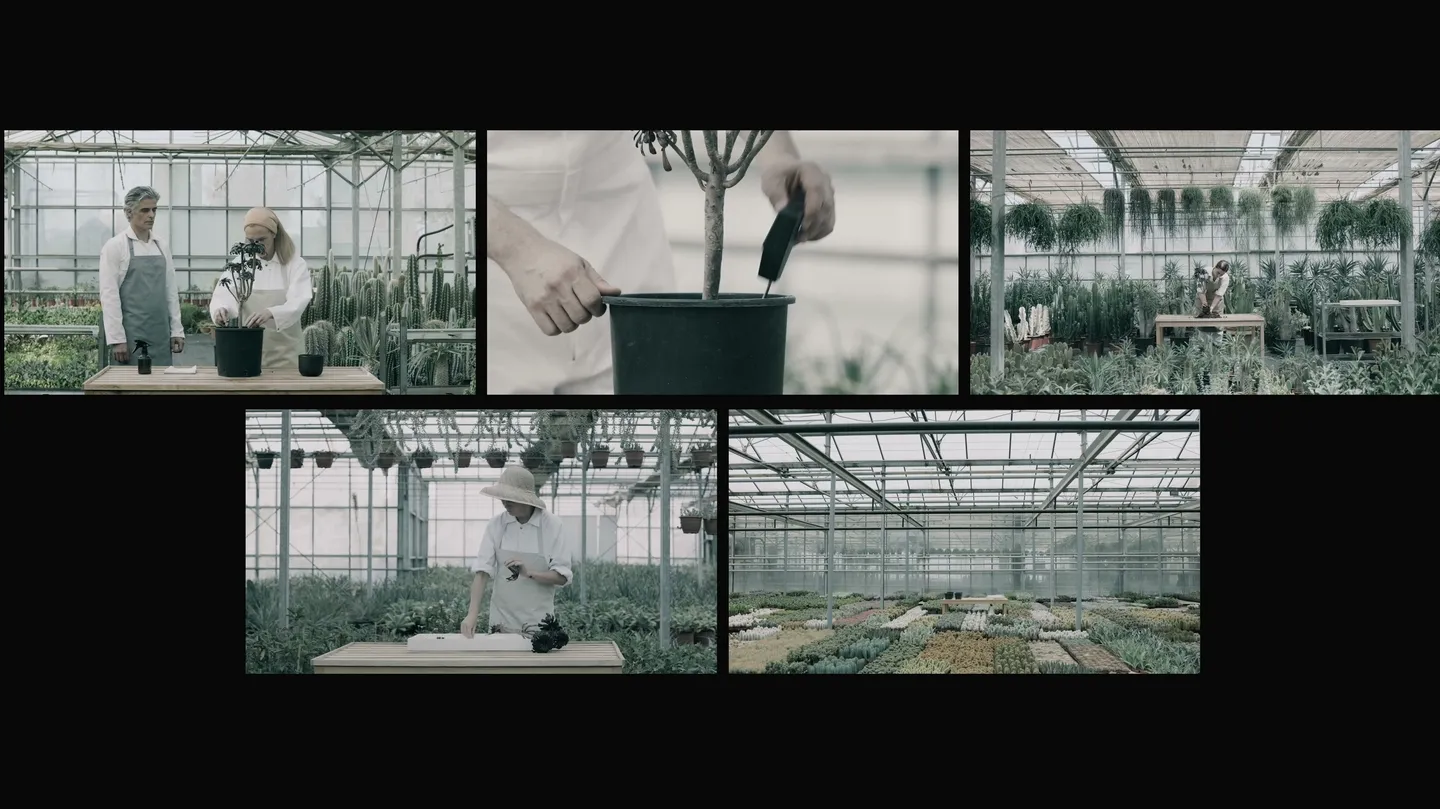
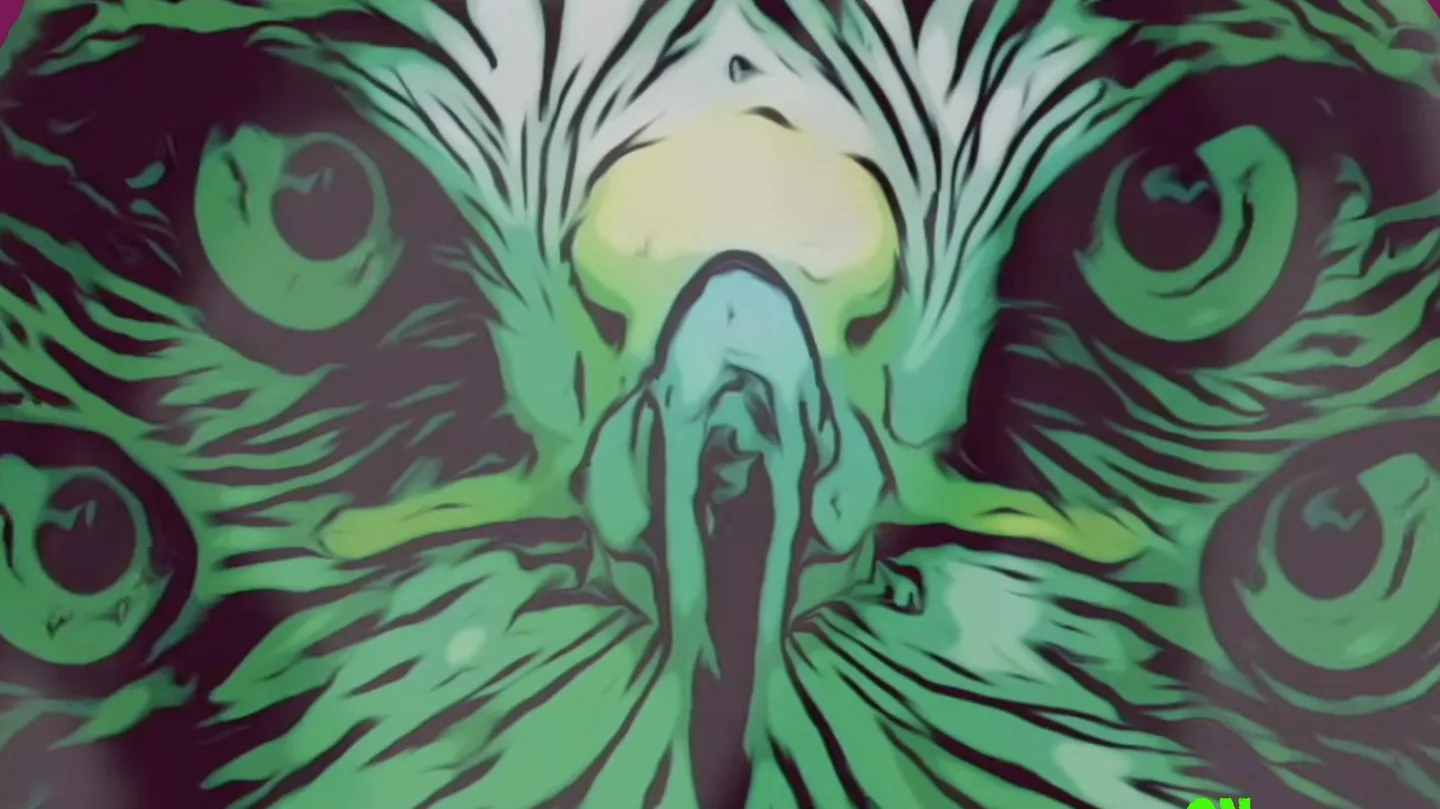
borderless, signature // emergence is a moving-image work created through an iterative process between the artist and generative AI. It begins with a question: when a machine participates in the production of images, where does authorship remain? The emergence of generative AI is changing the meaning of “making” itself. This is not limited to image generation. Across AI art, text generation, music generation, moving-image generation, and practices such as “vibe coding,” creators can now work without directly constructing every element of a work or fully understanding every technical process operating underneath it. The role of the artist is therefore shifting. To make something no longer necessarily means to determine every detail in advance. It can also mean establishing conditions, observing generated results, selecting or rejecting them, allowing unexpected outcomes to influence the next decision, and continuously modifying the conditions of production. In this work, I do not use generative AI simply as a neutral tool for realizing an image that already exists in my mind. Instead, I treat the act of generation itself as a space of negotiation between human intention and machine interpretation. My prompts move between Japanese, English, and English words written phonetically in Japanese katakana. These linguistic shifts are part of the production process. They also expose a larger problem: the words and images I give to a generative system do not necessarily return with the same cultural, bodily, or historical meanings that I associate with them. This is not simply a problem of translation. Generative AI and digital technologies are not culturally neutral systems. The datasets, interfaces, technical languages, software environments, classification systems, and visual cultures on which contemporary AI systems depend have been produced through particular historical, economic, and cultural conditions. I create from Japan and from an Asian cultural and geographic context. Yet this position is not automatically understood or preserved by the generative system. When my ideas pass through AI, they can be translated into visual conventions that do not correspond to my own cultural experience. Contemporary computational technologies have also developed within infrastructures strongly shaped by Western modernity, English-language technical culture, global technology companies, and visual systems distributed through the internet. In this sense, technology itself can appear not as an invisible or universal medium, but as something that already carries cultural symbols, assumptions, and identities. When I enter an idea originating from my own linguistic or cultural context and receive an image that feels culturally displaced, something more complex than technical error has occurred. My identity has encountered another identity already embedded in the system. I do not attempt to eliminate this encounter from the work. A generated image may misunderstand, exaggerate, simplify, or culturally relocate what I intended. Normally, such an output could simply be deleted as a failure. In this project, however, I sometimes retain these moments precisely because they reveal something that I did not originally intend. An unexpected image can introduce a composition, gesture, spatial relationship, body, texture, or symbol that changes my understanding of the work. At that moment, the generated result is no longer only an output. It becomes a new condition for the next decision. The process can therefore be described as a feedback loop: I establish a condition. The AI generates an image. I encounter that result. The result changes my judgment. My next instruction changes. A new result appears. In this process, what has been generated begins to alter the person who is generating. This feedback structure is central to borderless, signature // emergence. The work therefore asks what it means to call something “my work” when I do not fully control or understand every process that contributes to its production. This question has become increasingly relevant in contemporary AI-based creative practice. In vibe coding, for example, a person can construct software through natural-language instructions without writing or understanding every line of code. Similarly, an artist can produce images, sound, text, or moving images without understanding the internal calculations of the model that produces them. But this lack of direct control does not eliminate artistic responsibility. Someone still chooses the system. Someone defines the initial conditions. Someone decides which results are accepted or rejected. Someone determines when the process stops. Someone decides what will finally be presented publicly as a work. For this reason, I understand authorship not as complete control over every element, but as a structure of decisions and responsibilities distributed throughout the creative process. The title borderless, signature // emergence refers to three interconnected ideas. “Borderless” describes the instability of boundaries between human and AI, author and tool, intention and accident, original and generated image, but also between languages, cultures, and national identities. However, “borderless” does not mean that differences disappear. The disappearance of a visible boundary does not create equality. Japanese and English can be entered into the same interface, but this does not mean that the cultural histories behind those languages become equivalent. A human and an AI can participate in the production of the same image, but this does not mean they occupy the same position or possess the same power. A borderless environment can still contain asymmetry. “Signature” therefore does not refer simply to the artist’s name, handwriting, or recognizable visual style. In this work, a signature is the trace of decisions left throughout the process. Which language did I use? Which prompt did I write? Which generated image did I keep? Which one did I reject? Which misunderstanding did I correct? Which misunderstanding did I deliberately preserve? What did I delegate to the machine? At what point did I stop generating? And which result did I finally accept responsibility for as my work? The accumulation of these decisions becomes a different kind of signature. The signature does not exist only inside the final image. It exists within the relations between human, machine, language, data, culture, and technological infrastructure. “Emergence” refers to the appearance of something that cannot be fully reduced either to my original intention or to the autonomous operation of the AI system. The work emerges from the relationship between them. But this emergence is not innocent or neutral. Every generated image carries traces of previous images, datasets, classifications, cultural assumptions, technological infrastructures, and my own selections. What appears to be new is therefore produced through a network of inherited conditions. Within the context of POWER ON/OFF, I understand power not as something permanently possessed by either the artist or the machine. Power moves through the production process. When I write a prompt, power appears to be located on the human side. When the generative system produces an unexpected image that changes my next decision, the system begins to exercise another kind of agency. When I reject that result, edit it, regenerate it, or stop the process, control shifts again. But the distribution of power extends beyond the simple relationship between “me” and “AI.” Behind the interface are datasets I cannot fully see, software architectures I did not design, classifications I did not define, engineers I do not know, corporations that maintain the infrastructure, and cultural norms embedded in the material on which the model was trained. These invisible conditions also participate in determining what can appear. They influence what is recognized as normal, beautiful, realistic, foreign, desirable, strange, or even imaginable. Power, therefore, is not simply switched ON or OFF. It is distributed. It is delegated, hidden, recovered, interrupted, and sometimes already operating before the artist becomes aware of it. The work examines this unstable and unequal distribution of power. In the age of generative AI, asking only “Who made this?” may no longer be sufficient. We may also need to ask: Who established the conditions? What system interpreted those conditions? Which languages and cultures shaped that system? Who selected the result? Which result changed the next decision? What was delegated to the machine? What remained under human judgment? And who ultimately accepts responsibility for what is presented as the work? borderless, signature // emergence approaches authorship after generative AI not as a binary choice between human and machine, but as a changing structure of relations between people, algorithms, language, culture, nationality, technological infrastructure, and acts of judgment. Its “signature” is therefore not a fixed visual identity. It exists in the continuous process of deciding what to control, what to delegate, what to resist, what to preserve, what to transform, and what to finally accept as one’s own expression.