Billy the Kid Triptych Binary Interpretation / Podcast 30 min.
Contains AI-assisted elements
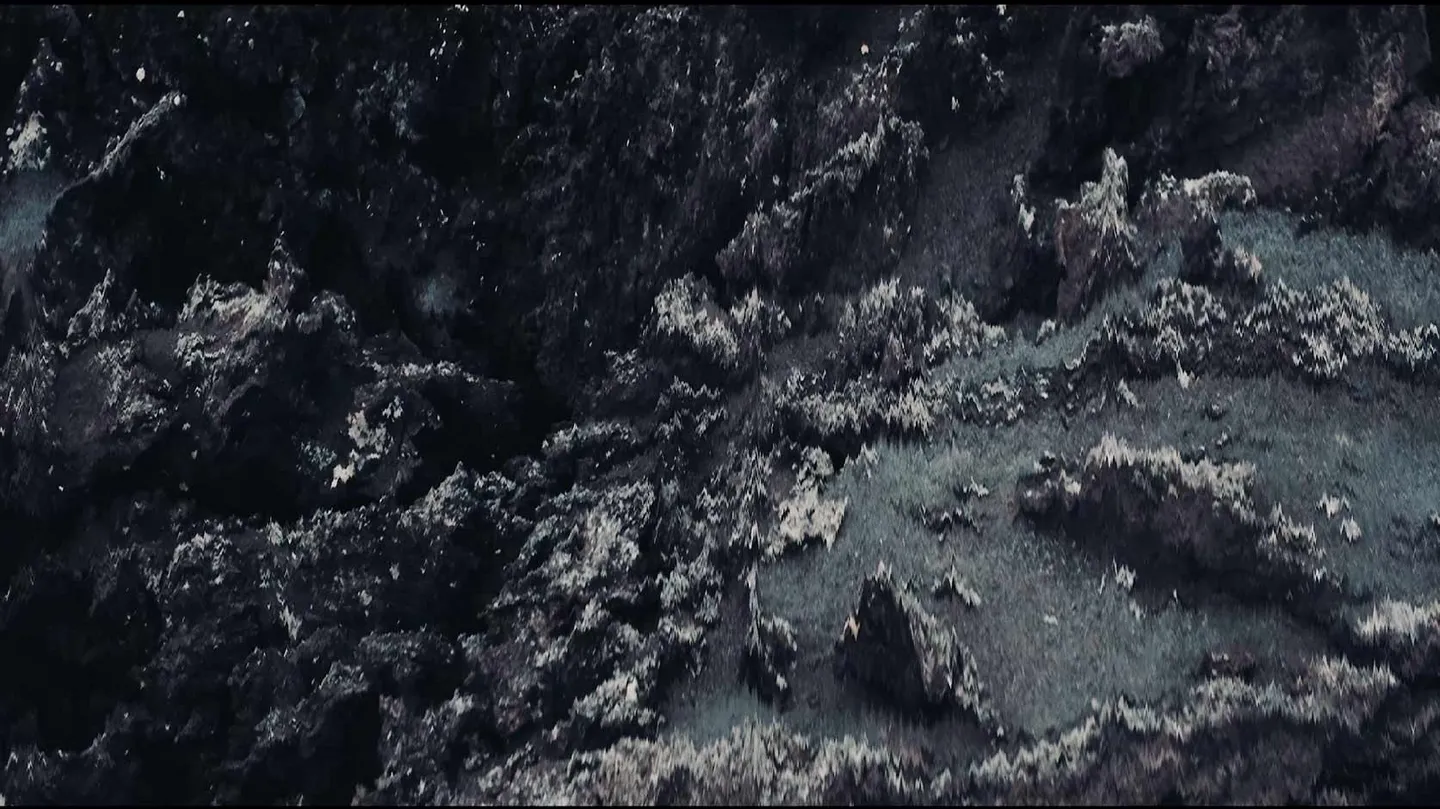
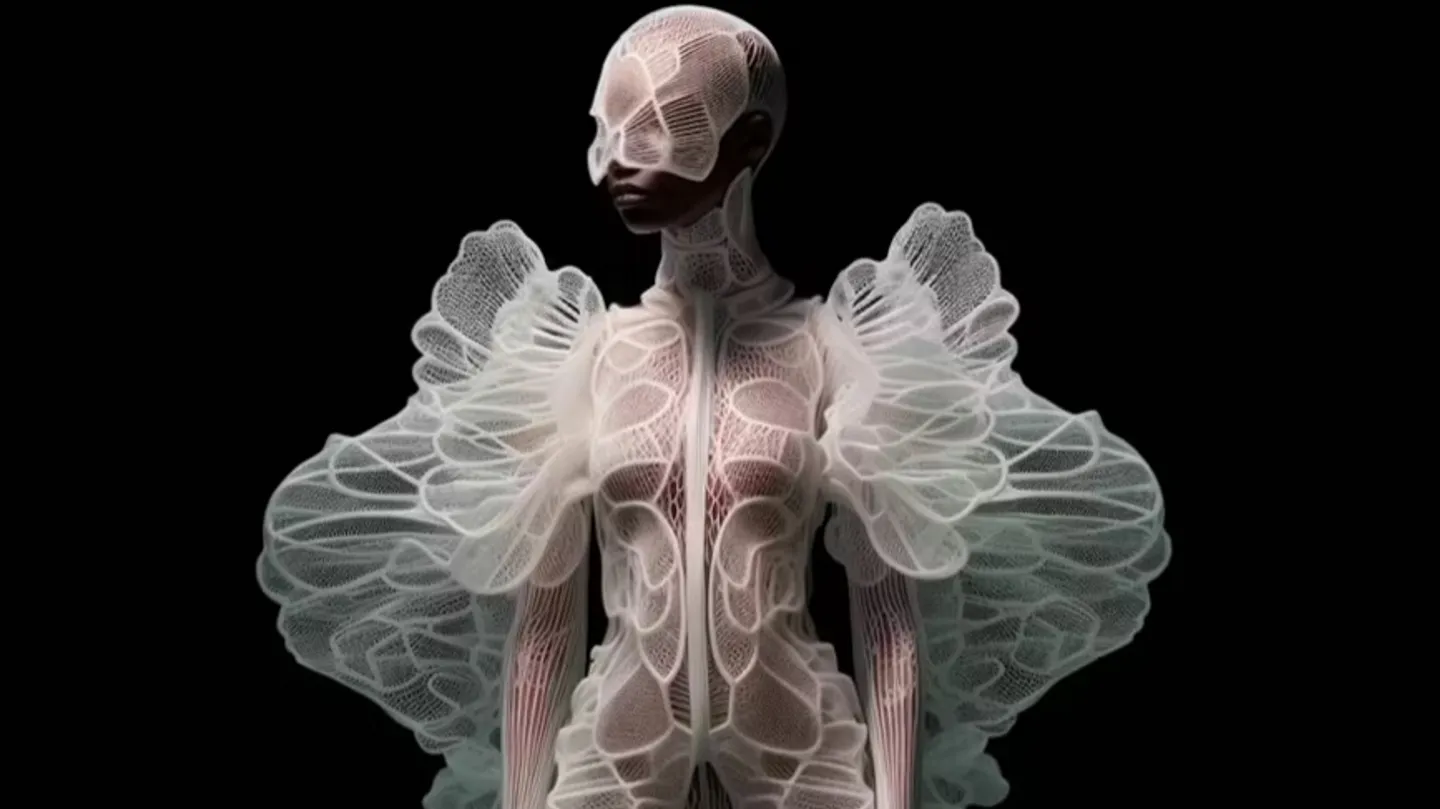
Binary Interpretation of Early Development Photography: Inspired by Early Development Photography, Kenji Kojima delves into the concept of interpreting images in binary terms—an idea deeply ingrained in our contemporary era of digital expression. The roots of photographic technology can be traced back to the Renaissance with the camera obscura. However, it was not until the 19th century that techniques like the daguerreotype, ambrotype, and tintype emerged, enabling the fixation of images and profoundly shaping visual culture. This project reinterprets early photographic techniques through the lens of digital technology. By employing processes such as particle decomposition, random reconstruction, and digital glitches, He challenges conventional notions of "truth" and "originality" in visual art. The video screen is divided into vertical sections, each presenting distinct modes of transformation. In one section, a cryptographic method known as the one-time pad encrypts the color data of the image by applying a bitwise XOR operation with random numbers, effectively separating the image into two parts: the code and the key required for its decryption. Other sections showcase gradual visual transitions where photographic images are broken down into color particles, randomly rearranged, and recomposed into a unified field of visual noise and order. Digital glitches arise from the misalignment of binary overlays—layers of "0"s and "1"s—disrupting the smooth surface of the image. Simultaneously, sound is generated directly from the image's color data, creating an interplay between visual and auditory perception. Drawing inspiration from Georges Seurat's pointillism, the project juxtaposes organic and algorithmic processes. In the 21st century, all information exists within a binary framework. This work bridges the gap between 19th-century photographic practices and contemporary digital technologies, inviting reflection on themes of visual memory, authorship, and the evolving nature of artistic creation in the age of AI and algorithms. Digital art stands out for its limitless reproducibility, a feature that sets it apart from traditional art forms. This video, for instance, can be freely shared and disseminated, highlighting the potential of digital art in a world where physical artworks can be endlessly duplicated. In such a scenario, the market-driven monetary value of physical artworks may diminish. By eliminating these constraints, digital art offers fresh possibilities, redirecting the focus from ownership and capital to the experiential and conceptual aspects of art itself. The motivation for this project came from the old photograph of Billy the Kid. There's a film, "The Left Handed Gun" (1958), directed by Arthur Penn and starring Paul Newman. It depicts the life of Billy the Kid. In a famous photo of Billy the Kid, he's holding a gun in his left hip, which led to the widespread belief that he was left-handed. However, this theory was later revised to say that he was right-handed. The theory goes that the photographer turned the glass negative upside down, reversing the image. But the photo that remains isn't a glass negative; it's an early photographic technique called a tintype. Tintype involves applying a photosensitive material to a thin steel plate (not a tin plate). Unlike regular photography, a positive type is created directly, similar to a Polaroid. Only one photograph is produced, and the left and right sides are reversed. Traveling photographers rather than studio photographers often took tintypes. They were very popular in the pioneer days of America because they were inexpensive and easy to mail. When viewed in the context of modern media art, they can be considered precursors to today's social media and image-sharing.