Beras
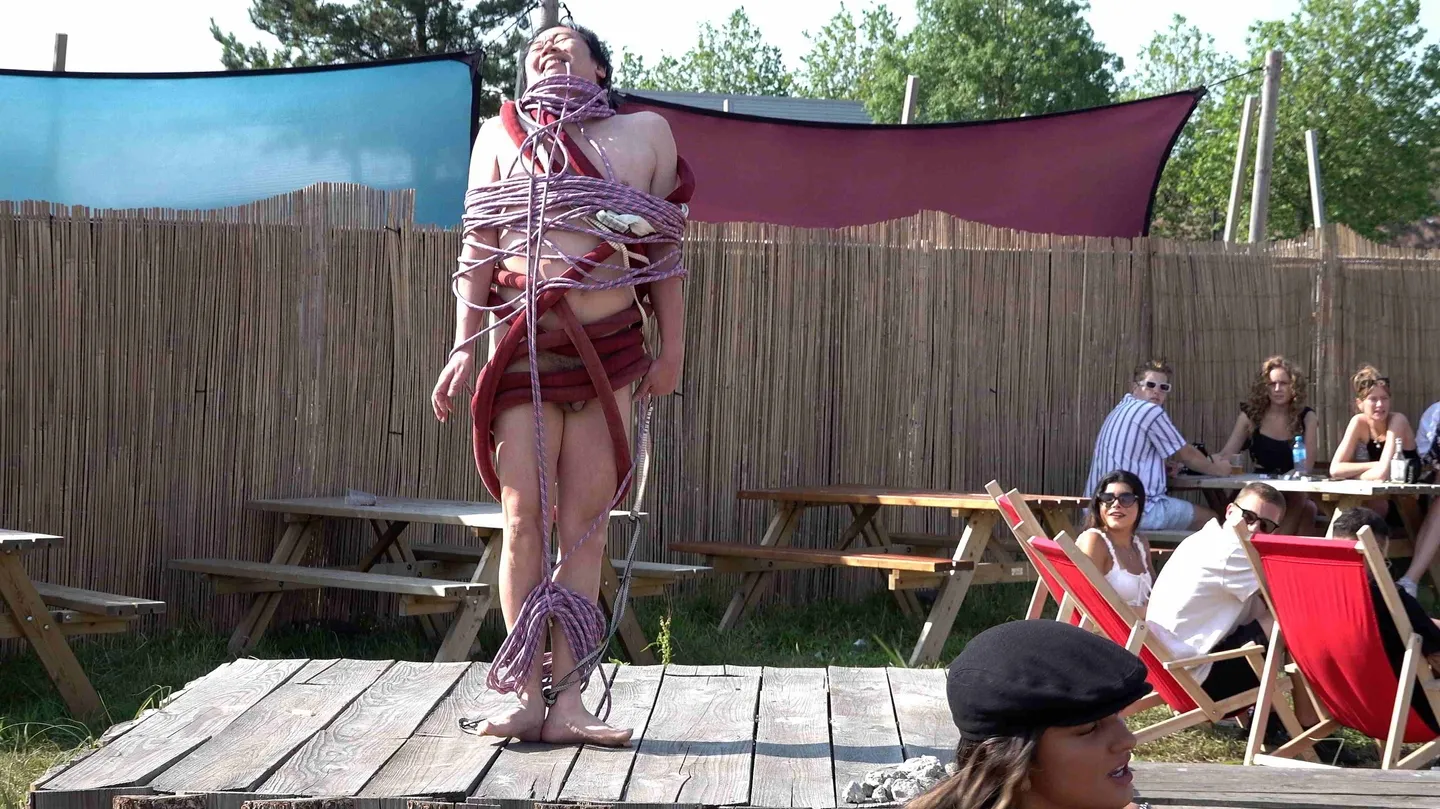
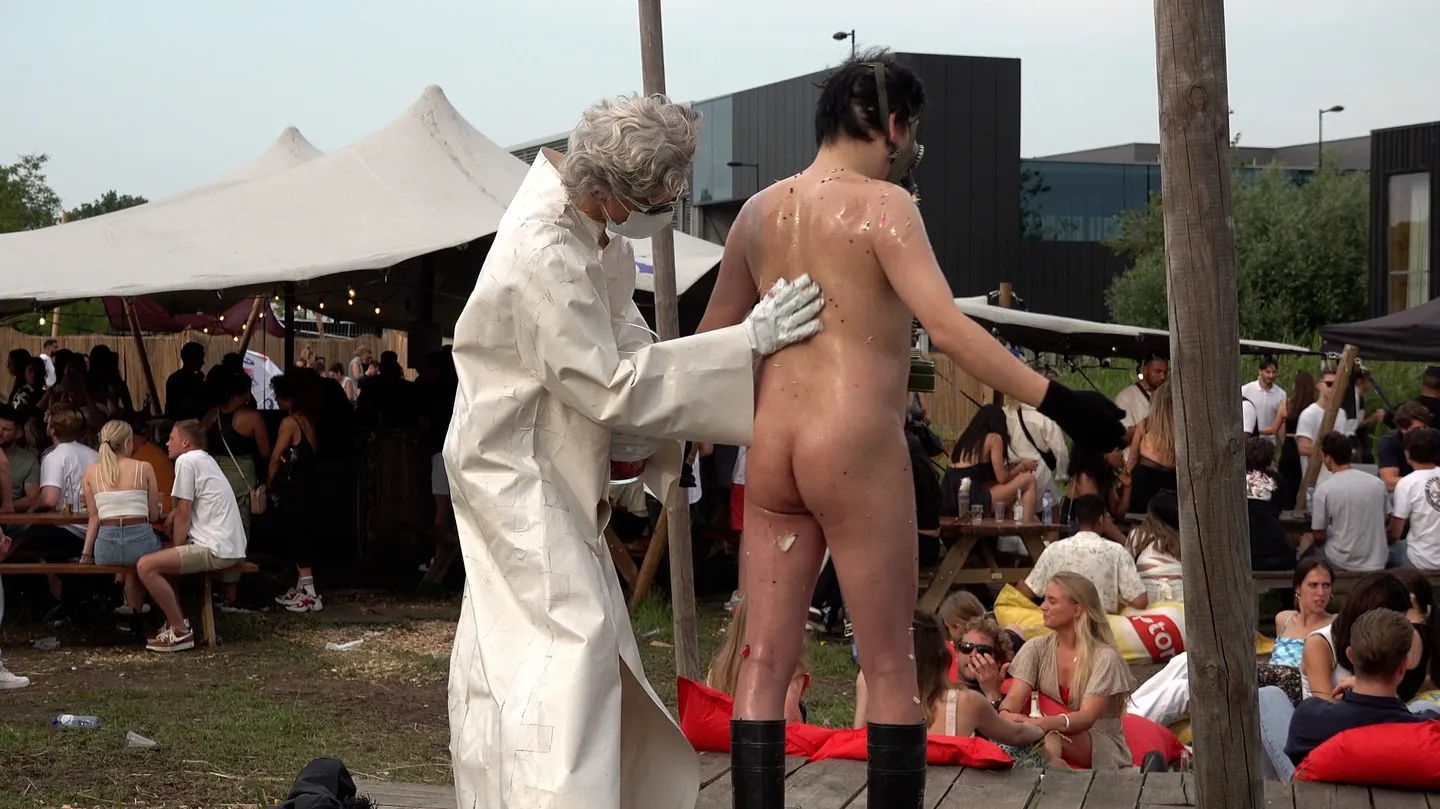
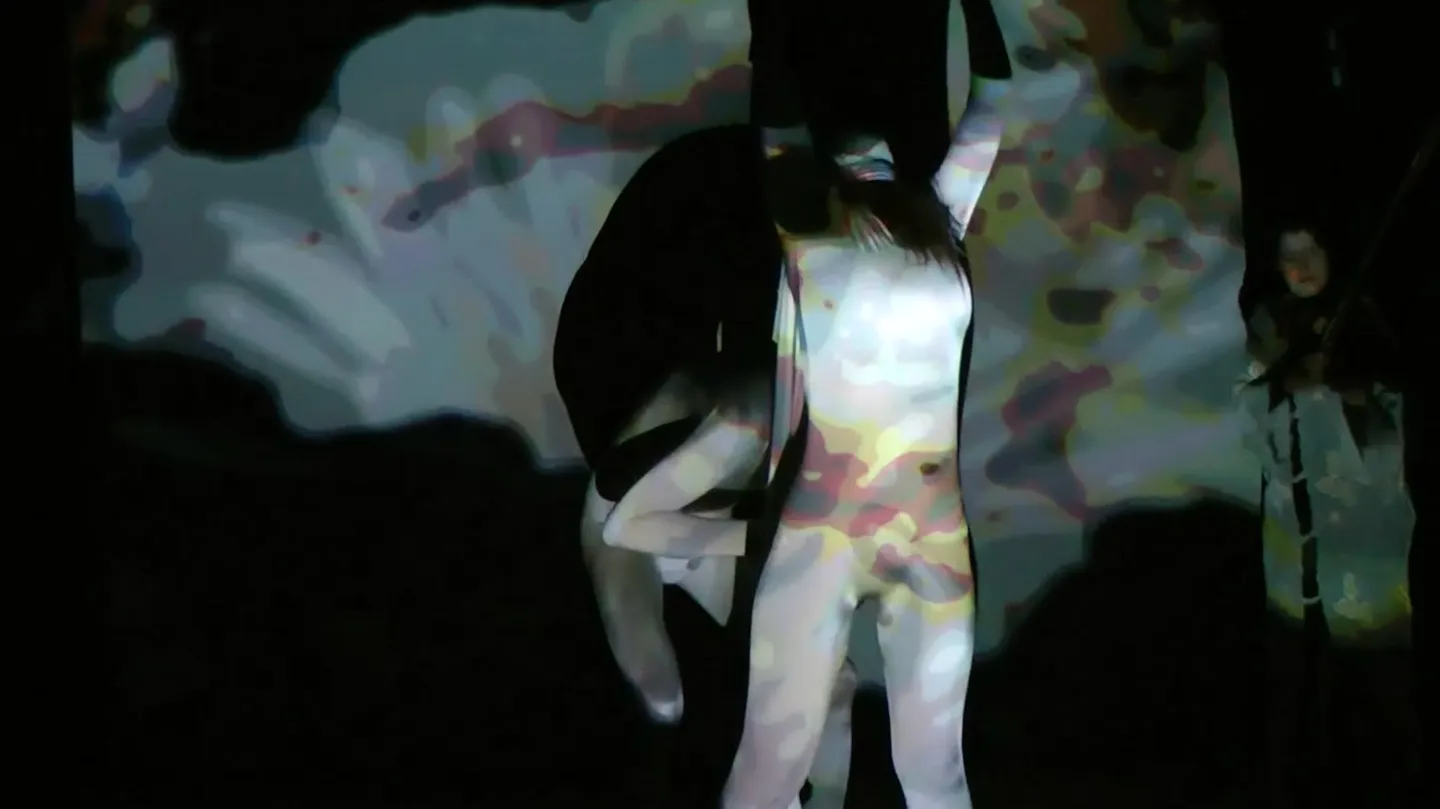
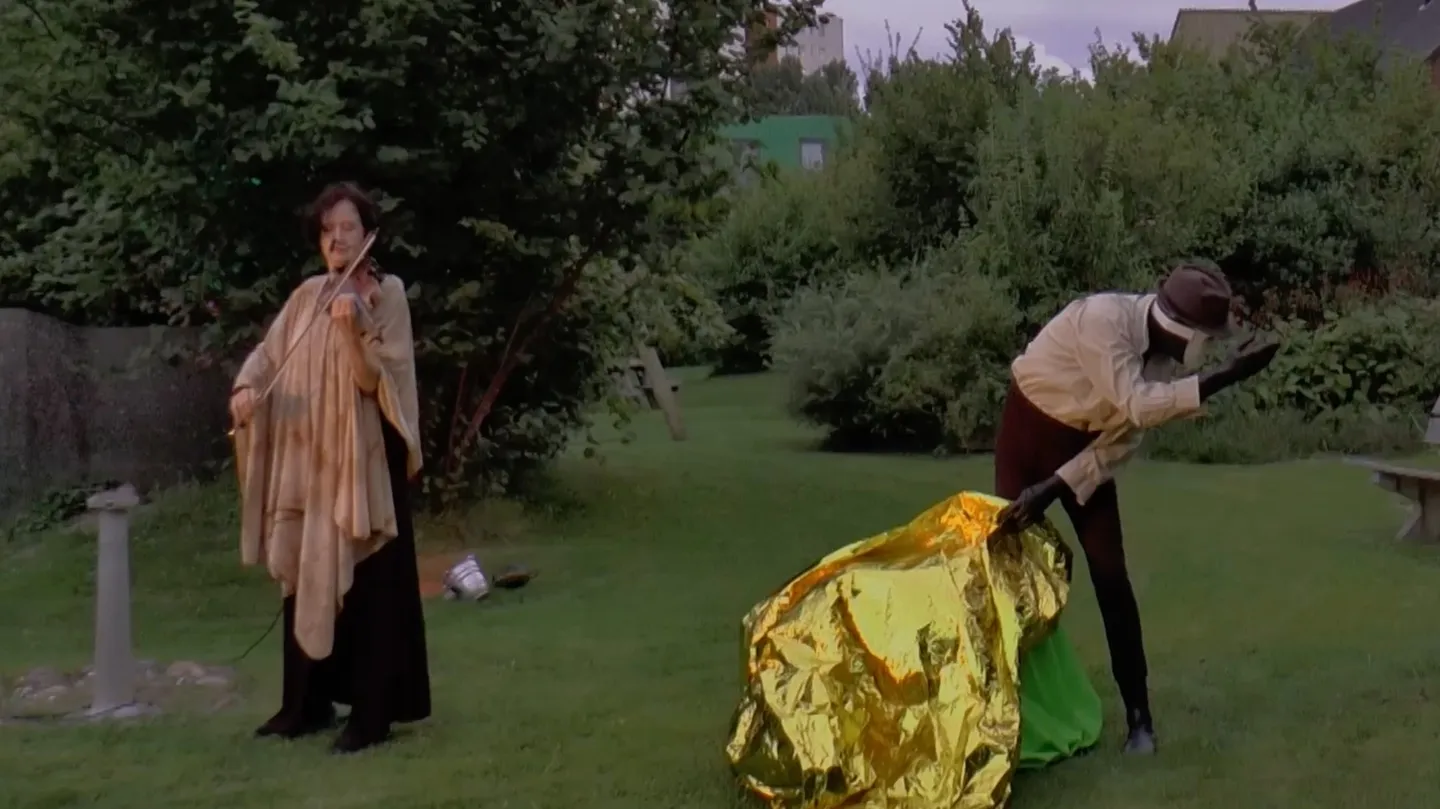
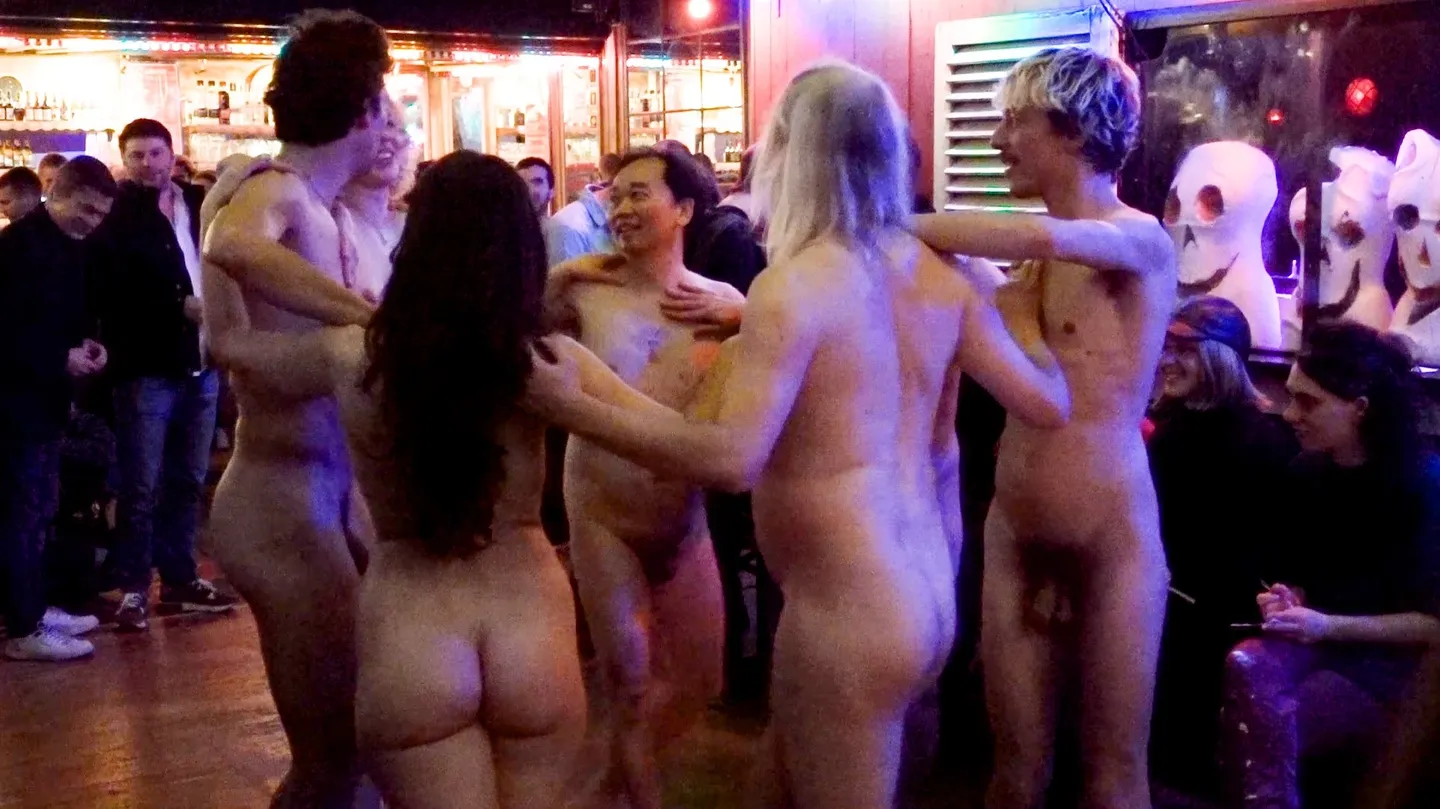
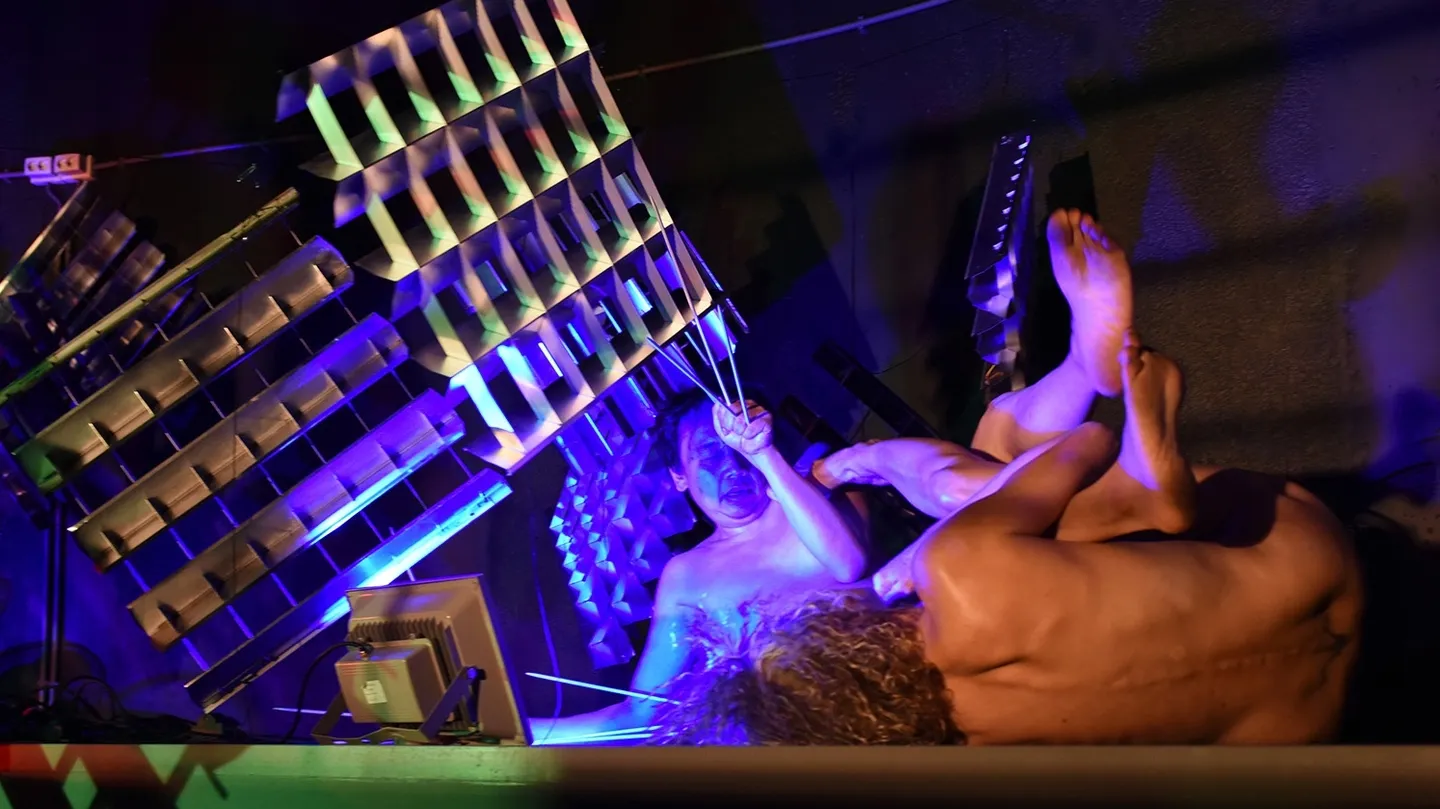
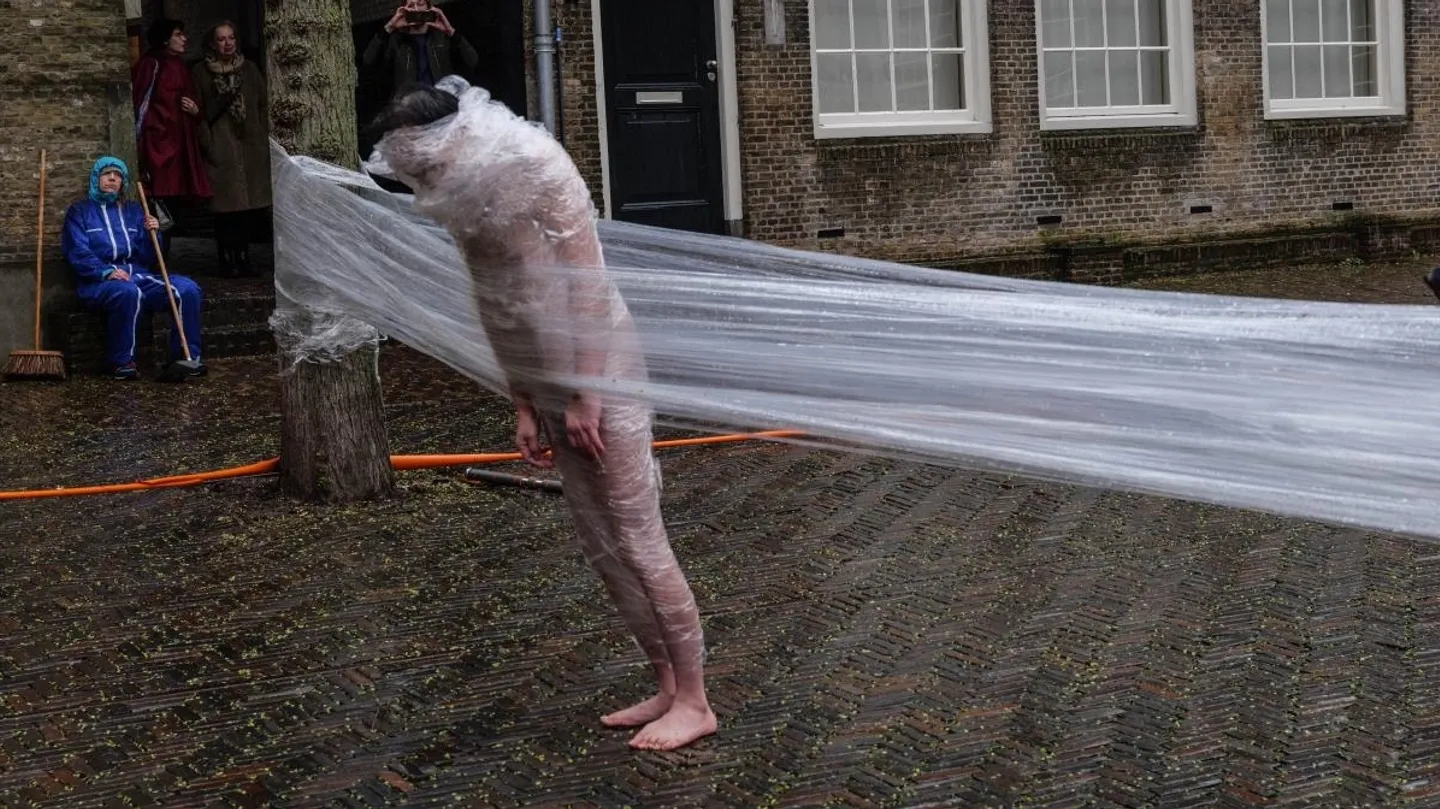
Unmasking Guilt: The Ritual Framework of Beras Philemon Mukarno’s Beras is not just a performance—it is a spiritual and ethical pilgrimage. Through the language of nakedness, he invites us to witness the stripping away of all that separates the individual from the world’s fragility and guilt. The naked body, in Mukarno’s world, stands not for spectacle but for the rawest honesty imaginable. As he disrobes, he enters a territory where artist and audience become kindred seekers, searching for truth amidst the ruins of modern life. The performance unfolds as a ritual of deep confession. The world, Mukarno suggests, has become a “terrible mess”—toxic, irradiated, brimming with injustice and ecological decay. Rather than simply observing this tragedy, Mukarno compels himself—and by extension, us—to become the subject of investigation. He is at once detective and criminal, standing fully exposed and ready to admit his complicity. The Power of Nakedness: From Shame to Sacredness Nakedness in Beras is transformative. It is not a costume, not a provocation, but a deliberate invocation of vulnerability as strength. The stripping away of clothing becomes a symbolic purification, an act that aims to cast off not just textiles, but social masks, material ambitions, and even inherited burdens. Here, a new kind of body emerges: the “Shadowbody,” a being that embraces darkness, complexity, and the subconscious. For Mukarno, nakedness is the only medium honest enough to express the modern human predicament. It speaks directly to a tradition where the body is seen as a microcosm and conduit, echoing ancient Asian spiritual practices. The act of standing unclothed commands both discomfort and reverence, inviting us to engage not only with the artist’s body, but with the archetypal struggle it represents.