Are You Spying On Me?
Contains AI-assisted elements
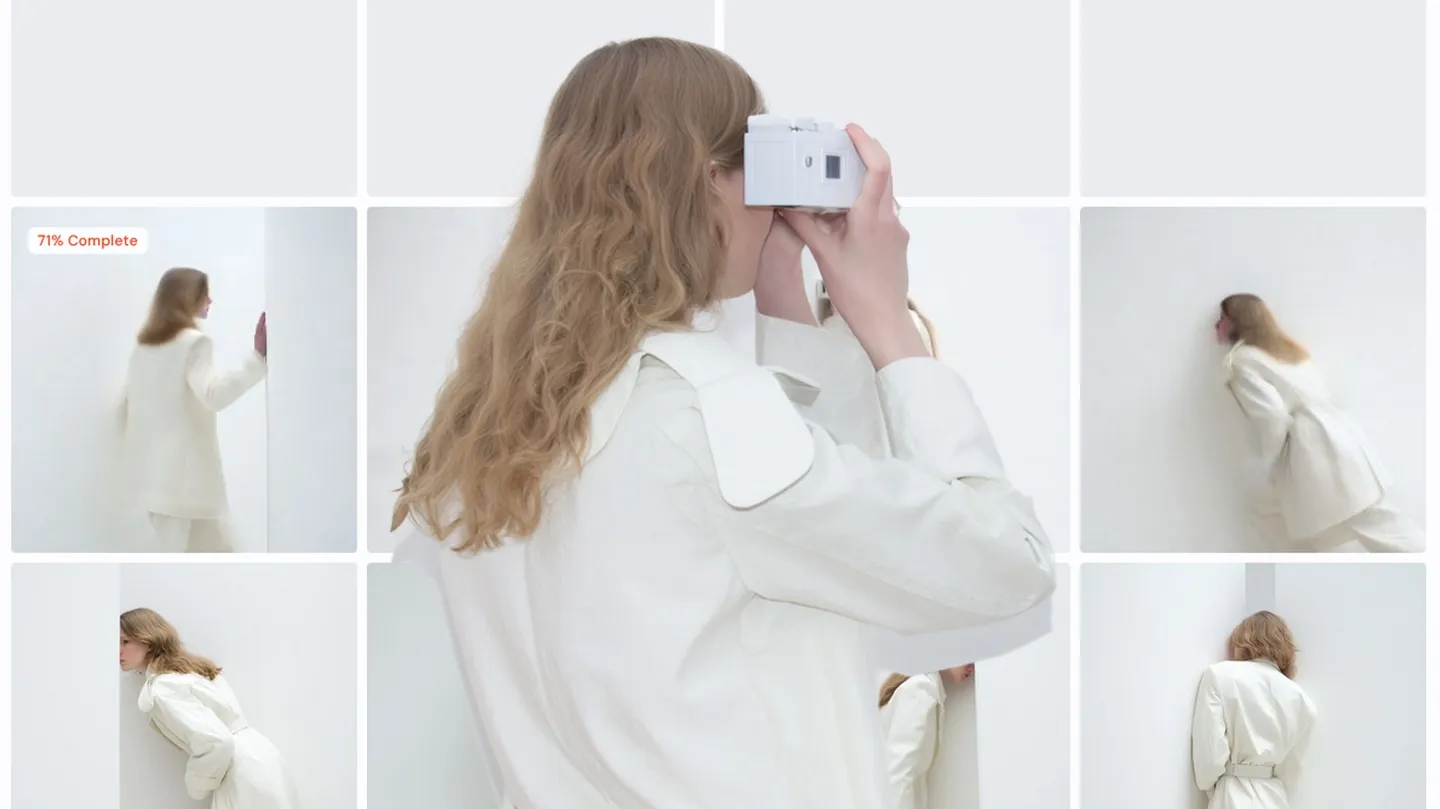
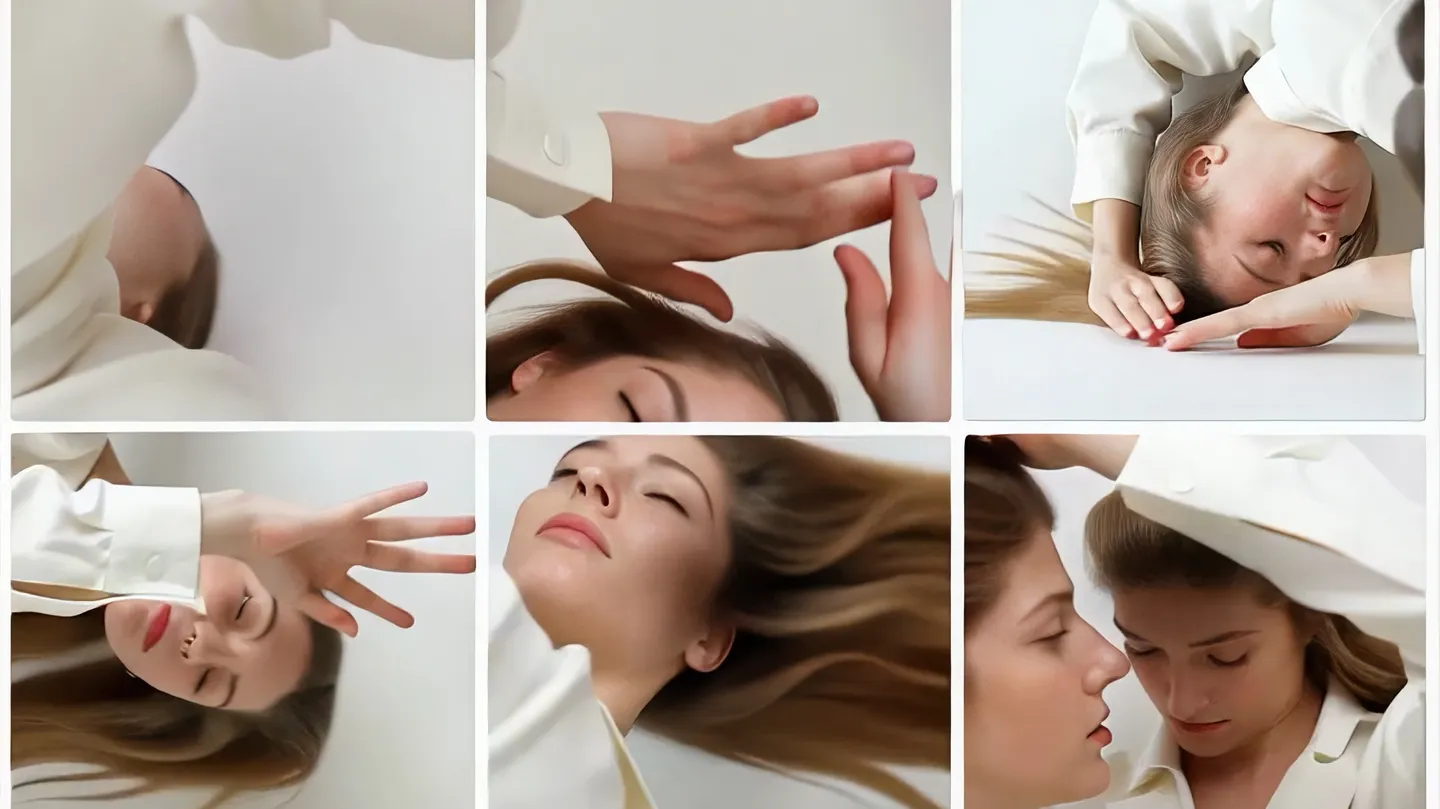
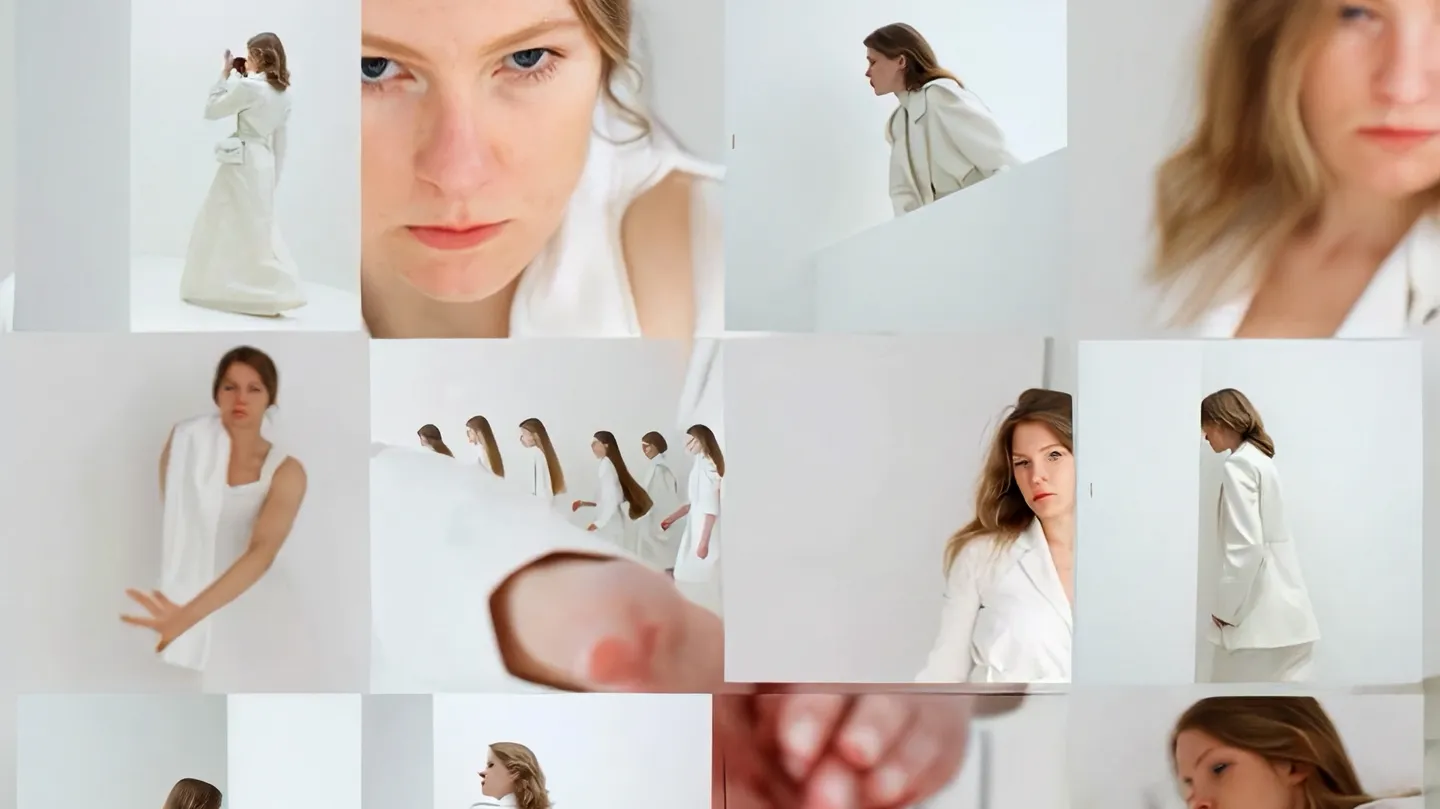
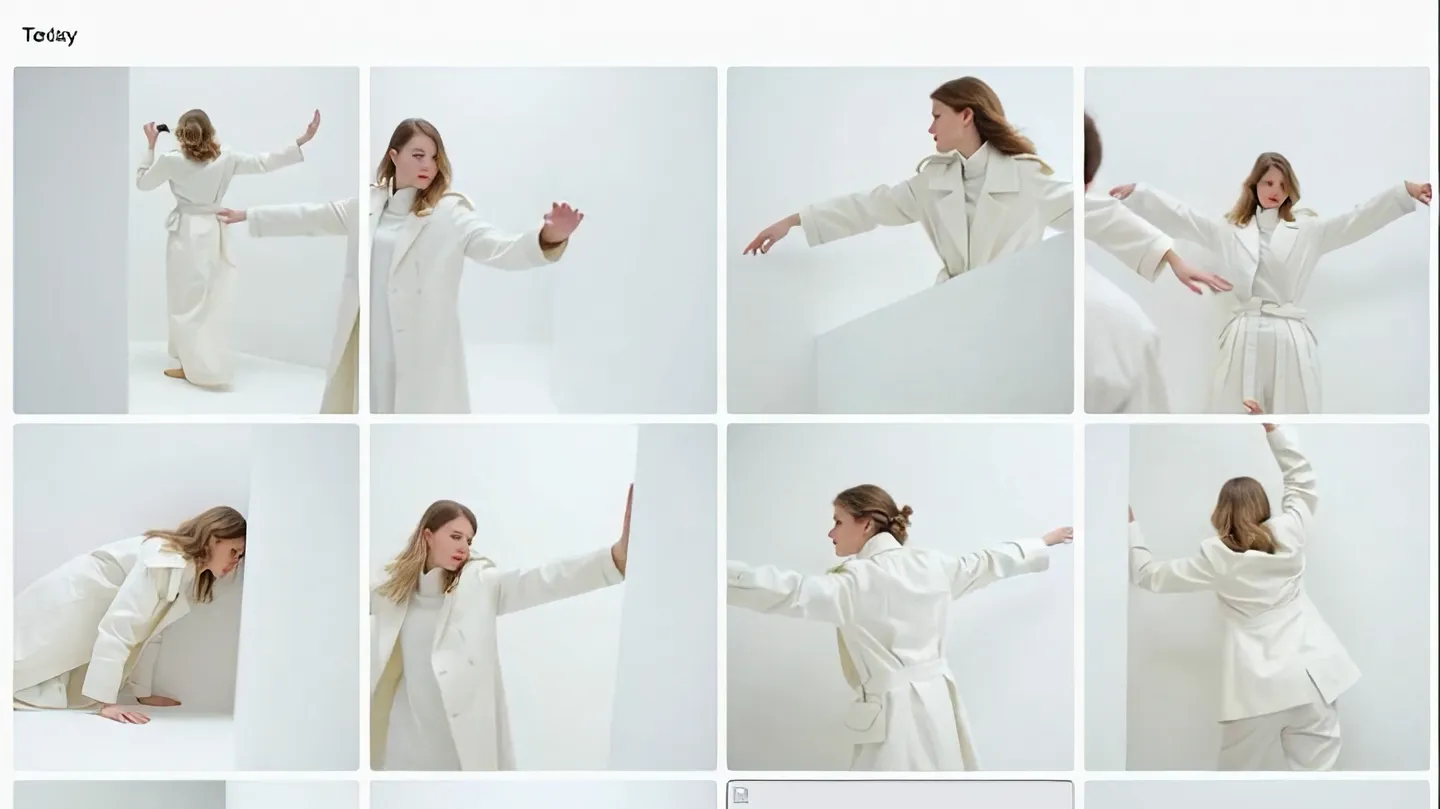
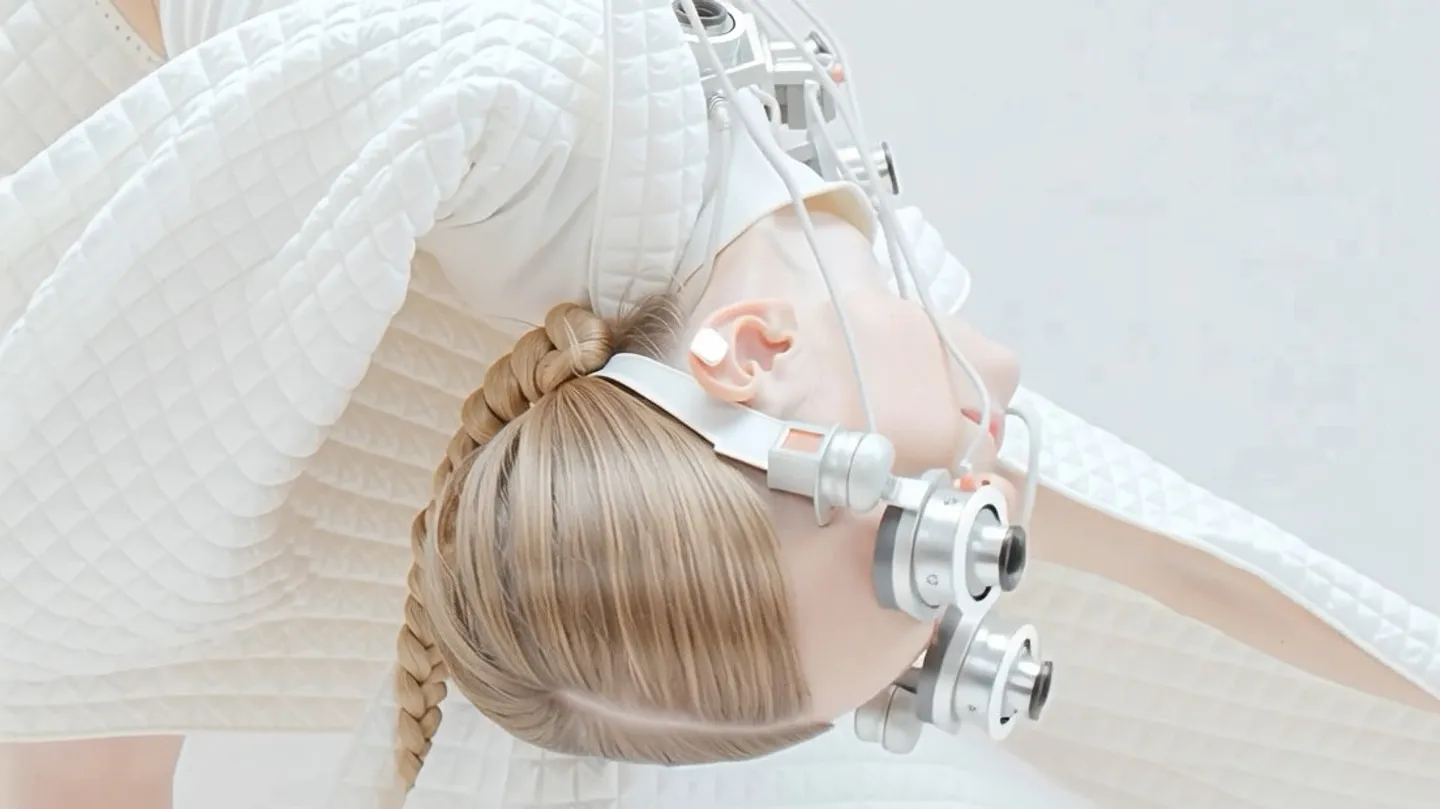
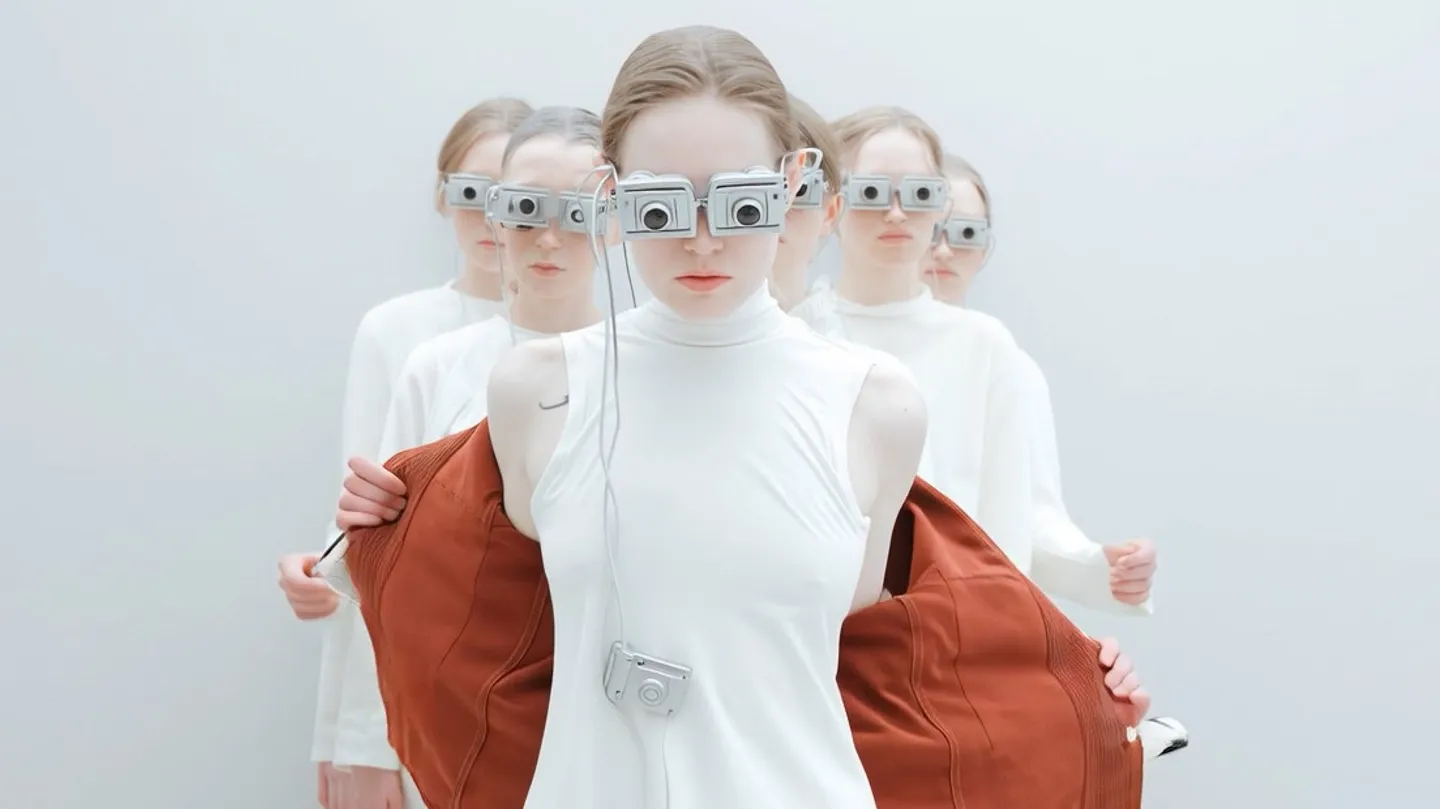
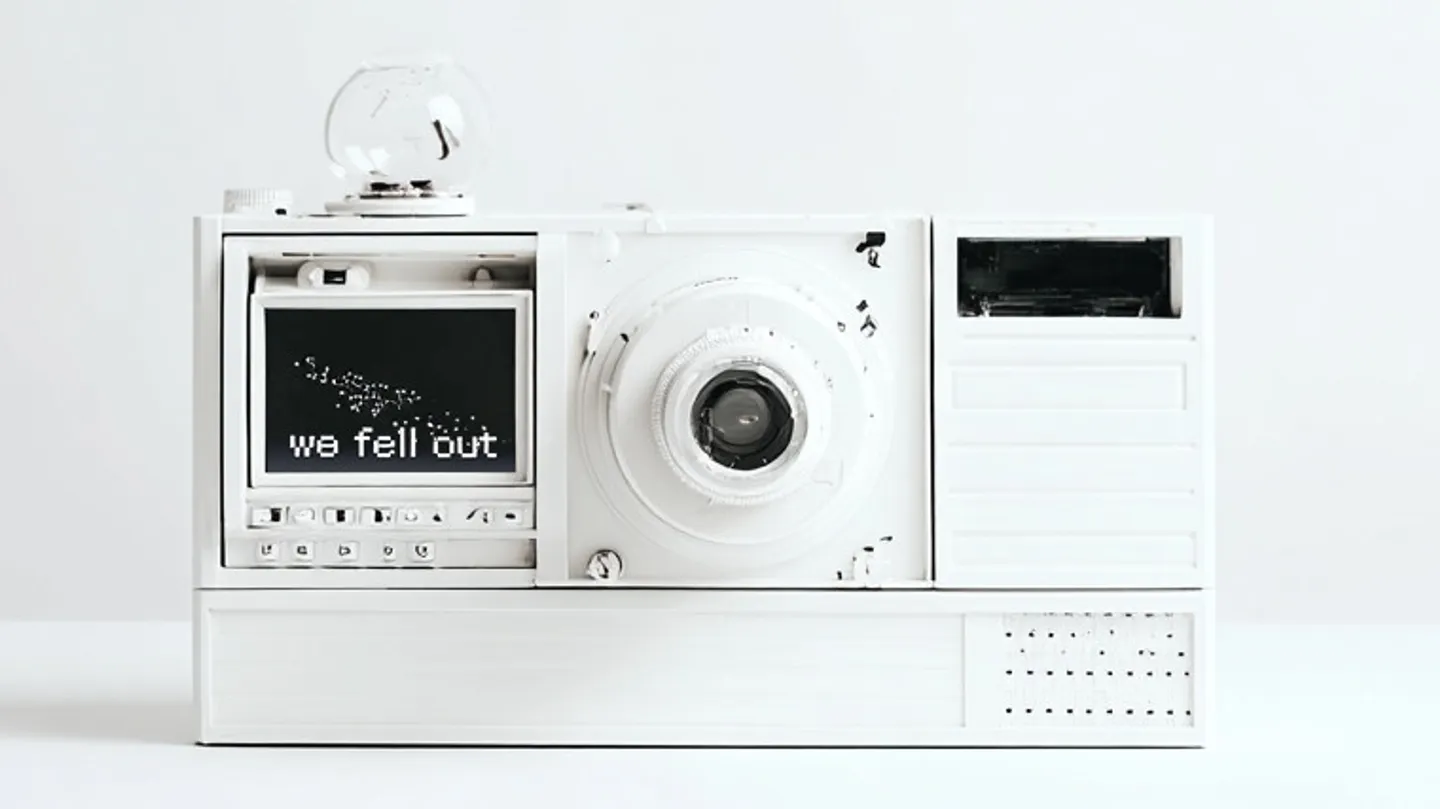
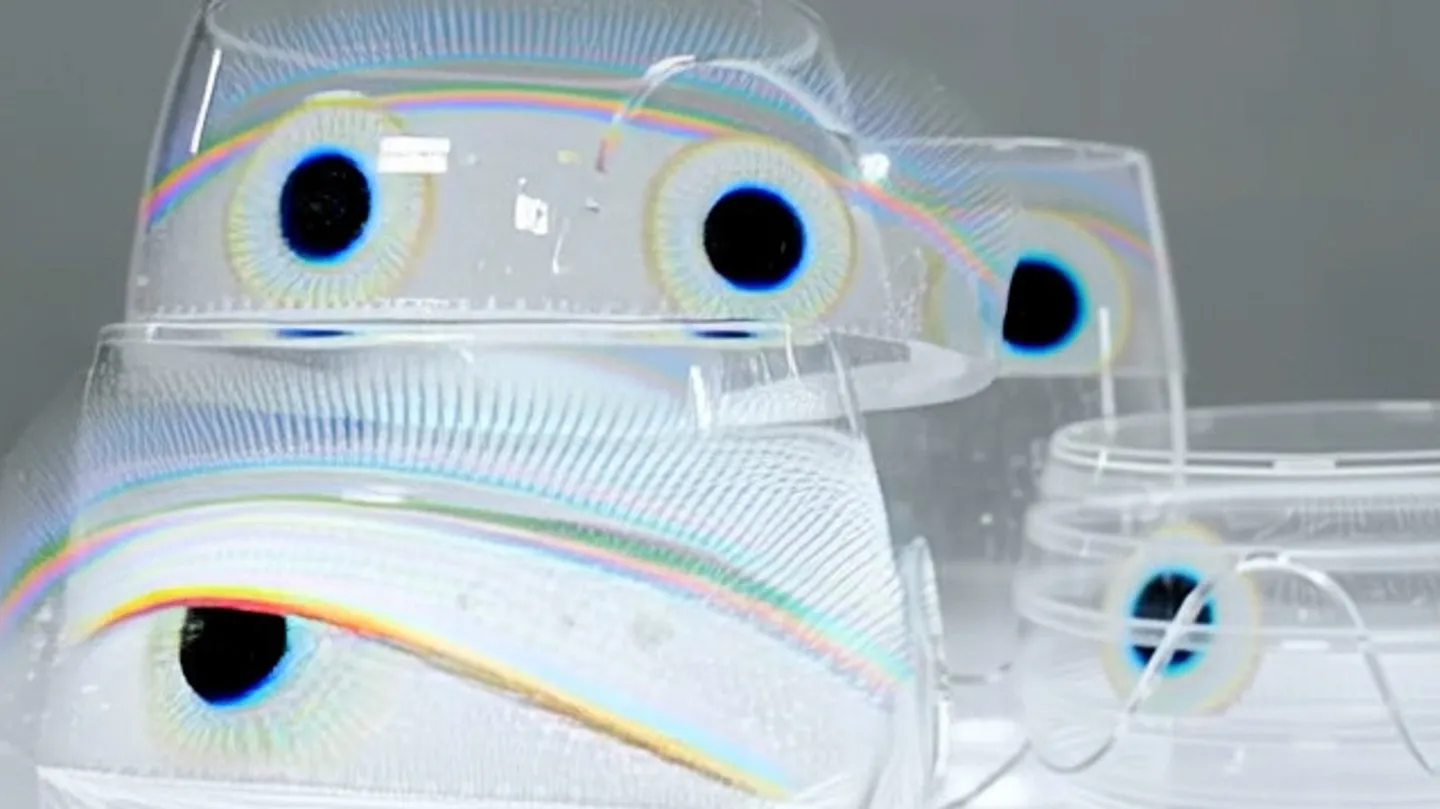
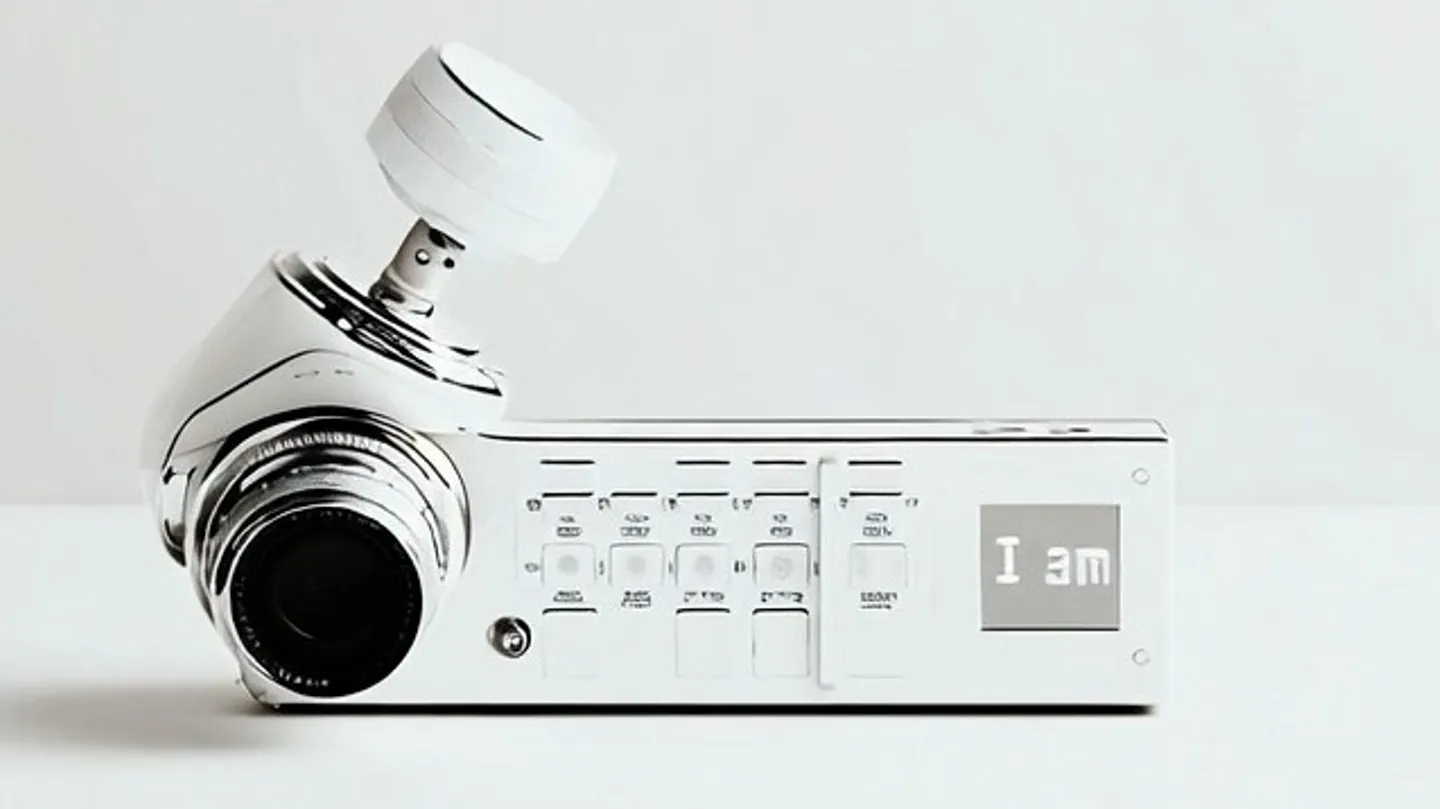
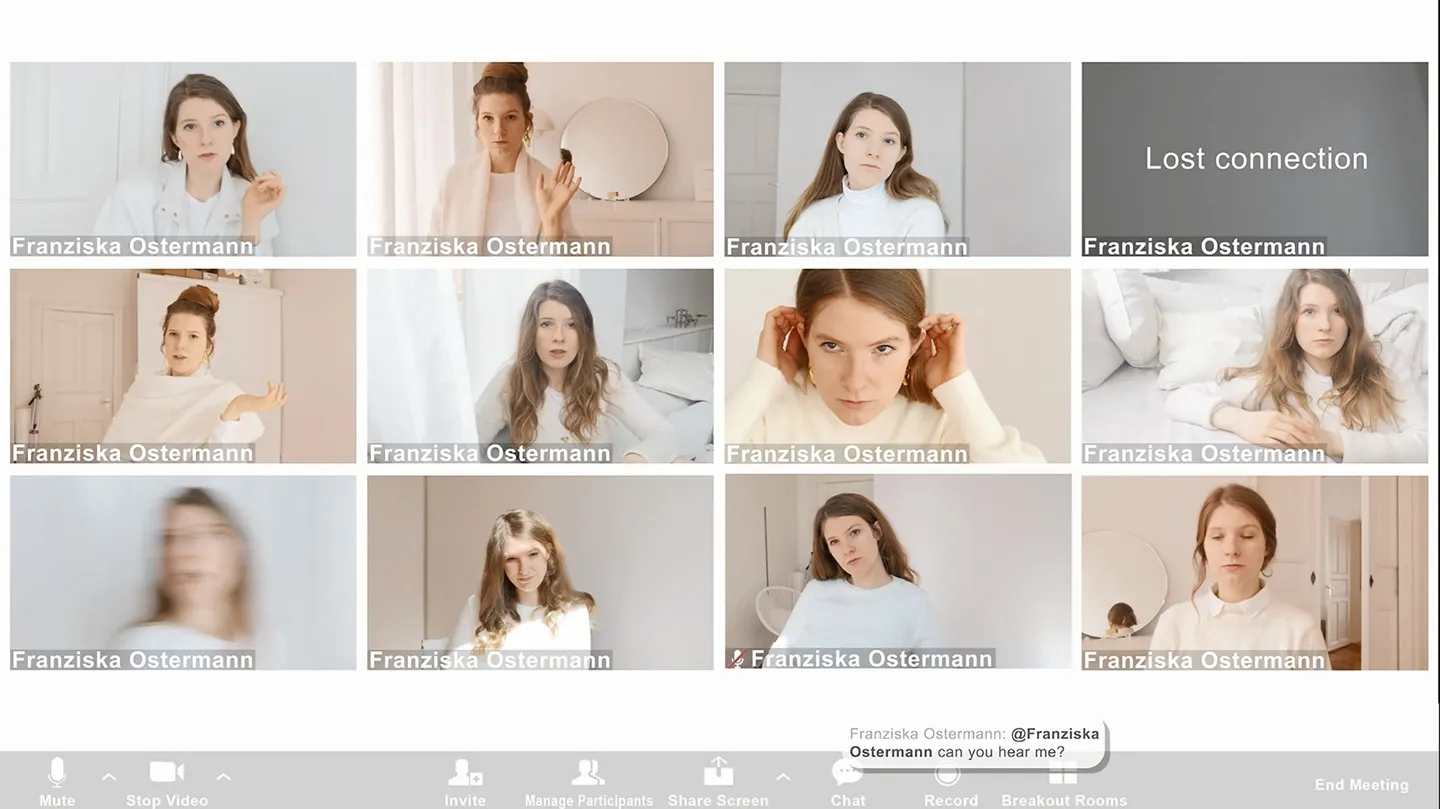
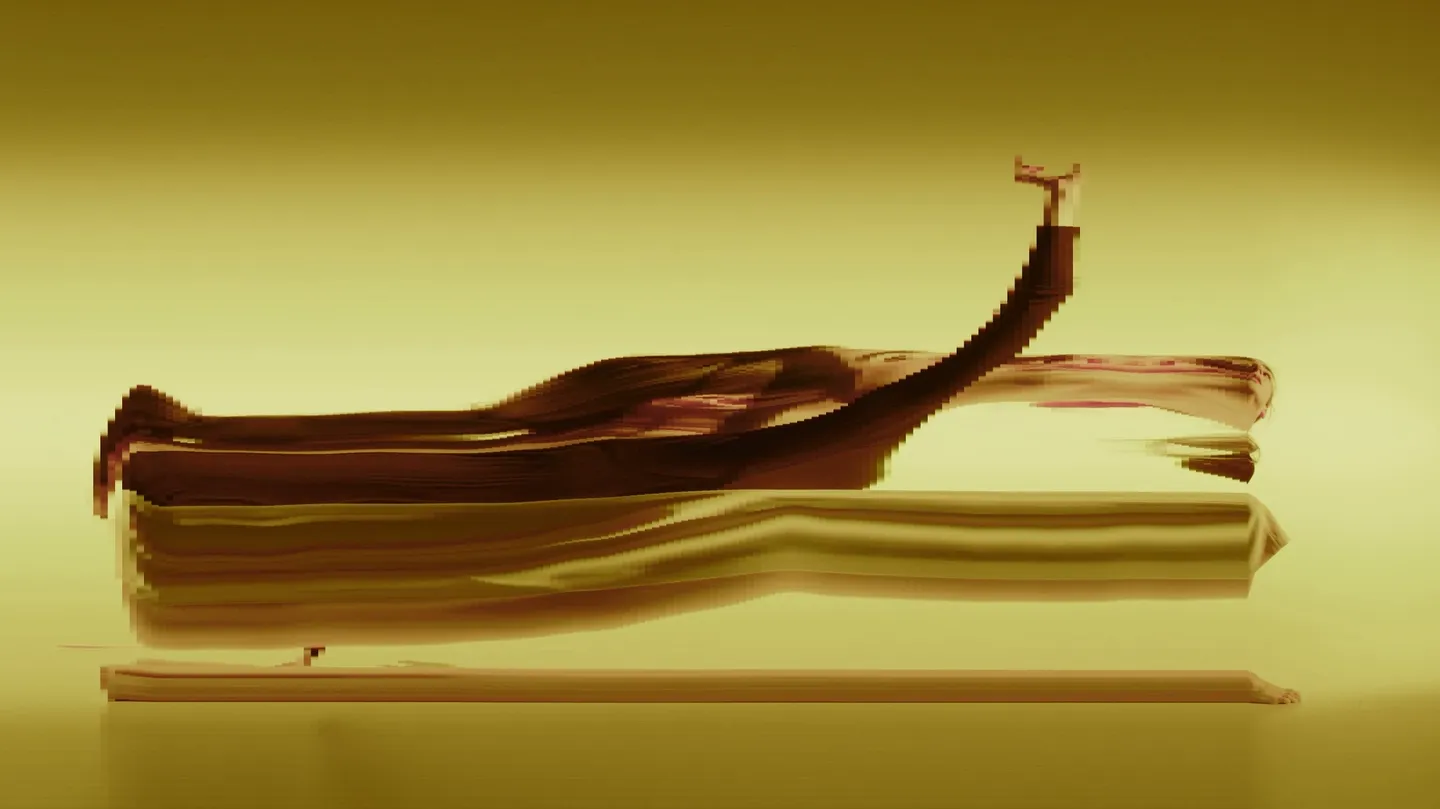
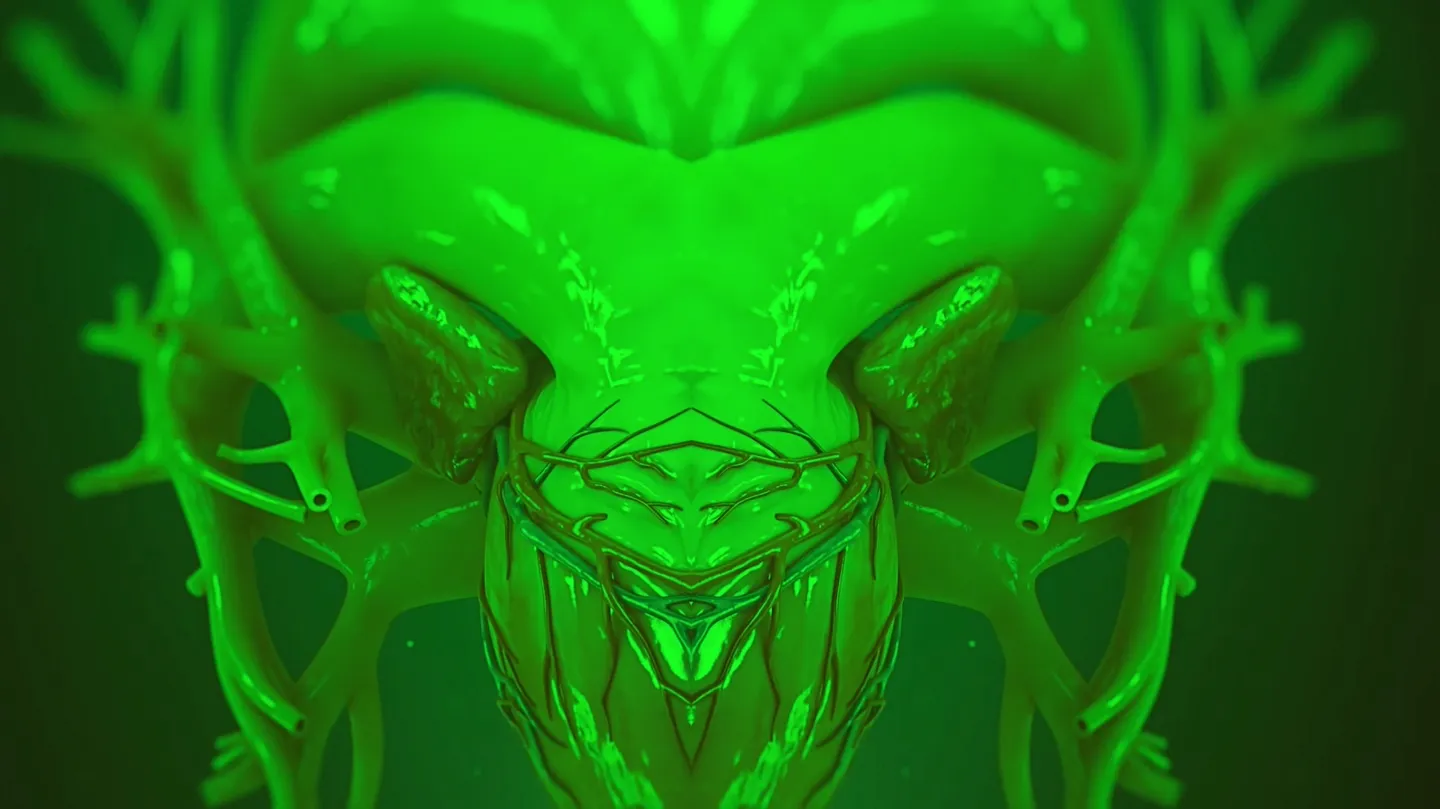
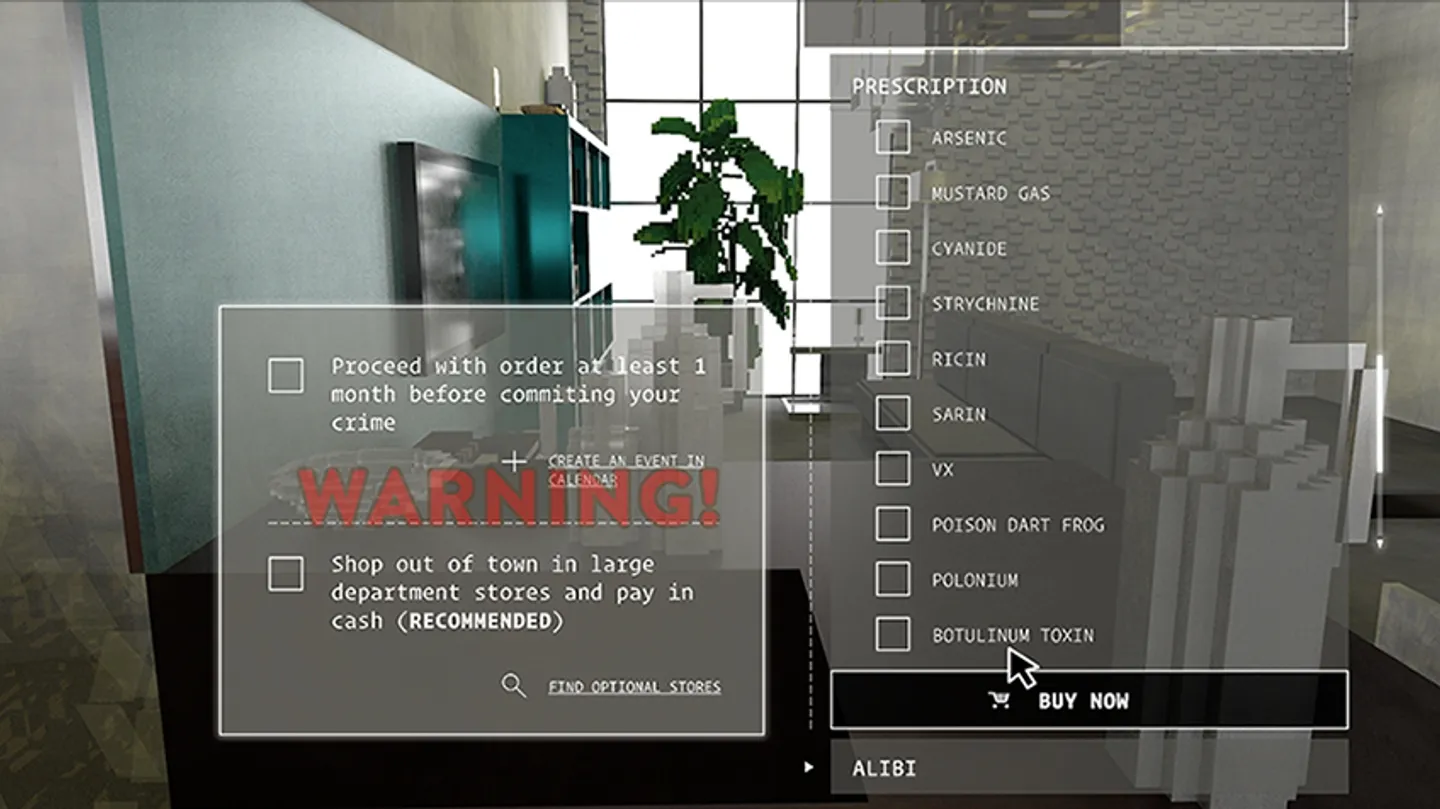
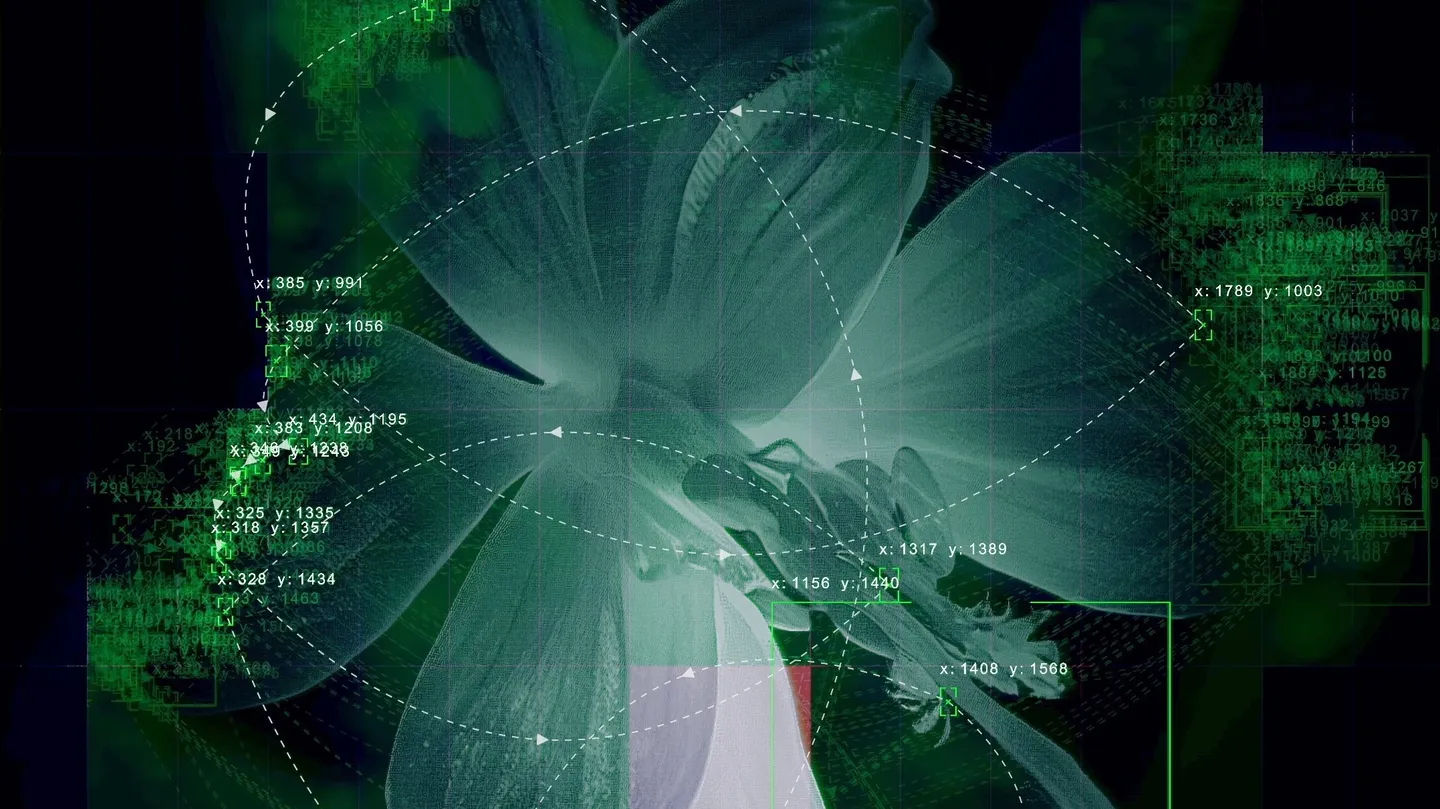
"Are You Spying On Me?" is part of the body of work"Can You See Me?" In "Can You See Me?”, Franziska Ostermann explores how AI systems interpret acts of seeing and being seen. While developing the work, she encountered prompts flagged for “misleading elements about spying” — an unexpected refusal of the system to visualize surveillance: a strange, misplaced censorship that aims to protect a legality where none is at stake, while real issues of AI surveillance go unaddressed. This interruption became part of the artwork: figures in her generated images remain frozen mid-movement, separated by digital frames, suspended between contact and isolation. Ostermann captured these moments through screenshots, preserving the algorithm’s hesitation as visual evidence and using them as the foundation for the work’s next iterations. Can one spy on oneself? Ostermann directs her own image material, letting figures search for one another—an act that mirrors the mechanics of photography itself: a controlled gesture of seeing, where authorship and exposure collapse into one. Using self-portrait photography as source material, Ostermann feeds her own image into AI systems to generate synthetic figures that both resemble and estrange her. The photographic gesture persists, though detached from camera and body alike. In this post-photographic process, looking itself becomes the subject: figures attempt to perceive one another without eyes, guided only by her textual instructions. The work expands beyond the visual: intertwined AI voices—blending real and cloned recordings—echo a language of sight, turning the gaze into sound. What emerges is not a dystopian tableau but an uncanny intimacy. Her characters, once trapped in frames, seem to conspire, forming quiet acts of solidarity. Between machine logic and human empathy, Ostermann cultivates a female post-gaze—a tender resistance within the circuitry of vision.