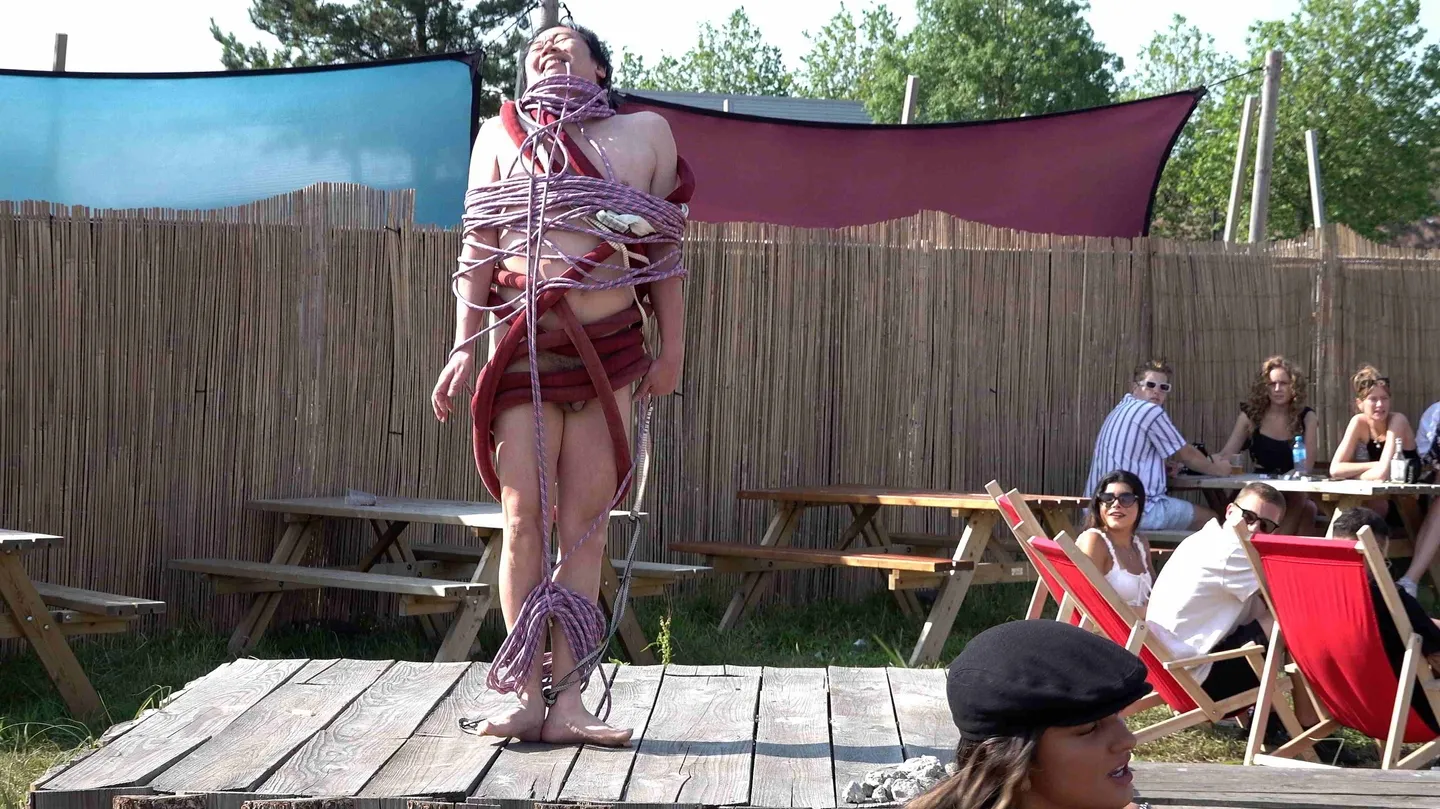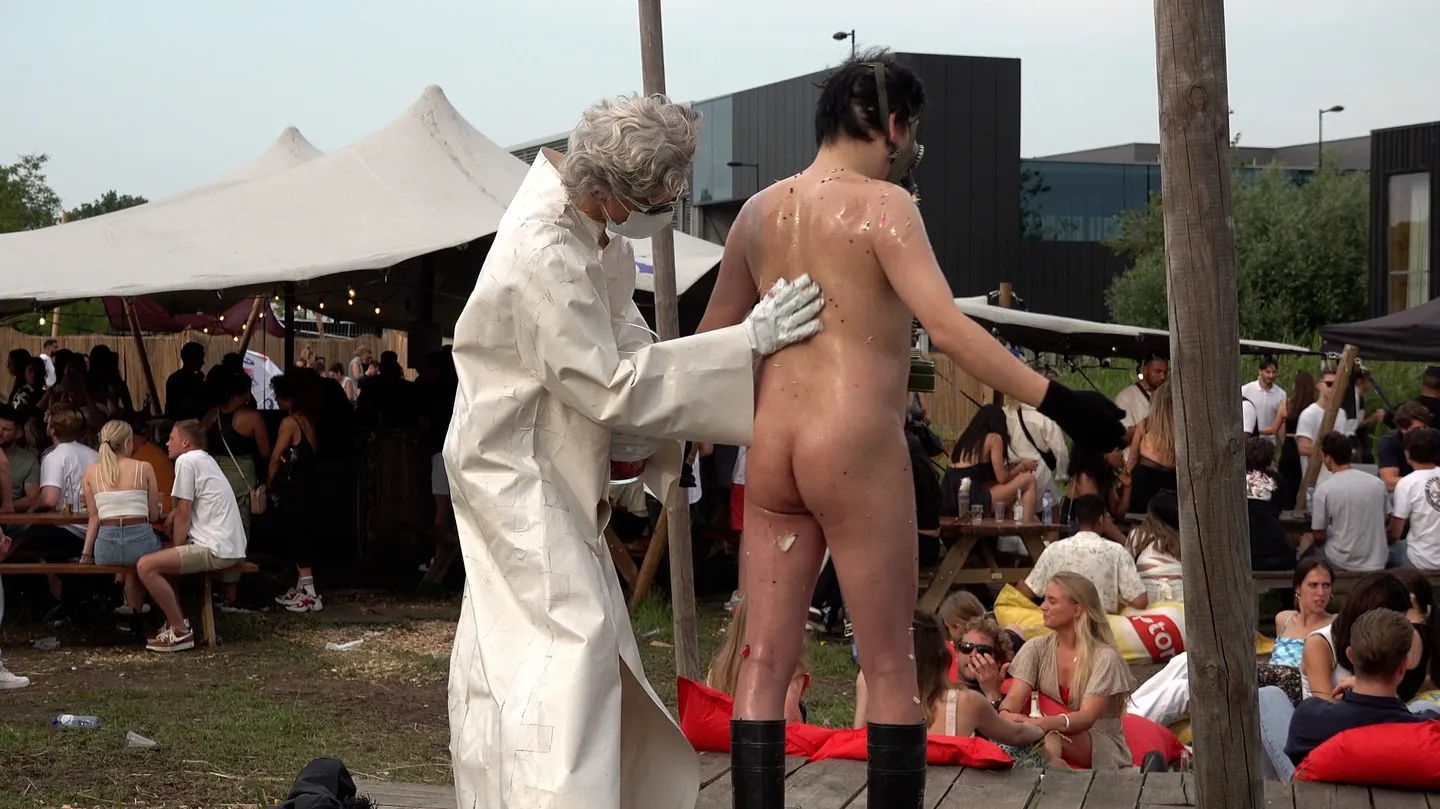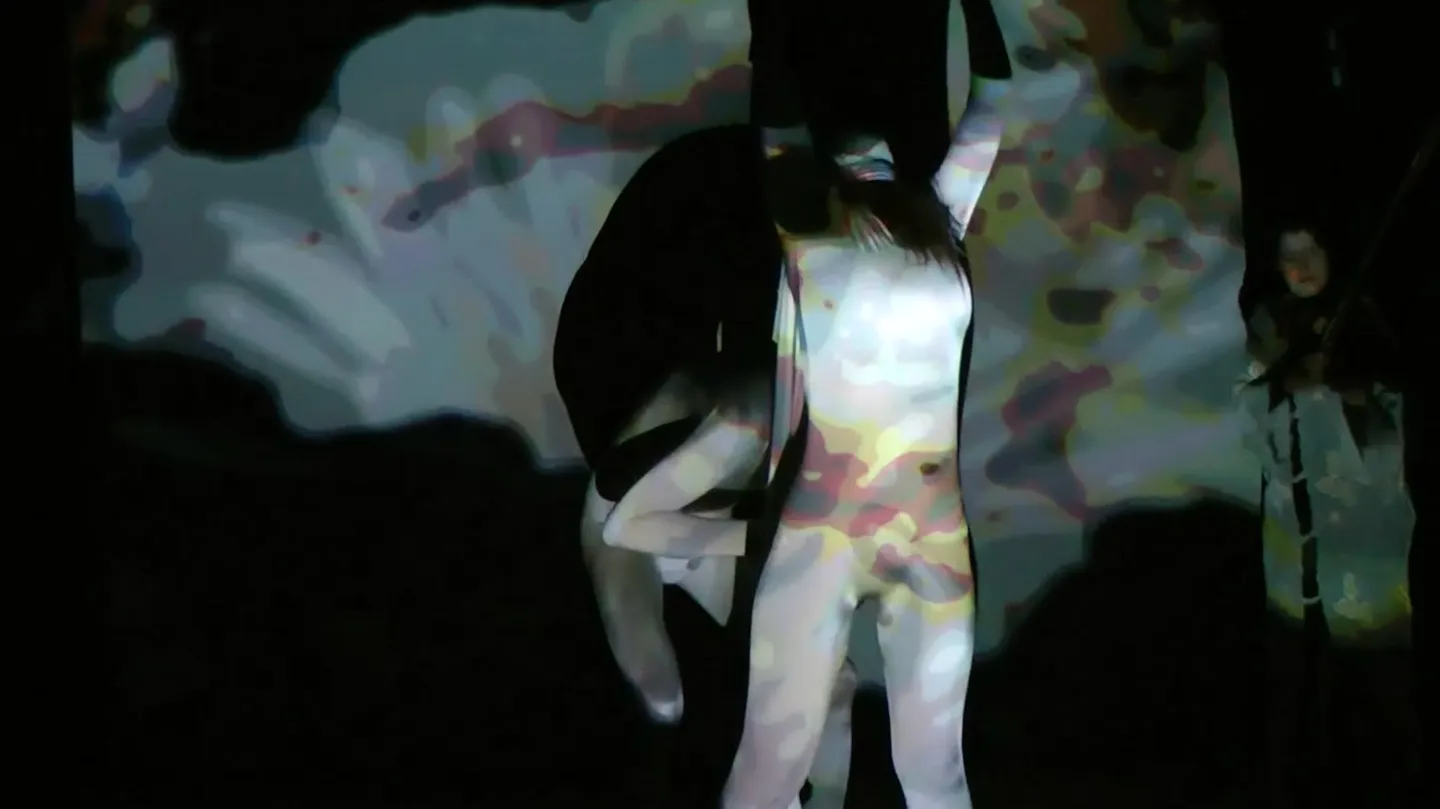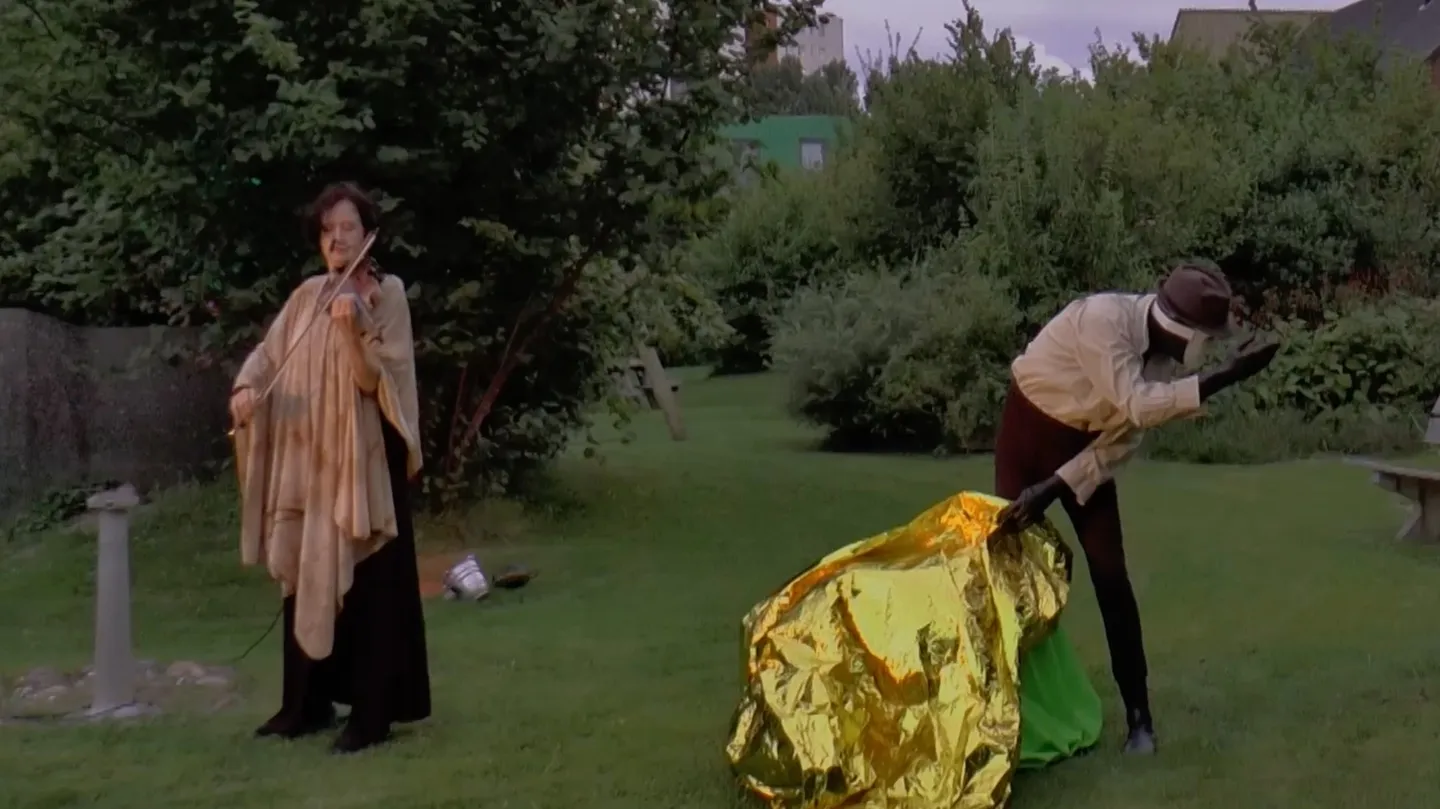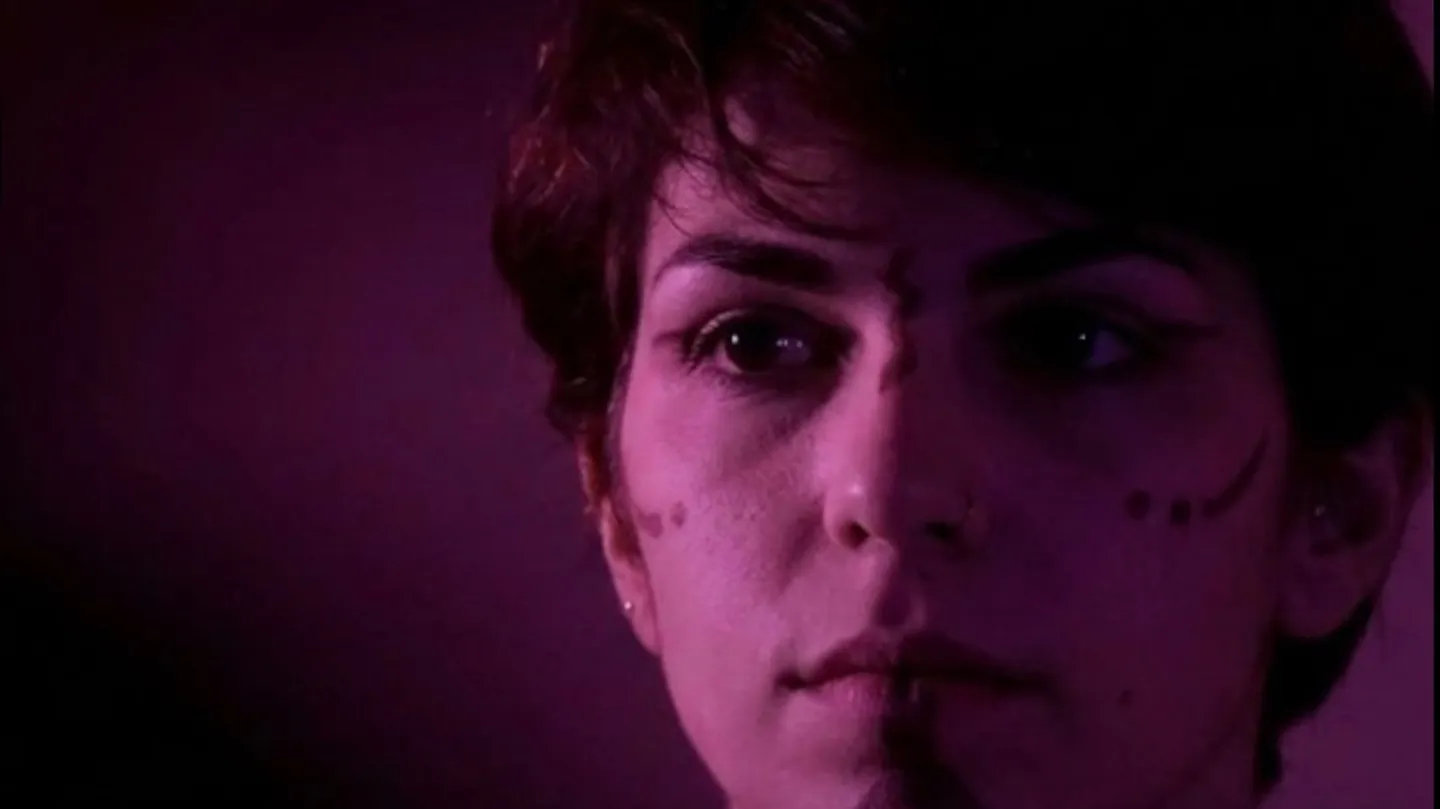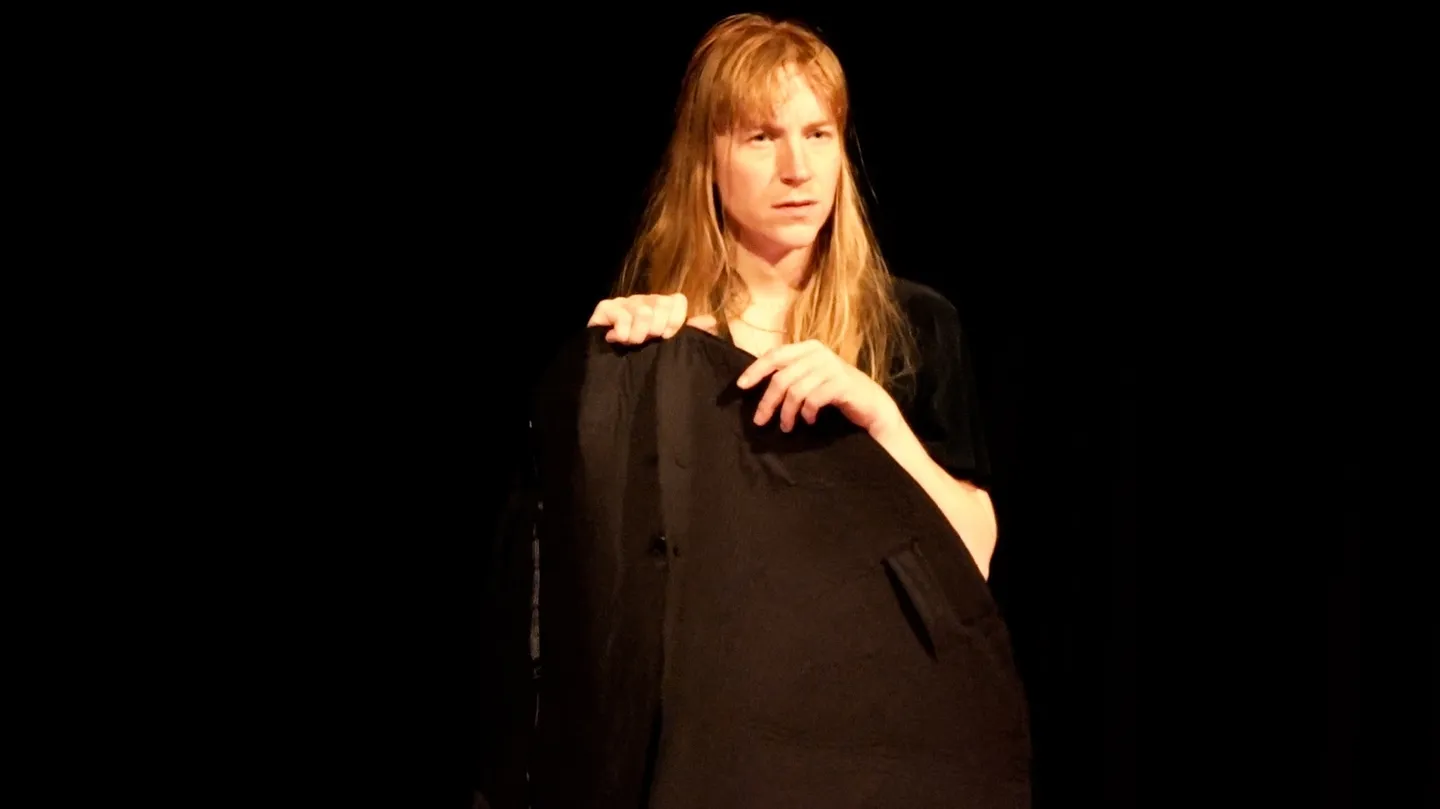
Air Shadow
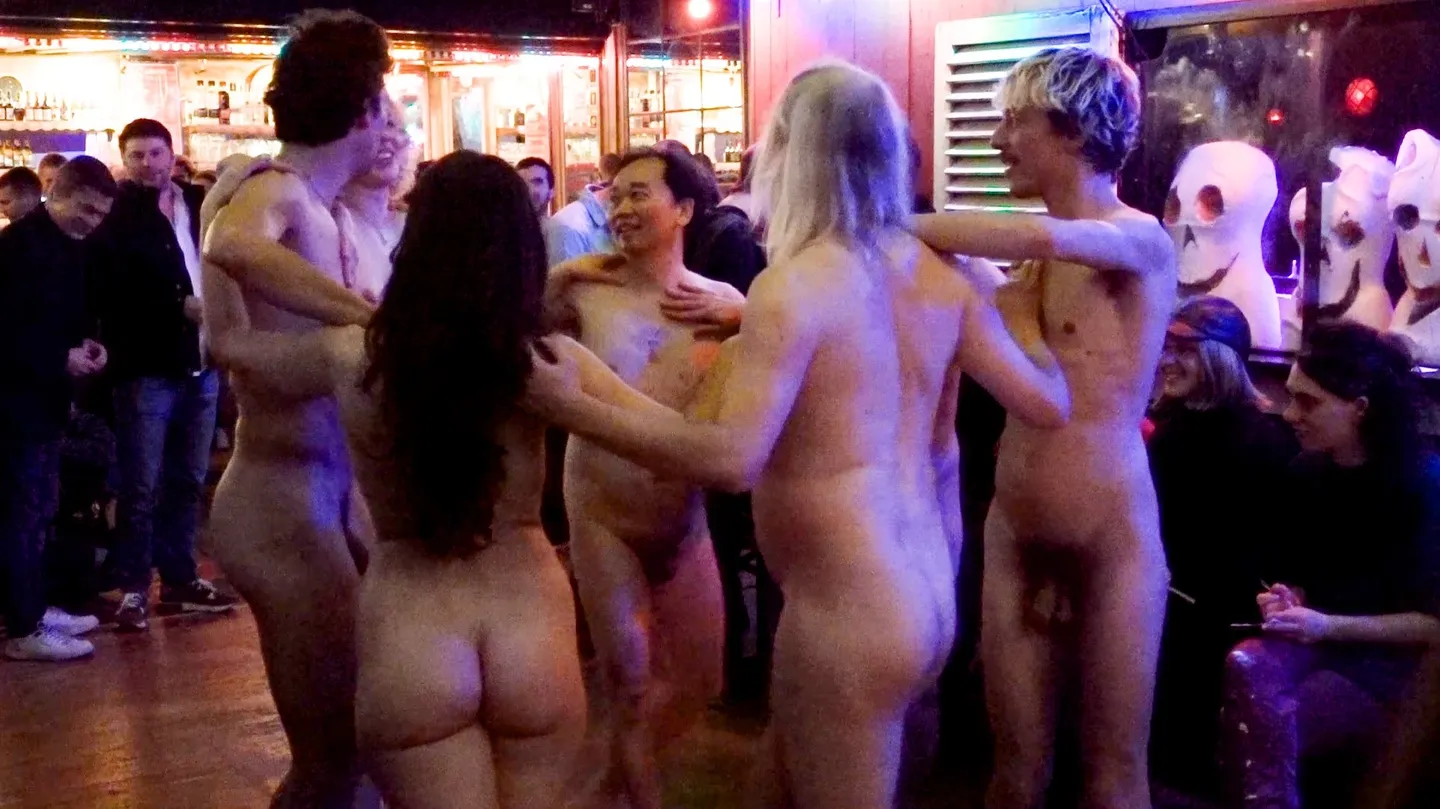
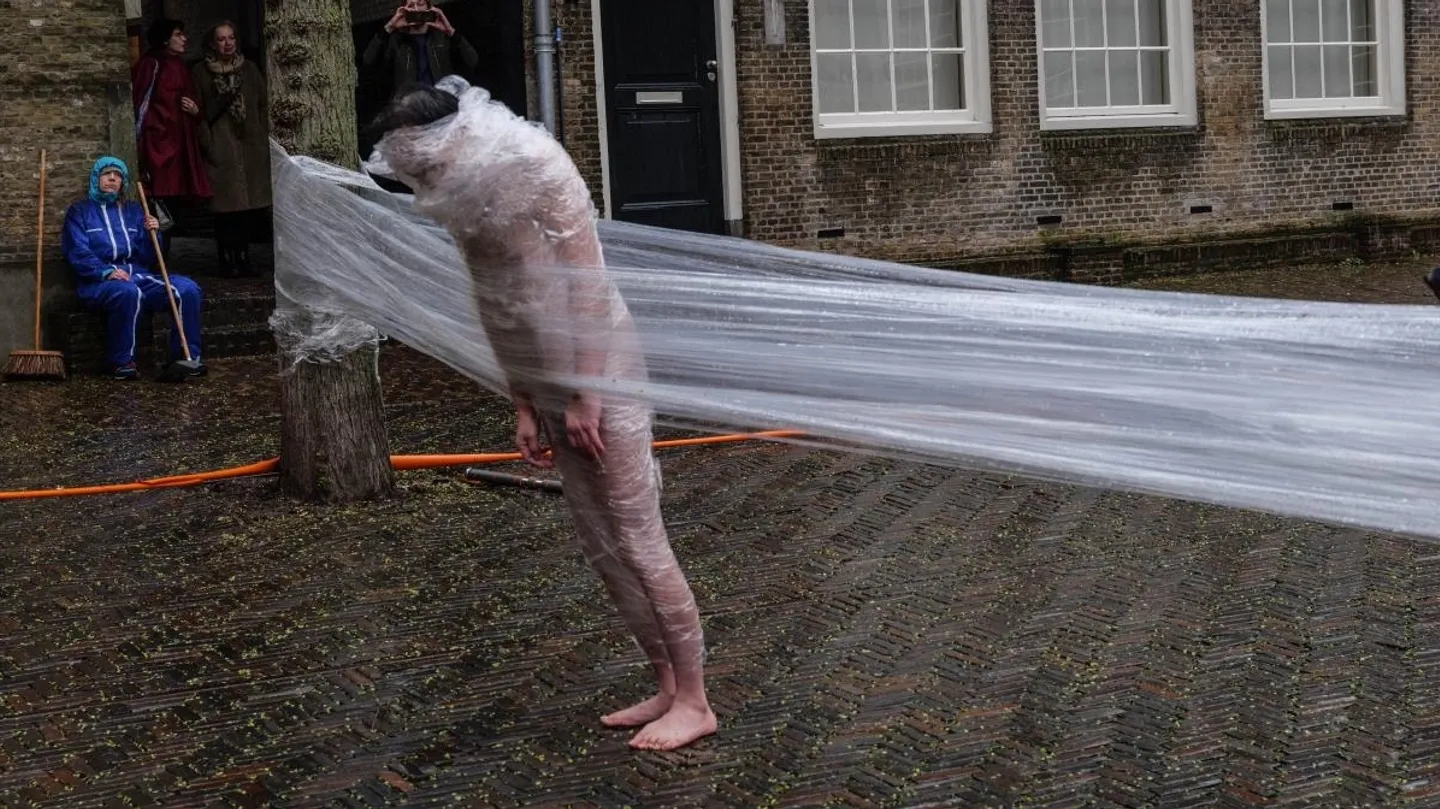
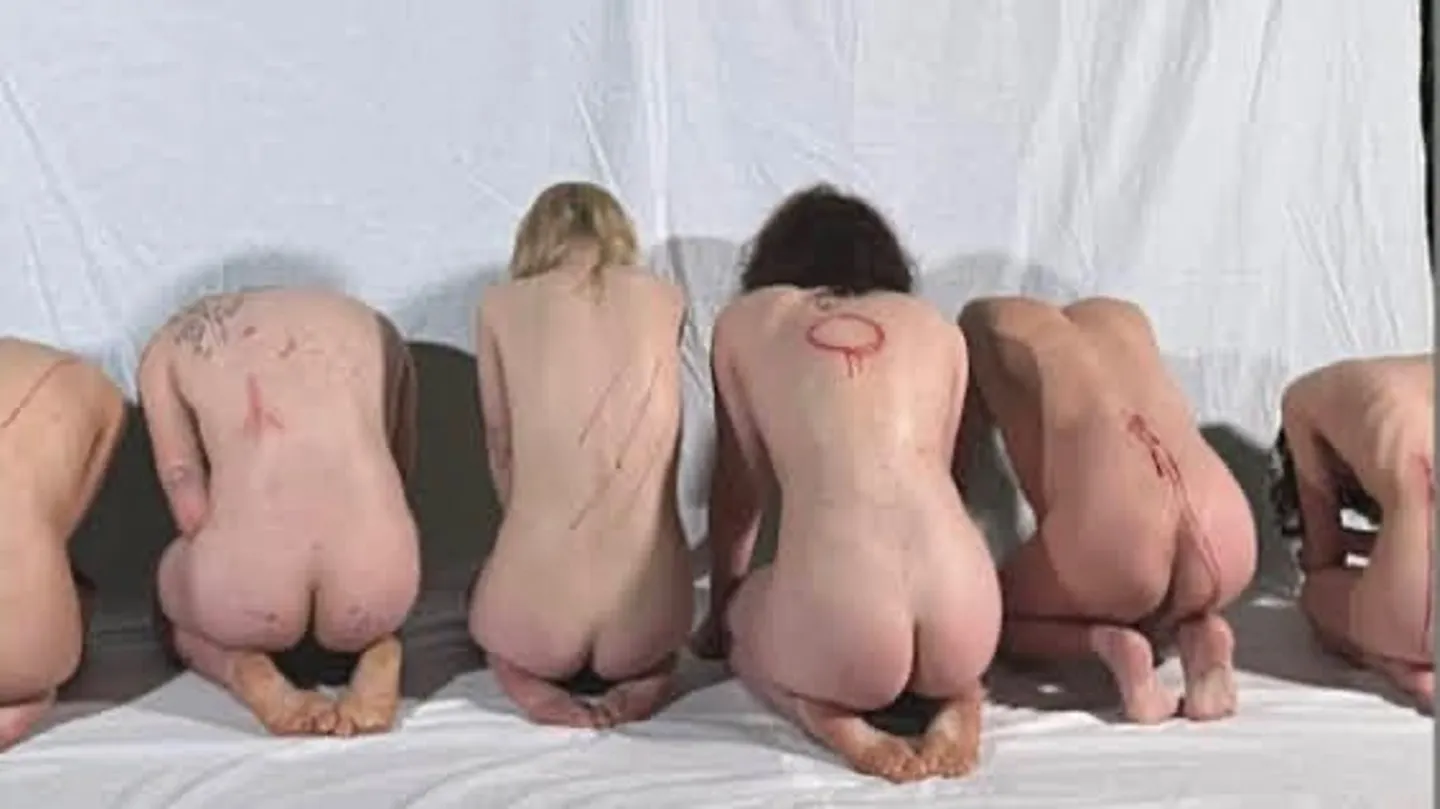
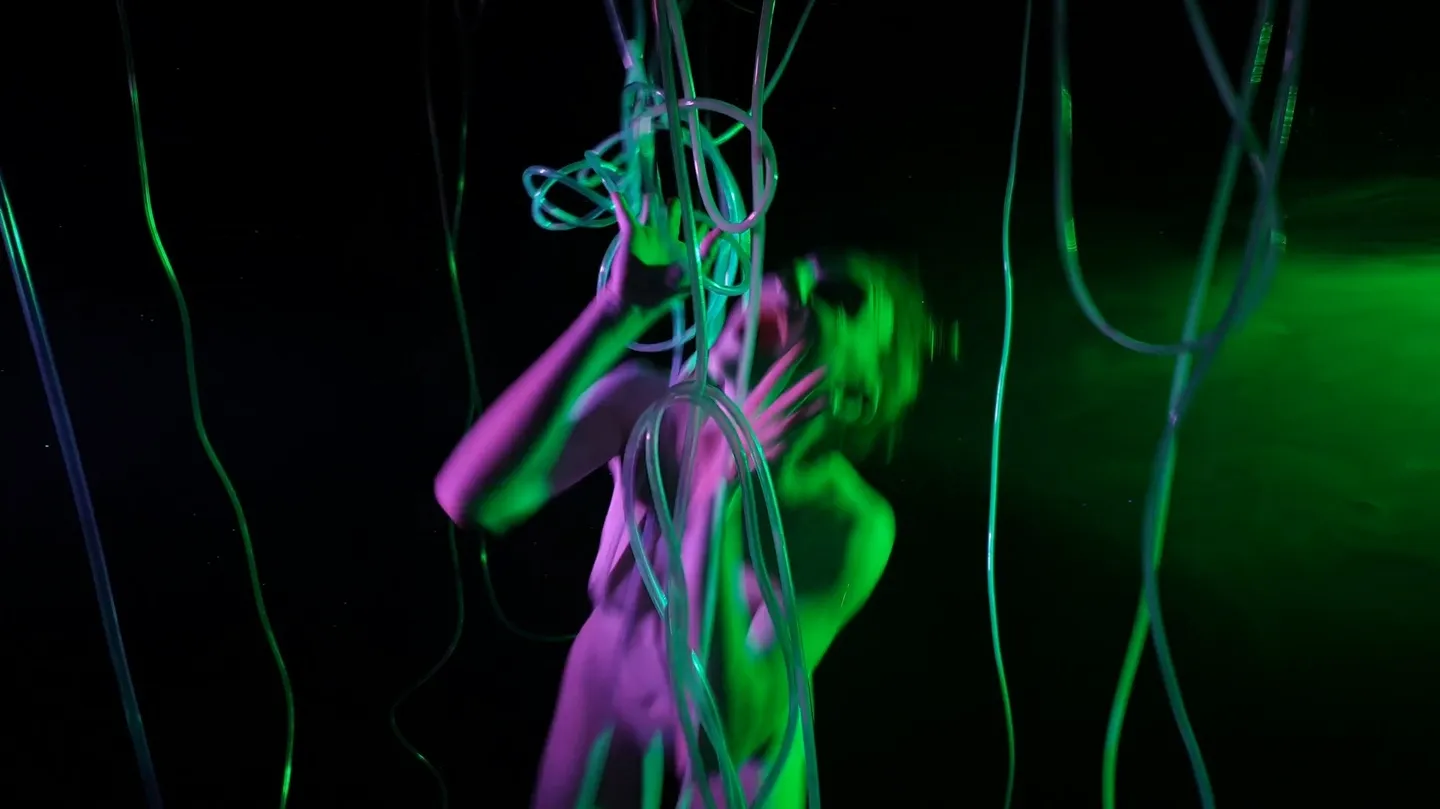
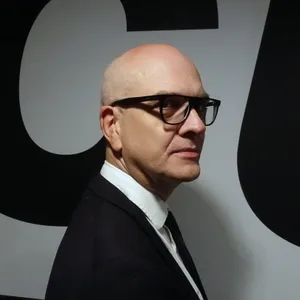
Air Shadow: Philemon Mukarno's Spiritual Quest and the Rigor of Public Nude Performance Art The Veil and the Void The Unveiling: Philemon Mukarno’s Corporeal Challenge Philemon Mukarno is a compelling figure in contemporary performance art. He was born and raised in Indonesia. He is currently based in Rotterdam, situated in the Netherlands. Mukarno is renowned for his work as a composer, yet he actively crosses artistic disciplines. The composition of experimental and electronic music is his primary occupation. His work Air Shadow is a critical performance piece in his repertoire. This work fundamentally challenges traditional artistic boundaries. The piece centers on the demanding concept of public nude performance art. This analysis explores how Mukarno’s rigorous musical philosophy informs the use of the exposed human body. A Composer Enters the Body Mukarno is an artist who carries the precision of electronic composition into performance. He studied Audio Engineering and Composition in the Netherlands. Furthermore, he finished his studies Cum Laude and received a Composition Prize. His compositions are marked by an insistence on the unique use of electronics. His soundscapes often utilize “rough, unpolished sounds” to achieve intense expressiveness. This aesthetic of dissonance is highly important. It directly parallels his decision to use the naked body in performance. The exposed body, like harsh noise, is visually raw and unpolished. This rawness rejects the social artifice of clothing. The shared aesthetic suggests the body in Air Shadow is intended to be confrontational, not merely decorative. Mukarno frequently collaborates with performers and dancers. Therefore, his move toward performance is a natural extension of his cross-disciplinary career. The Rigor of Form and Means Architecture of Sound, Architecture of Self Mukarno is celebrated for his unique position in Contemporary Music. His works demonstrate a “strict control of Form” and a powerful “economy of Means”. Technical rigor and experimentation are consistent hallmarks of his artistic output. The composer adheres to a highly mental approach to art, distancing himself from purely material concerns. This principle of “economy of Means” is essential for understanding Air Shadow. Clothing represents material excess and social coding. Consequently, nakedness represents the absolute, minimalist form necessary for his expression. Minimalism strives to strip away unnecessary layers. Thus, the naked body serves as the minimum viable expressive unit. This corporeal state perfectly aligns with the composer’s philosophical focus on elemental and powerful means. Nudity as a Conceptual Vessel Nakedness Beyond Eroticism Nudity in art is recognized as a complex and historically rich genre. It possesses vast interpretations and meanings. These range from mythology and religion to simple anatomical study. In live performance art, the unclothed body is frequently used to convey strong symbolic meaning. Mukarno’s established artistic focus is on spirituality and rigorous form. His use of nudity thus consciously avoids mere sexual expression or eroticism. The performance aims to function as a powerful metaphor. It aligns with the philosophical interpretations of the nude, such as the aesthetic ideal of perfection or raw vulnerability. The analysis of his work must clarify this artistic intentionality. The naked body challenges social norms and provokes inevitable reactions. However, many cultures tolerate nudity in artistic contexts more readily than in real life. Mukarno utilizes this artistic space to present the body as an object of philosophical contemplation. The aim is to achieve intense expressiveness. Validating the Exposed Form Mukarno’s commitment to conceptual nudity is evidenced by his specific activities. He notably participated in the 9th Festival of Naked Forms (FNAF) in Prague in 2023. His piece for the festival was titled Naked as Trans. The FNAF is a monothematic festival. It concentrates specifically on how human nakedness and nudity are perceived in performance. Participation in such a specialized naked-genre festival establishes immediate legitimacy. It validates his practice as serious, conceptual, and focused. This institutional context is crucial. It differentiates Mukarno’s work from casual exhibitionism or superficial spectacle. This serious intent helps to counter the criticism that performance nudity is often gimmicky. By operating within this specialized framework, Mukarno demonstrates expertise and rigor, thus strengthening the artwork’s trustworthiness. Nudity is also a powerful tool for shedding artifice. It effectively removes the class semiotics historically attached to clothes. The naked form is thus universally accessible in its vulnerability. The Butoh Influence and Primal Force Mukarno’s performance style draws significant influence from Butoh. Butoh is a Japanese dance form emphasizing raw, grotesque, and primal physicality. This influence suggests that the body in Air Shadow is not meant to be a static object. Instead, it is intensely dynamic and expressive. This raw physical expression connects directly to the description of his music. His compositions possess an “almost primal force”. Butoh uses stripped-down, exposed physicality to maximize emotional impact. Similarly, nakedness maximizes the effect of this primal expression in performance. Mukarno uses this intensity to achieve the “intense expressiveness” he seeks in all his artistic endeavors. The body, stripped bare, becomes a powerful conductor for elemental truths. Decoding Air Shadow Interpreting the Ephemeral Title The title Air Shadow offers significant conceptual keys. Mukarno’s overall work often explores the spiritual, the mental, and the non-material realm. The word “Air” suggests immateriality, breath, and spirit. Conversely, “Shadow” implies an ephemeral presence, a transient outline, or a momentary absence. This titular concept places the performance in direct dialogue with art history. Specifically, it subverts the tradition of the nude as a physical, idealized, or permanent form. Traditional nudes, such as Michelangelo’s David, are solid and enduring sculptures. However, Air Shadow suggests instability and non-attachment to the material world. The exposed body becomes anti-sculptural and temporary. The performance depicts the body as a transient outline or spiritual marker. It represents the momentary boundary between the material world and the realm of the spirit. The Economy of the Exposed Body Mukarno consistently prioritizes “strict control of Form”. He champions the idea of using elemental means in a powerful way. The public nude performance in Air Shadow is the ultimate manifestation of this aesthetic. It is arguably the most economical means possible to achieve maximum vulnerability and confrontation. This approach represents a radical departure from established artistic traditions. The act achieves an ultimate form of radical honesty. Clothing functions as a layer of social coding and historical tradition. The naked body, conversely, provides pure, unfiltered data. This ensures that the focus remains entirely on the performer’s intentionality and intense expressiveness. To be powerful and economical requires the removal of all unnecessary layers. Thus, the performance is a testament to the power of artistic minimalism. Historical Context: The Public Nude Discourse A History of Symbolic Exposure To understand Air Shadow, one must acknowledge the long history of the nude in art. The representation of the human body has always reflected the social standards of its time. Ancient Greece viewed the body as a source of pride and aesthetic perfection. In contrast, the Judeo-Christian tradition historically viewed the body as a source of shame. Mukarno, an Indonesian artist based in Europe , navigates these profound cultural divides. His conceptualization of the body as a temporary vessel is influenced by Asian spiritual philosophy. This approach contrasts sharply with the Western dichotomy of shame versus idealization. Nudity in Western live performance gained general acceptance starting in the 20th century. Mukarno operates within this modern discourse. His non-traditional, spiritual focus offers a contemporary critique of the Western “nude” genre. Shedding Artifice and Class Performance nudity serves an important sociological function. It allows artists to completely avoid “performing the outfit”. This means the focus shifts away from costuming and its societal implications. Nudity effectively removes the class semiotics associated with clothes. The resulting exposed form is conceptually democratic and universally relatable. The German concept of Freikörperkultur (FKK), or “free body culture,” uses nudity to shed societal artifice. Mukarno’s performance achieves a similar effect. By embracing non-attachment to material things , the performance avoids conveying specific social status or financial means. This state of pure form perfectly aligns with his aesthetic rigor. The elimination of class identification supports the philosophical shedding of matter. The Inflationary Effect and Contemporary Critique Nudity in performance art is consistently used to challenge social norms. However, the prevalence of nudity has generated controversy and critical skepticism. Some contemporary art critics contend that excessive nudity has resulted in an “inflationary effect”. This inflation risks diminishing the value and shock of nakedness. Many professionals in the art world find modern works involving nudity to be “boring” or cheap imitations of iconic pieces.