2nd Radio Calisthenics: Young Eagles Take Off
Contains AI-assisted elements
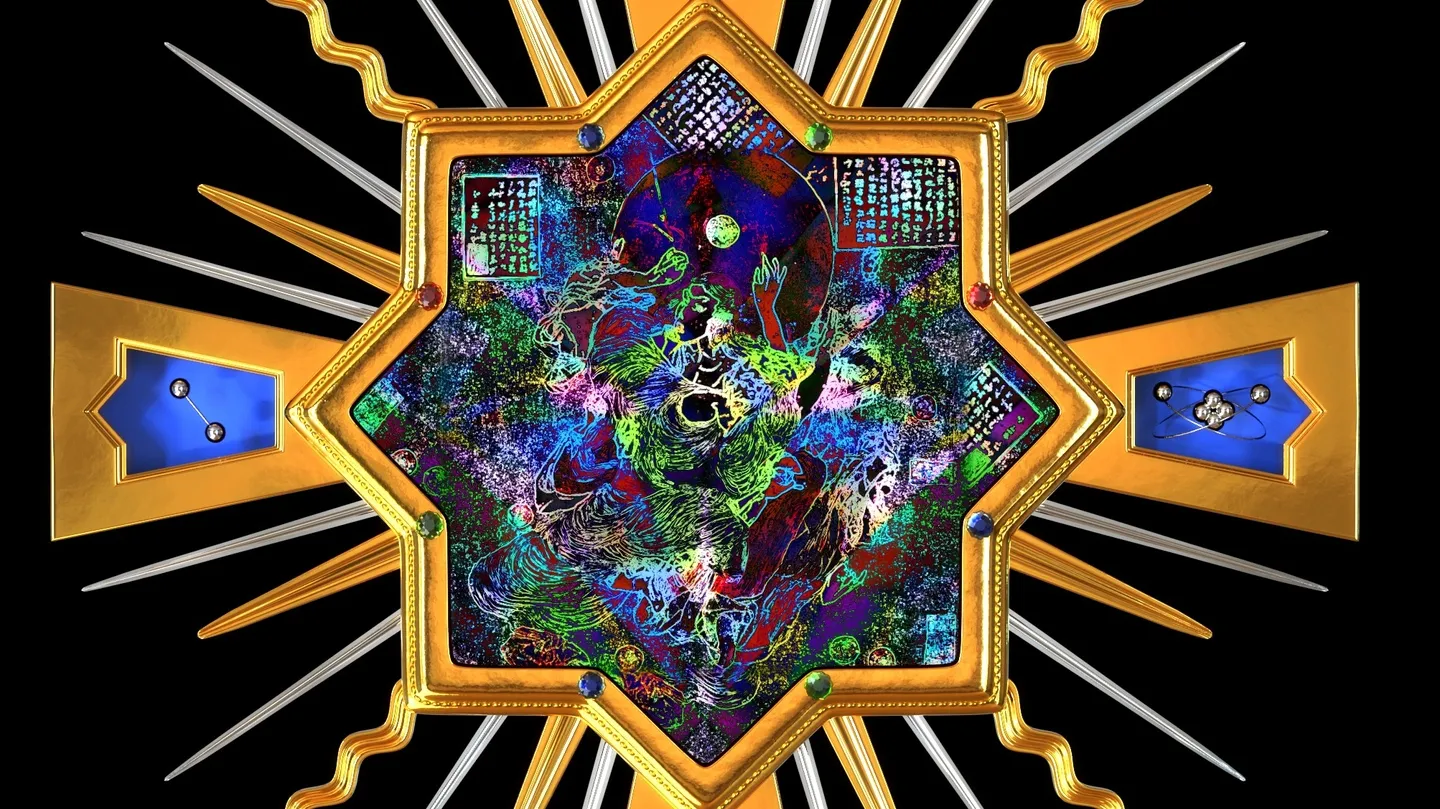
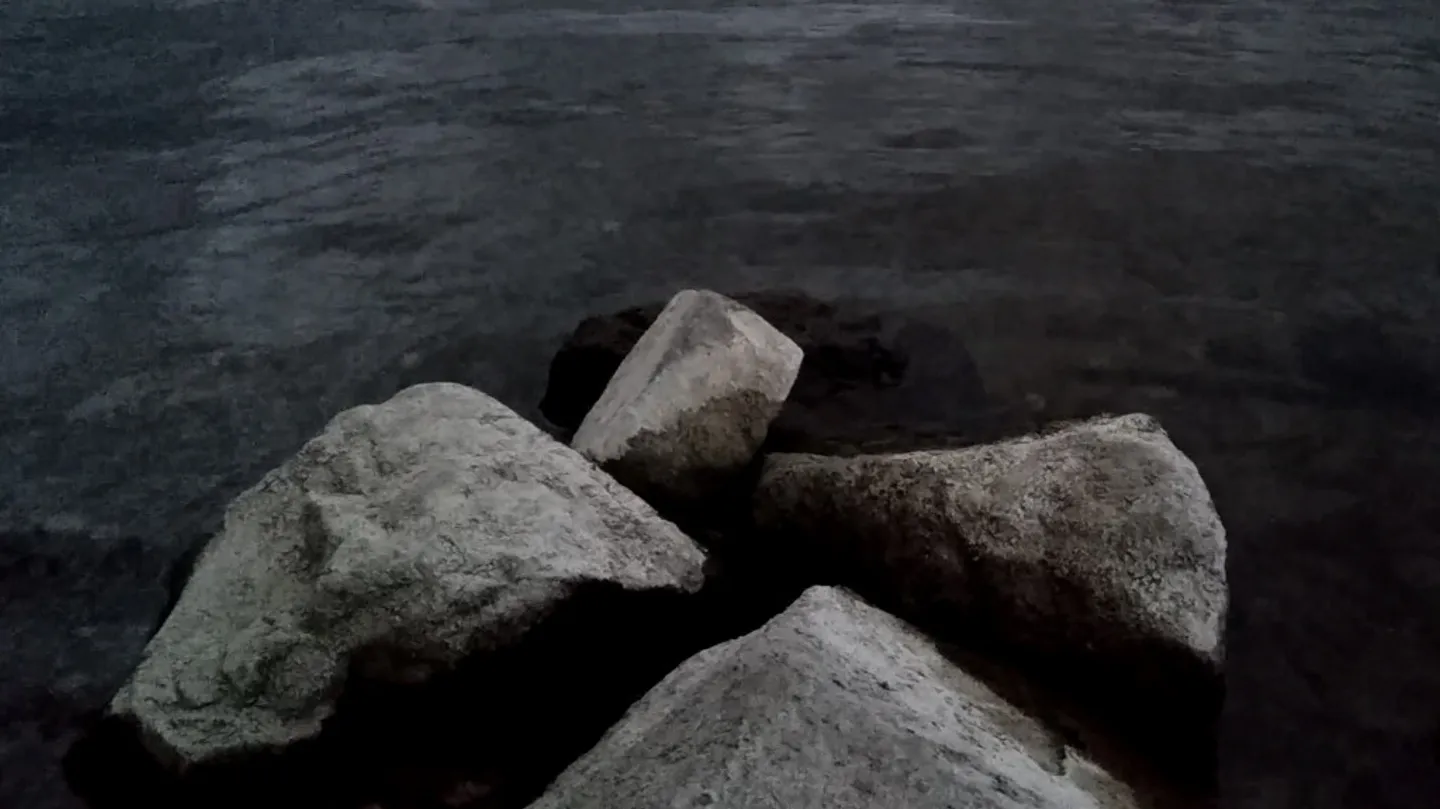
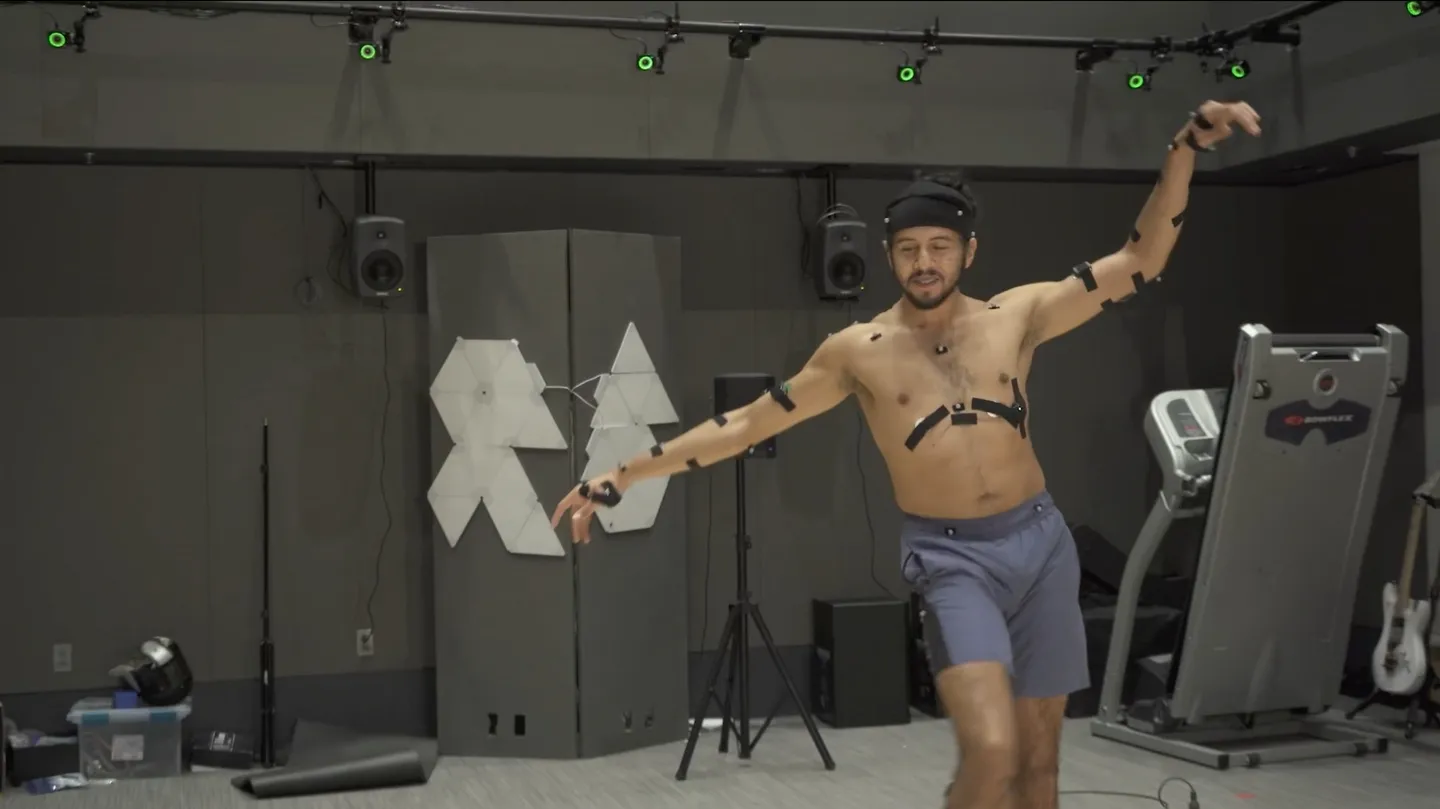
Radio calisthenics are exercises performed to music and audio guidance from radio broadcasts that are popular in East Asia. Launched in 1928 to celebrate Emperor Hirohito’s enthronement, the national radio calisthenics routine was widely used to drill soldiers across Japan during WWII. After Japan’s defeat, radio calisthenics were banned for being too militaristic, until they were reintroduced a few years later after several rewrites. China introduced and adapted radio calisthenics in 1951, and they have been mandatory in most schools. Beyond exercise, these calisthenics remain a daily ritual for students in China, often paired with the flag raising and national anthem, fostering a sense of patriotism, discipline and collectivism. Young generations in China hold a bittersweet memory of radio calisthenics. Practicing them as a student was tedious and intense, sometimes meaning hours under the sun on the playground just to perfect each move, more like a disciplinary session than exercise. Still, the calisthenics hold a cultural value, as they integrate students from different backgrounds into a “large family.” Today, with the rise of internet subculture, the once state-issued radio calisthenics have been memefied and become a symbol of nostalgia for millennials and Gen Z in China. 2nd Radio Calisthenics: Young Eagles Take Off (雏鹰起飞) re-stages the radio calisthenic of the same name back in early 2000s through game-engine cinema. Set in a desert playground that’s full of digital wastes, the calisthenic is performed by characters from memes, pop cultures, current events and well known figures such as Uncle Sam, an ICE agent, Jessica Foster (the viral AI-generated U.S. Army soldier avatar turned nationalist political psyop), Leifeng (a model soldier of Chinese communist propaganda), Mickey mouse and so on . Their motion is directly motion-captured from the official tutorial footage. The film explores how power imposes on and shapes the body and perception. On this playground, the forms of power become interchangeable: the disciplinary routine imposed by the state, the less visible soft power of the internet and media, and the dynamic between performers and observers. Who holds power is never stable but always depends on context. In the film, the U.S. and China are not opponents but co-performers of the same exercise routine, seen through a collective lens of memes and nostalgia.