2026: Can We Believe in the Loving Grace of Machines?
Contains AI-assisted elements
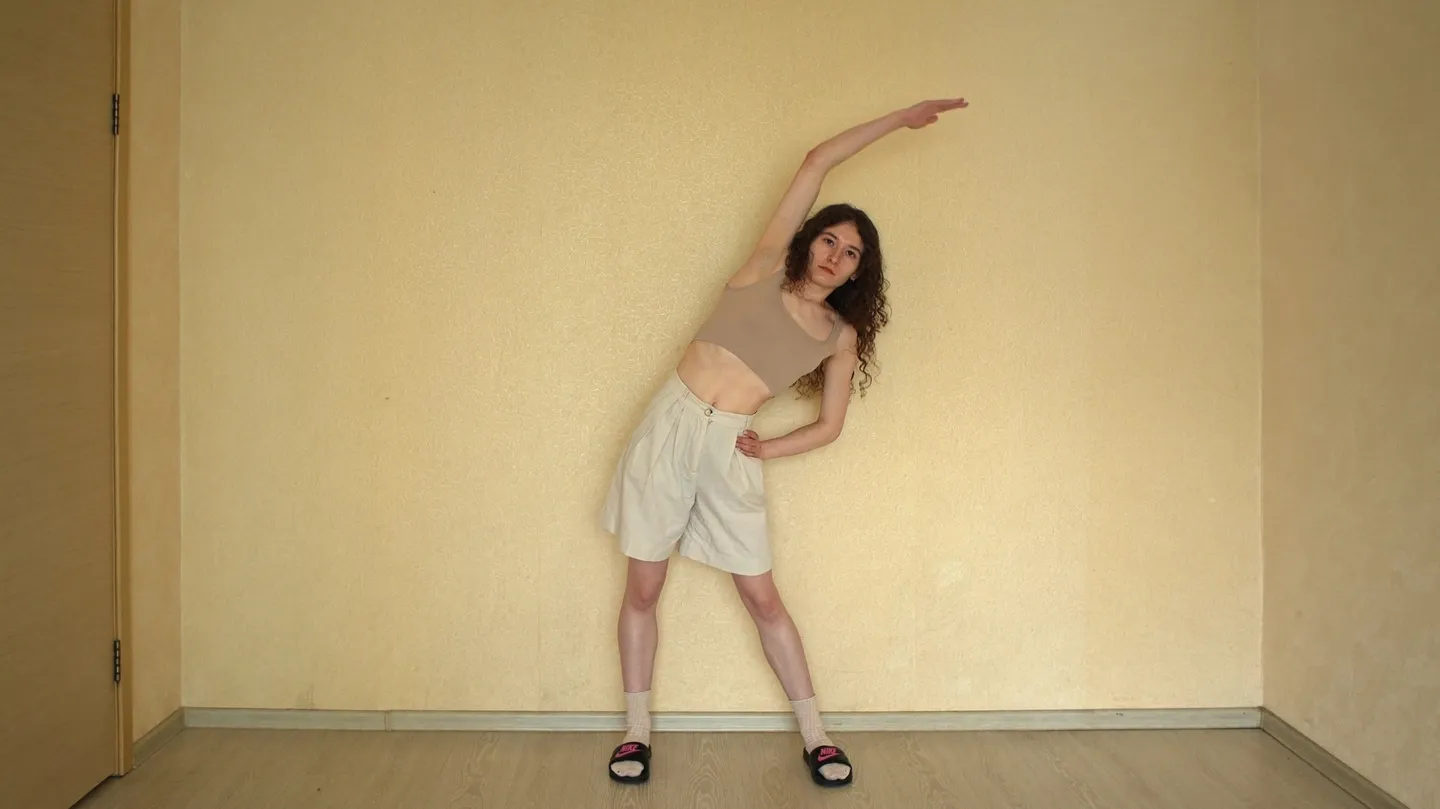
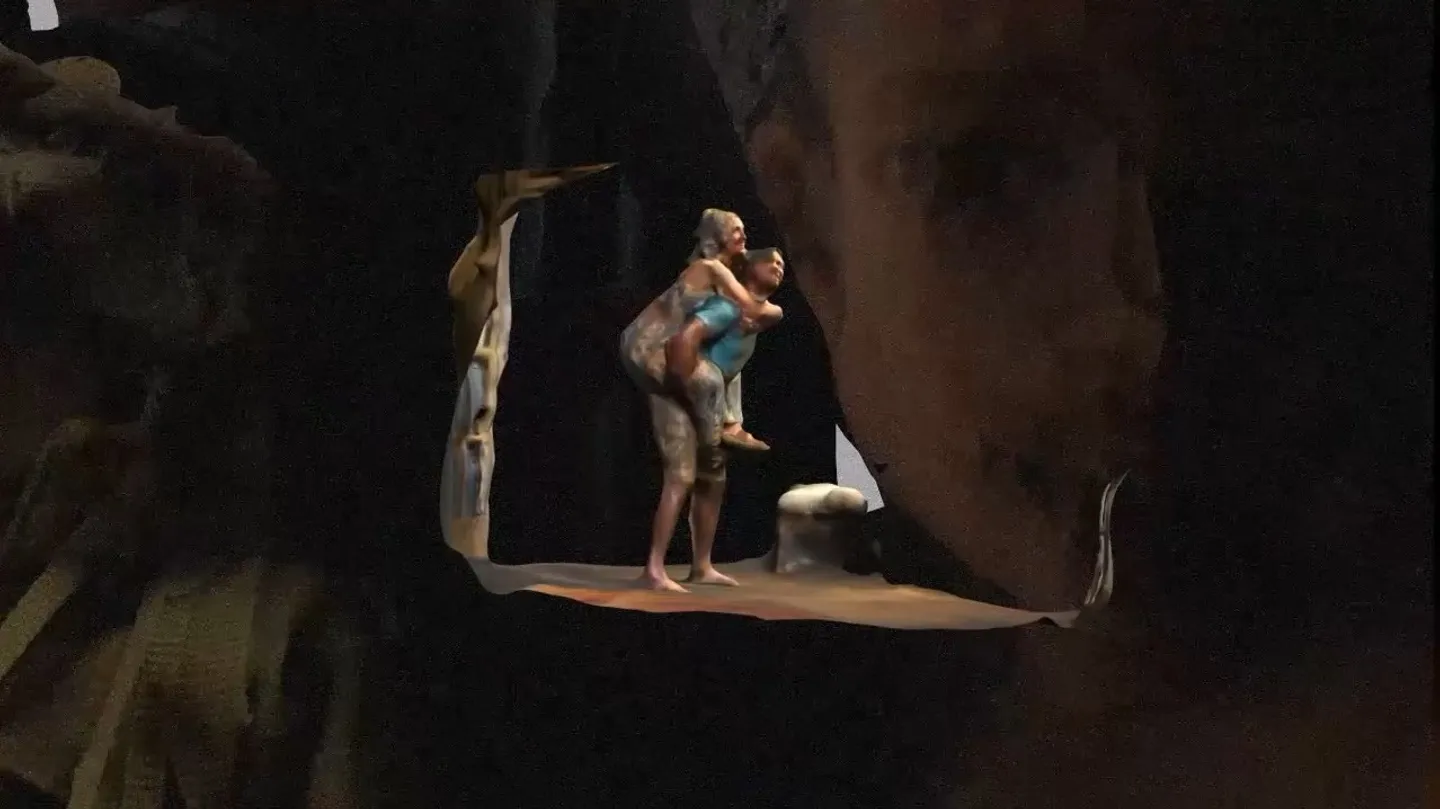
In 2026, a series of concrete events has brought the relationship between artificial intelligence and the physical world into view. Workers wear cameras to record their working processes, turning bodily movements into data for training robots. The US military has also publicly stated that it uses AI in warfare to process large volumes of information and support military judgments and decisions. This work responds to these developments through moving images. Interweaving workers’ first-person recordings, reinforcement learning simulations, and civilian drone footage, it examines how human experience becomes machine capability, and how those capabilities return to shape reality. In Richard Brautigan’s 1967 poem All Watched Over by Machines of Loving Grace, humans, computers, and nature form a “cybernetic ecology”: people are freed from labor and gently cared for by machines. This vision resonates with the experiments in free sharing and communal life associated with San Francisco’s counterculture at the time. It carries a wish for another way of living. More than half a century later, this wish encounters the realities of 2026: workers teaching machines how to work, and AI participating in judgments that affect the world. The same movement completes an immediate task while also becoming a sample for training future machines. Yet reports indicate that some workers receive no additional compensation for these recordings. As human labor continues to generate machine capability, the question of who will enjoy a future free from labor remains unresolved. The work follows this process through a “reality ↔ dataset” loop. Everyday human behavior is recorded, decoded, and extracted as training data. Models, in turn, act upon reality through their actions and judgments, producing further experiences and data. Through repeated movements, expanding grids, and shifting perspectives, reality becomes both a source from which machines learn and a site where their capabilities are deployed and tested. Who supplies the experience, who receives the benefits, and who bears the consequences of these judgments become questions as significant as technical capability itself. In the final sequence, the machine’s viewpoint enters the physical world, becoming unstable and precarious. This is not the artist’s prediction that robot training will inevitably fail. It questions whether the ways we acquire data, organize labor, and deploy AI can justify the promise of “machines of loving grace.” Can these conditions sustain the promise that machines will care for humanity? Drawing on the poem’s recurring phrase “I like to think,” the work holds hope and doubt together. We may still wish for a world free from labor, while asking how we are attempting to reach it. Footage source Closing drone footage (04:07.700–04:51.900): excerpts from “【第一期】穿越机炸鸡集锦 每次5分钟 打杆慢又怂,” a compilation published by TSF-Leo on Bilibili, 2 January 2020. https://www.bilibili.com/video/BV1sJ41187rZ/