
Quadrature: Data You Can Touch
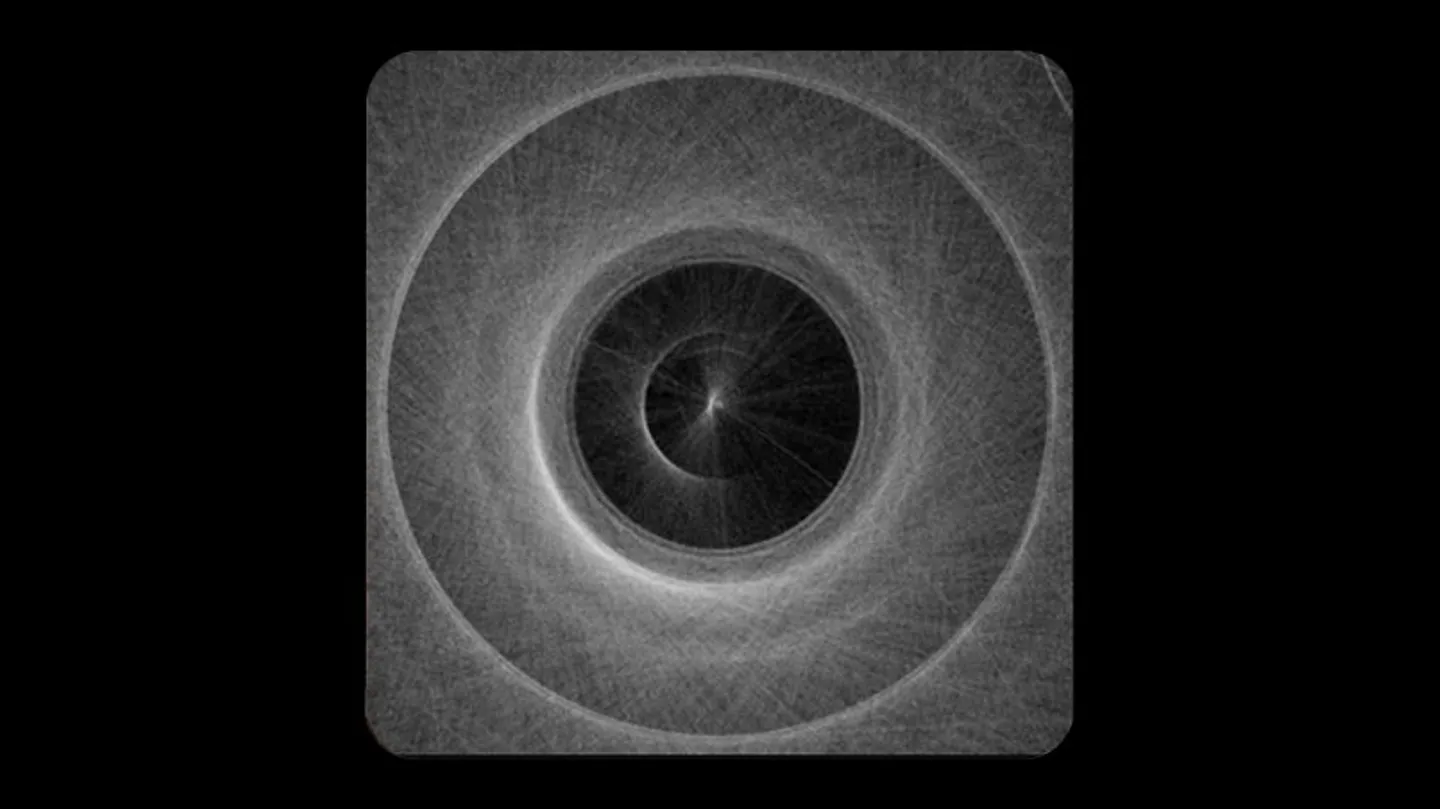
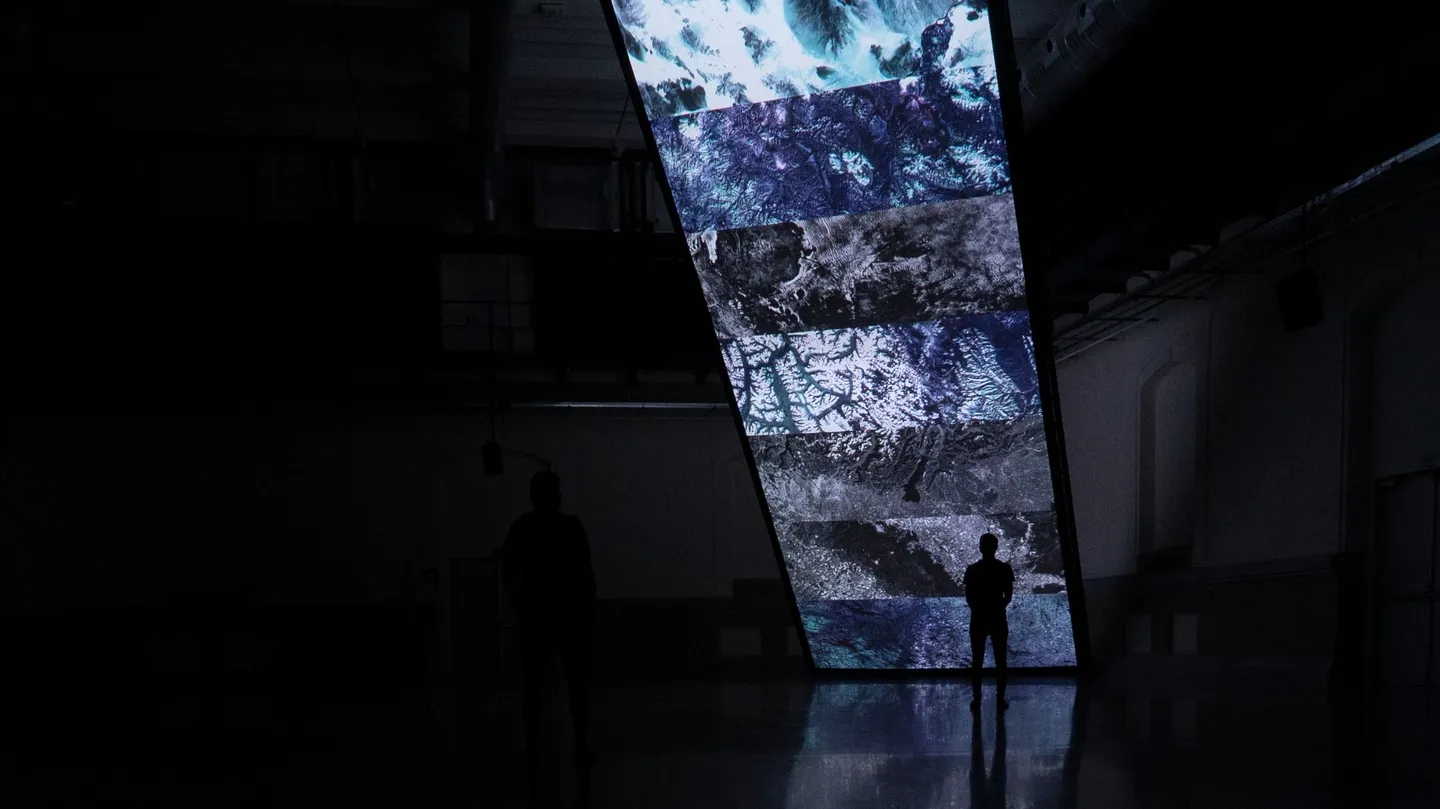
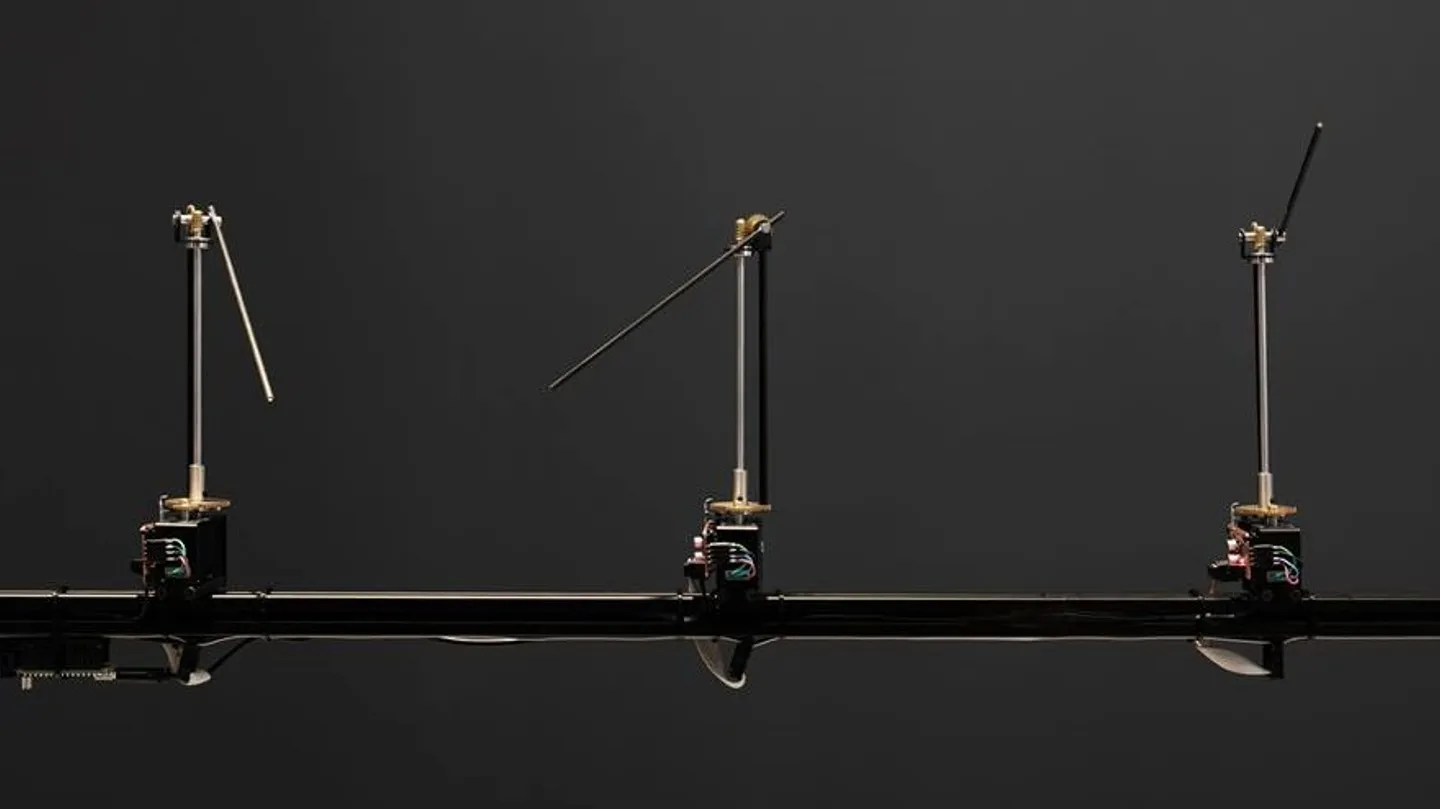
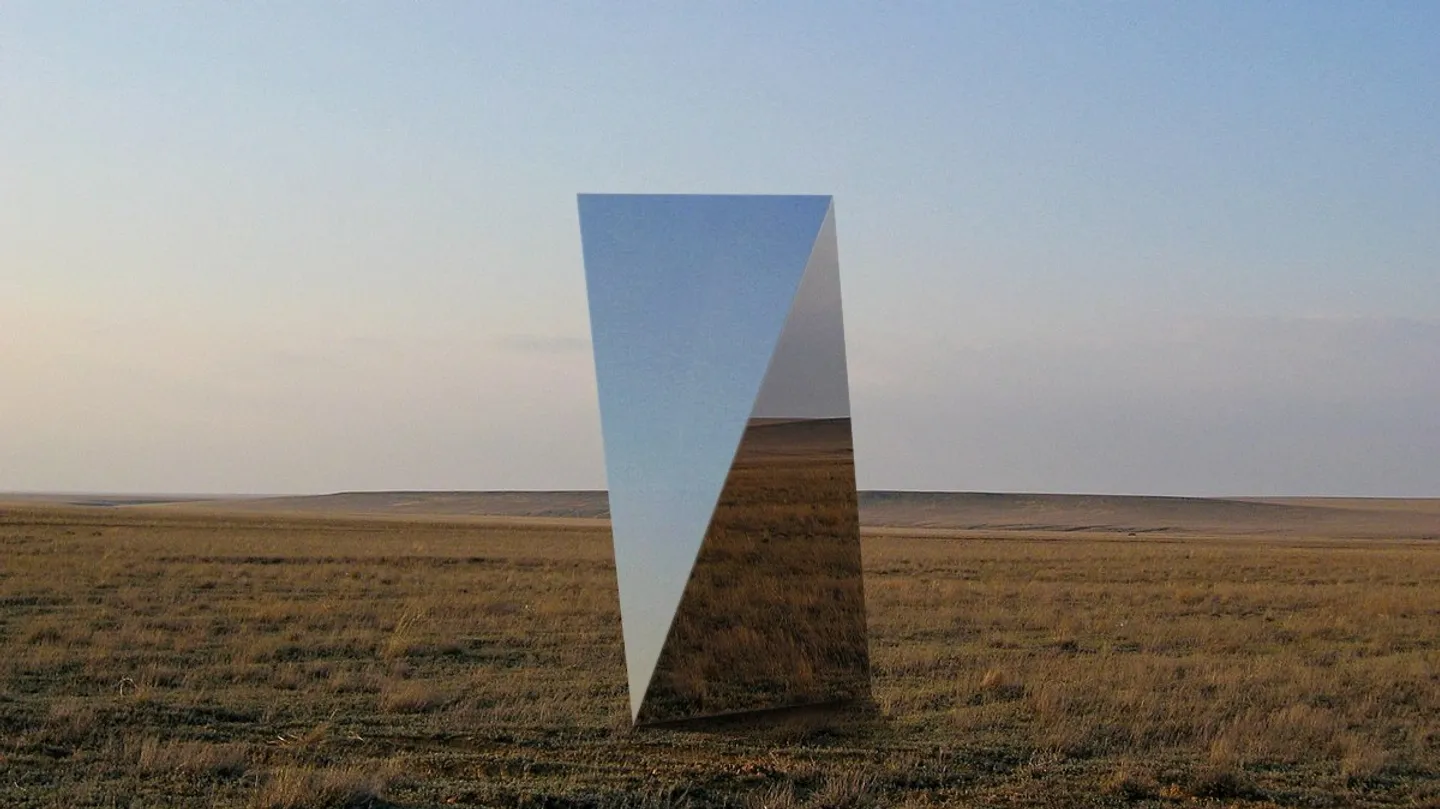
There are things that govern our lives, even though we almost never see them. Satellites overhead, algorithms, financial flows, vast datasets. We know they exist, yet grasping their true scale is nearly impossible. Bridging the gap between "knowing" and truly understanding is the focus of Quadrature — the duo of Juliane Götz and Sebastian Neitsch. They met while studying at the Burg Giebichenstein University of Art and Design in Halle and have been working together since 2015. Over the years, they have received two Honorary Mentions from the Prix Ars Electronica, held residencies at Akademie Schloss Solitude, La Becque, and the Hertz Lab at ZKM, collaborated with the European Southern Observatory in Chile, and exhibited at institutions such as ZKM, HeK Basel, and Ars Electronica. Yet, more compelling than their exhibition history is their actual working process. Quadrature takes something vast, complex, and usually invisible — data, satellite infrastructure, scientific systems — and attempts to give it physical form. They don't just explain things with another chart; they allow us to see, hear, or literally step inside these phenomena. For a long time, space was a central theme in their work. Not space in the sense of beautiful NASA photographs, but the sky as a thoroughly terrestrial territory — occupied by satellites and systems for communication, surveillance, and control. In ”Supraspectives”, they engage with reconnaissance satellites. In ”Positions of the Unknown”, mechanical pointers track secret objects in orbit: we may know where they are, yet know almost nothing about what they are actually doing there. And this is where it gets interesting: Quadrature isn't really about space, after all. They constantly ask the same fundamental question: how do we see the system we are already living inside? And now, that question is shifting — unexpectedly — from orbit to money. On September 29, 2026 the University Gallery at TU Dresden will open its new exhibition, “The Mass of Money”. Open to the public from September 30, 2026, to January 22, 2027, the exhibition marks the culmination of the Schaufler Residency@TU Dresden. This time, Quadrature explores the global concentration of wealth. They combine economic data with models from physics and cosmology: money acquires mass, capital gains gravity, and the accumulation of wealth begins to resemble the processes of cosmic structure formation. This arguably captures their general approach perfectly: taking a system that has grown too vast for human perception and finding a new image for it.